Dangerous Sports That Push Human Limits
Some sports are purely recreational, while others focus on the athletes’ endurance, accuracy, and strategy. And then there are the sports that appear to be on the fringes of what the human body and mind can handle.
For the athletes that compete in these events, these activities represent something far beyond the rush of adrenaline that fuels them. They represent challenges that test the boundaries of human endurance, focus, and determination.
Here’s a closer look at some of the most dangerous sports that continue to test the boundaries of human endurance in amazing ways.
Base Jumping

Base jumping is widely considered one of the most dangerous sports in the world. Participants leap from fixed structures such as cliffs, bridges, or tall buildings before deploying a parachute to slow their descent.
The name itself comes from the four common jump points: buildings, antennas, spans, and earth formations. What makes base jumping particularly risky is the short distance between the jump point and the ground.
Unlike skydiving from an airplane thousands of feet in the air, base jumpers often have only a few seconds to stabilize themselves and open their parachute. A single mistake can quickly turn serious because there is little margin for correction.
Even so, experienced jumpers spend extensive time studying wind conditions, terrain features, and landing zones before attempting a jump.
Free Solo Climbing

Free solo climbing strips rock climbing down to its most extreme form. Climbers scale steep rock faces using only their hands and feet, without ropes, harnesses, or safety equipment.
Every movement must be deliberate because a slip could lead to a fall hundreds or even thousands of feet. The sport demands extraordinary mental control as much as physical strength.
Climbers often memorize every handhold and foothold during earlier practice climbs using protective gear. When the actual free solo attempt begins, they rely on complete focus and muscle memory.
Famous climbs on towering rock formations have demonstrated just how far human determination can push physical limits.
Big Wave Surfing

Big wave surfing takes place in some of the most powerful waters on Earth. Surfers paddle into massive waves that can rise over 60 feet tall, often forming in deep ocean locations where underwater geography creates enormous swells.
These waves move with tremendous force, carrying the weight of thousands of tons of water. Riding such waves requires precise timing, balance, and courage.
Wipeouts can drag surfers deep underwater while successive waves crash overhead. To prepare for these conditions, many big wave surfers train extensively in breath-holding techniques and underwater survival skills.
Specialized flotation vests are also commonly used today to help surfers return to the surface more quickly after a heavy fall.
Wingsuit Flying

Wingsuit flying allows athletes to glide through the air using specialized suits that create lift between the arms and legs. Jumpers typically leap from cliffs or aircraft, spreading their wingsuit fabric to control direction and speed as they descend.
The sensation resembles human flight, but the margin for error is extremely small. Wingsuit pilots often travel at speeds exceeding 100 miles per hour while maneuvering close to mountainsides or valleys.
Precision and situational awareness become critical in such conditions. Many wingsuit flyers begin with years of skydiving experience before attempting this advanced and demanding discipline.
Ice Climbing
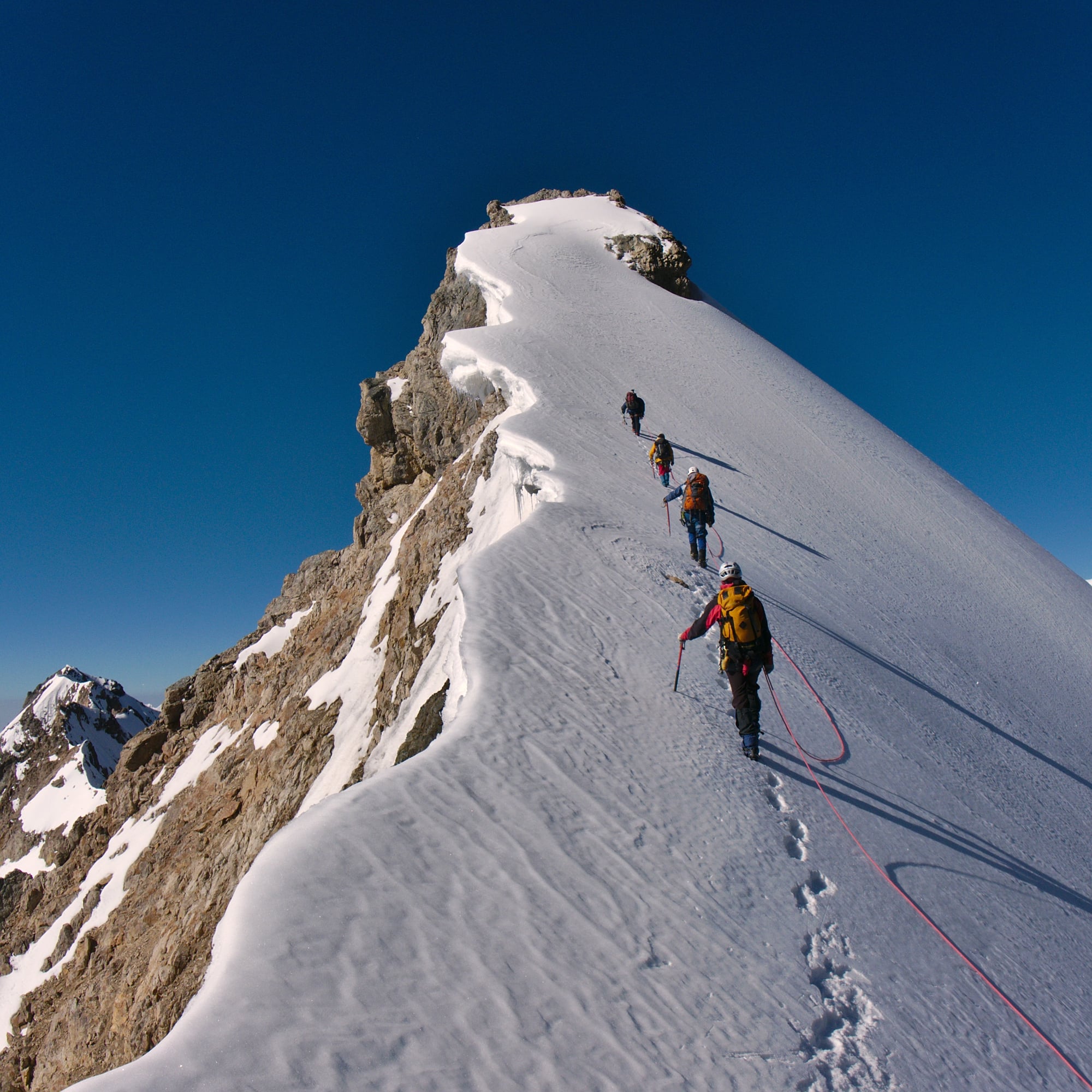
Ice climbing involves scaling frozen waterfalls, icy cliffs, and glacial formations using specialized equipment. Climbers rely on ice axes and metal crampons attached to their boots to grip surfaces that can be brittle or unstable.
Conditions in icy environments add an extra layer of challenge. Weather changes quickly in mountainous regions, and falling chunks of ice can create sudden hazards.
Climbers must carefully assess the strength and structure of the ice before committing their weight to it. Even small changes in temperature can alter the stability of a frozen wall.
Which means climbers constantly evaluate the surface as they ascend.
Ultramarathon Running

Traditional marathons already push runners to their limits over 26 miles. Ultramarathons extend that distance dramatically, sometimes reaching 100 miles or more across deserts, mountains, or remote wilderness terrain.
These races often take place in extreme conditions such as high heat, cold nights, or rugged trails. Runners must manage hydration, energy levels, and mental fatigue over many hours or even days.
Some competitors experience sleep deprivation during the longest events. Success in ultramarathon running depends not only on physical conditioning but also on remarkable perseverance and careful pacing.
Highlining
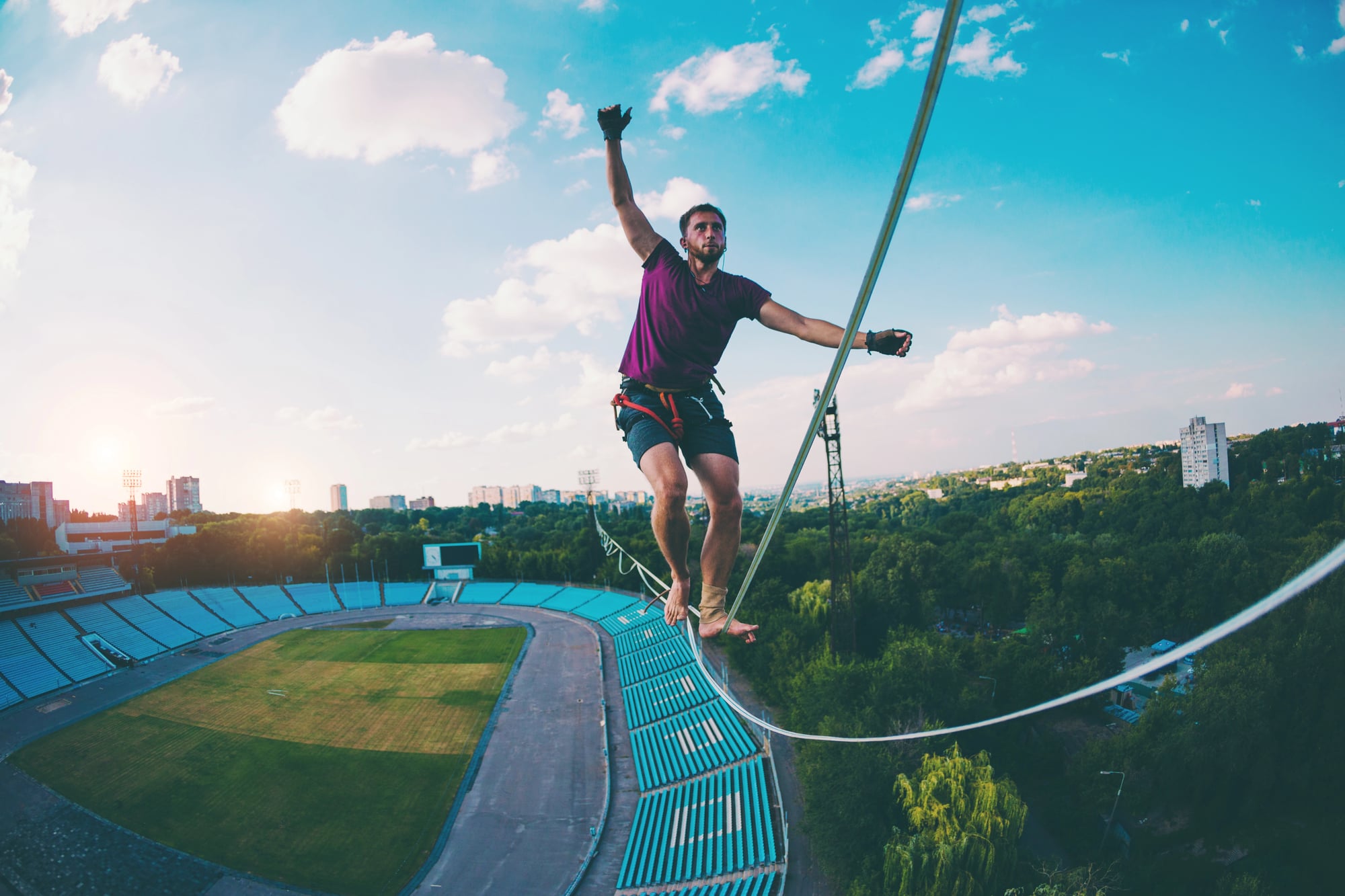
Highlining is an extreme variation of slacklining, where participants balance and walk along a narrow webbing line suspended high above the ground. The line may stretch across deep valleys, between cliffs, or high above rivers far below.
Unlike tightrope walking in controlled environments, highlining often takes place in windy outdoor conditions. The line shifts and moves under each step, forcing participants to constantly adjust their balance.
Many highliners wear safety harnesses attached to the line, but the psychological challenge of walking hundreds of feet above the landscape remains intense. Maintaining focus while surrounded by vast open space requires steady nerves and careful breathing.
Cave Diving

Cave diving takes scuba diving into underwater cave systems where natural light disappears quickly. Divers navigate narrow tunnels, sharp turns, and complex passages deep below the surface.
Visibility can change suddenly if sediment becomes disturbed, making navigation more difficult. Because caves often have only one exit path, divers must plan their routes carefully and carry redundant equipment.
Specialized training teaches divers how to manage air supply and navigate in near darkness. Despite the risks, cave divers are drawn to the exploration aspect of the sport.
Mapping hidden underwater environments that few people ever see.
Downhill Mountain Biking

Downhill mountain biking focuses on speed and technical control as riders descend steep mountain trails filled with rocks, jumps, and tight turns. Courses often drop thousands of feet in elevation, demanding rapid decision-making while traveling at high speed.
Modern downhill bikes include strong suspension systems designed to absorb impacts from rough terrain. Even so, riders face constant risk from crashes or difficult obstacles along the trail.
Protective gear such as full-face helmets and body armor helps reduce injuries, but skill and quick reflexes remain the most important tools riders rely on.
Why These Sports Still Fascinate

Dangerous sports are a reflection of something significant about human curiosity and ambition. Throughout history, people have been fascinated by challenges that allow them to prove their physical and mental strength.
These sports are a reflection of the contemporary form of exploration, where one is interested in knowing what they are capable of achieving. Modern technology has helped participants control risks more effectively, and this is what keeps the sport going.
Each of these sports requires one to prepare and respect the environment in which they are conducted. In many ways, these sports are a reflection of the need for one to reach and know how far they can go.
More from Go2Tutors!

- The Romanov Crown Jewels and Their Tragic Fate
- 13 Historical Mysteries That Science Still Can’t Solve
- Famous Hoaxes That Fooled the World for Years
- 15 Child Stars with Tragic Adult Lives
- 16 Famous Jewelry Pieces in History
Like Go2Tutors’s content? Follow us on MSN.



