15 Popular Tourist Destinations With Dark Histories
Some of the world’s most beautiful and visited places carry shadows from their past that most tourists never learn about. These destinations draw millions of visitors each year with their stunning architecture, natural beauty, and cultural significance, but beneath the surface lie stories of tragedy, oppression, and human suffering that shaped these locations into what they are today.
Here is a list of 15 popular tourist destinations where dark histories hide behind picture-perfect facades.
Alcatraz Island

This rocky outcrop in San Francisco Bay attracts over a million visitors annually who come to tour the infamous federal prison. Before it became America’s most notorious penitentiary, Alcatraz served as a military fortress and later held Native American prisoners during the Indian Wars of the 1850s and 1860s.
The island’s isolation made it perfect for containing people society wanted to forget, and the harsh conditions drove many inmates to desperation and madness.
Tower of London
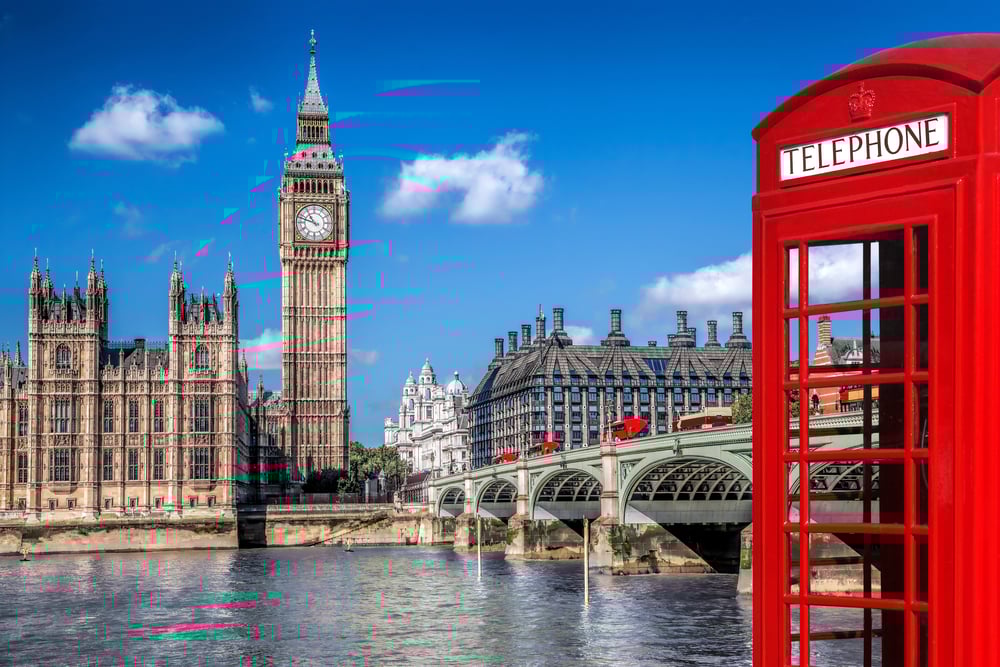
The Tower of London’s medieval walls have witnessed nearly a thousand years of executions, torture, and political imprisonment. While tourists flock to see the Crown Jewels, the fortress served as the site where Anne Boleyn, Catherine Howard, and countless other nobles met their end on the executioner’s block.
The tower’s dungeons once echoed with the screams of prisoners being stretched on the rack or having their limbs slowly crushed.
Like Go2Tutors’s content? Follow us on MSN.
Auschwitz-Birkenau

Now a UNESCO World Heritage Site and museum, this complex in Poland preserves the memory of the Holocaust’s most notorious concentration and extermination camp. Over one million people, primarily Jewish, were murdered here between 1940 and 1945 through systematic genocide.
The preserved barracks, gas chambers, and personal belongings of victims serve as a sobering reminder of humanity’s capacity for evil.
Choeung Ek Killing Fields
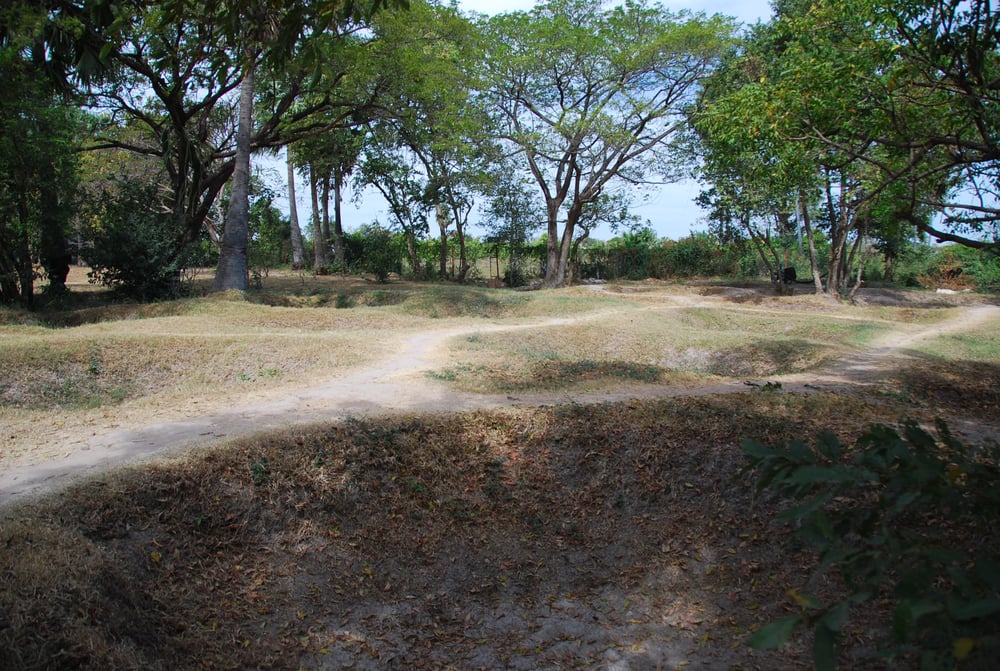
Located just outside Phnom Penh, Cambodia, these peaceful-looking fields hide the remains of nearly 9,000 people killed during the Khmer Rouge regime between 1975 and 1979. Visitors can walk among the mass graves where victims were bludgeoned to death with farming tools to save ammunition.
The memorial stupa contains over 5,000 human skulls arranged by age and gender, many still bearing the marks of fatal blows.
Robben Island
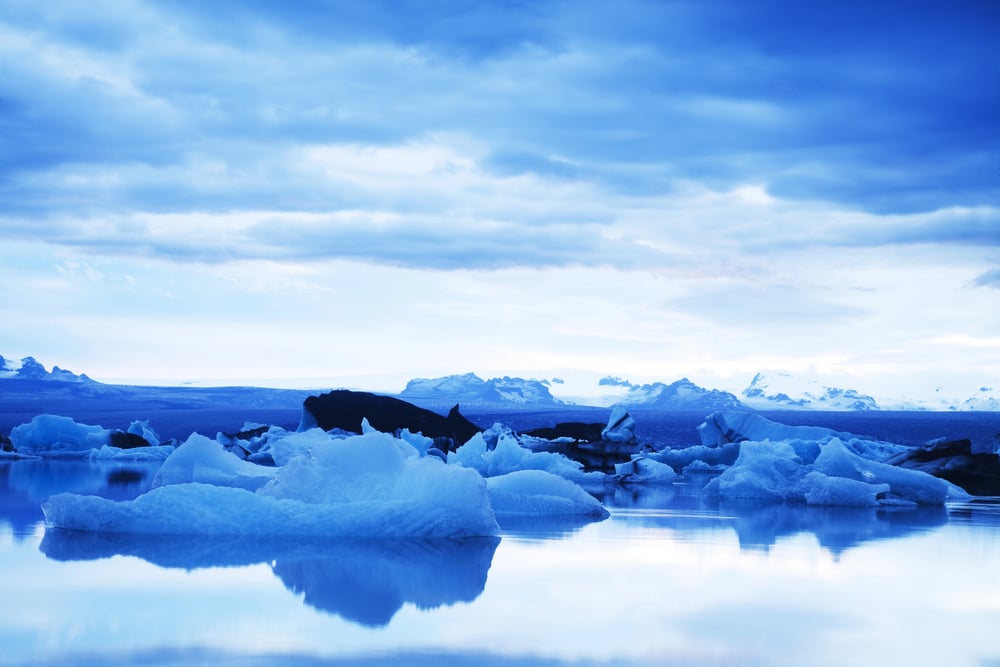
This small island off Cape Town appears serene from the ferry, but it housed South Africa’s most notorious political prison during apartheid. Nelson Mandela spent 18 of his 27 years of imprisonment here, along with thousands of other anti-apartheid activists who endured brutal conditions in limestone quarries.
The island also served as a leper colony for over 300 years, isolating those deemed undesirable by colonial authorities.
Like Go2Tutors’s content? Follow us on MSN.
Hiroshima Peace Memorial Park
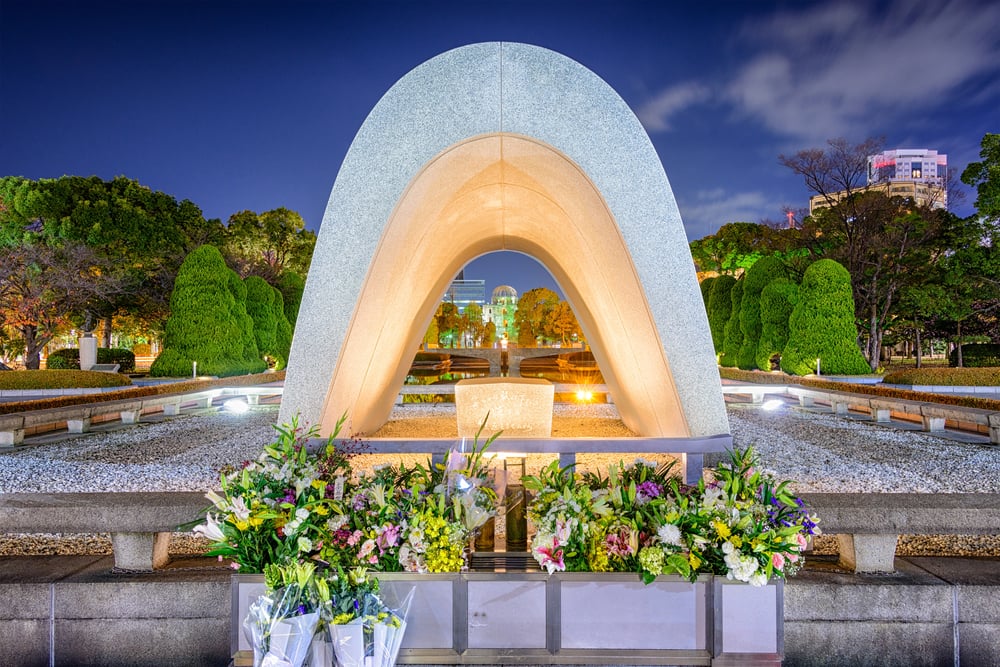
The park’s cherry blossoms and peaceful monuments attract millions seeking to understand the atomic bomb’s impact on August 6, 1945. Beneath the manicured gardens lies ground zero of the world’s first nuclear attack, where temperatures reached over 7,000 degrees Fahrenheit and instantly vaporized thousands of people.
The hypocenter marks the exact spot where 80,000 people died immediately, with tens of thousands more succumbing to radiation sickness in the following months.
Terezin Concentration Camp
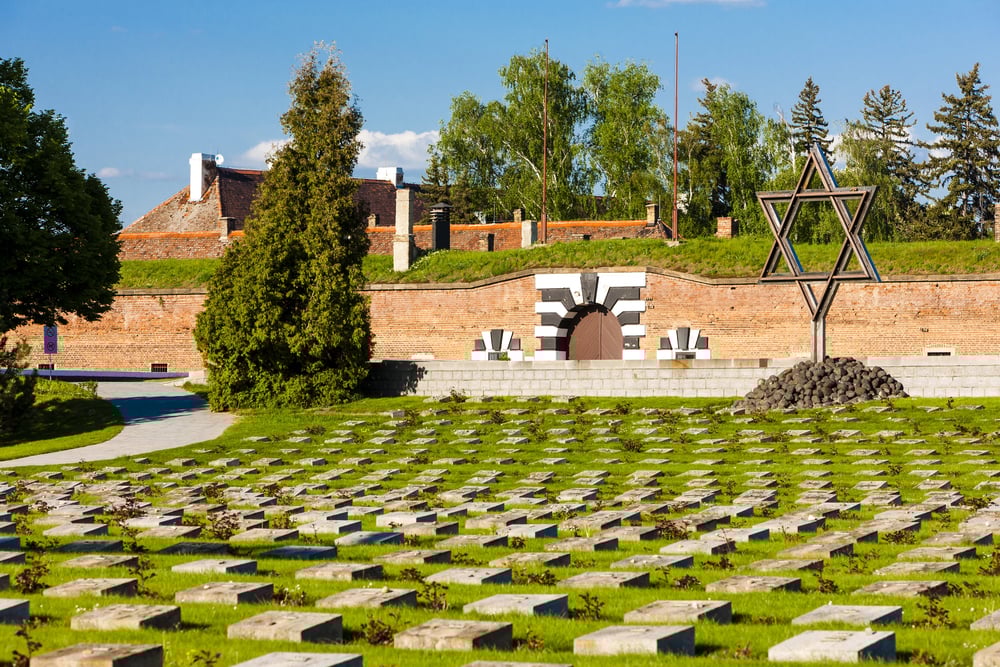
This fortress town in the Czech Republic was transformed by Nazis into a ‘model ghetto’ used for propaganda purposes while serving as a way station to death camps. Over 150,000 people were imprisoned here, including 15,000 children, most of whom were later transported to Auschwitz.
The town’s cultural activities and relatively better conditions were a facade to deceive the Red Cross and hide the true nature of the Holocaust from the outside world.
Port Arthur Historic Site
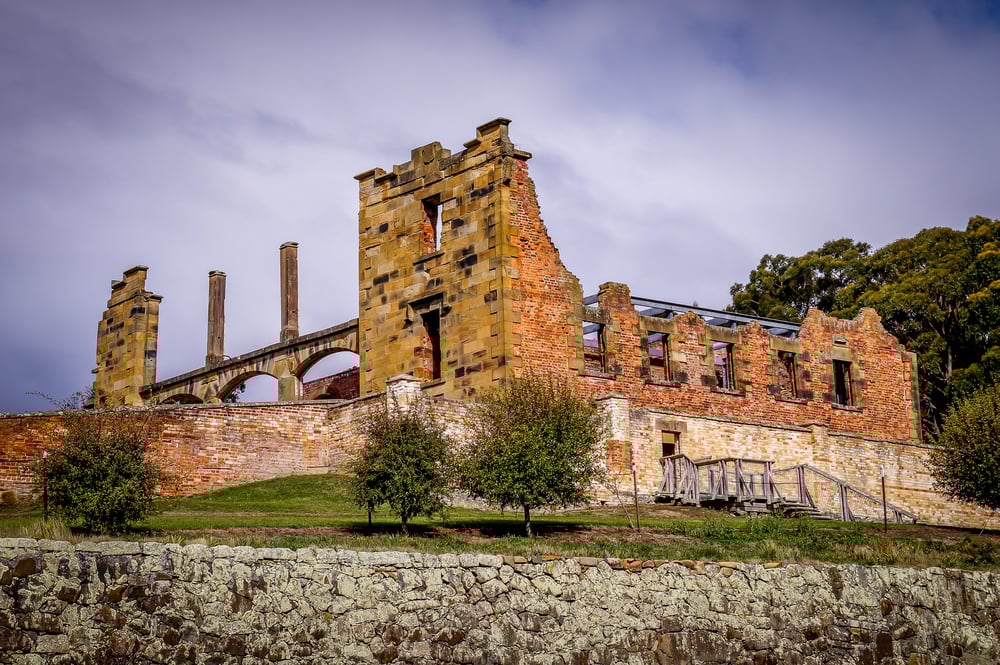
Tasmania’s most popular tourist attraction showcases Australia’s convict heritage, but its well-preserved buildings hide a legacy of extreme brutality and psychological torture. The penal settlement housed the British Empire’s most hardened criminals from 1833 to 1877, subjecting them to solitary confinement, flogging, and backbreaking labor in timber mills and quarries.
The separate prison’s silent system drove many inmates insane, while others took their own lives rather than endure the conditions.
Like Go2Tutors’s content? Follow us on MSN.
Dachau Concentration Camp

Just 10 miles from Munich, this site draws visitors who want to understand the Nazi regime’s systematic persecution. Dachau was the first Nazi concentration camp, serving as a model for all others and operating from 1933 to 1945.
Over 200,000 people were imprisoned here, with at least 25,613 dying from executions, medical experiments, disease, and starvation.
Château de Vincennes
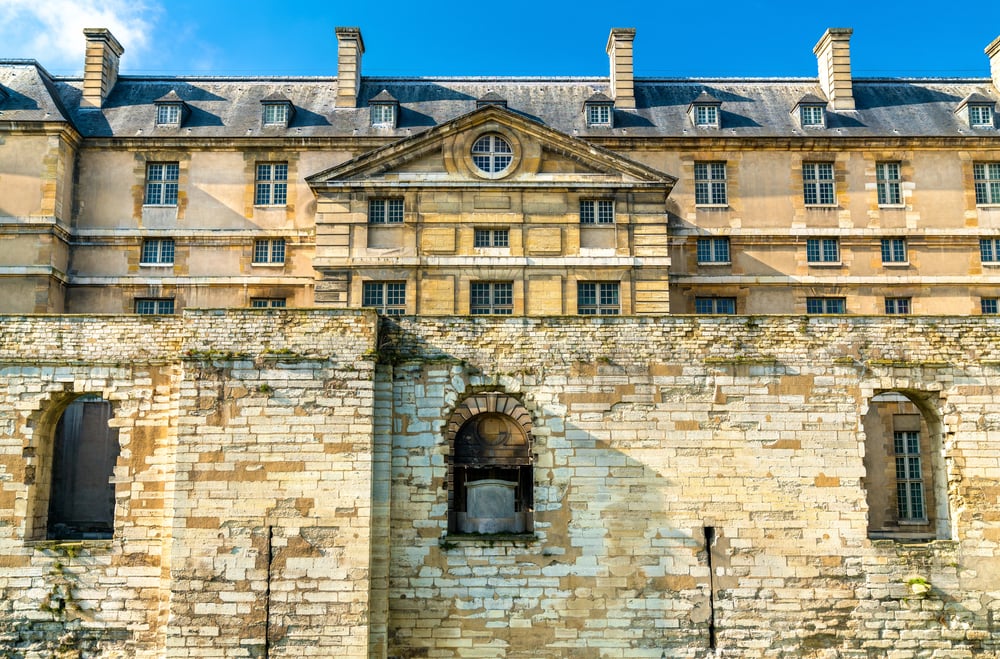
This medieval fortress near Paris charms visitors with its towering keep and royal chapel, but it served as a state prison for over 500 years. The château’s dungeons held famous prisoners like the Marquis de Sade and Mata Hari, while the fortress witnessed numerous executions and tortures.
During World War I, it became an execution site for captured spies, including the infamous Mata Hari who was shot by firing squad in the castle’s moat.
Poveglia Island

This small island in the Venetian Lagoon remains largely off-limits to tourists, but boat tours pass by its shores where over 160,000 people died during plague outbreaks and later as a mental hospital. Plague victims were burned alive on massive pyres, and their ashes mixed with the soil until it became 50% human ash.
The island’s abandoned mental hospital closed in 1968 after reports of cruel medical experiments on patients.
Like Go2Tutors’s content? Follow us on MSN.
Angel Island
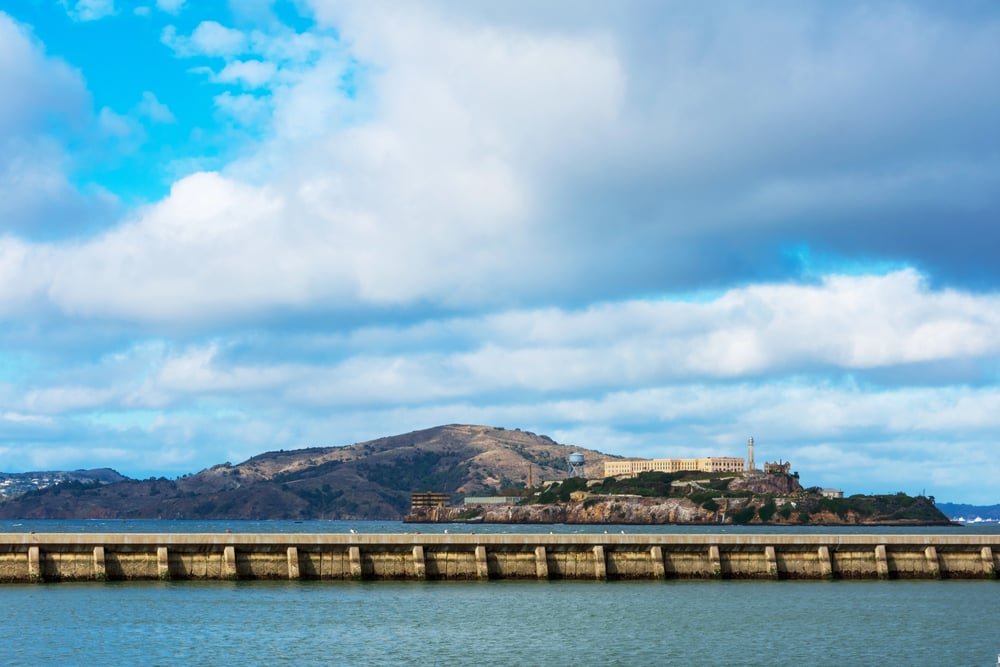
Known as the ‘Ellis Island of the West’, this California island processed over one million immigrants between 1910 and 1940, but Chinese immigrants faced harsh detention and interrogation. Many were held for months or even years in overcrowded barracks while immigration officials tried to find reasons to deport them back to China.
Poems carved into the detention center walls by desperate Chinese immigrants still tell their stories of hope and despair.
Eastern State Penitentiary
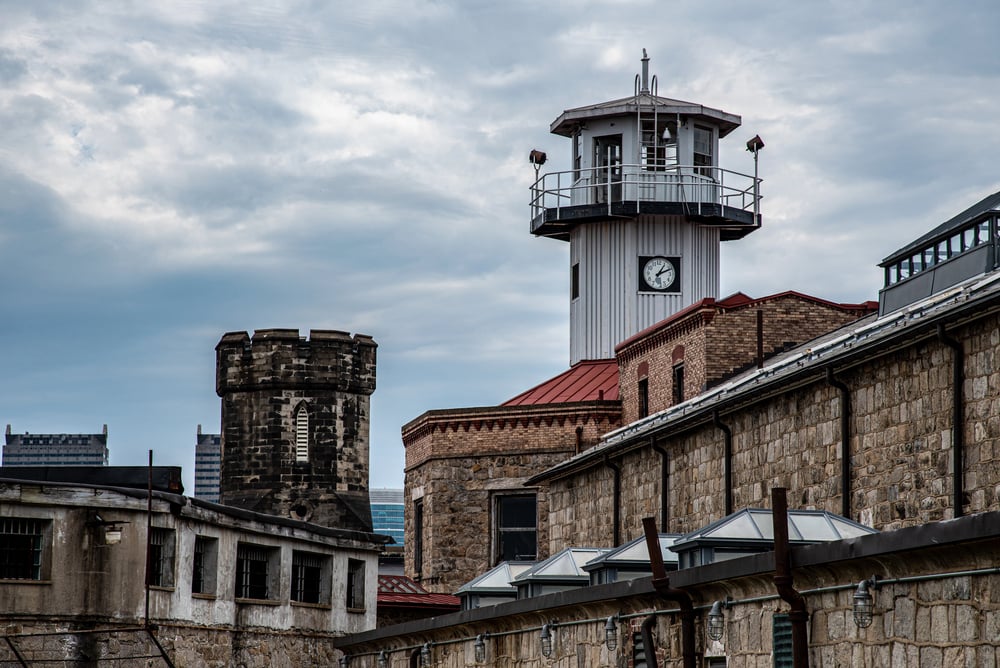
Philadelphia’s Eastern State Penitentiary pioneered the concept of solitary confinement when it opened in 1829, believing isolation would lead to penitence and rehabilitation. Instead, the complete isolation drove many inmates to madness, with some resorting to self-harm or attempting to take their own lives.
Famous inmates included Al Capone, who received special treatment with comfortable furnishings and home-cooked meals in his cell.
Kilmainham Gaol
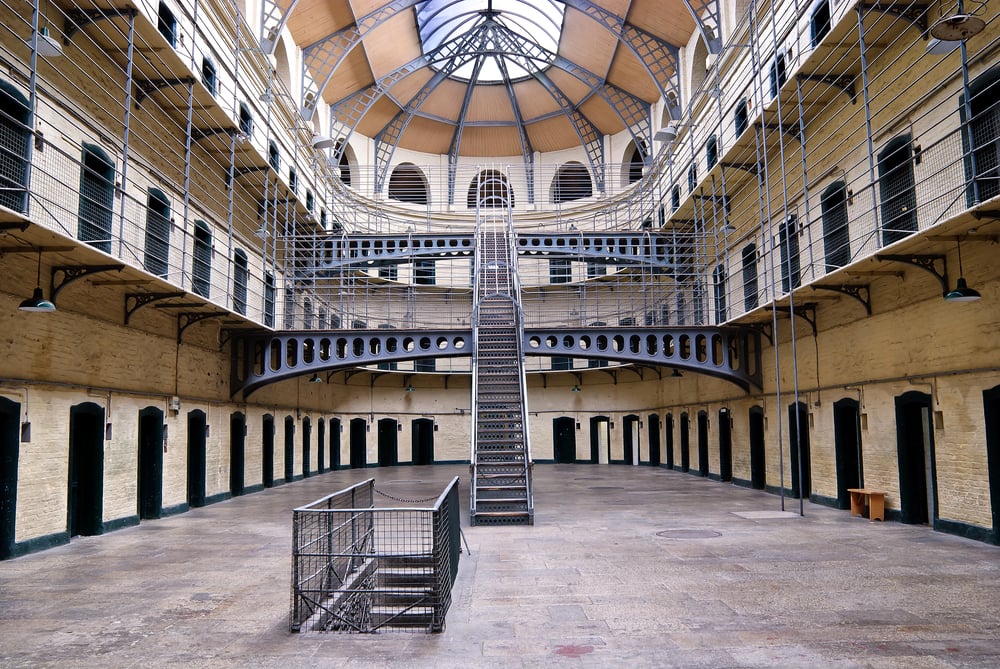
Dublin’s most visited museum tells Ireland’s struggle for independence, but its cells witnessed centuries of suffering and political executions. The prison held everyone from common criminals to political prisoners, including the leaders of the 1916 Easter Rising who were executed by firing squad in the stone breakers’ yard.
Conditions were so harsh that many prisoners died from disease and malnutrition before completing their sentences.
Like Go2Tutors’s content? Follow us on MSN.
Elmina Castle
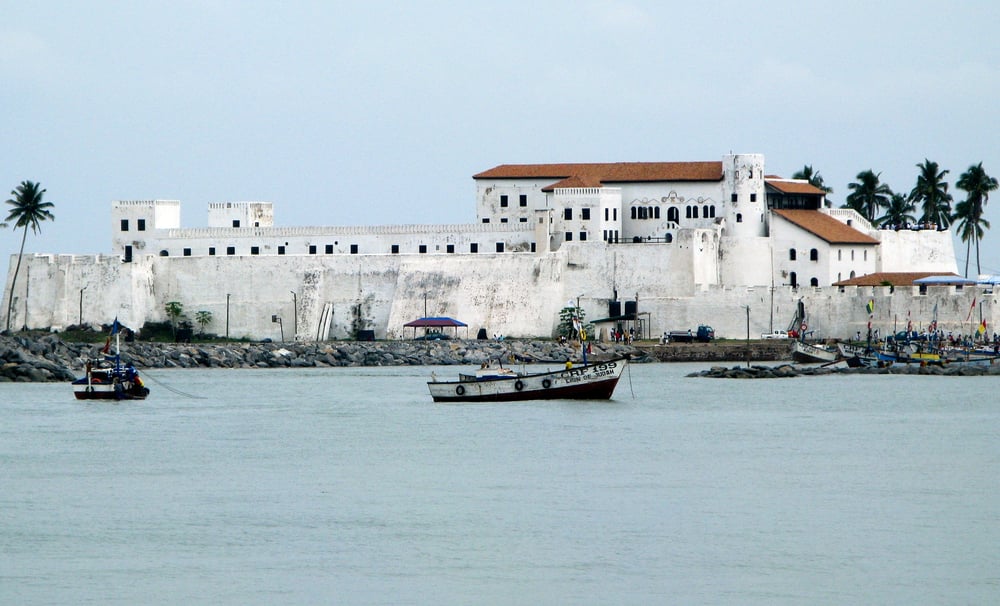
Located on Ghana’s coast, this UNESCO World Heritage Site appears as an impressive fortress but served as a major hub in the Atlantic slave trade for over 350 years. European traders held captured Africans in underground dungeons with no windows or sanitation, sometimes for months, before loading them onto ships bound for the Americas.
An estimated 12 million Africans passed through West African slave castles like Elmina, with millions dying during the journey across the Atlantic.
Where Beauty Meets Memory

These destinations remind us that history’s darkest chapters often unfold in places that later become symbols of beauty and culture. They serve as powerful reminders that understanding our past, no matter how uncomfortable, helps us recognize the warning signs of hatred and oppression in our own time.
Visiting these places with awareness of their histories transforms tourism into education, ensuring that the voices of those who suffered are never forgotten. The contrast between their current peaceful appearance and their violent pasts makes their stories all the more important to preserve and share.
More from Go2Tutors!

- 16 Historical Figures Who Were Nothing Like You Think
- 12 Things Sold in the 80s That Are Now Illegal
- 15 VHS Tapes That Could Be Worth Thousands
- 17 Historical “What Ifs” That Would Have Changed Everything
- 18 TV Shows That Vanished Without a Finale
Like Go2Tutors’s content? Follow us on MSN.



