Battles Lost Because of a Single Miscommunication
Military history reveals a troubling pattern: battles decided not by strategy or courage but by messages misunderstood, orders misheard, or signals misinterpreted. A single miscommunication between commanding officers, between officers and soldiers, or between different units can unravel months of planning and cost thousands of lives.
The battles listed below were lost—or nearly lost—not due to enemy superiority but because someone failed to convey information clearly, or someone failed to understand what was conveyed. In each case, the outcome would likely have been different had communication been precise.
Charge of the Light Brigade, Balaclava, October 1854
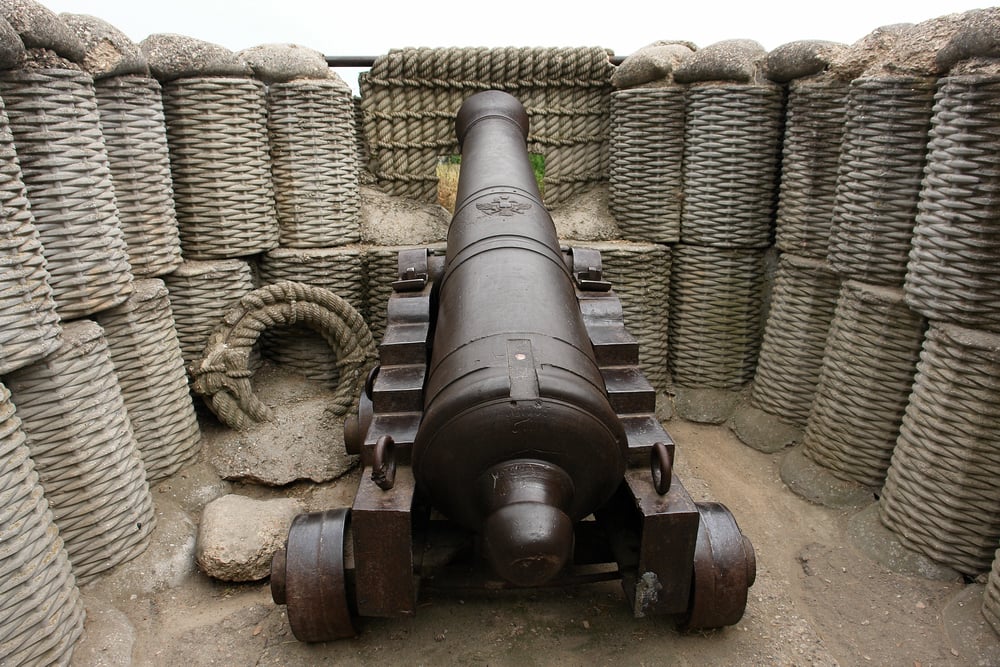
During the Crimean War, British cavalry under the command of Lord Cardigan received an ambiguous order to charge. The order, relayed through intermediaries, suggested that a cavalry charge against Russian artillery was intended—though whether that was the original commander’s actual intent remains debated.
Cardigan charged the artillery position directly, suffering catastrophic casualties for no strategic advantage. Nearly 110 of approximately 670 men were killed in the senseless charge, immortalized in poetry as an example of blind obedience to a miscommunicated order.
Lee’s Lost Dispatch at Antietam, September 1862
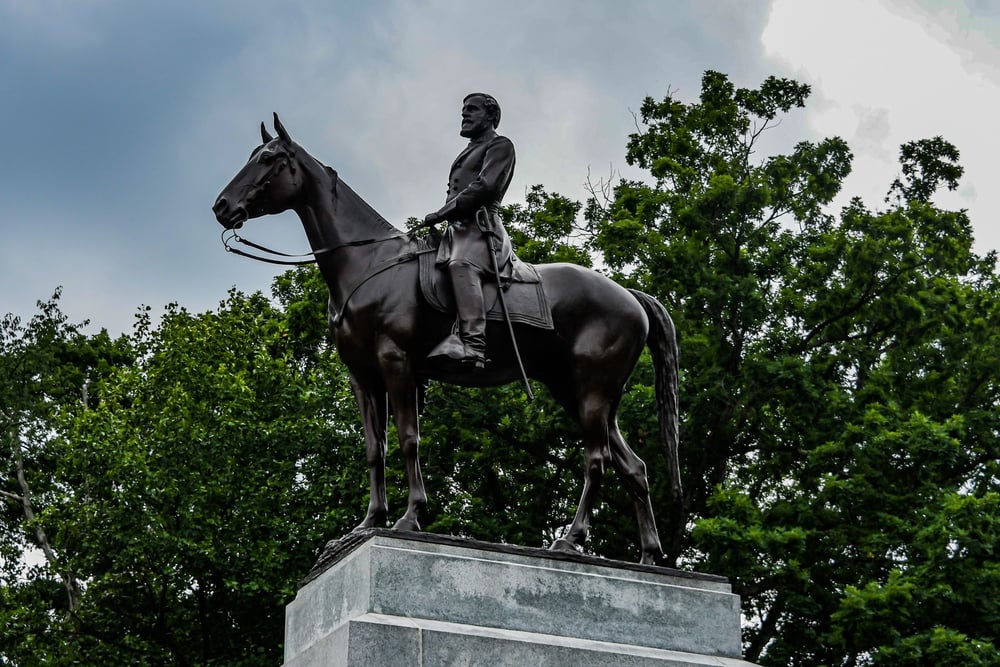
Confederate General Robert E. Lee issued Special Order 191, detailing his invasion strategy and the positions of three Confederate corps. A careless officer wrapped three cigars in the original order, which was lost and subsequently found by Union soldiers.
The order revealed Lee’s scattered troop positions, allowing General George McClellan to attack Lee’s vulnerable forces. Though McClellan moved with characteristic slowness, the intelligence from the lost dispatch influenced the battle’s outcome and Lee’s subsequent retreat from Maryland.
Napoleon’s Orders to General Ney at Waterloo, June 1815
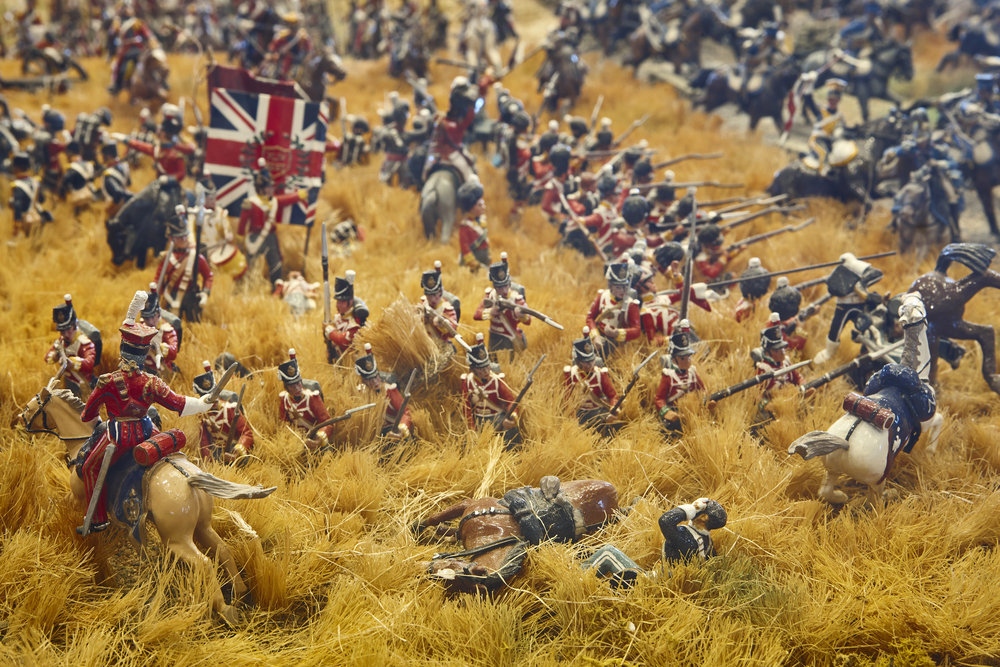
During the Battle of Waterloo, Marshal Ney received orders that he interpreted—either through his own misunderstanding or through the unclear way the orders were conveyed—as permission to launch repeated cavalry charges against British squares. These charges were suicidal and accomplished nothing, wasting cavalry that Napoleon desperately needed later in the battle.
Whether Ney misunderstood Napoleon’s instructions or acted on his own initiative remains historically debated, but the result was a cascade of tactical failures.
Battle of the Coral Sea, May 1942

During this naval engagement in the Pacific, American and Japanese forces conducted operations with incomplete information about each other’s positions. Ambiguous communications between ship captains, errors in enemy position reports, and the fog of war resulted in both sides attacking targets differently than planned and suffering unexpected losses.
The resulting battle demonstrated how naval operations dependent on communication between dispersed ships could be derailed by miscommunication.
Operation Barbarossa German Logistics Failure, 1941
While not a single battle, Hitler’s invasion of the Soviet Union was plagued by cascading miscommunications between German army groups regarding supply lines, troop positions, and offensive objectives. These miscommunications, combined with unclear orders from Hitler himself, led to conflicting strategies and wasted resources.
Units advanced into areas expecting supply that never arrived, leading to stalled offensives and eventual defeat.
Battle of Saratoga, September 1777

General John Burgoyne’s British forces suffered from poor communication with his superior in New York regarding support and reinforcements. Burgoyne advanced, expecting support that was not forthcoming due to miscommunication about logistics and strategic priorities.
The resulting isolation of his forces contributed to his eventual capture by American forces under Horatio Gates.
Battle of the Bulge German Offensive, December 1944
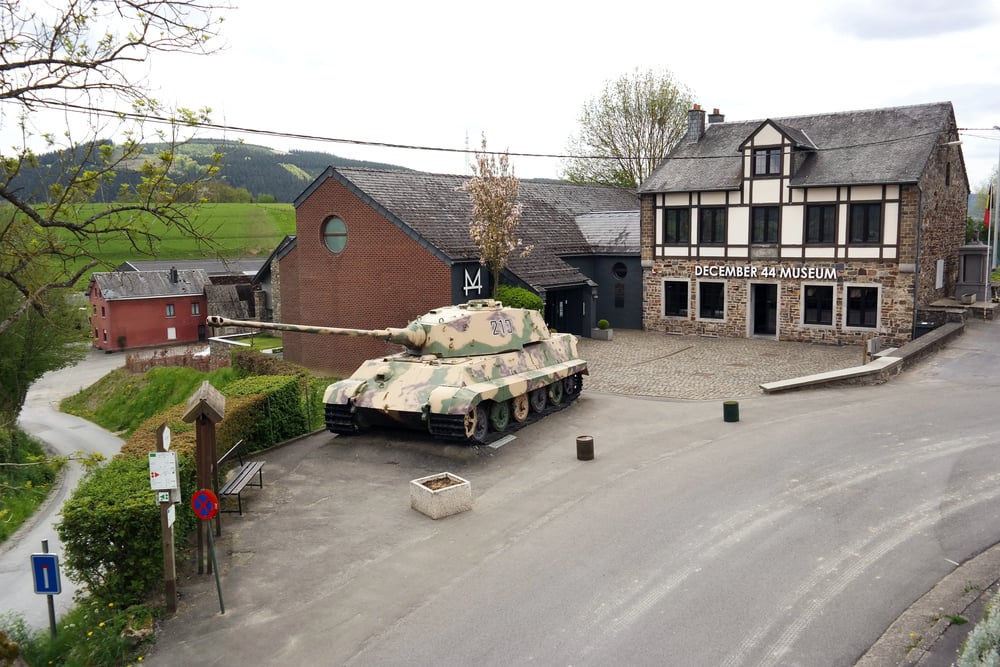
The surprise German offensive through the Ardennes succeeded partially because of Allied miscommunication and misjudgment about German capabilities. Reports of a massive German buildup were misinterpreted or not properly communicated through the chain of command.
The resulting surprise attack killed thousands before Allied forces could reorganize and respond effectively.
Gallipoli Campaign Communication Failures, 1915
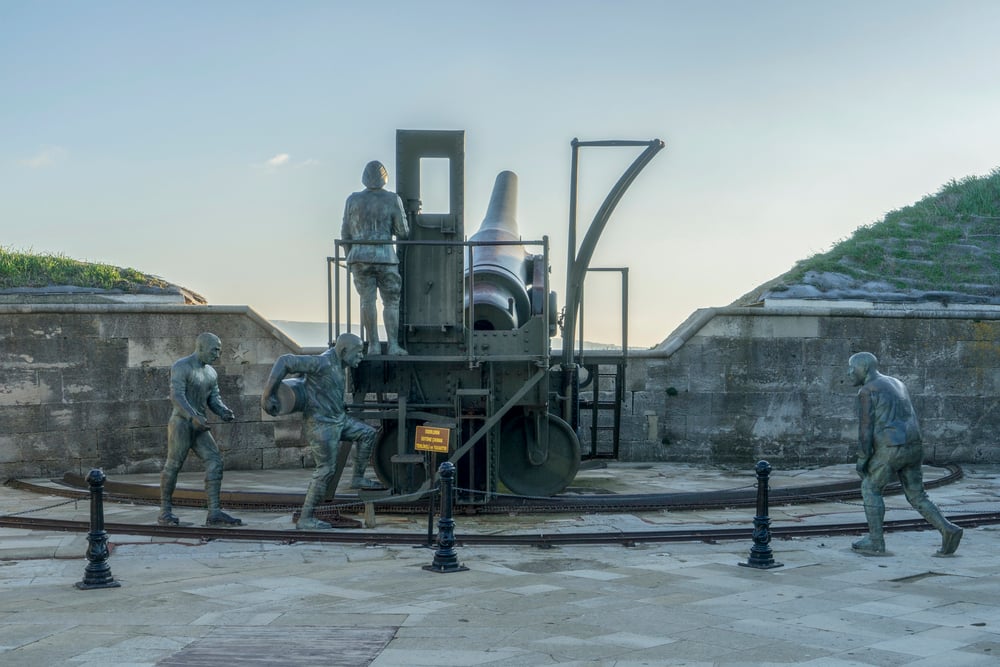
British commanders at Gallipoli suffered from poor communication between ships, shore batteries, and ground forces during the disastrous campaign. Orders went astray, situational reports were delayed or contradictory, and reinforcements were sent without proper coordination with ground commanders.
The result was a costly failure with over 200,000 Allied casualties.
Fort Sumter Confederate Signal Confusion, April 1861
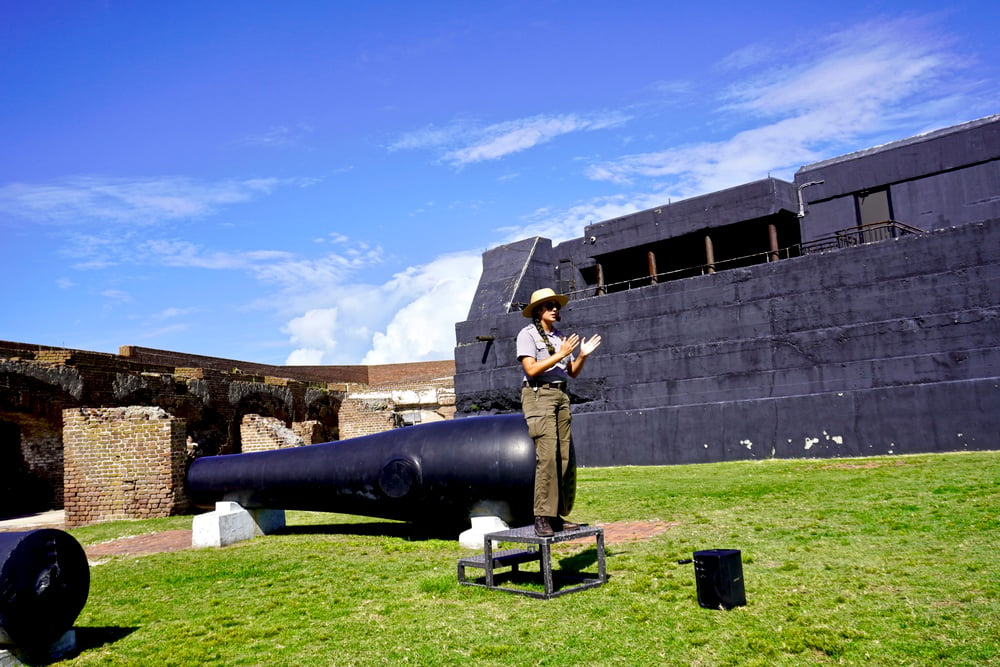
At the outbreak of the American Civil War, Confederate forces bombarded Fort Sumter
and forced the Union garrison to surrender. Orders regarding timing and intensity of bombardment were ambiguous, contributing to escalation of the conflict.
While a Confederate tactical success, miscommunication about crisis management helped ignite
the war itself.
The Miscommunication Wars
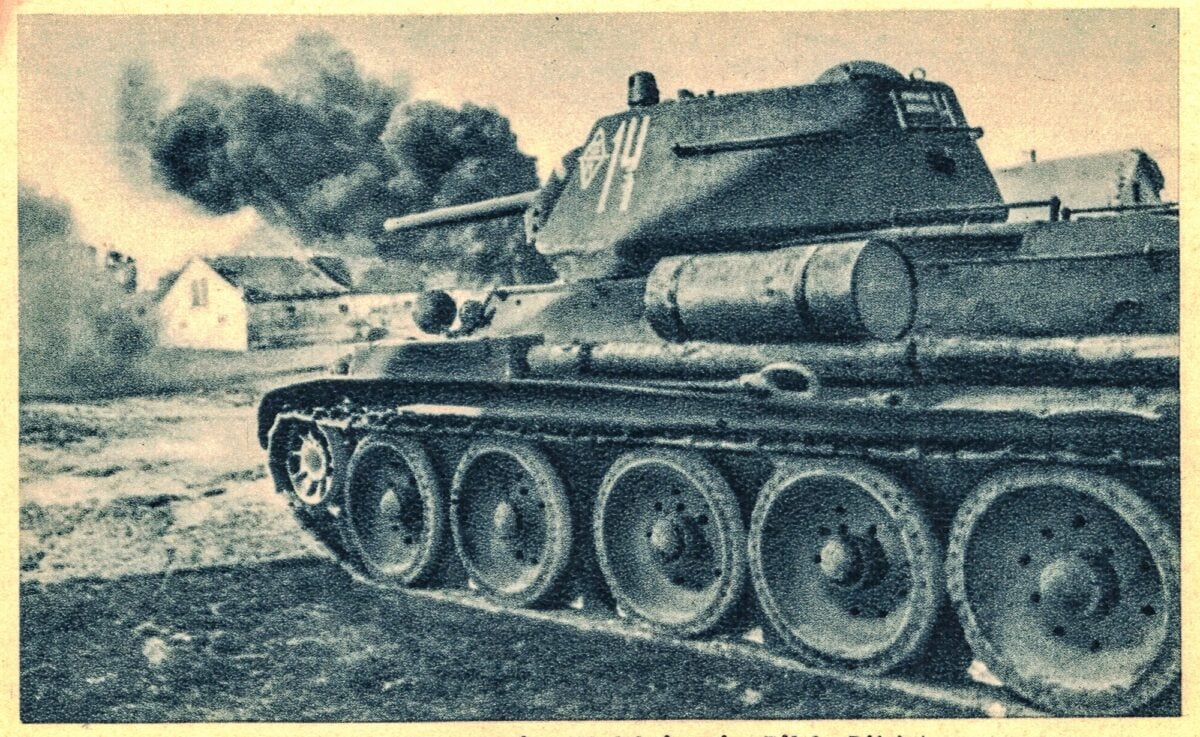
These battles share a common thread: the margin between victory and defeat was not strategy but communication. Commanders who understood the landscape, read the enemy, and executed plans effectively all found their preparations undone by a message that went astray or was misunderstood.
The human voice, the written order, the courier—all of these remain fallible. Military history proves repeatedly that no battle plan survives contact with miscommunication, and many battles are lost before the armies even engage.
More from Go2Tutors!

- The Romanov Crown Jewels and Their Tragic Fate
- 13 Historical Mysteries That Science Still Can’t Solve
- Famous Hoaxes That Fooled the World for Years
- 15 Child Stars with Tragic Adult Lives
- 16 Famous Jewelry Pieces in History
Like Go2Tutors’s content? Follow us on MSN.



