26 Sleep Habits Backed by Science That Most People Get Completely Wrong
Almost everyone thinks they understand sleep well enough to get by. You feel tired, you go to bed, you wake up — how complicated can it be? Fairly complicated, as it turns out.
Decades of sleep research have produced findings that contradict some of the most common assumptions people make about rest, recovery, and what actually happens during those eight hours. Many habits that feel intuitive actively work against the goal they’re supposed to support.
What follows isn’t a list of small tweaks. Several of these findings are significant enough that acting on them would change how you feel for most of your waking life.
You Cannot Catch Up on Sleep Over the Weekend
A survey by the Better Sleep Council found that 43 percent of American adults believe they can recover lost sleep by sleeping longer on weekends. The evidence says otherwise.
While weekend lie-ins can reduce acute drowsiness — the immediate feeling of tiredness — they don’t reverse the physiological and cognitive damage accumulated during a sleep-deprived week. Memory consolidation that didn’t happen, hormonal disruption, and metabolic effects don’t reset on Saturday morning.
Consistent nightly sleep of seven to nine hours cannot be substituted by a weekly binge.
Falling Asleep Instantly Is Not a Sign of Good Sleep
Falling asleep within seconds of lying down feels like an efficiency win but is actually a reliable symptom of chronic sleep deprivation. Harvard sleep scientist Rebecca Robbins describes this as a warning sign rather than an advantage.
A well-rested person typically takes ten to twenty minutes to fall asleep. Dropping off in under five minutes means the sleep pressure has built to an unhealthy level — the brain is so starved for rest that it stops resisting as soon as horizontal.
Alcohol Does Not Help You Sleep Better

Alcohol at bedtime accelerates sleep onset but dismantles the architecture of the rest that follows. In the first half of the night, alcohol suppresses REM sleep — the stage associated with memory consolidation, emotional processing, and overnight cognitive restoration.
In the second half, as the liver metabolises the alcohol, the brain rebounds into fragmented, light sleep with frequent wakings. A systematic review confirmed this pattern across different doses and populations.
The feeling of sleep after drinking is real. The quality of that sleep is not.
Snoring Is Not Harmless
Occasional snoring triggered by a cold or an unusual sleeping position is relatively benign. Frequent, loud snoring is a different matter entirely and is the primary symptom of obstructive sleep apnoea — a condition in which the airway repeatedly collapses during sleep, temporarily cutting off breathing. Each pause disrupts the sleep cycle and drops blood oxygen levels. Left untreated, obstructive sleep apnoea is linked to significantly elevated risks of heart disease, stroke, and hypertension. Anyone who snores regularly and wakes tired should discuss it with a doctor rather than assuming it’s normal.
Your Bedroom Is Probably Too Warm
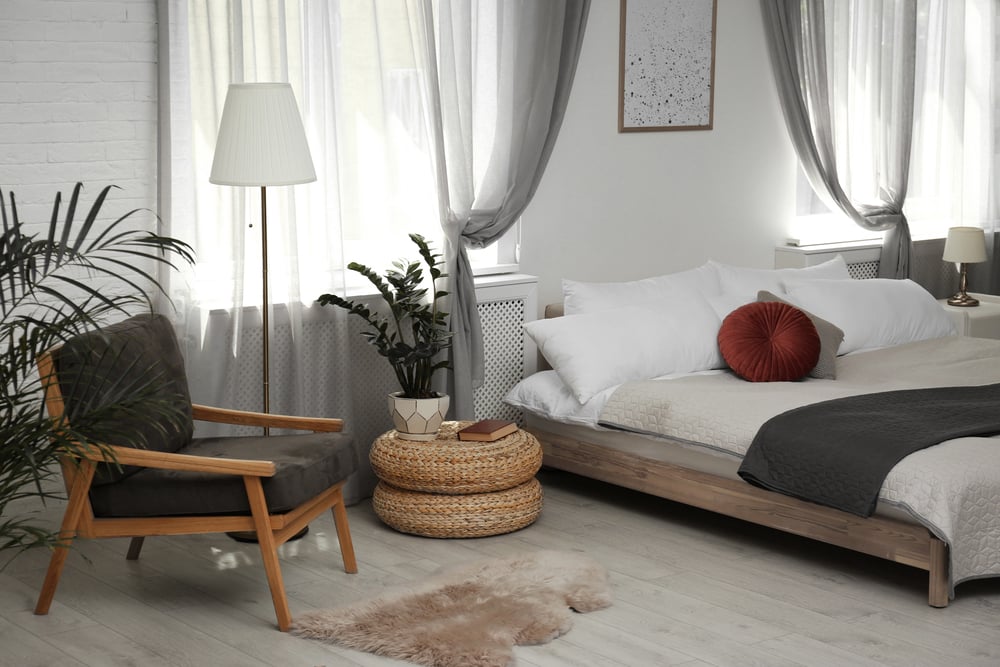
Most people set bedroom temperatures intuitively, which tends toward warmth. The body, however, needs to drop its core temperature by approximately one degree Celsius to initiate and sustain sleep — a process that begins about two hours before sleep onset.
The optimal bedroom temperature for most adults is in the range of 16 to 19 degrees Celsius (roughly 60 to 67 degrees Fahrenheit). A bedroom that is too warm interferes with this cooling process, reducing time in deep sleep and increasing unwanted wakings.
The discomfort of a cool bedroom at bedtime resolves quickly once under covers; the disruption of being too warm persists through the night.
The Light in Your Room Matters Even When Your Eyes Are Closed
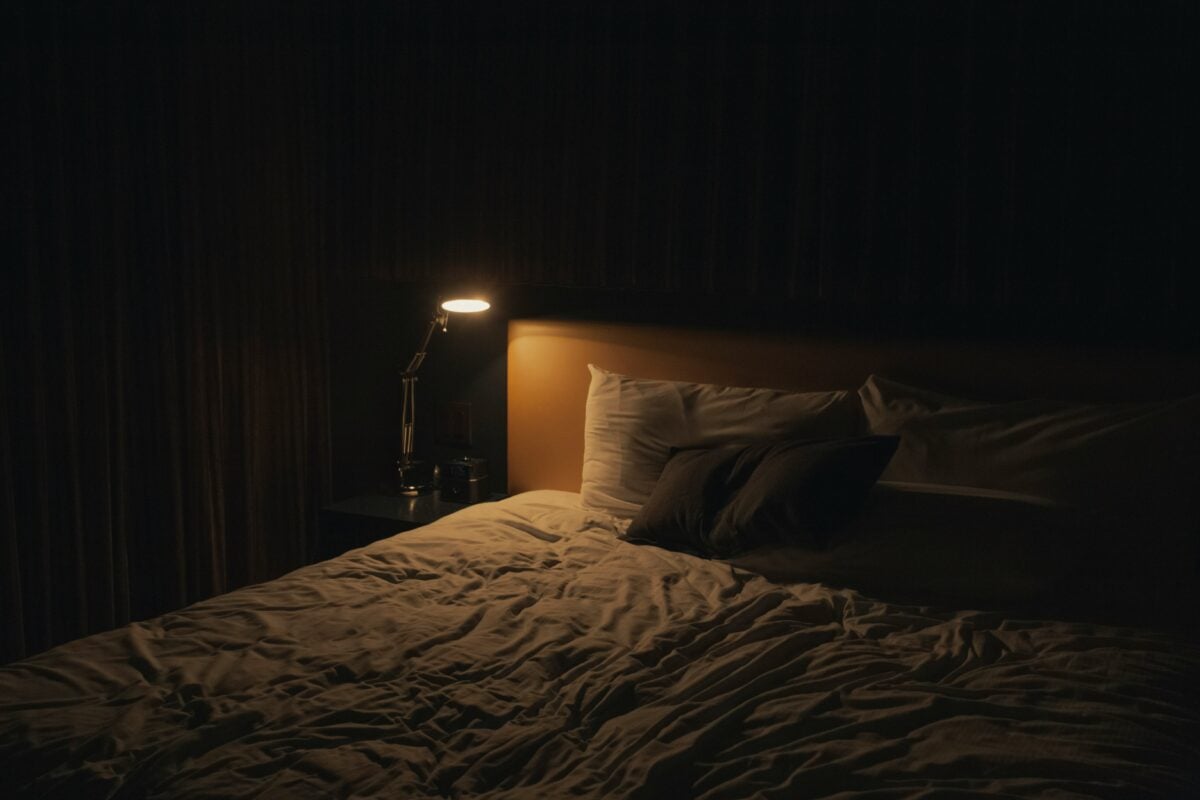
Low ambient light in the bedroom — including from electronics in standby mode, streetlights through curtains, or hallway light under the door — can increase the risk of waking and disrupt circadian rhythm even when you’re asleep and your eyes are closed. Photoreceptors in the eyelids and the general sensitivity of the circadian system to light mean that even minimal light exposure in the sleeping environment affects the quality of the rest you’re getting.
Blue Light Is a Real Problem — but Not the Only One
Blue-wavelength light emitted by phone and laptop screens does suppress melatonin production and can delay the circadian clock if used in the hour or two before sleep. This is real and well-documented.
But research also shows significant individual variation in how sensitive people’s circadian systems are to light. More importantly, the cognitive and emotional stimulation of using screens — checking messages, reading news, engaging with social content — disrupts sleep readiness through mechanisms entirely separate from light.
Turning the screen to night mode removes some of the light problem while leaving the mental activation problem intact.
You Cannot Train Yourself to Need Less Sleep
A commonly held belief, particularly in professional cultures that treat sleep deprivation as a form of dedication, is that people can adapt to less sleep with practice. Neurological research consistently contradicts this.
Chronic sleep restriction degrades cognitive performance — attention, reaction time, decision-making, emotional regulation — in ways that the person experiencing it cannot reliably self-assess. People who routinely sleep five to six hours typically report feeling fine. Objective performance testing tells a different story.
Naps Are Useful but Not a Substitute for Night Sleep
A well-timed nap — generally 10 to 20 minutes in the early afternoon — can reduce sleepiness and improve alertness for several hours without disrupting nighttime sleep. Longer naps, particularly those reaching 30 to 90 minutes, are more likely to include slow-wave sleep, which can produce sleep inertia (grogginess on waking) and can reduce sleep pressure enough to make it harder to fall asleep at the correct time that night.
Napping is a useful tool for acute situations, not a systematic replacement for adequate overnight rest.
Chronotypes Are Real and Not a Matter of Discipline
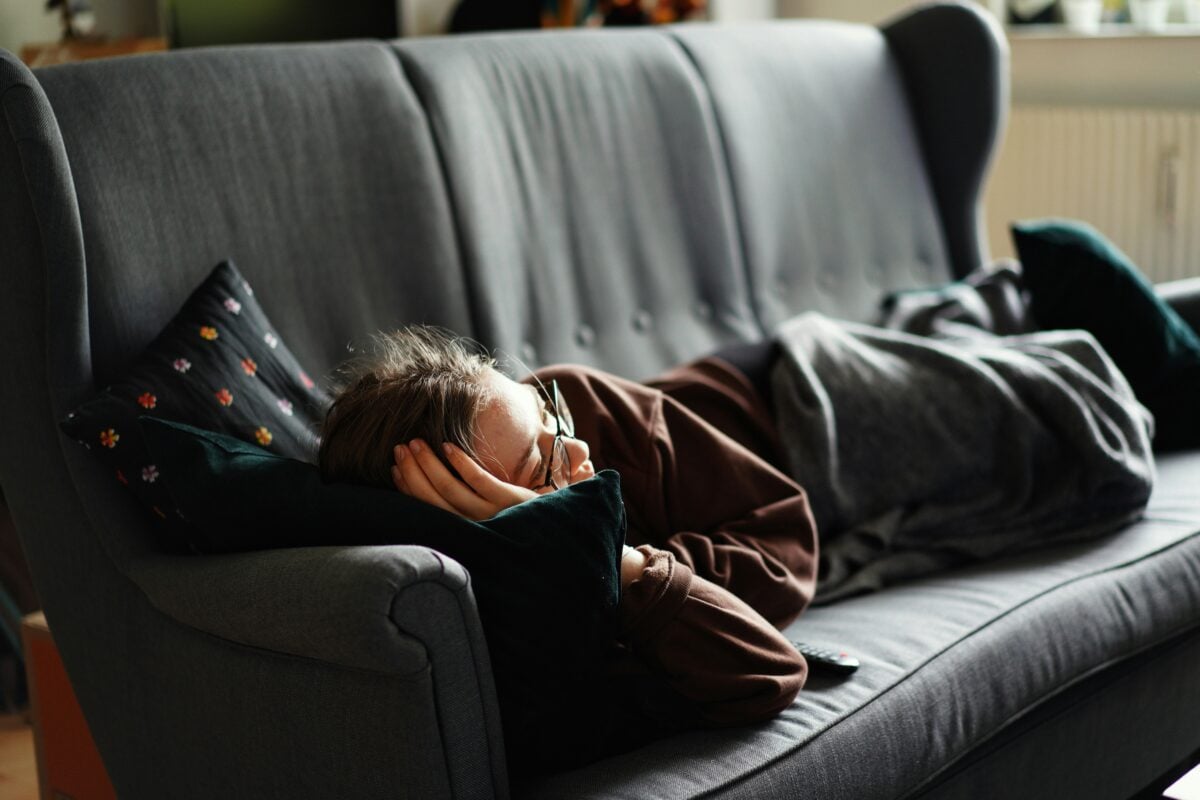
Morning people and evening people exist as genuinely distinct physiological types, not as different expressions of willpower. Research shows that chronotypes — the tendency toward early or late natural sleep and wake times — have a strong genetic component and shift predictably across the lifespan.
Children tend toward early chronotypes, adolescents shift significantly toward later ones (which is why early school start times have a measurable negative effect on teenage learning), and older adults often return to earlier patterns. Forcing a natural evening person to perform at 7:00 AM imposes a biological cost that discipline alone cannot eliminate.
Older Adults Don’t Need Less Sleep
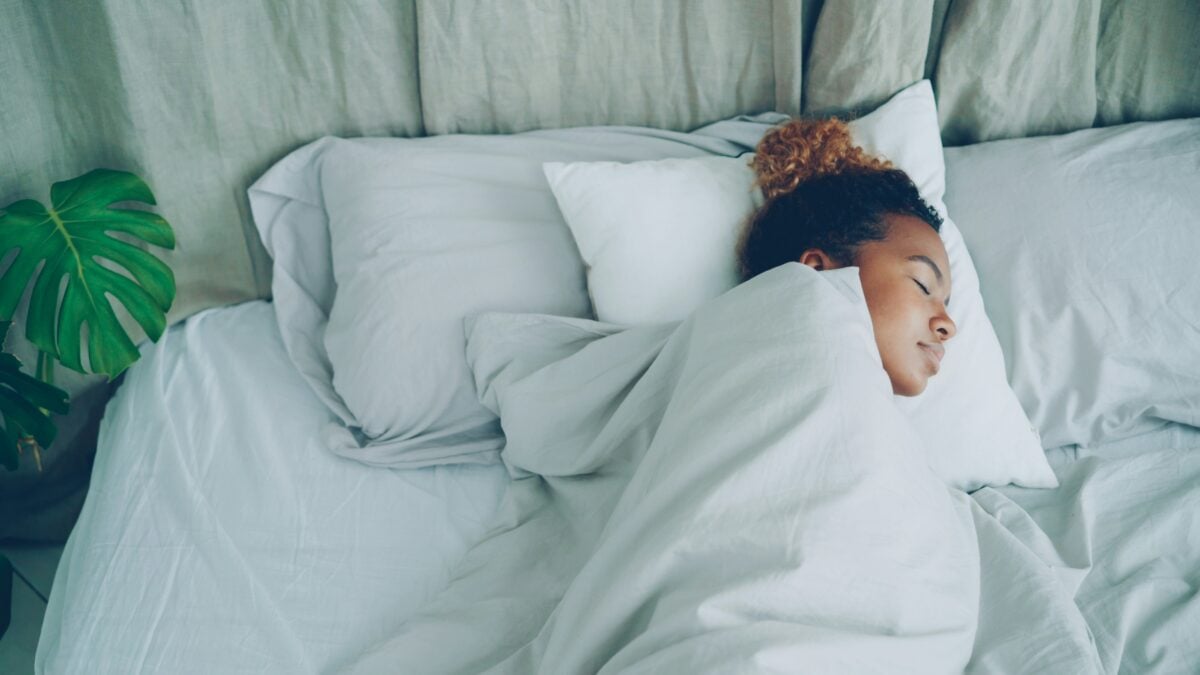
The widespread assumption that elderly people need less sleep than younger adults is not supported by evidence. What changes with age is the ability to maintain sleep efficiently: older adults spend more time in lighter sleep stages, wake more easily, and struggle more with sleep continuity.
The sleep need itself — generally seven to nine hours for adults — does not decline significantly with age. What declines is the ease of obtaining it, which means many older people are actually under-slept rather than adequately rested.
Exercising Too Close to Bedtime Can Delay Sleep

Physical activity is consistently one of the most effective interventions for improving sleep quality. But vigorous exercise raises core body temperature and increases heart rate and cortisol levels in ways that take time to return to baseline. Exercising within two to three hours of bedtime can delay sleep onset for some people, particularly those who are already poor sleepers.
The effect varies significantly by individual — some people sleep fine after evening exercise, others don’t — but the general recommendation to complete vigorous workouts earlier in the day has a reasonable physiological basis.
Consistency of Sleep Time Matters More Than Total Duration
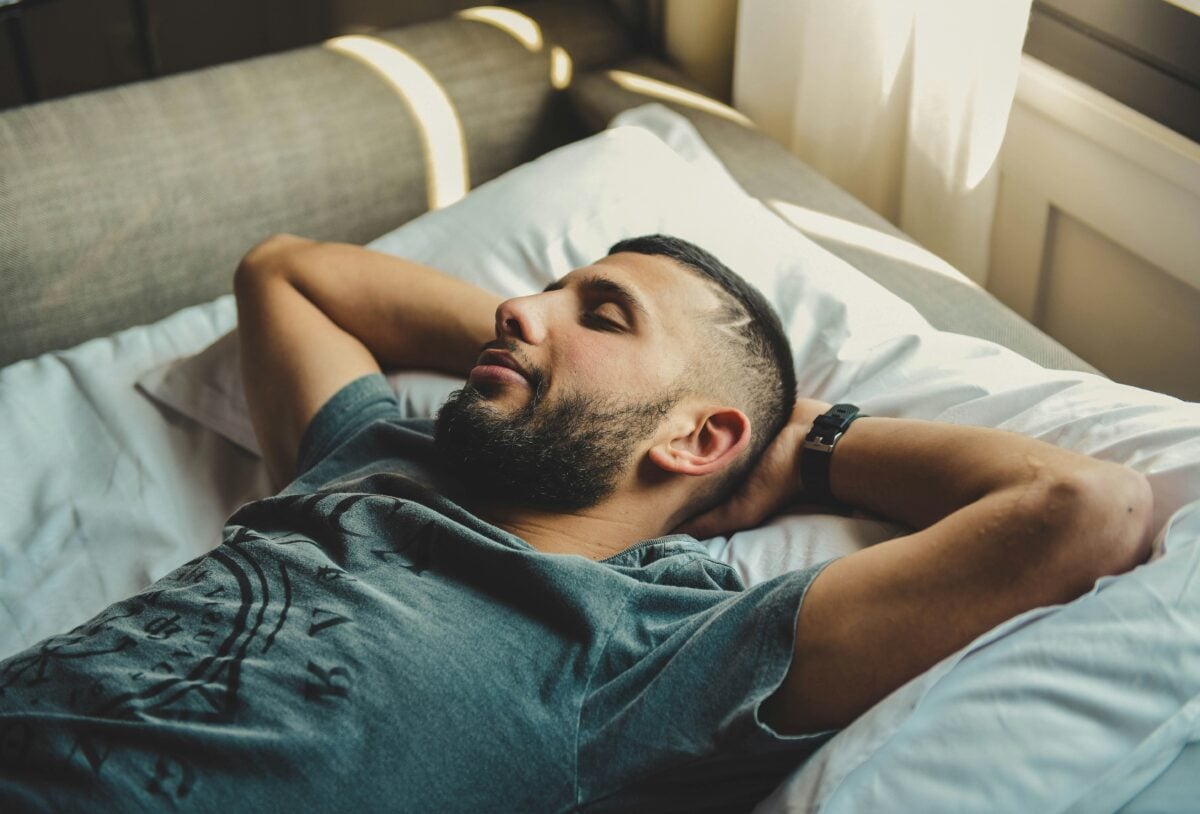
Sleeping at different times from night to night — sometimes at 10 PM, sometimes at 1 AM — imposes a type of stress on the circadian system sometimes called social jet lag. Research links irregular sleep schedules to higher rates of metabolic disease, cardiovascular risk, and mood disturbance, independent of total sleep duration.
Going to bed and waking at the same time seven days a week, including weekends, is among the most effective single interventions for improving sleep quality. The consistency anchors the circadian clock in a way that irregular schedules prevent.
Caffeine’s Half-Life Is Longer Than Most People Assume
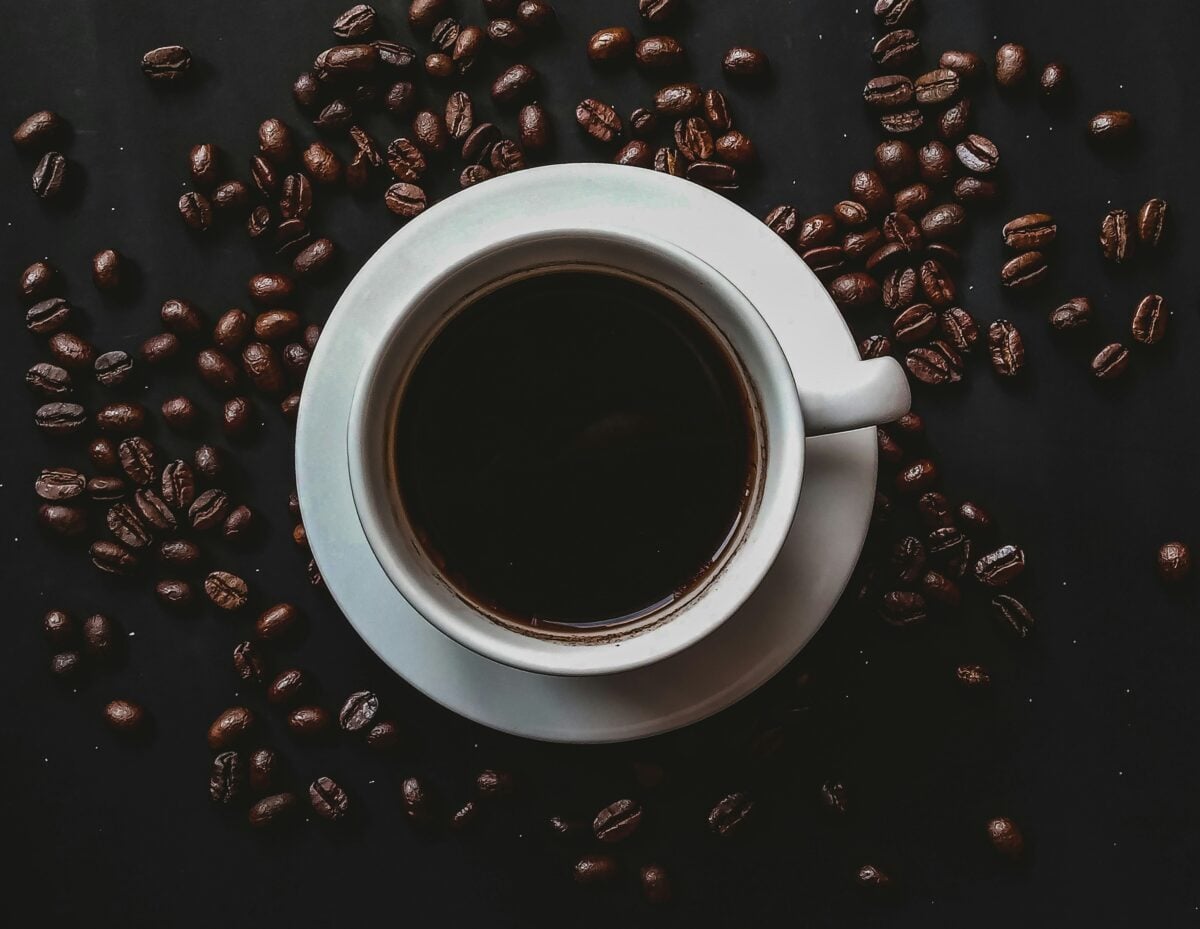
Caffeine has a half-life of approximately five to seven hours in most adults — meaning that if you drink a large coffee at 3:00 PM, about half the caffeine is still circulating in your bloodstream at 8:00 PM or 9:00 PM, sitting on the adenosine receptors whose job is to build sleep pressure. Many people who claim caffeine doesn’t affect their sleep are accurate in reporting that they can fall asleep regardless — but their sleep architecture is measurably disrupted, with less slow-wave deep sleep, even when they’re unaware of any effect.
The Bedroom Should Be Reserved for Sleep and Intimacy Only
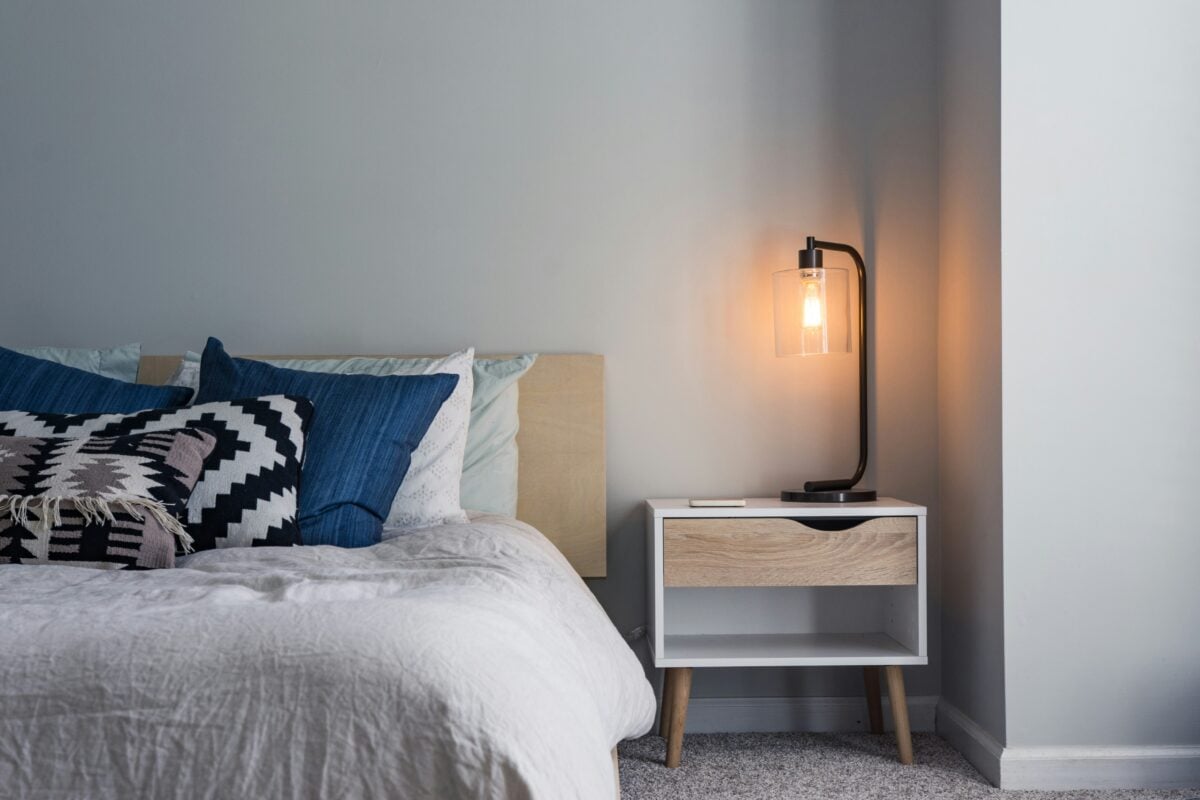
Working in bed, watching television from bed, scrolling through phones in bed, or eating in bed trains the brain to associate the sleep environment with wakefulness. The bedroom, in sleep hygiene research, functions as a cue — a contextual trigger that should reliably signal sleep.
When the bed becomes a multi-purpose workspace and entertainment venue, the cue becomes ambiguous and the transition to sleep becomes harder. This is one of the most consistently supported findings in cognitive behavioural therapy for insomnia, and one of the most routinely ignored.
REM Sleep Is Not Optional or Indulgent
REM sleep — the stage most associated with vivid dreaming — is not a recreational byproduct of sleep but a physiologically essential function. During REM, the brain consolidates emotionally significant memories, processes threatening experiences, and restores the prefrontal cortex’s ability to regulate emotional responses.
Consistently shortening sleep in ways that cut into REM — which occurs predominantly in the final two hours of a full night — leaves people more emotionally reactive, less able to regulate responses to stress, and less capable of learning new skills.
A Warm Bath Before Bed Actually Works

Bathing in warm water 60 to 90 minutes before bed accelerates the body’s natural temperature drop. When you exit a warm bath, the blood vessels in the skin dilate to release heat, rapidly lowering your core body temperature in a way that mimics and reinforces the pre-sleep cooling process.
Multiple studies have found this reduces sleep onset time by an average of around ten minutes. It works specifically because of the post-bath temperature drop, not because of the relaxation — cold showers don’t have the same effect.
Waking in the Night Is Normal
Most adults wake one to three times during the night without any pathological cause — these wakings are a natural feature of cycling between lighter and deeper sleep stages roughly every 90 minutes. Most people don’t remember waking up in the morning.
The problem is not waking but what happens after: lying awake anxious about being awake, checking the time, or becoming alert enough that falling back to sleep becomes difficult. The midnight waking itself is not the disorder.
The response to it often is.
Light Exposure in the Morning Is as Important as Darkness at Night

The circadian clock is anchored most powerfully by bright light exposure in the morning, which signals the start of the day and sets the biological timer for when sleep will feel natural that night. Getting outside or near a bright window within an hour of waking — ideally for at least 10 to 20 minutes — is one of the most effective ways to regulate sleep timing, reduce sleep onset latency, and improve morning alertness.
People who spend mornings in dimly lit interiors lose a critical anchor for the circadian rhythm.
Exercise Improves Sleep Quality, Not Just Duration
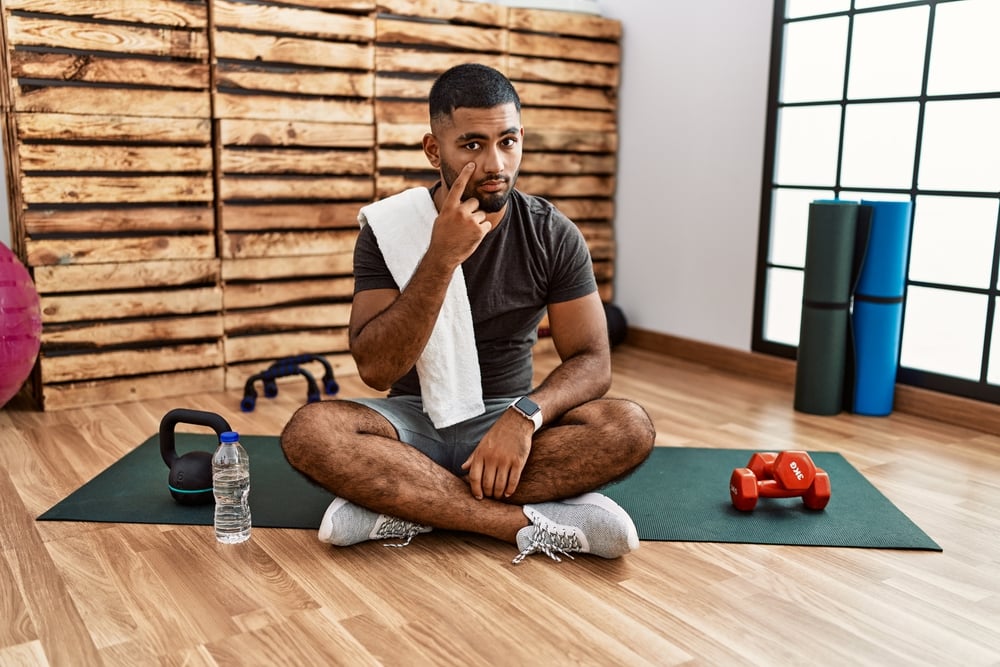
Regular aerobic exercise increases the proportion of time spent in deep slow-wave sleep — the most physically restorative stage — and reduces the frequency and severity of insomnia symptoms. The effect is dose-dependent and appears most reliable with moderate-intensity aerobic exercise (walking, cycling, swimming) rather than high-intensity training, which activates stress hormones that can counteract the benefit.
The improvement in sleep quality is visible in sleep studies within a few weeks of establishing a consistent exercise routine.
Sound Machines Work Better Than Silence for Many People
In environments with variable noise — city apartments, shared living situations, houses near roads — white noise or pink noise can reduce the number of times environmental sounds disrupt sleep by creating a consistent acoustic baseline that masks variations. The brain responds more to sudden changes in sound (a car door, a raised voice) than to sustained levels.
Consistent low-level noise removes the contrast that triggers waking. This is not the same as the complete silence that some sleep advice recommends: silence is only optimal when the alternative is truly irregular noise.
Melatonin Is a Timing Signal, Not a Sleeping Pill
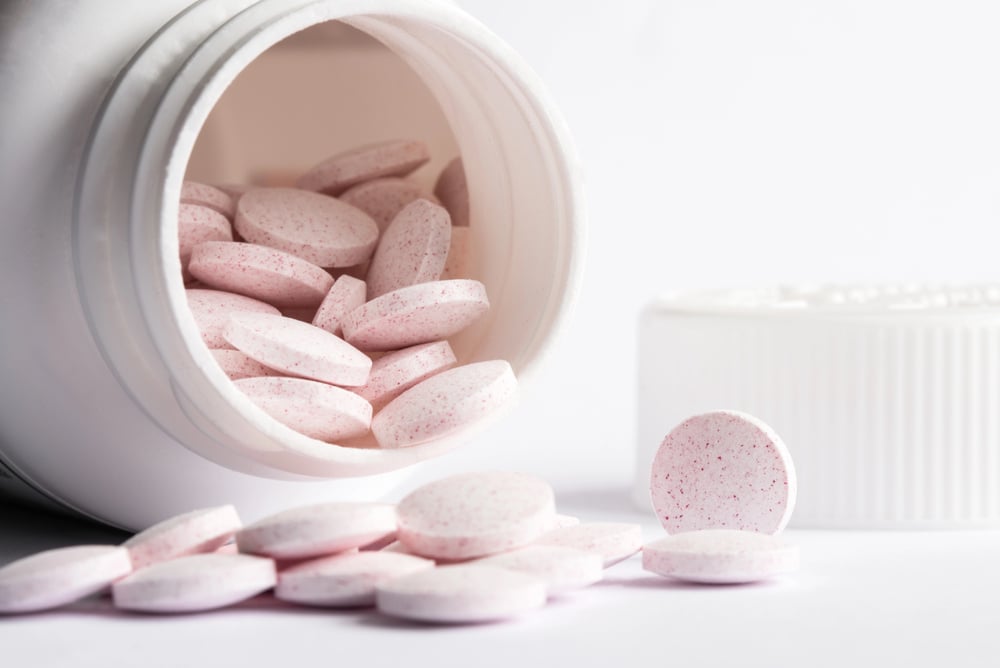
Melatonin is widely taken as a sleep aid at dosages of one to ten milligrams. Research suggests that most of these doses are far higher than the body produces naturally and that melatonin’s primary function is to signal darkness and shift the circadian clock rather than to induce sleep directly.
Low doses of 0.3 to 0.5 milligrams taken at the right time are more effective at adjusting sleep timing — such as after jet lag or shift work schedule changes — than high doses taken as a sedative. Taking ten milligrams of melatonin and expecting to feel sedated is a misreading of what the molecule does.
Stress and Anxiety Are the Leading Causes of Insomnia — and They’re Treatable
The most effective long-term treatment for chronic insomnia is not sleep medication but Cognitive Behavioural Therapy for Insomnia (CBT-I), which addresses the thought patterns and behaviours — the anxiety about not sleeping, the clock-watching, the irregular schedule, the wrong associations between bed and wakefulness — that maintain insomnia even after the original stressor has passed.
Multiple clinical trials have found CBT-I more effective than sleep medication at 12 months, with no rebound insomnia on discontinuation.
Sleeping More Than Nine Hours Is Not Always Better
While sleep deprivation is clearly harmful, consistently sleeping more than nine hours is associated in epidemiological research with elevated rates of depression, cardiovascular disease, and mortality. The association is complicated by the fact that some people who sleep long hours are doing so because of underlying illness rather than by choice. But the assumption that more sleep is always better — that ten or eleven hours represents premium rest — is not supported.
For most healthy adults, the optimal range is seven to nine hours, with performance and health declining on both sides of it.
The Last Two Hours of Sleep Are Disproportionately Valuable
The final portion of a night’s sleep — approximately hours seven and eight for someone sleeping a full cycle — contains a disproportionately high percentage of REM sleep relative to earlier portions of the night.
This is the sleep that most people cut first when mornings get busy, and it’s also the sleep most critical for emotional regulation and memory consolidation. Cutting from eight hours to six hours doesn’t remove a quarter of your sleep — it removes a disproportionate share of your most cognitively essential sleep.
What Counts as Sleep Hygiene Is More Structural Than Behavioural
Most sleep advice focuses on bedtime routines: no screens, no caffeine, warm baths, dim lights. These matter, but the most powerful determinants of sleep quality are structural: consistent timing, adequate duration, a cool dark environment, management of anxiety and rumination, and physical activity during the day.
A perfect wind-down routine built on a foundation of irregular timing, chronic stress, and a warm bright bedroom will not produce good sleep. The routine is the fine-tuning. The structure is the engine.
The Science Is Inconvenient Precisely Because It Contradicts Convenience
The most consistent finding across decades of sleep research is that the habits that feel easiest — the nightcap, the lie-in, the snooze, the late scrolling, the warm room — tend to work against the biology they’re supposed to support. Good sleep is not complicated in its requirements: consistent timing, adequate duration, a cool dark space, and daytime habits that support the circadian rhythm.
The reason so few people achieve it consistently is not ignorance of these principles — it’s that each of them asks you to trade a comfortable short-term habit for a measurable long-term benefit. That trade turns out to be much harder than any single piece of sleep science would suggest.
More from Go2Tutors!

- The Romanov Crown Jewels and Their Tragic Fate
- 13 Historical Mysteries That Science Still Can’t Solve
- Famous Hoaxes That Fooled the World for Years
- 15 Child Stars with Tragic Adult Lives
- 16 Famous Jewelry Pieces in History
Like Go2Tutors’s content? Follow us on MSN.



