15 Rare Albino Animals Living in Protected Reserves
Nature’s palette occasionally skips a beat, producing creatures so ethereally pale they seem almost mythical. These albino animals, with their snow-white coats and pink or red eyes, face unique challenges in the wild — their lack of pigmentation makes them vulnerable to predators and sunlight alike.
Thankfully, protected reserves around the world have become sanctuaries for these rare genetic variations, offering them safety and the chance to thrive despite their differences.
White Alligator
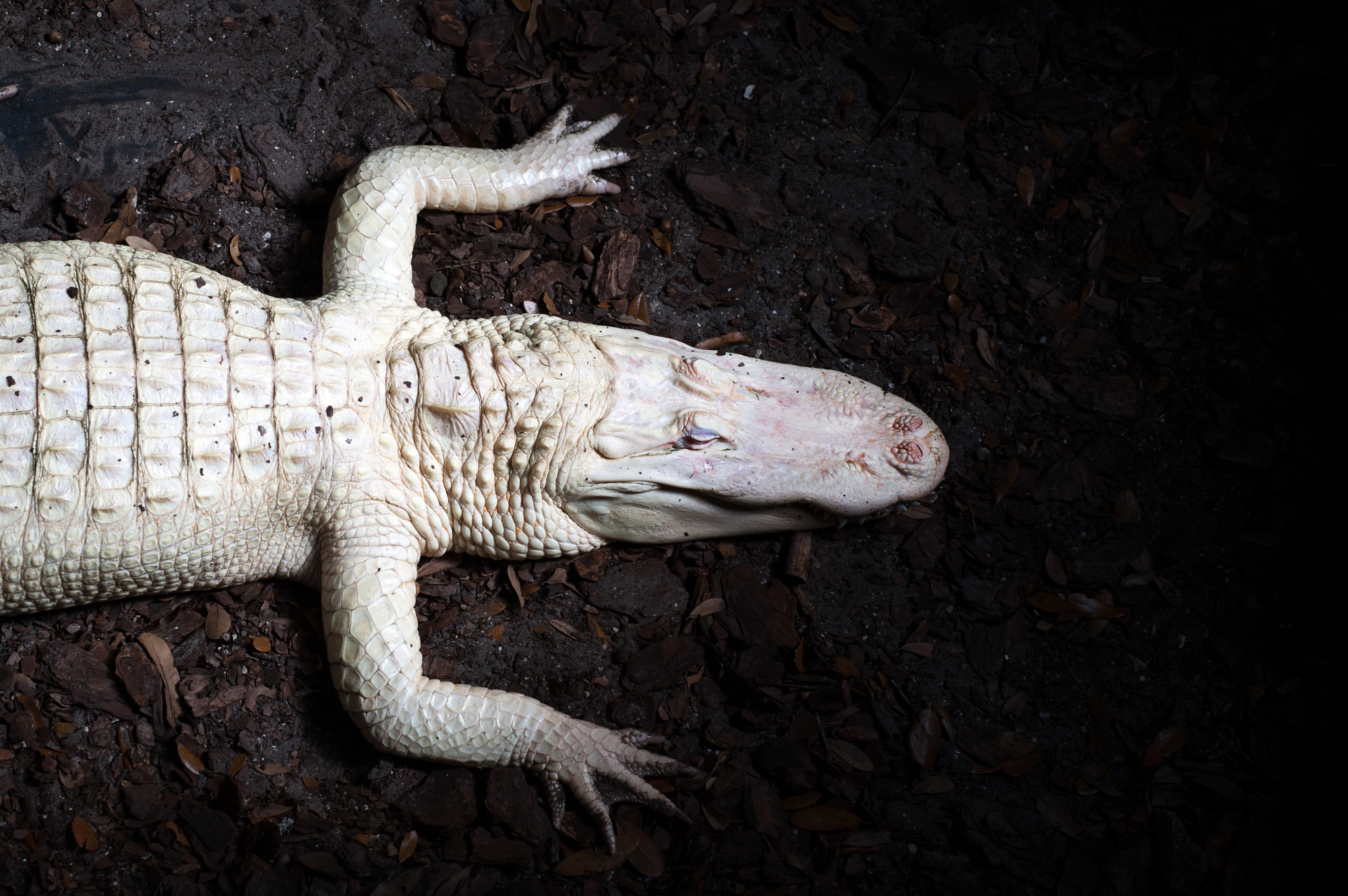
The leucistic alligator at Audubon Aquarium of the Americas draws crowds like few other creatures can. This isn’t true albinism — the eyes remain blue rather than pink — but the effect is equally striking.
These reptiles survive in captivity where the wild would have claimed them within days.
Spirit Bear
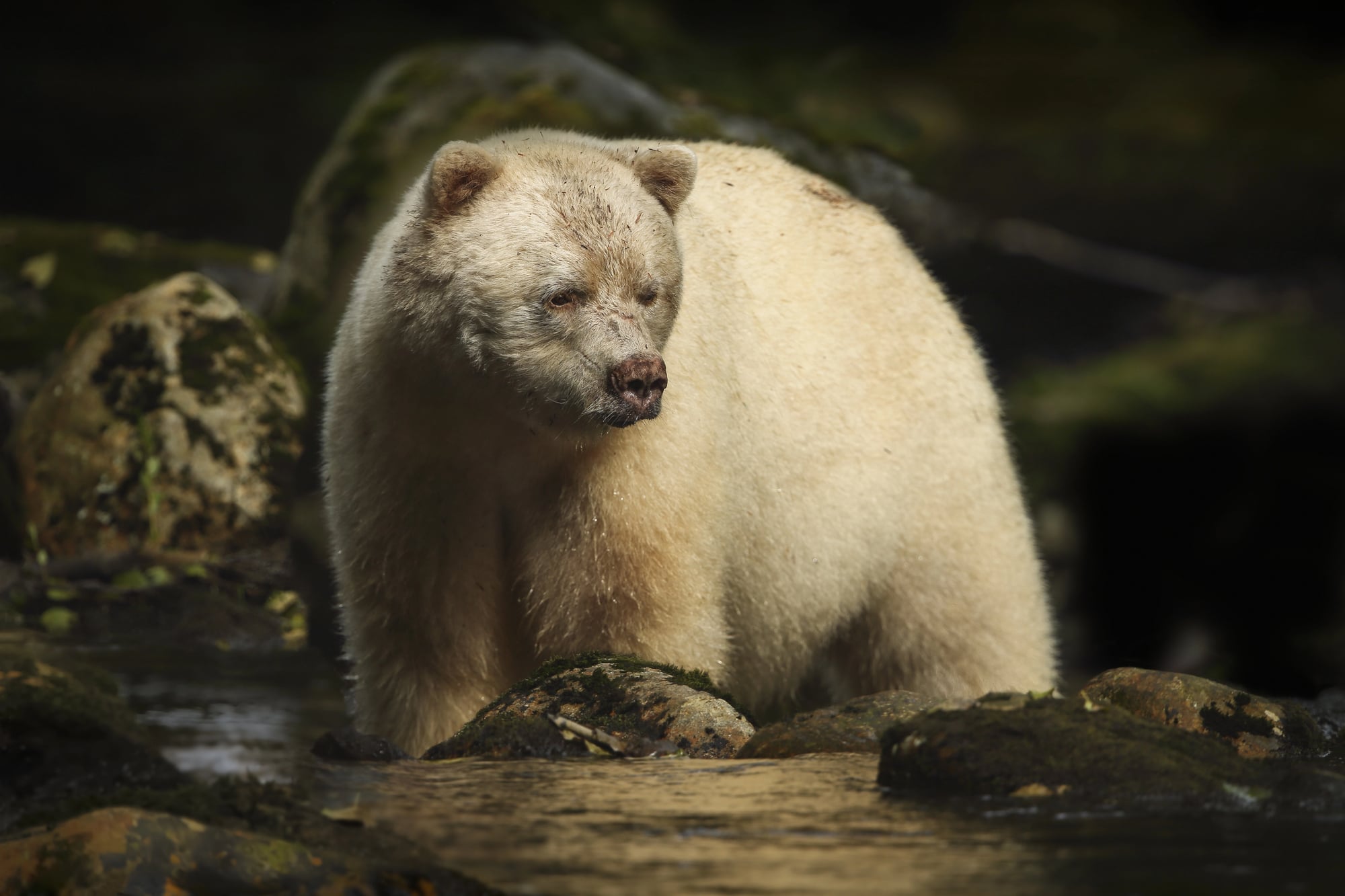
So here’s the thing about Kermode bears: they’re not albino at all, technically speaking, but rather a color phase of black bears found in the coastal temperate rainforests of British Columbia. Except when you encounter one of the genuinely albino individuals that occasionally appear within populations, which is when the distinction between leucism and true albinism becomes more than academic.
A true albino spirit bear represents something so rare that the handful living in protected areas like the Great Bear Rainforest become almost impossibly precious. The odds stack against them. But they persist.
Albino Hedgehog
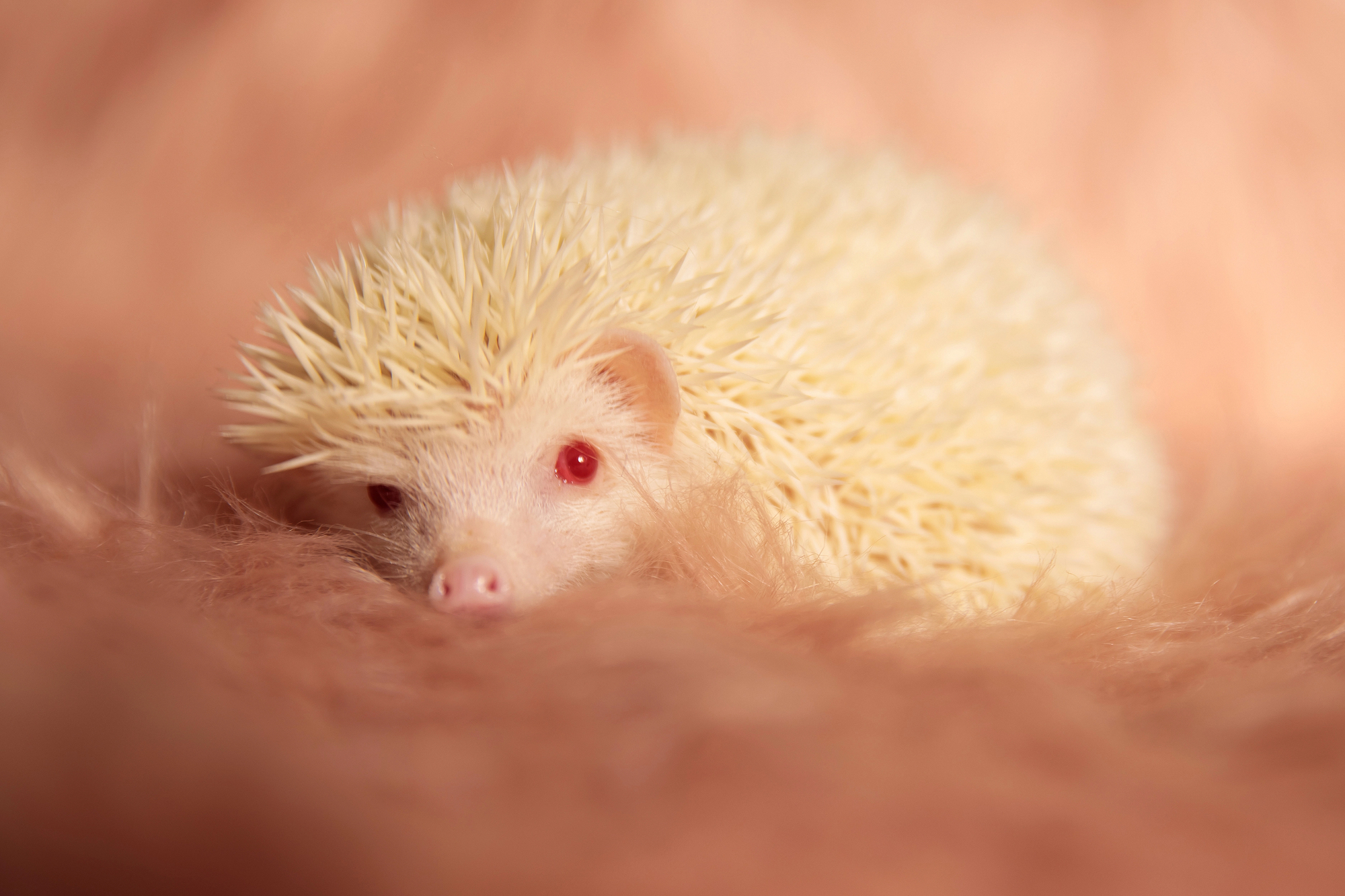
There’s something unsettling about an albino hedgehog’s needles catching light like frost on bare branches. The absence of melanin transforms their natural armor into something that seems too delicate for the world’s rough edges.
At wildlife sanctuaries across Europe, these pale creatures navigate their enclosures with the same determined waddle as their pigmented cousins. Yet they carry an otherworldly quality that makes observers pause longer than they intended.
White Peacock
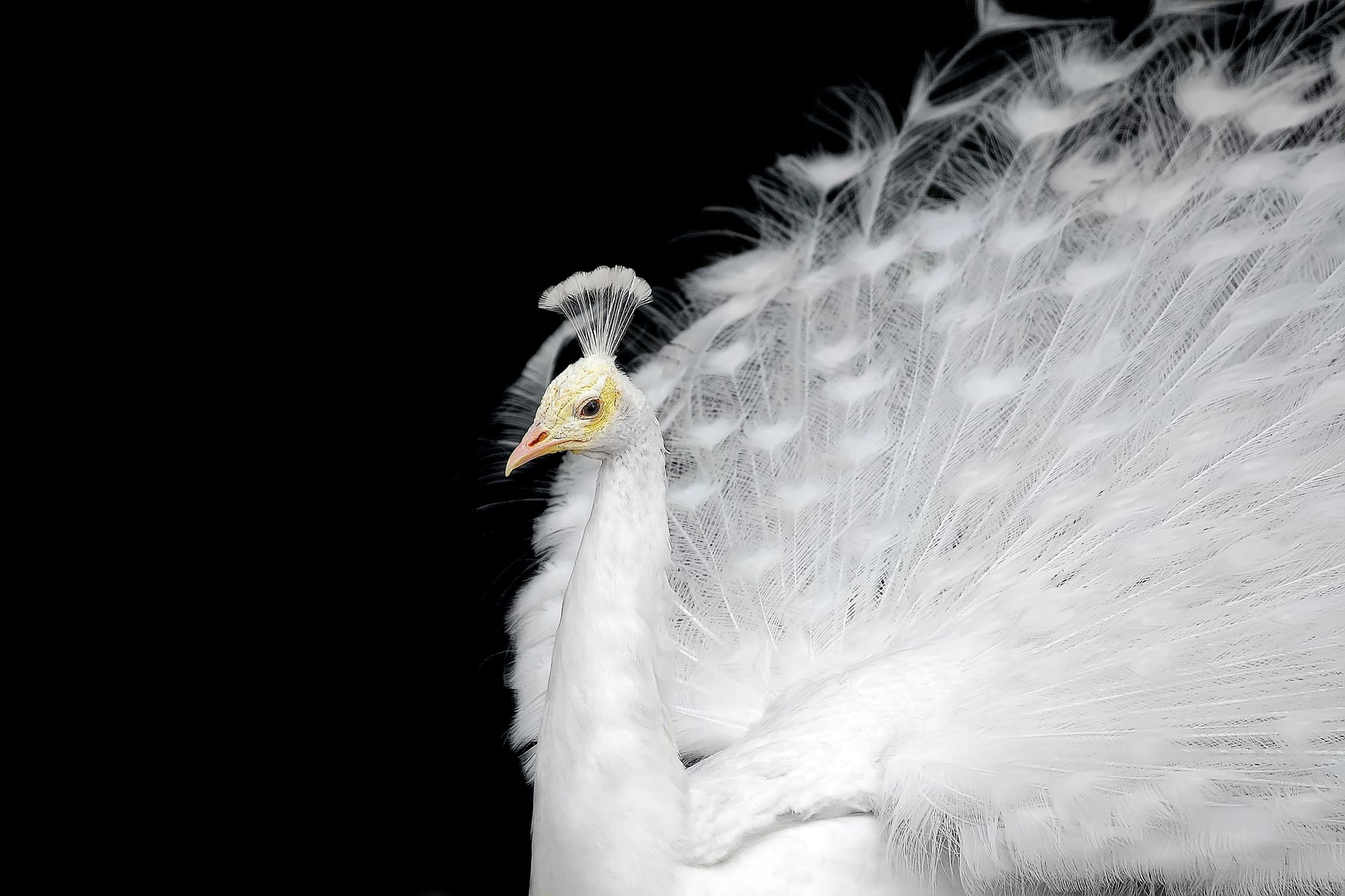
Albino peacocks are showoffs without the show. The magnificent tail display that defines their species becomes a ghostly fan of translucent feathers, beautiful in its starkness but lacking the iridescent blues and greens that typically mesmerize mates.
Several breeding programs maintain these birds specifically because they’d never survive mate selection in the wild.
Albino Kangaroo
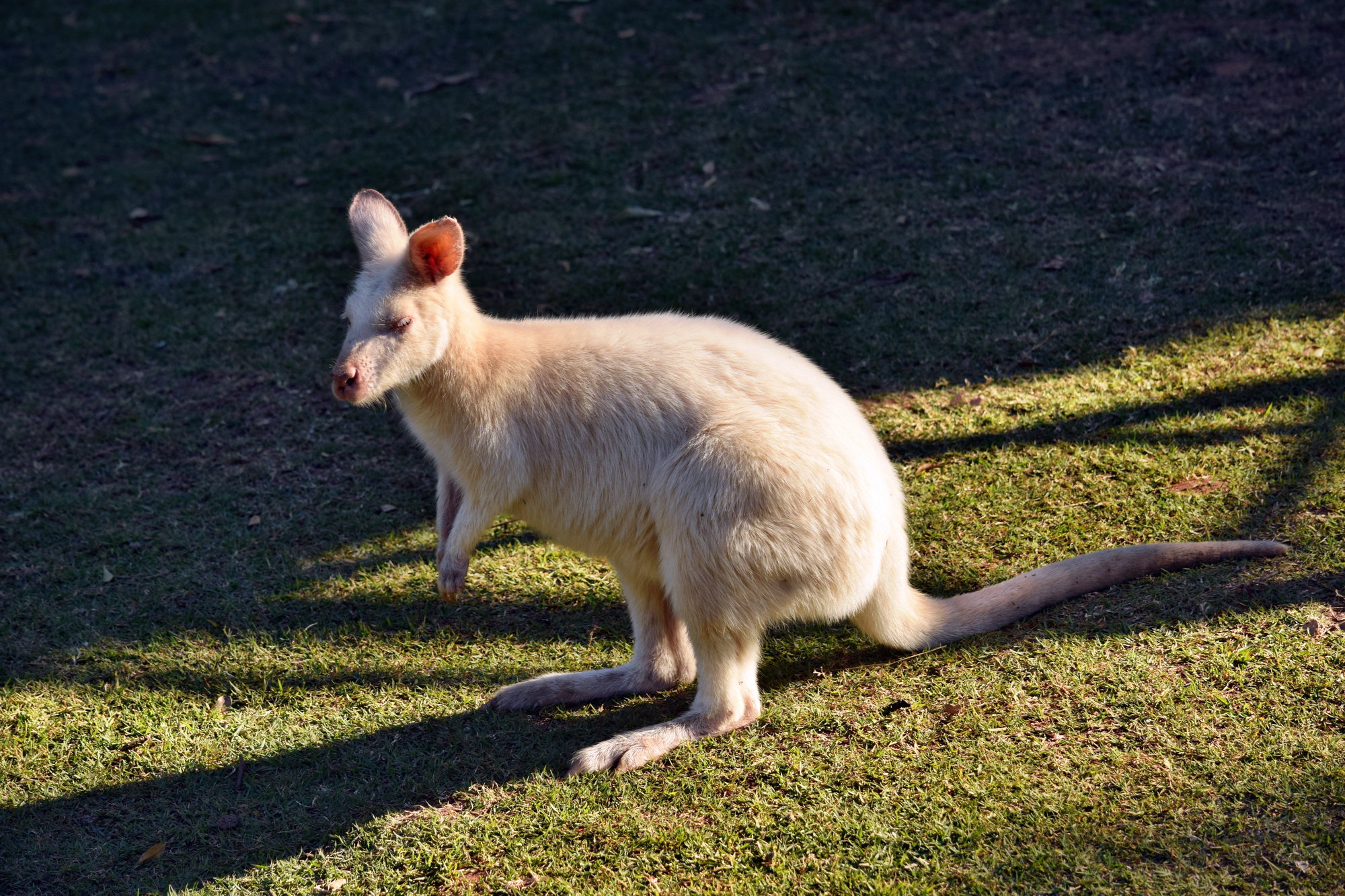
Australian wildlife parks house the continent’s few surviving albino kangaroos with particular care. The harsh sun that defines much of Australia’s landscape would blind and burn these pale marsupials within hours.
Their pink eyes require constant protection from UV rays.
Snow-White Turtle

The albino turtle populations at various aquatic centers present an interesting paradox: their shells, normally designed to provide camouflage, now advertise their presence to every predator within visual range. This is precisely why these ancient-looking creatures have found refuge in human-managed environments.
Their pale shells gleaming like polished bone and pink eyes blinking slowly in filtered light, they move through water with the same unhurried grace. The same patient persistence that has carried their species through millennia.
Albino Deer
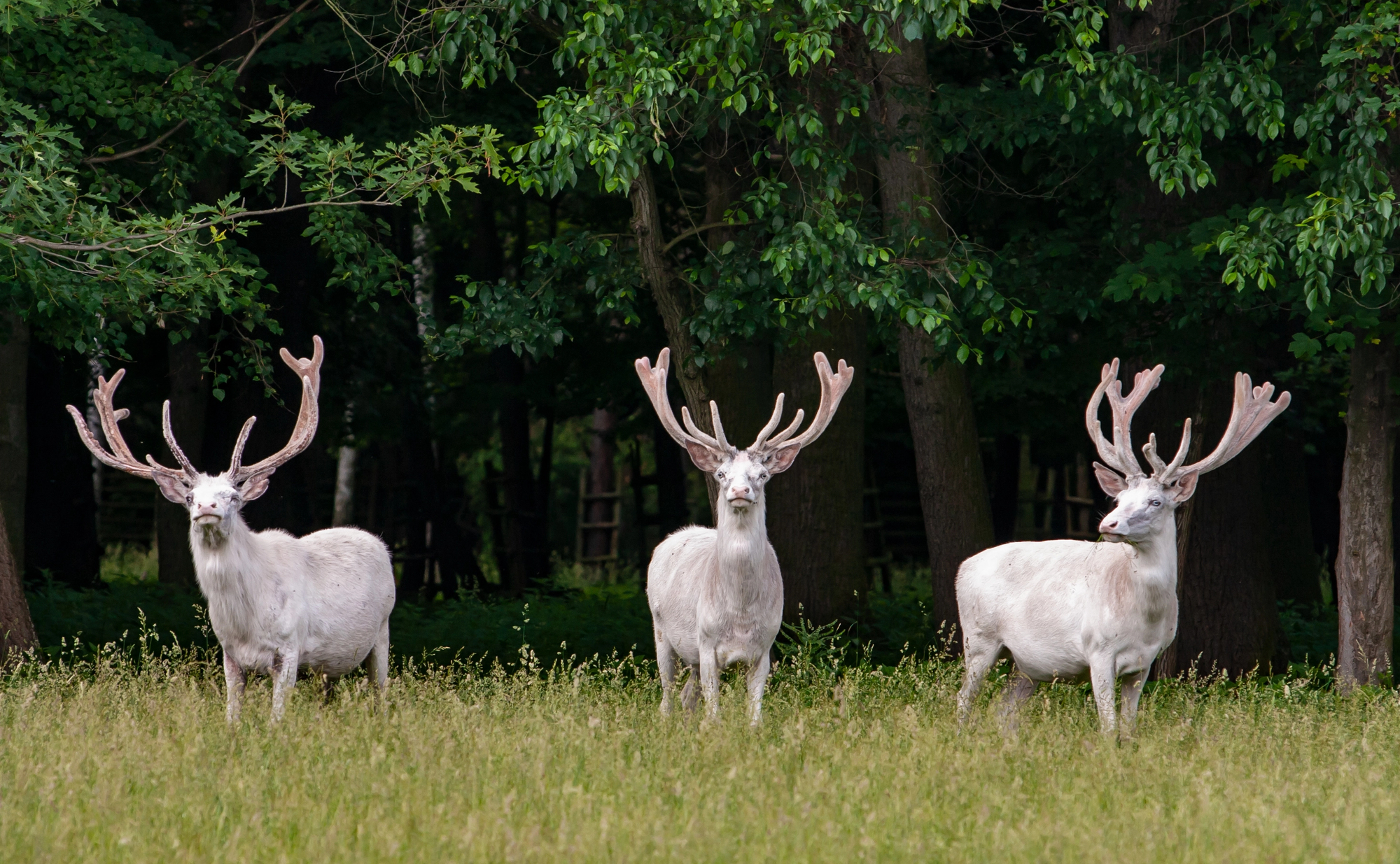
Albino deer represent everything fragile about beauty in the wild. These ghostly figures, when they do appear in protected forests like those managed by various state park systems, become almost spiritual experiences for the few lucky enough to witness them.
Their white coats make them impossible to miss and equally impossible to survive hunting season.
White Alligator Snapping Turtle
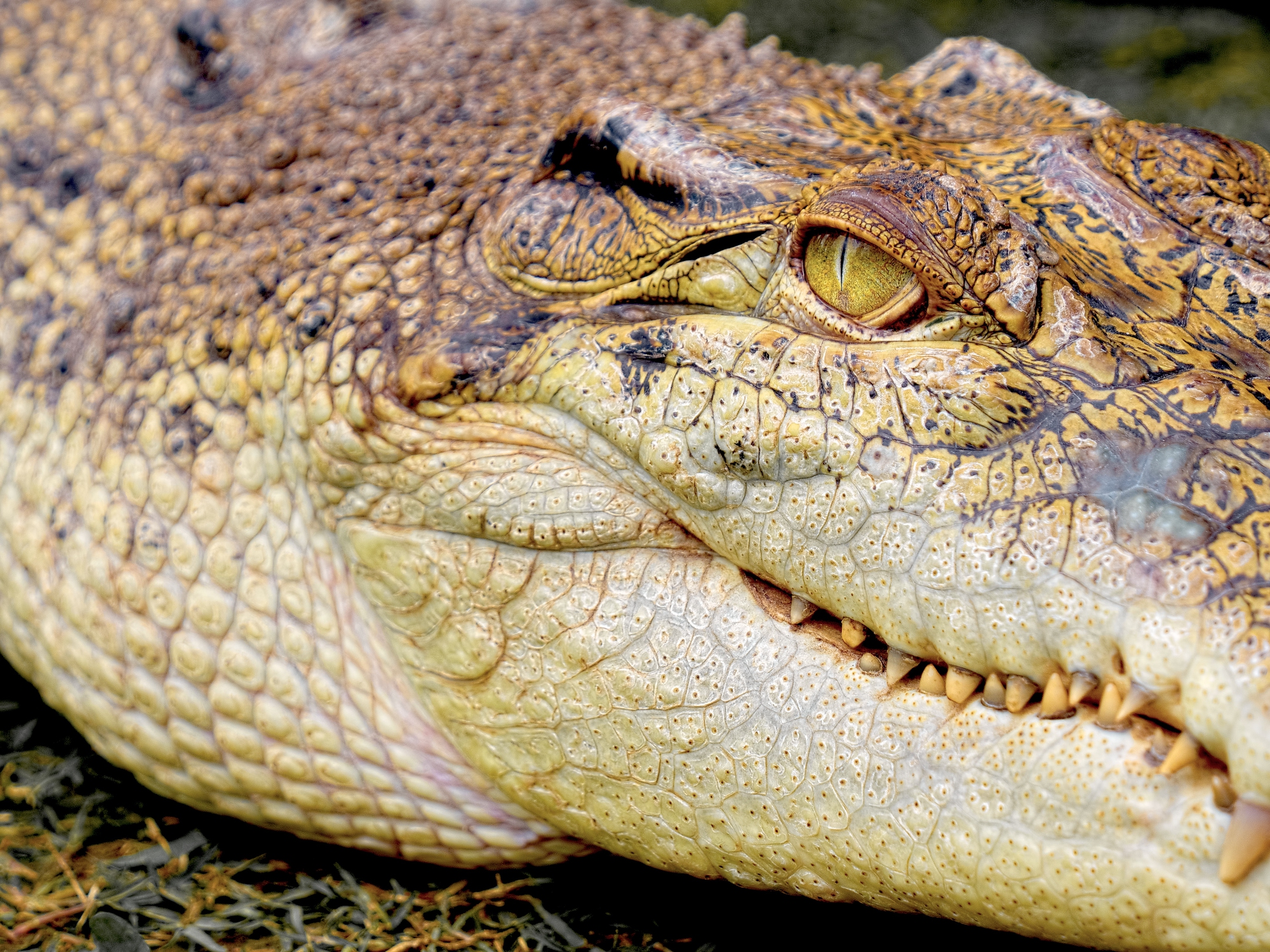
The albino alligator snapping turtle breaks every rule about intimidation. This prehistoric predator, already resembling something from another era, becomes almost comical in pure white — except for those pink eyes that still hold the same ancient malice.
Protected facilities keep these rare specimens because wild survival rates approach zero.
Albino Bison
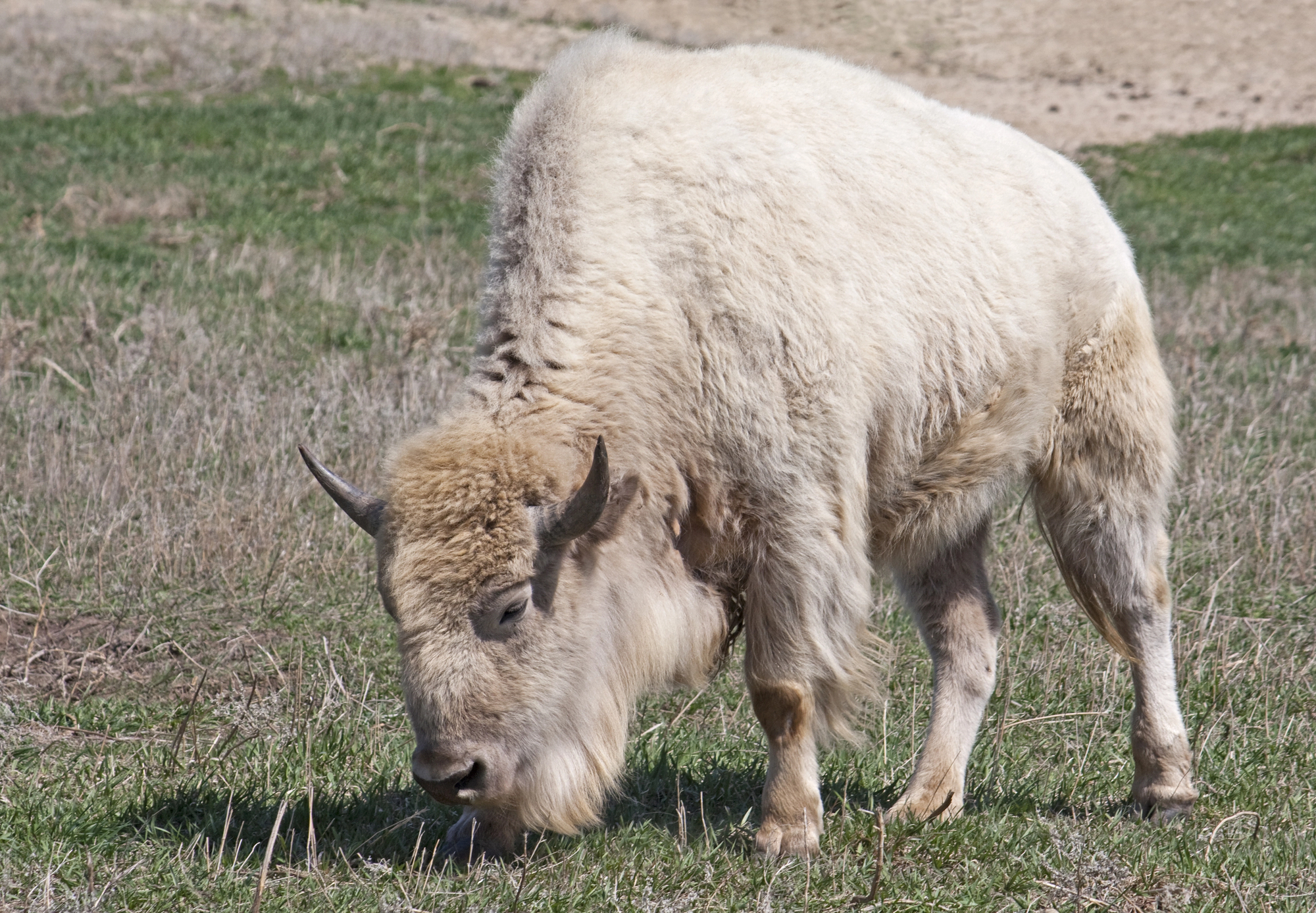
A handful of albino bison exist in managed herds across North America, their white bulk standing out against the prairie grasslands like beacons. These massive creatures, already symbols of American conservation success, become even more precious in their pale variants.
The Thunder Bay breeding program maintains several.
White Wallaby
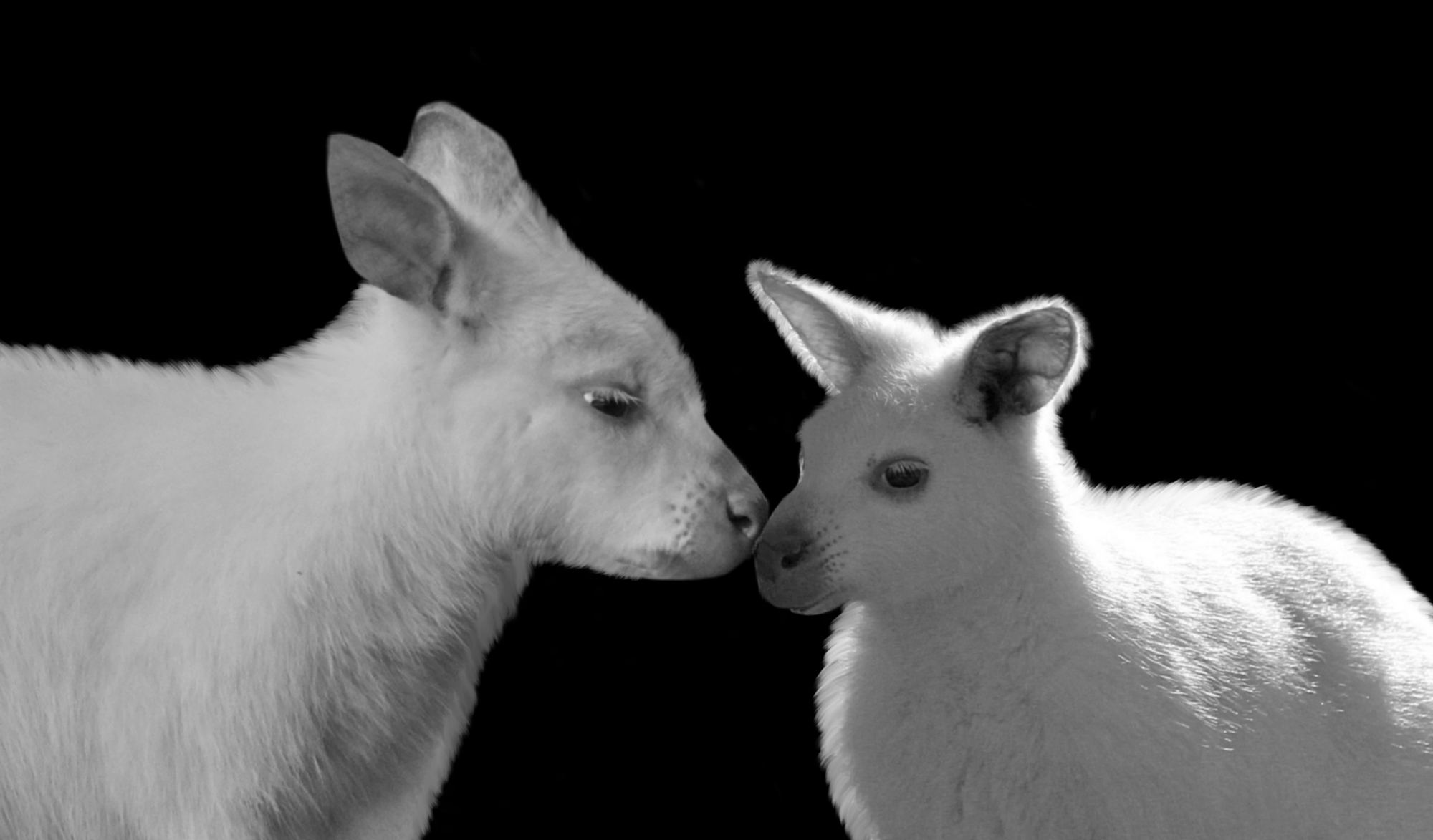
So the Bennett’s wallabies at various wildlife sanctuaries include a few albino individuals that hop through their enclosures with the same boundless energy as their brown cousins. They glow like small ghosts in the late afternoon sun, which they’re carefully protected from during peak UV hours.
Somehow their enthusiasm for life remains completely undimmed by their genetic disadvantage. They’re stubborn about surviving. Fair enough.
Albino Squirrel
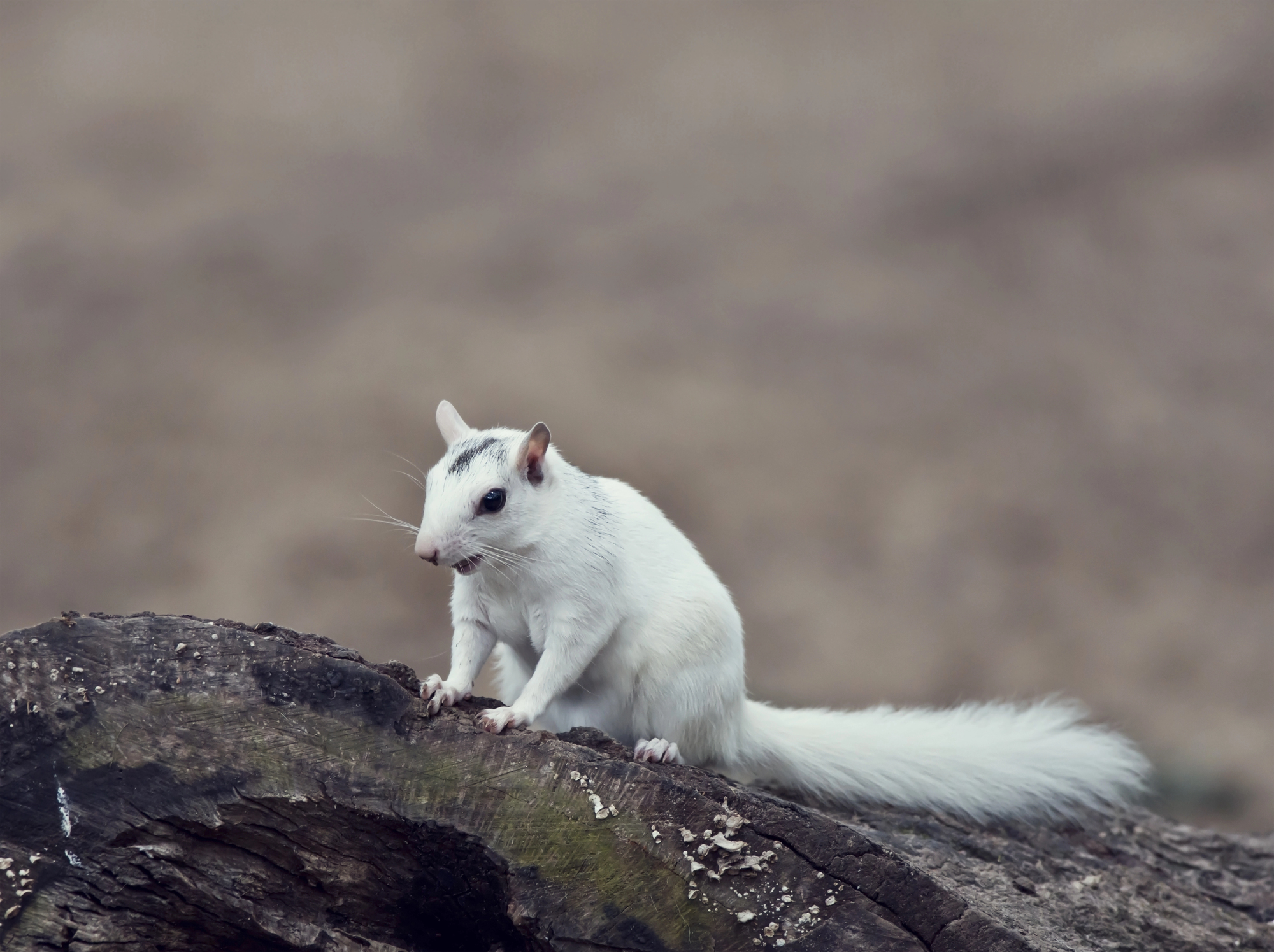
College campuses collect albino squirrels like mascots. These pale acrobats navigate the same oak trees and garbage cans as regular squirrels, but their white fur transforms them into campus celebrities.
The University of Illinois Urbana-Champaign’s colony represents one of the more famous protected populations. Though calling a university campus a “reserve” stretches the definition.
White Raccoon
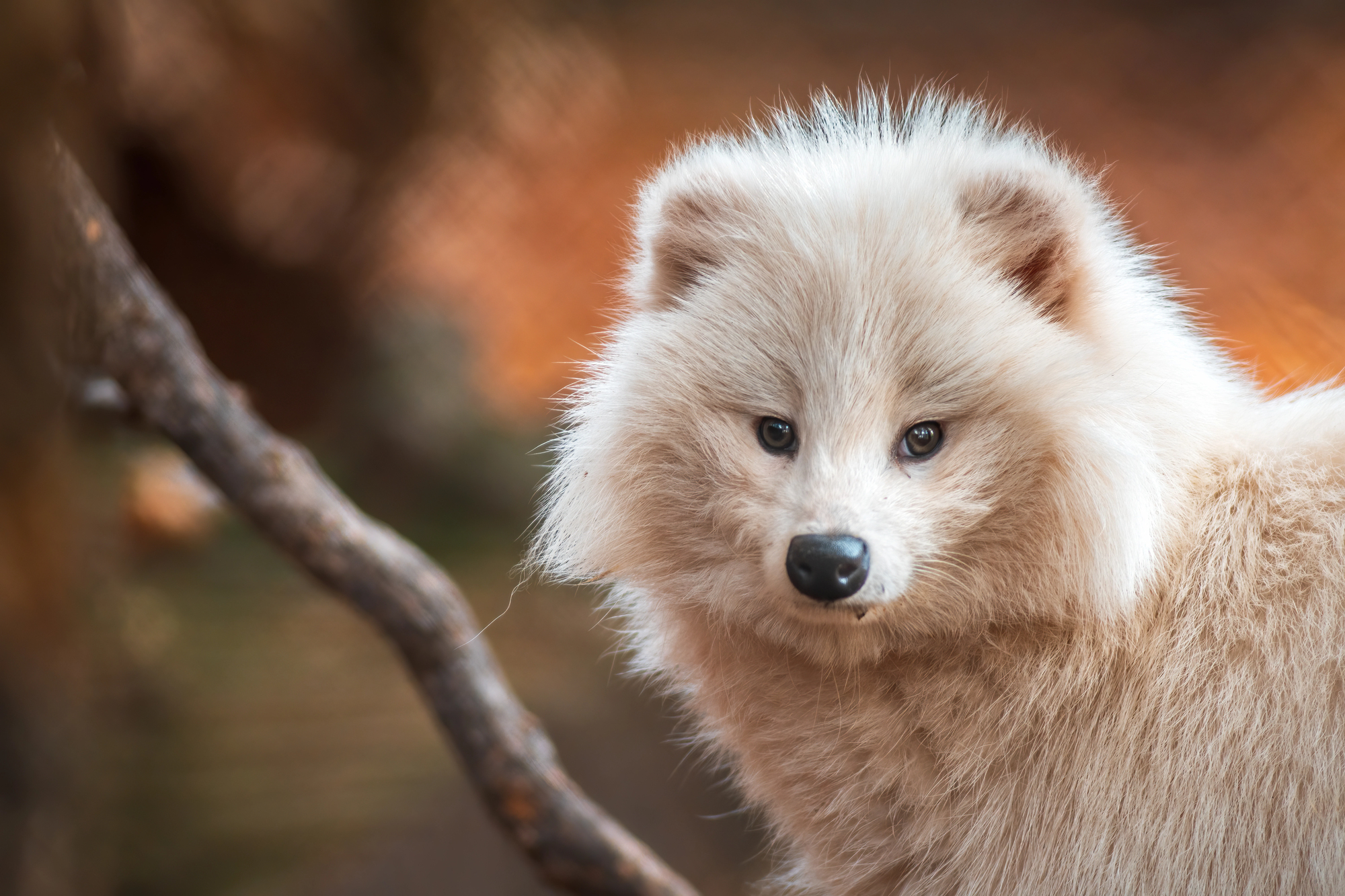
The albino raccoons at rehabilitation centers present a contradiction — their masked faces lose all definition without dark pigmentation, yet they retain the same mischievous intelligence. These pale bandits require permanent sanctuary because wild survival simply isn’t possible when you glow white in moonlight.
Albino Snake
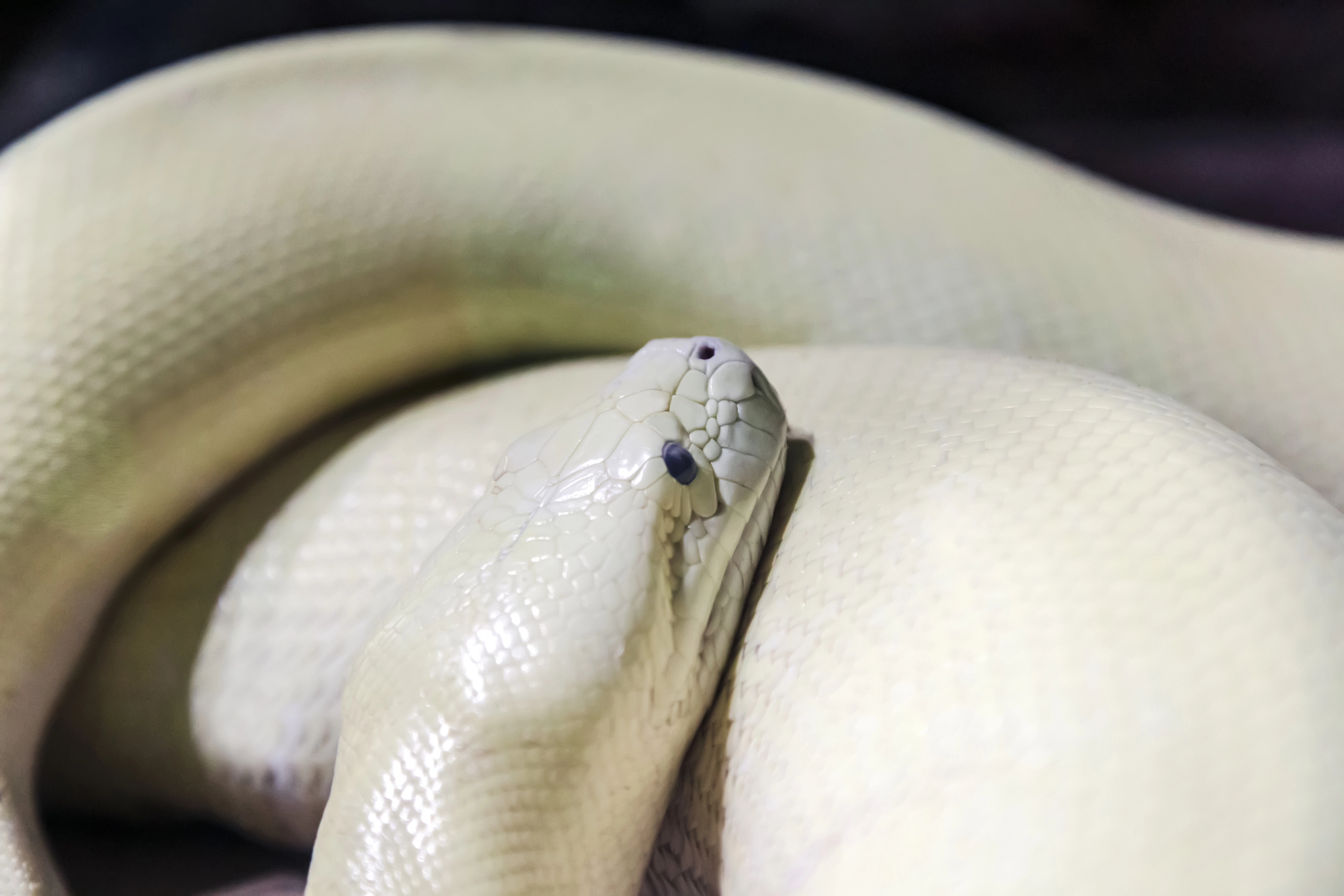
Albino snakes in captive breeding programs slither through their terrariums like living pearls, their scales catching light in ways that mesmerize visitors. The lack of protective pigmentation means they’d die from sun exposure in days.
Controlled environments become their only option for survival.
White Possum
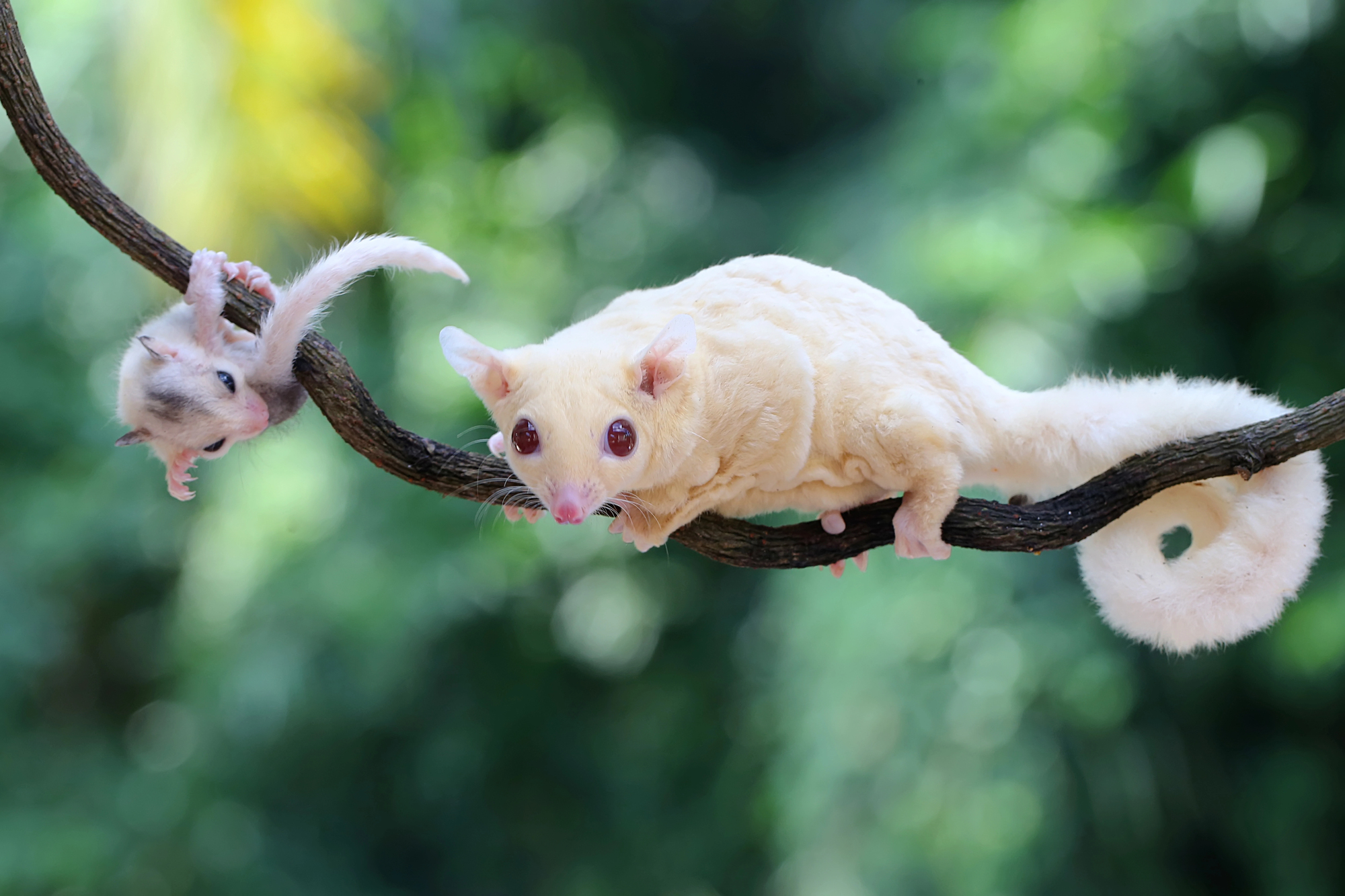
The few albino opossums in wildlife rehabilitation facilities carry themselves with the same shambling determination as their pigmented relatives. Their pink eyes and pale fur make them look perpetually startled.
These marsupials already face enough challenges without genetic disadvantages.
Albino Fox
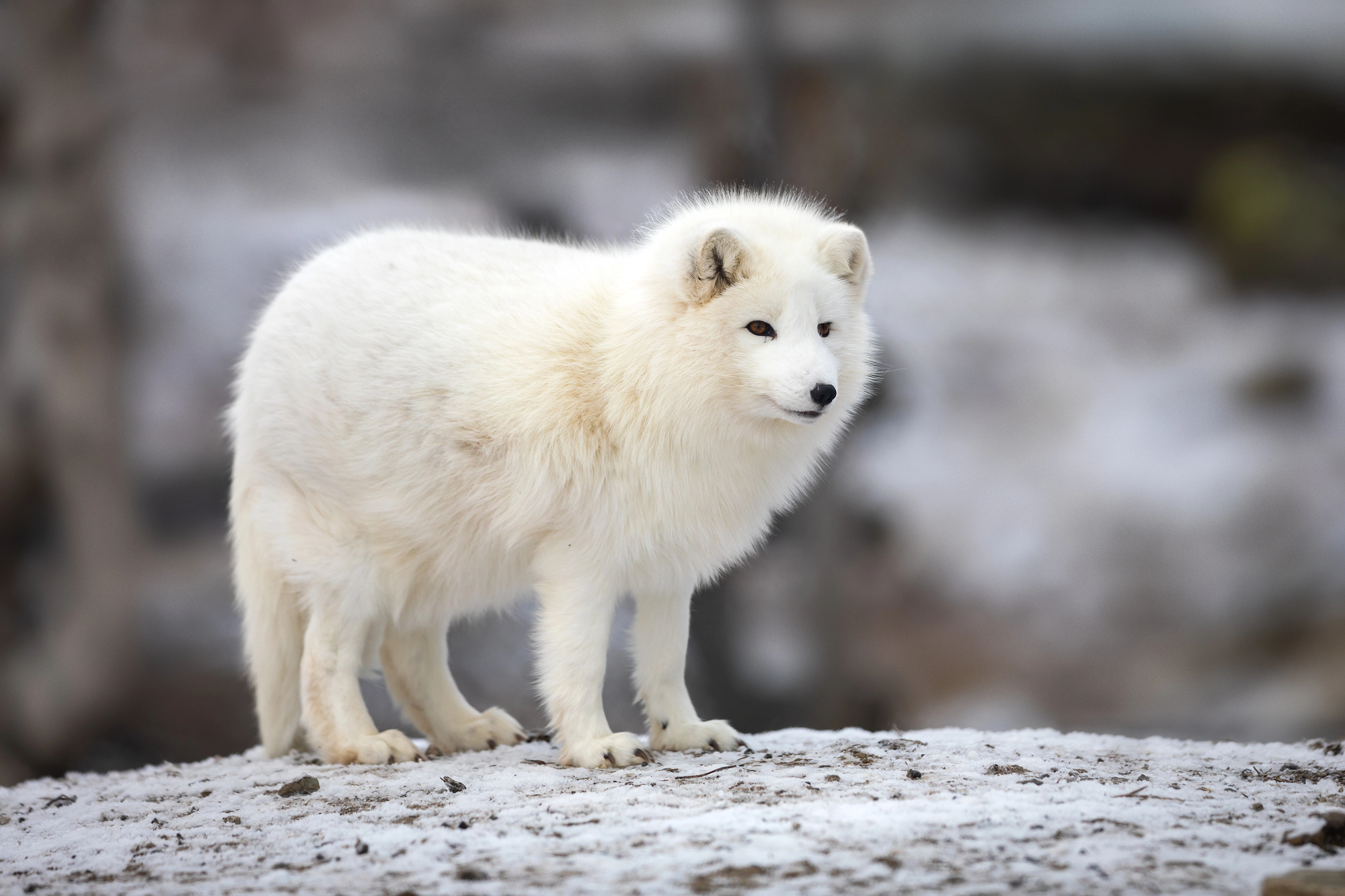
There’s something haunting about watching an albino fox move through its enclosure at dawn, when the pale light matches its coat and the creature seems to dissolve into the morning mist. Wildlife centers maintain these ethereal predators because the wild offers them no quarter.
No camouflage means no successful hunting, and no successful hunting means a slow death by starvation.
Guardians of the Pale
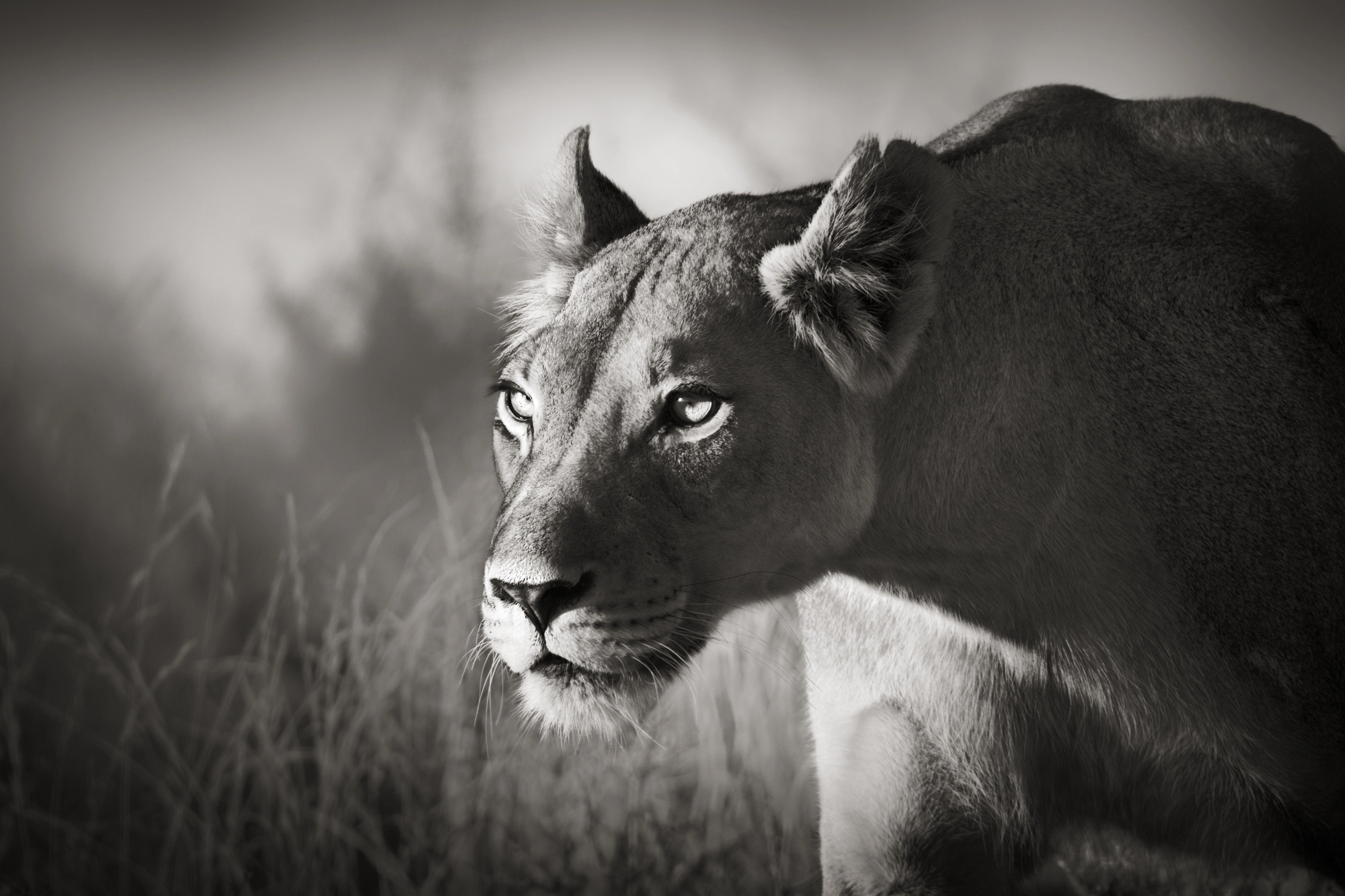
These reserves and sanctuaries serve as more than simple shelters — they’re arks for genetic variations that natural selection would typically eliminate within a generation. The albino animals living within protected boundaries represent nature’s experiments with color and light.
Their pale forms move through carefully managed environments like living ghosts, beautiful precisely because they’re so unlikely to be here at all.
More from Go2Tutors!

- The Romanov Crown Jewels and Their Tragic Fate
- 13 Historical Mysteries That Science Still Can’t Solve
- Famous Hoaxes That Fooled the World for Years
- 15 Child Stars with Tragic Adult Lives
- 16 Famous Jewelry Pieces in History
Like Go2Tutors’s content? Follow us on MSN.



