15 Rare Fungi with Mysterious Uses
Deep in forgotten forests and hidden corners of the world, fungi harbor secrets that science is only beginning to understand. Some glow in the dark, others dissolve metal, and a few might hold keys to medical breakthroughs that could change everything.
Here’s a list of 15 rare fungi with mysterious uses that continue to baffle researchers and spark curiosity across the globe.
Cordyceps militaris
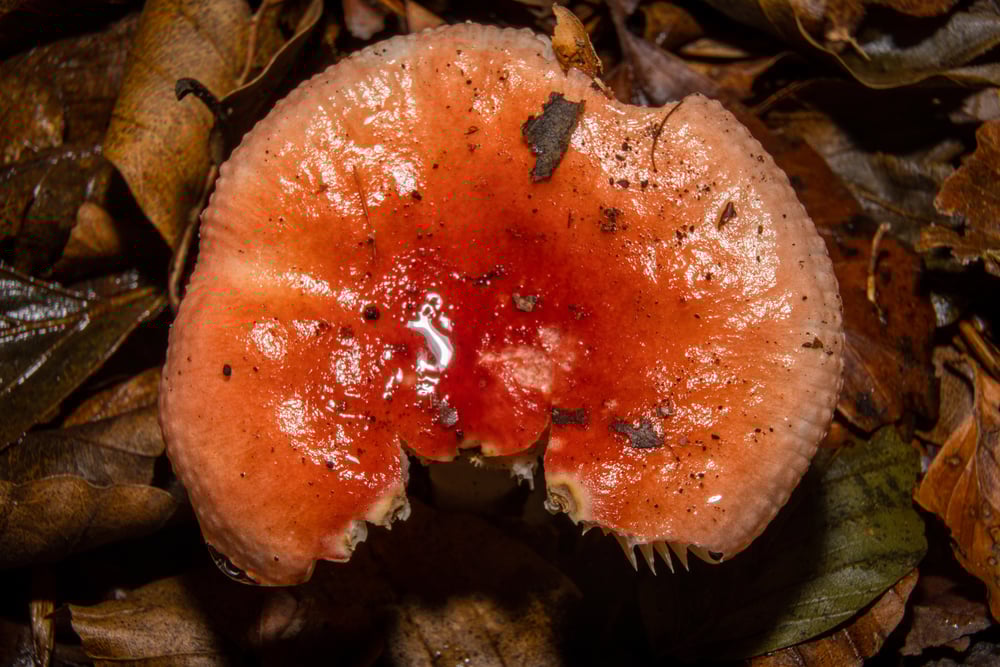
This orange, club-shaped fungus sprouts from the bodies of insect larvae. It’s been a staple in Traditional Chinese Medicine for centuries—said to boost energy and stamina.
These days, you’ll even find athletes taking cordyceps supplements, swearing it improves oxygen intake during training. But the fungus has a darker trick up its sleeve.
It creates zombie caterpillars. Really. It hijacks the insect’s body, compels it to climb high, then consumes it from within.
Amanita muscaria

You’ve seen it in fairy tales—red cap, white spots. It’s not just a whimsical mushroom; Siberian shamans once used it to induce vivid hallucinations during spiritual ceremonies.
Interestingly, scientists have found early evidence it might aid certain neurological conditions. Possibly depression.
The research is still young, but promising. Also, worth noting: it’s toxic if misused. So don’t try this one at home.
Lion’s mane mushroom
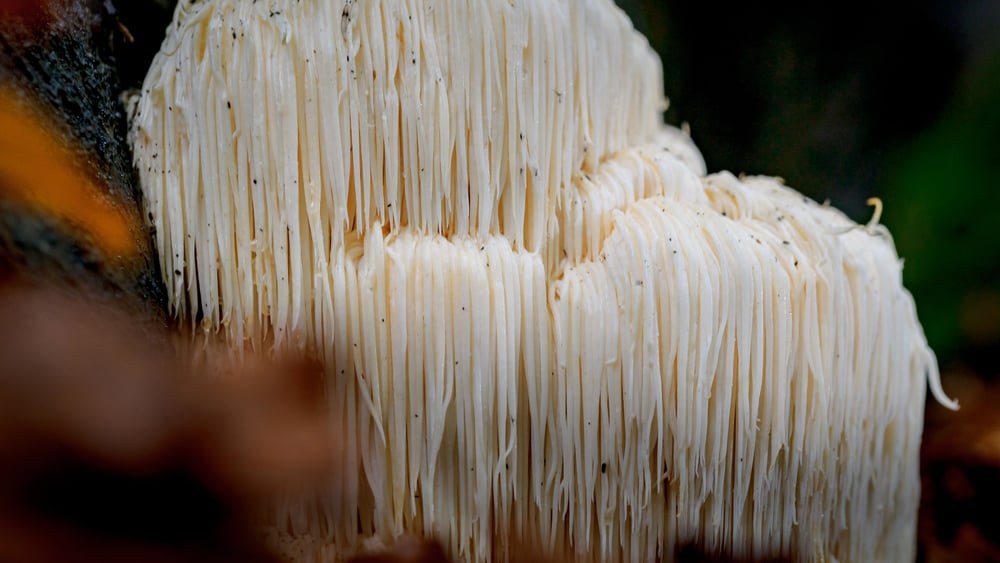
Like a snowy cascade of icicles, this shaggy fungus clings to hardwood trees across Europe and North America. Traditional healers prized it for sharpening memory and focus.
Turns out, they might’ve been onto something. Studies suggest lion’s mane may actually help regenerate nerve cells.
That’s right—nerve growth. Early trials point to potential benefits for Alzheimer’s patients and those with brain injuries.
Plus, it looks like something out of a fantasy novel.
Chaga
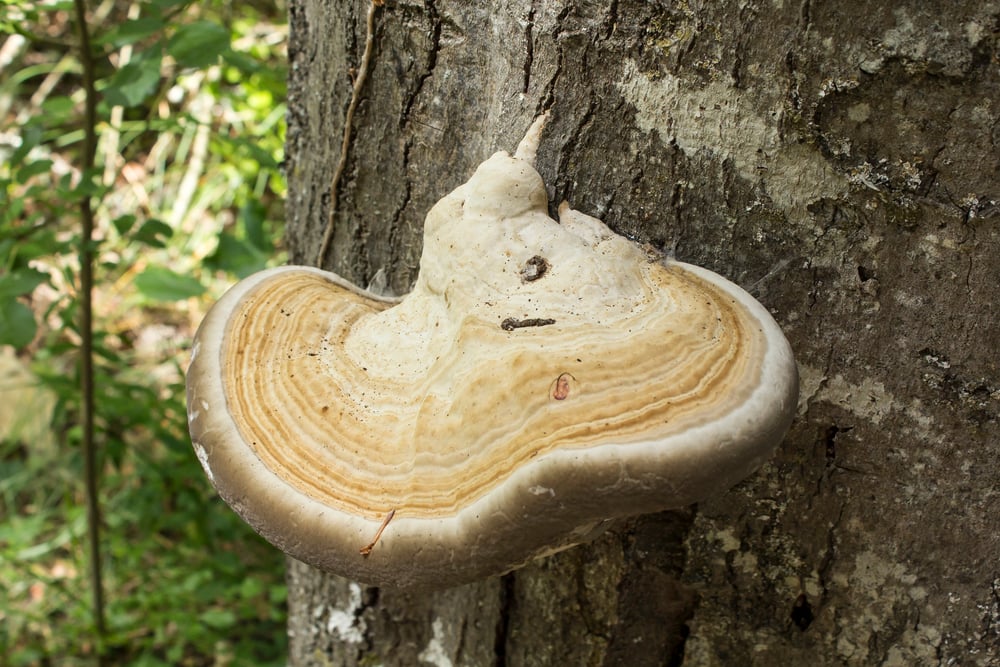
Chaga isn’t pretty—it looks more like burnt charcoal than a mushroom. Found on birch trees in cold regions, it was brewed into tea by Indigenous Siberians and Alaskans for strength and long life.
Science now backs some of those beliefs. Chaga has some of the highest antioxidant levels of any known natural source.
It’s being studied for anti-tumor properties too. But here’s the kicker: it takes decades to mature on a tree.
Turkey tail
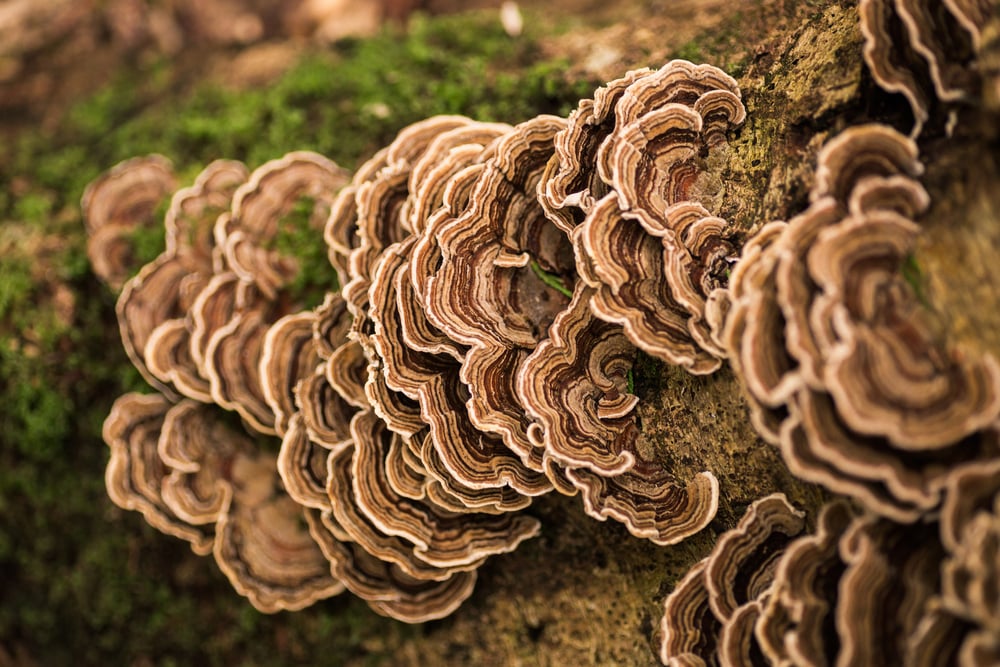
These colorful, shelf-like fungi are easy to spot with their rainbow rings. Chinese medicine called it the “cloud mushroom,” and it’s been used for centuries to boost immunity.
Modern science agrees. In fact, clinical trials show turkey tail extracts can support chemotherapy in cancer patients.
The FDA has even approved it as a supplemental treatment in some cases. Not bad for something growing on a rotting log.
Reishi
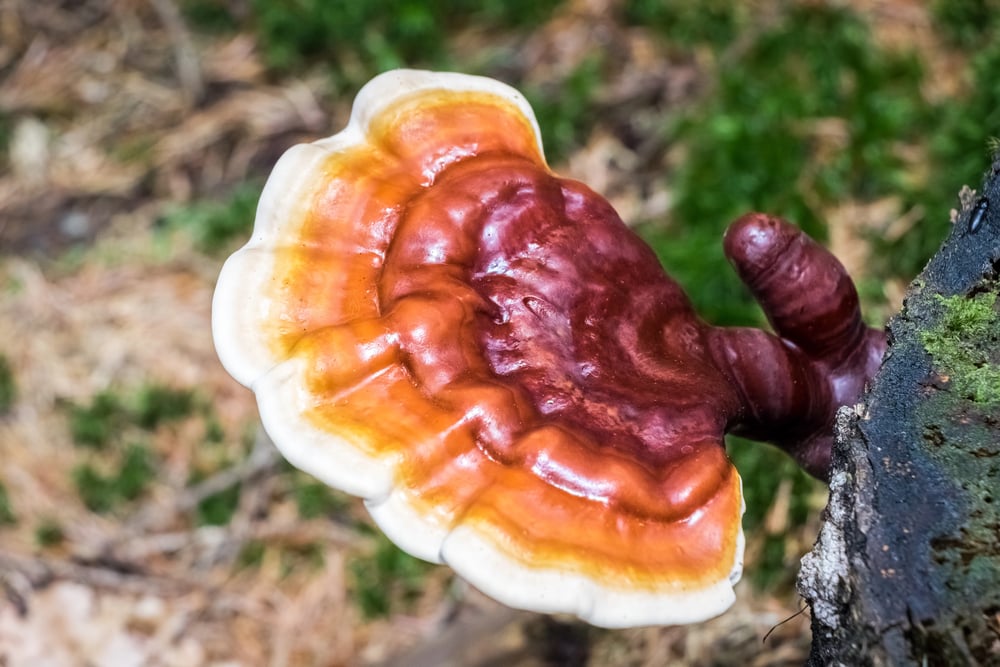
Known as the “mushroom of immortality,” reishi has a glossy, lacquered surface that makes it look more like art than food. Ancient Chinese emperors sent out expeditions just to find it.
Today, it’s being studied for a range of benefits such as sleep support, liver protection, immune modulation.
• Blood pressure regulation
It’s bitter, though—really bitter. That’s why most people take it in capsules or powders instead of chewing it raw.
Shiitake
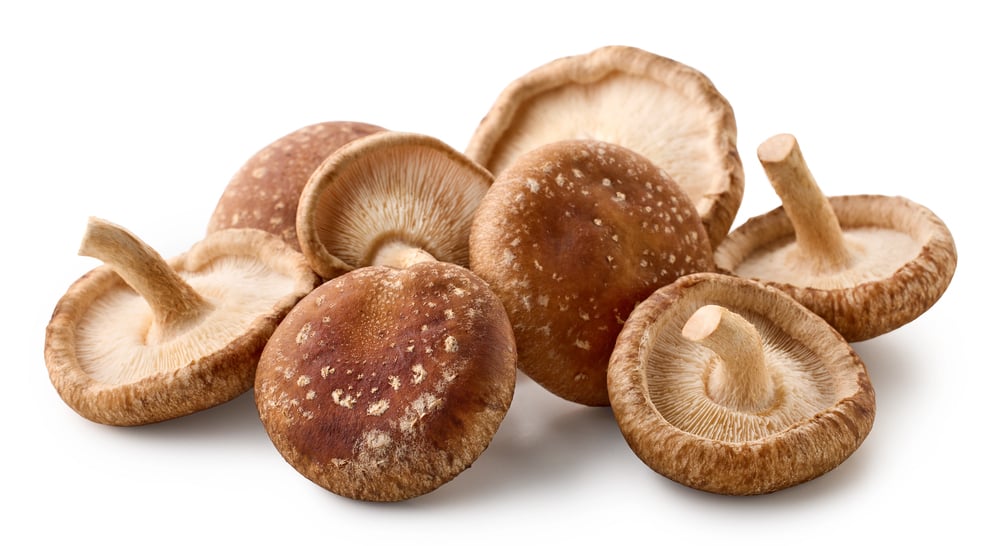
More than just a tasty stir-fry addition, shiitake mushrooms carry some serious medicinal weight. In Japan, they’ve been used to treat everything from colds to heart issues.
The star compound? Lentinan. It shows real promise in fighting cancer.
In fact, it’s already being used in some Japanese hospitals alongside conventional treatments. Also, they smell amazing when sizzling in butter. Just saying.
Oyster mushrooms

You’ll find them in supermarkets, but don’t let their availability fool you—oyster mushrooms are environmental superheroes. Mycologist Paul Stamets discovered they can digest oil spills, toxic waste, even nicotine butts.
Yes, nicotine butts. They break down the plastic filters in just weeks.
And they’re delicious, too. Win-win.
Devil’s tooth

At first glance, it looks like something out of a horror film. White, but draining bright red droplets. Gross? A bit. Fascinating? Absolutely.
Despite the gory aesthetic, this fungus contains compounds with anticoagulant properties—some possibly stronger than heparin, a widely used blood thinner. Researchers think it could lead to safer blood-clot treatments.
Blue milk cap
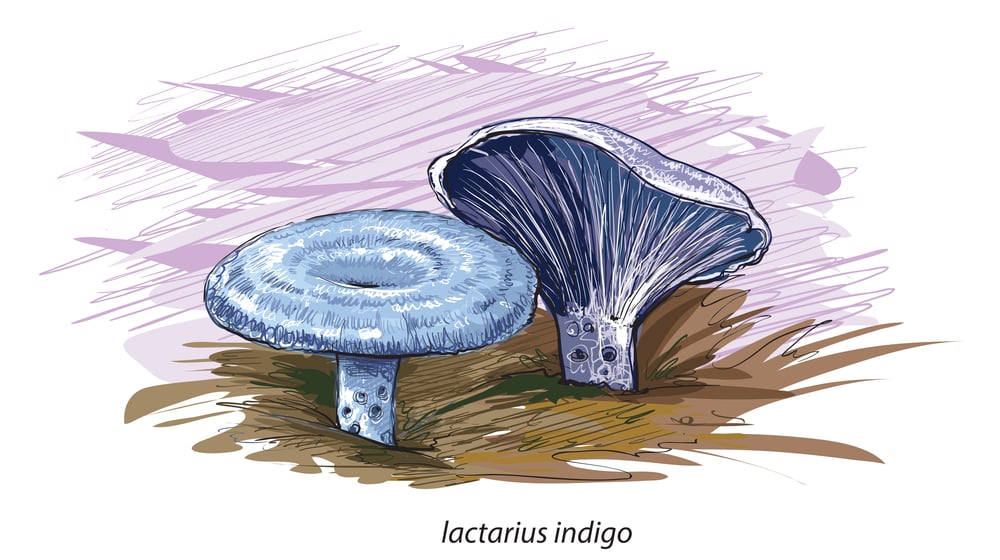
Slice into one, and it bleeds bright blue. Not just a neat trick—Indigenous peoples of the Pacific Northwest once used the pigment as a natural dye for textiles and ceremonial paint.
That vivid blue? Turns out it’s also antimicrobial. Scientists are now exploring whether it could lead to the next generation of antibiotics.
Maybe your jeans and your medicine cabinet have more in common than you’d expect.
Ghost fungus

This mushroom doesn’t just grow—it glows. Found in Australia, the ghost fungus emits an eerie green light at night thanks to bioluminescence.
Aboriginal groups used it to light paths through dark forests. The glow comes from the same chemical reaction used by fireflies.
Researchers are studying it to understand how to create low-energy lighting. Imagine a future where your path lights up—no wires, no bulbs.
Fly agaric

The red-and-white mushroom again—yes, the one from fairy tales. Though it’s toxic, small, carefully controlled doses were used in traditional medicine and shamanic rituals across Scandinavia and beyond.
Fun fact: some researchers think this mushroom helped inspire the Santa Claus myth. Reindeer, red-and-white outfits, and gift-giving visions after consuming mushrooms—it adds up in a weird, magical way.
Wood ear
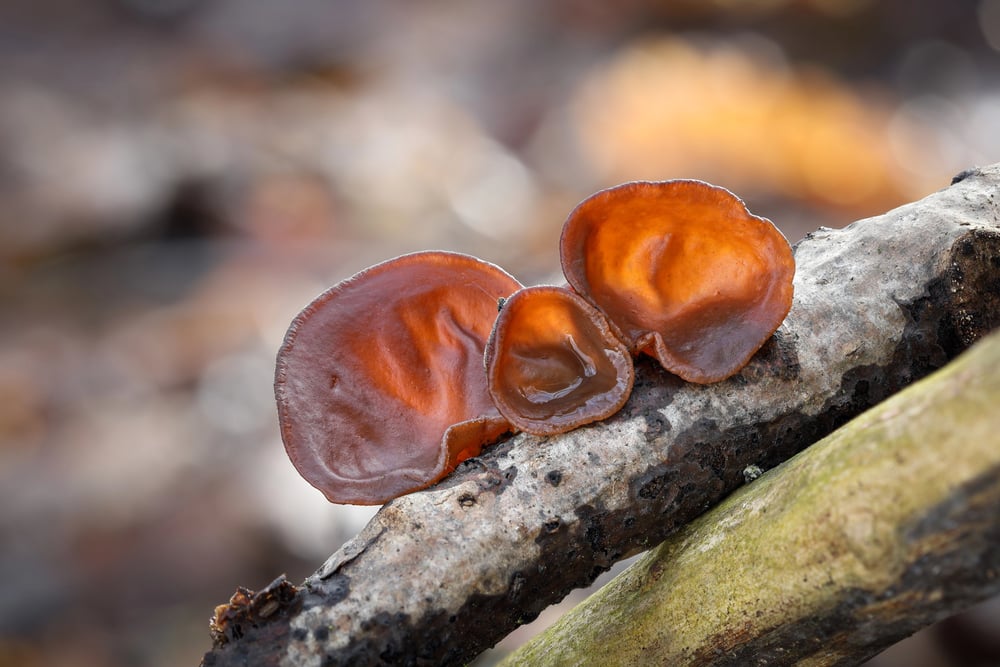
This rubbery, ear-shaped fungus grows on elder trees and features in countless Chinese dishes. But it’s more than just texture in your soup.
It contains natural blood-thinning agents. Some studies suggest it could help prevent clots and improve circulation.
Touching one fresh is a weird experience—like poking a jellyfish that lives on bark.
Chicken of the woods

Vibrant orange and yellow, this shelf fungus grows on oak and cherry trees and tastes a bit like—yes—chicken. Indigenous peoples used it for both food and medicine, especially for respiratory issues.
Modern researchers have found antibiotic and antiviral compounds within it. Some herbalists still swear by it for lung infections.
Clinical research is still catching up, though.
Porcini
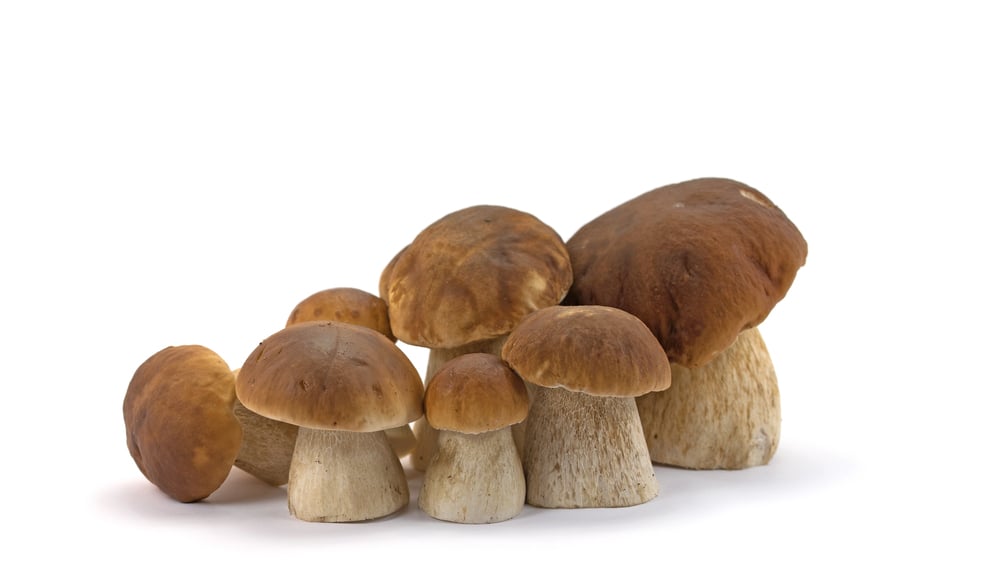
Best known for starring in fine cuisine, porcini mushrooms also carry impressive medicinal properties. Italian folk medicine used them for digestive issues and fatigue.
And now scientists have discovered they produce natural antibiotics. These may even help in the fight against drug-resistant bacteria.
Plus, that earthy aroma? Straight-up forest magic.
The fungal frontier

These strange, beautiful organisms continue to surprise us. From cleaning pollution to fighting cancer to lighting the dark, fungi seem to have one foot in science and the other in magic.
Each discovery unlocks more questions than answers. What else is hiding in the undergrowth, waiting to be found?
More from Go2Tutors!

- The Romanov Crown Jewels and Their Tragic Fate
- 13 Historical Mysteries That Science Still Can’t Solve
- Famous Hoaxes That Fooled the World for Years
- 15 Child Stars with Tragic Adult Lives
- 16 Famous Jewelry Pieces in History
Like Go2Tutors’s content? Follow us on MSN.



