Ways Plastic Changed Modern Medicine
Walk into any hospital today and you’ll see plastic everywhere. From the tubing connected to patients to the packaging around every medical device, this material has become so common that most people don’t even notice it anymore.
But there was a time when glass, rubber, and metal dominated healthcare, and switching to plastic wasn’t just convenient—it actually saved lives.
Disposable Syringes Stopped Disease Transmission
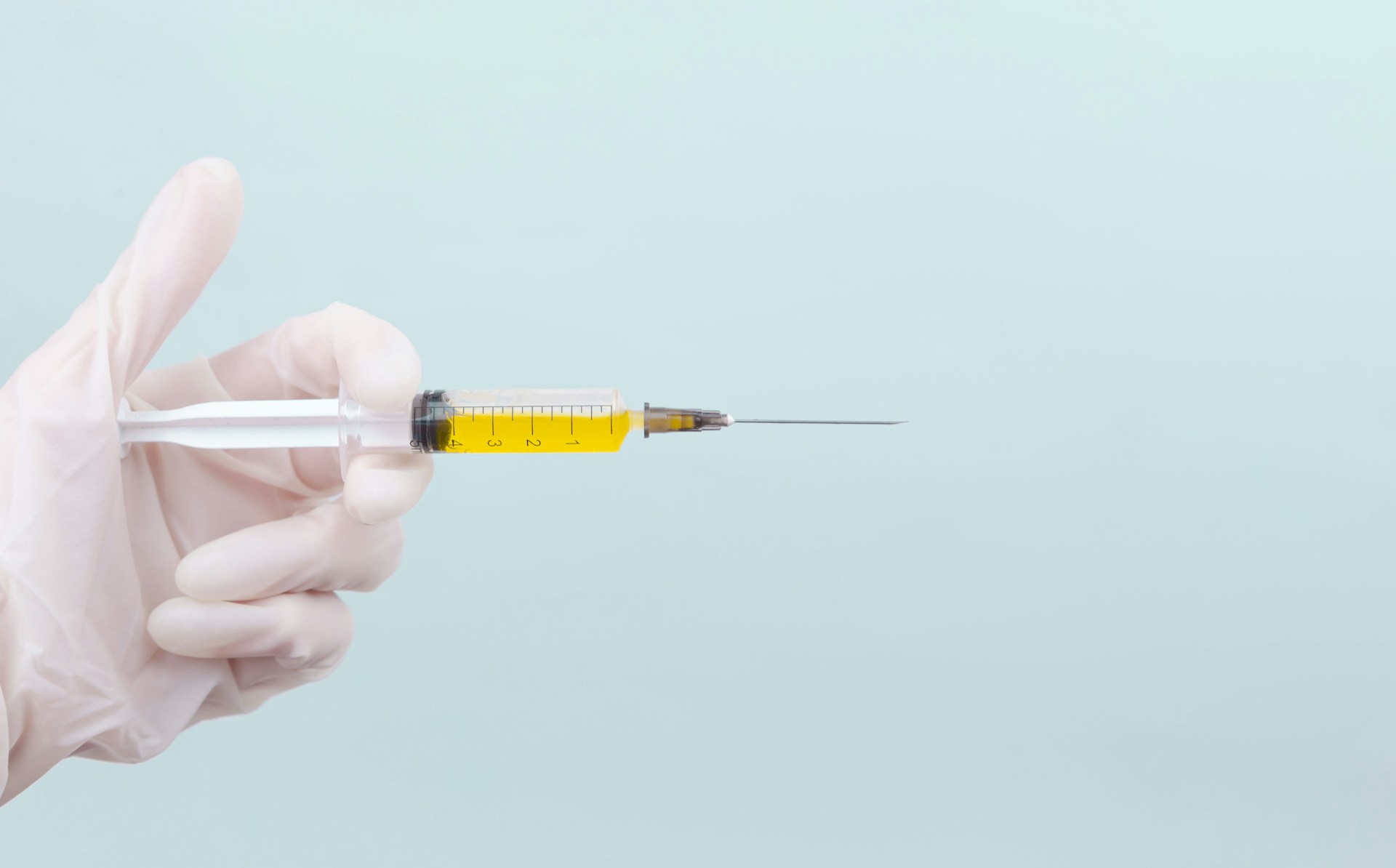
Before plastic, doctors and nurses reused glass syringes between patients. They’d sterilize them, sure, but the process wasn’t always perfect.
Disposable plastic syringes eliminated that risk entirely. The single-use design meant every patient got a fresh, sterile needle.
Hepatitis and HIV transmission rates dropped dramatically once these became standard in the 1960s. You don’t have to worry about what happened to your syringe before you got it.
IV Bags Made Hydration Safer

Glass bottles used to hang above hospital beds, feeding fluids through rubber tubes. They were heavy, breakable, and hard to monitor.
Plastic IV bags changed everything about intravenous therapy. Nurses can see fluid levels at a glance now.
The bags collapse as they empty, which prevents air from entering the line. Plus, they don’t shatter when dropped, which matters more than you’d think in a busy hospital.
Blood Storage Got Simpler

Storing blood used to require glass containers that needed constant maintenance. Plastic blood bags made the entire donation and transfusion process more reliable.
The material doesn’t react with blood the way some metals do, and it keeps everything sterile without the weight and fragility issues.
Surgical Gloves Became Truly Disposable

Rubber gloves existed before plastic, but surgeons had to wash and reuse them. That meant tiny tears could go unnoticed.
Disposable latex and nitrile gloves gave doctors a fresh barrier for every procedure. The switch reduced infection rates in operating rooms.
Modern gloves are so thin that surgeons maintain full sensitivity in their fingers, yet strong enough to protect both doctor and patient. You get safety without sacrificing precision.
Dialysis Machines Became Portable
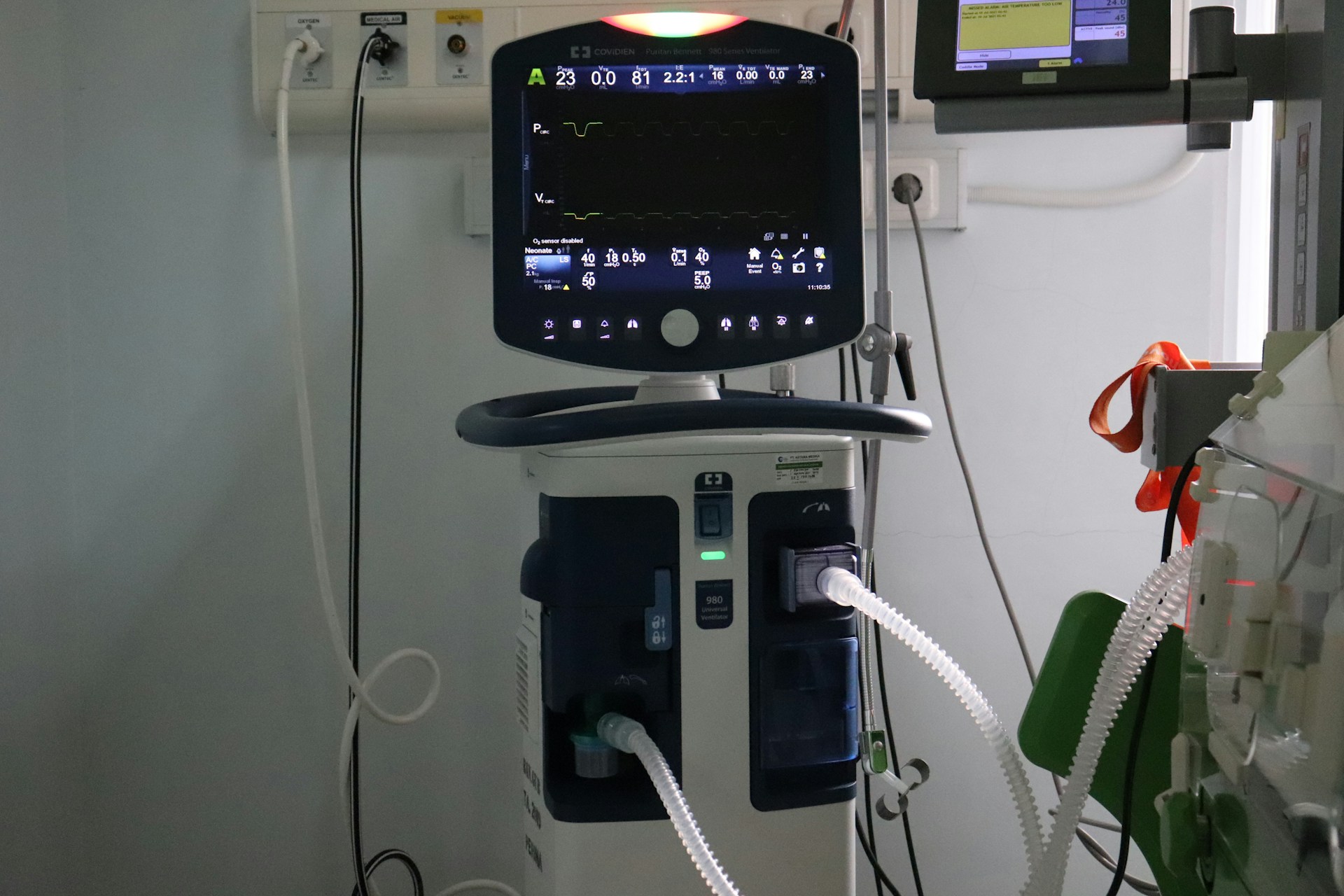
Early dialysis required massive machines with glass and metal components. Plastic tubing and membranes made the technology smaller, cheaper, and more accessible.
What once required a hospital visit can now happen at home for many patients. The biocompatible plastics used in dialysis don’t trigger immune responses.
They filter blood safely and efficiently, giving kidney disease patients years they wouldn’t have had before.
Prosthetic Limbs Got Lighter and More Functional

Heavy wooden and metal prosthetics limited what amputees could do. Modern plastic prosthetics weigh a fraction of older designs while offering better flexibility and durability.
The materials can be shaped to match natural movement patterns. Some advanced versions use carbon fiber plastics that respond to electrical signals from remaining muscles, giving users fine motor control that seemed impossible decades ago.
Contact Lenses Transformed Vision Care
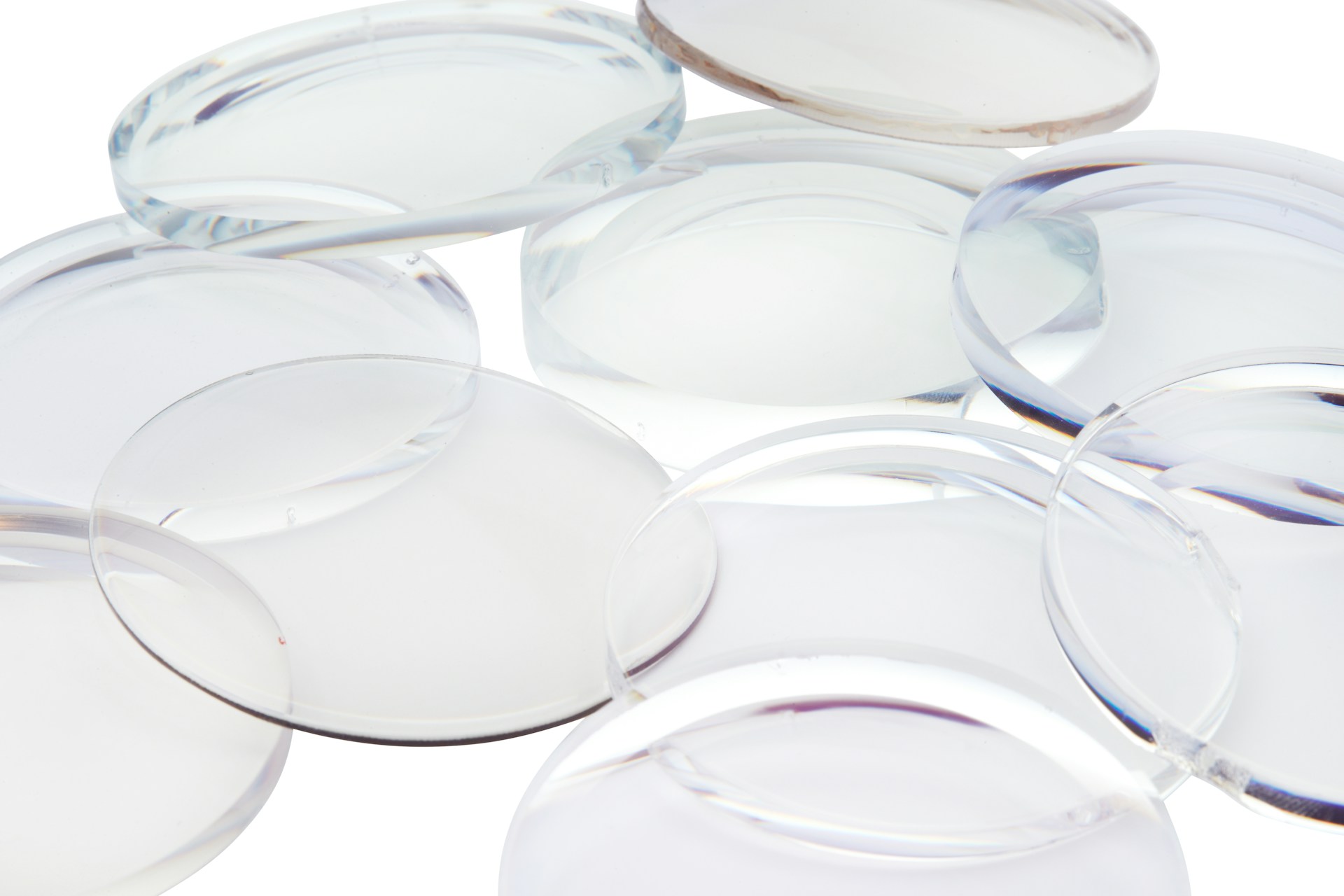
Glass contact lenses existed, but they were rigid, uncomfortable, and could only be worn for short periods. Soft plastic contact lenses made vision correction accessible to millions more people.
The material allows oxygen to reach the cornea, which prevents the damage older designs caused. Daily disposable versions mean you never have to worry about cleaning solutions or storage cases.
Just wear them once and throw them away.
Sterile Packaging Protected Every Tool
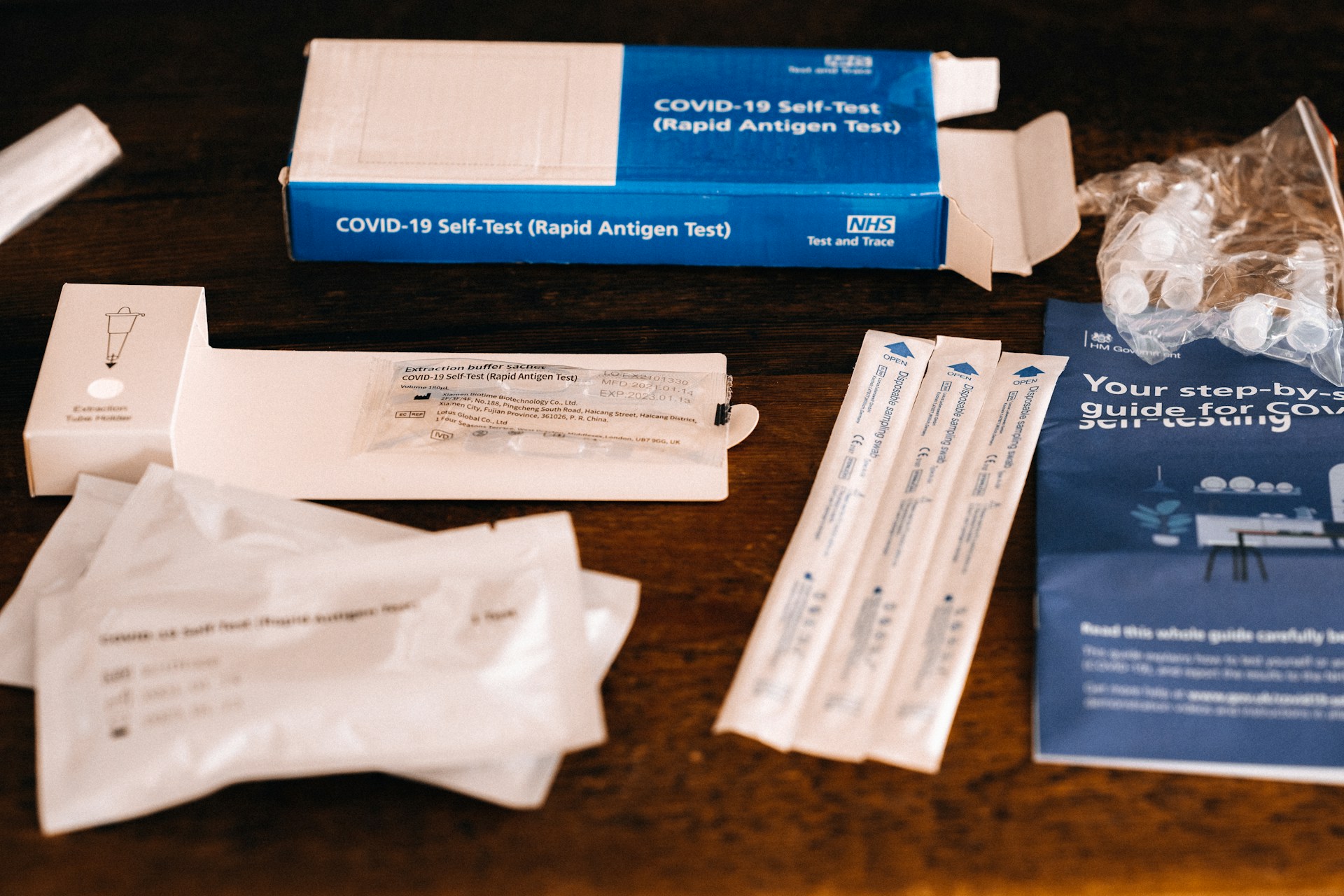
Before plastic wrap and containers, sterilizing medical instruments meant using them quickly or risking contamination. Plastic packaging keeps surgical tools sterile until the moment they’re needed.
The clear material lets staff verify contents without breaking the seal. Expiration dates printed on the package ensure nothing gets used past its safe window.
Every scalpel, needle, and clamp stays pristine until you need it.
Catheters Became Flexible and Safer
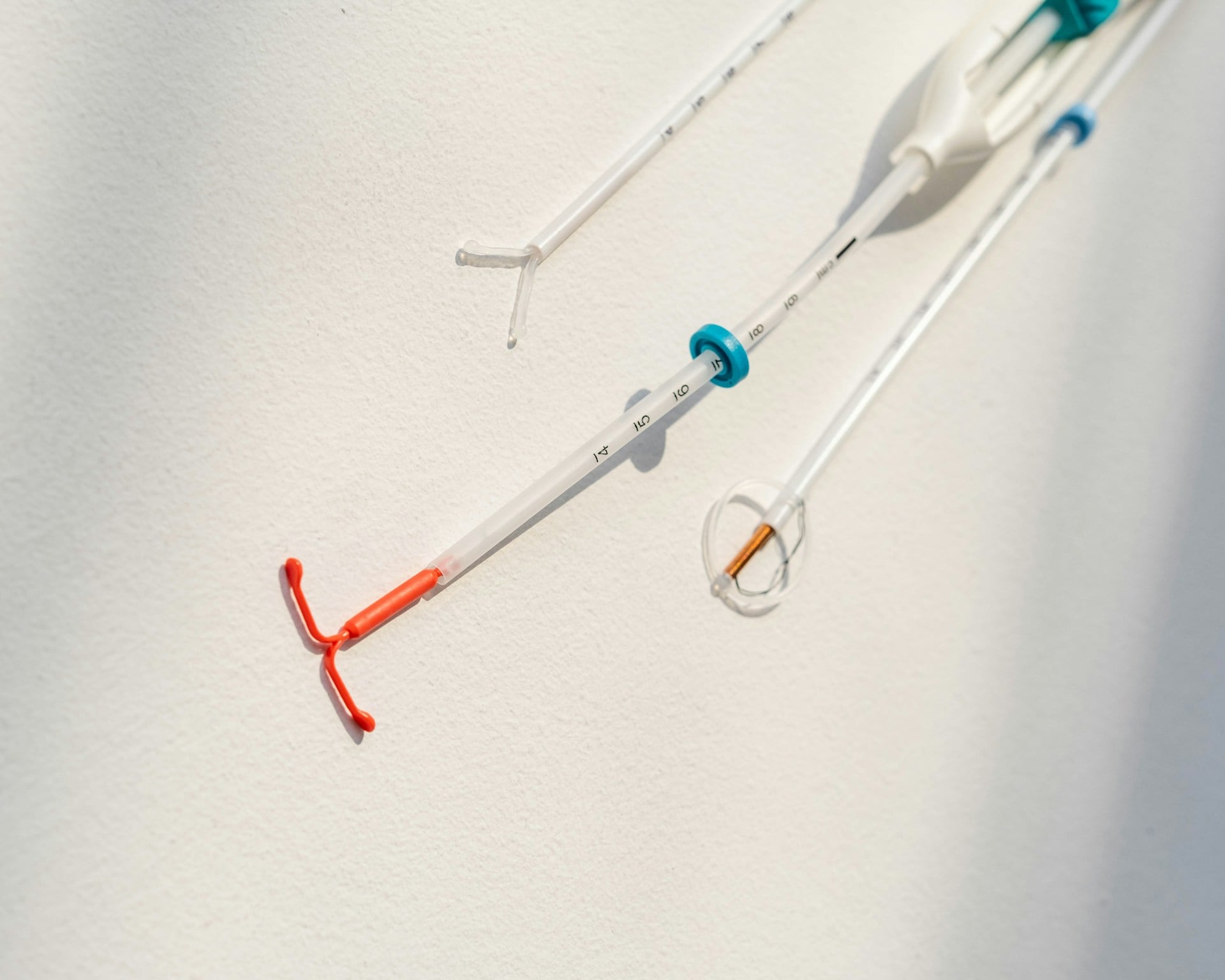
Rigid rubber catheters caused tissue damage and patient discomfort. Flexible plastic catheters follow the body’s natural contours without forcing anything.
The material is smooth enough to minimize friction, which reduces both pain and injury risk. Different plastic formulations serve different purposes.
Some catheters need to stay in place for weeks. Others need maximum flexibility for navigating complex anatomy.
The versatility of plastic makes all of it possible.
Pill Bottles Improved Medication Safety
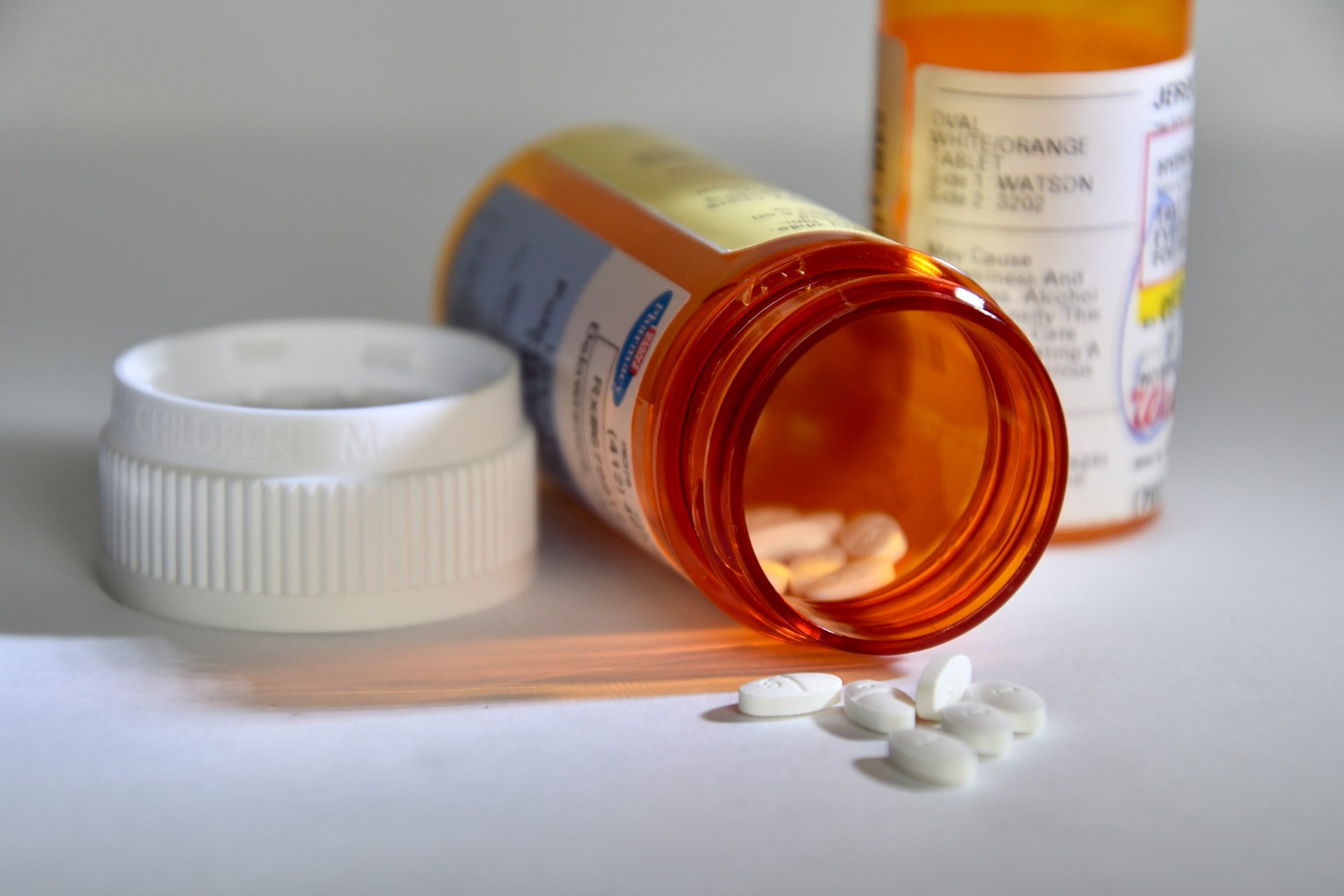
Glass bottles dominated pharmacies for generations, but they didn’t protect medications well. Plastic prescription bottles resist moisture better, don’t break when dropped, and can include child-resistant caps that actually work.
The amber-colored plastic blocks harmful UV light that degrades certain medications. Labels adhere better to the textured surface, which means your dosage instructions stay readable longer.
Lab Equipment Became More Affordable
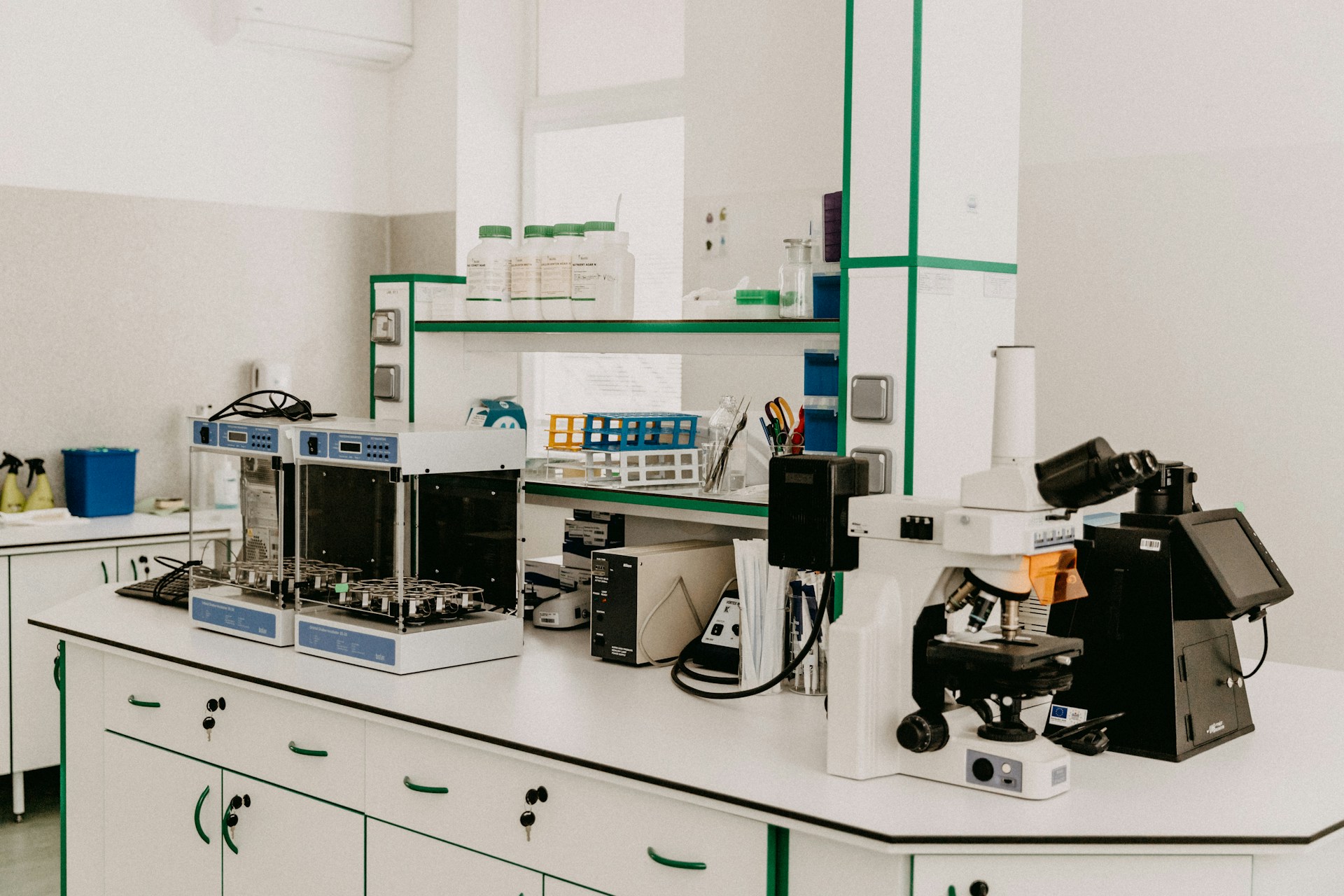
Research laboratories once operated with expensive glassware that required careful handling. Plastic petri dishes, test tubes, and pipettes cut costs dramatically while maintaining sterility.
Scientists can use fresh equipment for every experiment without breaking their budgets. The disposable nature actually improves research quality.
You don’t have to worry about contamination from previous experiments or incomplete cleaning. Each test starts with a clean slate.
Implantable Devices Last Longer

Pacemakers, artificial joints, and other implants need materials that the body won’t reject. Biocompatible medical plastics resist corrosion and don’t trigger immune responses.
They can stay inside the body for decades without degrading or causing complications. These plastics handle the mechanical stress of daily movement.
Hip replacements made from specialized polymers outlast older metal versions while causing less wear on surrounding bone.
Wound Dressings Seal and Heal
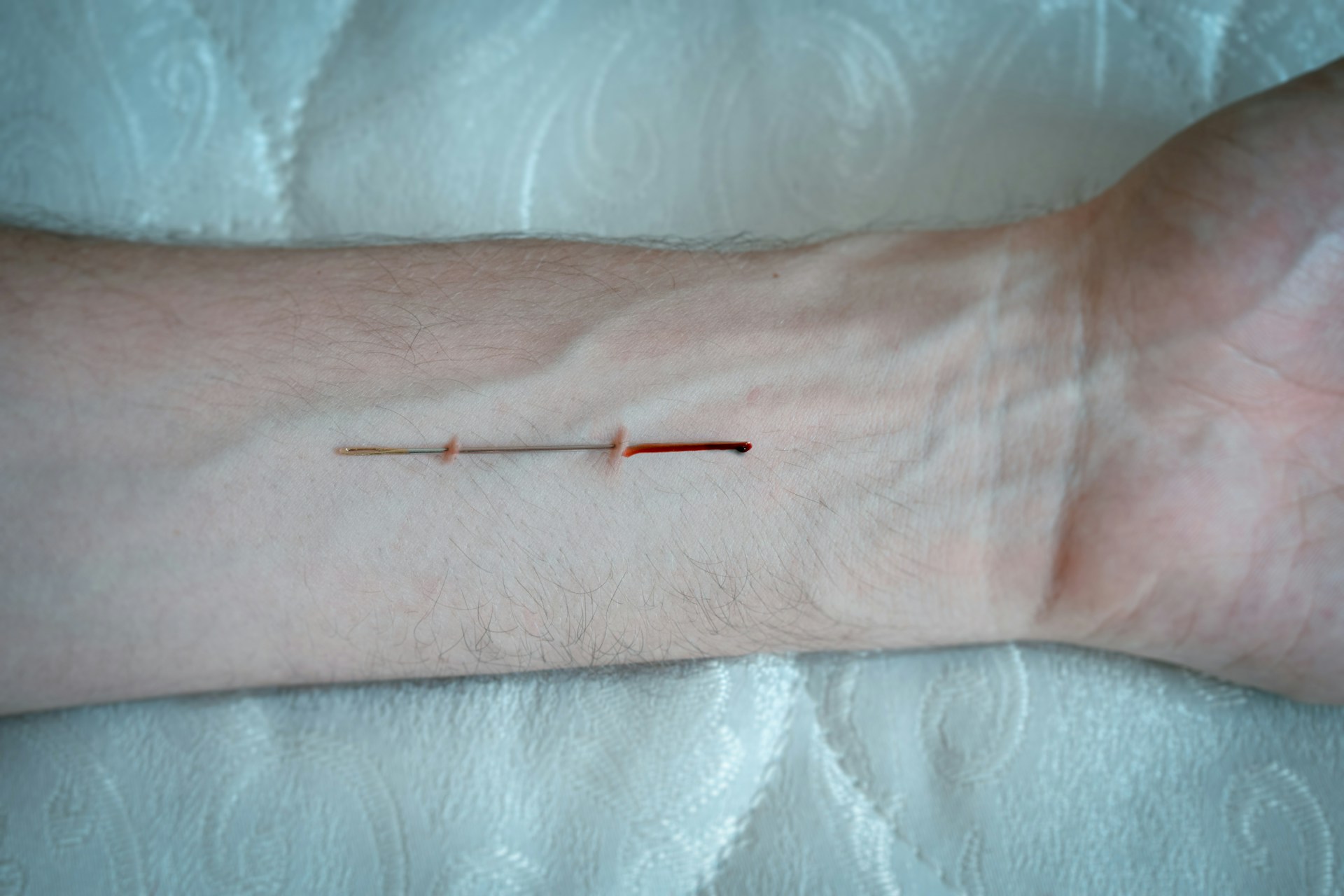
Gauze and tape have their place, but they can’t create the sealed environment that speeds healing. Plastic-based wound dressings maintain moisture levels while keeping bacteria out.
The transparent versions let doctors monitor healing without disturbing the wound. Some advanced dressings incorporate antimicrobial plastics that actively fight infection.
Others include growth factors embedded in the material that accelerate tissue repair. The technology keeps evolving, but it all starts with plastic.
Medicine Found Its Perfect Partner
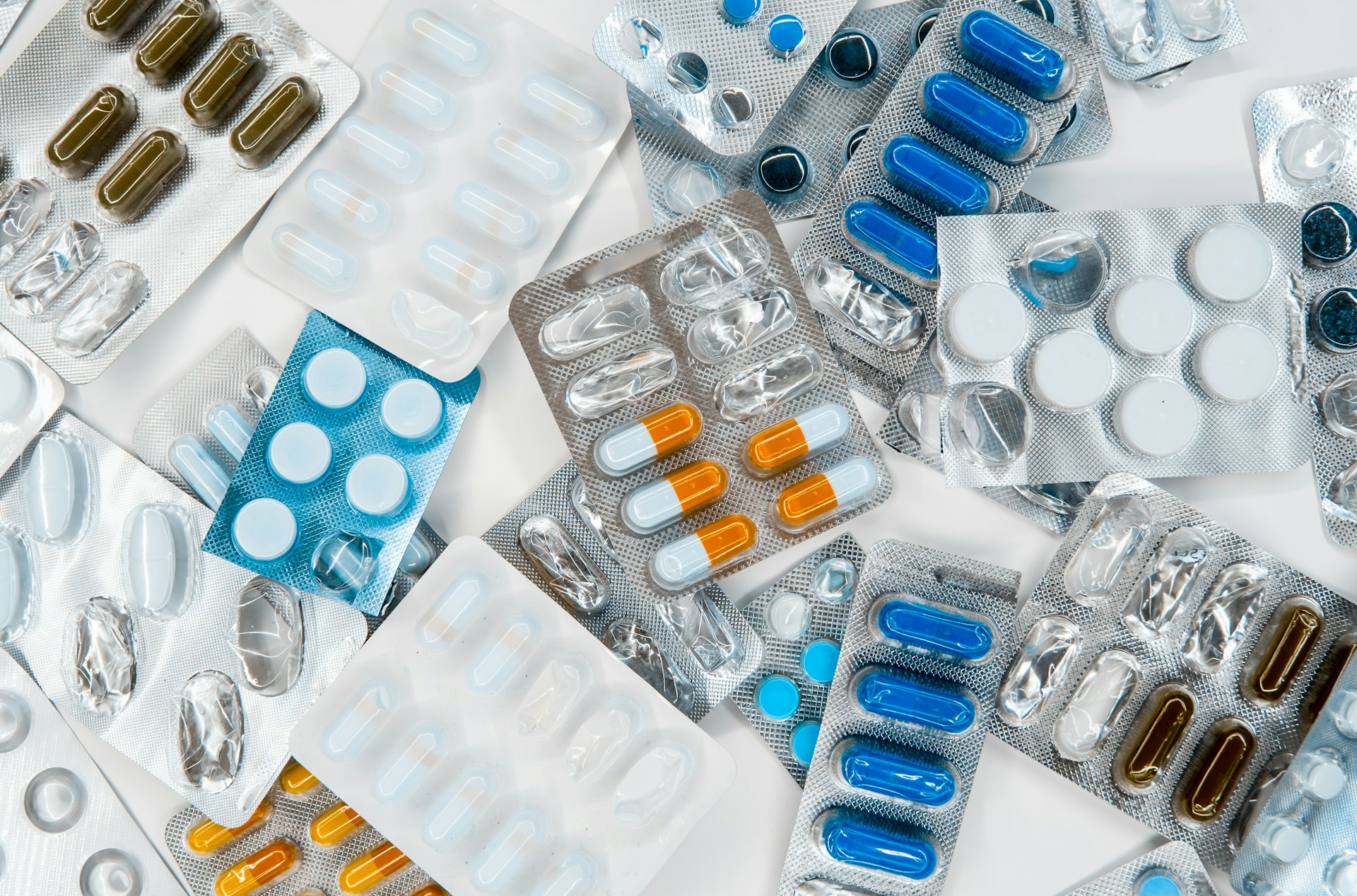
Plastic didn’t just supplement older medical materials—it made treatments possible that doctors couldn’t have imagined before. The material bends, seals, protects, and lasts exactly as long as needed.
It’s cheap enough to throw away but sophisticated enough to save lives. Healthcare will keep finding new uses for plastic.
But even now, you can trace most modern medical advances back to someone figuring out how to shape this versatile material into something that helps people heal. That’s not a small thing.
More from Go2Tutors!

- The Romanov Crown Jewels and Their Tragic Fate
- 13 Historical Mysteries That Science Still Can’t Solve
- Famous Hoaxes That Fooled the World for Years
- 15 Child Stars with Tragic Adult Lives
- 16 Famous Jewelry Pieces in History
Like Go2Tutors’s content? Follow us on MSN.