15 Vintage Fashion Trends That Keep Returning
Fashion operates in endless loops. What seems revolutionary today probably hung in your grandmother’s closet decades ago. The industry has this peculiar habit of excavating forgotten styles, tweaking them slightly, then presenting them as groundbreaking innovations.
Vintage-inspired pieces dominate contemporary wardrobes everywhere — from Milan’s fashion districts to small-town boutiques. Here’s a list of 15 vintage fashion trends that consistently refuse to fade into obscurity.
High-Waisted Jeans

While low-rise denim dominated the early 2000s, fashion eventually swung back toward 1980s sensibilities with high-waisted styles. These jeans create a lengthening effect on the legs by sitting at or above the natural waistline.
They’re essentially a flattering optical illusion — plus they’re considerably more comfortable than their predecessor’s unforgiving hip-huggers.
Oversized Blazers

The 1980s power suit era gifted us one enduring element: the dramatically proportioned blazer. These structured pieces with their exaggerated shoulders and roomy silhouettes keep appearing in contemporary collections.
Whether draped over a flowing dress or paired with tailored pants — they prove that strategic volume often trumps fitted precision.
Like Go2Tutors’s content? Follow us on MSN.
Cat-Eye Sunglasses
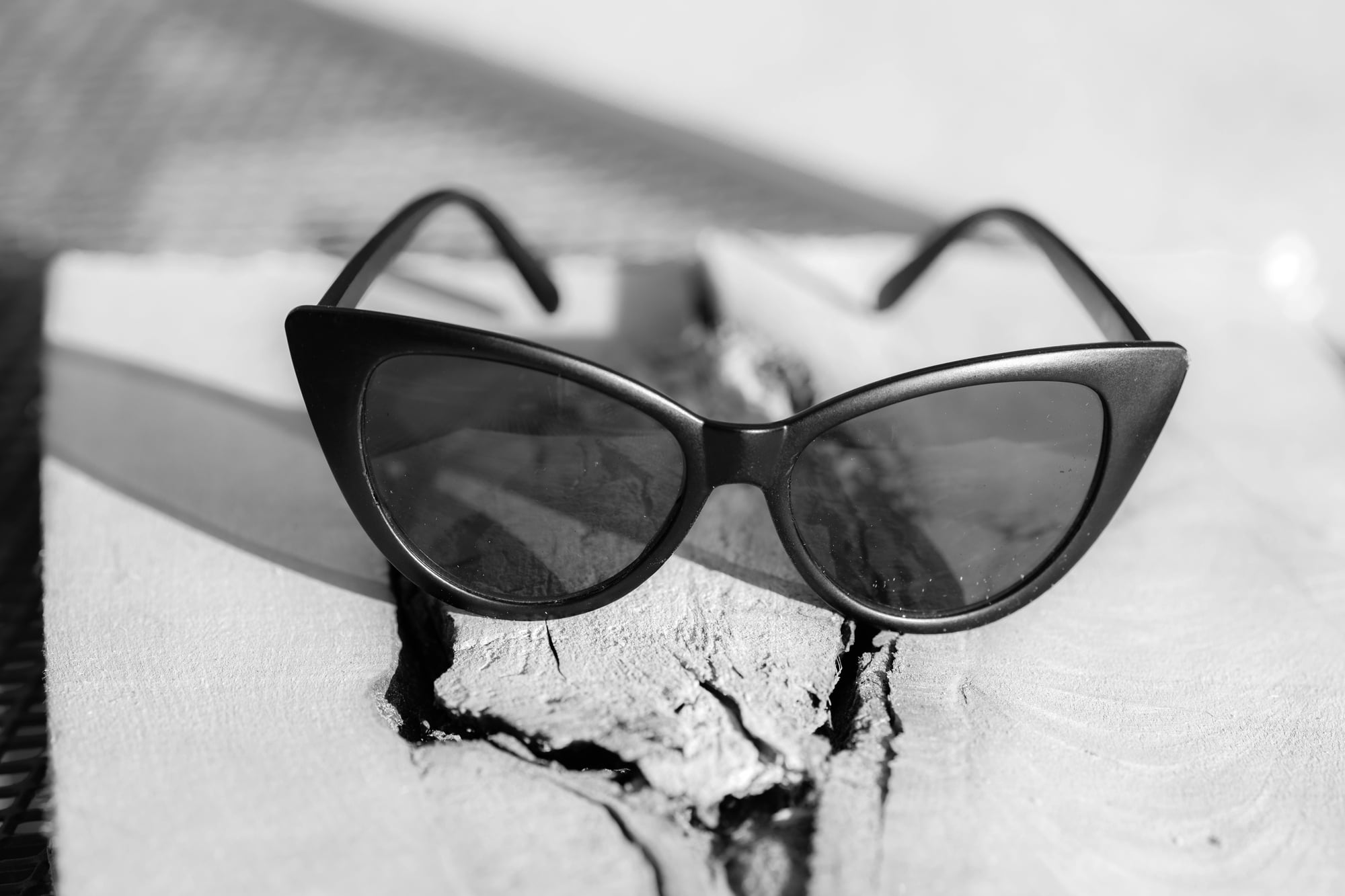
Fifties Hollywood understood glamour, particularly when it came to cat-eye frames. The distinctive upward sweep mimics feline eye shapes while adding immediate sophistication to any ensemble.
Contemporary versions range from subtle geometric curves to bold dramatic angles — though all maintain that unmistakable starlet mystique.
Polka Dots
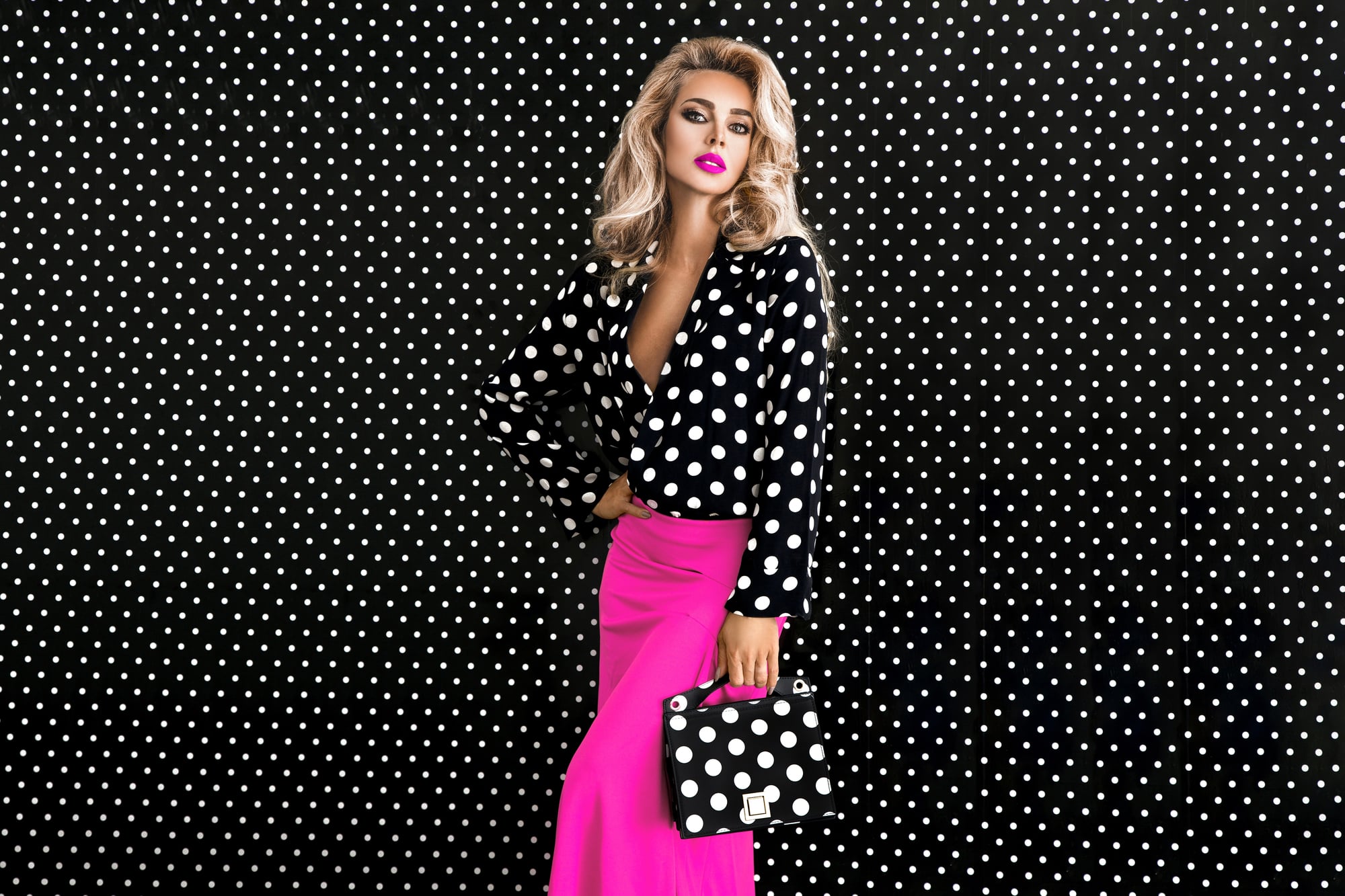
These circular patterns have decorated garments since the 1920s yet show remarkable staying power. The motif manages to feel both nostalgic and current — working equally well on vintage-reproduction dresses or modern minimalist blouses.
Think of polka dots as fashion’s equivalent to comfort food — familiar, reliable, endlessly appealing.
Turtlenecks

This high-necked silhouette emerged as a wardrobe staple during the 1950s, though it reached peak popularity throughout the following two decades. The style offers practical warmth while creating clean, unbroken lines from chin to waist.
Consider it the ultimate versatile foundation piece — functional enough for layering yet sophisticated enough to stand alone.
Like Go2Tutors’s content? Follow us on MSN.
Wide-Leg Pants
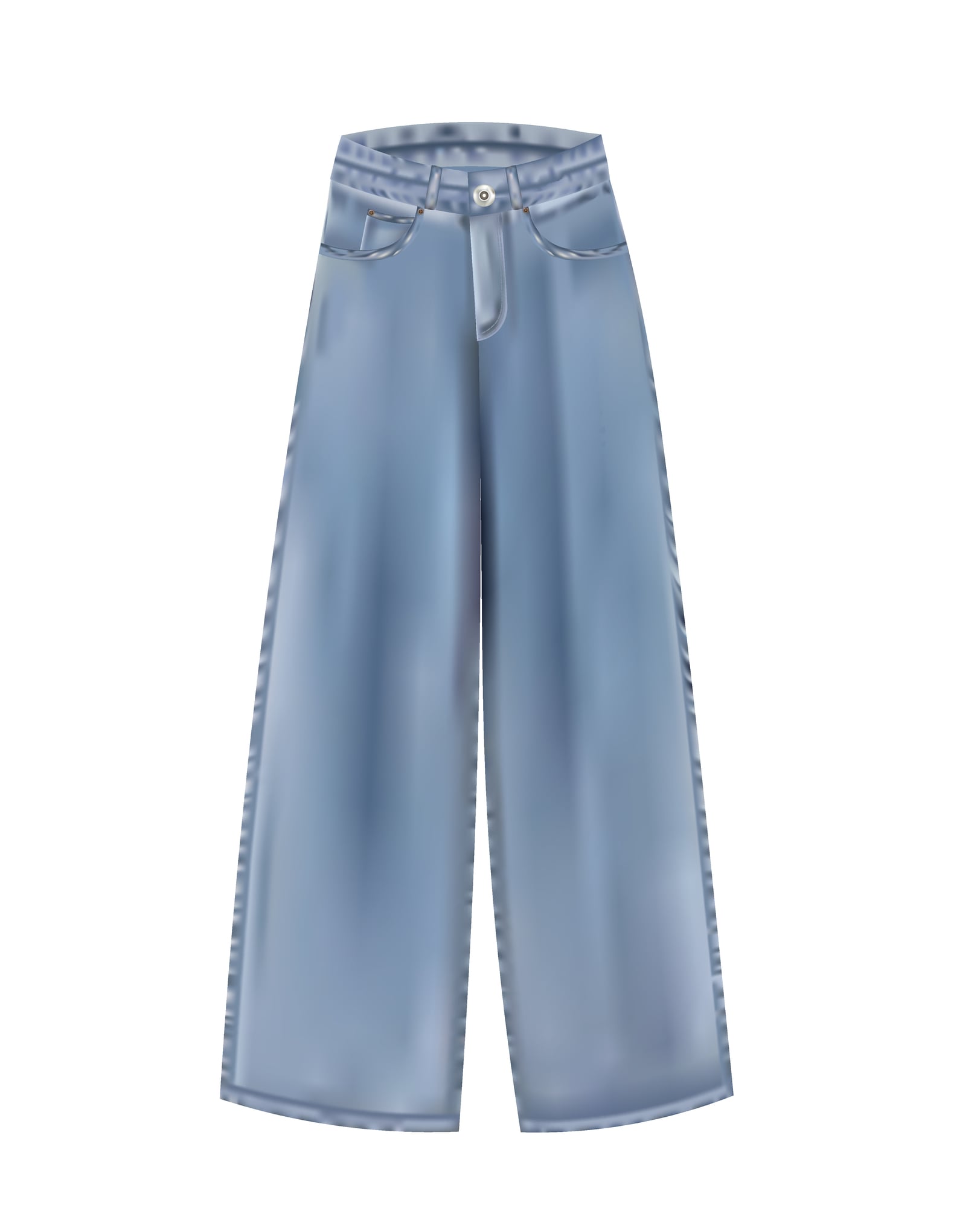
Before the skinny jean revolution, wide-leg trousers epitomized 1970s sophistication. These flowing garments create dramatic movement while offering superior comfort compared to restrictive alternatives.
Their resurgence reflects a collective rediscovery of clothing that doesn’t require strategic maneuvering to wear.
Chokers

Though chokers adorned necks as early as the 1790s, their association with 1990s fashion remains strongest. These close-fitting accessories provide instant edge — whether crafted from velvet, leather, or delicate metalwork.
They function like punctuation marks for the neckline, adding emphasis exactly where needed.
Bucket Hats

Originally utilitarian headwear for outdoor workers, bucket hats transformed into fashion statements during the 1960s. Their soft construction and generous brims offer genuine sun protection while contributing relaxed, approachable styling.
Multiple comeback cycles prove that practical design elements often outlast purely decorative trends.
Like Go2Tutors’s content? Follow us on MSN.
Mini Skirts

The mini skirt’s 1960s debut genuinely scandalized society — and it continues making waves today. These abbreviated hemlines represent liberation and youthful defiance, adapting seamlessly across decades.
Whether styled with opaque tights or worn bare-legged — they embody whatever rebellious spirit their current era demands.
Pearls
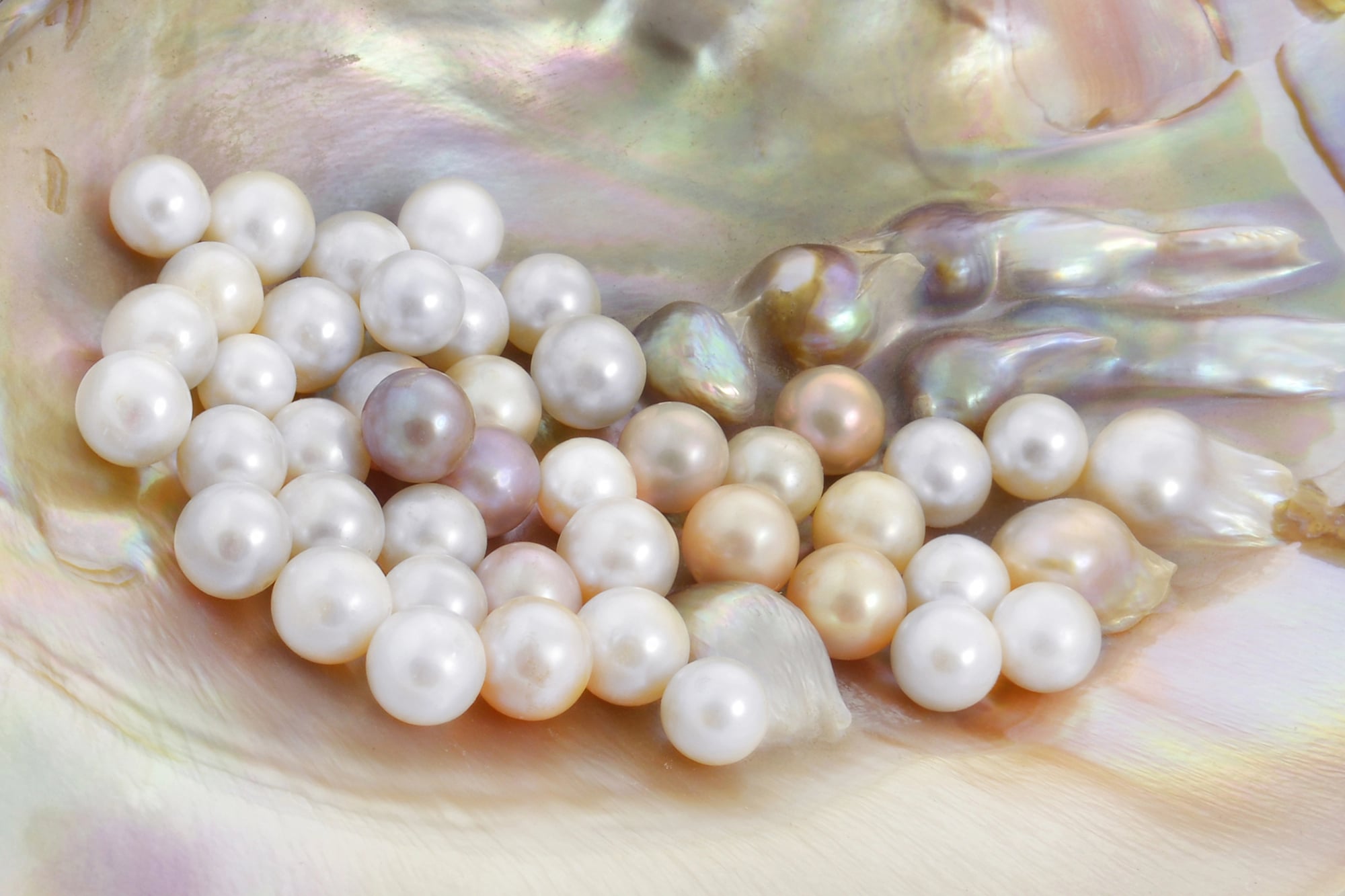
Coco Chanel elevated pearls from formal occasions to everyday elegance during the 1920s — establishing their enduring sophistication. These lustrous spheres complement everything from classic black dresses to casual knitwear.
Modern interpretations embrace both traditional strands and oversized statement pieces that command attention.
Denim Jackets

Denim jackets evolved from 1880s workwear into cultural icons by the mid-20th century. These sturdy garments function beautifully as transitional layers or statement pieces over feminine dresses.
They represent fashion’s most dependable partnership between utility and style, complementing virtually any aesthetic approach.
Like Go2Tutors’s content? Follow us on MSN.
Bandanas

What began as practical accessories for laborers became versatile styling tools across multiple fashion movements. These simple fabric squares adapt to countless applications: neck scarves, hair accessories, or even unconventional tops.
They inject authentic Americana into outfits while proving that basic elements can create the most striking effects.
Platform Shoes

Platform footwear traces back to ancient civilizations, though its modern fashion relevance peaked during the 1970s. These elevated soles provide height enhancement while distributing weight more evenly than traditional heels.
They transform ordinary steps into confident statements, combining architectural drama with surprising wearability.
Midi Skirts

The midi length found its groove during the 1940s and 50s, offering elegant compromise between conservative and daring hemlines. These versatile pieces work across professional and casual contexts while creating universally flattering proportions.
They solve the eternal hemline dilemma through diplomatic middle ground.
Like Go2Tutors’s content? Follow us on MSN.
Leather Jackets

Motorcycle culture transformed leather jackets from protective gear into rebellious fashion symbols during the 1950s. Icons like James Dean and Marlon Brando cemented their association with effortless coolness.
These structured pieces instantly upgrade any outfit, whether channeling rock and roll aesthetics or simply projecting confident authority.
Fashion’s Endless Cycle

These recurring trends demonstrate that fashion functions more through reinterpretation than pure innovation. Each generation encounters these styles afresh, adding contemporary twists while preserving their fundamental appeal.
Yesterday’s everyday clothing becomes today’s cutting-edge fashion, creating an endless cycle of rediscovery. This perpetual revival system reveals that truly exceptional style transcends temporal boundaries, waiting patiently for its next moment of cultural relevance.
More from Go2Tutors!

- 16 Historical Figures Who Were Nothing Like You Think
- 12 Things Sold in the 80s That Are Now Illegal
- 15 VHS Tapes That Could Be Worth Thousands
- 17 Historical “What Ifs” That Would Have Changed Everything
- 18 TV Shows That Vanished Without a Finale
Like Go2Tutors’s content? Follow us on MSN.



