15 Seas With Names That Don’t Match Their Waters
Throughout history, explorers and cartographers have named bodies of water based on their experiences, myths, or simple mistakes. Many of these names have stuck around for centuries, even when they completely contradict the actual nature of these waters.
Here is a list of 15 seas around the world whose names tell a different story than what you’d actually find if you visited them today.
The Dead Sea
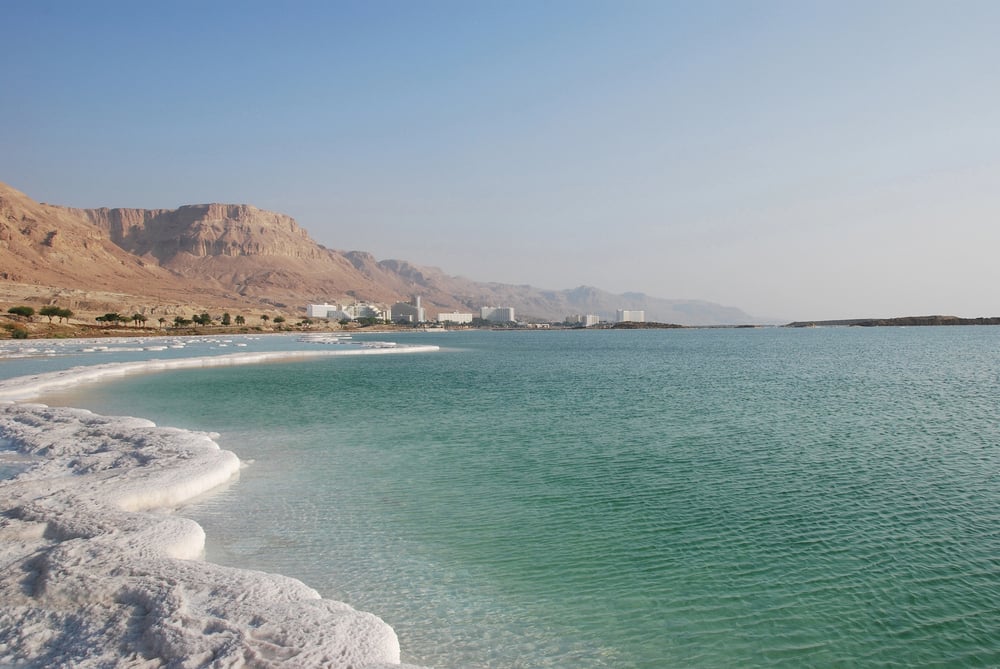
Despite its ominous name, the Dead Sea is actually a lake sitting between Jordan and Israel. It earned its morbid title because its extreme saltiness—nearly 10 times saltier than ocean water—prevents most organisms from surviving there.
You won’t find fish or seaweed, but the mineral-rich waters are famous for their healing properties and the unusual ability to keep swimmers effortlessly afloat.
The Red Sea
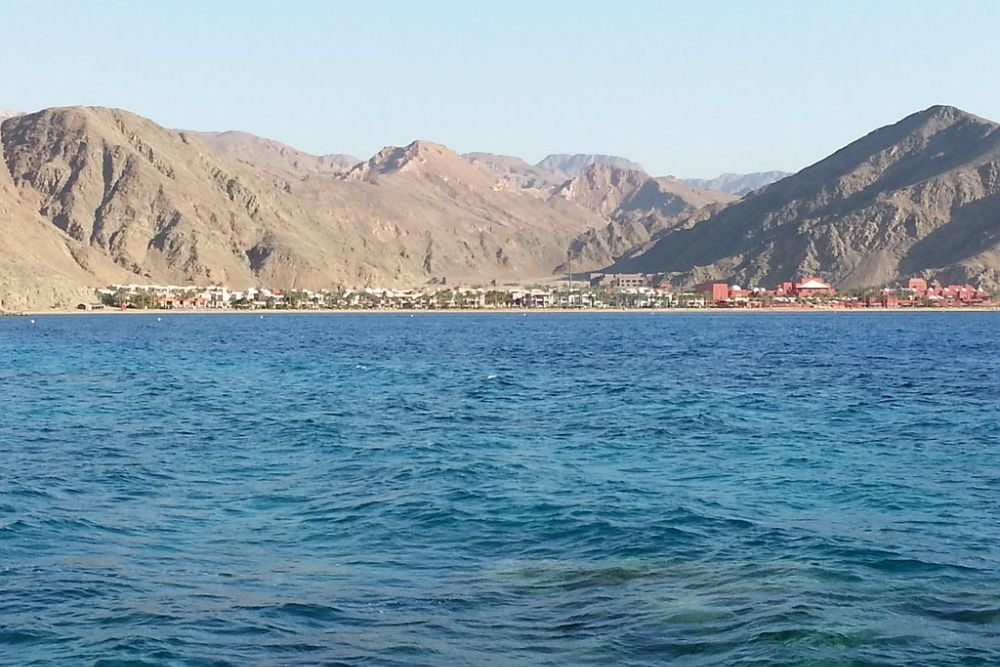
The waters of the Red Sea between Africa and the Arabian Peninsula aren’t actually red at all. They’re a stunning, clear blue color most of the year. The name likely came from seasonal algae blooms that can temporarily tint portions of the water reddish-brown, or possibly from nearby red mountain ranges that ancient sailors observed.
Modern visitors expecting crimson waters inevitably leave surprised by its beautiful azure hues.
The Black Sea
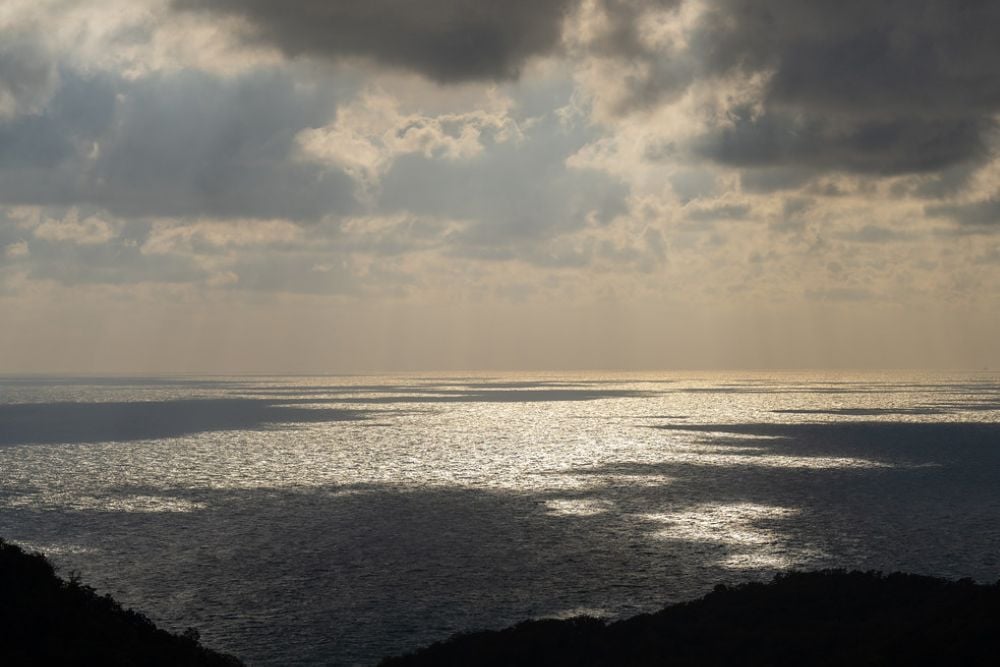
This body of water bordered by Eastern Europe and Western Asia isn’t black by any standard definition. Its waters typically appear deep blue or greenish depending on weather conditions.
The name originated from ancient sailors who noted how storms turned the water dark and dangerous, while others suggest it was named for the hydrogen sulfide-rich deeper layers that can turn objects black when raised from the depths.
The White Sea
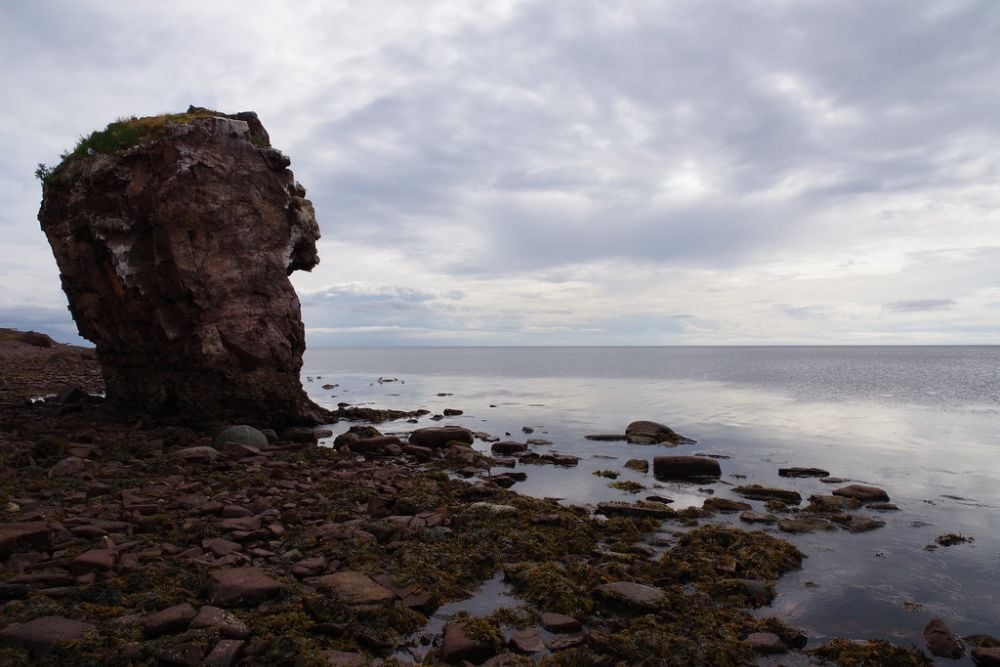
Russia’s White Sea isn’t white but rather a standard blue-green color throughout most of the year. Its name comes from being frozen and covered with snow and ice for over six months annually.
Early explorers encountering it during winter months saw an expanse of white stretching to the horizon. Modern climate change is gradually reducing this ice cover, making the name increasingly misleading.
The Yellow Sea
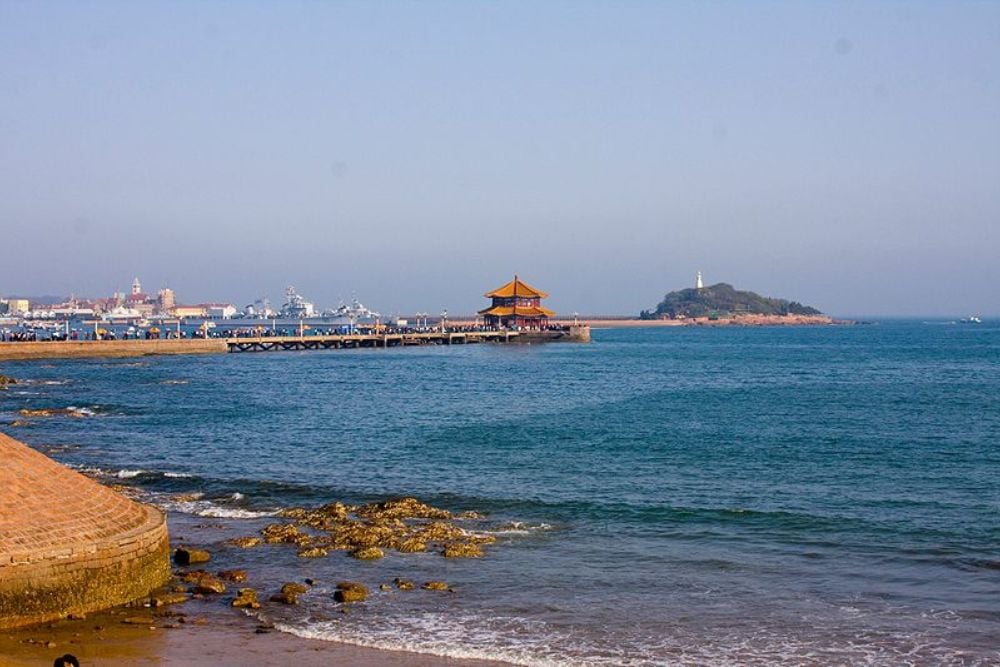
Located between China and Korea, the Yellow Sea isn’t yellow in the traditional sense. Its yellowish tinge comes from sand particles carried by river runoff from China’s Yellow River.
These fine sediments remain suspended in the shallow water, creating a distinct golden-yellow appearance during certain seasons. Increased pollution in recent decades has sometimes enhanced this coloration in unfortunate ways.
The Coral Sea
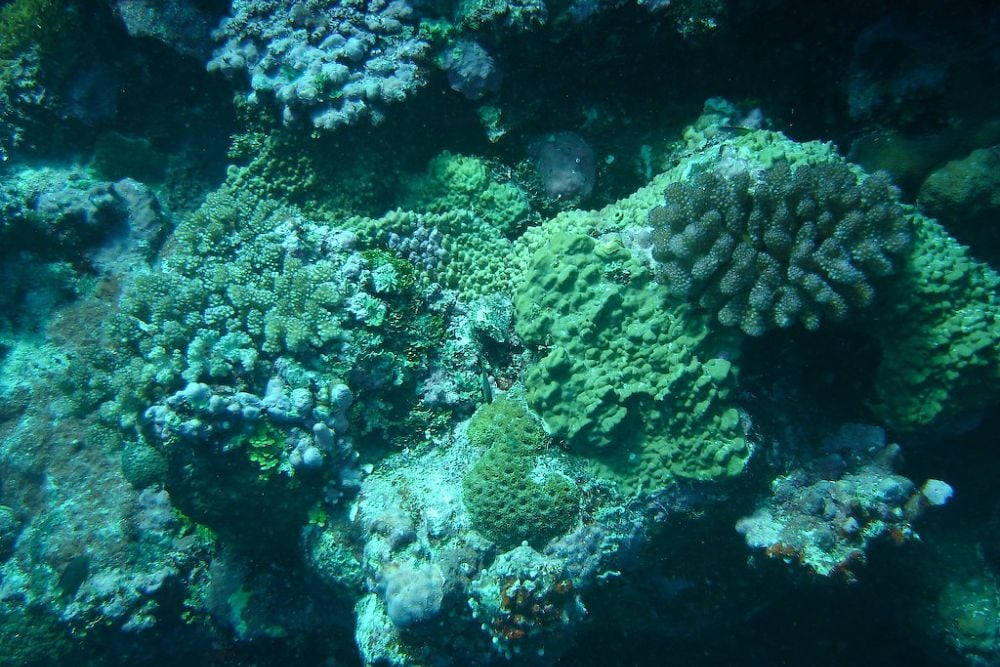
While areas of Australia’s Coral Sea do contain the world’s largest coral reef system, much of its vast 1.8 million square mile expanse contains no coral at all. The name applies to the entire body of water rather than just its reef-inhabited regions.
Deep ocean areas make up most of the Coral Sea, with depths reaching over 30,000 feet, where coral cannot possibly grow.
The Salton Sea
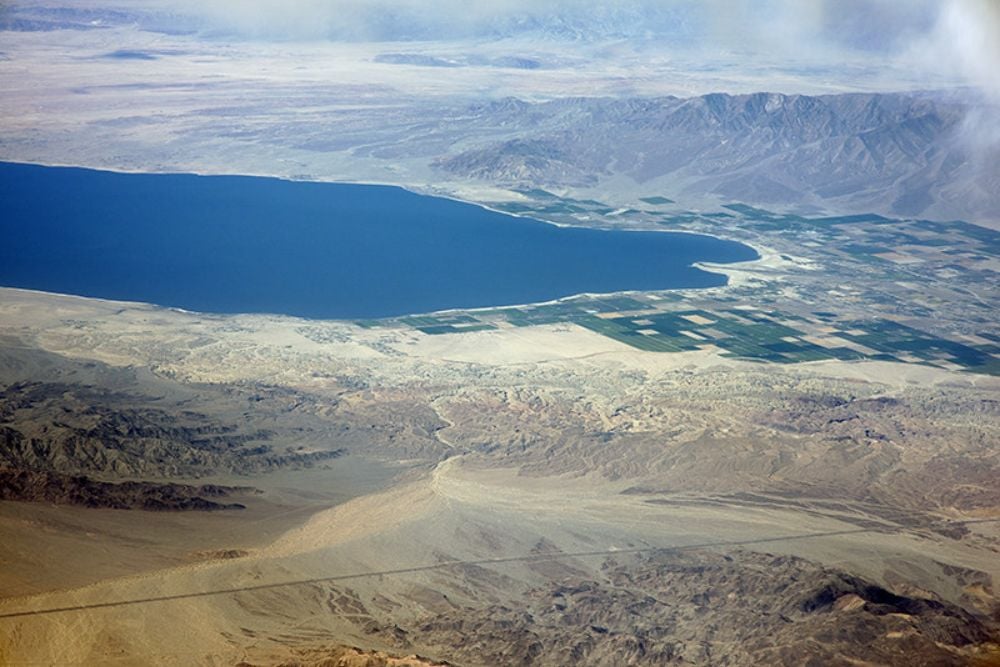
California’s Salton Sea isn’t a natural sea but an accidental lake created in 1905 when irrigation canals from the Colorado River broke and flooded a desert basin. Engineers originally called it the “Salton Sink” or “Salton Basin.” Developers later rebranded it as a “sea” to attract tourists and real estate buyers.
Today, this shrinking, increasingly salty lake struggles with pollution and ecological collapse.
The Sargasso Sea
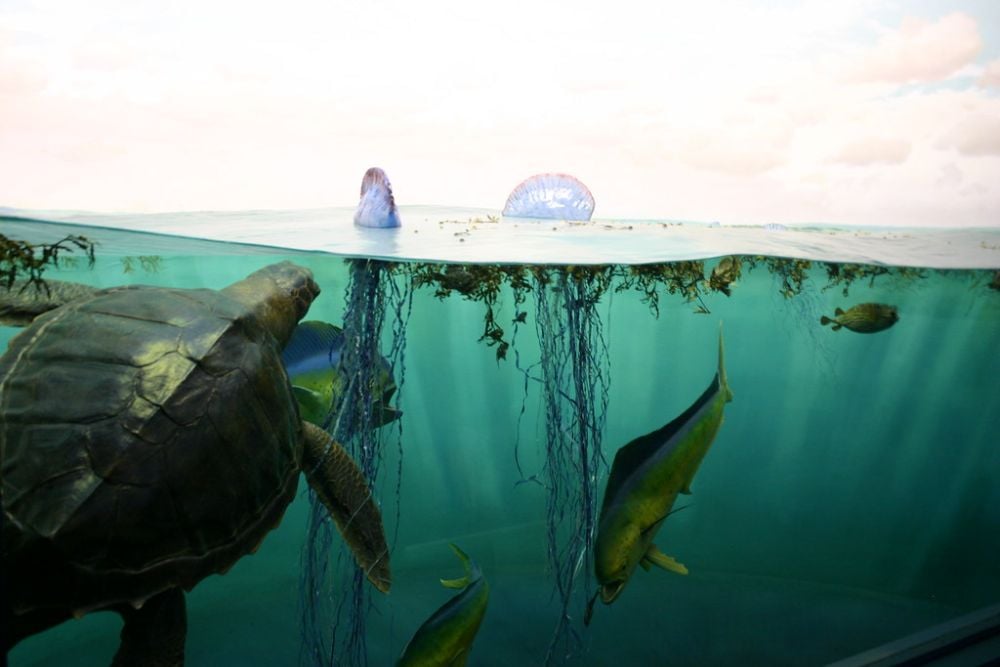
Unlike traditional seas, the Sargasso Sea in the North Atlantic has no land boundaries whatsoever. It’s defined entirely by surrounding ocean currents rather than coastlines.
Its name comes from floating sargassum seaweed that collects in its relatively calm waters. Far from being a true sea, it’s actually just a distinct region of the Atlantic Ocean with unique characteristics that early sailors found noteworthy enough to name.
The Aral Sea
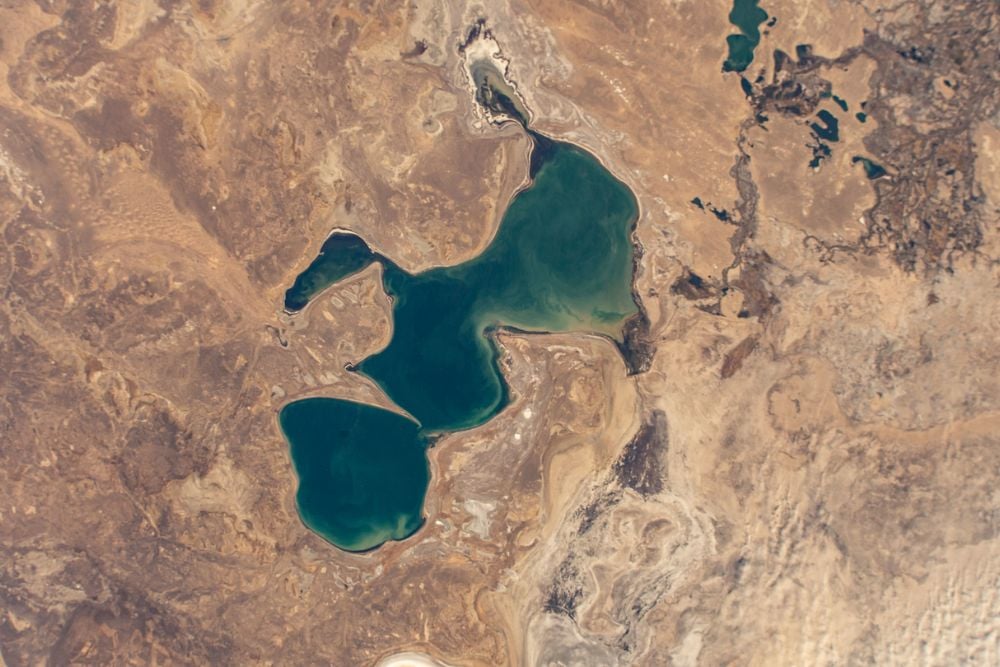
Once the world’s fourth-largest lake, the Aral Sea between Kazakhstan and Uzbekistan has shrunk by over 90% since the 1960s due to Soviet irrigation projects. Much of its former seabed is now a toxic desert called the Aralkum.
Despite retaining “sea” in its name, most of it no longer exists as a water body at all, making it perhaps the most misnamed sea on Earth.
Sea of Japan
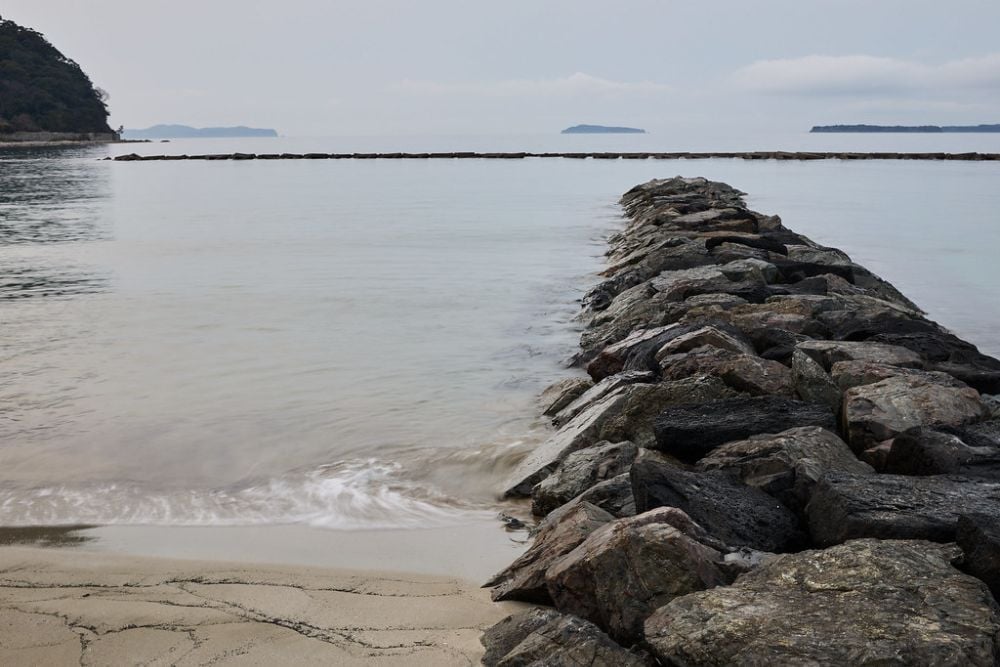
This body of water between Japan, Korea, and Russia remains the subject of naming disputes to this day. South Korea insists it should be called the “East Sea,” while North Korea prefers “Korean East Sea.”
The controversy stems from Japan’s imperial expansion period, when they standardized the current name internationally. The water itself remains blissfully unaware of the diplomatic battles fought over what to call it.
The Sea of Galilee
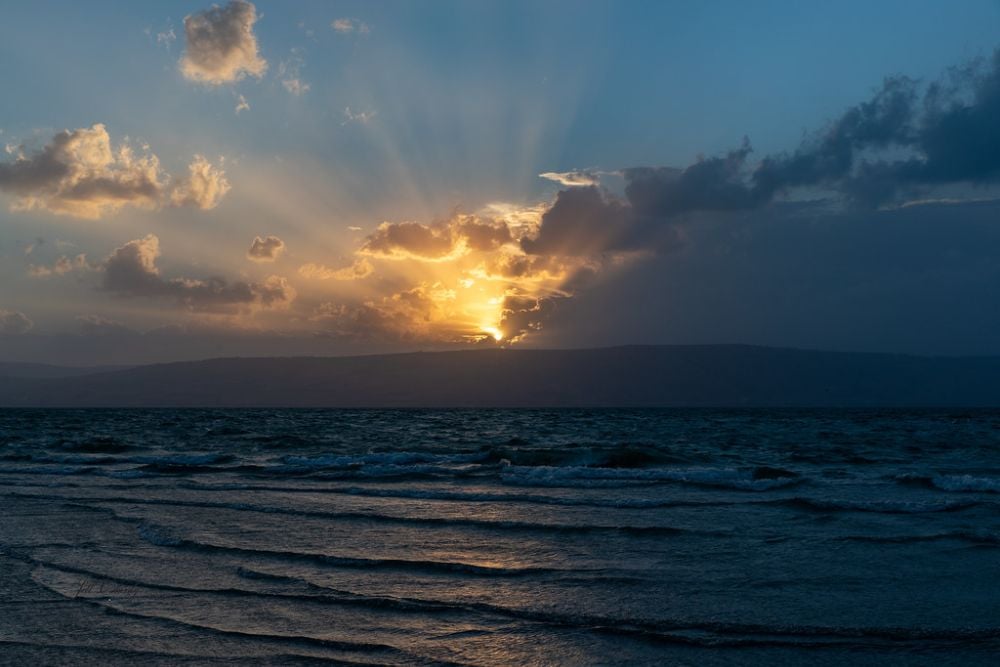
Israel’s Sea of Galilee isn’t a sea at all but a modest freshwater lake about 13 miles long. Famous from biblical accounts, this small body of water received its grandiose title in ancient times when distinctions between lakes and seas weren’t clearly defined.
Modern geographers would classify it as a medium-sized lake, though its historical and religious significance far outweighs its physical dimensions.
The Caspian Sea
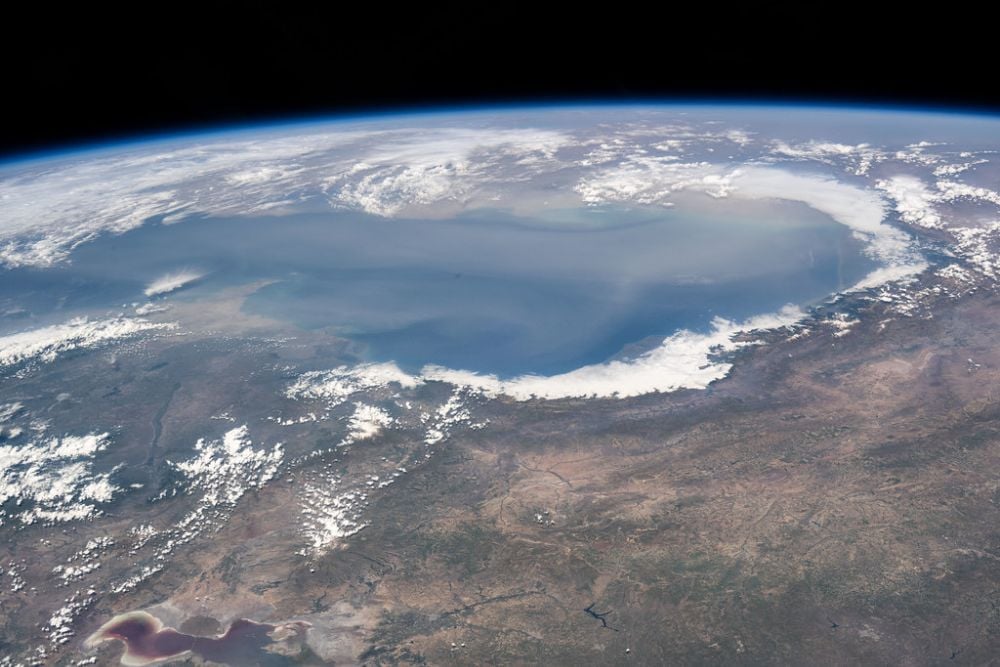
Despite its name, the Caspian Sea is Earth’s largest lake by both area and volume. Located between Europe and Asia, it contains saltwater but has no connection to the ocean—the technical definition of a sea.
Its name dates back to ancient times when precise hydrological classifications weren’t established. Modern scientists consider it a lake despite traditions that have kept “sea” in its name for thousands of years.
The Sea of Tranquility
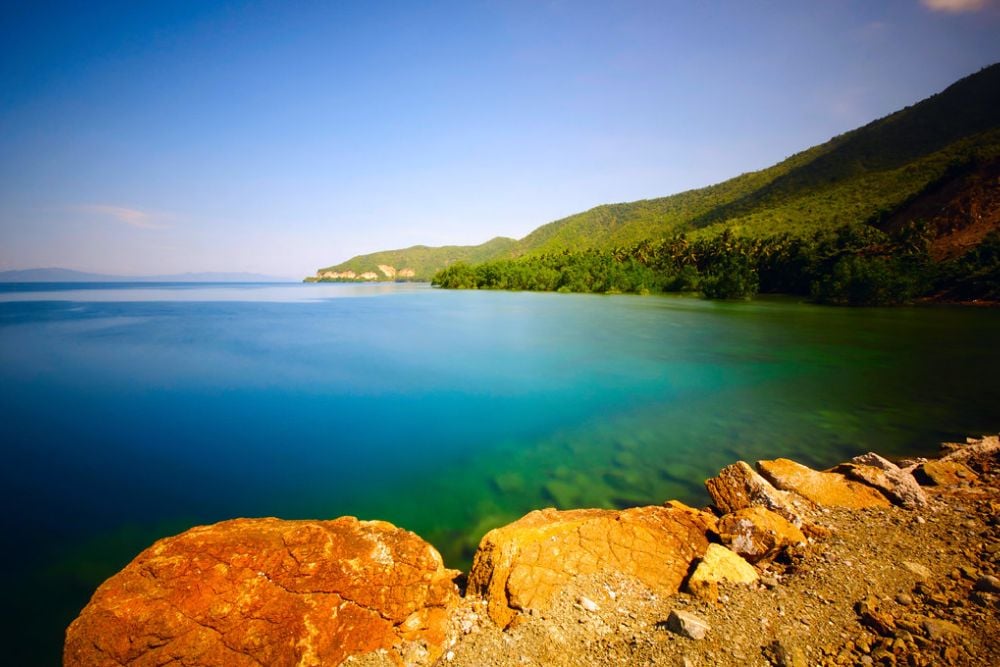
Perhaps the most misnamed “sea” of all isn’t on Earth but on the moon. The Sea of Tranquility, where humans first landed in 1969, contains no water whatsoever. Early astronomers mistook the moon’s dark basaltic plains for actual seas and gave them poetic names.
These ancient lava flows remain bone-dry, with tranquility coming from their flat, relatively featureless appearance rather than peaceful waters.
The Persian Gulf
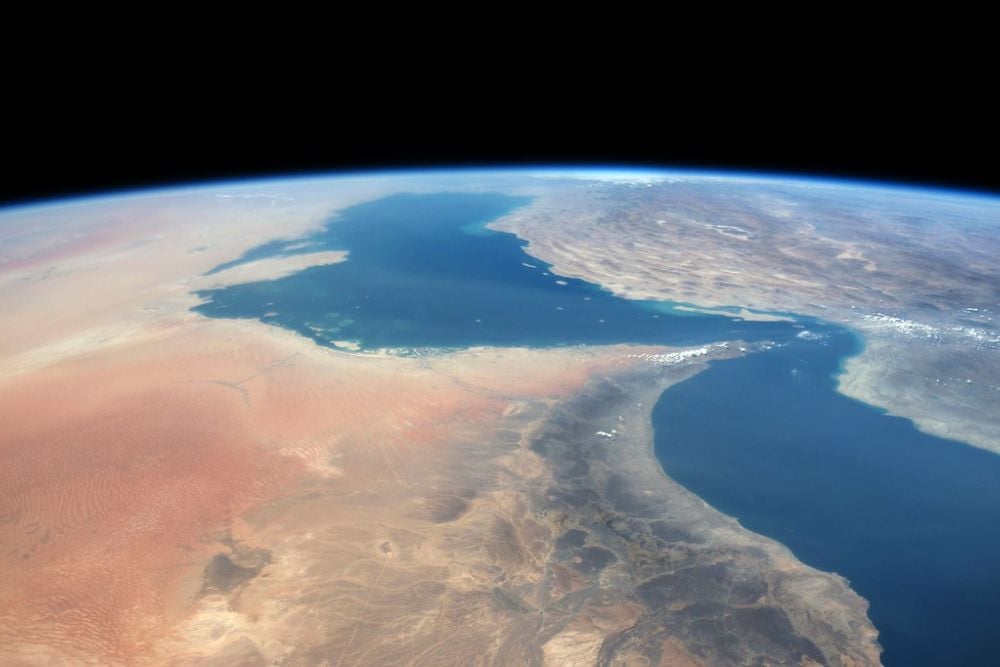
While technically a gulf rather than a sea, this body of water between Iran and the Arabian Peninsula has been called both the “Persian Gulf” and the “Arabian Gulf,” depending on which shore you’re standing on. The naming controversy has become so heated that some international organizations simply refer to it as “The Gulf” to avoid diplomatic incidents.
The water itself remains stubbornly identical regardless of what humans call it.
The South China Sea
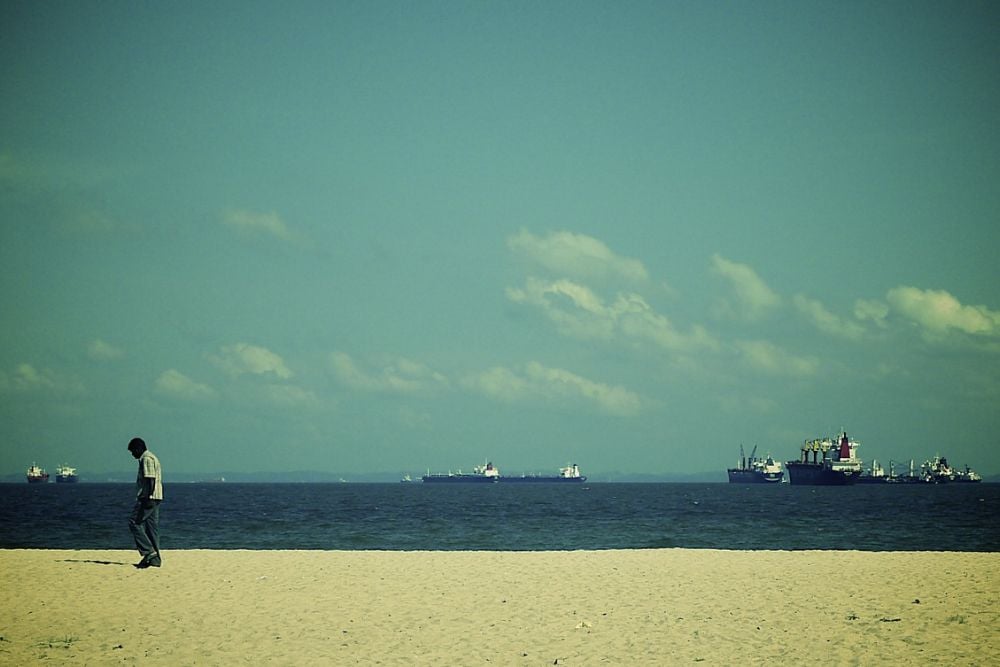
This sea borders several Asian nations, including China, Vietnam, Malaysia, and the Philippines. Despite its name suggesting Chinese ownership, multiple countries claim portions of these waters, leading to ongoing territorial disputes.
The sea itself couldn’t care less about these human boundaries—its currents flow freely across invisible lines drawn on maps while nations continue arguing over who owns which waves.
Liquid Legacies
These misnamed seas remind us how human perception, politics, and history shape the way we label our world. Whether through historical errors, changing environments, or political disputes, the names we give our waters often tell us more about ourselves than about the actual bodies of water they describe.
Next time you visit one of these seas, remember that what you see might be completely different from what its name suggests.
More from Go2Tutors!

- The Romanov Crown Jewels and Their Tragic Fate
- 13 Historical Mysteries That Science Still Can’t Solve
- Famous Hoaxes That Fooled the World for Years
- 15 Child Stars with Tragic Adult Lives
- 16 Famous Jewelry Pieces in History
Like Go2Tutors’s content? Follow us on MSN.



