Historic Shortcuts That Made Major Innovations Possible
The greatest breakthroughs in history rarely followed the script. Scientists worked late into the night on careful experiments, only to find their answers in mistakes made during lunch breaks.
Engineers spent years perfecting designs that never worked as well as the accidents they stumbled across on Tuesday afternoons. The innovations that changed the world often arrived through doors nobody meant to open.
The Moldy Petri Dish That Saved Millions
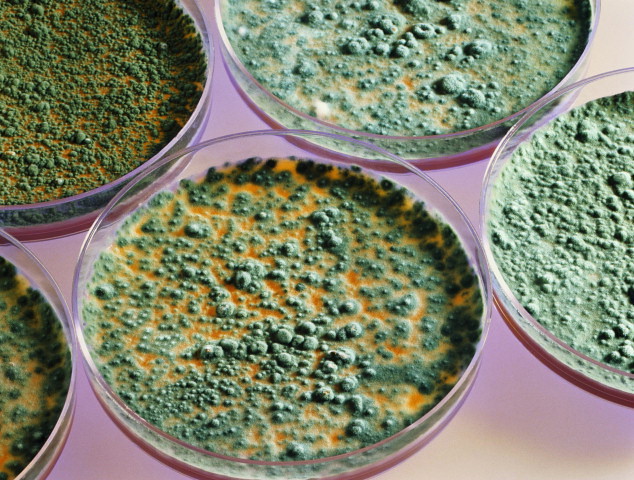
Alexander Fleming left his laboratory for a holiday in 1928 without cleaning up properly. When he returned, mold had contaminated one of his bacterial cultures. Most scientists would have tossed it in the trash.
Fleming noticed something strange: the bacteria near the mold had died. That observation led to penicillin, the first widely used antibiotic.
His messy lab habits created modern medicine. The discovery only worked because Fleming kept unusually cool temperatures in his lab, and because he used a specific type of bacteria that showed clear zones of death.
A warmer room or different bacteria strain would have hidden the effect entirely. The timing had to align perfectly, and it did.
When Chocolate Melted in the Wrong Pocket
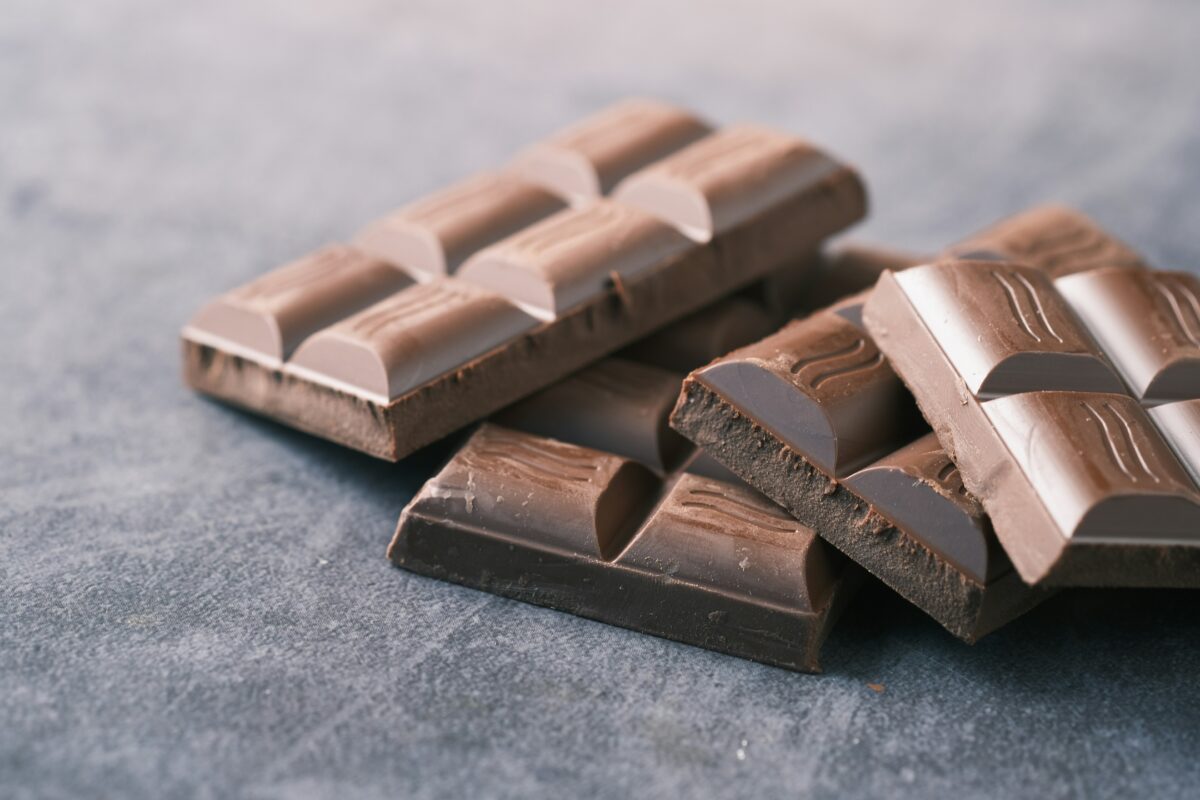
Percy Spencer walked past a magnetron in 1945 while working on radar equipment for Raytheon. The chocolate bar in his pocket melted.
Instead of assuming the magnetron was broken or dangerous, he brought in popcorn kernels the next day. They popped.
Then he tried an egg, which exploded in a colleague’s face. Within months, Raytheon had built the first microwave oven.
It stood five feet tall, weighed 750 pounds, and cost $5,000. Nobody wanted one.
But Spencer’s melted chocolate eventually led to the compact countertop version that now sits in nearly every kitchen.
The Glue That Wouldn’t Stick

Spencer Silver wanted to create an incredibly strong adhesive in 1968. He failed completely.
His formula barely stuck to anything and peeled off without leaving residue. For five years, nobody at 3M knew what to do with it.
The company kept it on file because the chemistry seemed interesting, even though it served no purpose. Art Fry sang in a church choir and used bookmarks that kept falling out of his hymnal.
He remembered Silver’s failed glue and realized it solved his exact problem. Post-it Notes came from two separate failures combining into something accidentally perfect.
A Tire Maker’s Kitchen Mistake
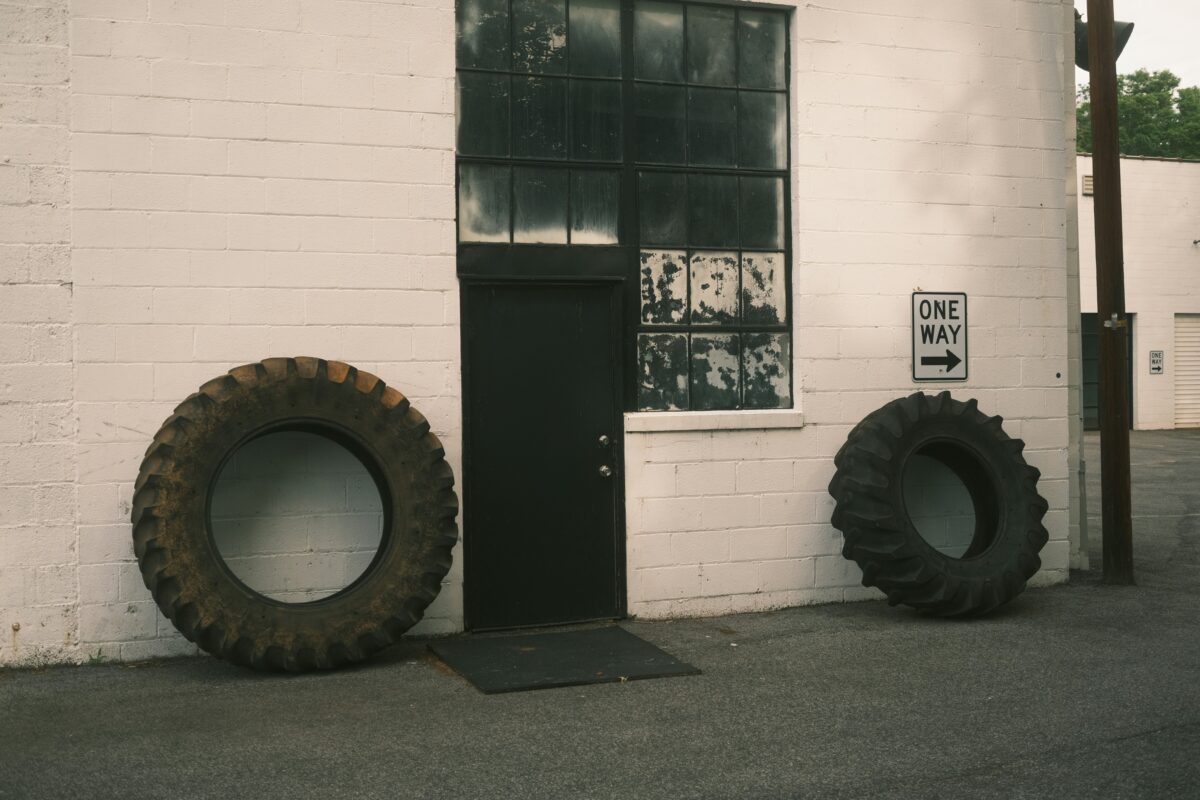
Charles Goodyear spent years trying to make rubber useful. The material became brittle in cold weather and turned into goo when temperatures rose.
He conducted hundreds of experiments, mixing rubber with every substance he could find. Nothing worked until he accidentally dropped a mixture of rubber and sulfur onto a hot stove in 1839.
The heat created a durable, flexible material that maintained its properties across temperature ranges. Goodyear stumbled onto vulcanization, the process that made rubber practical for tires, hoses, and thousands of other products.
He died broke because he spent more time experimenting than protecting his patents.
The X-Ray Nobody Expected
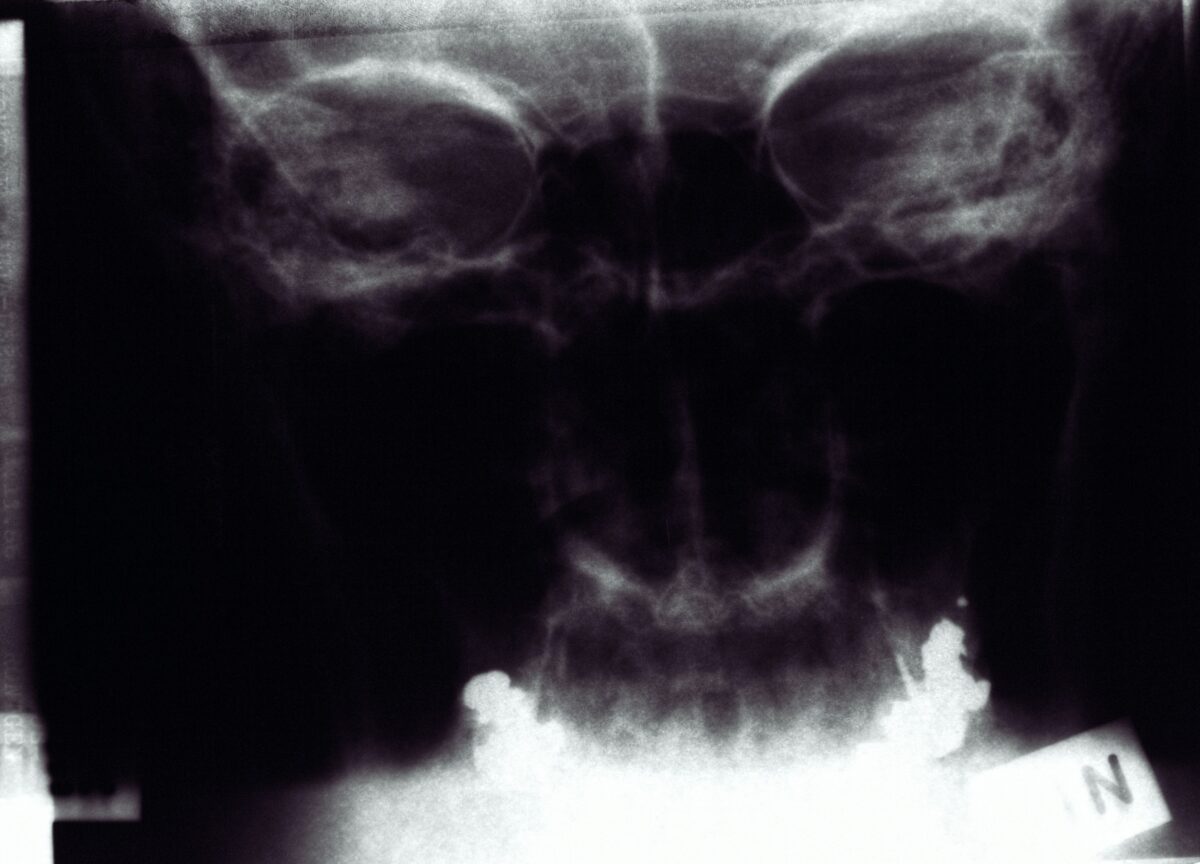
Wilhelm Röntgen covered a cathode ray tube with black cardboard in 1895 to block all light. He noticed a fluorescent screen across the room was glowing.
The tube was completely covered, so visible light couldn’t escape. Something invisible was passing through the cardboard.
Röntgen spent weeks testing this mysterious radiation, placing various objects between the tube and the screen. When he used his wife’s hand, he saw the bones clearly outlined.
The first X-ray image terrified her. She said it felt like looking at death.
Röntgen won the first Nobel Prize in Physics five years later.
Wrong Component, Right Result

Wilson Greatbatch reached for a resistor while building a heart rhythm recorder in 1956. He grabbed the wrong one from his box of parts.
When he tested the circuit, it produced rhythmic electrical pulses instead of recording them. He realized immediately that he’d accidentally built something that could regulate a heartbeat.
The first implantable pacemaker followed within two years. Greatbatch’s mistake kept millions of people alive, all because he picked up the wrong component at the right moment.
The Sweet Taste of Unwashed Hands
Constantin Fahlberg worked with coal tar derivatives in 1879. He forgot to wash his hands before dinner.
Everything he touched tasted incredibly sweet. He rushed back to the lab and tasted every beaker and flask on his bench until he found the source.
Saccharin became the first artificial sweetener, created entirely by accident and discovered through what would now be considered dangerous lab practice. Fahlberg patented it without telling his research partner, Ira Remsen, and made a fortune.
Remsen got nothing but the satisfaction of helping create chemistry that lasted more than a century.
Shattered Glass That Saved Lives
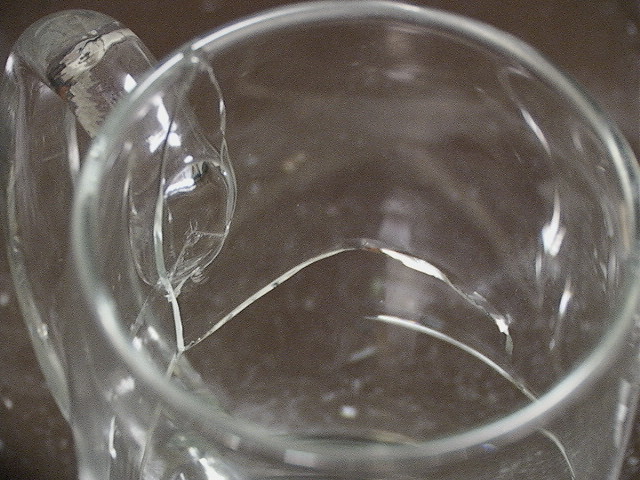
Édouard Bénédictus knocked a glass flask off a shelf in 1903. He expected shattered pieces all over the floor. Instead, the glass cracked but held together.
The flask had previously contained cellulose nitrate, which left a coating on the inside surface when it evaporated. Bénédictus didn’t think much about it until he read about injuries from car accidents caused by broken windshields.
He remembered the flask and spent years developing laminated safety glass. Car manufacturers resisted because it cost more than regular glass.
It took two decades before safety glass became standard, but that dropped flask eventually protected millions of drivers.
Breakfast Cereal from Forgotten Dough
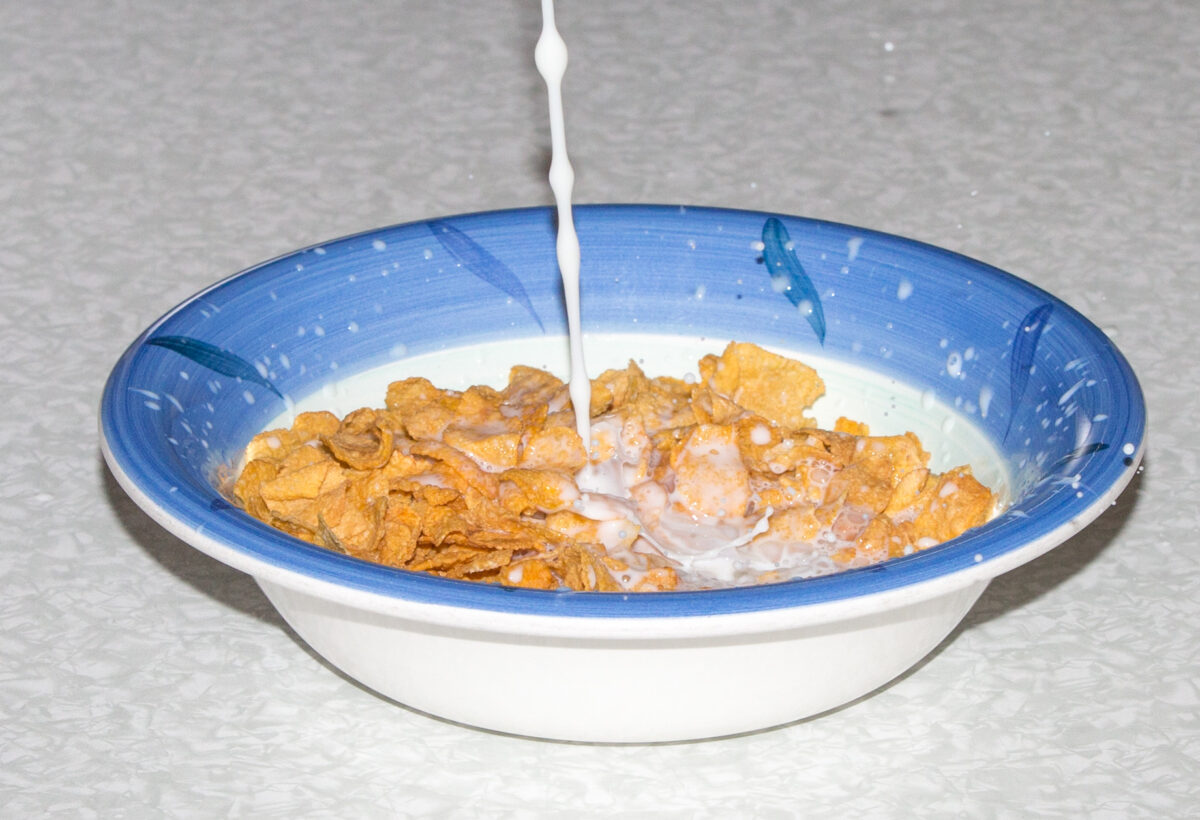
Will Kellogg left boiled wheat sitting out overnight in 1894. He and his brother John ran a sanitarium, and they’d been trying to create digestible food for patients with stomach problems.
The wheat went stale, but they ran it through rollers anyway to avoid wasting it. The stale wheat formed thin flakes instead of sheets of dough.
After baking, these flakes tasted better than anything they’d made on purpose. Will eventually started his own company, which became Kellogg’s.
His brother John spent years fighting him in court over who owned the recipe. The whole breakfast cereal industry came from wheat they forgot about overnight.
Cola from a Failed Pain Medicine
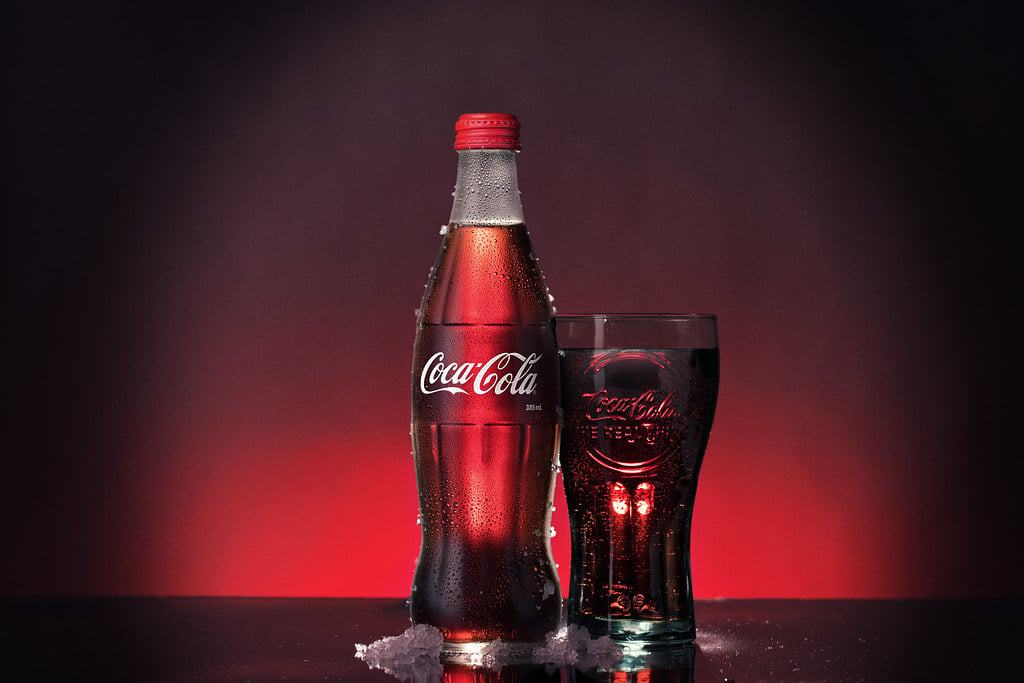
John Pemberton tried to create a substitute for morphine in 1886. He’d become dependent on the drug after a war injury and wanted something less addictive.
His syrup contained coca leaves and kola nuts, mixed with various other ingredients he thought might ease pain. The formula didn’t work as medicine, but it tasted interesting when mixed with carbonated water.
Pemberton sold it as a fountain drink, and Coca-Cola became one of the most recognized brands on Earth. He sold the rights before he died, getting almost nothing for a product now worth hundreds of billions.
Black Goo from Oil Rigs
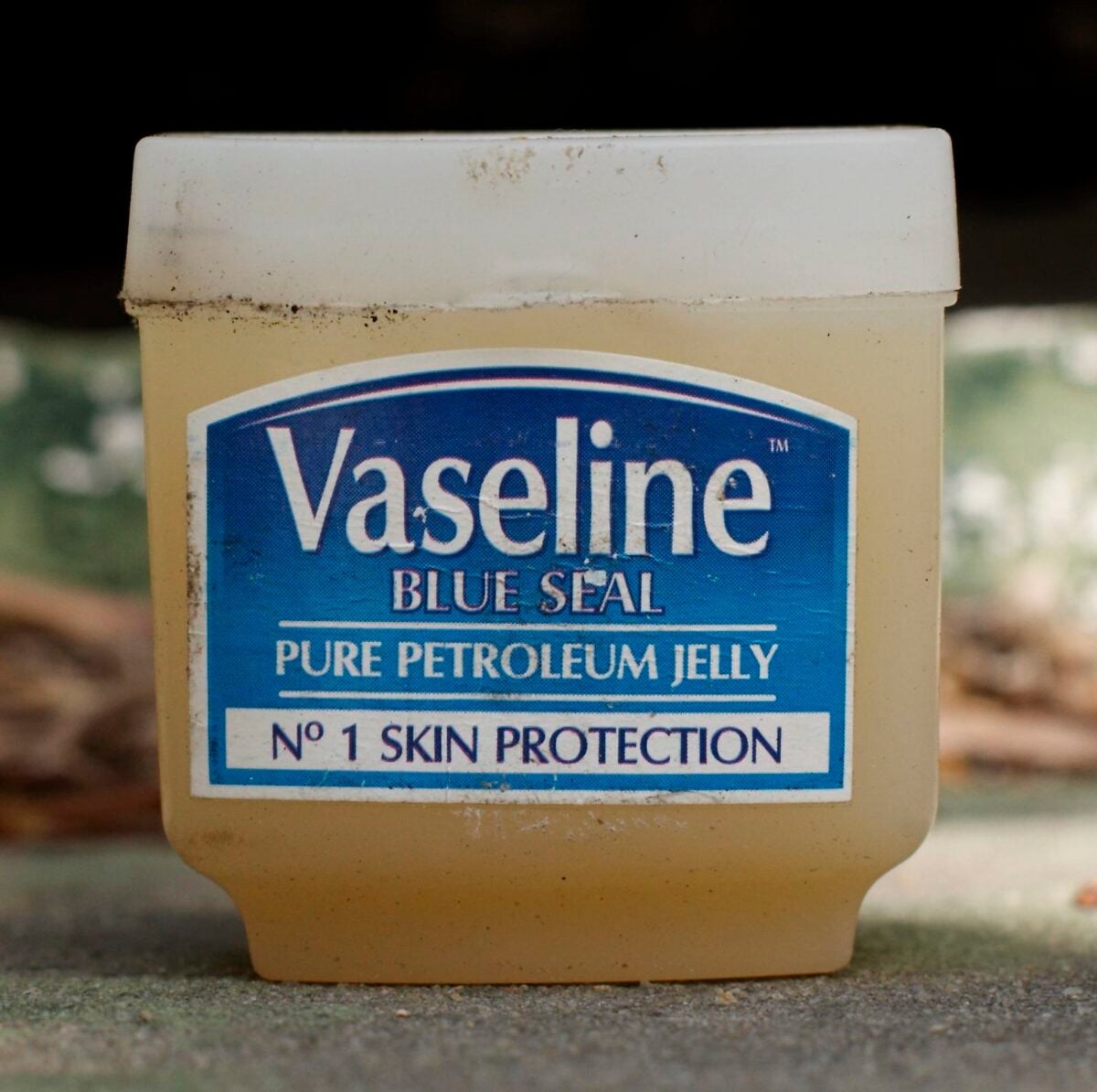
Robert Chesebrough noticed oil rig workers using a residue from pump rods to heal cuts and burns. The substance looked terrible.
Workers called it rod wax, and it accumulated as a dark, sticky mess that gummed up equipment. But it seemed to speed up healing.
Chesebrough spent years purifying the black goo into a clear, smooth substance. He tested it by burning himself and rubbing the product on the wounds.
Petroleum jelly entered the market as Vaseline in 1872. A product that started as industrial waste became a medicine cabinet staple.
Wall Cleaner That Became a Toy
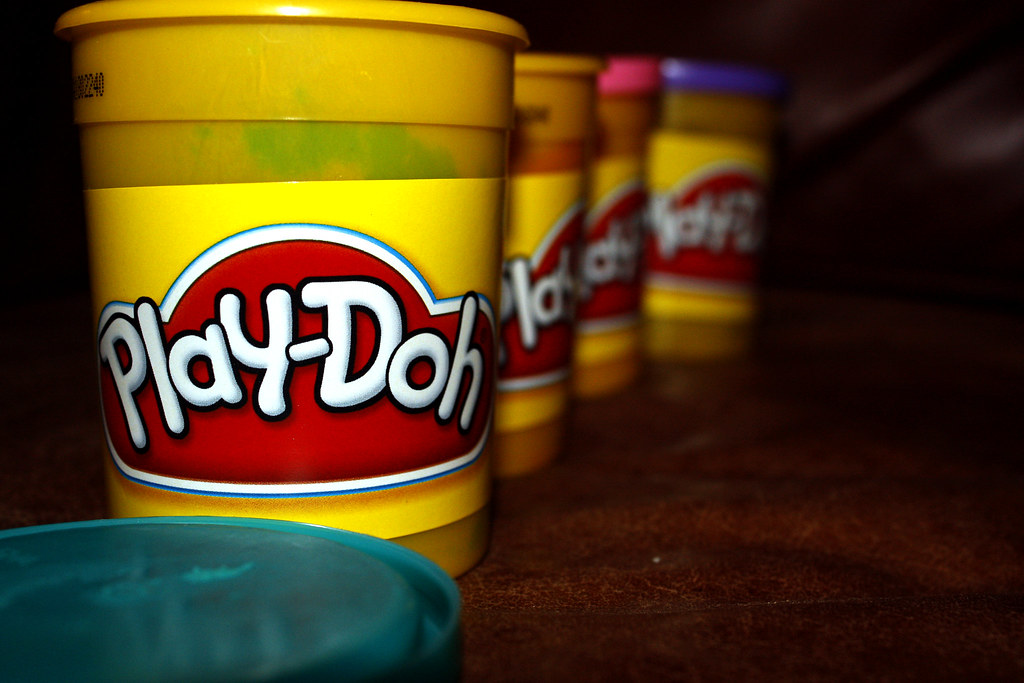
Noah McVicker created a putty in 1933 for removing coal residue from wallpaper. It worked well until people stopped heating homes with coal and wallpaper fell out of fashion.
His company nearly went bankrupt holding inventory of a product nobody needed anymore. A teacher used the putty in her classroom because it was safer than clay and easier for small hands to mold.
Kids loved it. McVicker’s nephew rebranded the putty as Play-Doh in 1956, removing the cleaning compounds and adding colors and scents.
A failed wallpaper cleaner became one of the most successful toys in history.
Rejected Metal That Wouldn’t Rust
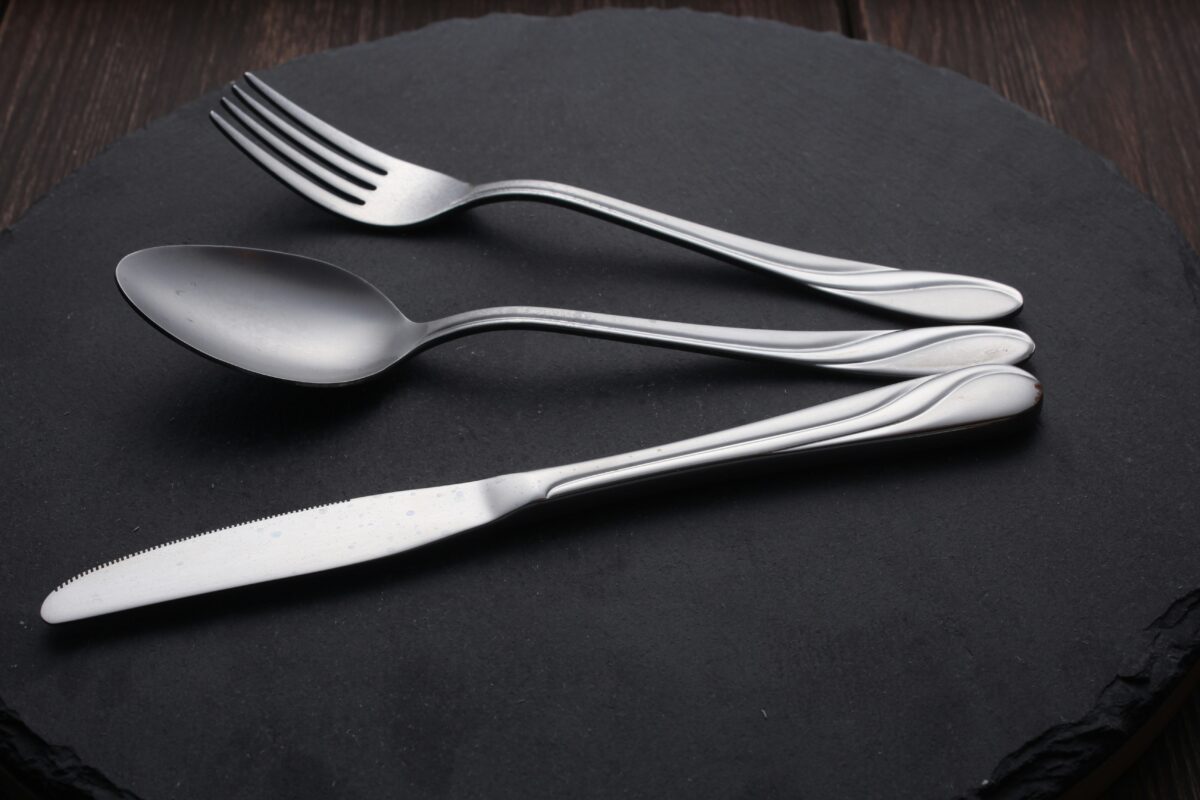
Harry Brearley tried to make rifle barrels that resisted erosion from heat and friction in 1913. He added chromium to steel in various proportions and tested each sample.
None of them worked for gun barrels, so he tossed them in a scrap pile. Weeks later, Brearley noticed that one of the rejected samples hadn’t rusted while all the others had.
The proportion of chromium he’d used created corrosion resistance instead of heat resistance. Stainless steel appeared in cutlery first, then kitchen equipment, then surgical tools, then thousands of other applications.
Brearley’s failure to make better guns led to one of the most useful alloys ever created.
When Plans Don’t Matter
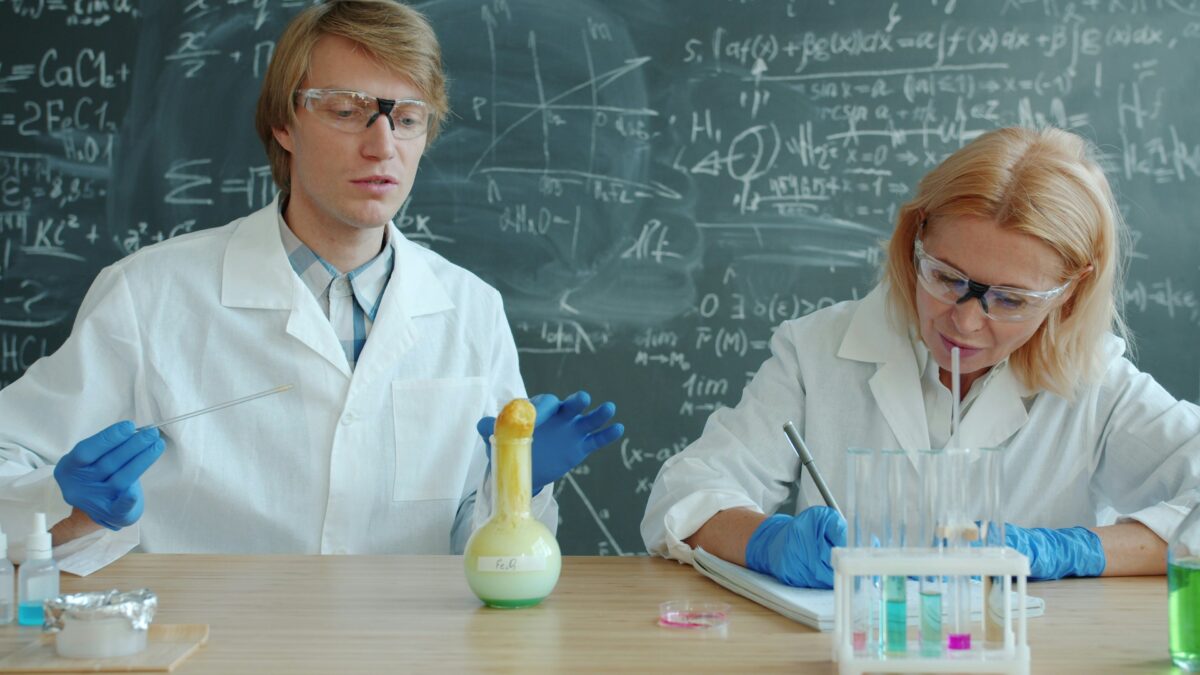
You can study these moments and try to extract lessons about staying alert or keeping an open mind. But the real pattern is simpler: nobody planned any of this.
Fleming didn’t decide to contaminate his cultures. Spencer didn’t mean to melt his chocolate.
Goodyear didn’t intend to drop rubber on his stove. The innovations came from noticing what happened instead of mourning what was supposed to happen.
When the experiment fails, when the product doesn’t work, when things go wrong in interesting ways—those moments matter more than most careful planning. The best discoveries arrive through doors that weren’t supposed to open, found by people alert enough to walk through them.
More from Go2Tutors!

- The Romanov Crown Jewels and Their Tragic Fate
- 13 Historical Mysteries That Science Still Can’t Solve
- Famous Hoaxes That Fooled the World for Years
- 15 Child Stars with Tragic Adult Lives
- 16 Famous Jewelry Pieces in History
Like Go2Tutors’s content? Follow us on MSN.