Bizarre Landmarks Built for No Reason
People have been building weird stuff for centuries, and honestly, some of it makes absolutely no sense. We’re not talking about your standard monuments to war heroes or historical figures.
These are the head-scratchers, the architectural equivalent of ‘well, that happened.’ From fake ruins to giant thumbs, the world is full of landmarks that exist purely because someone had money, time, and apparently zero concern for practicality.
The thing is, these bizarre creations often become more famous than the sensible buildings around them. Think about it—you might forget the name of a courthouse, but you’ll never forget seeing a 40-foot bronze thumb sticking out of the ground in downtown Paris.
Here is a list of 13 bizarre landmarks that were built for absolutely no good reason.
Le Pouce
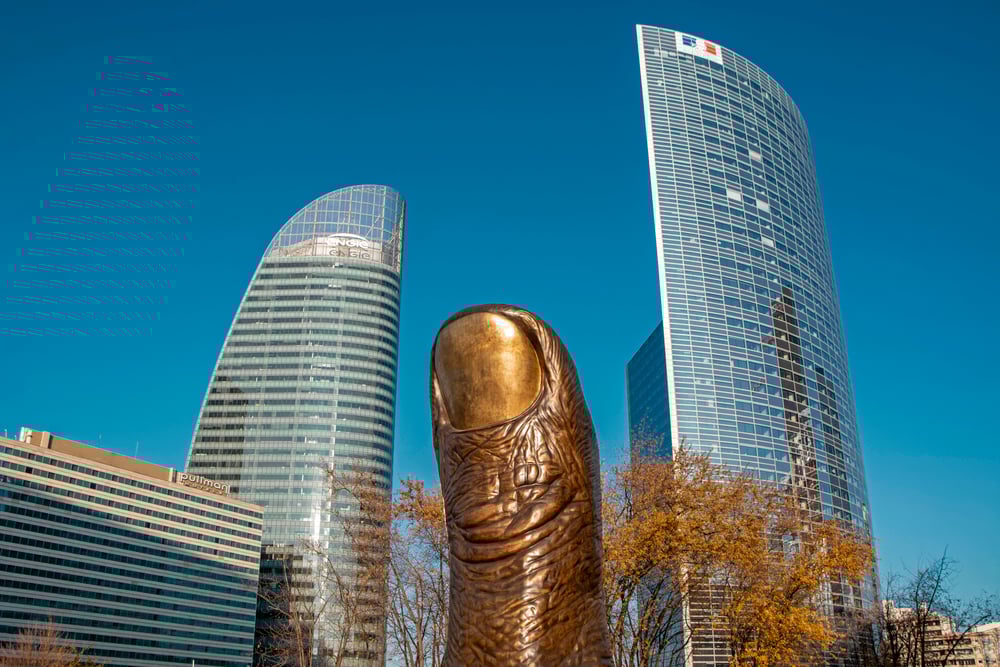
There’s a 40-foot bronze thumb sitting in the middle of Paris’s business district at La Défense, and it’s exactly what it sounds like. Artist César Baldaccini created the original 12-inch version in 1965, then enlarged it to massive proportions in 1988, complete with fingerprints and all.
No deep meaning, no grand purpose—just a really, really big thumb. Locals and tourists have been scratching their heads about it for decades, but that’s kind of the point.
Sometimes art is just weird, and this thumb proves that being weird can get you remembered.
Kindlifresserbrunnen

Bern, Switzerland has a beautiful fountain from around 1546 that depicts a giant eating babies, with more children stuffed in his sling for later. Created by sculptor Hans Gieng, the Kindlifresserbrunnen (Child-Eater Fountain) is about as unsettling as it gets.
Nobody really knows why it was built, though some think it references the Greek titan Kronos who ate his own kids to prevent them from stealing his throne. Either way, it’s been terrifying children and parents alike for nearly 500 years.
You’d think someone would have moved it by now, but nope—it’s staying right there in the middle of town.
Like Go2Tutors’s content? Follow us on MSN.
Carhenge
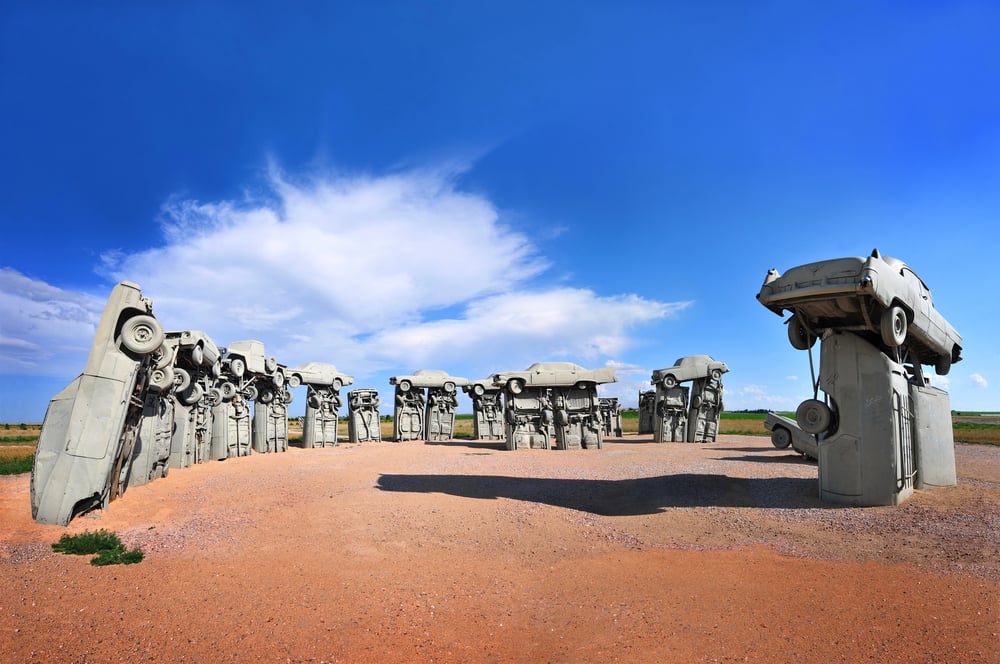
Out in Alliance, Nebraska, someone decided Stonehenge needed an American upgrade, so they built it with vintage cars instead of stones. Jim Reinders created this monument in 1987 as a tribute to his father, using approximately 38 cars ranging from 1949 to 1963 models.
The cars are buried nose-down in a circle, with more cars balanced on top, perfectly mimicking the layout of the original Stonehenge. It’s oddly majestic in a very American way.
Around 80,000 people visit this thing every year, proving that if you make something bizarre enough, tourists will absolutely show up.
The Triangular Lodge
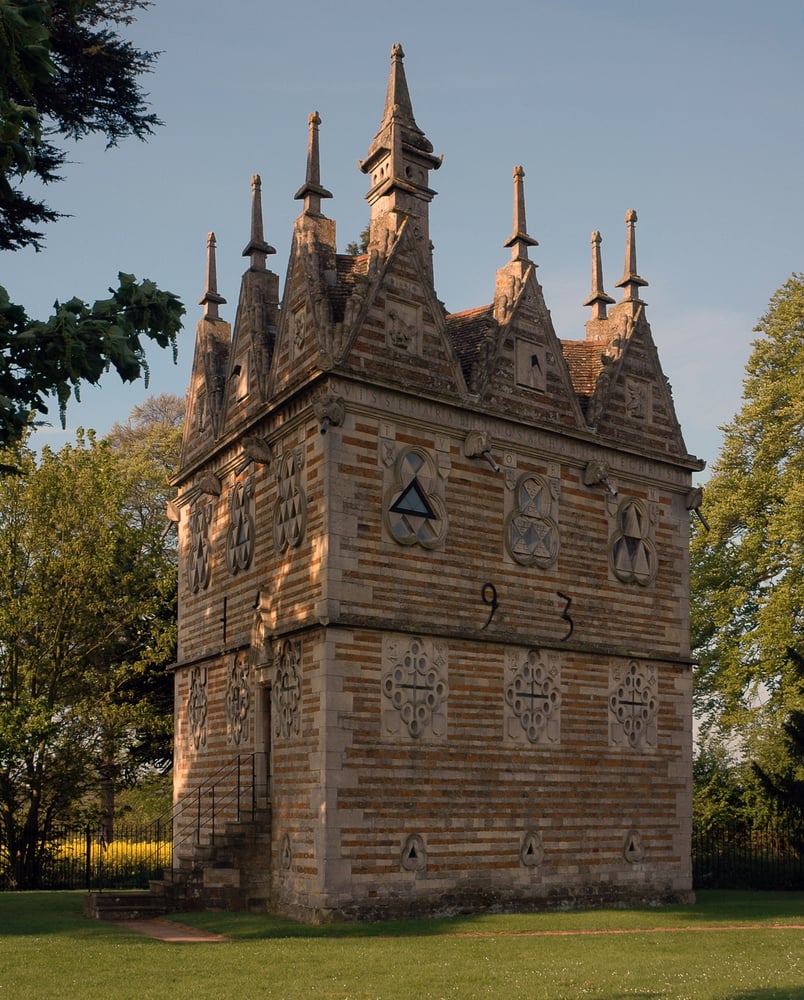
Sir Thomas Tresham spent 15 years in prison for refusing to convert from Catholicism to Protestantism, and when he got out, he built a lodge in Rushton, Northamptonshire between 1593 and 1597, obsessed with the number three. The building has three floors, three 33-foot sides, three windows on each side of each floor, and inscriptions of three Latin Bible verses—each exactly 33 letters long.
It was meant to honor the Holy Trinity, which sounds noble until you realize the actual purpose of this architectural marvel was housing the estate gamekeeper. So basically, he built an elaborate mathematical monument to Christianity as a glorified staff cottage.
Broadway Tower
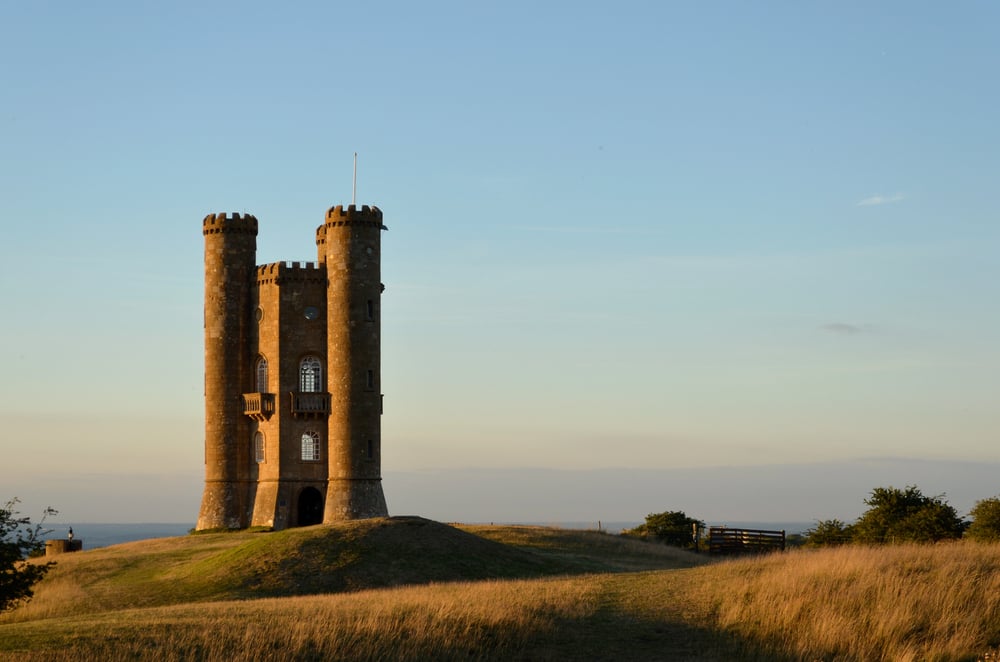
Lady Coventry had a simple question in 1798: could a beacon lit on a hill near her estate be seen from her house 22 miles away in Worcester? Instead of, you know, just lighting a fire to find out, she commissioned architect James Wyatt to build an entire mock Saxon castle tower in Worcestershire.
The tower was completed in 1799, the beacon was lit, and yes—it could be seen clearly. Mission accomplished, at tremendous expense.
The tower still stands today, a testament to what happens when curiosity meets unlimited funds.
Like Go2Tutors’s content? Follow us on MSN.
The Wonderful Barn
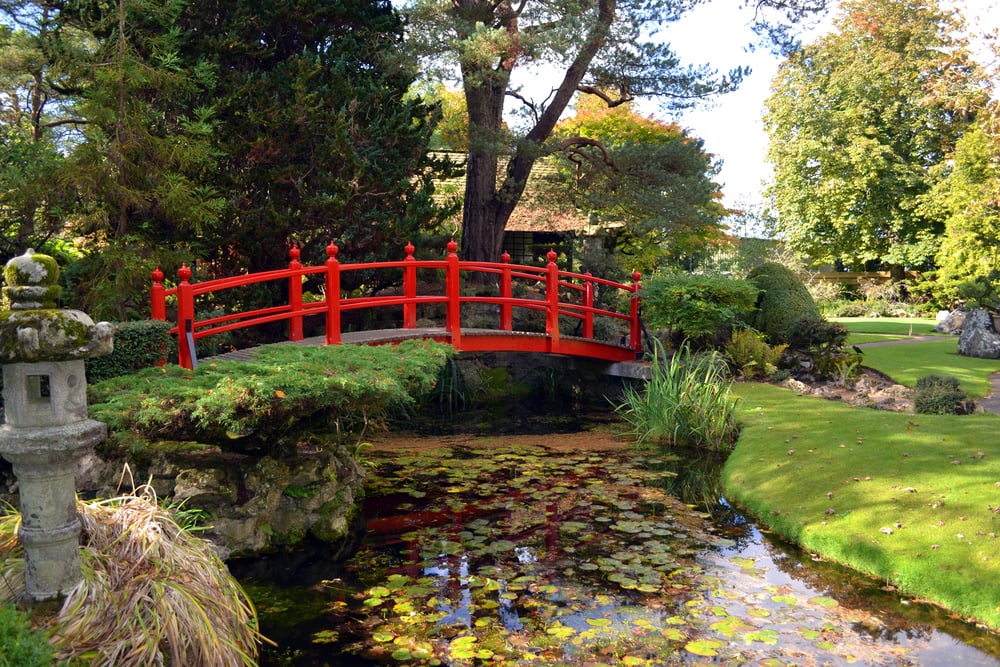
Built in 1743 on the Castletown Estate in County Kildare, Ireland, wealthy landowner Katherine Conolly commissioned this peculiar structure to give people work during the devastating famine of 1740-41. The Wonderful Barn is shaped like a cone with an external spiral staircase winding around it, making it look more like something out of a fairy tale than a practical farm building.
It may not have actually been used as a barn at all, but that hardly matters. The building itself is beautiful, but its existence is basically a reminder that sometimes monuments are built not because they’re needed, but because people need something to build.
Boll Weevil Monument
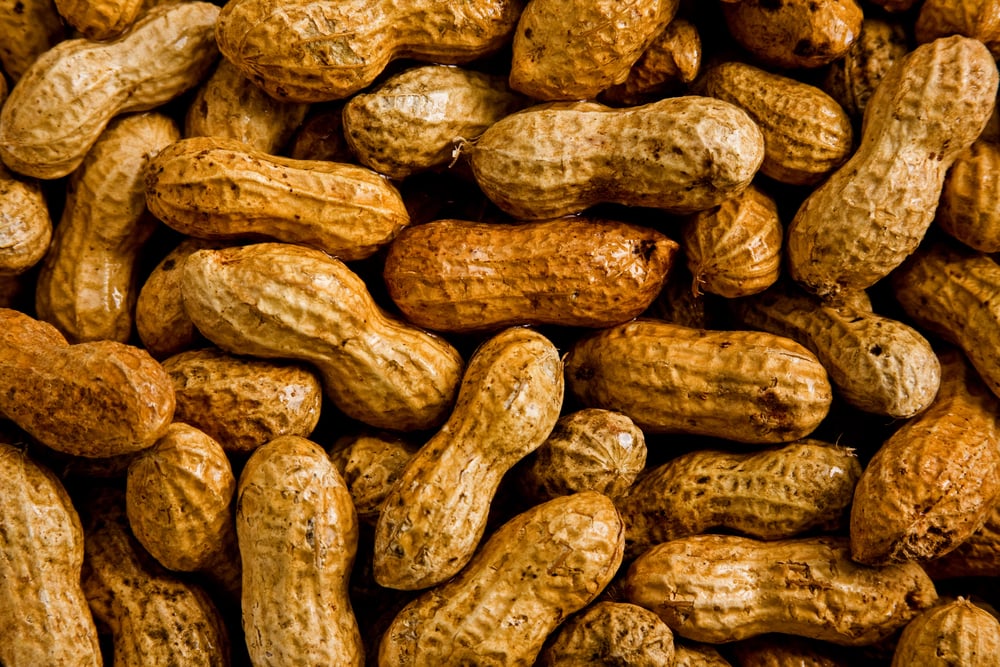
Enterprise, Alabama built a statue in 1919 to honor a beetle that destroyed their cotton crops. Yes, you read that right.
The boll weevil ravaged the town’s cotton in the early 20th century, which forced farmers to grow peanuts instead, and by 1917, they had the largest peanut harvest in America. The monument originally featured a classical woman holding a fountain urn, but around 1949, someone added the actual boll weevil figure on top.
The plaque reads ‘In profound appreciation of the Boll Weevil and what it has done as the herald of prosperity.’ It’s probably the only statue in the world that celebrates an agricultural pest.
Darvaza Gas Crater
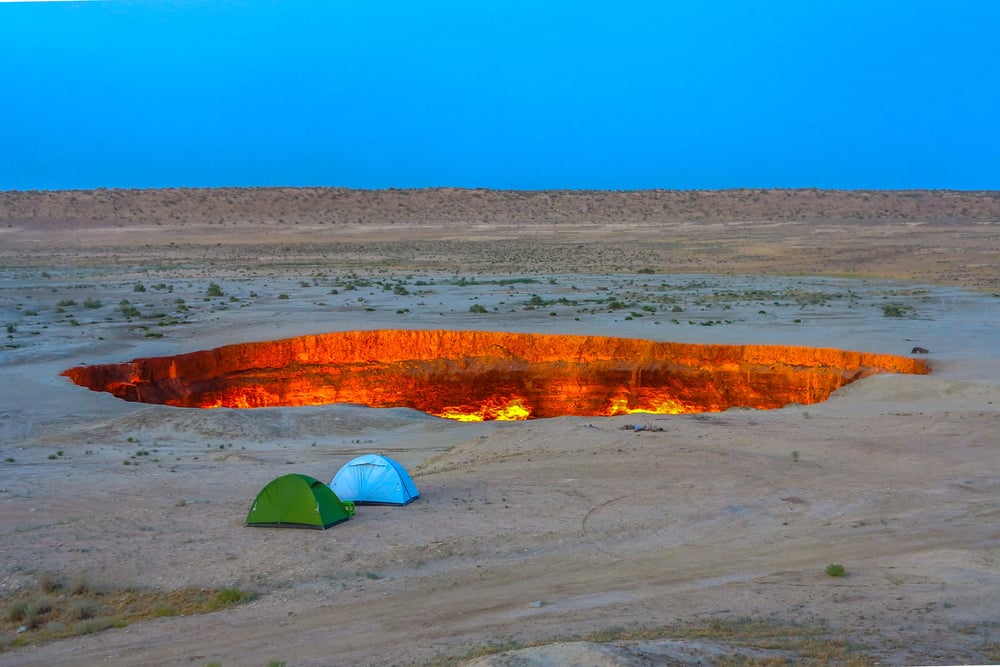
In the middle of Turkmenistan’s desert near Derweze sits a burning crater that’s been on fire since 1971. Soviet engineers were drilling for natural gas when the ground collapsed beneath them, creating a crater about 230 feet wide and roughly 65 to 98 feet deep.
Worried about gas leaks, they decided to light it on fire, thinking it would burn out in a few weeks. Four decades later, it’s still blazing, earning nicknames like the ‘Door to the Underworld.’ Nobody built this on purpose, but it’s become one of Turkmenistan’s most famous landmarks.
Sometimes the best monuments are the ones that happen by accident.
Like Go2Tutors’s content? Follow us on MSN.
Field of Corn

Dublin, Ohio is home to 109 concrete corncobs, each standing 6 feet 3 inches tall in a field. Artist Malcolm Cochran created ‘Field of Corn (with Osage Oranges)’ in 1994 as a tribute to the town’s agricultural heritage, though most visitors just call it ‘Cornhenge.’
The corn sculptures are planted in neat rows like they’re actually growing there, except they’re made of concrete and will never rot. It’s become a popular spot for photos, mostly because people can’t quite believe what they’re looking at.
The installation manages to be both completely absurd and oddly charming.
Mano del Desierto

A massive hand emerges from the sand in Chile’s Atacama Desert near Antofagasta, and the closer you get, the bigger it seems. Chilean sculptor Mario Irarrázabal completed this 36-foot cement hand in 1992, placing it literally in the middle of nowhere.
There’s no visitor center, no gift shop, just a giant hand sticking out of one of the driest deserts on Earth. The sculpture is supposed to symbolize human vulnerability against nature, but mostly it just looks like a giant is trying to claw their way out of the sand.
It’s the kind of thing that makes you stop your car and stare, which is probably exactly what the artist wanted.
Hess Triangle

When New York City demolished hundreds of buildings for subway construction in the early 20th century, property owner David Hess was left with a tiny triangular piece of land at the intersection of Seventh Avenue and Christopher Street. Instead of donating it to the city, Hess’s heirs refused in 1922 and had it marked with a plaque stating it was ‘never been dedicated for public purposes’.
The triangle measures about 25.5 inches per side—roughly 500 square inches total, smaller than most kitchen tables. It’s the world’s pettiest monument, a literal middle finger in mosaic tile form.
Thousands of pedestrians walk over it daily without noticing, which somehow makes the spite even more impressive.
Like Go2Tutors’s content? Follow us on MSN.
Cadillac Ranch
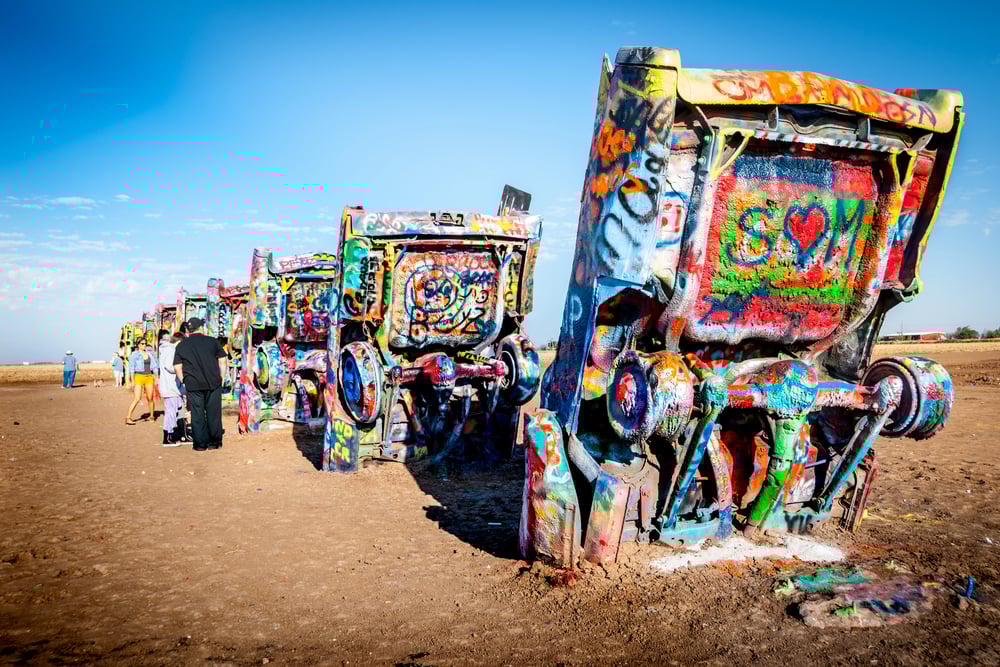
In 1974, an art collective called Ant Farm Group, financed by eccentric millionaire Stanley Marsh 3, buried ten Cadillacs nose-down in the ground along Route 66 west of Amarillo, Texas. The cars range from 1949 to 1963 models, and they claimed it symbolized the American dream, though it looks more like someone got really angry at a car dealership.
Visitors are encouraged to spray-paint the cars, so they’re constantly covered in layers of graffiti. The installation has become such a beloved landmark that when the highway was moved, they dug up all the Cadillacs and replanted them along the new route.
Nothing says ‘American dream’ quite like vandalized luxury cars buried in the dirt.
Stone Spheres of Costa Rica
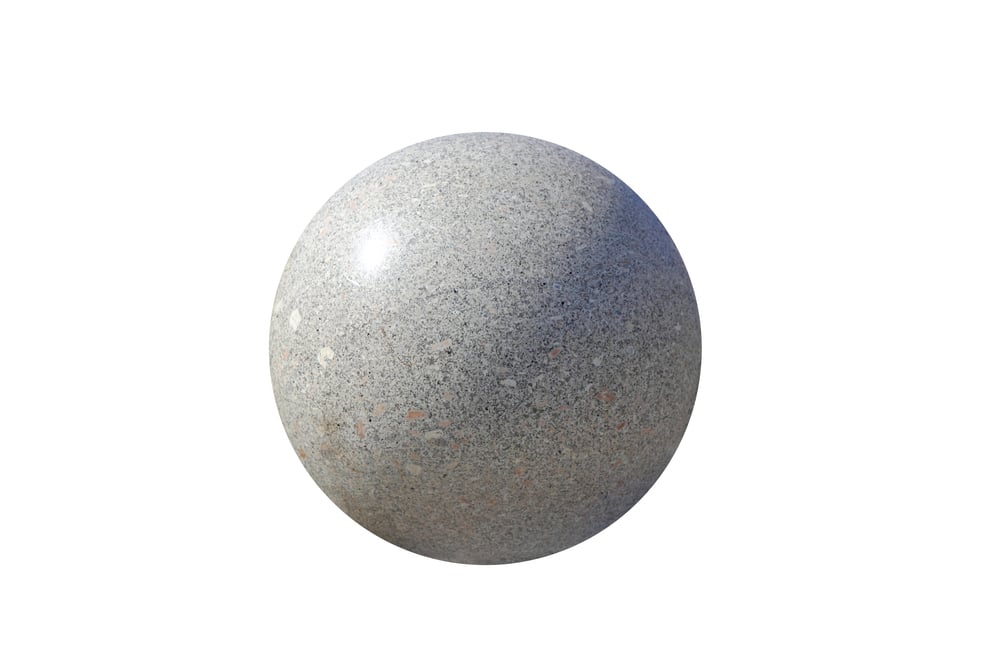
Hundreds of giant stone spheres were discovered by United Fruit Company workers in Costa Rica’s Diquís River Delta in 1939, dating back to somewhere between 500 and 1500 CE, and nobody’s entirely sure why they exist. Theories range from the practical (agricultural tools, status symbols) to the wild (navigation devices, portals to other dimensions).
The spheres became a UNESCO World Heritage Site in 2014 and inspired countless myths and legends. The fact that we still don’t know their purpose makes them even more fascinating.
Sometimes the best monuments are the ones that refuse to explain themselves.
The Legacy of Pointlessness
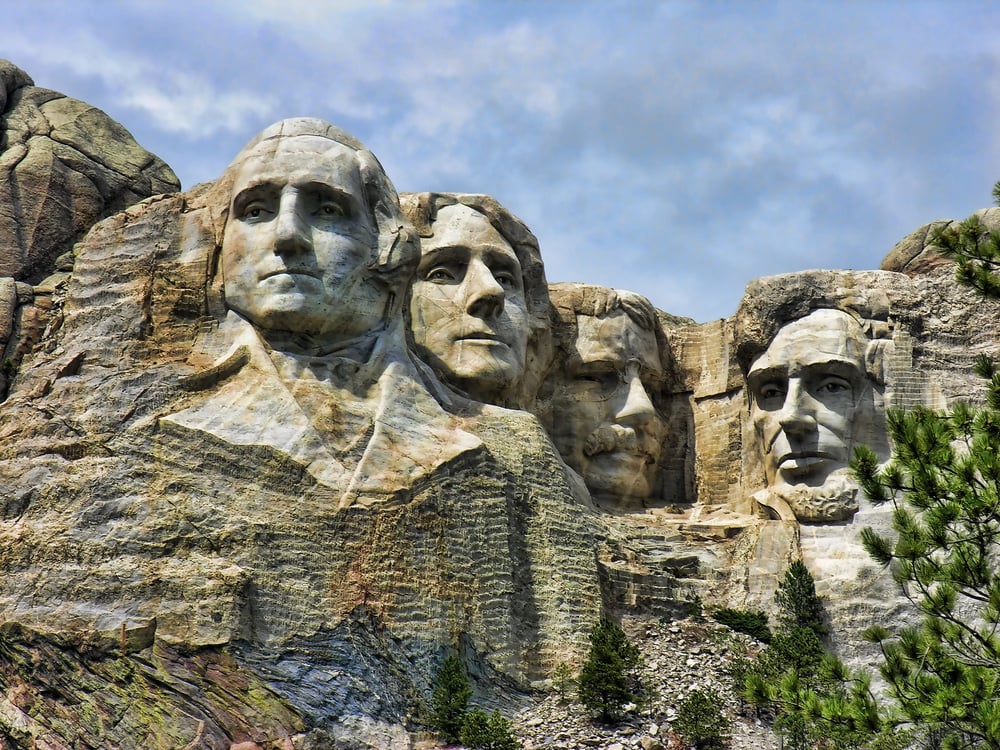
These landmarks prove something important about human nature: we don’t always need a reason to build big, weird things. Sometimes the lack of purpose is the entire point.
Follies, vanity projects, and architectural oddities force us to stop and question what we’re looking at, which is more than most practical buildings ever accomplish. The best part is that many of these ‘useless’ structures have outlasted their supposedly important neighbors.
Nobody remembers the practical warehouse that used to stand next to Le Pouce, but everyone remembers the giant thumb. These monuments remind us that sometimes the most memorable things in life are the ones that make the least sense.
They’re built from excess, eccentricity, boredom, or spite—and they’re all the more interesting because of it.
More from Go2Tutors!

- 16 Historical Figures Who Were Nothing Like You Think
- 12 Things Sold in the 80s That Are Now Illegal
- 15 VHS Tapes That Could Be Worth Thousands
- 17 Historical “What Ifs” That Would Have Changed Everything
- 18 TV Shows That Vanished Without a Finale
Like Go2Tutors’s content? Follow us on MSN.



