15 Secret Hideouts Used by Criminals
People have been attempting to circumvent laws for as long as they have existed. Criminals frequently use intricate or surprising hiding spots, some of which are purposefully constructed and others that are improvised out of desperation. These 15 covert locations have been used by criminals to evade detection, at least temporarily.
Abandoned Warehouses

Sprawling, empty, and echoing. Warehouses became natural sanctuaries for gangs and smugglers, offering huge spaces where stolen goods or fugitives could vanish into shadows. Not great for heating in winter.
Tunnels Beneath Cities
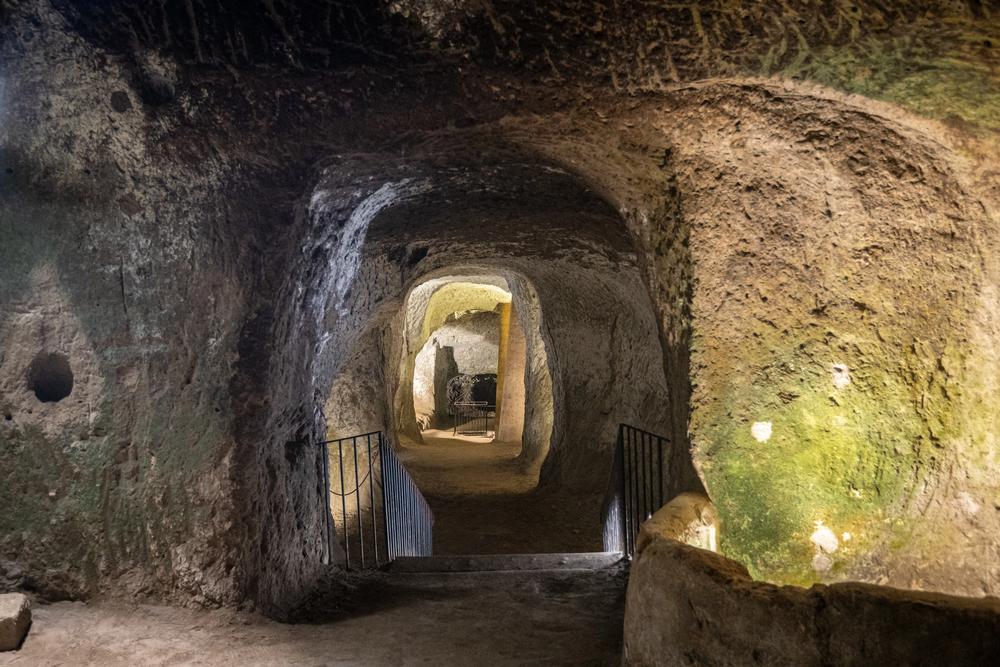
Some went so far as to dig. Networks under cities allowed for movement unseen, whether under Prohibition-era Chicago or cartel-controlled borderlands. Down there, silence feels heavier.
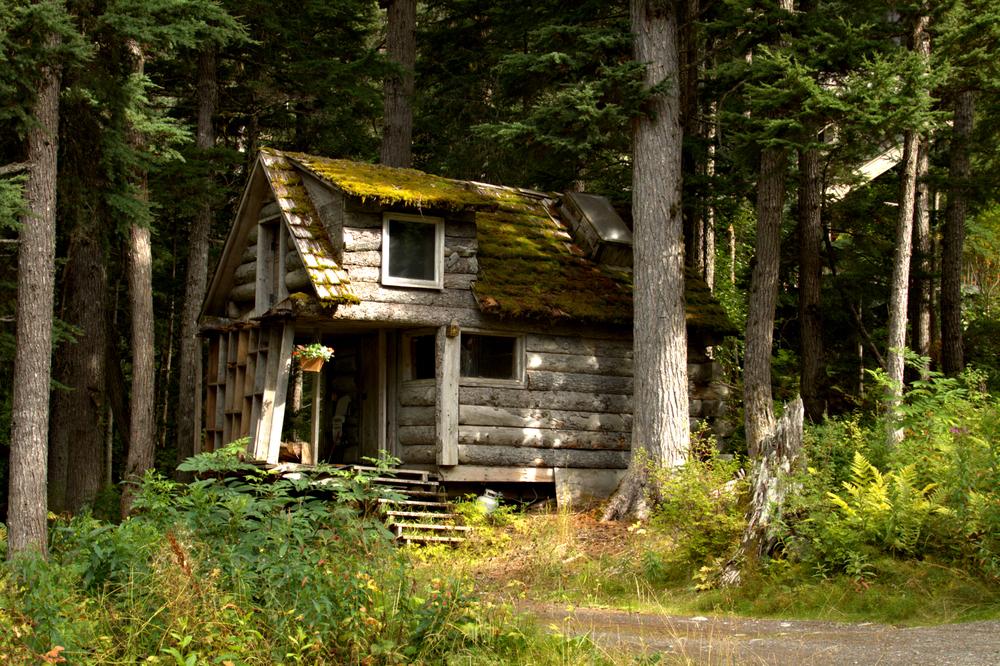
Remote Cabins
Safe Houses in Suburbs

Strangely enough, blending in sometimes worked better than running. Criminals often rented tidy suburban homes, living like ordinary neighbors while hiding fugitives or contraband. A manicured lawn, a secret life inside.
Bars and Speakeasies
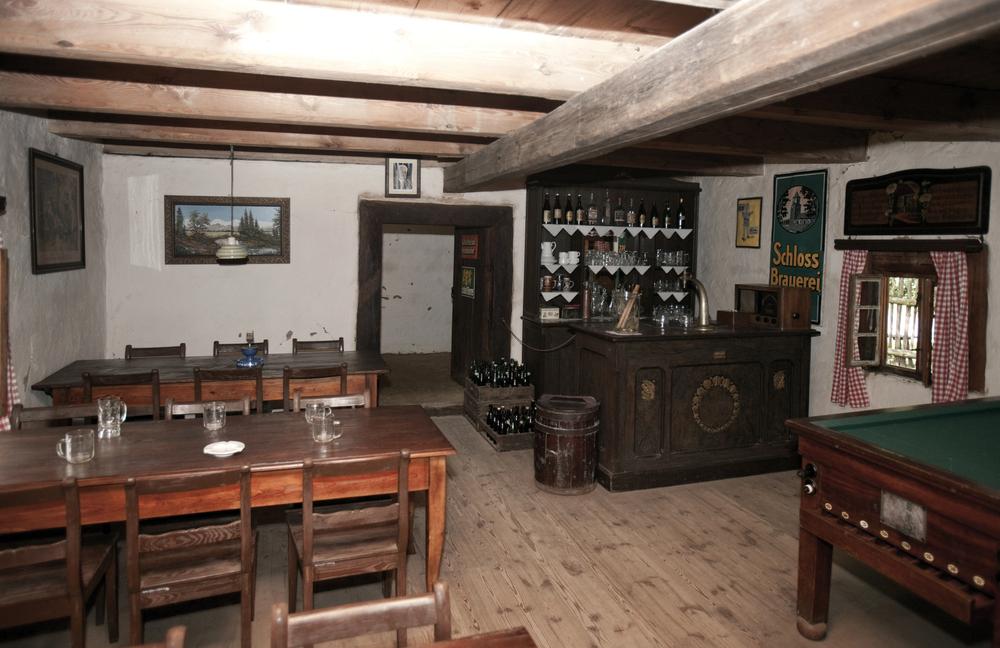
During Prohibition, criminals turned bars into front-line hideouts. Hidden rooms behind walls or under trapdoors sheltered bootleggers and their loot. The smell of spilled whiskey lingered even when the lights went out.
Cargo Containers

Steel boxes stacked on docks made effective hiding spots. Inside, gangs stored weapons, cash, or drugs, confident that the sheer number of containers made inspections rare. Airflow? A serious problem.
Desert Hideouts

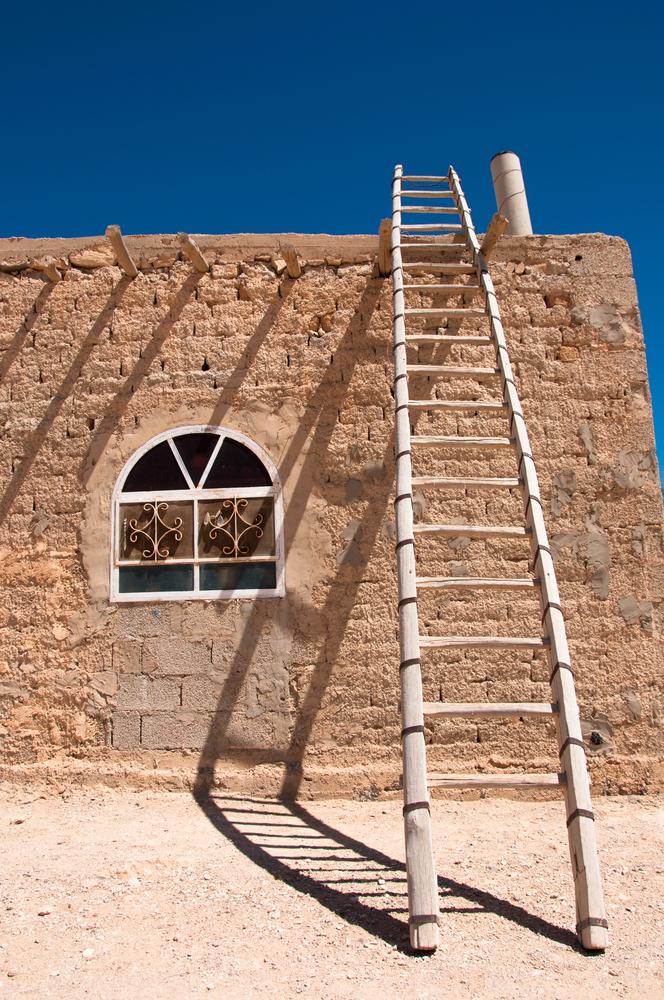
Wide-open landscapes concealed makeshift bunkers and huts. Distance itself provided safety. By the time authorities arrived, fugitives had already slipped over the next dune. Sand got everywhere, though.
Attics and Crawl Spaces

Cramped, dusty, and forgotten by most homeowners, these spaces offered quick cover. They weren’t comfortable — spiderwebs, insulation, and stale air — but sometimes survival meant discomfort.
Boats on Isolated Lakes

Some criminals kept small boats anchored in hidden coves, using them as both transport and shelter. The gentle slap of water on the hull masked quiet conversations. Easy to imagine a lantern swaying inside.
Abandoned Mines

Dark shafts and tunnels provided an eerie but effective hiding place. Loot could be buried deep, with the earth itself as the lock. Few dared to search too far in. Collapses were a constant threat.
Hotels with False Names

Booking under fake identities gave criminals temporary cover. Hotels provided a bed, a shower, and anonymity — until a mistake revealed the ruse.
Hidden Rooms in Homes

Secret compartments behind bookshelves or walls weren’t just the stuff of fiction. Criminals carved out concealed spaces to hide people or valuables. One wrong knock, and the hollow sound gave it away.
Churches and Monasteries
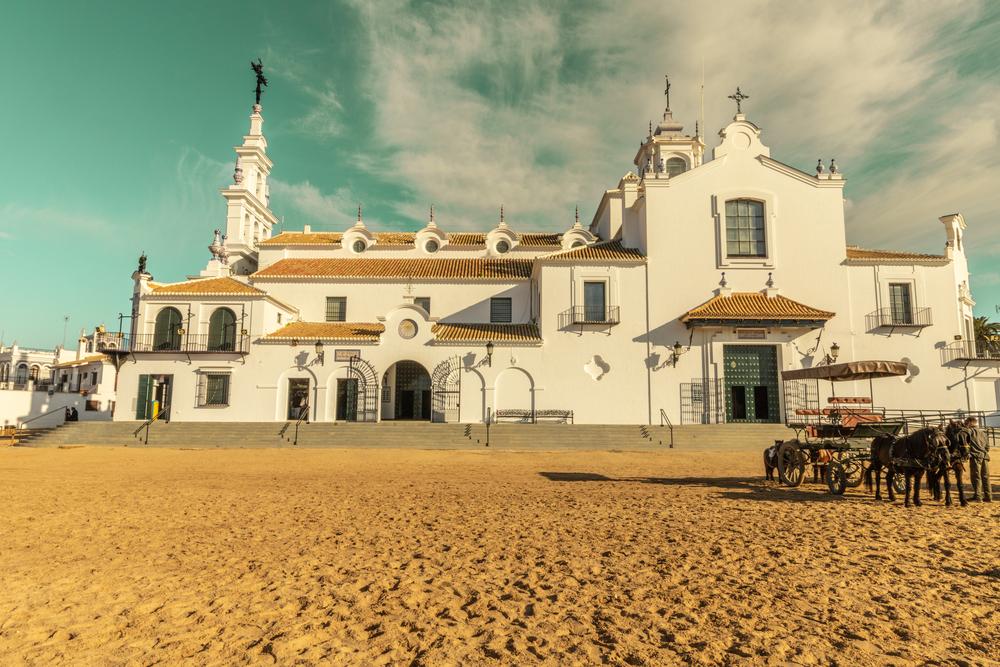
In the hope that sanctuaries would postpone capture, some fugitives took sanctuary in places of worship. Sometimes cloisters and cellars served as hiding places, but such concealment carried a heavy moral burden.
Vehicles and Car Trunks
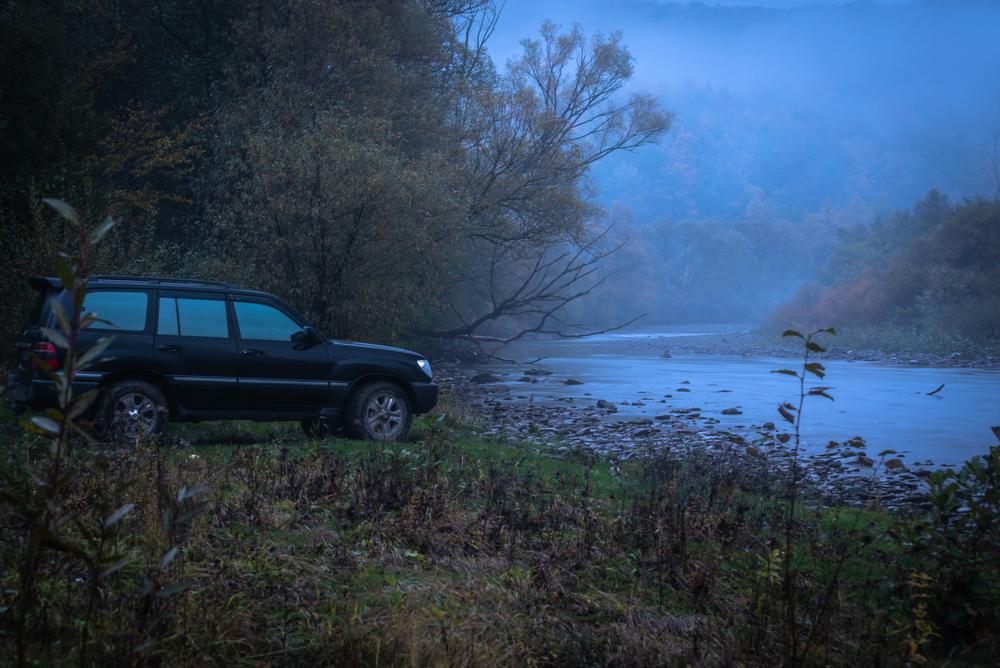
Criminals used cars as mobile hideouts, hiding themselves or their belongings in trunks and hidden compartments. Until the fuel ran out, their mobility made them more difficult to locate.
Remote Islands

Then there were islands. remote, difficult to get to, and ideal for hiding or storing supplies. A boat ride kept most people away, and waves erased tracks. Unless someone became interested.
Vanishing Acts
These hideouts, which range from distant islands to city tunnels, demonstrate the lengths people will go to in order to remain hidden. Whether they are clever or crude, they all point to the same reality: survival has always required secrecy.
More from Go2Tutors!

- 16 Historical Figures Who Were Nothing Like You Think
- 12 Things Sold in the 80s That Are Now Illegal
- 15 VHS Tapes That Could Be Worth Thousands
Like Go2Tutors’ content? Follow us on MSN.