15 Secrets of the Day the Panama Canal Opened
The Panama Canal is one of humanity’s greatest engineering achievements. It is a 50-mile waterway connecting the Atlantic and Pacific Oceans, forever changing global trade and naval travel. After years of struggle, setbacks, and triumph, the canal officially opened on August 15, 1914, as the SS Ancon made its historic journey through the newly completed passage.
Here is a list of 15 fascinating secrets about the momentous day when the Panama Canal finally opened to the world.
The First Ship Wasn’t What You’d Expect
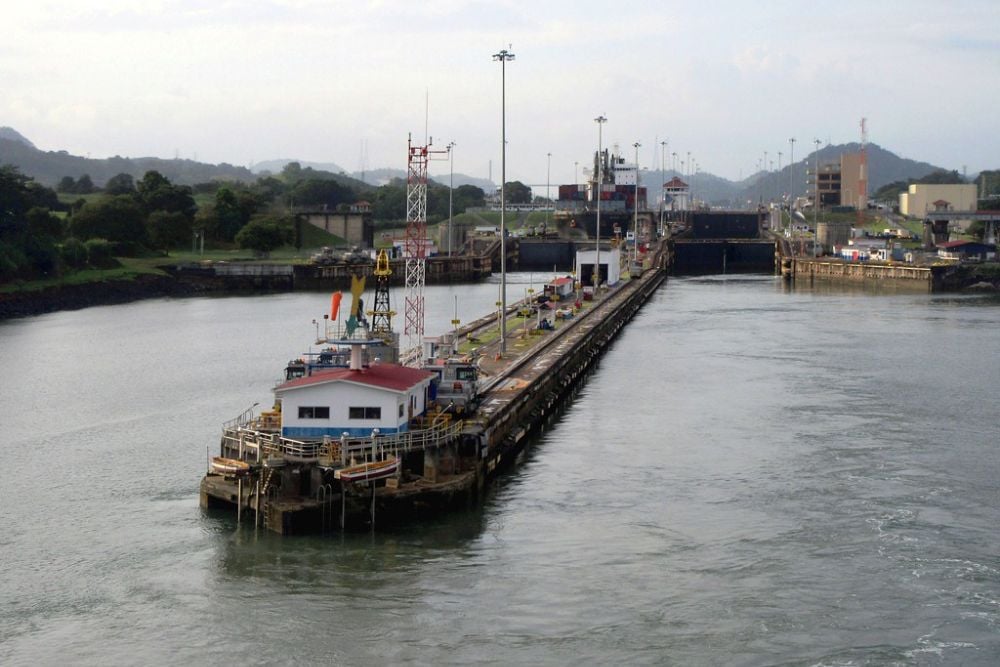
The SS Ancon, the first ship to officially transit the entire canal, wasn’t a massive battleship or luxury liner as many might imagine. It was actually a rather unremarkable cargo and passenger vessel that had been used during the canal’s construction.
The ship was specifically chosen because of its role in building the very waterway it would now christen. The Ancon completed its journey in about 9 hours, carrying dignitaries and canal workers who had helped make the dream a reality.
Opening During World War I
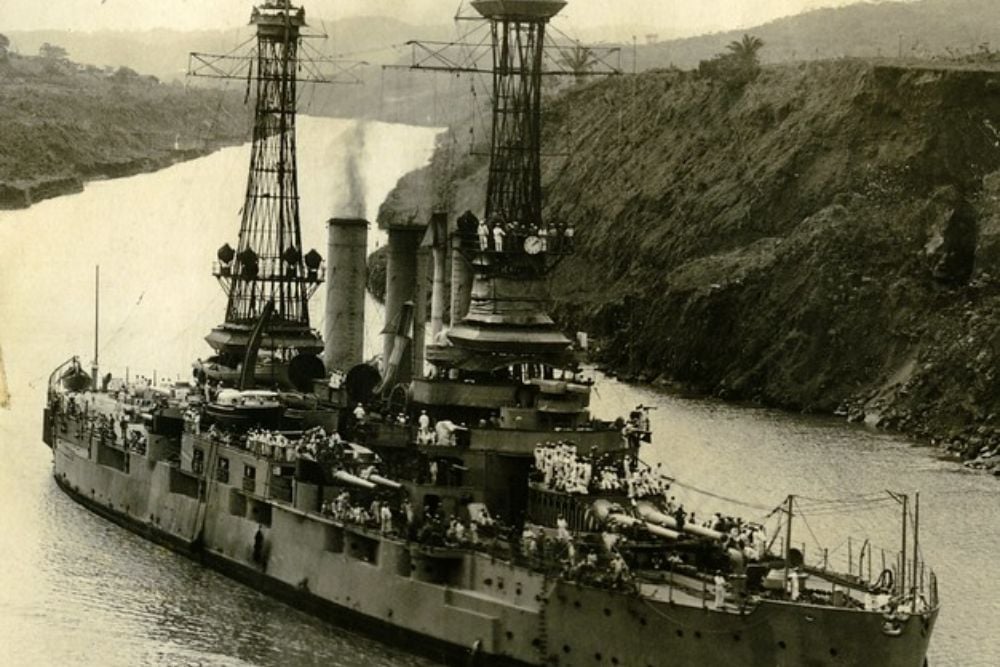
The canal opened just two weeks after World War I began in Europe, which dramatically overshadowed what would have otherwise been front-page news worldwide. The grand international celebration originally planned had to be scaled back significantly.
Most European dignitaries who had planned to attend couldn’t make the journey due to the outbreak of war. The timing meant this engineering marvel opened with a whisper rather than the bang its creators had envisioned.
No American President Attended

Despite the canal being perhaps America’s greatest overseas achievement to that point, President Woodrow Wilson did not attend the opening. He had intended to visit Panama for the grand ceremony, but the escalating situation in Europe kept him in Washington.
Instead, he participated remotely by pressing an electric button in the White House that triggered a cannon in Panama, signaling the official opening of the waterway thousands of miles away.
The First Toll Payment
The very first toll collected for passage through the Panama Canal was paid by the SS Ancon, a sum of $90.75, calculated by the vessel’s cargo capacity. This amount seems remarkably small compared to today’s tolls, which can exceed $1 million for the largest ships.
The payment was made in cash and carefully preserved as a historic artifact. The receipt for this transaction is still kept in the archives of the Panama Canal Authority.
A Missing Time Capsule
A time capsule containing newspapers, photographs, and personal messages from workers was supposedly buried during the opening ceremony. Mysteriously, either the exact location of this capsule was never properly recorded or the records were lost.
Despite several searches over the decades, including a major effort for the canal’s 100th anniversary, the time capsule has never been found. Some historians believe it may have been removed during later construction or expansion projects.
The Canal Was Already Operational

Though August 15, 1914, marks the official opening, parts of the canal had already been in use for months. Several smaller vessels had already made partial transits through completed sections during the testing phases.
The Alexandre La Valley, a French crane boat, had actually completed a full transit in January 1914, though this was done in stages as construction allowed, not as a continuous journey. The official opening date was more ceremonial than functional.
A Last-Minute Landslide

Just days before the grand opening, a small landslide occurred in the Culebra Cut, the narrowest and most problematic section of the canal. Engineers worked around the clock to clear the passage in time for the ceremony.
This final obstacle was emblematic of the canal’s entire construction history, which was plagued by massive landslides that frequently undid months of progress. The quick clearance of this final slide was seen as a good omen by the workers.
Native Panamanians Were Largely Excluded
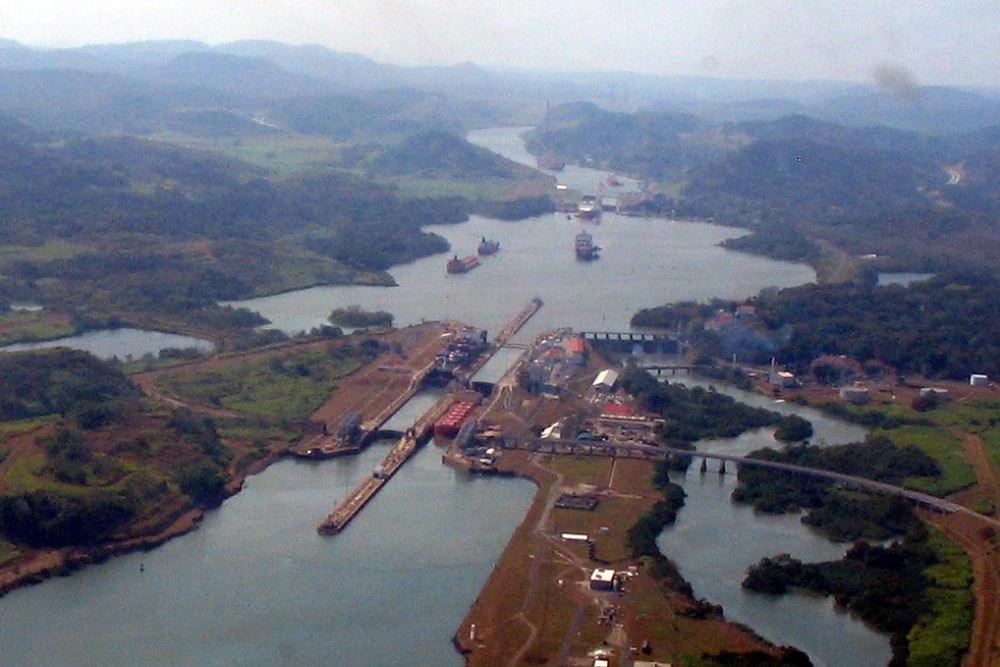
The grand opening ceremonies featured primarily American officials and workers, with limited representation from Panama’s government and almost no participation from native Panamanians. This reflected the colonial nature of the Canal Zone, which was effectively American territory.
Local indigenous populations, who had lost ancestral lands to the project, were not acknowledged in official ceremonies. This exclusion would become a source of tension in Panama-U.S. relations for decades.
Secret Security Measures

Fears of sabotage were so high that unprecedented security measures were in place for opening day. Armed guards lined the entire route, and undercover agents mingled with the crowd. Several suspicious individuals were detained and questioned before the ceremonies.
The security concerns weren’t unfounded, there had been several documented attempts to damage the locks during construction, though none had succeeded in causing significant harm.
The Lost Footage

A team of filmmakers was commissioned to document the historic first transit, but much of this footage was later lost in a studio fire. Only about 15 minutes of the original several hours of film survive today.
The remaining footage focuses mainly on the SS Ancon entering the first lock, with brief glimpses of the crowds and dignitaries. Film historians consider this lost footage one of the great tragedies of early documentary filmmaking.
The Panama Railroad Upstaged the Canal

In a delightful bit of irony, many guests and journalists actually traveled alongside the canal on the Panama Railroad faster than the SS Ancon moved through the waterway. The railroad, built in the 1850s, had been crucial during canal construction and allowed spectators to witness the ship at various points along its journey.
Some journalists even joked in their reports that the older technology had outpaced the newer innovation on its very first day.
A Newspaper Was Published Onboard

During the inaugural transit, journalists aboard the SS Ancon produced a special one-day newspaper called “The Canal Record: Special Ancon Edition.” Printed on a small press brought aboard for this purpose, copies were distributed to passengers as souvenirs.
Only a few dozen copies survive today, making them among the most valuable canal memorabilia. The paper included interviews with engineers, descriptions of the journey, and congratulatory messages from world leaders.
The Original Canal Was Smaller Than Today

The canal that opened in 1914 was significantly narrower than the expanded waterway we know today. The original locks were 110 feet wide, while modern expansions have added locks with 180 feet of width.
On opening day, the SS Ancon had less than 2 feet of clearance on each side as it passed through the locks. Many modern vessels would find it impossible to squeeze through the original locks that welcomed the world on that historic day.
A Worker Died on Opening Day
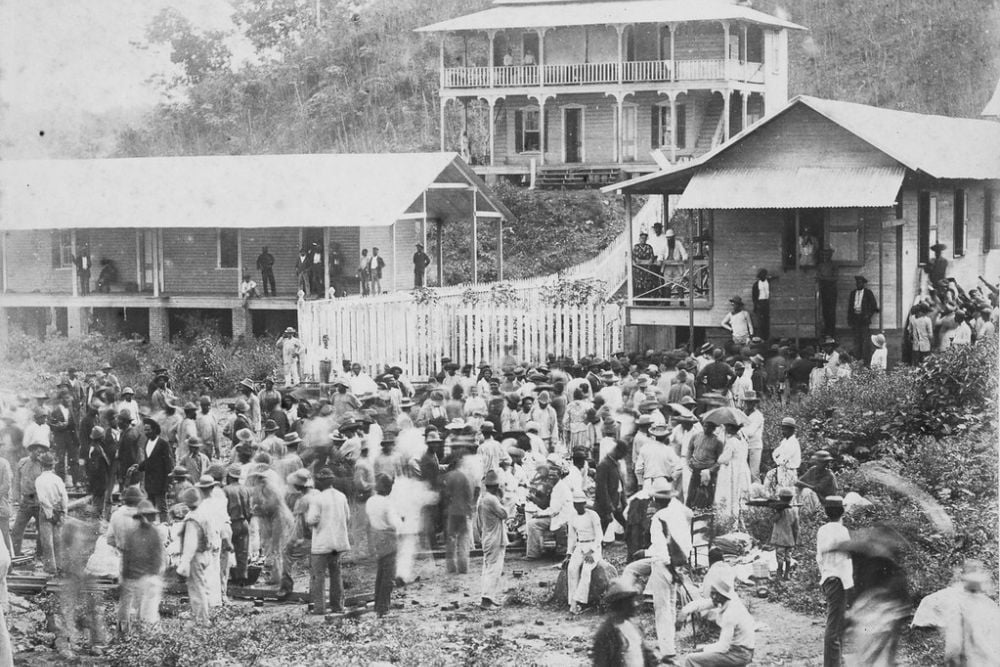
In a tragic footnote to the celebrations, a canal worker was killed in an accident during the opening day festivities. While adjusting some equipment near Gatun Locks, he fell into the machinery.
His name was omitted from official reports to avoid casting a shadow over the celebrations, but canal workers held a quiet memorial the following day. This final casualty added to the estimated 5,600 workers who died during the American construction period.
The ‘Eighth Wonder’ Label Was Immediate
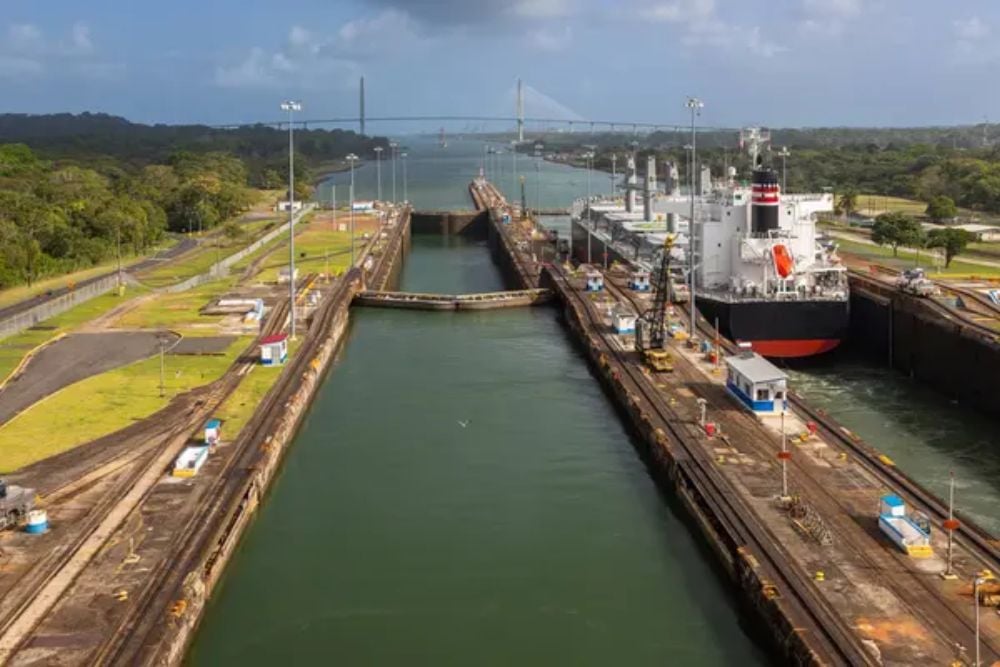
Newspapers around the world immediately dubbed the Panama Canal the ‘Eighth Wonder of the World’ on the day it opened. The New York Times devoted its entire front page to the achievement, with detailed diagrams explaining how the locks worked.
This label stuck, and for decades afterward, the canal was regularly included in unofficial lists of modern wonders. The immediate recognition of its significance stands in stark contrast to many historical achievements that only gained appreciation over time.
Legacy of Opening Day

The opening of the Panama Canal created more than just a new shipping route, it established America as a global engineering powerhouse and significantly altered world trade patterns that continue to this day. The waterway remains one of the most crucial maritime chokepoints on the planet, handling about 5% of all world trade annually.
While control of the canal was transferred from the United States to Panama in 1999, the legacy of that opening day in 1914 continues to shape international commerce, with over a million vessels having made the journey since the SS Ancon first showed it was possible.
More from Go2Tutors!

- The Romanov Crown Jewels and Their Tragic Fate
- 13 Historical Mysteries That Science Still Can’t Solve
- Famous Hoaxes That Fooled the World for Years
- 15 Child Stars with Tragic Adult Lives
- 16 Famous Jewelry Pieces in History
Like Go2Tutors’s content? Follow us on MSN.