15 Most Decorated Olympic Athletes of All Time
The pursuit of Olympic gold has driven athletes to extraordinary heights for over a century, but only a select few have managed to collect medals like precious stones. These legendary competitors didn’t just win once—they dominated their sports across multiple Games, rewriting the record books with each victory.
Here’s a list of the 15 most decorated Olympic athletes of all time, each one proving that greatness isn’t just about talent—it’s about showing up when the entire world is watching.
Michael Phelps
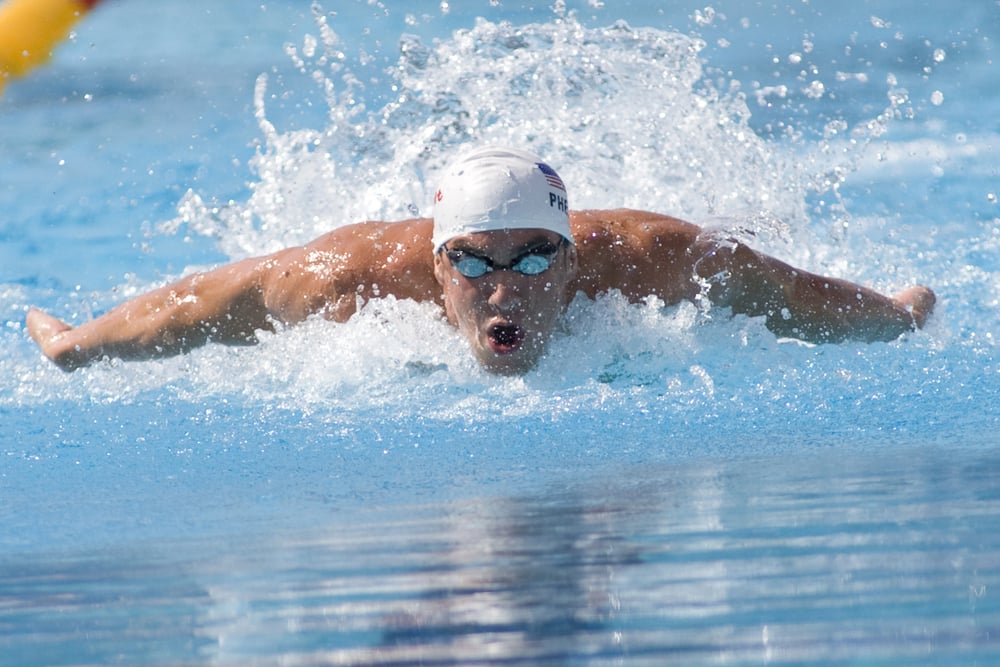
The Baltimore Bullet transformed swimming into a medal-collecting art form. Twenty-eight Olympic medals across four Games, including 23 golds that shine brighter than anything in Fort Knox.
His dominance peaked in Beijing 2008, where he claimed eight gold medals in a single Olympics. The pool always seemed to echo with his powerful strokes, and you could practically smell the chlorine and determination radiating from lane four whenever he dove in.
Larisa Latynina
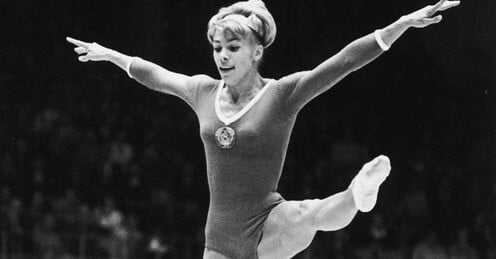
Soviet gymnastics found its queen in Latynina, who gracefully flipped her way to 18 total medals between 1956 and 1964. For decades, her record stood untouched—the pinnacle of Olympic achievement until a certain American swimmer eventually came along.
She collected nine golds with consistency that made her teammates both envious and inspired. Pure excellence on every apparatus. Her routines had the poise of a prima ballerina who just happened to defy gravity for a living.
Nikolai Andrianov

Another Soviet gymnast who mastered the art of medal accumulation, though his approach differed completely from Latynina’s graceful style.Andrianov’s 15 medals came through sheer versatility across men’s gymnastics events, proving that specialization wasn’t always the golden ticket.
His seven gold medals showcased technical precision that judges simply couldn’t ignore, even so, he competed when every victory carried the weight of Cold War politics on its shoulders.
Edoardo Mangiarotti

Italian fencing produced this master swordsman who collected 13 medals over five Olympic Games—a span that seems almost impossible in today’s sports world. Mangiarotti’s blade work was poetry in motion, each touch scoring both points and a piece of Olympic history.
And his longevity? Simply remarkable. The man competed from 1936 to 1960, spanning World War II and multiple generations of opponents who probably wondered if retirement was even in his vocabulary.
Takashi Ono
Japanese gymnastics reached new heights through Ono’s remarkable career. His 13 medals included five golds that helped establish Japan as a gymnastics powerhouse during the post-war era, when the entire country was rebuilding its sporting identity from scratch.
The precision required for his routines was mind-boggling—every movement calculated, every landing perfect. No room for error when national pride hung in the balance and millions were watching back home.
Boris Shakhlin

Soviet gymnastics claimed another legend in Shakhlin. Thirteen medals total.
His seven golds came through performances that redefined what was possible on the parallel bars and pommel horse, turning routines into artistic masterpieces that left audiences speechless. Still, consistency was his real superpower—medal after medal, year after year, like clockwork that never missed a beat.
Sawao Kato

Japan’s gymnastics tradition continued through Kato’s incredible medal haul of 12 total decorations. His eight gold medals represented the peak of technical gymnastics in the 1960s and 1970s, when routines were becoming increasingly complex and borderline death-defying.
Team competitions became his specialty, where individual brilliance merged seamlessly with collective success. The combination proved unstoppable, especially when Japanese precision met Olympic pressure and somehow made it all look effortless.
Jenny Thompson
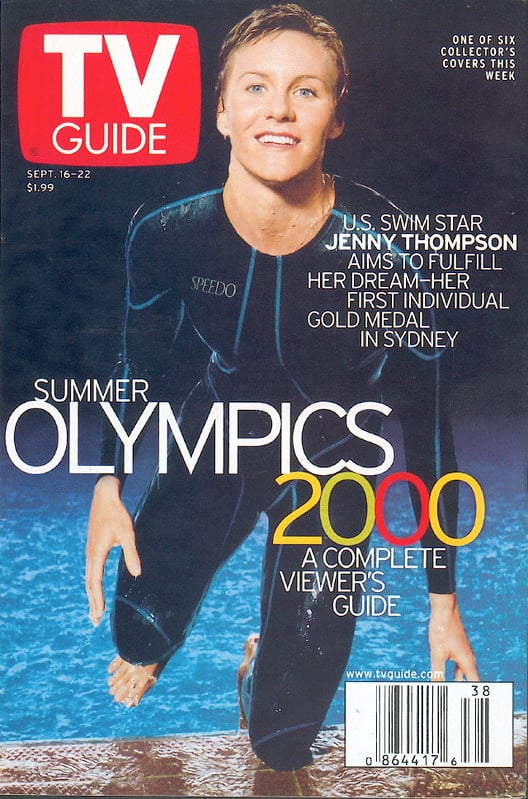
American swimming found its female powerhouse in Thompson, who gathered 12 medals across four Olympics. Her eight relay golds demonstrated that sometimes the fastest swimmers make the best teammates—a lesson many individual stars never quite master during their careers.
She competed in an era when shaving milliseconds meant everything. Every stroke mattered, every turn could determine gold or silver, and Thompson seemed to understand this calculus better than most of her competitors.
Dara Torres

Age became just a number for Torres, whose swimming career spanned five Olympics and 12 total medals. She proved that athletic excellence doesn’t always fade with time, defying every piece of conventional wisdom about peak performance windows.
At 41, she was still setting American records. Not bad for someone most considered past her prime. Talk about rewriting the entire rulebook on athletic longevity and showing younger swimmers that experience has its own kind of power.
Alexei Nemov

Russian gymnastics produced this all-around champion whose 12 medals showcased incredible versatility across every apparatus imaginable. Nemov could excel anywhere, making him a complete gymnast in every sense of the word—the kind of athlete coaches dream about but rarely get to work with.
His four golds anchored a medal collection that spanned multiple Olympics. Still, injuries cut his career shorter than many hoped, leaving fans wondering what astronomical heights he might have reached with just a bit more luck and fewer setbacks.
Natalie Coughlin

Swimming’s technical perfectionist, Coughlin’s 12 medals came through mastering multiple strokes with scientific precision that bordered on the obsessive.Her backstroke was particularly devastating to competitors who watched her glide past them like she was powered by some secret underwater engine.
But her training regimen was the stuff of legends—6 a.m. pool sessions, afternoon weight training, evening technique work, and weekend distance swimming that would break most mortals into tiny pieces.
Mark Spitz
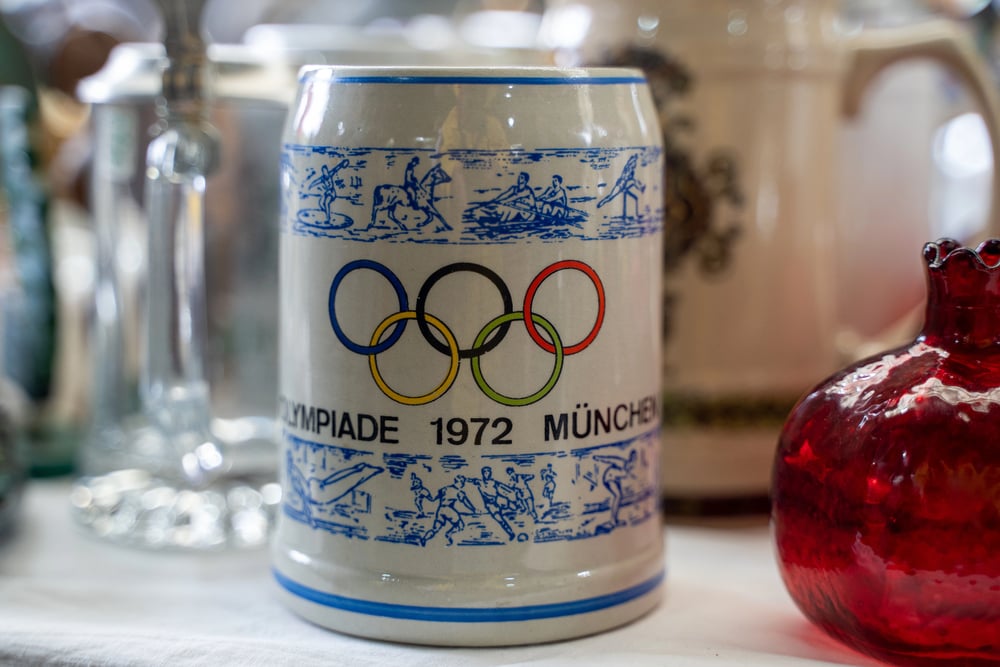
Before Phelps rewrote the record books, Spitz held the single-Olympics record with seven gold medals at Munich 1972. His distinctive mustache became as famous as his swimming—a true product of its era that somehow made him even more aerodynamic in the water.
Nine total medals represented swimming excellence in its purest form. Each victory built toward legendary status that lasted decades, until another American swimmer eventually came along to surpass his seemingly untouchable records and claim the throne.
Matt Biondi

Biondi, the power specialist in American swimming, won 11 medals with sprints that left rivals helplessly in his wake.Decades later, coaches still utilize his textbook-perfect freestyle technique in instructional videos.
A career spanning several eras of competitive swimming, when stroke techniques were changing quickly and every innovation mattered, was highlighted by eight golds. His specialty was speed, and he was an expert at it.
Věra Čáslavská
Because of Čáslavská’s artistic genius, Czechoslovakian gymnastics reached its pinnacle. When sports and politics collided in ways that seem unimaginable today, her 11 medals, including seven golds, symbolized grace under the most intense political pressure imaginable.
They represented much more than athletic achievement.Every routine she performed was laden with pride for the country.
But her performances never showed the weight. Even with the world watching and tensions between nations at an all-time high, there was pure artistry in motion.
Shannon Miller

Miller, the most decorated American gymnast in Olympic history with seven medals, became the cornerstone of American gymnastics. A career built on rock-solid consistency rather than ostentatious innovation or daring moves that might garner attention was highlighted by two golds.
She competed in the 1990s, when American gymnastics was at its peak. She was so dependable that coaches could literally set their watches by her routines, which likely explains why, in contrast to some of her more erratic and temperamental teammates, she rarely faltered when it counted most.
The Eternal Chase

Olympic legends aren’t born in a single moment—they’re forged through years of relentless dedication, countless hours of grueling training, and the rare ability to perform flawlessly when the entire world is watching and every movement matters. These 15 athletes didn’t just compete; they redefined what was possible in their respective sports, leaving legacies that continue inspiring new generations of medal hunters to push beyond what seems humanly possible.
More from Go2Tutors!

- The Romanov Crown Jewels and Their Tragic Fate
- 13 Historical Mysteries That Science Still Can’t Solve
- Famous Hoaxes That Fooled the World for Years
- 15 Child Stars with Tragic Adult Lives
- 16 Famous Jewelry Pieces in History
Like Go2Tutors’s content? Follow us on MSN.



