15 Song Lyrics That Became Cultural Movements
Music has always possessed the power to inspire change, unite communities, and challenge the status quo. Throughout history, certain song lyrics transcended entertainment to become rallying cries for social movements, political revolutions, and cultural shifts that reshaped society. These powerful words didn’t just reflect the times they were written in—they actively helped create new realities.
Here is a list of 15 song lyrics that became cultural movements.
‘We Shall Overcome’
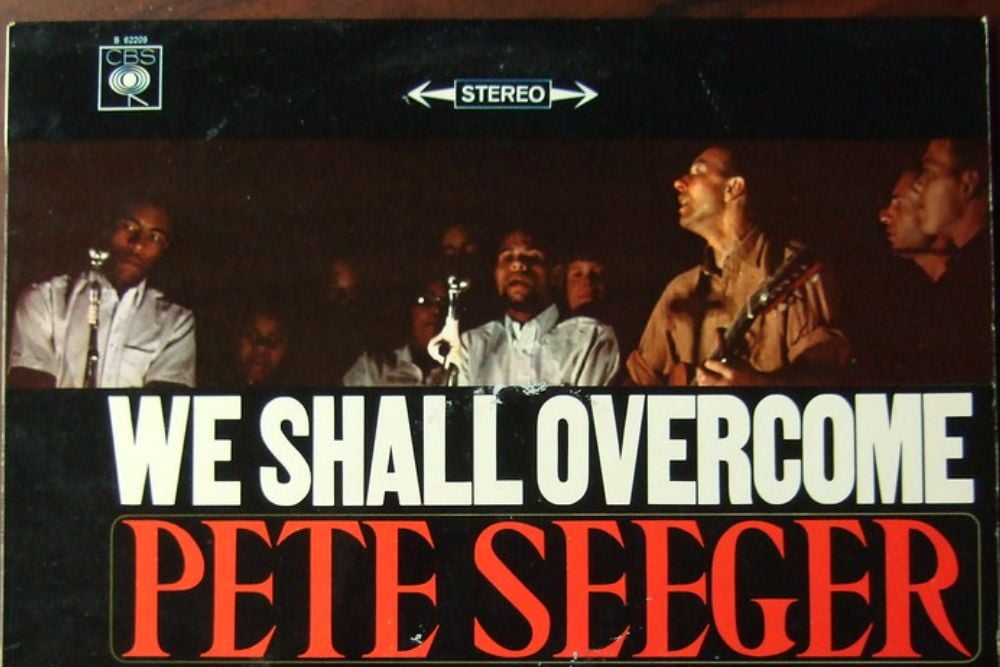
This simple phrase from the traditional spiritual became the unofficial anthem of the Civil Rights Movement in the 1960s. Pete Seeger and other folk musicians popularized the song at protests and marches, where thousands of demonstrators would link arms and sing together.
The lyrics embodied hope and determination in the face of systemic oppression, giving activists a unifying voice that echoed from Montgomery to Selma.
‘The Times They Are A-Changin’
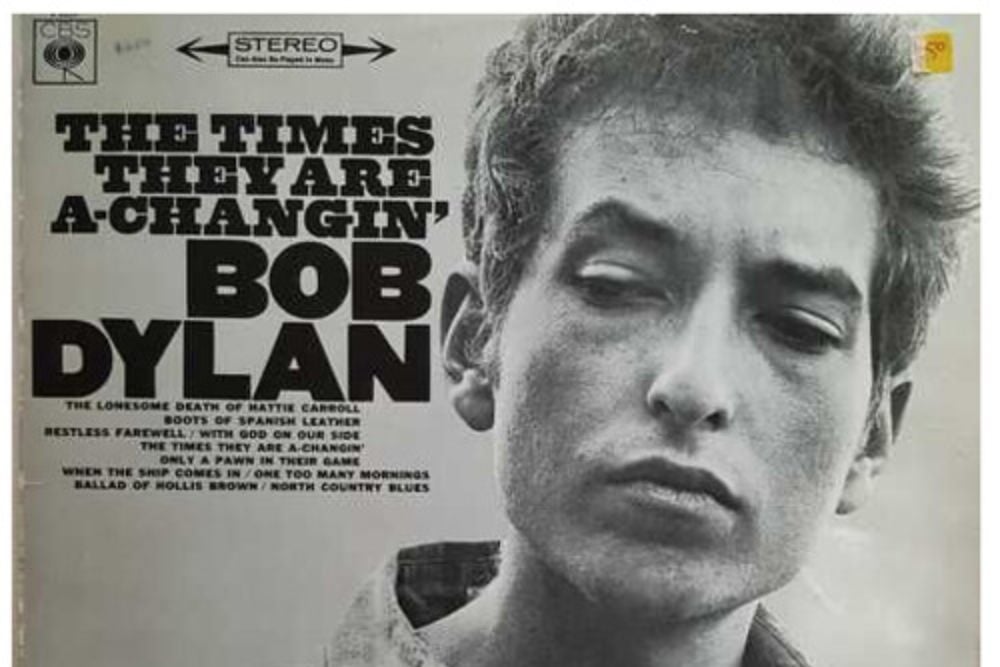
Bob Dylan’s prophetic words captured the generational divide of the 1960s and became a manifesto for social transformation. The song warned established institutions that change was inevitable, whether they embraced it or not.
Young people adopted these lyrics as their battle cry against outdated social norms, political structures, and cultural expectations.
‘Power to the People’
John Lennon’s direct call for political empowerment resonated with activist movements worldwide during the early 1970s. The phrase became synonymous with grassroots organizing and community activism across various causes.
From anti-war protests to workers’ rights demonstrations, these words appeared on banners, buttons, and bumper stickers as a symbol of collective strength.
‘Born in the U.S.A.’
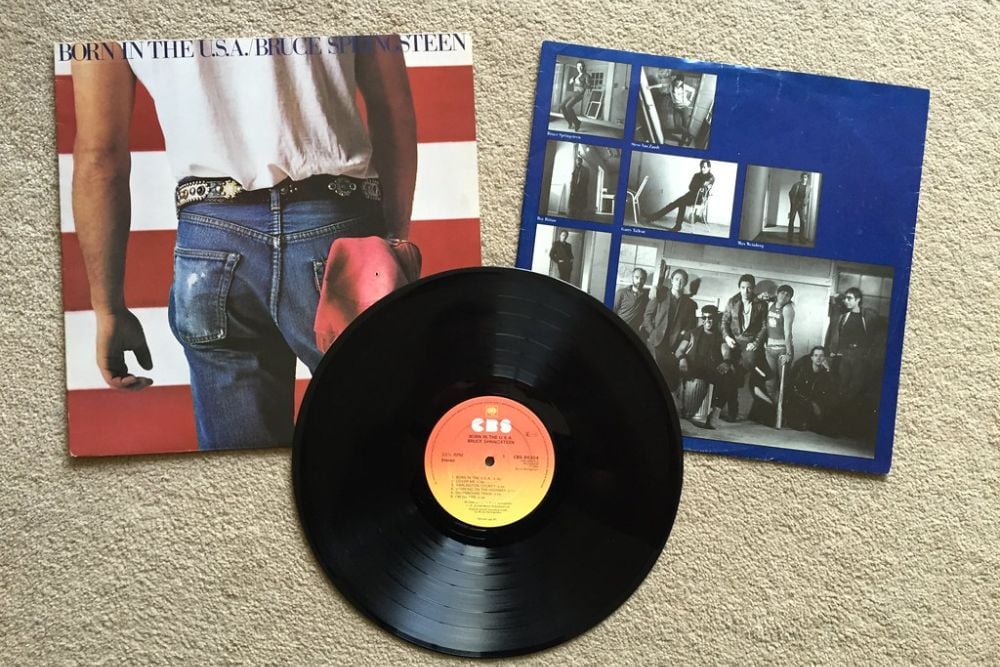
Despite its upbeat melody, Bruce Springsteen’s chorus became an ironic commentary on American foreign policy and veteran treatment. Many listeners initially missed the song’s critical message about Vietnam War veterans struggling with poverty and PTSD.
The lyrics sparked debates about patriotism, military intervention, and how society treats those who serve in combat.
‘Fight the Power’
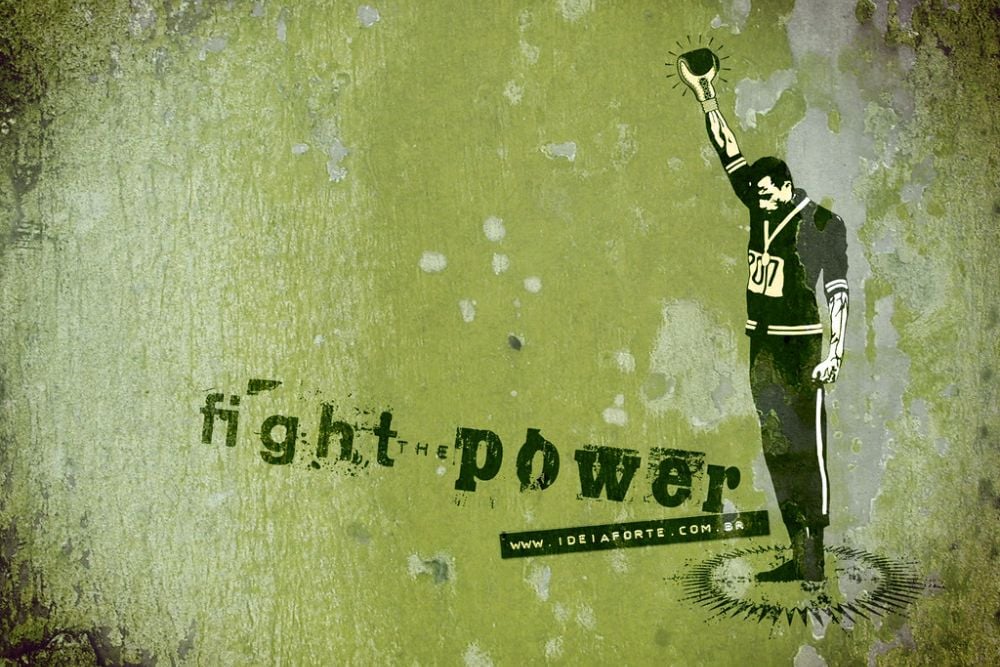
Public Enemy’s aggressive anthem became the soundtrack for resistance against institutional racism and police brutality. The song gained particular prominence during the late 1980s and early 1990s, appearing in Spike Lee’s film ‘Do the Right Thing.’
These lyrics continue to resonate with modern social justice movements seeking to challenge systemic inequality.
‘Imagine’
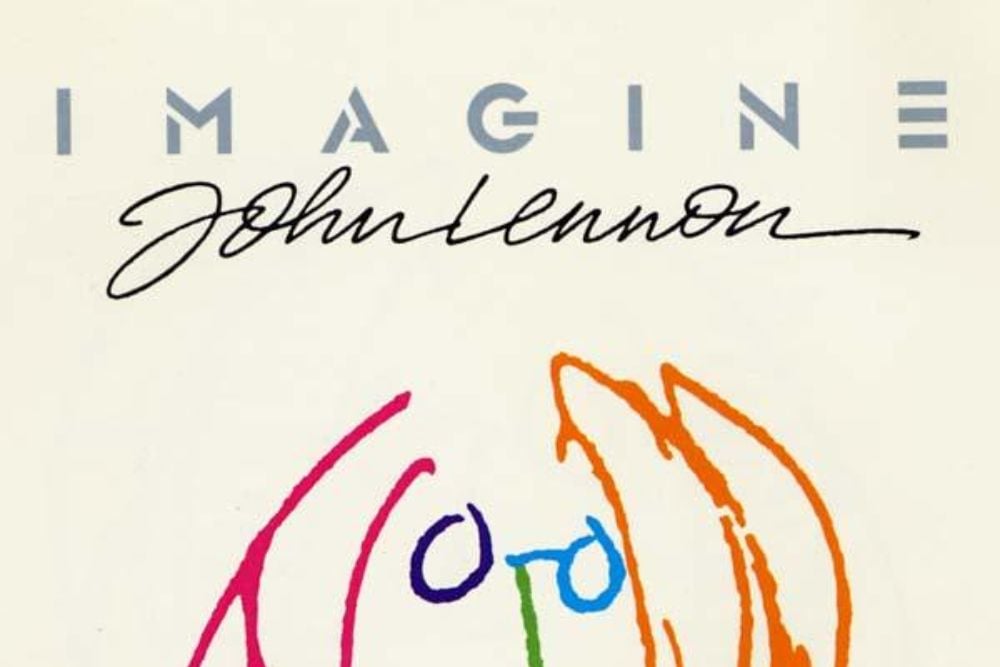
John Lennon’s vision of a world without borders, religion, or possessions became a touchstone for peace movements globally. The song’s utopian lyrics inspired countless demonstrations, vigils, and humanitarian efforts throughout the decades.
Musicians and activists still reference these words when advocating for unity, tolerance, and international cooperation.
‘Get Up, Stand Up’
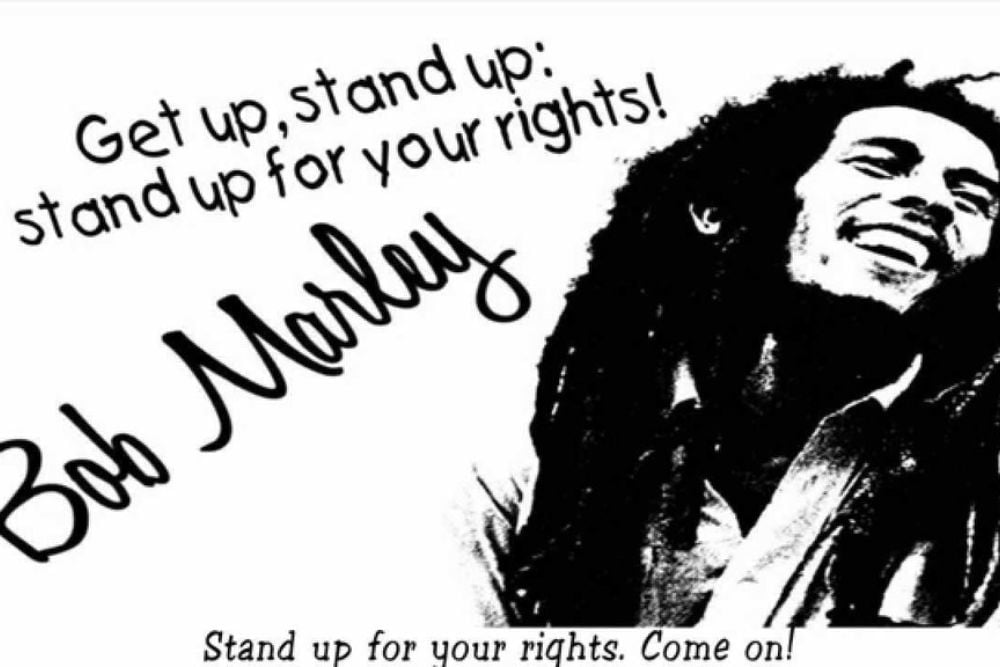
Bob Marley’s call to action became an international anthem for human rights and social justice causes. The song urged people to fight for their rights rather than accept oppression passively.
These lyrics spread far beyond Jamaica, inspiring liberation movements across Africa, Latin America, and other regions struggling against authoritarian rule.
‘What’s Going On’
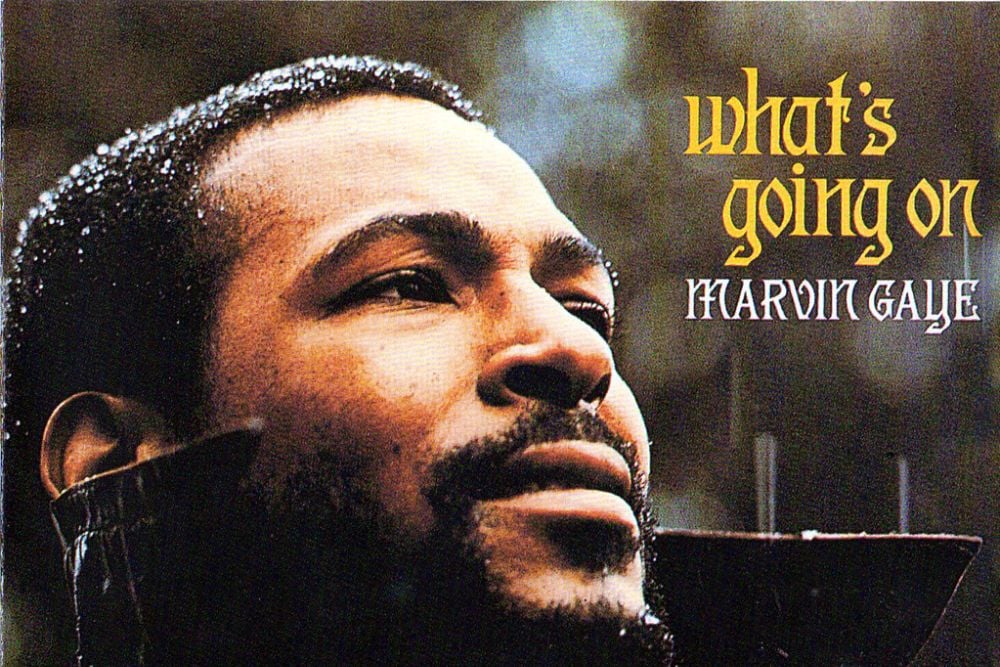
Marvin Gaye’s questioning of American society during the Vietnam War era gave voice to widespread confusion and frustration. The song addressed police brutality, environmental destruction, and social unrest with unprecedented directness for Motown music.
These lyrics helped legitimize popular music as a vehicle for serious social commentary and political discourse.
‘Blowin’ in the Wind’

Bob Dylan’s rhetorical questions about war, freedom, and human dignity became anthems for the folk revival and civil rights movements. The song’s gentle melody contrasted with its pointed social criticism, making complex political issues accessible to mainstream audiences.
These lyrics appeared at countless protests, teach-ins, and consciousness-raising events throughout the 1960s.
‘Revolution’
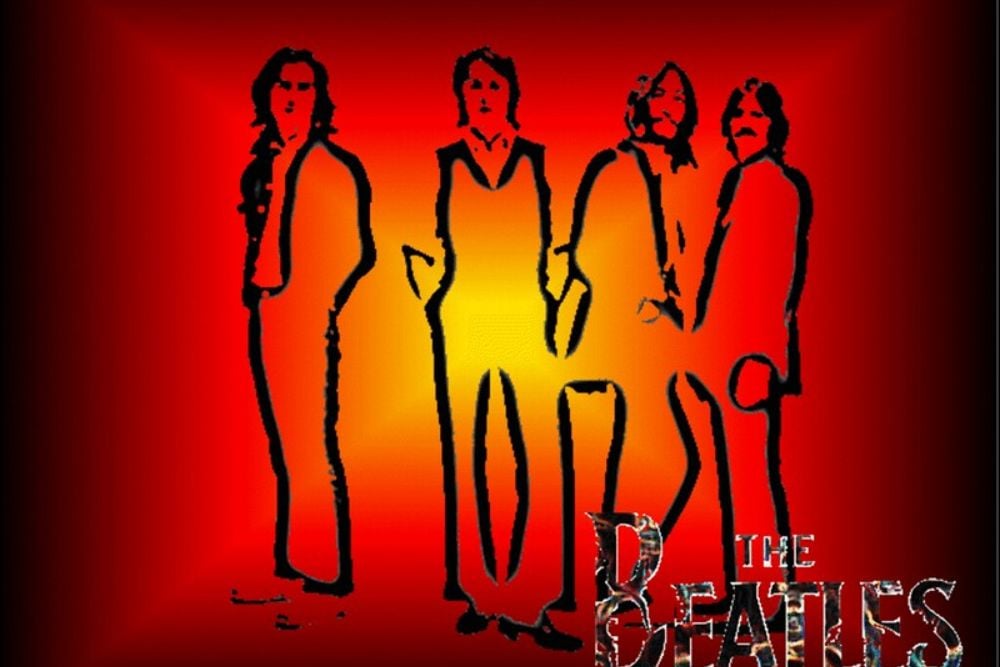
The Beatles’ examination of political upheaval reflected the tensions between peaceful change and violent revolution during 1968. The song sparked debates about the most effective methods for achieving social transformation.
These lyrics captured the uncertainty many young people felt about how to create meaningful change in turbulent times.
‘Free Nelson Mandela’
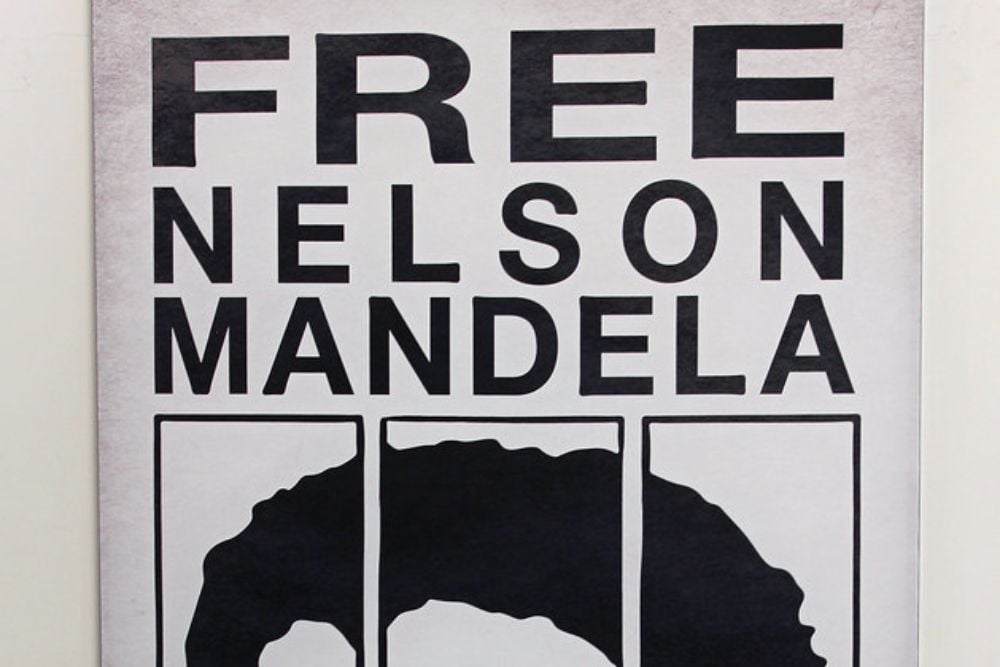
The Special AKA’s ska anthem brought international attention to South Africa’s apartheid system and Mandela’s imprisonment. The song helped popularize the anti-apartheid movement among young people in Britain and America.
These lyrics contributed to building the global pressure that eventually led to Mandela’s release and the dismantling of apartheid.
‘We Are the World’
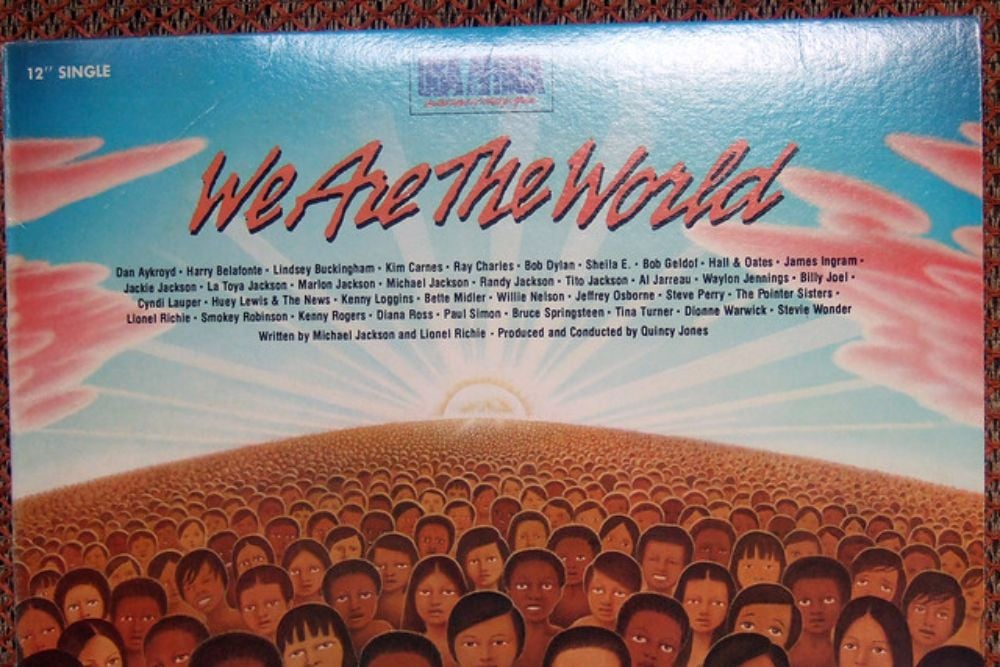
This collaborative effort by dozens of famous musicians raised awareness and funds for African famine relief in the mid-1980s. The song’s message of global unity and shared responsibility inspired similar charitable musical projects worldwide.
These lyrics helped establish the template for celebrity activism and humanitarian fundraising through popular music.
‘One Love’
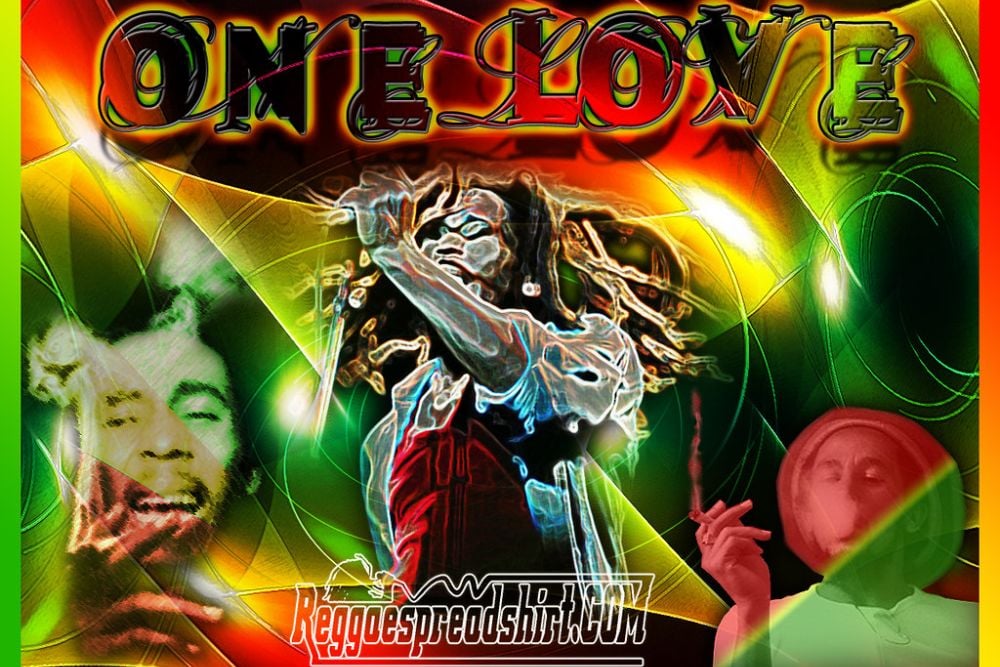
Bob Marley’s message of unity and peace became a universal anthem for overcoming racial and cultural divisions. The song’s Rastafarian philosophy of ‘one love, one heart’ spread far beyond Jamaica’s borders to influence global discussions about tolerance.
These lyrics continue to appear at peace rallies, unity festivals, and interfaith gatherings around the world.
‘Strange Fruit’
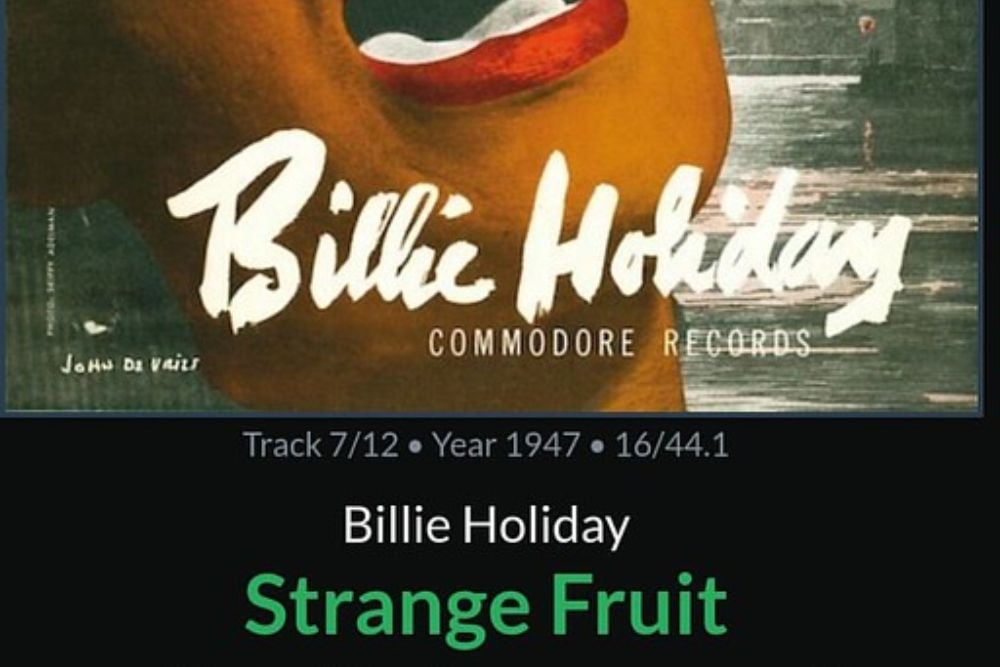
Billie Holiday’s haunting metaphor for lynching brought national attention to racial violence in the American South. The song’s graphic imagery shocked audiences and forced uncomfortable conversations about systemic racism.
These lyrics helped establish jazz and blues as vehicles for social protest, paving the way for future generations of activist musicians.
‘Respect’

Aretha Franklin’s demand for dignity transformed a simple word into a powerful statement about women’s rights and self-worth. The song became an anthem for both the civil rights movement and early feminism, with Franklin’s commanding delivery making the message impossible to ignore.
These lyrics helped shift conversations about how women are expected to be treated in relationships, workplaces, and society at large.
Words That Changed the World

These powerful lyrics demonstrate music’s unique ability to distill complex social issues into memorable, singable phrases that stick with people long after the song ends. Each of these songs emerged from specific historical moments yet managed to transcend their original contexts to inspire future generations of activists and dreamers.
The words continue echoing through modern movements, proving that the right combination of melody and message can indeed change hearts, minds, and ultimately, the world itself. When artists dare to speak truth through their music, they create more than entertainment—they forge the soundtracks of social progress.
More from Go2Tutors!

- The Romanov Crown Jewels and Their Tragic Fate
- 13 Historical Mysteries That Science Still Can’t Solve
- Famous Hoaxes That Fooled the World for Years
- 15 Child Stars with Tragic Adult Lives
- 16 Famous Jewelry Pieces in History
Like Go2Tutors’s content? Follow us on MSN.



