15 Sound Frequencies That Affect Human Behavior
Sound waves penetrate far deeper than our eardrums. They ripple through muscle, bone, and brain tissue—creating responses we’re only beginning to understand. The deep bass that rattles your ribs at a live show triggers completely different reactions than the piercing alarm that jolts you awake. Scientists have mapped these connections across decades of research, revealing how specific frequencies can shift our emotional state, sharpen focus, ease pain, or disrupt sleep entirely.
Human hearing spans roughly 20 Hz to 20,000 Hz, yet our bodies respond to vibrations well outside this conscious range. Here is a list of 15 sound frequencies that create measurable changes in human behavior and physiology.
7.83 Hz (Schumann Resonance)
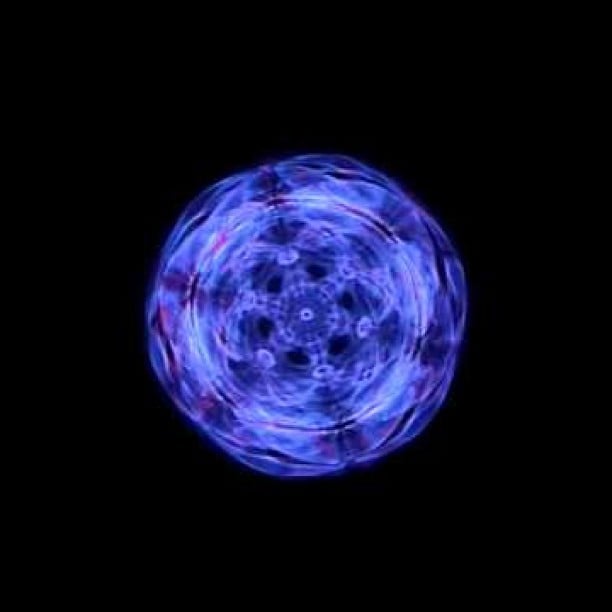
Earth pulses at 7.83 Hz—a natural electromagnetic rhythm that’s been constant since before humans existed. Exposure to this frequency often produces feelings of groundedness and calm, as though listeners are syncing with the planet’s own heartbeat.
Research indicates stress levels drop when people hear sustained tones at this frequency. Makes sense, really, since we evolved bathed in this vibration for millions of years.
10 Hz (Alpha Brain Waves)
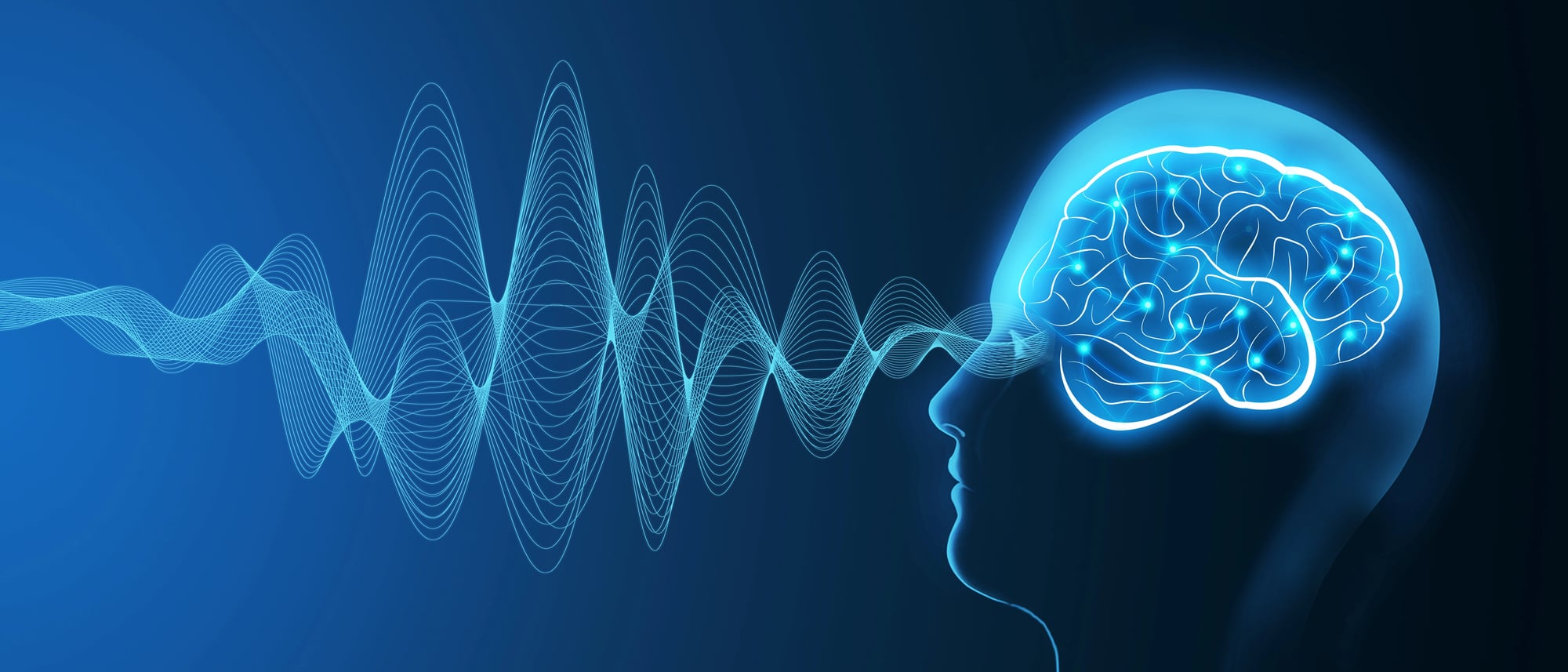
Ten hertz occupies the perfect middle ground between alertness and relaxation. This frequency encourages alpha wave production in the brain—the same patterns that emerge during meditation or deep concentration.
Therapists frequently employ 10 Hz tones to guide anxious clients away from racing thoughts. The shift from beta (stress) to alpha (calm) becomes almost automatic with consistent exposure.
Like Go2Tutors’s content? Follow us on MSN.
40 Hz (Gamma Waves)
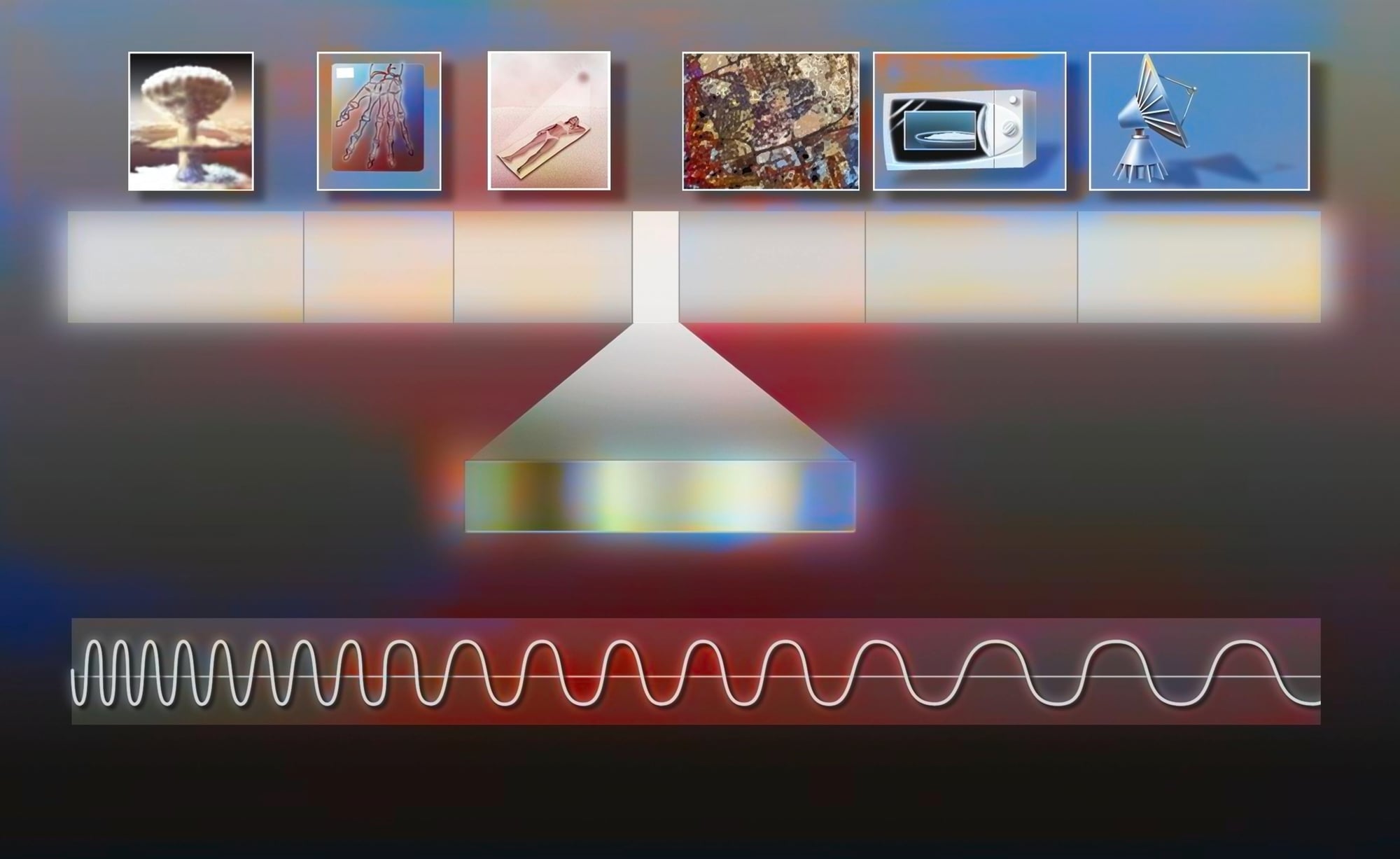
Gamma represents peak mental performance. Neural networks firing in perfect 40 Hz synchrony create what scientists call “binding”—those eureka moments when scattered information suddenly crystallizes into understanding.
Studies show people with naturally higher gamma activity demonstrate superior memory formation and cognitive flexibility, though artificially inducing these waves doesn’t always produce the same benefits.
110 Hz (Bone Resonance)
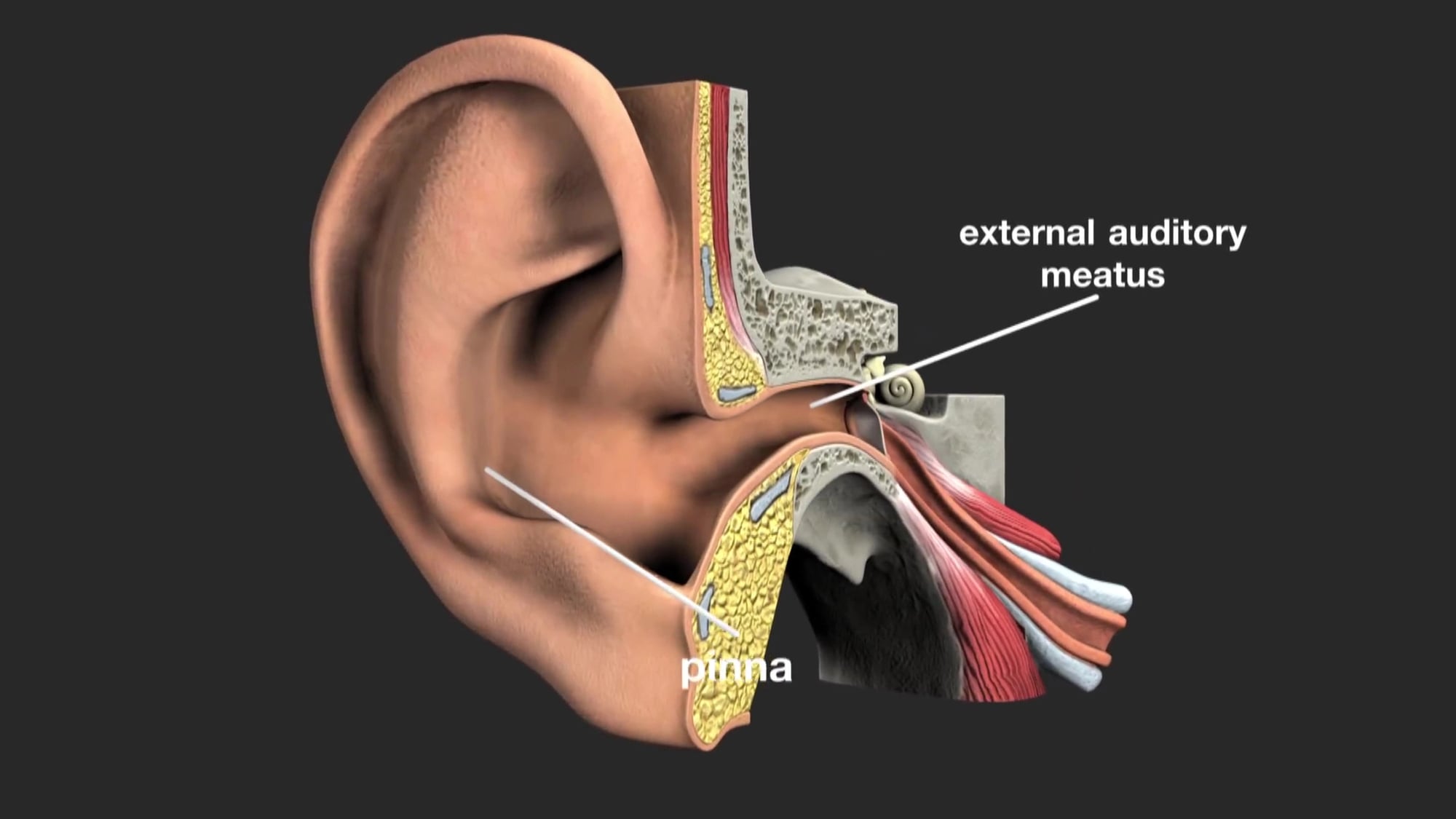
This frequency creates an unmistakable physical sensation because it resonates directly with human skeletal structure. Ancient architects seemed intuitively aware of this phenomenon—stone chambers at Newgrange and other sacred sites amplify sounds right around 110 Hz.
Sustained exposure often triggers altered consciousness states, with listeners reporting vibrations that seem to emanate from within their bones rather than from external speakers.
174 Hz (Pain Relief)
Music therapists have documented 174 Hz’s analgesic properties across multiple studies. The frequency appears to interrupt pain signals while simultaneously relaxing muscle tension throughout the body.
It won’t replace prescription medications, but many chronic pain sufferers find meaningful relief through regular exposure. The effect seems cumulative—longer sessions produce more pronounced results.
Like Go2Tutors’s content? Follow us on MSN.
285 Hz (Tissue Regeneration)
Sound healing practitioners claim 285 Hz accelerates cellular repair mechanisms, though peer-reviewed research remains limited. Some laboratory studies suggest certain frequencies can influence mitochondrial function and protein synthesis.
Wellness centers often incorporate this frequency into recovery protocols. While evidence stays preliminary, anecdotal reports from patients recovering from surgery or injury are consistently positive.
396 Hz (Fear Release)
Fear lives in the body as much as the mind, and 396 Hz seems uniquely capable of dissolving both psychological and physical manifestations of anxiety. This frequency creates an almost immediate sense of safety—fight-or-flight responses calm while breathing deepens naturally.
Trauma therapists report clients can access difficult memories more easily when 396 Hz tones play softly in the background. The sound appears to buffer emotional intensity without numbing it completely.
417 Hz (Change Facilitation)

Change resistance often stems from neural habit patterns that keep us locked in familiar responses. Four hundred seventeen hertz disrupts these automatic circuits, making adaptation feel less threatening and more manageable.
Career counselors and life coaches increasingly use this frequency during sessions focused on major transitions. Clients report feeling more optimistic about uncertain futures—as though possibilities expand rather than contract when facing the unknown.
Like Go2Tutors’s content? Follow us on MSN.
528 Hz (DNA Repair)
The so-called “miracle tone” has attracted both devoted followers and skeptical scientists. Laboratory research shows some frequencies can indeed influence genetic expression and cellular repair processes, though 528 Hz specifically needs more rigorous study.
Regardless of its molecular effects, this frequency produces a distinctly warm, harmonious sound quality. Listeners consistently describe feelings of deep peace and physical wellbeing that persist well beyond exposure periods.
639 Hz (Relationship Harmony)

Communication barriers seem to dissolve when 639 Hz plays during difficult conversations. Couples therapists report more honest dialogue and less defensive reactions when this frequency provides subtle background support.
The sound doesn’t magically resolve relationship conflicts, but it appears to create emotional space for vulnerability. Partners find themselves speaking more softly and listening more carefully—small shifts that can transform heated arguments into productive discussions.
741 Hz (Problem Solving)

This frequency clears mental fog like few others can. Students cramming for exams, professionals tackling complex projects, and artists pushing through creative blocks all report enhanced clarity when 741 Hz tones accompany their work.
The effect isn’t just subjective—EEG studies show increased activity in prefrontal cortex regions associated with executive function and analytical thinking.
Like Go2Tutors’s content? Follow us on MSN.
852 Hz (Intuition Enhancement)

Intuition gets buried under layers of rational analysis and social conditioning. Eight fifty-two hertz seems to strip away these mental filters, allowing deeper wisdom to surface more readily.
Decision-making becomes less labored and more fluid. People describe trusting their first instincts rather than second-guessing every choice.
963 Hz (Spiritual Connection)
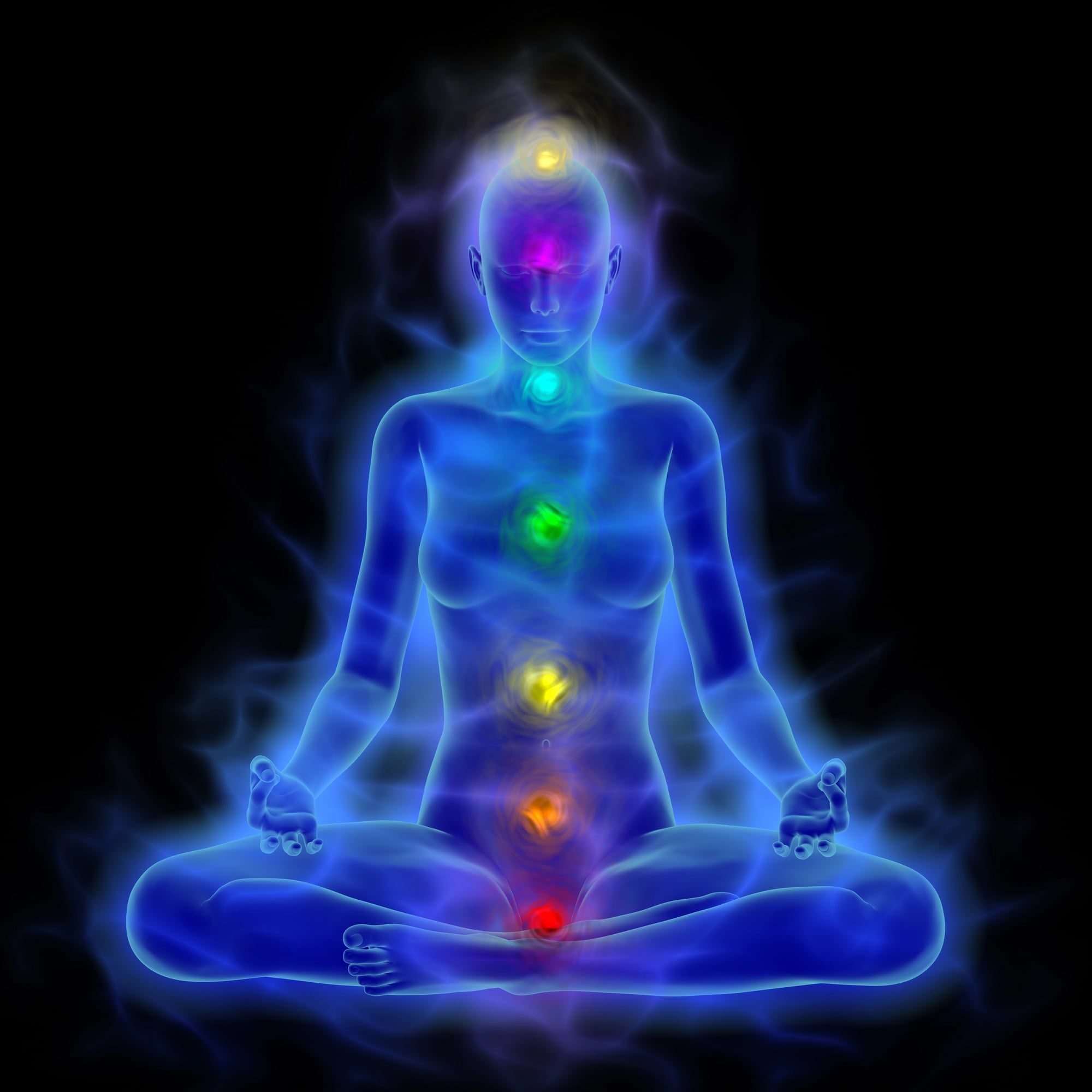
This high frequency consistently produces transcendent experiences across different cultural and religious backgrounds. The sound quality itself feels otherworldly—pure and crystalline in ways that ordinary music cannot achieve.
Meditation practitioners report deeper states and more profound insights when 963 Hz accompanies their practice. While such effects remain highly personal and subjective, brain imaging shows distinct changes in regions associated with self-awareness and consciousness.
19 Hz (Infrasound Anxiety)
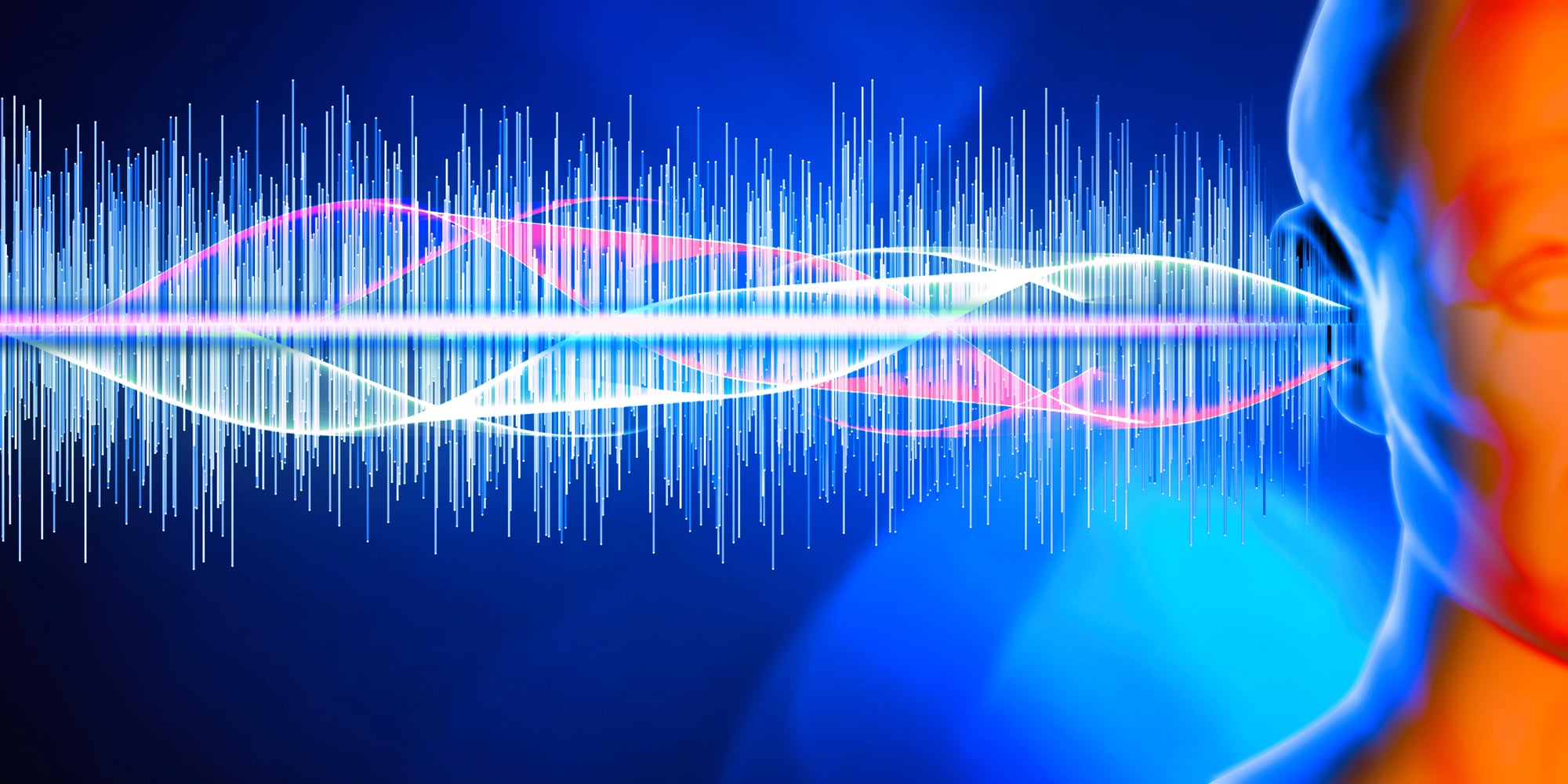
Not every frequency brings comfort. Nineteen hertz exists below conscious hearing thresholds yet triggers unmistakable unease throughout the body.
This infrasound frequency can cause visual disturbances, feelings of presence, and generalized anxiety that seems to come from nowhere.
Like Go2Tutors’s content? Follow us on MSN.
3000-4000 Hz (Attention Grabber)
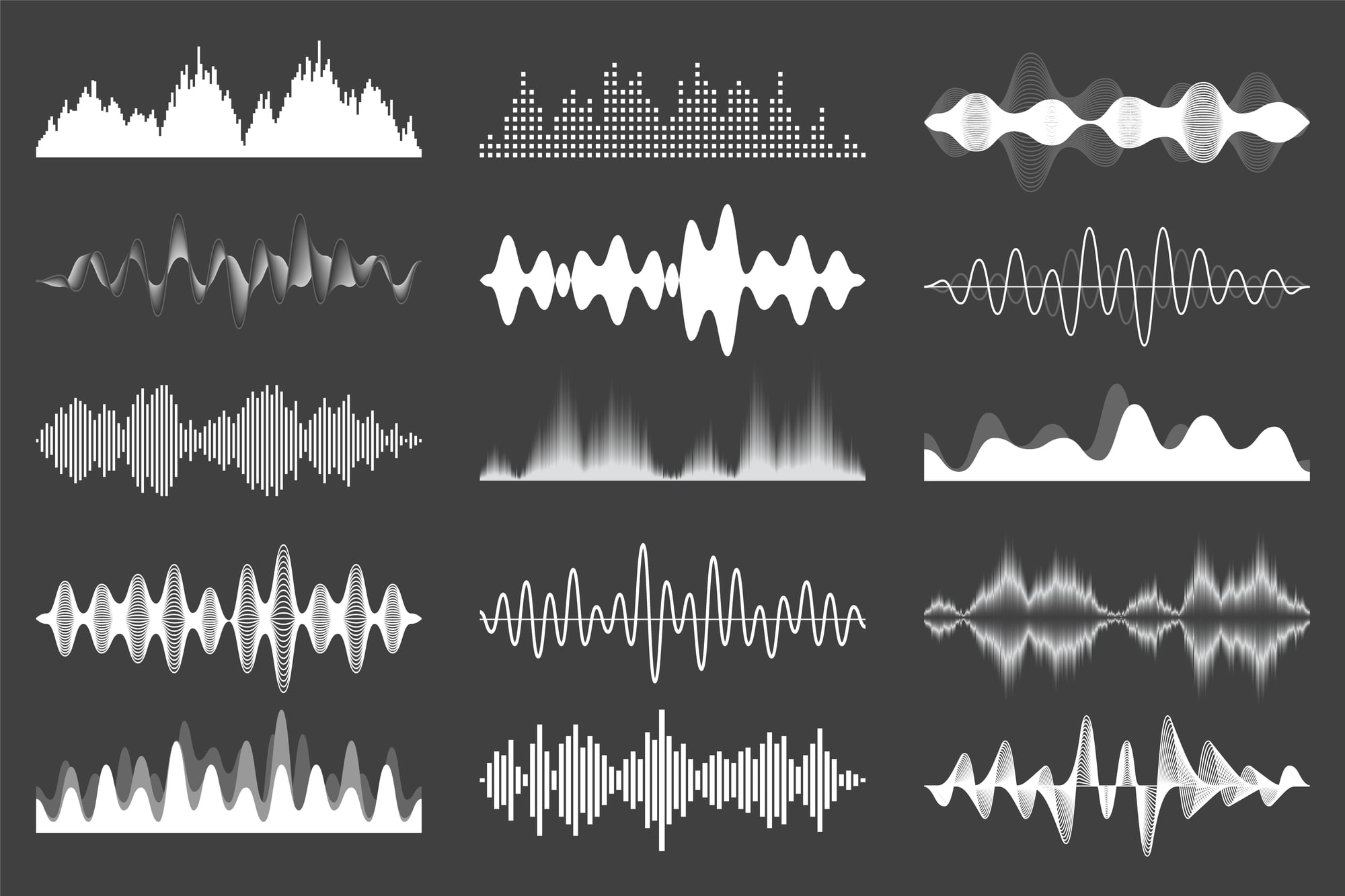
Evolution fine-tuned human hearing to detect threats within this frequency range. Crying infants, emergency sirens, and alarm clocks all exploit this biological programming.
The sounds cut through ambient noise and demand immediate attention whether we want to give it or not. Unfortunately, urban environments assault us with these frequencies constantly—car horns, construction equipment, electronic alerts—creating chronic stress responses that our nervous systems struggle to manage.
When Sound Becomes Medicine
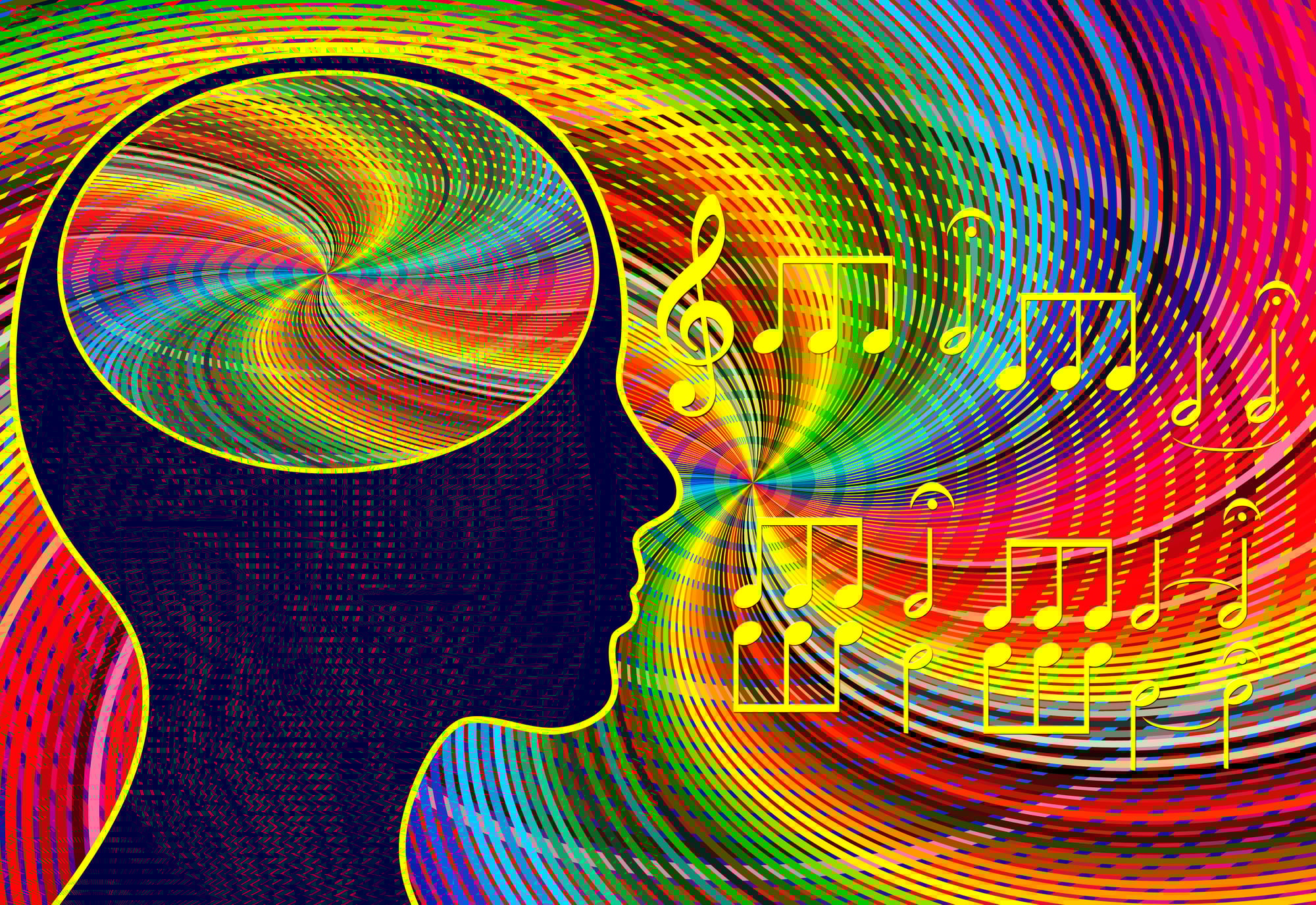
These discoveries point toward a future where acoustic environments become as carefully designed as lighting or temperature control. We’re already seeing sound therapy integrated into hospitals, meditation apps programmed with specific frequencies, and architects considering acoustic wellness alongside visual aesthetics.
The ancient understanding that sound can heal is merging with modern neuroscience to create new possibilities for human wellbeing. Perhaps our ancestors weren’t so primitive after all—they just knew intuitively what we’re now proving with brain scans and laboratory measurements.
More from Go2Tutors!

- 18 Unexpectedly Valuable Collectibles You Might Have Lying Around
- 20 Little-Known Historical Battles That Had Huge Consequences
- 20 Historical Artifacts That Scientists Can’t Explain
- 15 Inventions That Were Immediately Banned After Being Created
- 20 Actors Who Were Almost Cast in Iconic Roles
Like Go2Tutors’s content? Follow us on MSN.



