Luxury Watches with Surprising Backstories
Most people think of luxury watches as status symbols, elegant accessories that tell time while signaling wealth. But behind many of the world’s most celebrated timepieces lie stories that have nothing to do with boardrooms or black-tie events.
These watches were born from failed swims, wartime sabotage, polo matches gone wrong, and engineers throwing prototypes out of bathroom windows. The history of watchmaking is stranger than you might expect.
The Swimmer Who Didn’t Finish
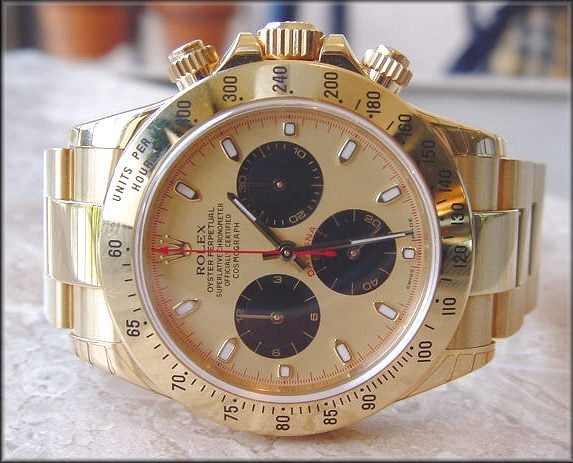
In October 1927, a British typist named Mercedes Gleitze set out to prove she had been the first Englishwoman to swim the English Channel. A rival had falsely claimed to beat her record, and Gleitze agreed to a “vindication swim” to settle the matter.
She failed, pulled from the freezing water after more than ten hours of exhaustion.
But the swim still made history. Rolex founder Hans Wilsdorf had given Gleitze a gold Oyster watch to wear around her neck, hoping to prove his new waterproof case could survive real-world conditions.
When she was lifted from the channel, the watch was still ticking perfectly. Wilsdorf took out a full-page ad in the Daily Mail declaring it “the wonder watch that defies the elements.”
That moment transformed Rolex from a small watchmaker into a global brand and created the modern concept of celebrity endorsement. Gleitze became Rolex’s first testimonies, decades before the term “brand ambassador” existed.
A Watch for Underwater Saboteurs
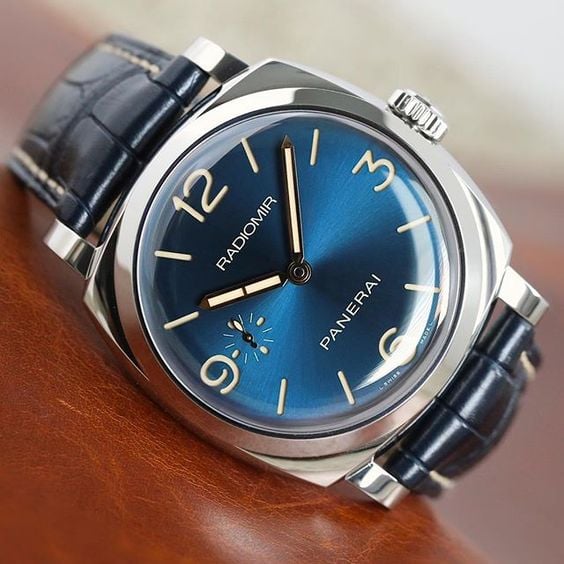
Panerai didn’t sell watches to the public until 1993. For nearly sixty years before that, its products were classified military secrets.
In 1935, the Italian Royal Navy approached Panerai, a Florentine company that made precision instruments, with an unusual request. They needed a watch for their frogmen commandos, elite divers who would ride underwater torpedoes toward enemy ships and attach explosive mines to their hulls.
The watch had to be waterproof, enormous for easy reading in murky water, and luminous enough to glow in total darkness.
Panerai couldn’t build the watch alone. They turned to Rolex for the waterproof case and movement, then coated the dial with radioactive radium for that distinctive glow.
The result was the Radiomir, a 47mm monster that accompanied Italian frogmen on some of World War II’s most daring operations, including the 1941 raid on Alexandria harbor that crippled two British battleships. After the war, the watches remained classified.
It wasn’t until Sylvester Stallone discovered a Panerai while filming in Italy in 1996 that the brand gained any civilian attention at all.
The Watch That Went to the Moon

When NASA began shopping for a watch to send into space in the early 1960s, they weren’t looking for anything special. They just needed something reliable enough to serve as a backup timer for astronauts.
Engineers bought watches from several manufacturers, including Rolex, Longines-Wittnauer, and Omega, then subjected them to punishing tests involving extreme temperatures, vacuum conditions, humidity, and violent shocks.
Only the Omega Speedmaster survived all eleven tests. NASA didn’t ask Omega to modify anything.
The watch that went to the moon was essentially the same one you could buy off the shelf at any jeweler.
The Speedmaster earned its place in history on July 20, 1969, when Buzz Aldrin wore it on the lunar surface. But its most critical moment came during the Apollo 13 disaster.
When an oxygen tank exploded and the spacecraft lost power, astronaut Jack Swigert used his Speedmaster to time a crucial 14-second engine burn that helped bring the crew home safely. Omega later received NASA’s Snoopy Award for the watch’s role in saving three lives.
Designed Overnight Before a Trade Show
In 1971, the Swiss watch industry was in crisis. Cheap quartz watches from Japan were destroying the traditional mechanical watchmakers.
Audemars Piguet desperately needed something new.
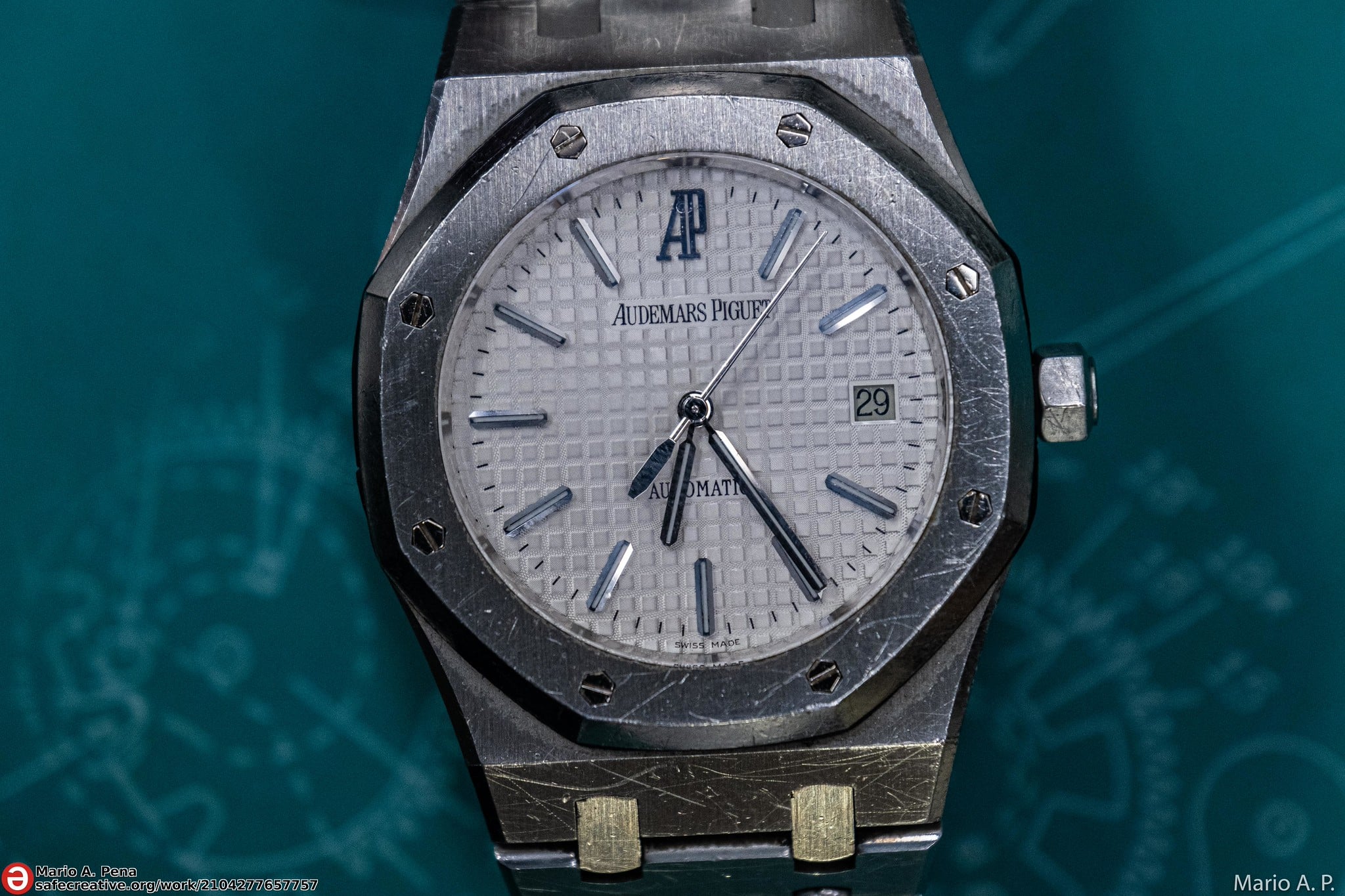
The story goes that managing director Georges Golay called designer Gérald Genta at four in the afternoon, the day before a major watch trade show. Golay wanted a steel sports watch unlike anything on the market.
He needed the design by the next morning.
Genta sketched the watch overnight, taking inspiration from old diving helmets with their distinctive exposed screws. The result was the Royal Oak, an octagonal steel watch that cost as much as gold dress watches of the era.
Critics thought it was insane. Nobody made luxury watches out of steel.
But the Royal Oak created an entirely new category of timepiece and saved Audemars Piguet from potential oblivion. Genta would later design the Patek Philippe Nautilus using a similar approach, reportedly sketching it in five minutes on a restaurant napkin.
Born to Protect Polo Players
British army officers stationed in India in the early 1930s had a problem. Their watch crystals kept shattering during polo matches, victims of stray mallet swings and wayward shots.
A Swiss businessman named César de Trey witnessed this destruction and returned to Europe with an idea.
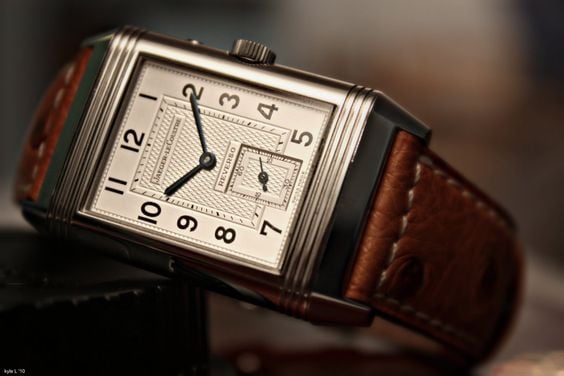
What if a watch could flip over, protecting its face against impacts?
De Trey partnered with watchmaker Jacques-David LeCoultre and designer René-Alfred Chauvot to create exactly that. In 1931, they filed a patent for a watch “capable of sliding in its support and being completely turned over.”
The Reverso was born, named from the Latin word meaning “I turn.”
The blank metal back, originally just functional protection, quickly became a canvas for personalization. Owners began engraving it with initials, family crests, and portraits.
Decades later, Jaeger-LeCoultre would put a second dial there, allowing wearers to display two time zones. What started as a solution for polo players became one of the most distinctive designs in watchmaking history.
The Queen’s Watch She Never Saw
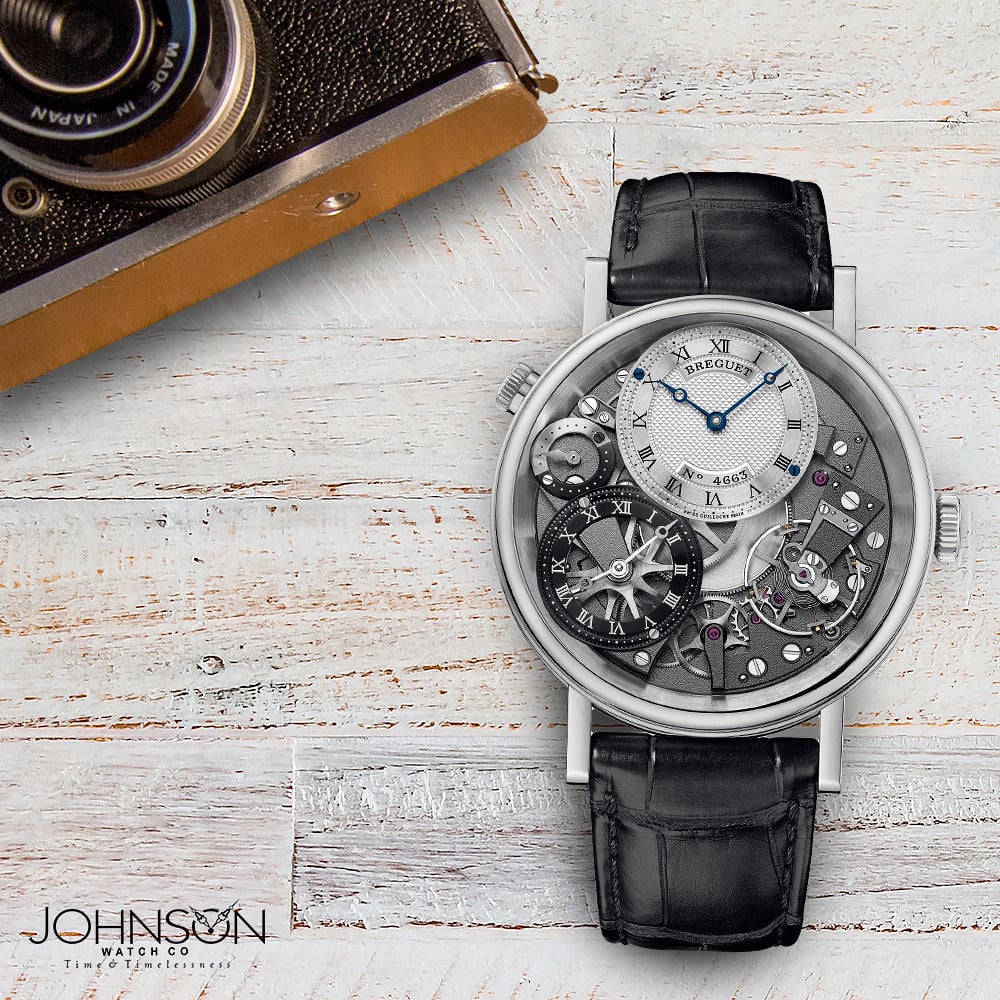
In 1783, an anonymous admirer commissioned legendary watchmaker Abraham-Louis Breguet to create the most spectacular watch possible for Queen Marie Antoinette. There were no limits on time or expense.
Gold was to replace brass wherever possible. Every known complication had to be incorporated.
Breguet accepted the commission and got to work. Then the French Revolution intervened.
Breguet fled to Switzerland in 1789 to escape the guillotine. Marie Antoinette lost her head in 1793.
Work on the watch didn’t resume until Breguet returned to France in 1795.
The watch was finally completed in 1827, forty-four years after it was ordered, thirty-four years after the Queen’s execution, and four years after Breguet himself had died. His son finished the project.
The timepiece contained 823 parts, 23 complications, a perpetual calendar, and even a metallic thermometer. Today it’s valued at over $30 million.
The story doesn’t end there. In 1983, the watch was stolen from a Jerusalem museum along with 105 other timepieces.
It remained missing for twenty-three years until police discovered that a notorious Israeli thief named Naaman Diller had committed the heist. After his death, his widow attempted to sell the stolen treasures and was caught.
The original watch was recovered in 2007 and now sits in the same museum, behind bulletproof glass.
200 Prototypes Out the Window
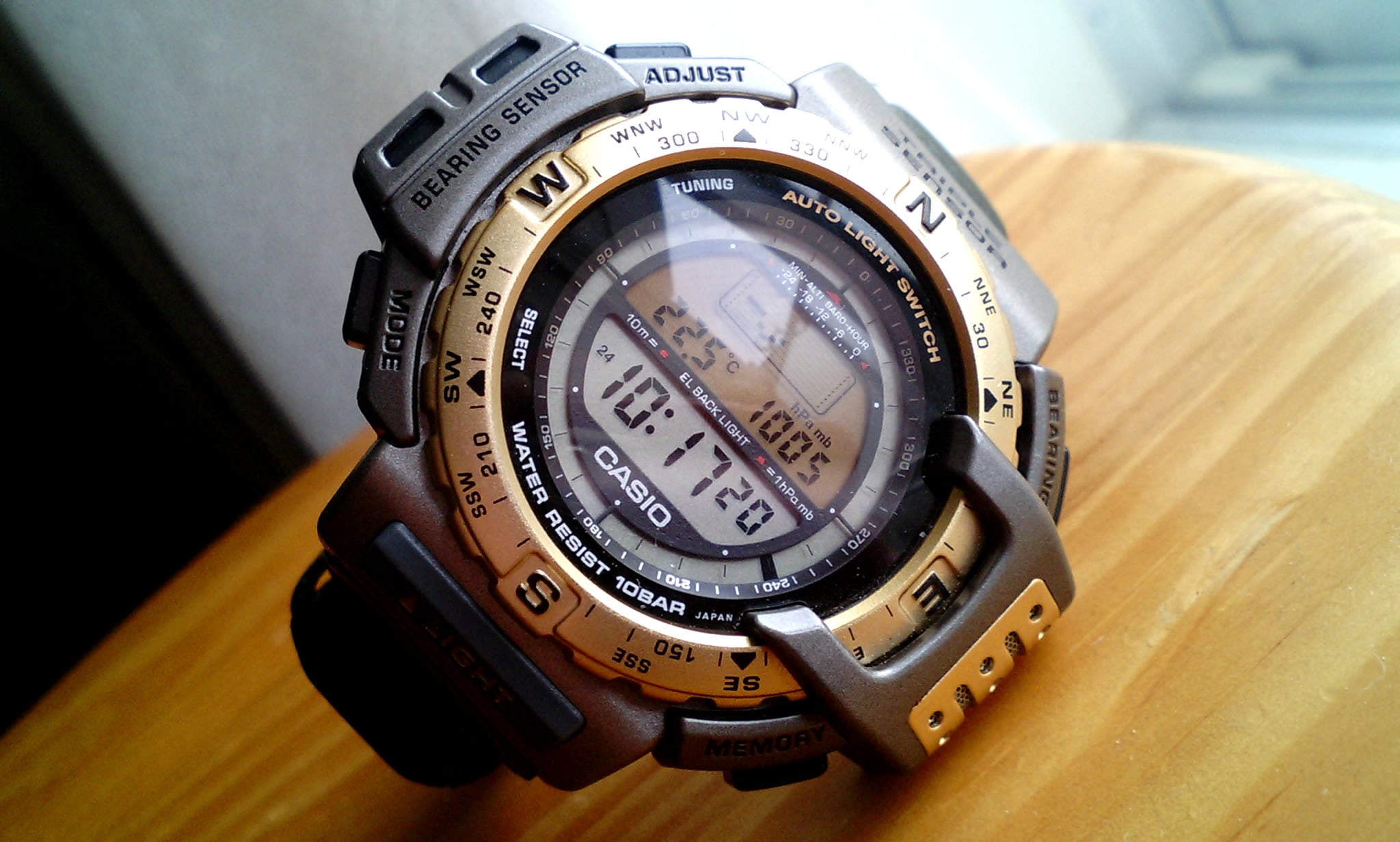
Kikuo Ibe joined Casio as a young engineer in 1979. Two years later, he submitted a proposal containing a single line: “A durable watch that would not break even if dropped.”
His father had given him a watch when he entered high school. He accidentally dropped it, watched it shatter on the floor, and decided to create something that could survive anything.
The idea seemed impossible. Watches were delicate instruments.
Dropping them meant breaking them.
Ibe’s testing method was unconventional. He threw prototypes out of a third-floor bathroom window at Casio’s research center, watching them crash onto the pavement ten meters below.
Then he would analyze what broke, reinforce those components, and throw another prototype out the window. He destroyed more than two hundred watches this way.
The breakthrough came when Ibe nearly quit in frustration. Taking a break in a park, he watched children play with a rubber sphere that bounced undamaged from impact.
He realized that suspending the watch’s internal module in a similar hollow structure could absorb shocks. In 1983, Casio launched the G-Shock.
Japanese consumers initially ignored it because thin, elegant watches were fashionable. An American television commercial showing a hockey player firing the watch into a goalie’s glove changed everything.
The Dive Watch Born from a Near-Death Experience
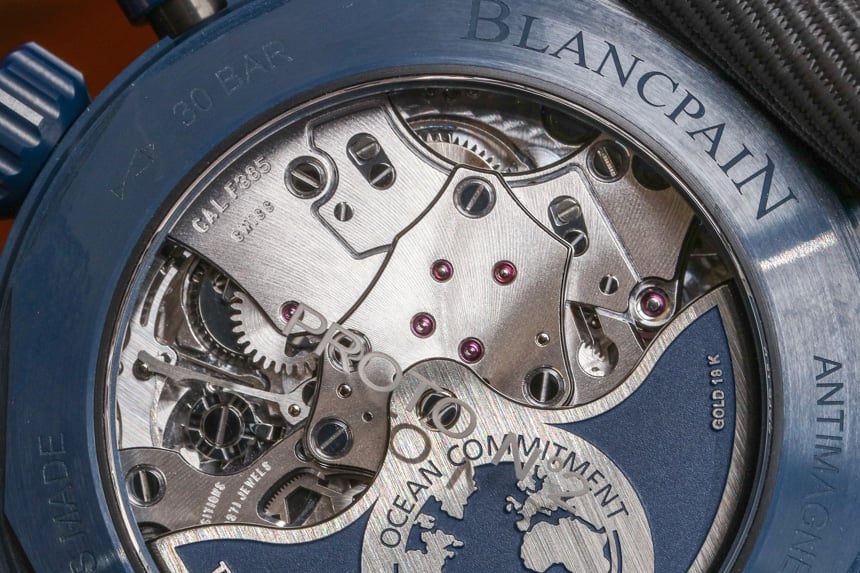
Jean-Jacques Fiechter, CEO of Blancpain in the early 1950s, was an avid scuba diver. During one dive off the coast of France, he misjudged his time underwater, ran dangerously low on air, and barely made it back to the surface.
The experience convinced him that divers needed a dedicated watch to track their time below.
Around the same time, French Navy officers Robert Maloubier and Claude Riffaud were building an elite combat diving unit. They needed equipment for underwater sabotage missions but couldn’t find a watch that met their specifications.
When the two parties connected through a former naval officer working at Jacques Cousteau’s diving equipment company, the Fifty Fathoms was born.
The watch debuted in 1953 with a rotating bezel to track dive time, automatic winding to reduce crown wear, and a case built to withstand extreme depths. French government regulations required all military equipment to come from French companies, so Blancpain partnered with Cousteau’s Spirotechnique to distribute the watches.
Cousteau himself wore one while filming his Oscar and Palme d’Or-winning documentary “The Silent World” in 1956. American Navy SEALs would later adopt a version of the watch, though they had to rebrand it “Tornek-Rayville” to satisfy “Buy American” procurement rules.
A Tank That Tells Time
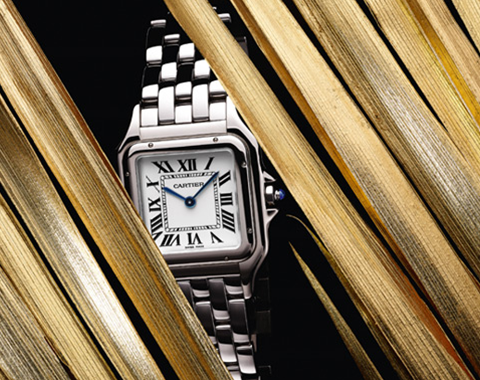
Louis Cartier spent time on the Western Front during World War I, serving as a military driver. What he witnessed there changed watchmaking forever.
The Renault tanks rolling across the battlefield made an impression that lingered long after the war ended. Their power, their modernity, their mechanical precision all spoke to something new in the world.
When Cartier returned to Paris, he designed a watch inspired by those war machines. The elongated sides of the case mimicked tank treads.
The clean geometric lines reflected the armored vehicles’ angular silhouettes.
In 1917, Cartier presented the prototype to General John J. Pershing, commander of American forces in Europe. The Tank watch went into production in 1919 and quickly became a symbol of postwar modernity.
Its Art Deco styling anticipated the aesthetic movement that would dominate the following decade. Rudolph Valentino demanded to wear his Tank on screen in 1921, despite it being anachronistic for his period film.
Jackie Kennedy wore one in the White House. Princess Diana was rarely photographed without hers.
What began as a tribute to machinery designed to kill became one of the most elegant watches ever made.
The Explorer’s Disputed Wristwatch

When Edmund Hillary and Tenzing Norgay reached the summit of Mount Everest on May 29, 1953, they made history. But what watch made the climb with them remains surprisingly controversial.
Rolex had been supplying watches to Himalayan expeditions since the 1930s and equipped the 1953 British expedition with Oyster Perpetual models. Tenzing Norgay definitely wore his Rolex to the summit, a gold Datejust that the company had given him after a Swiss expedition the previous year.
But Hillary’s situation is murkier.
A now-defunct British company called Smiths also provided watches to the expedition. In advertisements from 1954, Hillary stated that he “carried” a Smiths watch to the summit, though whether he wore it or kept it in his pocket remains debated.
Rolex sent Hillary a watch specifically for testing, which he was supposed to return after the expedition for analysis. That watch now sits in a museum in Zürich, with Rolex claiming it reached the peak.
The controversy doesn’t diminish either company’s achievement. What matters is that mechanical watches survived conditions extreme enough to kill humans, proving their reliability in one of history’s greatest expeditions.
Timepieces That Outlive Their Legends

Every watch tells time. But the ones that endure do something more.
They carry stories of swimmers who failed but proved something, engineers who refused to accept that watches must break, designers who sketched masterpieces while the rest of the world slept.
The luxury watch industry sells craftsmanship and prestige. But what makes these particular watches worth collecting isn’t their movements or their materials.
It’s the human drama embedded in every case. A queen who never saw her watch.
Frogmen attaching mines to enemy ships. A typist treading water in the English Channel while the world’s first waterproof watch hung around her neck.
You can buy time anywhere. These watches offer something else entirely.
More from Go2Tutors!

- The Romanov Crown Jewels and Their Tragic Fate
- 13 Historical Mysteries That Science Still Can’t Solve
- Famous Hoaxes That Fooled the World for Years
- 15 Child Stars with Tragic Adult Lives
- 16 Famous Jewelry Pieces in History
Like Go2Tutors’s content? Follow us on MSN.



