15 Space Tools With Unexpected Uses
Astronauts packing for space missions face a unique challenge. Each cubic inch of storage demands thousands of dollars to launch, forcing every item to justify its weight through sheer versatility. The fascinating part? Ordinary objects become entirely different creatures in zero gravity, while purpose-built space gear often stumbles into completely unintended roles.
Here’s a list of 15 space tools that serve unexpected purposes beyond their original design.
Duct Tape
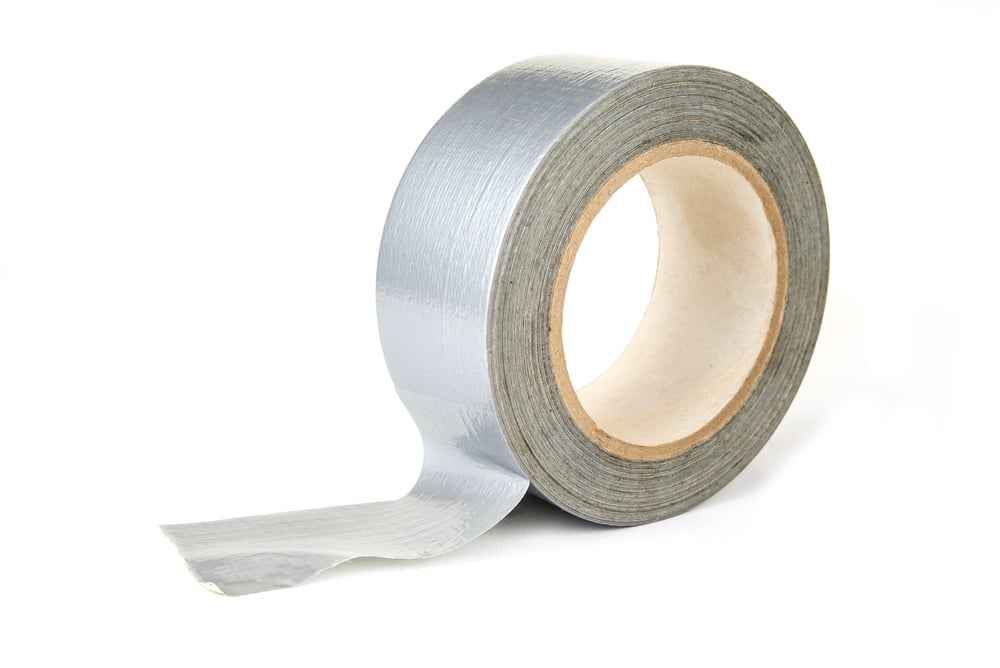
NASA’s official term is ‘gray tape,’ but astronauts stick with the familiar name for this wonder material. Sure, it fixes broken equipment—that’s expected. What’s surprising is how crew members use it to anchor sleeping bodies against walls or fashion grips on impossibly smooth surfaces. Space changes the adhesive’s personality completely, making it either incredibly clingy or utterly useless depending on temperature swings.
Velcro Strips
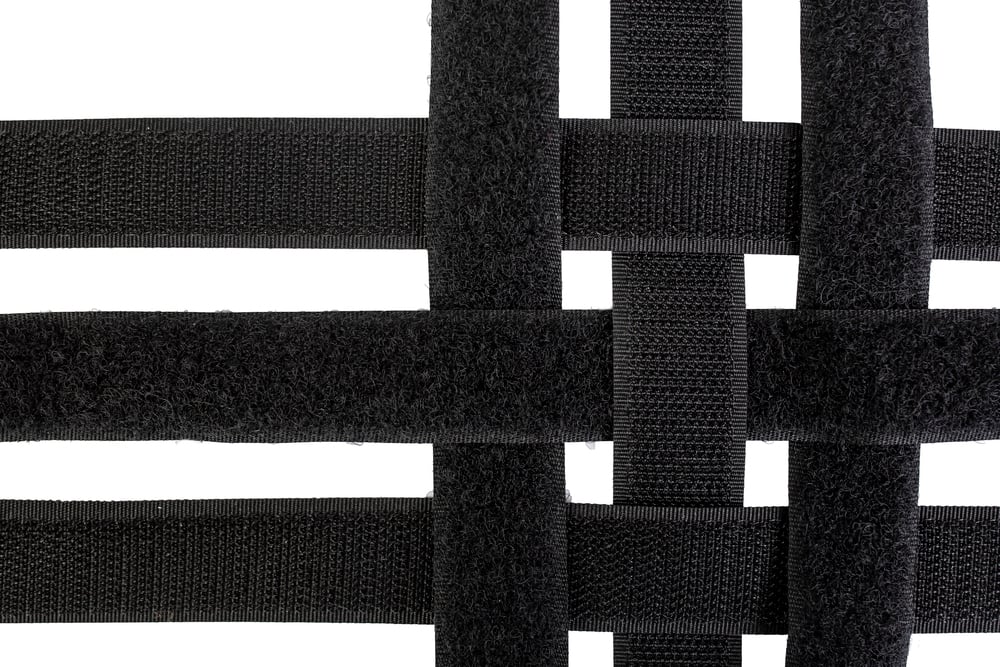
Engineers created Velcro to stop equipment from floating into oblivion. Instead, it became the universal fix for zero-gravity headaches. Astronauts sew strips inside clothes for instant pockets, slap them on food containers for better grip—some even stick tiny pieces on fingertips, gaining superhuman climbing powers on fabric surfaces.
Bungee Cords
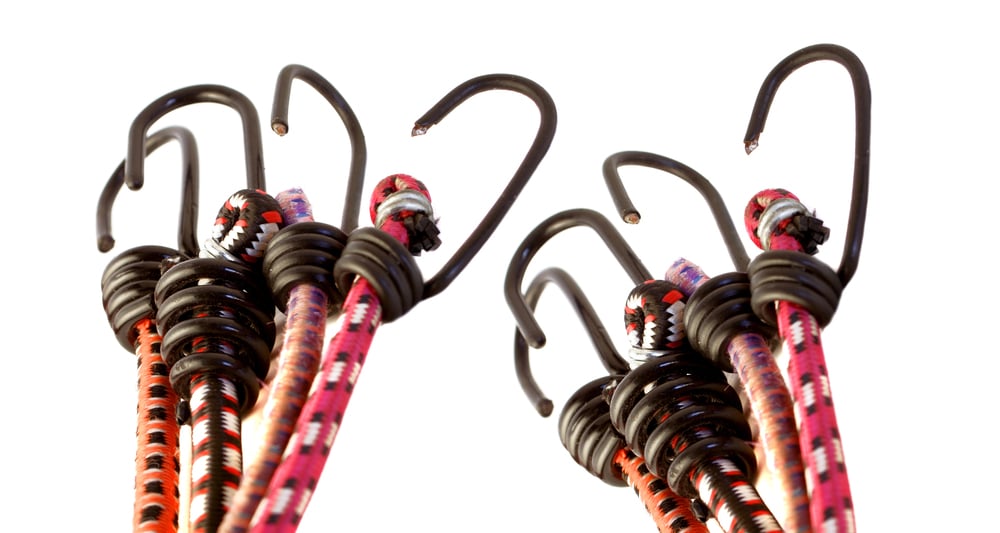
Launch vibrations demanded these elastic restraints for cargo security. Orbit transformed them into gym equipment. Astronauts loop cords around their feet during workouts, mimicking gravity’s muscle resistance that suddenly vanished. They also work brilliantly for tethering tools during repairs—because losing a wrench in space isn’t just inconvenient, it’s potentially catastrophic.
Plastic Zip Bags
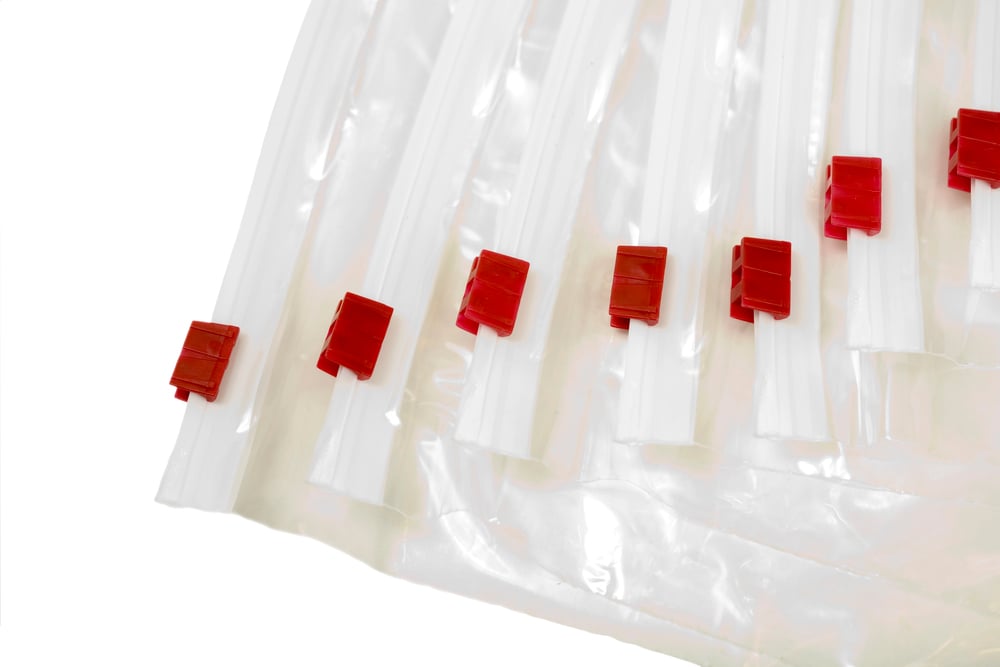
Component organization and moisture protection drove their inclusion initially. Reality hit when liquid waste management in zero gravity required creative solutions—these bags became bathroom essentials. Astronauts discovered they’re perfect improvised gloves for handling sketchy materials too.
Cable Ties
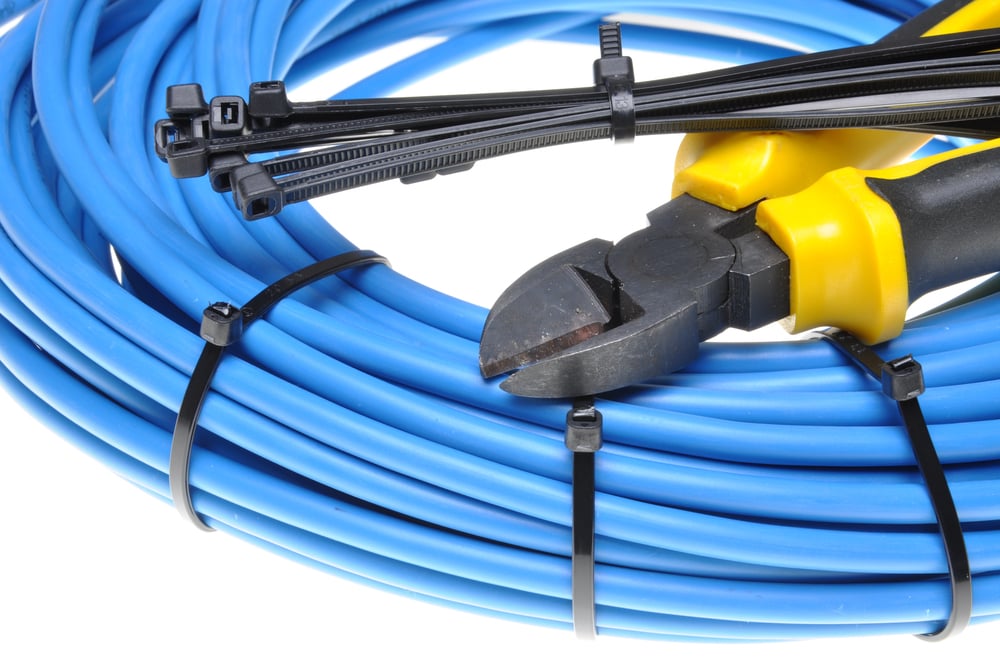
Wiring harnesses need securing in microgravity, hence these plastic fasteners. Astronauts weren’t content with their intended purpose though. Broken panels get emergency restraints, awkward objects gain temporary handles—all courtesy of cable ties. Their best feature? They’re virtually escape-proof, unlike screws that vanish forever into ventilation systems.
Kapton Tape
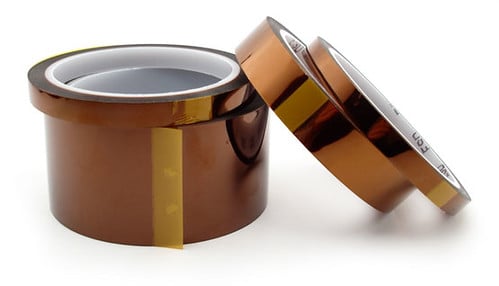
Golden polyimide tape was born for thermal protection and electrical insulation duties. Astronauts quickly realized its talents extended far beyond. Temporary labels that peel off cleanly? Check. Minor air leak patches? Absolutely. When regular adhesives surrender to temperature extremes, Kapton keeps working.
Tethers and Lanyards
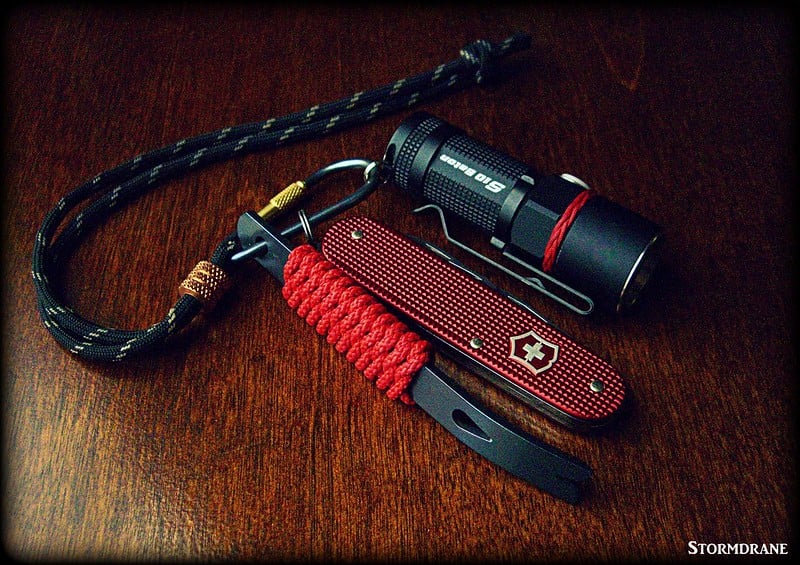
Safety demands these cords during spacewalks—can’t have astronauts becoming permanent satellites. Their hidden talent emerged as measuring tools for component spacing and equipment alignment. Some astronauts tie measured knots along their length, converting life-saving gear into precision rulers.
Swiss Army Knives
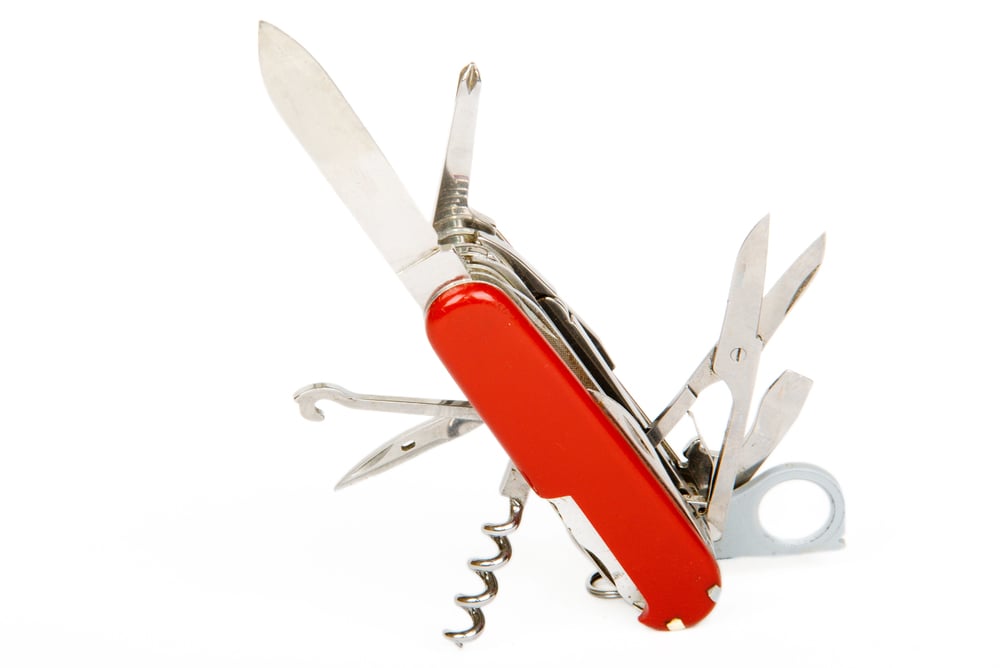
Screwdrivers and blades handle the obvious maintenance tasks NASA intended. The real MVP turned out to be that humble toothpick—perfect for activating microscopic reset buttons and excavating debris from electronic contacts. Emergency haircuts? The scissors handle that too when weightless hair becomes unmanageable.
Flashlights
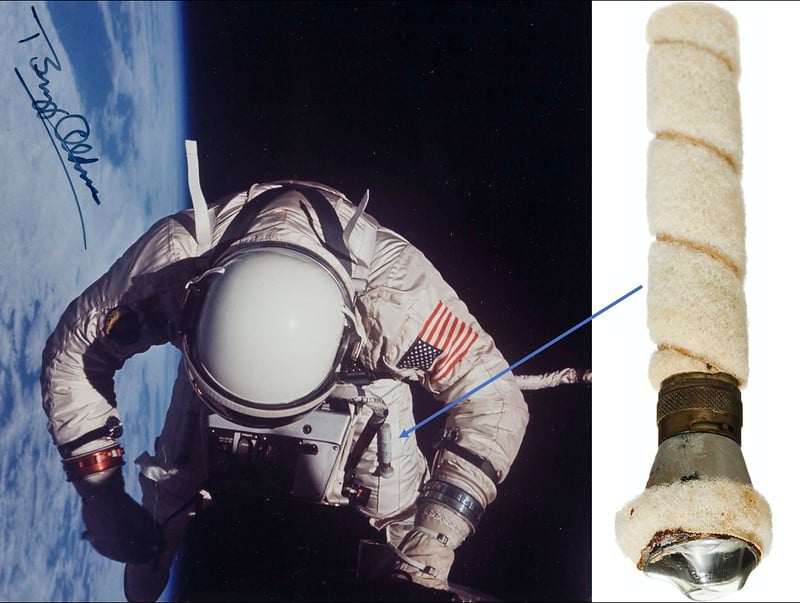
Dark workspace illumination was the plan. Communication backup became reality during radio blackouts, with astronauts flashing morse code through windows. They double as equipment heaters for cold machinery and excel at spotting dangerous floating debris that could wreck sensitive instruments.
Chopsticks
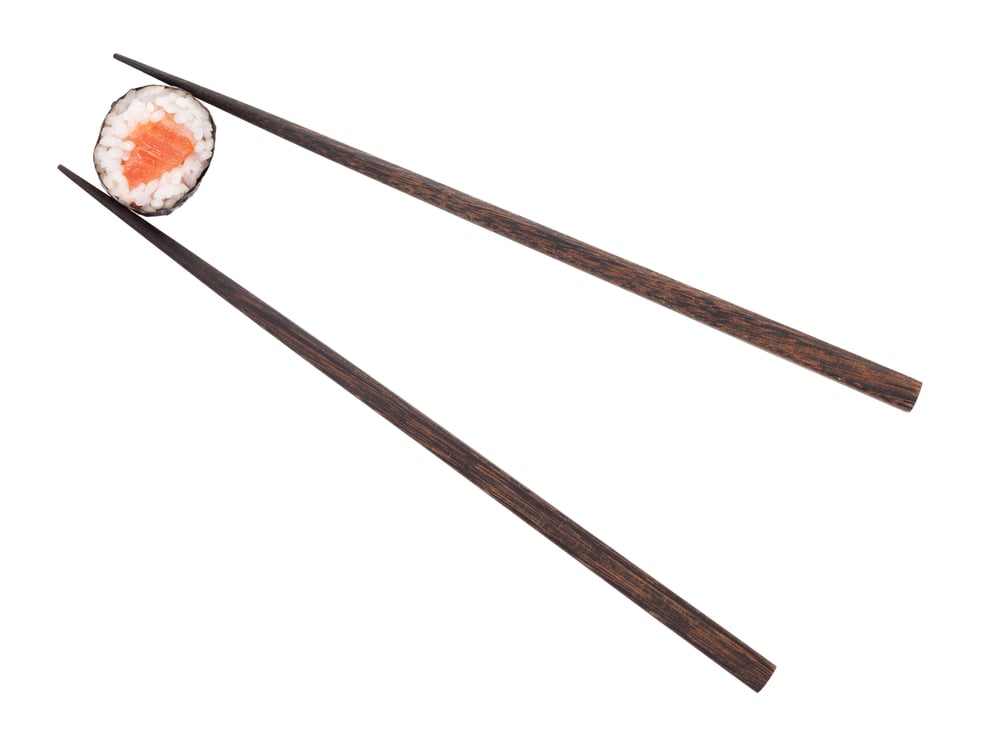
Asian cuisine without crumb clouds required these utensils—floating food particles spell trouble for equipment. Their precision proved invaluable for electronics work and retrieving tiny objects from impossible spaces. Wood makes excellent temperature probes since it won’t conduct heat like metal tools.
Magnifying Glasses
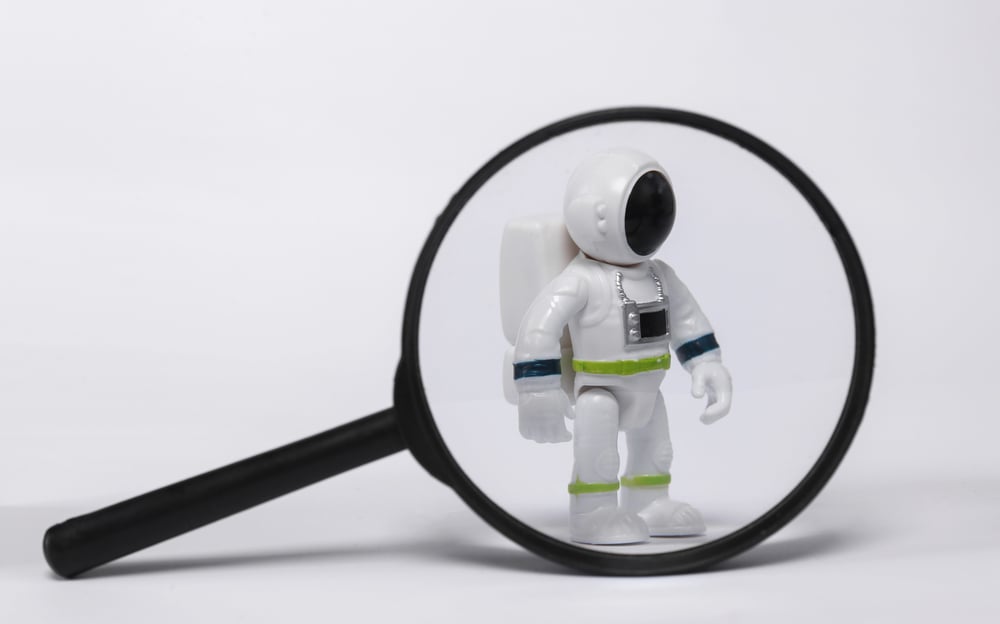
Fine print on labels and procedures demanded optical assistance. Space medicine discovered their value for examining injuries and skin conditions with crystal clarity. Plant growth experiments benefit too, allowing detailed observation of how roots and leaves behave without gravity’s influence.
Dental Floss
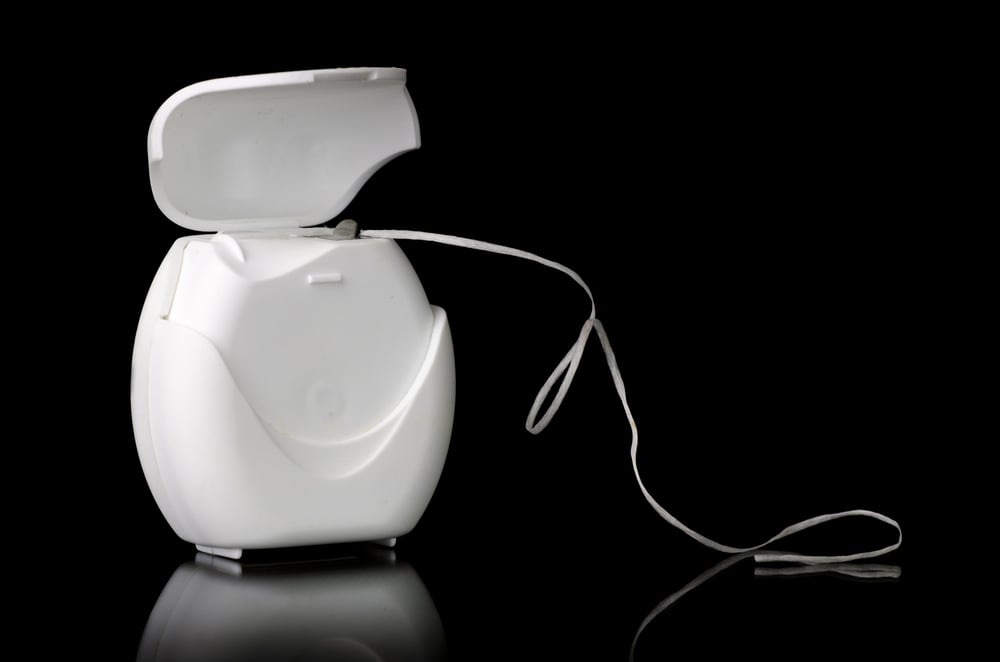
Oral hygiene necessity that moonlights as repair material. The thread’s surprising strength secures loose components without bulk, creates emergency stitching for equipment covers, and navigates tight spaces where thicker materials jam completely. Sometimes the simplest solutions prove most effective.
Mirrors
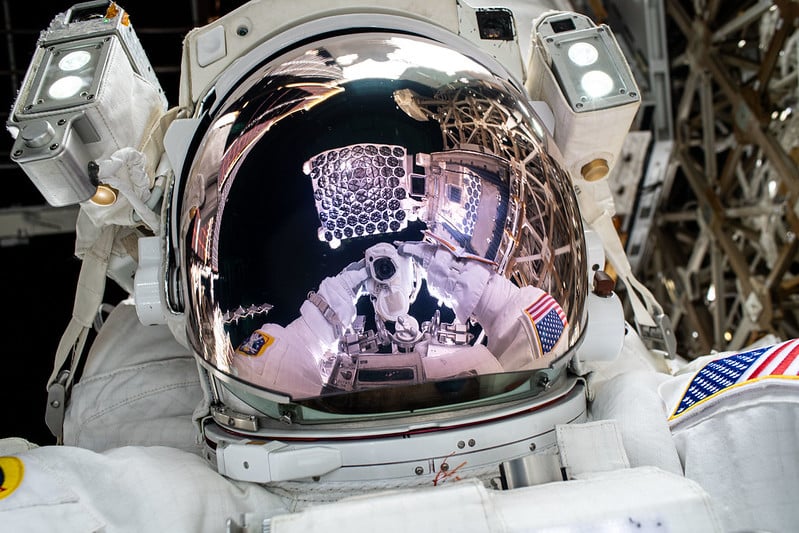
Corner visibility during inspections plus personal grooming formed their original job description. Sunlight redirection became their superpower, illuminating shadowed work areas without draining precious battery reserves. Ground-based telescopes receive signals bounced from these reflective surfaces too.
Scissors
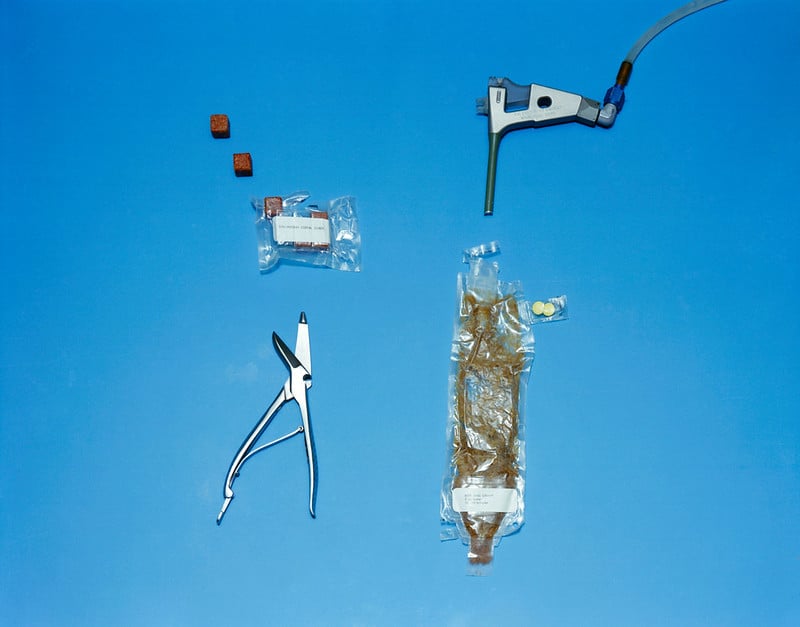
Medical applications drove their inclusion for bandage and tape cutting duties. General-purpose cutting evolved naturally, handling everything from food packaging to emergency equipment modifications. Precision trimming of spacesuit threads and custom material lengths showcase their versatility, while blunt tips prevent accidental habitat punctures.
Wet Wipes
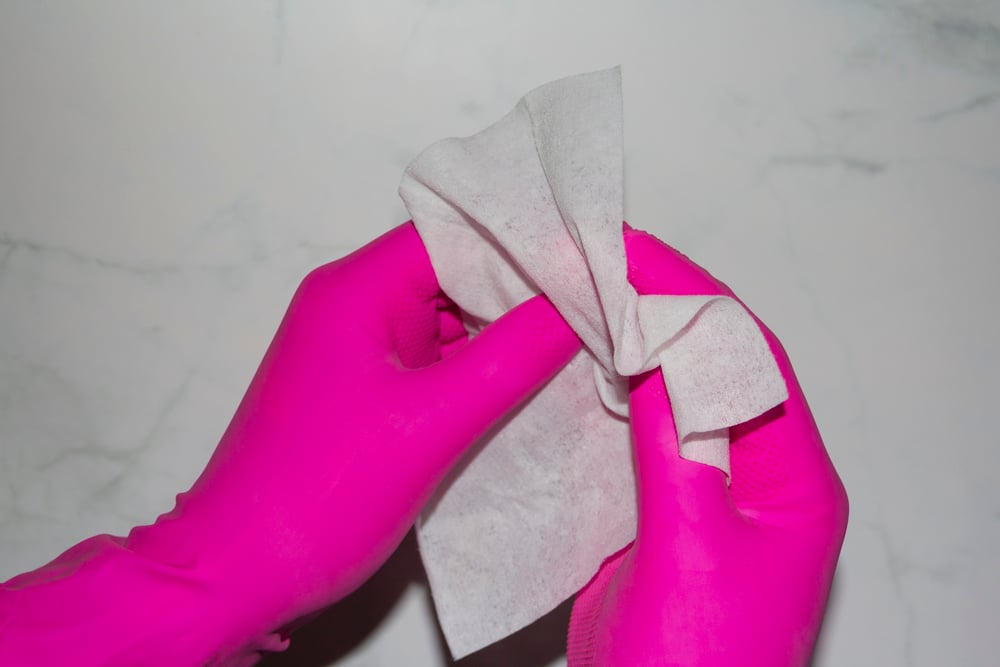
Personal hygiene and surface cleaning seemed straightforward enough. Universal problem-solving emerged as their true calling in space. Dry food gets moistened for easier eating, malfunctioning electronics receive gentle cleaning, and airborne particles get captured before they damage delicate instruments or irritate human respiratory systems.
Tools Transcending Purpose
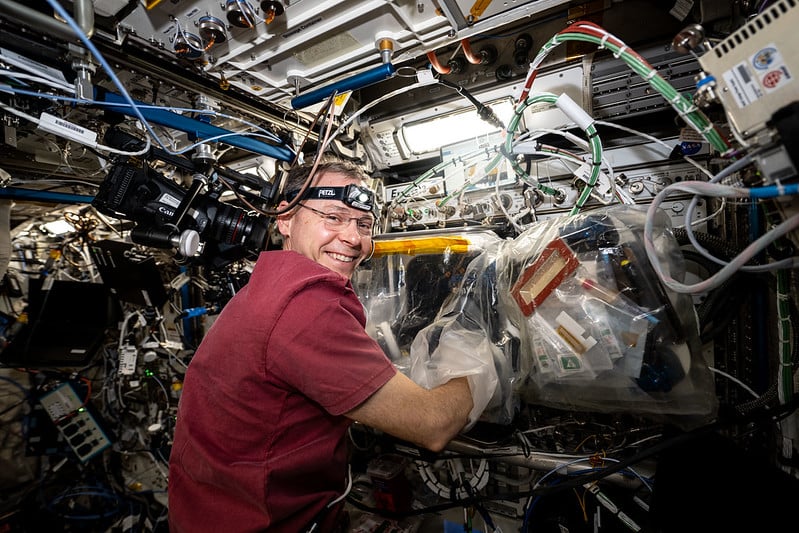
These adaptations reveal how extreme constraints breed remarkable innovation. When Earth’s nearest hardware store sits 250 miles straight down and mission failure carries devastating consequences, standard tools must evolve or crews suffer. This adaptive thinking continues revolutionizing terrestrial technology, proving that humanity’s greatest breakthroughs often emerge from the tightest corners.
More from Go2Tutors!

- 16 Historical Figures Who Were Nothing Like You Think
- 12 Things Sold in the 80s That Are Now Illegal
- 15 VHS Tapes That Could Be Worth Thousands
- 17 Historical “What Ifs” That Would Have Changed Everything
- 18 TV Shows That Vanished Without a Finale
Like Go2Tutors’s content? Follow us on MSN.



