Theaters Hiding Secret Rooms and Passages
The majority of people only think of theaters as venues for performances. However, some of the most well-known theaters in the world conceal intricate networks of secret passageways, hidden rooms, and forgotten spaces behind their elaborate facades and velvet curtains.
Beyond what takes place on stage, these architectural mysteries tell tales.
Behind the Mirror at the Palais Garnier
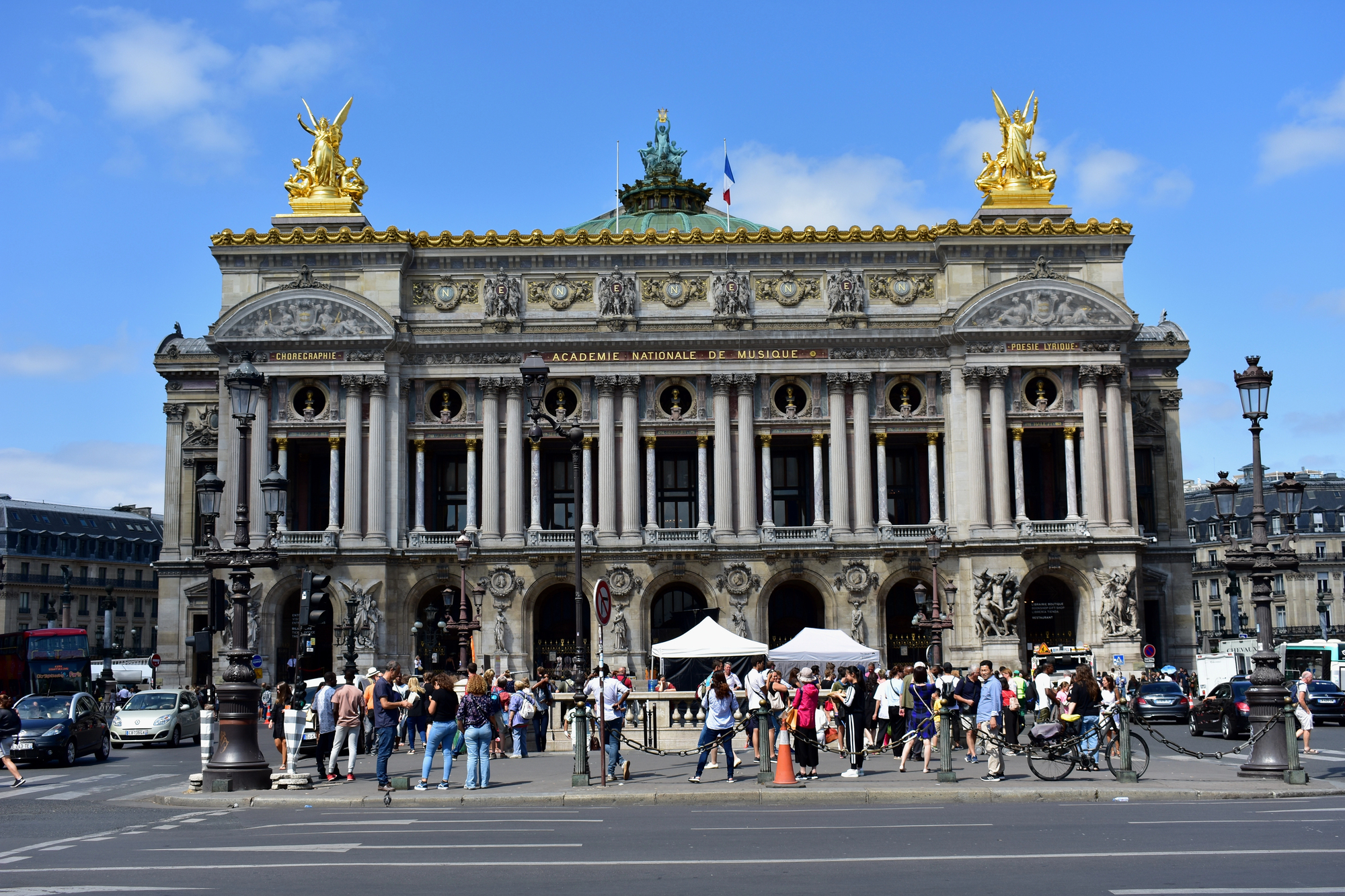
The Palais Garnier in Paris contains a water cistern beneath its foundation. The architects built this reservoir to stabilize the structure and manage groundwater, not as a natural underground lake.
Gaston Leroux transformed this functional feature into the mysterious lair of the Phantom of the Opera, taking creative liberties that captured public imagination. The opera house contains an extensive network of passages connecting dressing rooms, storage areas, and workshops.
Performers used these routes to move between floors without entering public spaces. The layout follows practical needs rather than dramatic mystery, though the sheer scale of the building means workers still occasionally discover routes they hadn’t known about.
Ford’s Theatre and Lincoln’s Escape Route
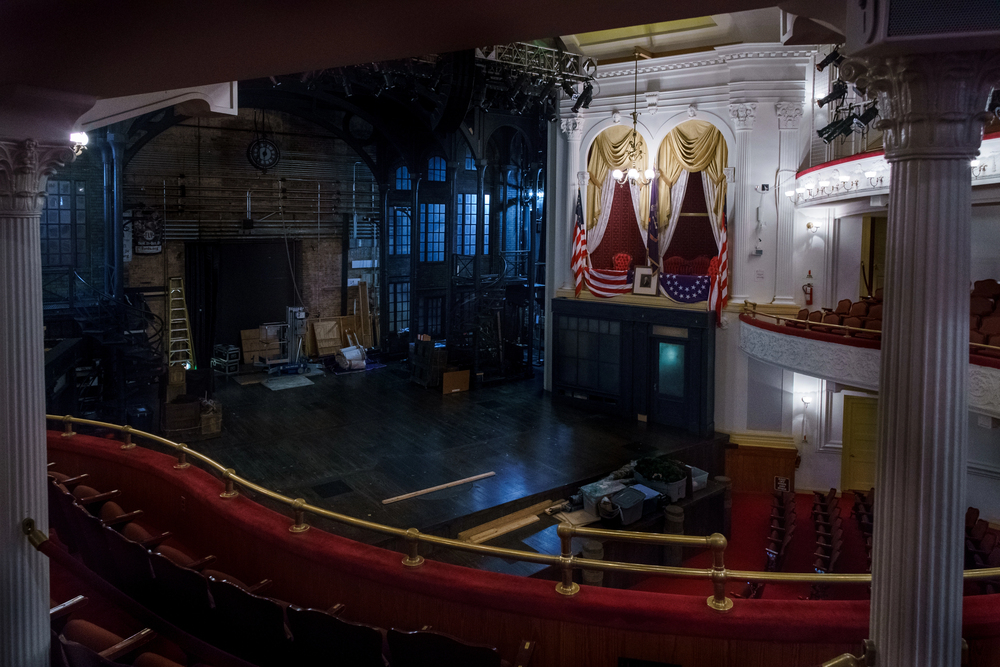
Ford’s Theatre became infamous after President Lincoln’s assassination, but the route John Wilkes Booth took was simply the standard backstage hallway. The passage behind the stage led to a back door opening onto an alley—a route that existed for routine theater operations, not secret escapes.
You can trace this path through the building today, following the same corridors any performer or stagehand would have used. The government closed the theater after the assassination and converted it to office space.
Later renovations revealed forgotten compartments containing playbills and personal items from that era, preserved by accident when workers sealed off sections during the conversion.
The Metropolitan Opera House Stagecraft Tunnels
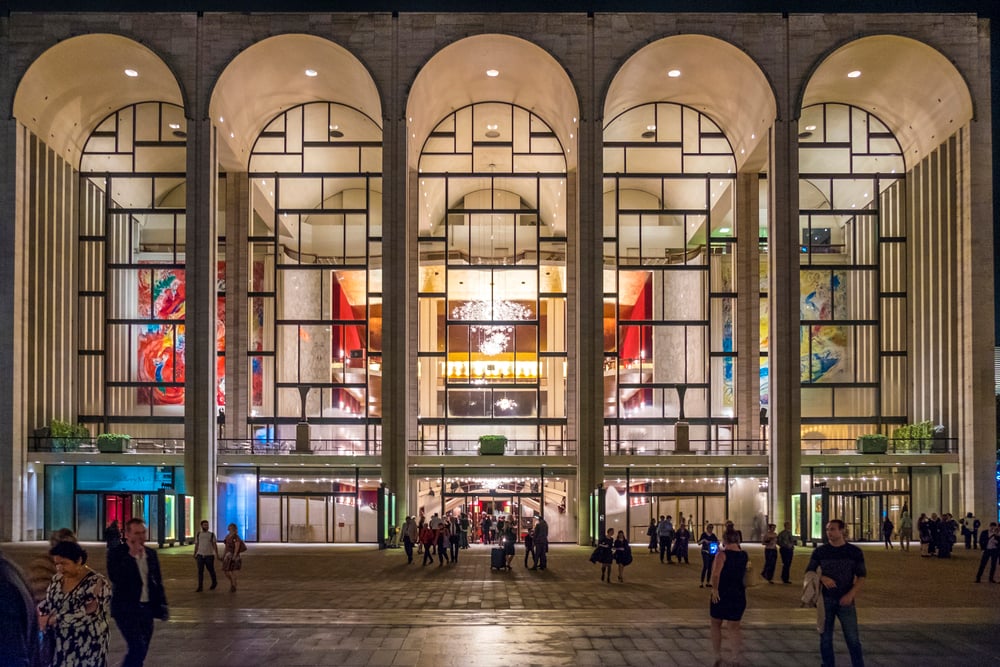
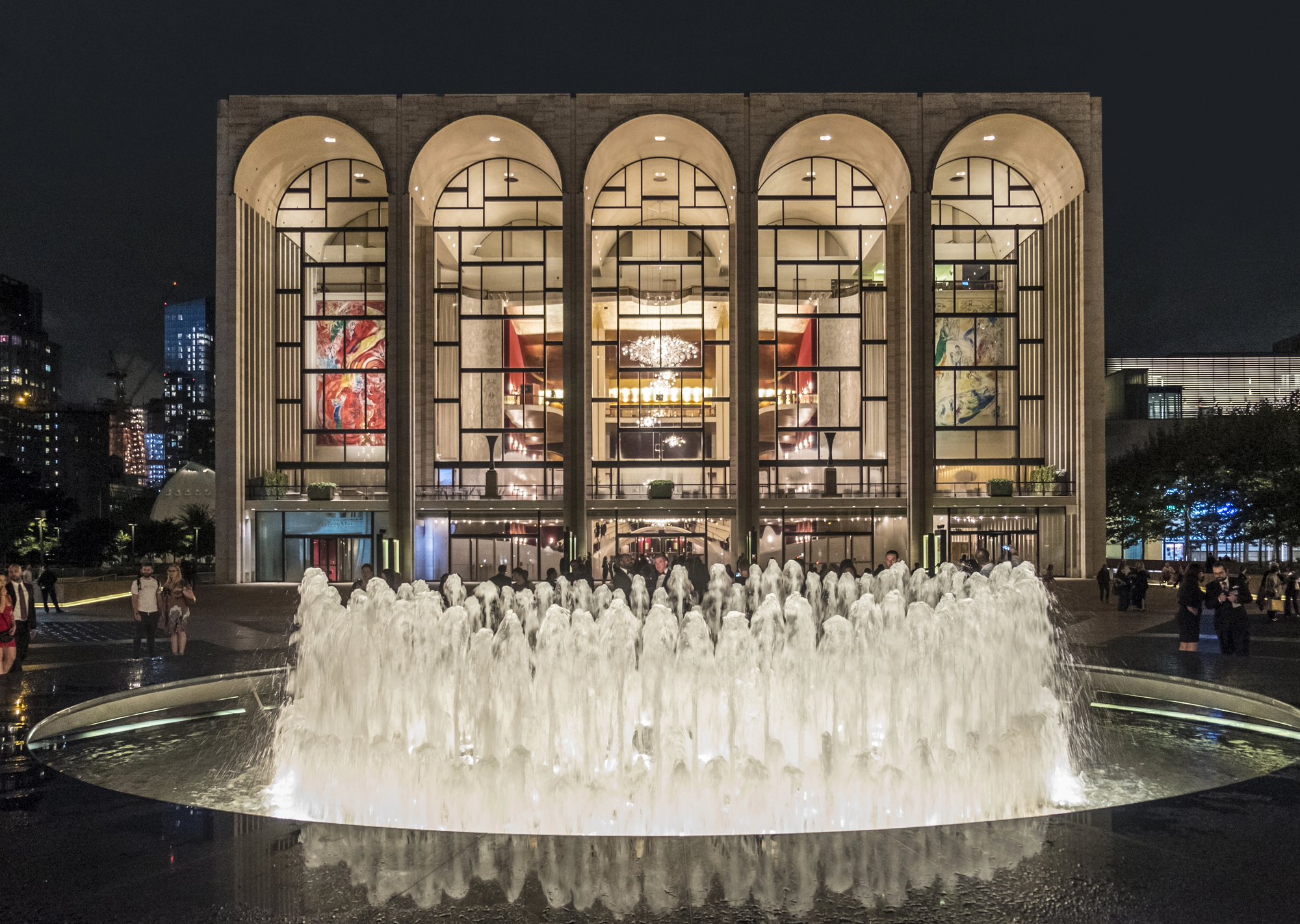
The Metropolitan Opera House at Lincoln Center contains service tunnels that handle the logistics of running multiple productions. The passages allow crews to move massive set pieces between storage areas and the stage without disrupting performances happening above.
These tunnels extend beneath the plaza level, connecting workshops where craftsmen build and repair sets. The system includes freight elevators large enough to transport entire backdrops and stage elements.
While functional rather than mysterious, the network represents the hidden infrastructure that makes large-scale theater production possible.
Hidden Rehearsal Spaces at La Scala
La Scala in Milan contains numerous backstage rehearsal rooms and dressing areas that serve performers. These spaces occupy various levels of the building, tucked into corners and converted storage areas.
Famous singers developed preferences for certain rooms based on acoustics and privacy. The backstage layout reflects the building’s age and multiple renovations over centuries.
Some rooms feel cramped and utilitarian while others feature better appointments for star performers. Stories circulate about which singers claimed which spaces, though separating documented history from theatrical legend becomes difficult after so many decades.
The Sydney Opera House Underground Network
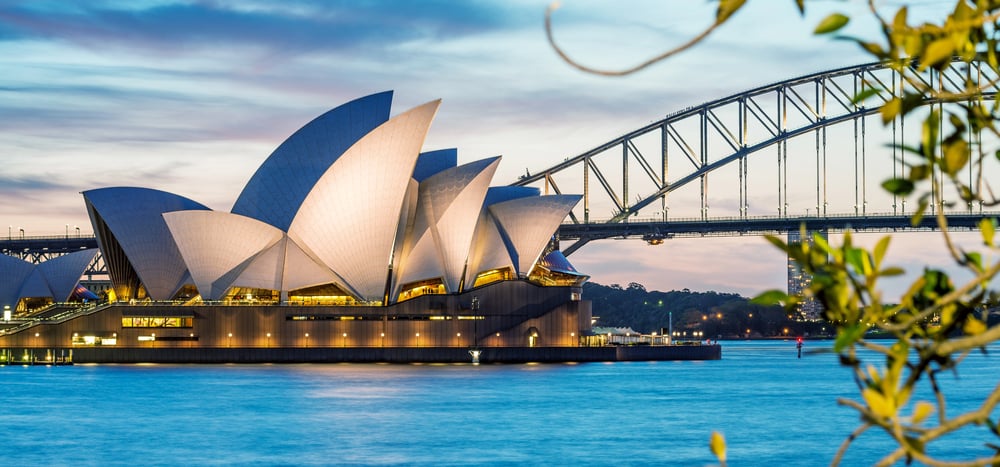
The Sydney Opera House contains the Vehicle Access and Pedestrian Tunnel system beneath its building podium. This network connects the various performance halls and allows crews to move equipment between theaters without disrupting shows.
The tunnels sit under the structure itself rather than extending beneath open harbor water. The system includes passages wide enough for vehicles alongside pedestrian walkways.
Stage crews use these routes to transport sets and technical equipment efficiently. The concrete construction bears markings from the 1960s builders, including dates and signatures documenting the venue’s original construction phase.
Shakespeare’s Globe and Tudor Secrets
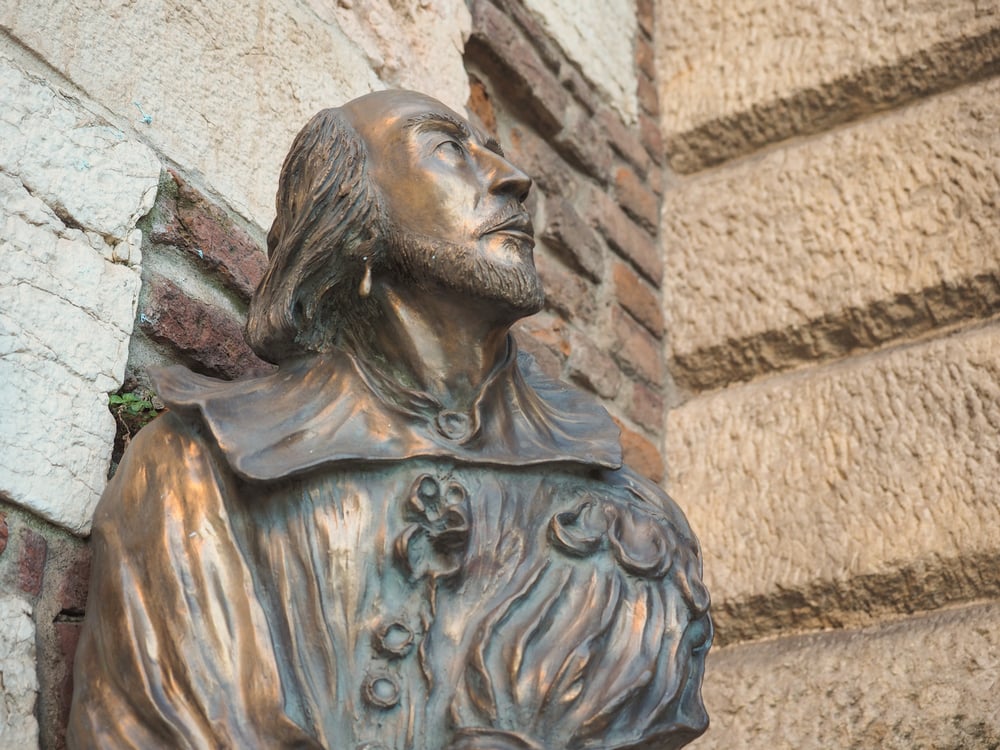
The reconstructed Globe Theatre that opened in 1997 includes period features based on the original design. The building has one main trapdoor for safety reasons, though historical evidence suggests the original Globe used multiple trap doors for dramatic entrances and supernatural effects.
The passage beneath the stage allowed performers in Shakespeare’s time to voice ghost scenes or emerge through the floor. The modern version preserves this element while adapting to current safety standards.
Walking through the under-stage area gives you a sense of how Tudor theater worked, even if the exact configuration differs from what Shakespeare’s company used.
Radio City Music Hall’s Art Deco Maze
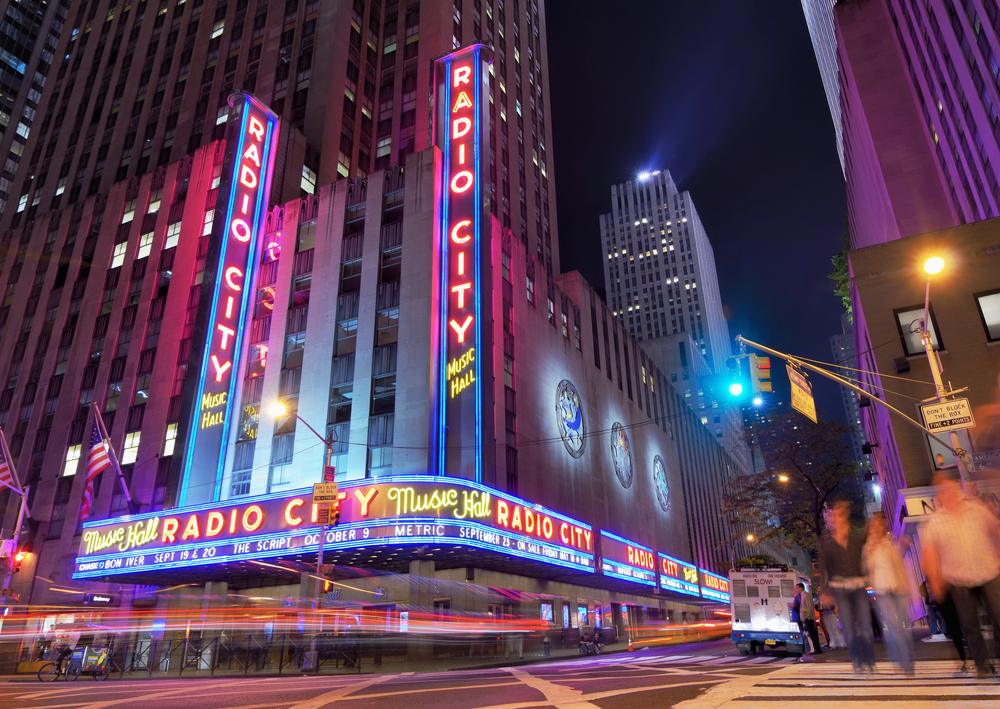
Radio City Music Hall in New York has an extensive backstage network following standard stagehouse layout principles. Passages connect dressing rooms, storage areas, and technical spaces across multiple levels.
The building once used a pneumatic tube system for sending messages between departments, though this technology is no longer operational. The Rockettes and other performers use these routes to move efficiently between areas.
The Art Deco design extends into backstage spaces, with chrome railings and geometric details continuing the venue’s aesthetic. Some corridors display vintage photographs and posters documenting the hall’s history since its 1932 opening.
The Bolshoi Theatre’s Imperial Tunnels
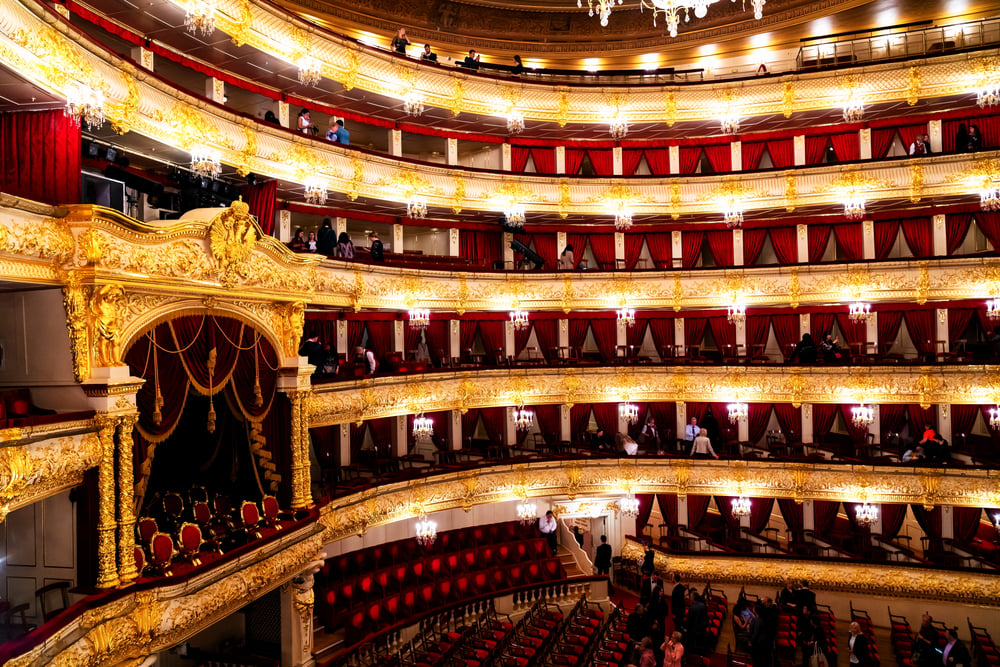
The Bolshoi Theatre in Moscow has one authenticated underground corridor dating to imperial Russia. Stories circulate about extensive tunnel networks that allowed nobility to enter without mixing with other patrons, but most of these tales belong to urban legend rather than verified history.
The documented passage features vaulted brick ceilings and once connected to private areas of the theater. Claims that revolutionaries used hidden tunnels during 1917 remain unverified.
The government sealed certain areas during Soviet times, which has fueled speculation about what might exist beneath the building, though separating fact from fiction proves difficult.
Drury Lane’s Ghost Corridors
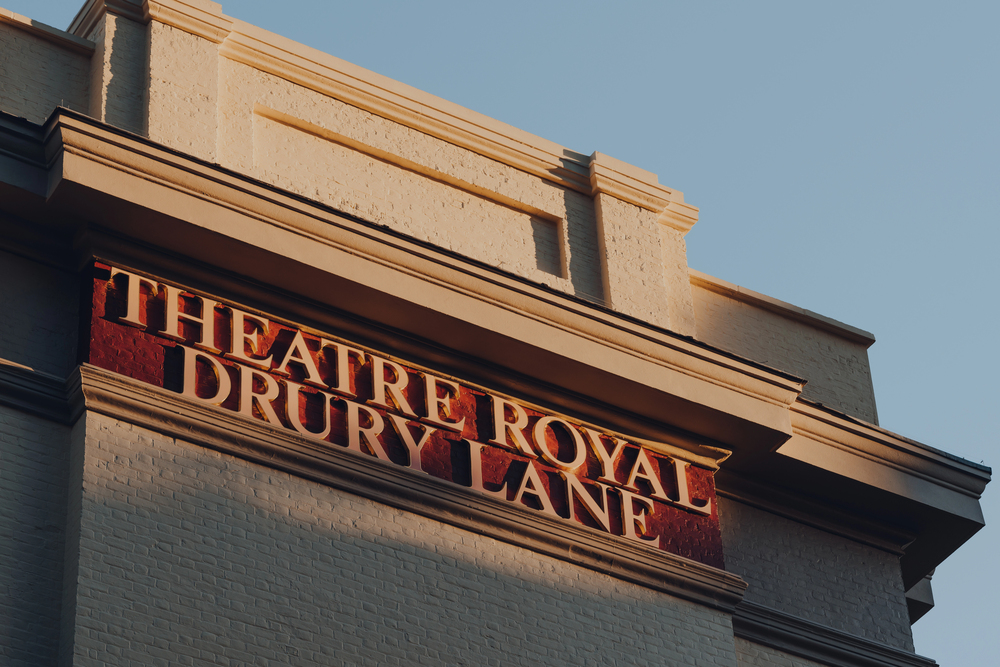
The Theatre Royal, Drury Lane has standard backstage passages that wind through the building’s complex layout. The theater’s age and multiple renovations created a network of corridors connecting different areas.
Ghost stories about these spaces persist, with performers reporting unexplained sounds and sensations. The building’s layout and acoustics create effects that feed supernatural tales.
Footsteps echo in unexpected ways, and the age of the structure means it settles and creaks constantly. These normal features of an old building become fodder for ghost stories that have attached themselves to the theater over centuries of operation.
Amsterdam’s Carré Theatre Waterways
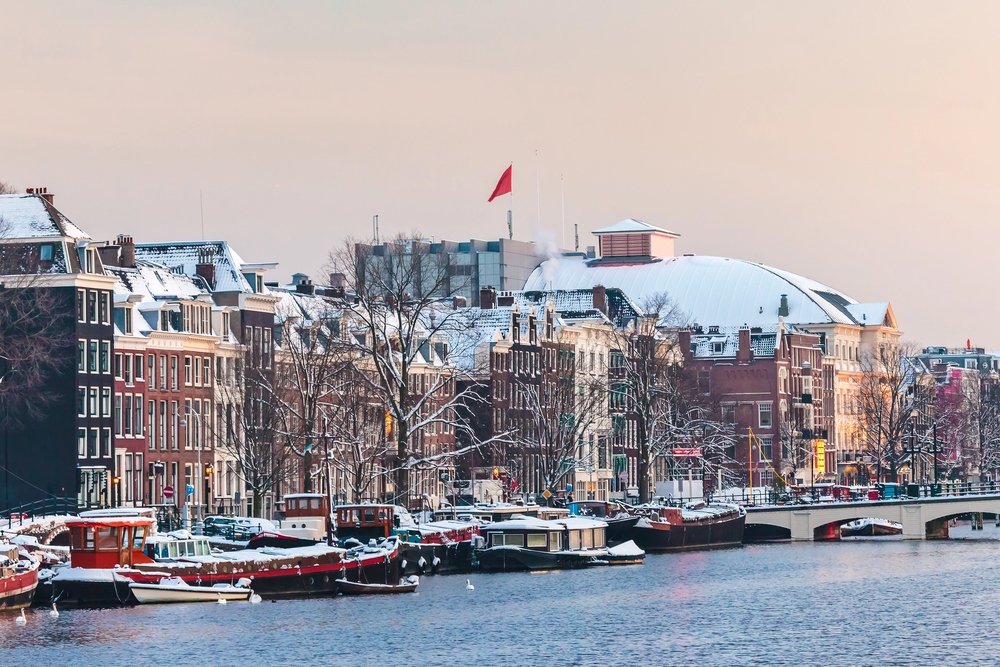
The Royal Theatre Carré sits beside a canal and historically used loading doors at water level. Performers and equipment could arrive by boat and enter through these canal-side entrances.
The practical arrangement served functional purposes rather than theatrical mystery. The building still has these entrances, though they no longer serve as active loading areas.
The design reflects Amsterdam’s historic relationship with its canal system, where water transport shaped building architecture. What seems exotic now was simply practical logistics in a city built around waterways.
The Old Vic’s Wartime Shelters
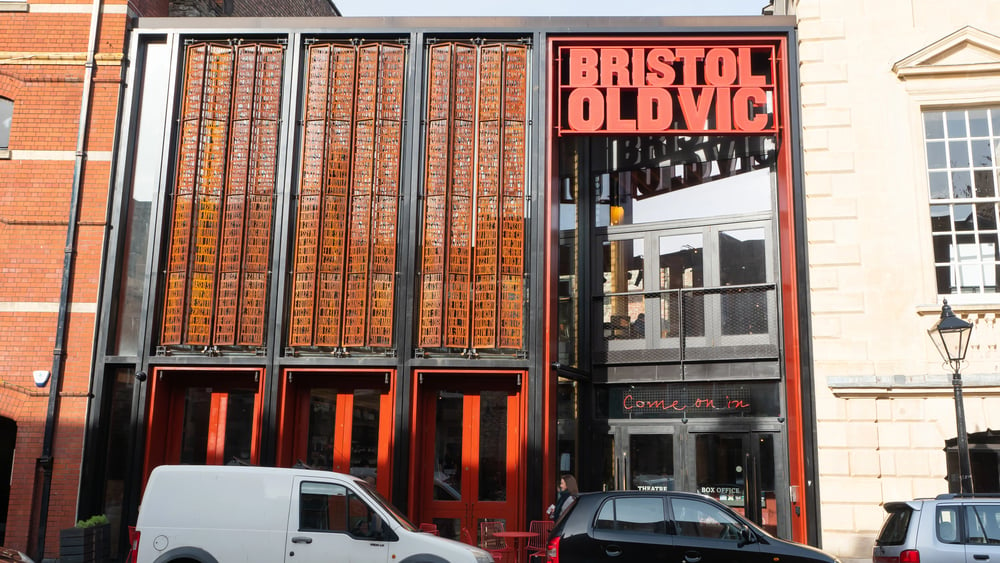
During World War II, The Old Vic converted basement storage areas into air-raid shelters. These spaces served as refuge when sirens sounded, though they were adapted from existing rooms rather than purpose-built as tunnels.
The theater continued performances despite the danger, and these makeshift shelters kept people safe during attacks. Markings from that era remain on walls in some basement areas.
The adaptations reflect how buildings throughout London transformed to meet wartime needs, using whatever spaces they had available.
Covent Garden’s Royal Passages
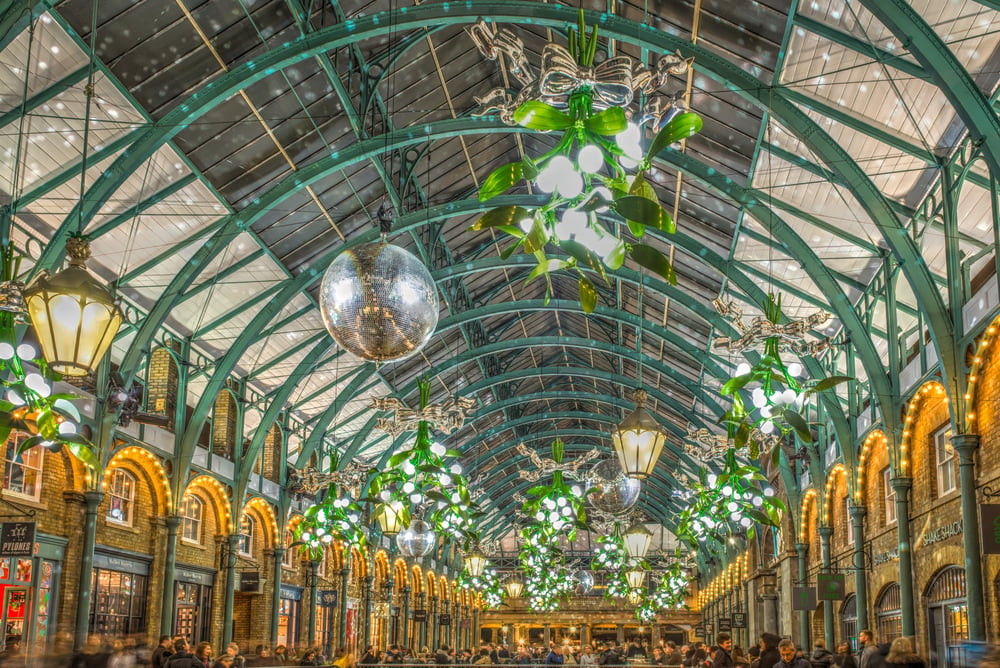
The Royal Opera House at Covent Garden has a documented Royal Entrance with private passageways allowing monarchs to reach their box without entering public areas. These corridors are relatively short rather than extensive networks, serving a specific practical purpose.
The passages feature better decoration than working corridors, with painted ceilings and carpeted floors. They represent the social hierarchies built into theater architecture, where separate circulation systems kept different classes of patrons from mixing.
The design reflects Victorian attitudes about public space and social status.
Prague’s Estates Theatre Mozart Connection
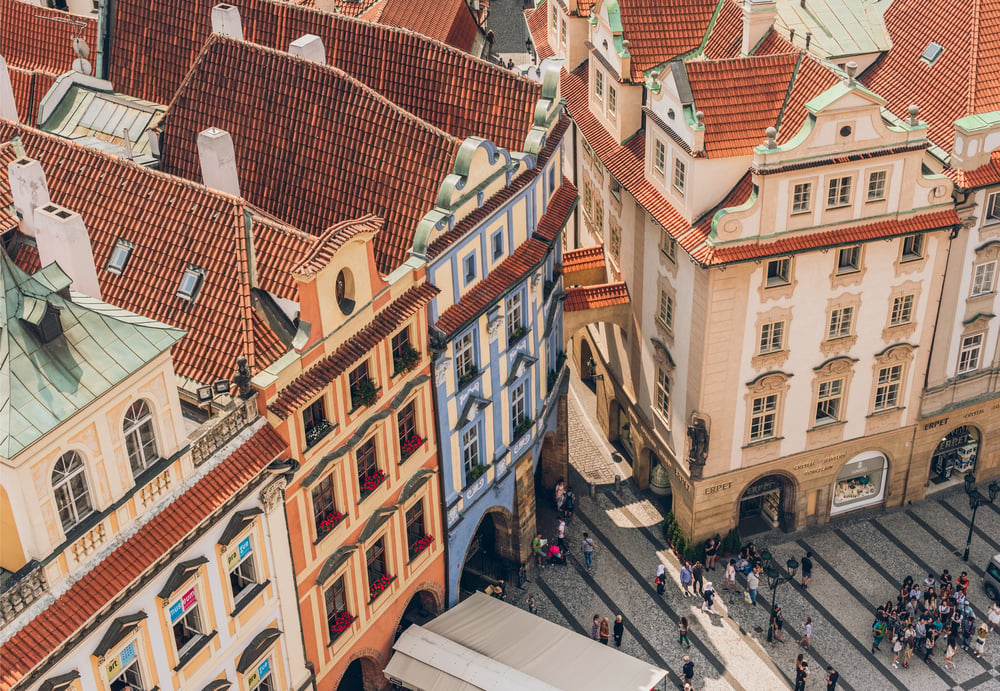
The Estates Theatre in Prague has one authenticated dressing room that Mozart used during opera premieres. Romantic claims about preserved Mozart chambers with period furniture belong more to legend than documented fact, though the theater does maintain connections to the composer’s work.
The building contains backstage spaces that date to Mozart’s era, and walking through them connects you to that history. The verified dressing room serves as a tangible link to the composer, even if other stories about secret Mozart spaces have been embellished over time.
The theater balances historical preservation with the realities of ongoing operations.
Beyond the Curtain
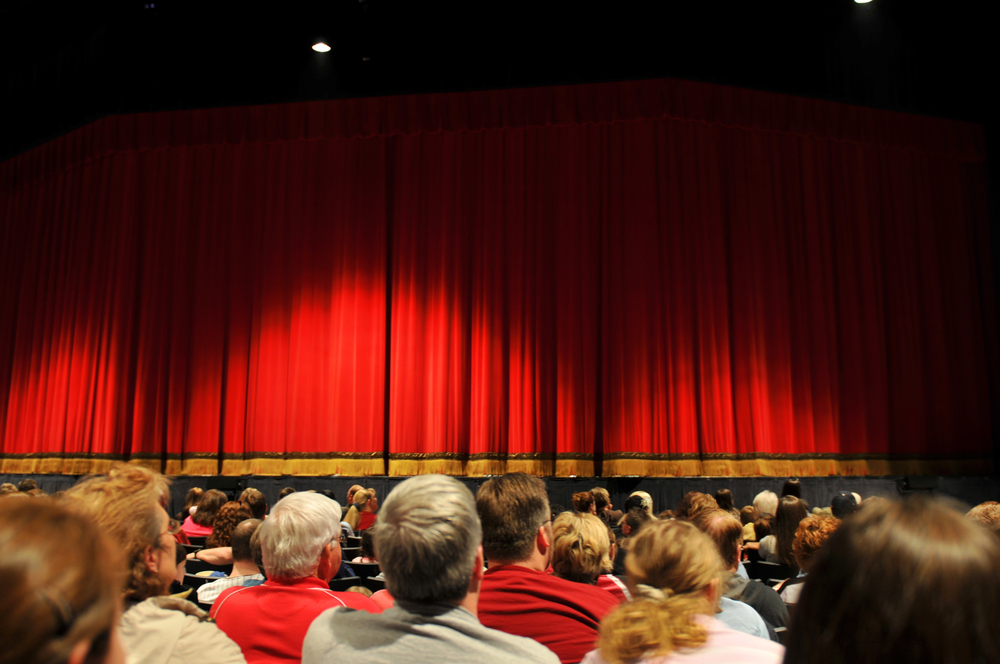
Theaters combine fact and fiction in ways that make it difficult to distinguish between the two. Although these structures have actual passageways and rooms that were used for functional purposes, theatrical culture adores a good narrative.
The operational networks that sustain productions are romanticized as hidden passageways and tunnels. Even when legend obscures purpose, architecture reveals it.
There were service corridors for personnel and equipment transportation. Social divisions were reflected in private entrances.
During the war, storage spaces were converted into shelters. The next time you go to a performance, think about what’s really behind the walls as well as what people have said about those areas.
The difference between the two tells you just as much about human nature as the structures themselves.
More from Go2Tutors!

- The Romanov Crown Jewels and Their Tragic Fate
- 13 Historical Mysteries That Science Still Can’t Solve
- Famous Hoaxes That Fooled the World for Years
- 15 Child Stars with Tragic Adult Lives
- 16 Famous Jewelry Pieces in History
Like Go2Tutors’s content? Follow us on MSN.



