15 Species We Only Know from Black and White Photos
The camera changed everything when it came to documenting the natural world. Before color film became common and affordable in the mid-20th century, scientists and explorers captured wildlife in shades of gray.
Some animals photographed during that era went extinct before anyone could snap them in color, leaving us with haunting monochrome images as the only visual proof they ever existed. These old photographs tell stories that would otherwise be lost to time.
Let’s look at the creatures that live on only in black and white.
Tasmanian Tiger
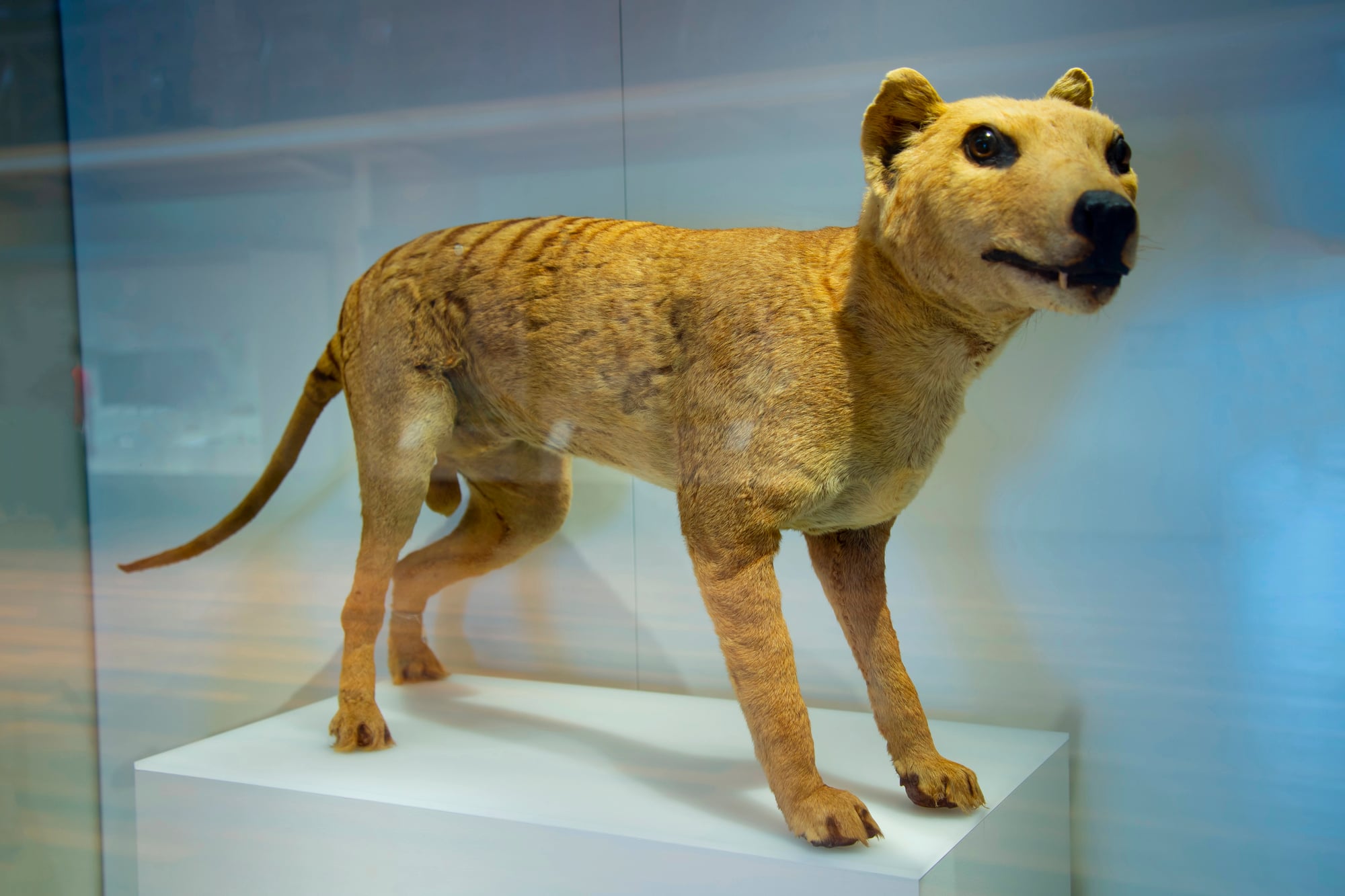
The thylacine disappeared from mainland Australia thousands of years ago but survived in Tasmania until 1936. This striped carnivore looked like someone mixed a dog, a tiger, and a kangaroo into one strange package.
The last known individual died in Hobart Zoo, and grainy footage shows it pacing in its concrete enclosure. People called it a tiger because of the stripes across its back, but it was actually a marsupial that carried its young in a pouch.
Several black and white photos show the animal’s distinctive wide jaw that could open to an almost frightening angle, and these images remain the only visual record of how the creature actually looked in life.
Caribbean Monk Seal
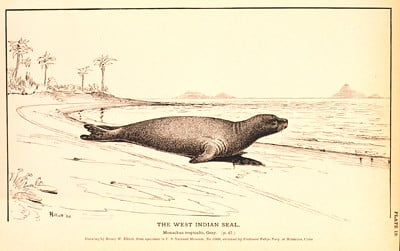
This laid-back creature once lounged on beaches across the Caribbean Sea and Gulf of Mexico. Spanish explorers encountered huge colonies of these seals in the 1400s, but that discovery spelled doom for the species.
The last confirmed sighting happened in 1952 at Serranilla Bank between Jamaica and Nicaragua. A handful of black and white photographs from the early 1900s show these plump seals sprawled on rocks, looking remarkably unconcerned about the cameras pointed their way.
They had no fear of humans, which made them tragically easy targets for hunters who wanted their oil and skin.
Passenger Pigeon
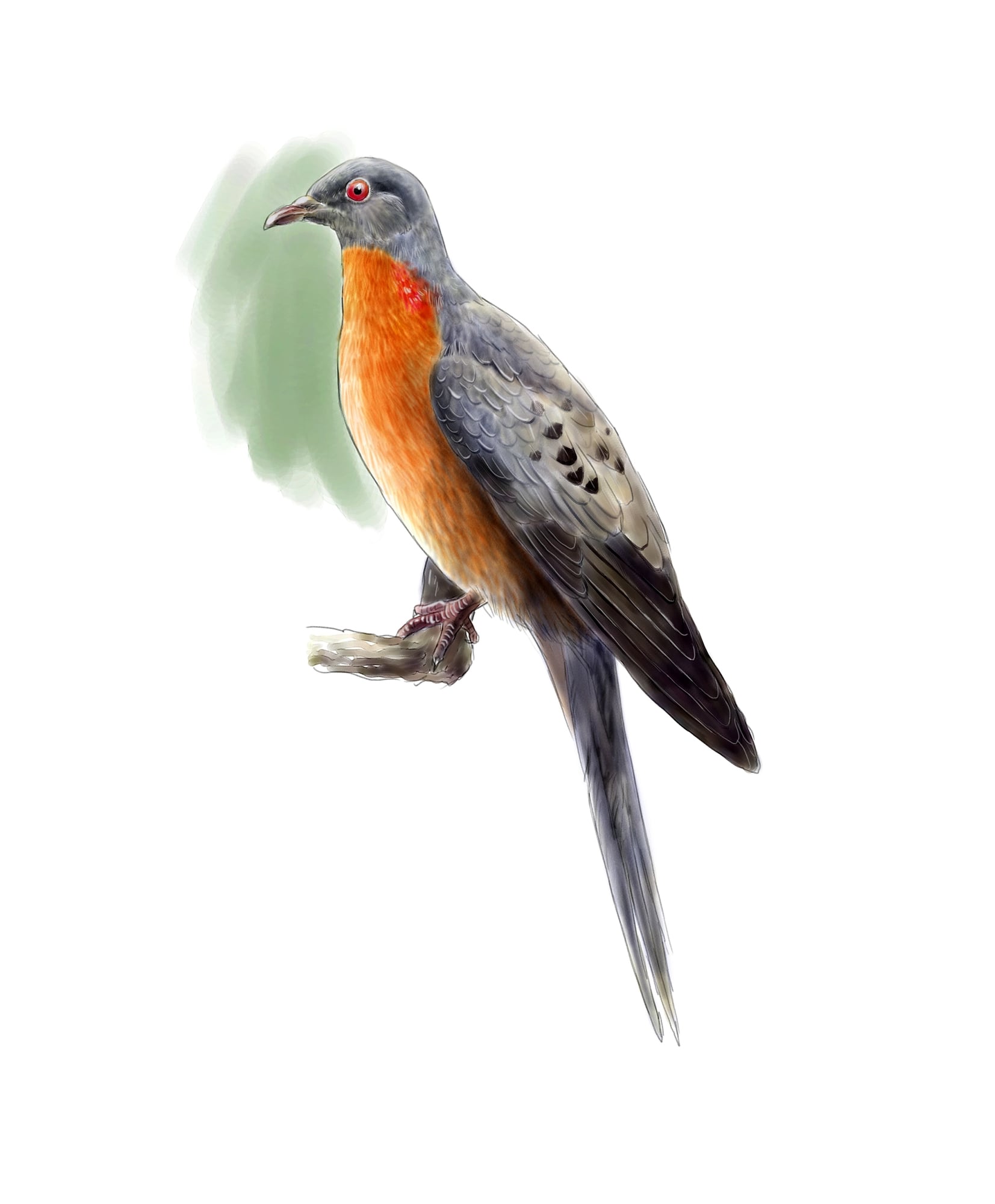
Billions of these birds once darkened North American skies in flocks so large they took hours to pass overhead. A single flock could contain more passenger pigeons than all the birds currently living in the United States today.
Martha, the last of her kind, died at the Cincinnati Zoo in 1914, and several black and white photographs captured her in her final years. Earlier photos show mounted specimens and occasionally living birds perched in aviaries, their sleek bodies and long tails visible even in the grainy images.
The species went from overwhelming abundance to total extinction in just a few decades, which still baffles scientists who study population collapse.
Quagga
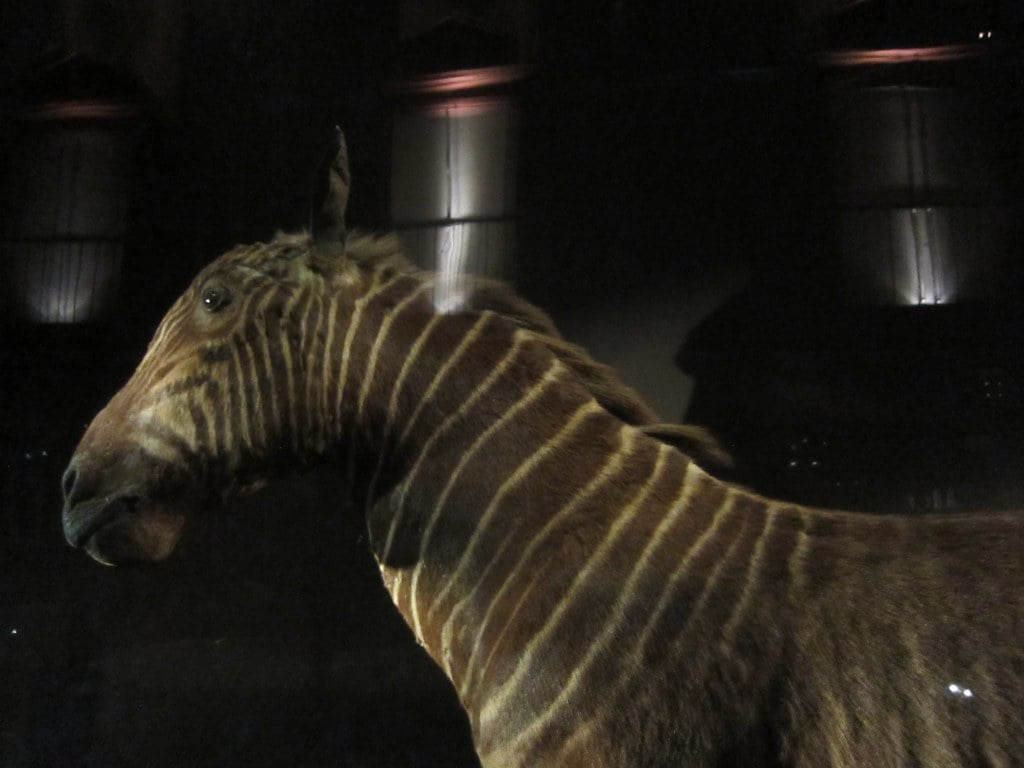
South Africa’s quagga looked like someone painted only the front half of a zebra. The rear end and legs were plain brown, while the front showed bold black and white stripes that faded toward the middle.
Only one quagga was ever photographed alive, a mare at the London Zoo in 1870. That single image shows the animal standing in profile, giving us the only true reference for how the species looked when it moved and breathed.
The last wild quagga was shot in the 1870s, and the last captive one died in Amsterdam in 1883. DNA testing later revealed that quaggas were actually a subspecies of plains zebra rather than a distinct species, but that knowledge came too late to save them.
Falkland Islands Wolf
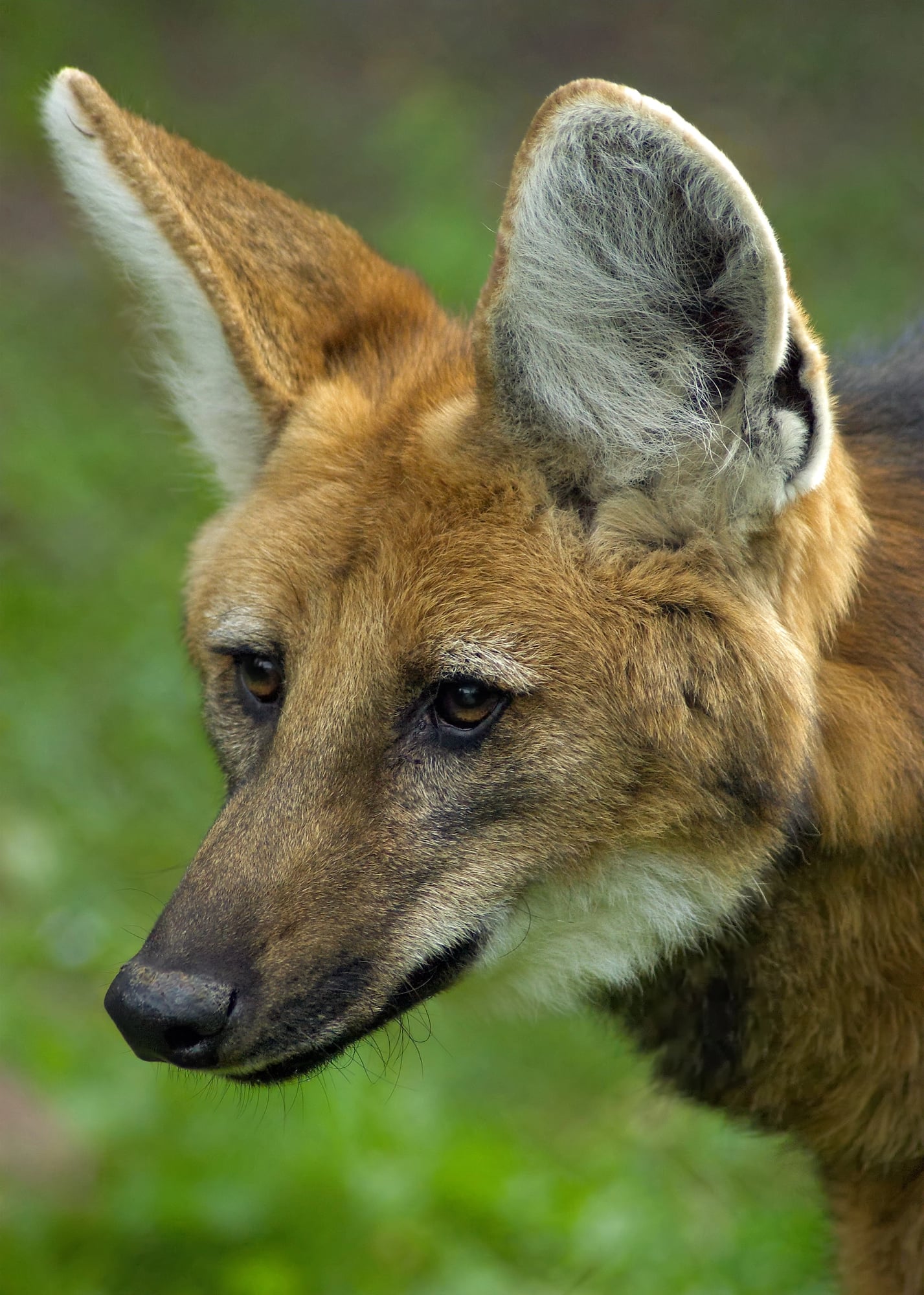
This fox-like creature was the only land mammal native to the Falkland Islands when Europeans arrived. Charles Darwin encountered these animals during his famous voyage on the Beagle and noted how tame and curious they were.
The Falkland Islands wolf had thick fur and short legs adapted for the windswept islands it called home. No color photographs exist, but a few black and white images captured mounted specimens in museums.
By 1876, the entire species had been wiped out by settlers who viewed them as threats to livestock. Scientists still debate how these animals reached the isolated islands in the first place, since the nearest mainland sits hundreds of miles away.
Toolache Wallaby
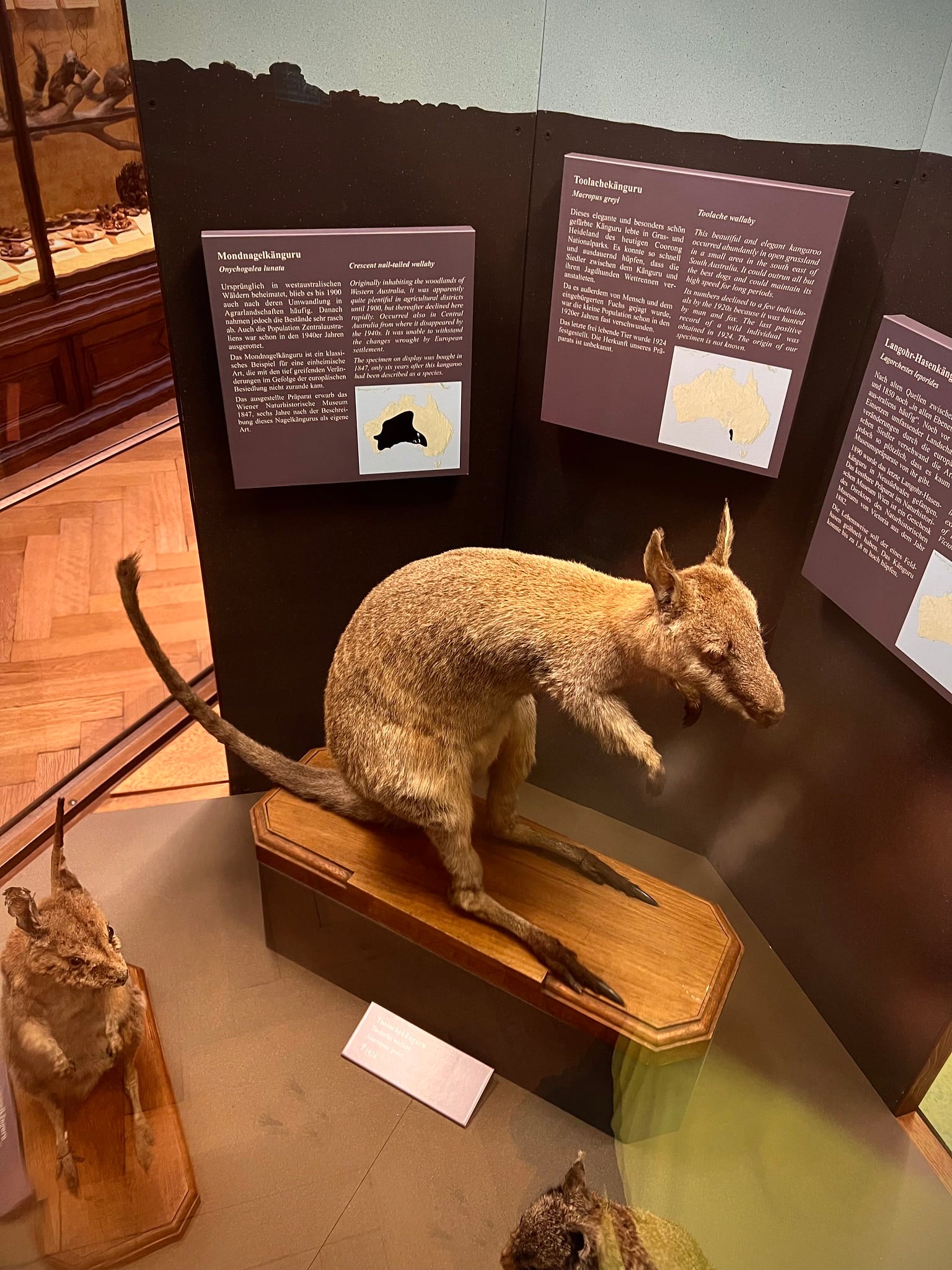
Australia’s toolache wallaby earned a reputation as the most graceful and beautiful member of the wallaby family. This slender marsupial had distinctive facial markings and moved with an elegant gait that observers found mesmerizing.
Habitat loss and hunting pressure pushed the species toward extinction by the early 1900s. The last confirmed sighting occurred in 1939, though some reports suggest a few might have survived into the 1940s.
Black and white photographs show the animal’s delicate build and alert posture, capturing a species that adapted to specific grassland conditions that no longer exist. Several natural history museums preserve mounted specimens that researchers use to study the animal’s physical characteristics.
Syrian Wild Donkey
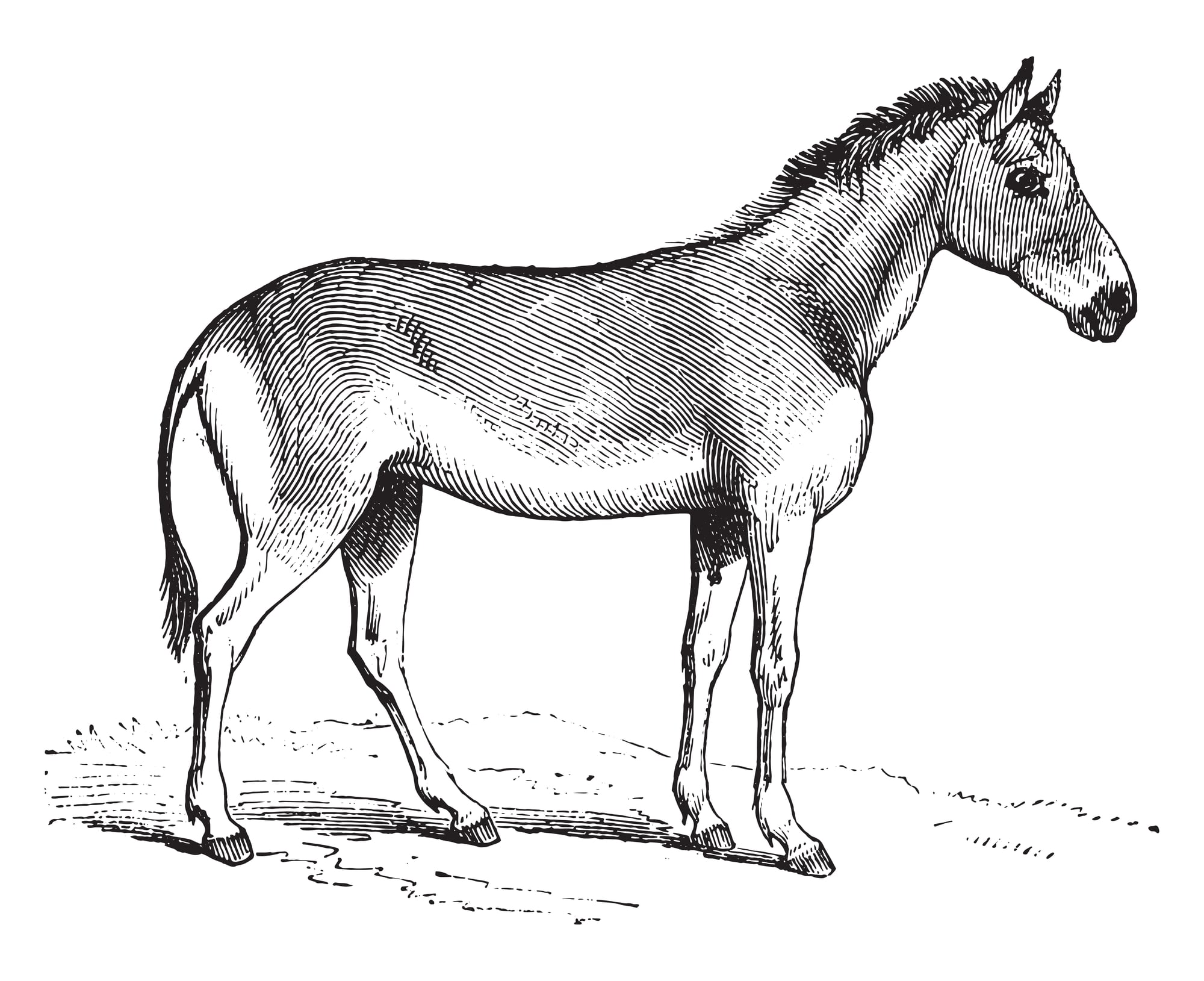
The Syrian wild donkey once roamed across the Middle East in large herds that moved with the seasons. This subspecies stood smaller than domestic donkeys and had a pale coat that helped it blend into the desert landscape.
The last confirmed individual died at a zoo in Vienna in 1927, though the species had likely vanished from the wild decades earlier. Photographs from the late 1800s and early 1900s show a few captive animals, their compact builds and upright ears visible in the old images.
The Syrian wild donkey belonged to the same species as the African wild donkey, but regional adaptations made it distinct enough that scientists consider its loss a significant blow to genetic diversity.
Paradise Parrot
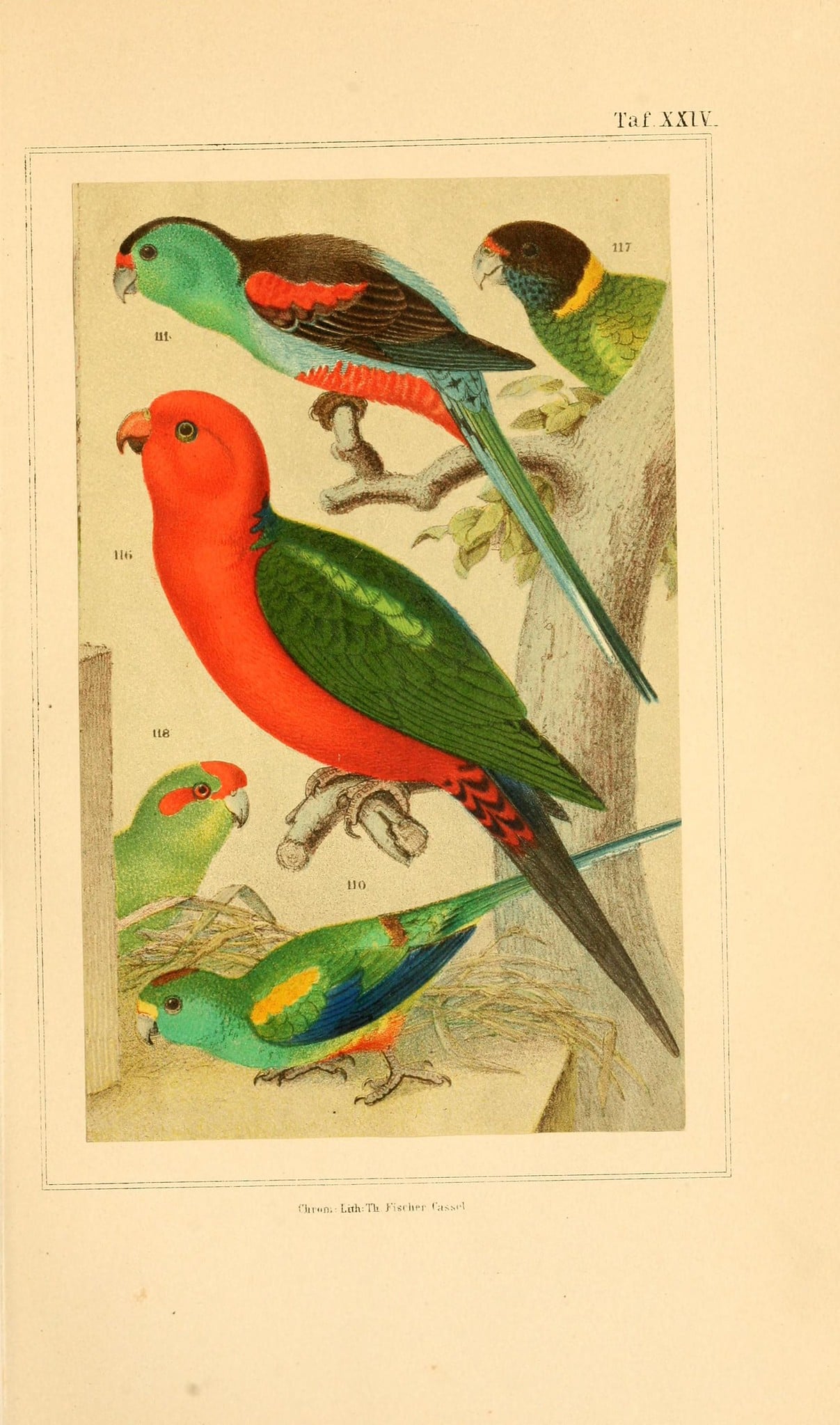
Queensland’s paradise parrot brought vibrant colors to the Australian outback, though we only know this from written descriptions and painted illustrations. The species disappeared so quickly that photographers never captured it properly, and the few existing black and white images show dead specimens or blurry shapes.
The last confirmed sighting happened in 1927, though searches continued for decades afterward. This small parrot nested in termite mounds and relied on specific grassland conditions that changed dramatically when European farming practices arrived.
Contemporary accounts describe brilliant reds, greens, and blues that made the bird look like it belonged in a tropical rainforest rather than dry inland regions.
Schomburgk’s Deer
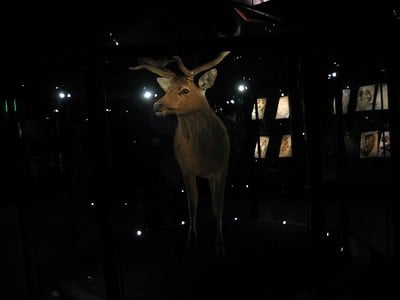
Thailand’s Schomburgk’s deer carried one of the most elaborate antler arrangements ever seen on any deer species. These branching antlers looked like ornate candelabras sprouting from the animal’s head.
The species lived in swampy areas of central Thailand, where it fed on aquatic plants and grasses. The last known wild individual was shot in 1932, and a captive animal survived until 1938.
Black and white photographs from the early 20th century show the distinctive antlers in detail, preserving the only visual record of how these structures actually looked. The conversion of Thai wetlands to rice paddies eliminated the specialized habitat that deer needed to survive.
Steller’s Sea Cow
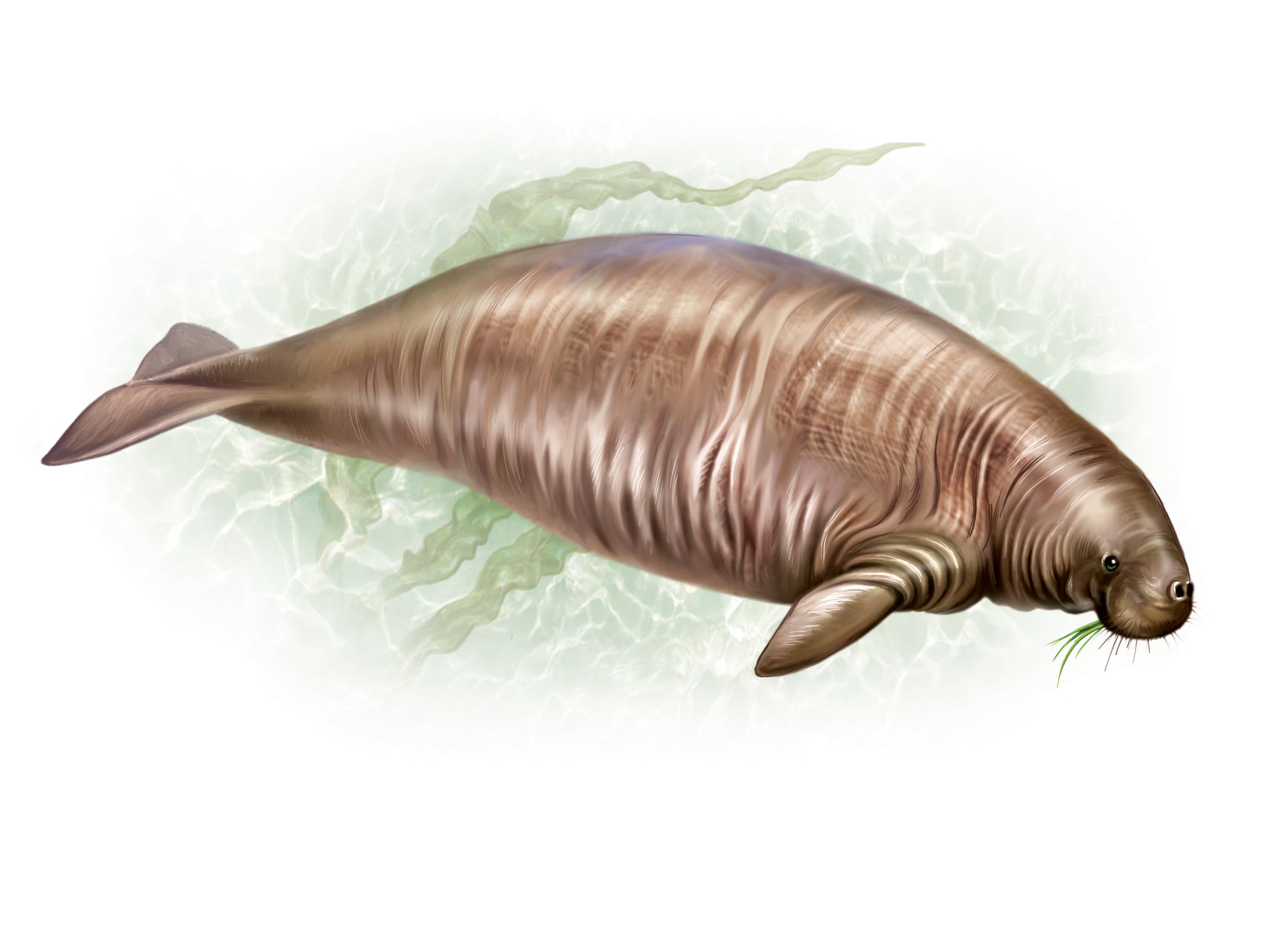
This massive marine mammal lived in the frigid waters around the Commander Islands in the Bering Sea. Georg Wilhelm Steller documented the species in 1741, describing animals that could reach 30 feet long and weighed several tons.
The sea cow fed on kelp in shallow waters and moved slowly through the waves, making it an easy target for hunters. By 1768, just 27 years after its scientific discovery, the species had been completely eliminated.
No photographs exist because the animal went extinct before photography was invented, but detailed drawings and written descriptions provide our only visual reference. Scientists who study these extinct marine mammals rely on skeletal remains and historical accounts to understand how Steller’s sea cows fit into Arctic ecosystems.
Carolina Parakeet
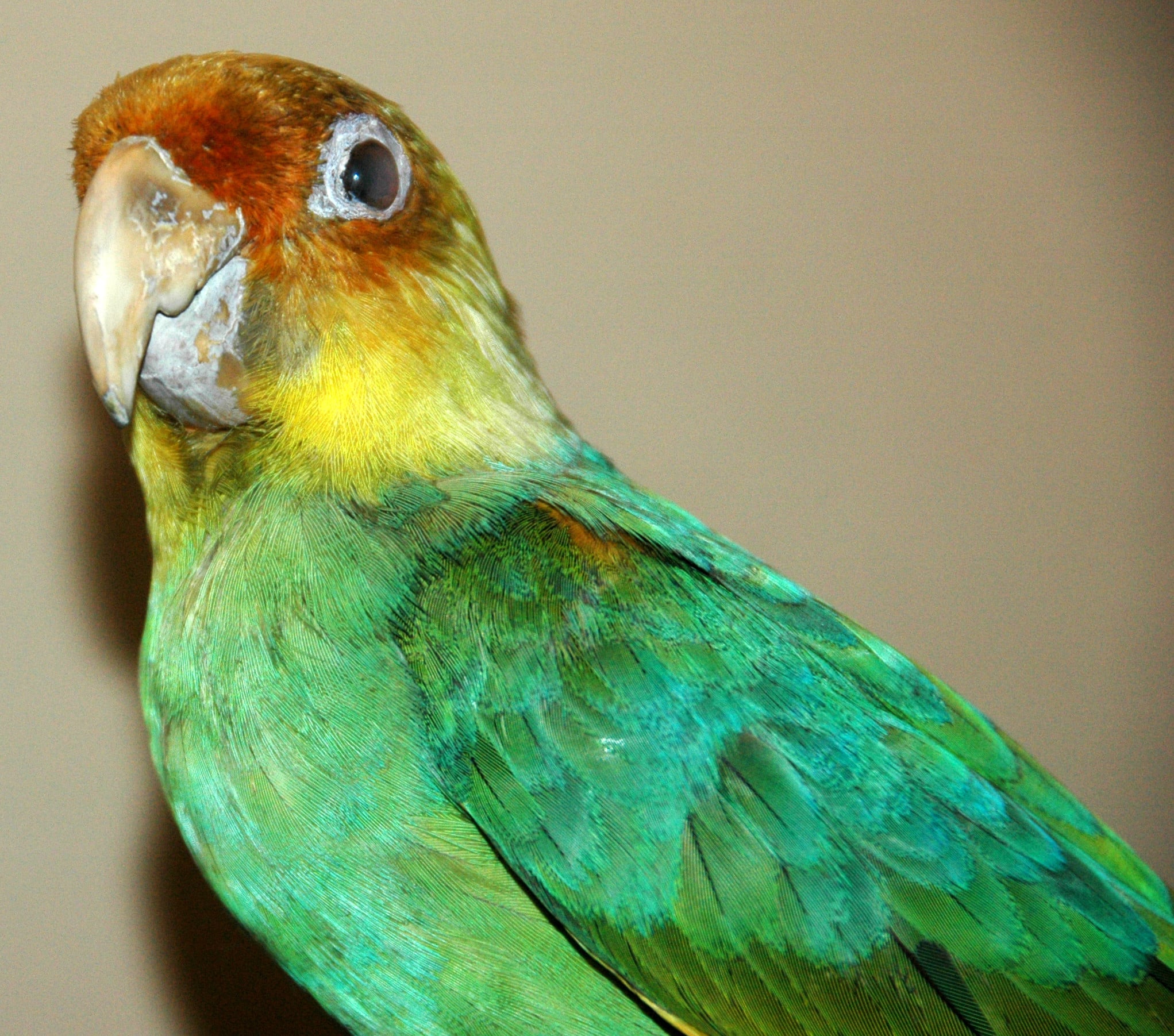
North America’s only native parrot species brought splashes of green, yellow, and orange to forests from the Gulf Coast to the Great Lakes. The Carolina parakeet lived in large flocks that fed on cockleburs, thistles, and other plants most animals avoided.
The species declined rapidly in the late 1800s as forests were cleared and farmers killed the birds to protect crops. The last known individual died at the Cincinnati Zoo in 1918, coincidentally in the same aviary that had housed Martha the passenger pigeon.
A few black and white photographs captured captive birds, showing their distinctive crests and curved beaks. Modern genetic studies using museum specimens have revealed unexpected details about the parakeet’s evolutionary history and relationship to South American parrot species.
Japanese Sea Lion
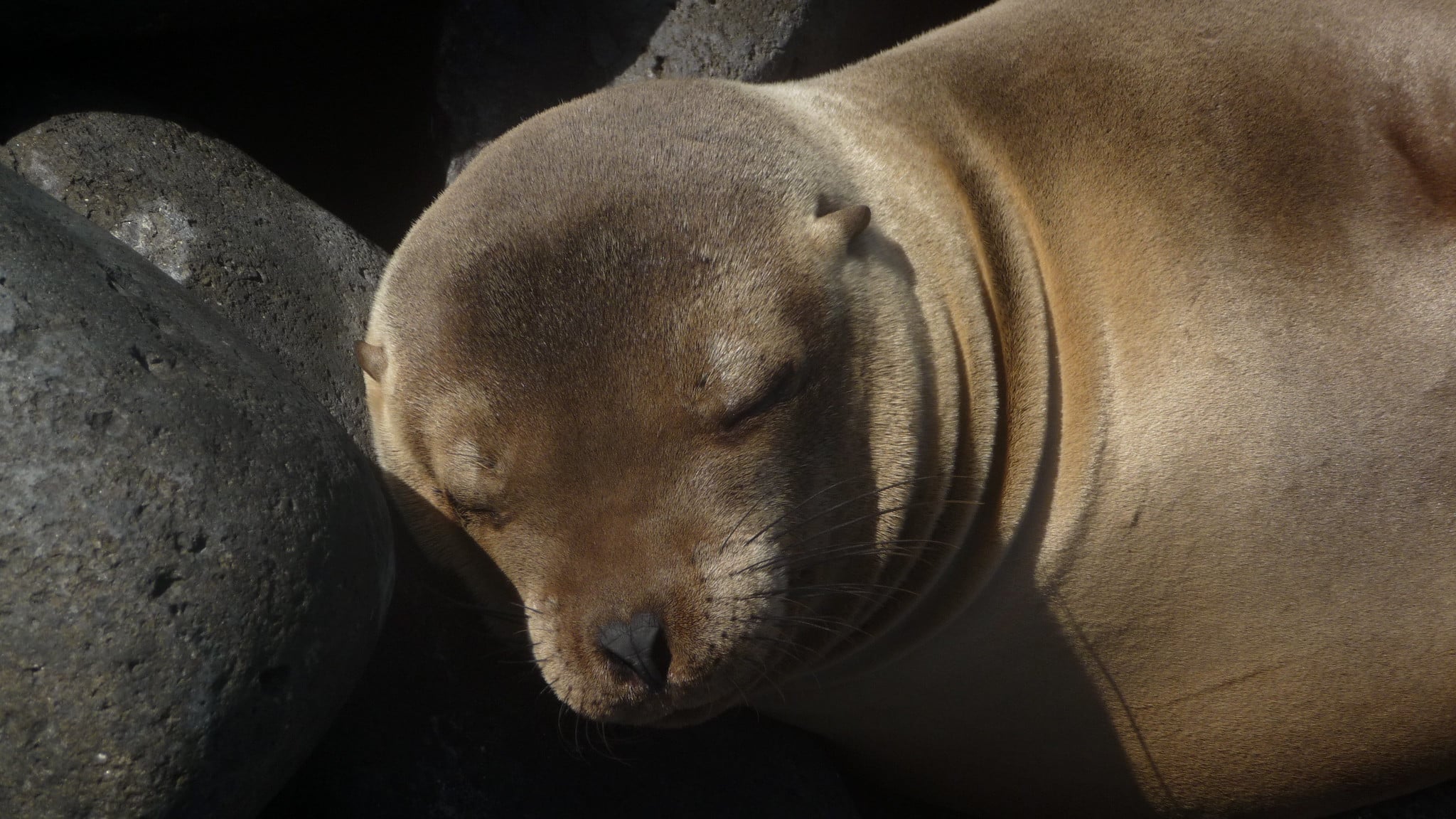
The Japanese sea lion basked on rocky shores throughout the Sea of Japan, breeding on isolated islands between Japan and Korea. These pinnipeds grew larger than California sea lions and had distinctive thick necks and broad snouts.
Commercial hunting in the early 20th century devastated populations that had no experience with intensive predation. The last confirmed sighting occurred in the 1970s, though the species was likely extinct decades earlier.
Black and white photographs from the 1930s show animals hauled out on beaches and swimming near boats, documenting behavior patterns that scientists now study to understand how marine mammals responded to human pressure. The Japanese government declared the species extinct in 2007.
Bubal Hartebeest
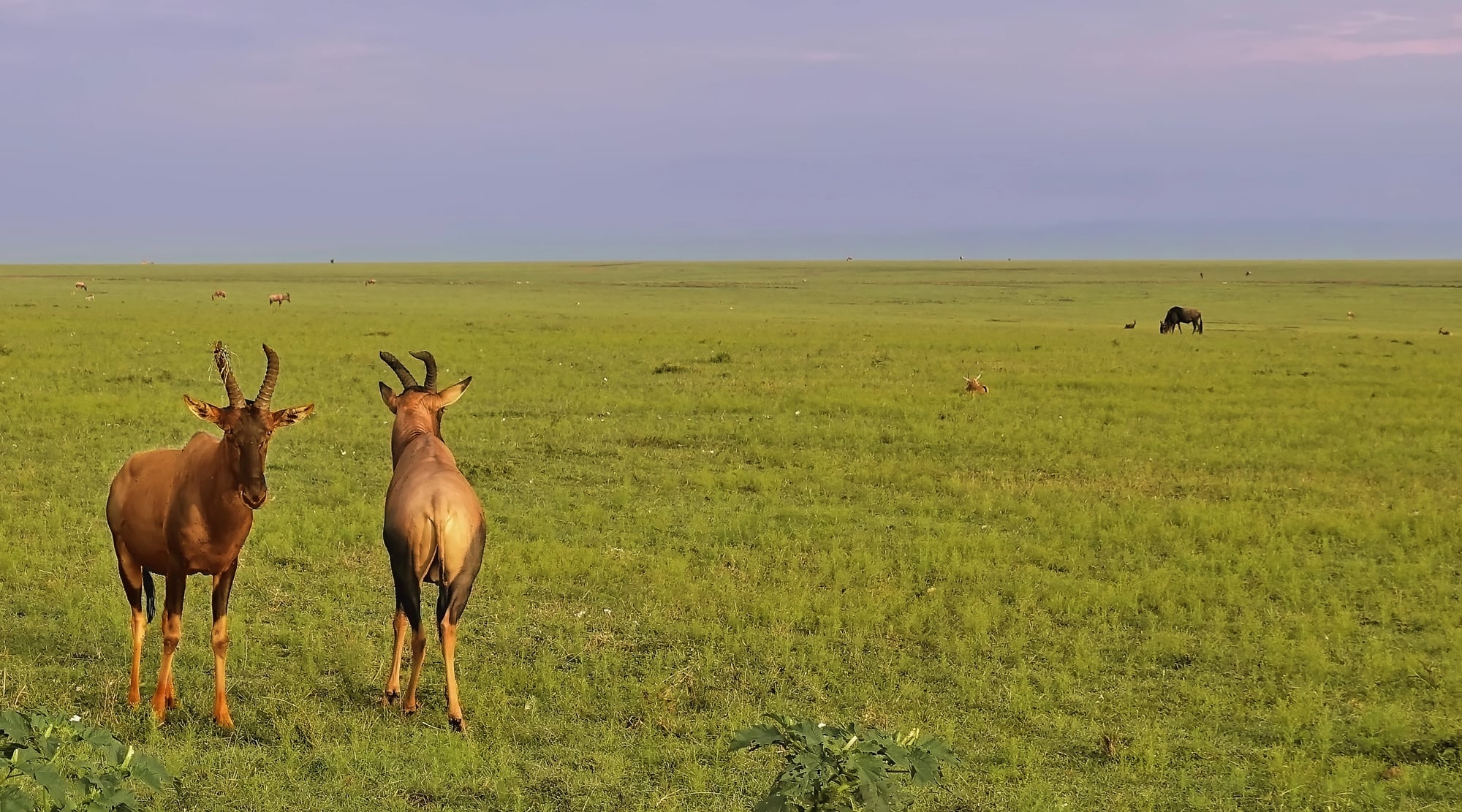
North Africa’s bubal hartebeest roamed from Morocco to Egypt in the days before deserts expanded and human populations grew. This large antelope had a distinctively shaped head and lyre-shaped horns that curved backward and then forward at the tips.
The species declined steadily throughout the 1800s as habitat disappeared and hunting intensified. The last known individual died in Paris in 1923, decades after the species had vanished from the wild.
A few black and white photographs captured zoo specimens, showing the animal’s robust build and unique horn configuration. Modern conservationists sometimes reference the bubal hartebeest when discussing the possibility of using selective breeding to recreate extinct subspecies from related populations.
Laughing Owl
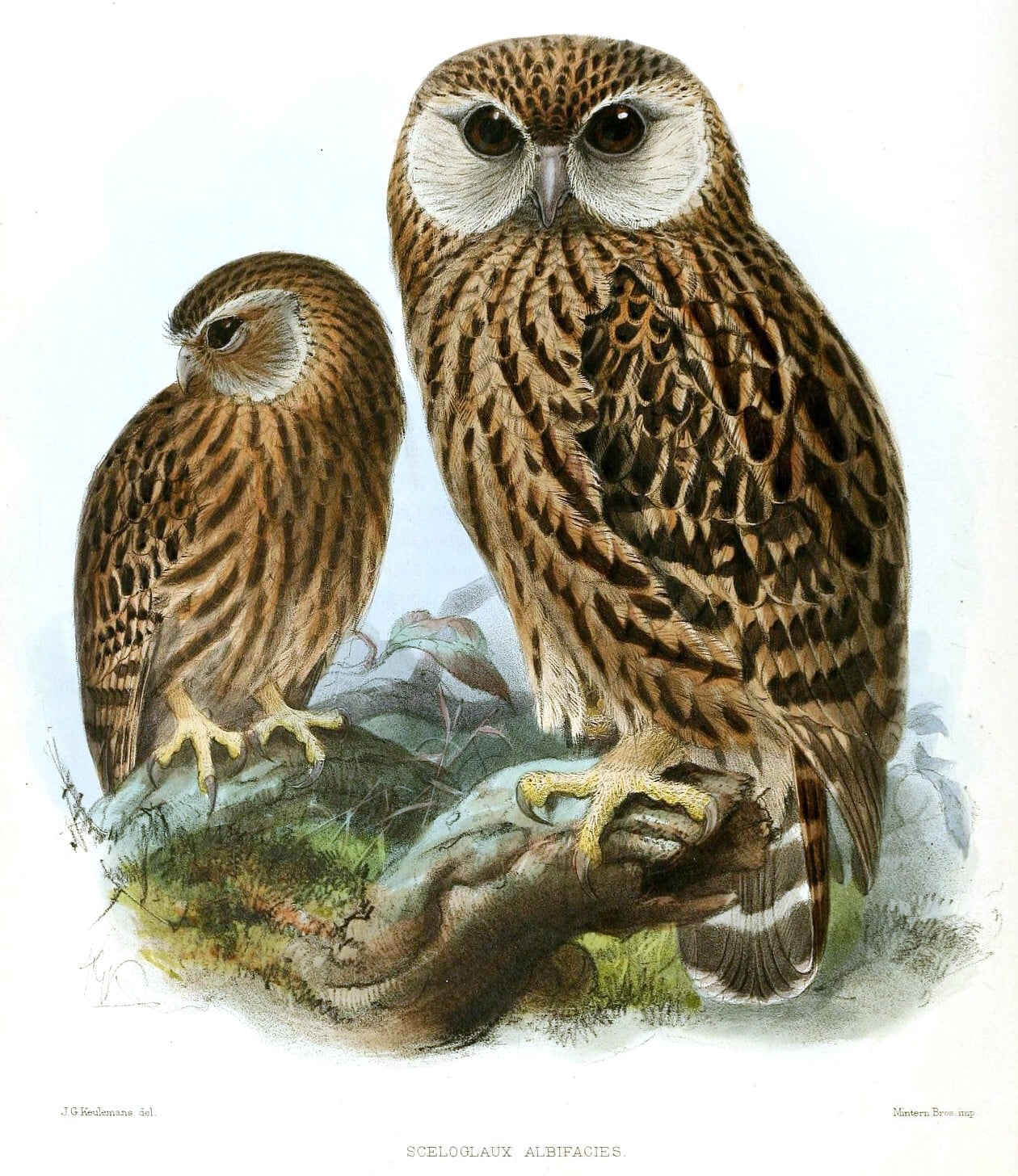
Midnight echoes once carried a voice some called laughter – this came from New Zealand’s now-gone owl. Moving low across earth, it stalked prey like few others in its kind ever did, feasting on beetles just as much as winged songsters.
When foreign creatures arrived with pale newcomers, balance tipped fast; rats slithered in, felines followed. Official records ended in 1914 when the final bodies were taken, yet whispers of glimpses lingered well past then.
Still images in gray and white capture just the old feathers kept safe in museums, revealing the bird’s speckled coloring yet staying silent on its motions or habits. Voices passed down through generations of Maori speak of the laughing owl, filling gaps that pictures never could.
Formosan Clouded Leopard
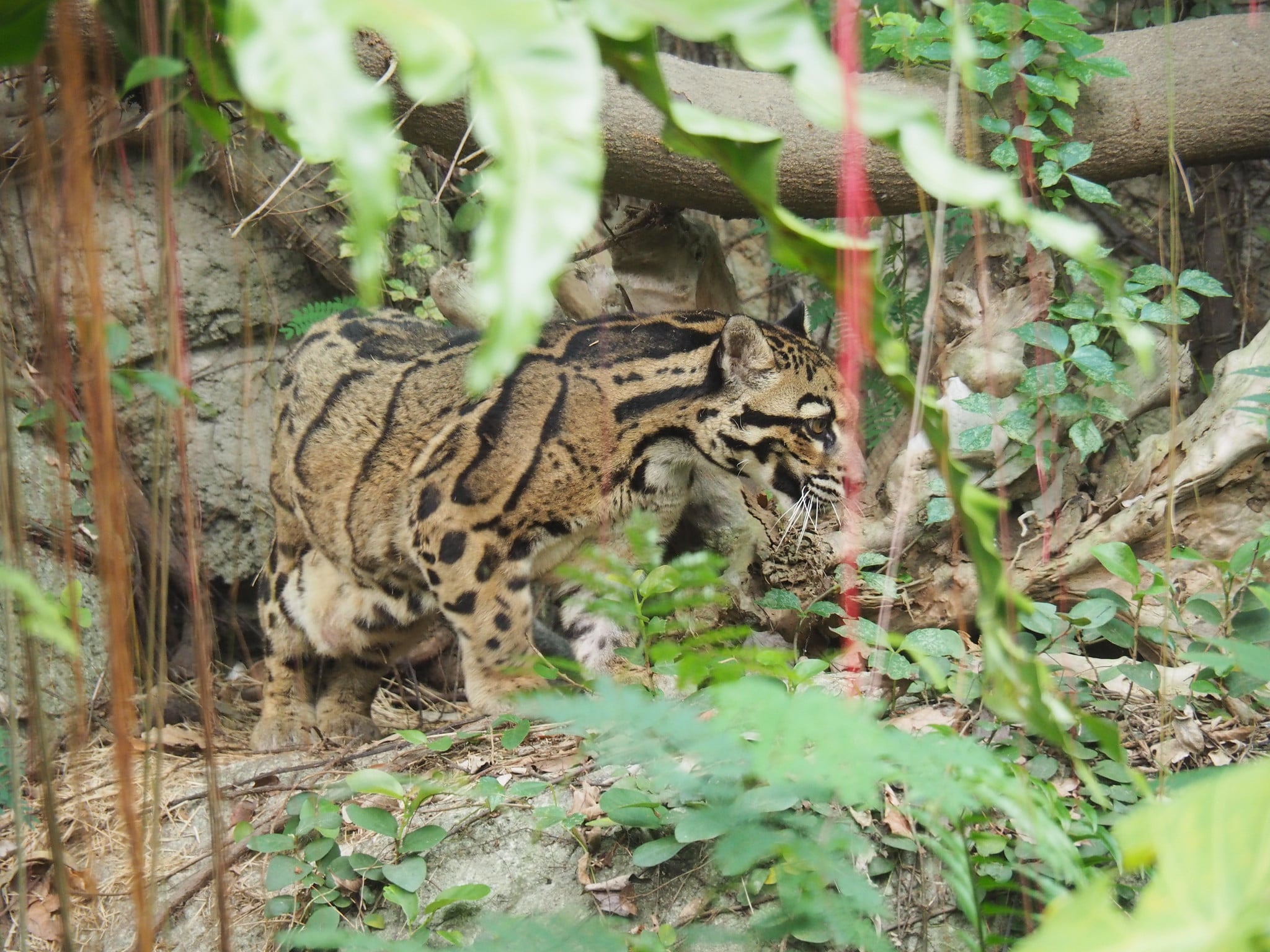
A ghost among trees, Taiwan’s clouded leopard moved quietly where humans rarely stepped, chasing deer or monkeys under thick forest cover. Markings like scattered clouds ran across its fur – unique patterns nobody else quite matched.
Longer fangs than most cats gave it an edge when gripping slippery prey. Sightings stopped after 1983, at least ones anyone could prove.
Rumors pop up now and then, whispers in villages or hikers’ tales, but nothing sticks. Not a single colored photo was ever snapped.
What remains? Grainy grayscale shots – not live animals – but pelts stretched out, lifeless, stored away. Still visible in blurry images, the leopard’s speckled fur gave clues to its unique identity, pointing straight to the Formosan type.
Years went by without a single sighting, then came official word – Taiwan labeled the creature gone, erased from existence in 2013.
The Gap In Our Visual History
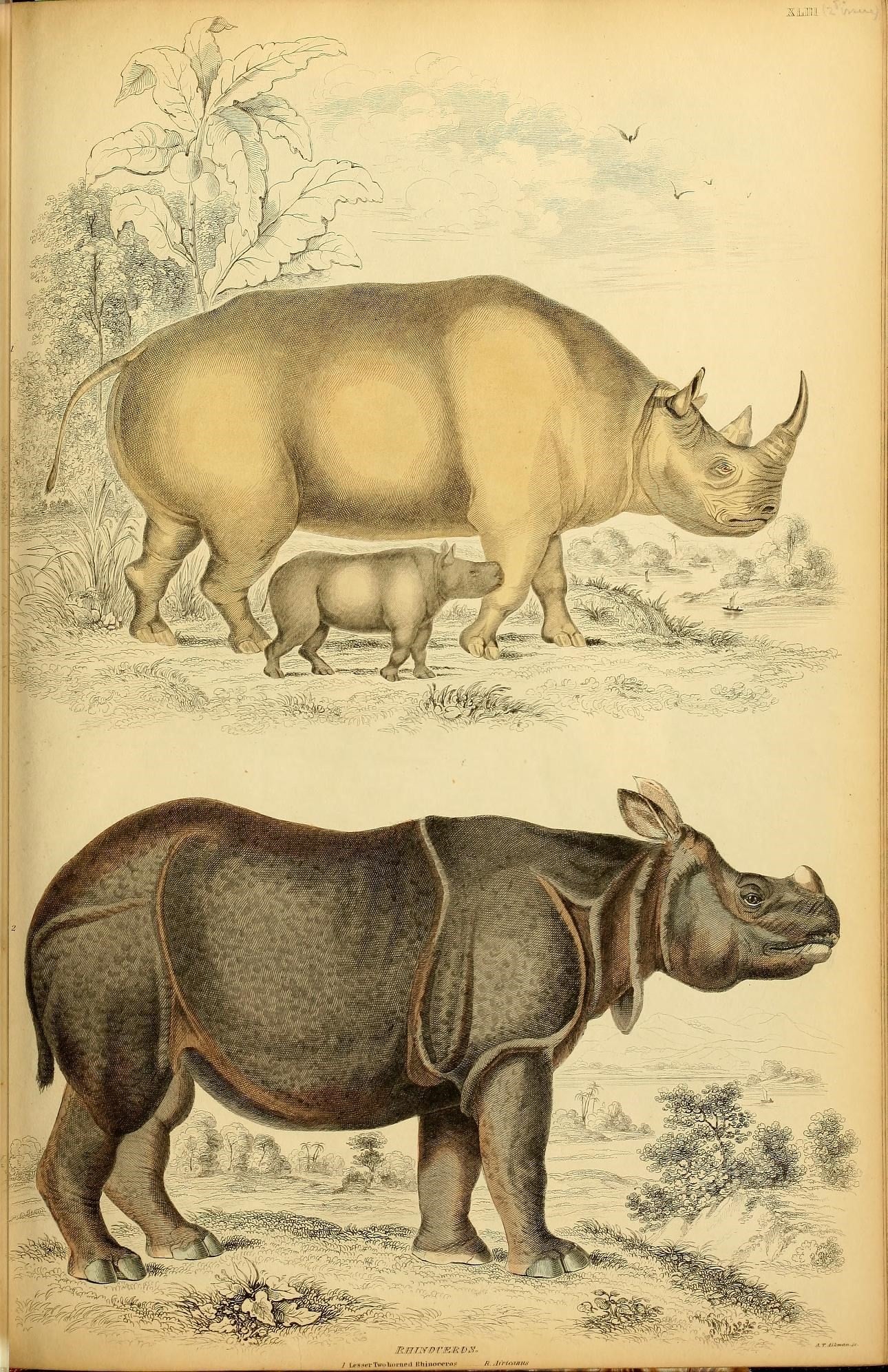
Black and white photos hold weight beyond their lack of color. Right there, frozen, sits proof of how fast life vanishes compared to our ability to record it.
While today’s teams rely on drones, sharp digital gear, and tracking systems to follow at-risk creatures, those tools came too late for some. What remains are fuzzy snapshots – echoes of beings gone before clear vision could catch them.
Each blurred frame whispers that loss moves quicker than progress, leaving future eyes to know certain lives only through fading pictures.
More from Go2Tutors!

- The Romanov Crown Jewels and Their Tragic Fate
- 13 Historical Mysteries That Science Still Can’t Solve
- Famous Hoaxes That Fooled the World for Years
- 15 Child Stars with Tragic Adult Lives
- 16 Famous Jewelry Pieces in History
Like Go2Tutors’s content? Follow us on MSN.



