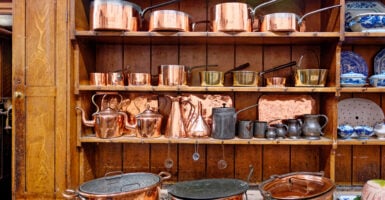
15 Spices That Created Entire Cities
Throughout history, the quest for flavor has shaped civilizations in ways most people never imagine. Small seeds, dried leaves, and aromatic bark have launched ships across oceans, sparked wars between empires, and transformed sleepy fishing villages into bustling metropolises. The spice trade wasn’t just about making food taste better—it was about power, wealth, and the very foundation of global commerce.
Here is a list of 15 spices that literally built cities from the ground up, turning strategic locations into thriving centers of trade and culture.
Black Pepper

Venice became the queen of European commerce largely because of these tiny black spheres that were once worth their weight in gold. Medieval Europeans craved pepper so intensely that they’d pay almost any price for it, and Venice controlled the Mediterranean routes that brought it from India.
The city’s grand palaces and intricate canal system were essentially built on pepper profits. Venetian merchants became so wealthy from the spice trade that they could afford to commission the world’s greatest artists and architects, creating the floating masterpiece we know today.
Cinnamon

Sri Lanka’s coastal cities flourished because cinnamon bark could only be harvested from trees growing in their specific climate. The Portuguese, Dutch, and British all fought viciously to control these cinnamon-producing regions, and whichever European power held sway would establish fortified trading posts that grew into major cities.
Colombo transformed from a small fishing village into a significant port city primarily because ships from around the world came seeking those fragrant strips of bark. The spice was so valuable that cinnamon sellers could afford to live like royalty.
Like Go2Tutors’s content? Follow us on MSN.
Nutmeg
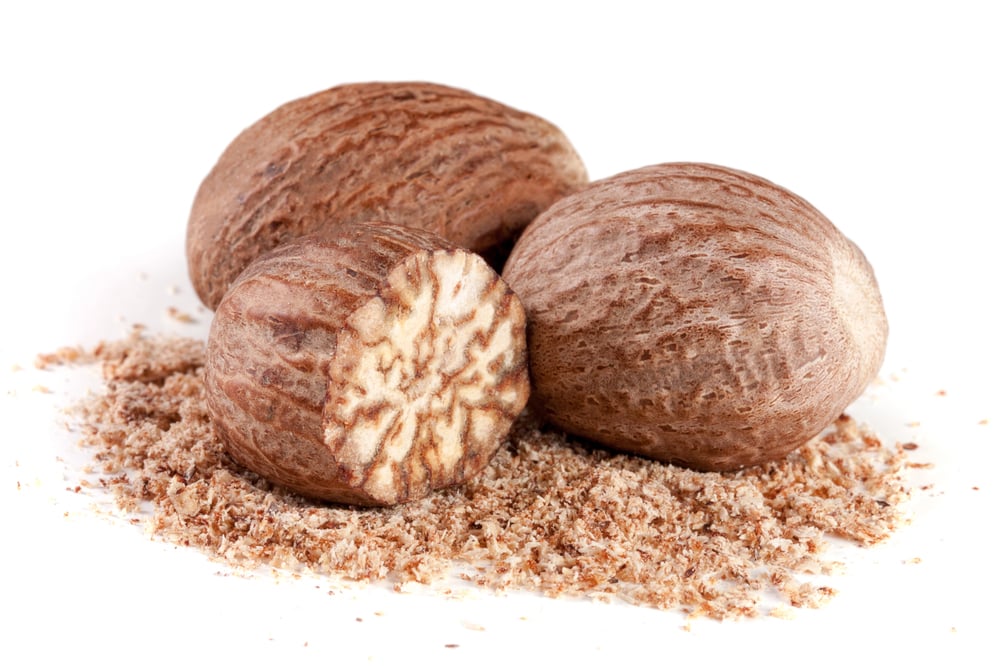
The tiny Banda Islands in Indonesia became the center of intense international rivalry because they were the only place on Earth where nutmeg grew naturally. European powers literally went to war over these specks of land, with the Dutch eventually gaining control and establishing heavily fortified settlements.
The city of Banda Neira was built as a Dutch stronghold, complete with military installations and grand colonial architecture, all to protect and control the nutmeg trade. At one point, nutmeg was worth more than gold, and the Dutch were willing to trade Manhattan to the British just to secure their monopoly on these islands.
Cloves
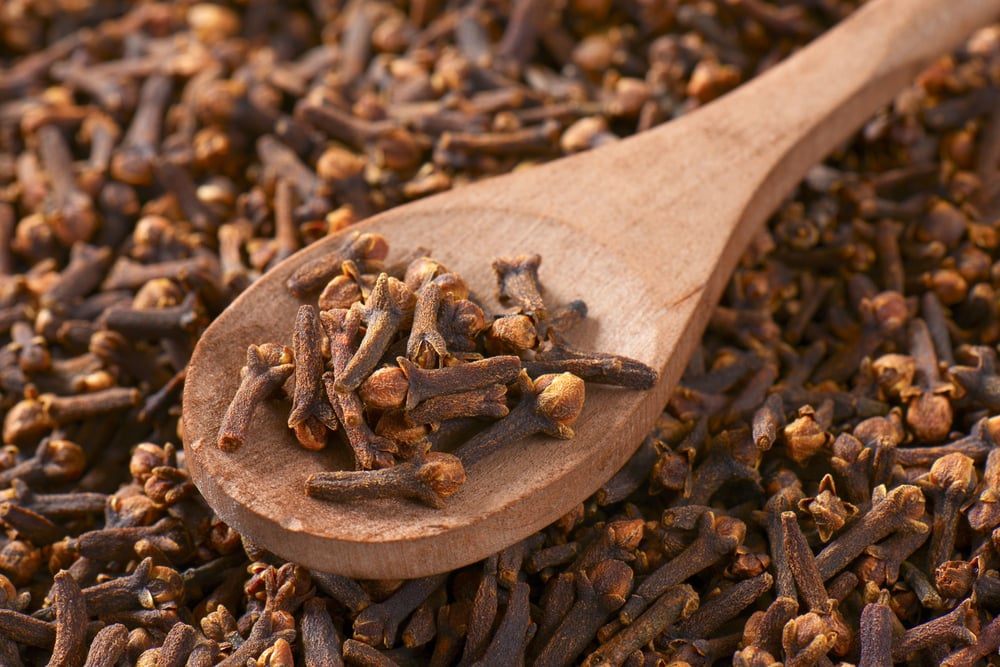
The Moluccas, known as the Spice Islands, saw their major settlements grow around clove cultivation and trade. These flower buds were so precious that entire cities developed elaborate defense systems just to protect their clove warehouses.
Ternate and Tidore became powerful city-states that controlled the clove trade for centuries, with their rulers living in magnificent palaces funded entirely by spice profits. The Portuguese, Spanish, and Dutch all established major trading posts in these cities, bringing international architecture and culture to what had been relatively isolated island communities.
Cardamom
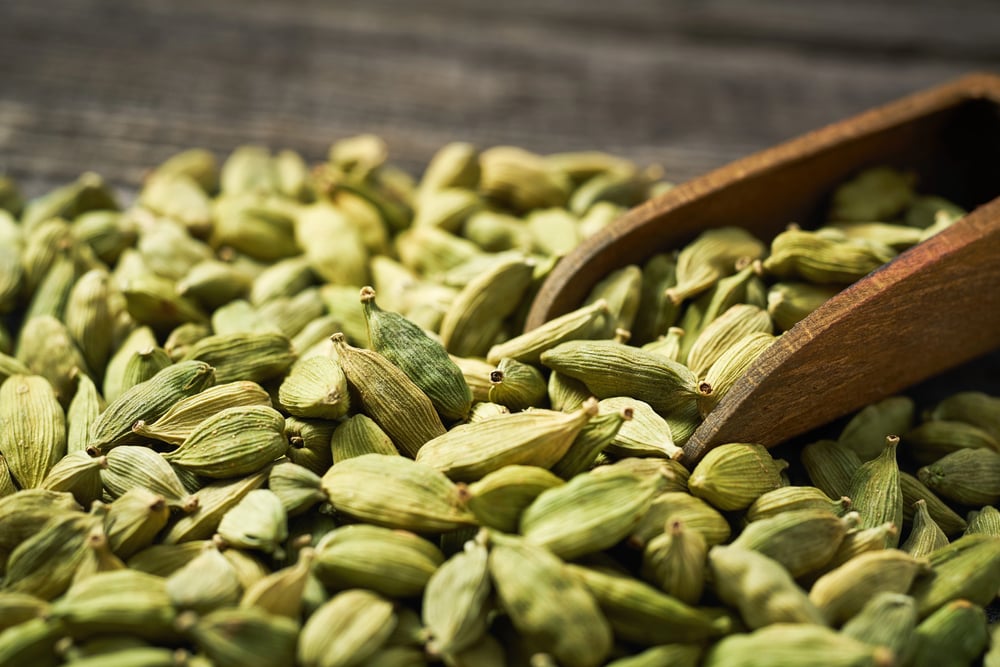
The Western Ghats of India became home to thriving trading cities because cardamom pods could only be cultivated in their misty, mountainous climate. Kumily and other hill stations developed as collection and processing centers where merchants from across Asia would gather to buy these ‘queen of spices.’
The spice was so valuable that entire families could live comfortably off small cardamom plantations, and the wealth generated created beautiful temples and elaborate homes throughout the region. These cities became melting pots of different cultures as traders from Arabia, Persia, and Europe all converged to secure their cardamom supplies.
Like Go2Tutors’s content? Follow us on MSN.
Saffron
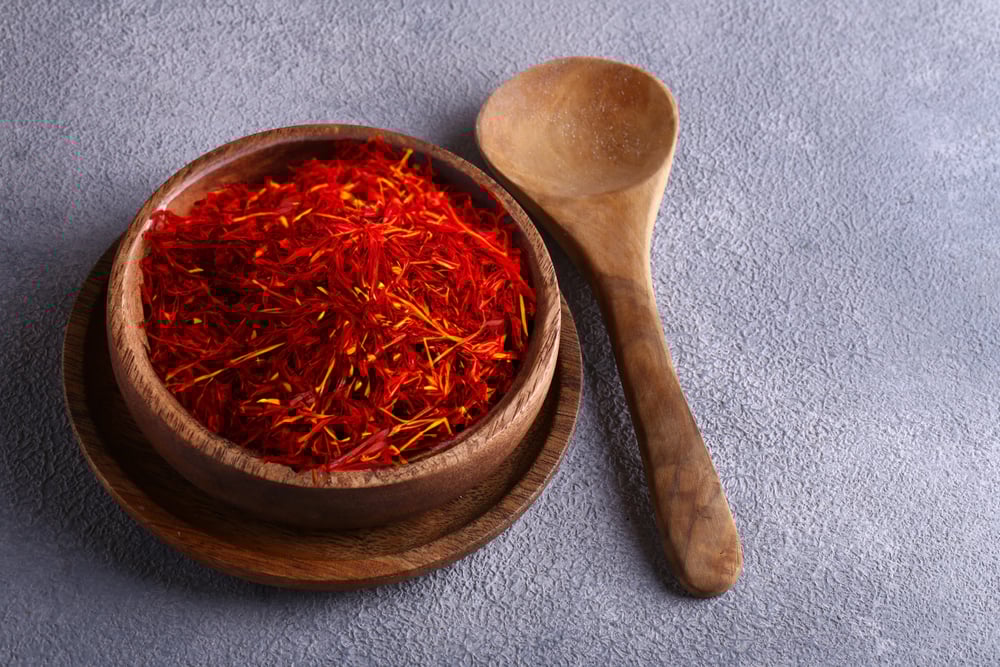
Kashmir’s saffron fields gave birth to trading cities where merchants would gather each autumn to buy the world’s most expensive spice by weight. The tedious process of hand-harvesting saffron threads meant that even small quantities were incredibly valuable, and cities like Pampore became wealthy centers of saffron commerce.
Persian and Central Asian traders established permanent settlements in these areas, creating a unique blend of architectural styles and cultural traditions. The saffron trade was so lucrative that it funded the construction of magnificent gardens and palaces throughout the Kashmir valley.
Vanilla

Madagascar’s vanilla-growing regions saw their port cities expand dramatically when vanilla became the world’s second-most expensive spice. The hand-pollination process required for vanilla cultivation outside its native Mexico meant that Madagascar held a virtual monopoly, and cities like Sambava became major trading hubs.
International buyers would establish permanent offices in these cities, bringing modern infrastructure and creating employment for thousands of locals. The vanilla trade transformed these coastal communities from subsistence fishing villages into prosperous commercial centers.
Star Anise

The mountainous regions of northern Vietnam and southern China developed significant trading cities around star anise cultivation. These distinctive star-shaped pods were essential for traditional Chinese medicine and cooking, creating steady demand that supported entire urban communities.
Cities like Lao Cai became major collection and distribution points where star anise from mountain villages would be processed and shipped to markets across Asia. The spice trade brought prosperity to these remote regions and connected them to international commerce networks.
Like Go2Tutors’s content? Follow us on MSN.
Allspice
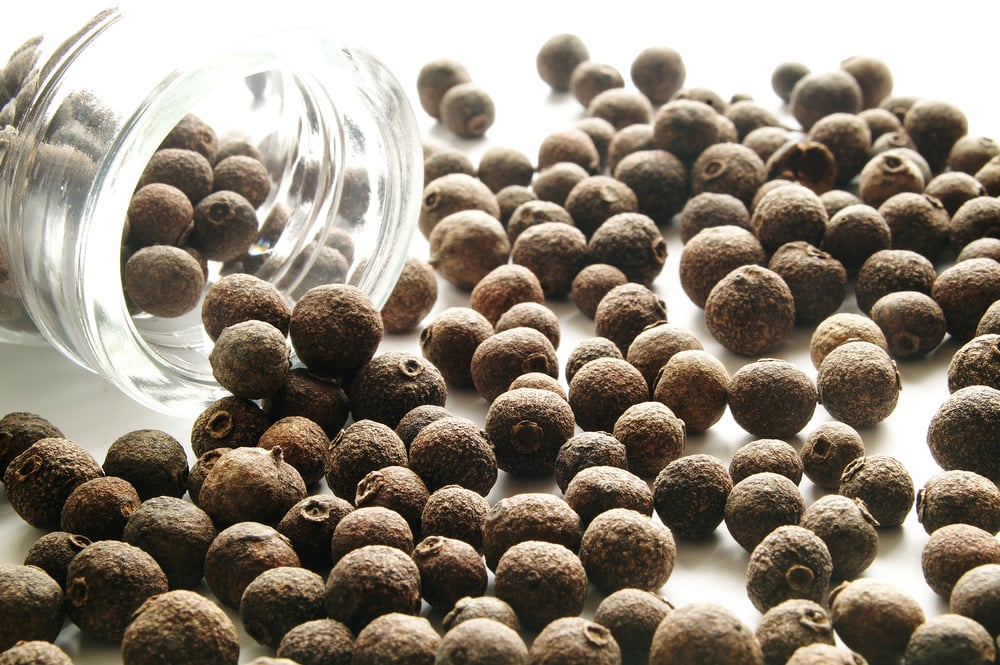
Jamaica’s Blue Mountains region saw its settlements grow into proper cities largely due to allspice cultivation. The berries, which taste like a combination of cinnamon, nutmeg, and cloves, were unique to the Caribbean and became essential for European cooking and food preservation.
Port cities like Kingston expanded their harbor facilities and warehouses specifically to handle allspice exports, while mountain communities developed sophisticated drying and processing operations. The spice trade created a network of inland and coastal cities all connected by the allspice economy.
Turmeric

The coastal regions of Tamil Nadu developed major trading cities around turmeric cultivation and processing. This golden spice wasn’t just used for cooking—it was essential for religious ceremonies, traditional medicine, and textile dyeing throughout Asia.
Cities like Erode became known as turmeric capitals, with massive wholesale markets where buyers from across India would gather to purchase the spice. The wealth generated from turmeric trade funded the construction of elaborate temples and supported thriving arts communities in these cities.
Sumac

The Mediterranean cities of Turkey and Lebanon grew prosperous from sumac cultivation and trade. These red berries were essential for Middle Eastern cuisine and were also used as a natural dye and preservative.
Cities like Gaziantep in Turkey became major sumac processing centers, with families passing down specialized knowledge of cultivation and preparation techniques through generations. The spice trade brought international merchants to these cities, creating cosmopolitan communities that blended local traditions with global commerce.
Like Go2Tutors’s content? Follow us on MSN.
Cumin
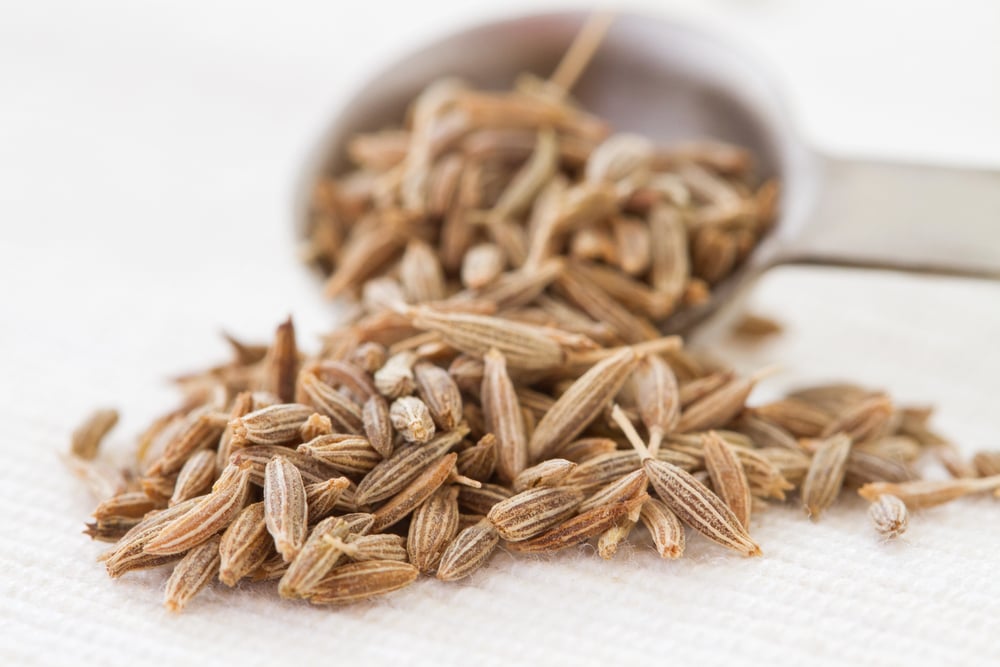
The desert cities of Rajasthan in India became major trading hubs because cumin seeds thrived in their arid climate. Jodhpur and other cities developed elaborate merchant quarters where cumin traders would conduct business, and the spice became so integral to the local economy that entire neighborhoods specialized in its processing and storage.
The wealth from cumin trade funded the construction of magnificent havelis (merchant houses) and helped establish these cities as important stops on ancient trade routes connecting India with Central Asia and the Middle East.
Fenugreek
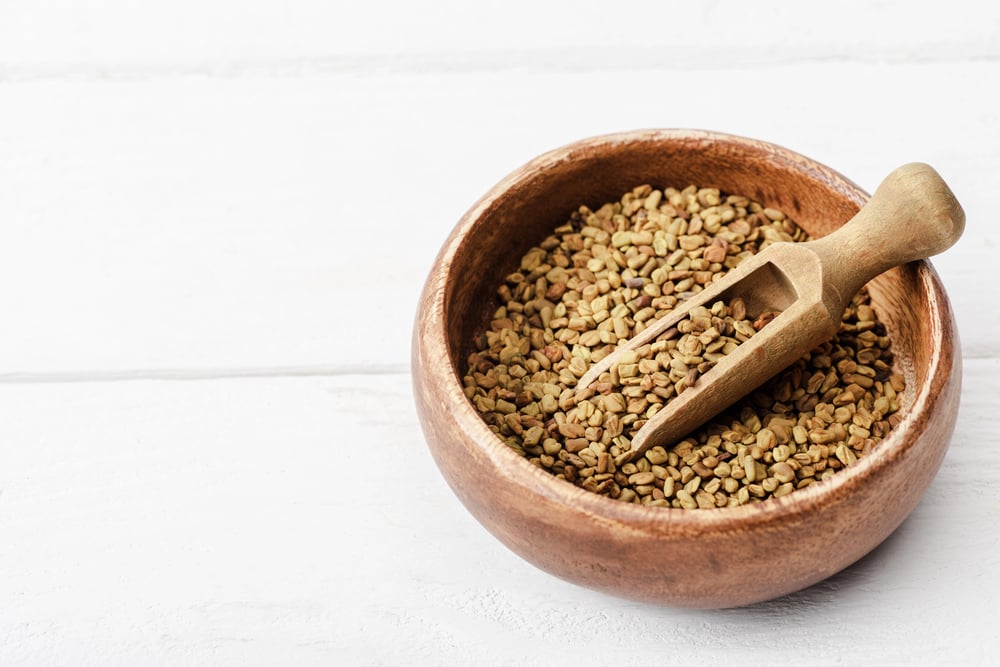
The fertile plains of northern India saw their market towns grow into significant cities largely due to fenugreek cultivation. These bitter seeds were prized for their medicinal properties and were essential ingredients in spice blends across Asia and the Middle East.
Cities like Mathura became major fenugreek trading centers, with seasonal markets that would draw merchants from hundreds of miles away. The spice trade created a complex network of brokers, processors, and exporters that supported entire urban communities.
Paprika
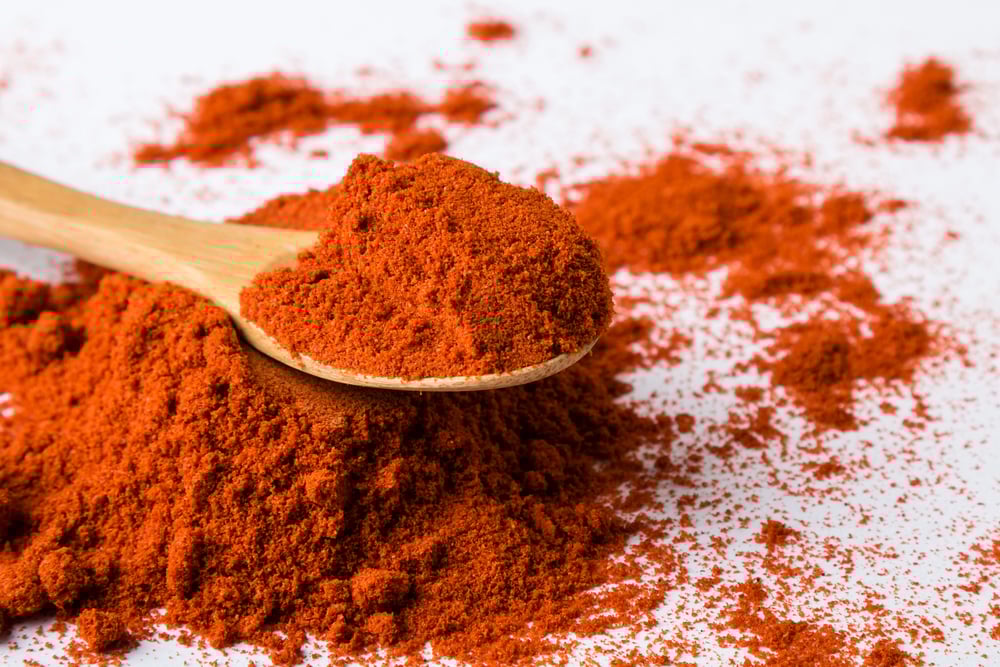
The regions of Hungary and Spain developed thriving cities around paprika pepper cultivation and processing. These bright red spices became essential for European cooking and were eventually exported worldwide.
Cities like Szeged in Hungary became synonymous with paprika production, developing specialized drying and grinding techniques that made their product highly sought after. The spice trade brought international recognition to these cities and created a cultural identity that persists today.
Like Go2Tutors’s content? Follow us on MSN.
Asafoetida
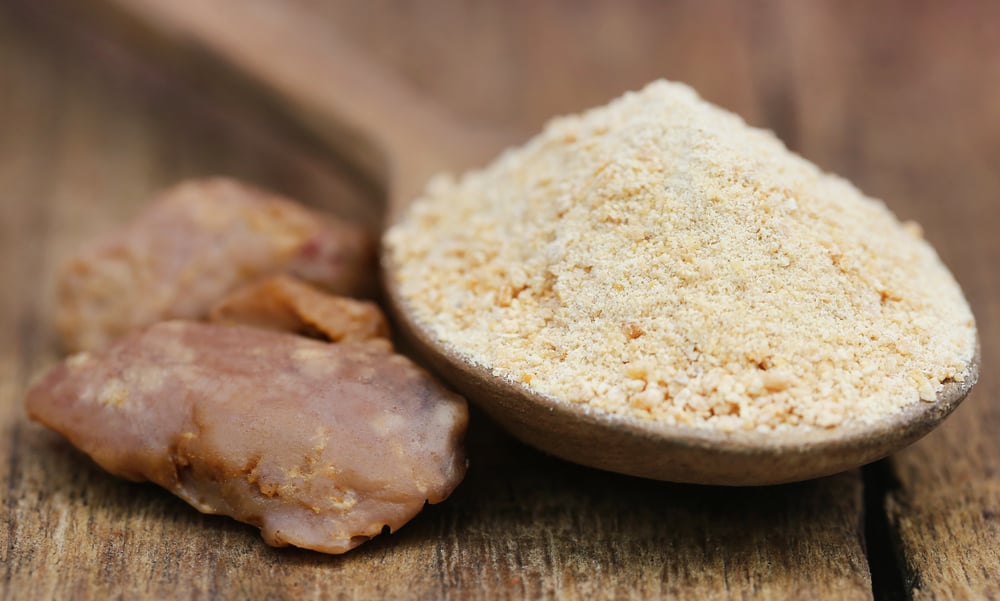
The remote regions of Afghanistan and Iran saw their oasis cities prosper from asafoetida cultivation and trade. This pungent resin was essential for Indian cooking and traditional medicine, commanding high prices despite its notorious smell.
Cities like Herat became major collection points where asafoetida from surrounding areas would be processed and shipped to markets in India and beyond. The spice trade connected these isolated communities to international commerce networks and brought prosperity to regions that had few other valuable exports.
Where Flavor Meets Fortune
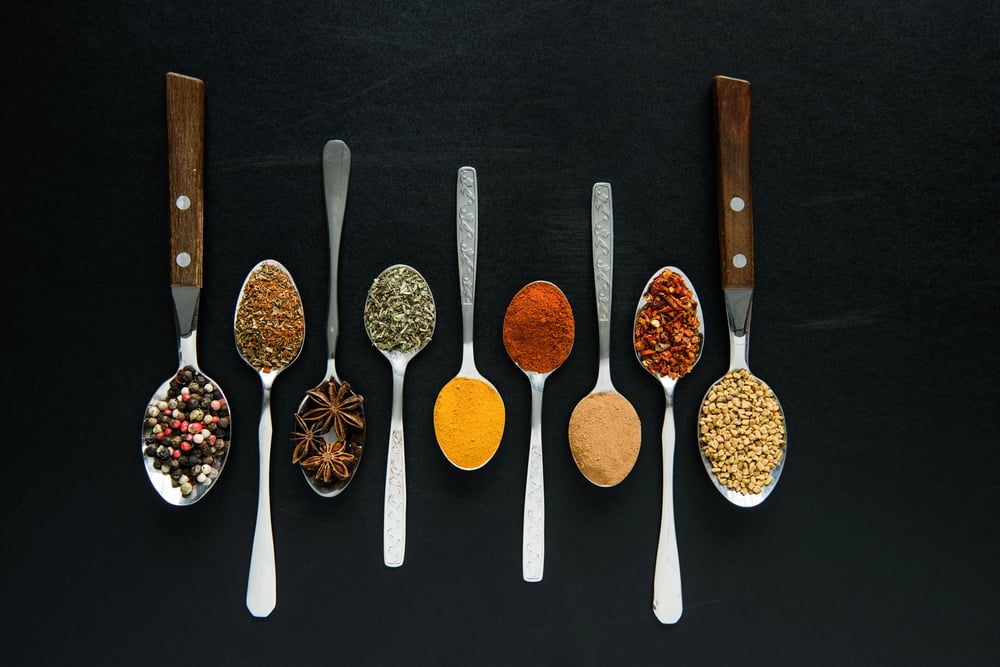
The cities built by spices remind us that globalization isn’t a modern invention—it’s been driven by humanity’s desire for flavor and variety for thousands of years. These urban centers, from Venice’s canals to Kashmir’s mountain towns, stand as monuments to the power of trade and the remarkable human ability to create wealth from the most unexpected sources.
Today, as we casually sprinkle these once-precious spices into our cooking, we’re participating in the same global networks that built empires and connected distant cultures across continents and centuries.
More from Go2Tutors!

- 16 Historical Figures Who Were Nothing Like You Think
- 12 Things Sold in the 80s That Are Now Illegal
- 15 VHS Tapes That Could Be Worth Thousands
- 17 Historical “What Ifs” That Would Have Changed Everything
- 18 TV Shows That Vanished Without a Finale
Like Go2Tutors’s content? Follow us on MSN.