15 Spider Facts That May Surprise You
Spiders have existed on Earth for more than 300 million years and now constitute one of the most thriving and varied collections of animals on the planet. Eight-legged arachnids have developed extraordinary adaptations and tendencies that enable them to survive and live in virtually any type of ecosystem on Earth. In spite of their commonness in everyday life, numerous things remain unknown about these fascinating arthropods to the common population.
Here are 15 spider facts that could make you reconsider your opinion of these vilified arachnids.
Hydraulic Movement
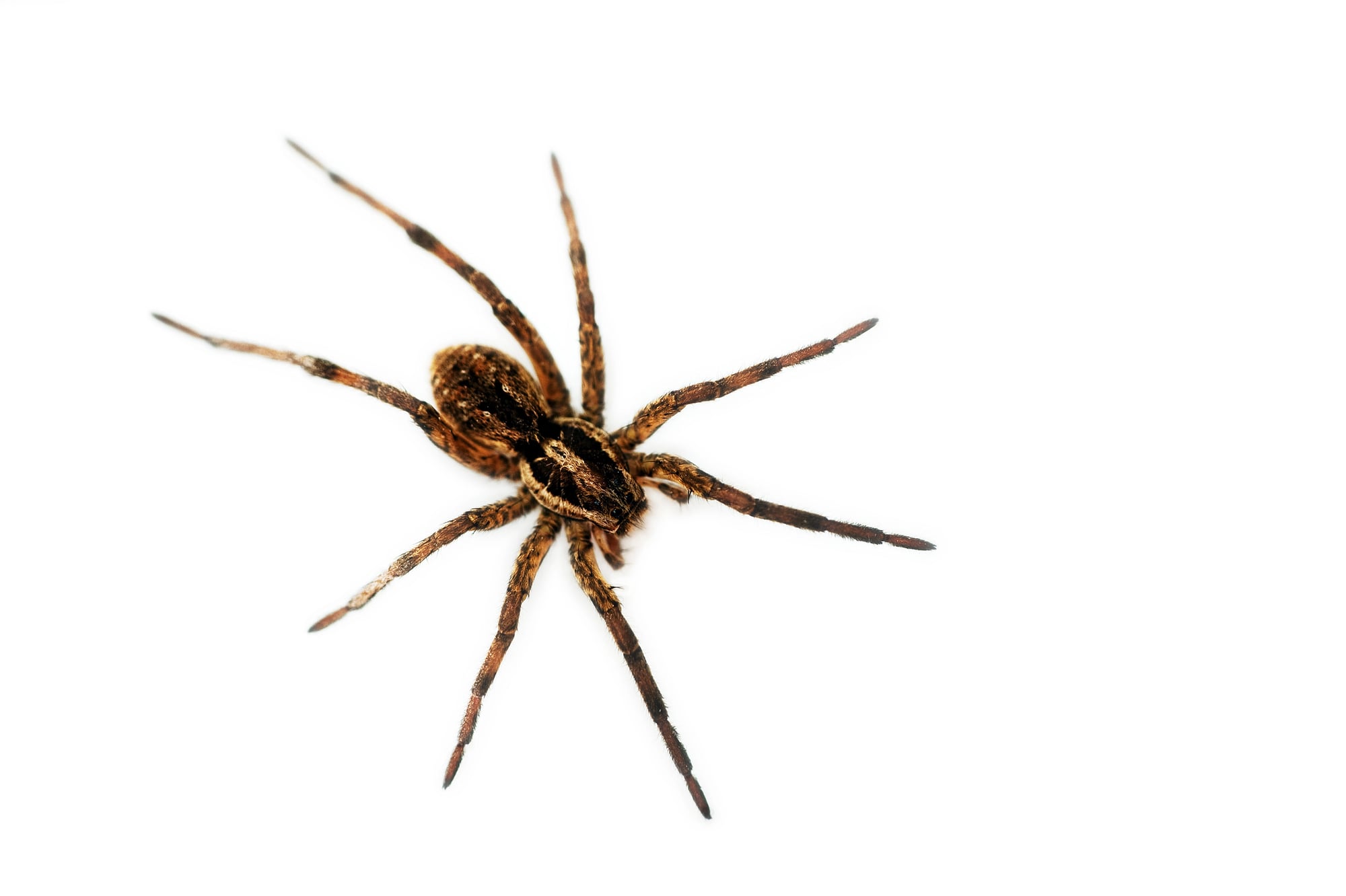
Spiders lack the muscles needed to extend their legs, instead using a hydraulic system powered by body fluid pressure. They effectively pump fluid into their limbs to move forward and rely on this pressure dropping when they need to curl their legs.
This unique hydraulic system explains why dead spiders curl up—without internal pressure, their legs naturally contract.
Silk Strength
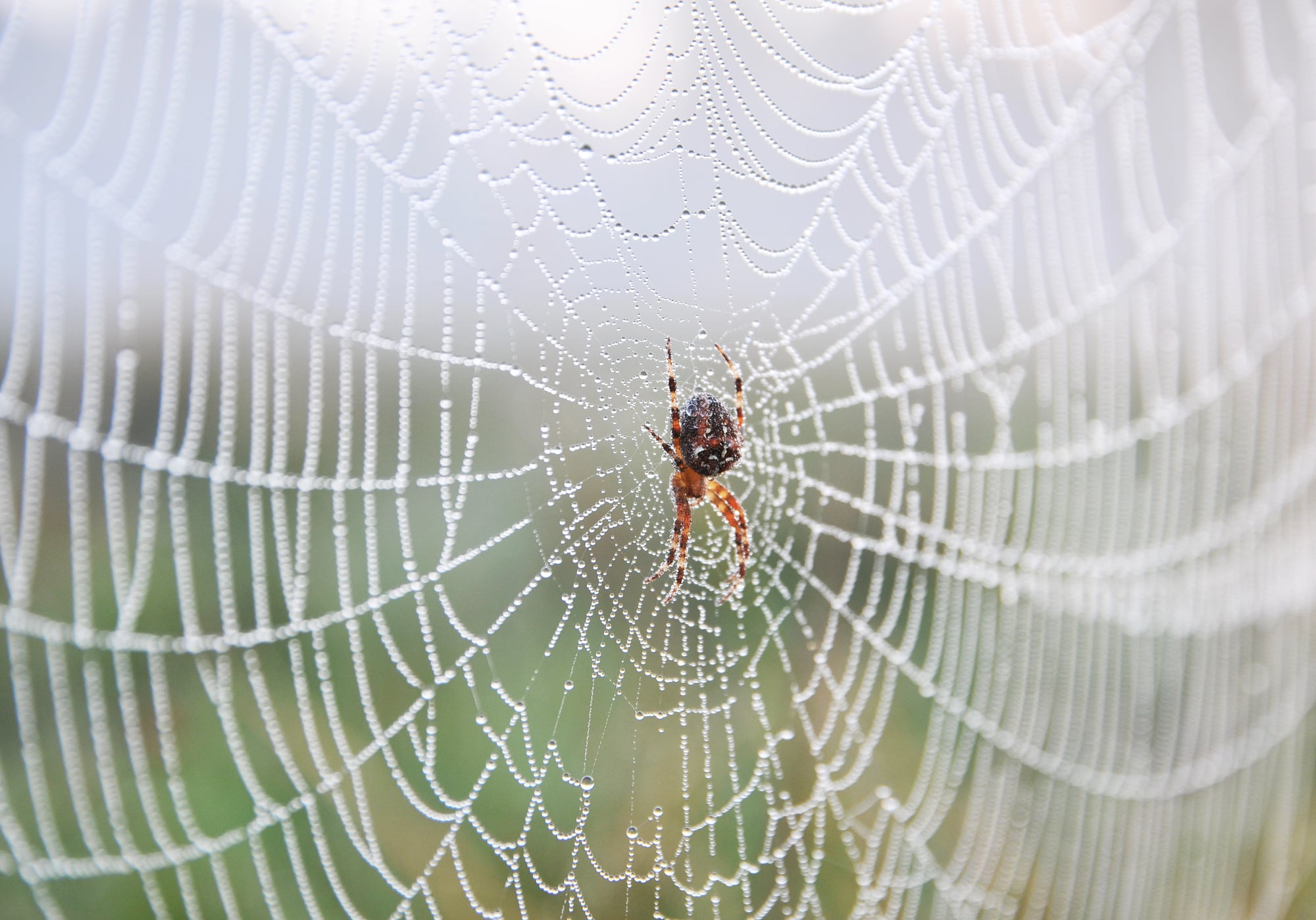
Spider silk ranks among the strongest natural materials on Earth, boasting tensile strength comparable to high-grade steel while maintaining incredible flexibility. Weight for weight, certain spider silks prove stronger than Kevlar, the material used in bulletproof vests.
Some varieties can stretch up to 40% of their length before breaking, combining exceptional strength with remarkable elasticity.
Like Go2Tutors’s content? Follow us on MSN.
Multiple Eyes
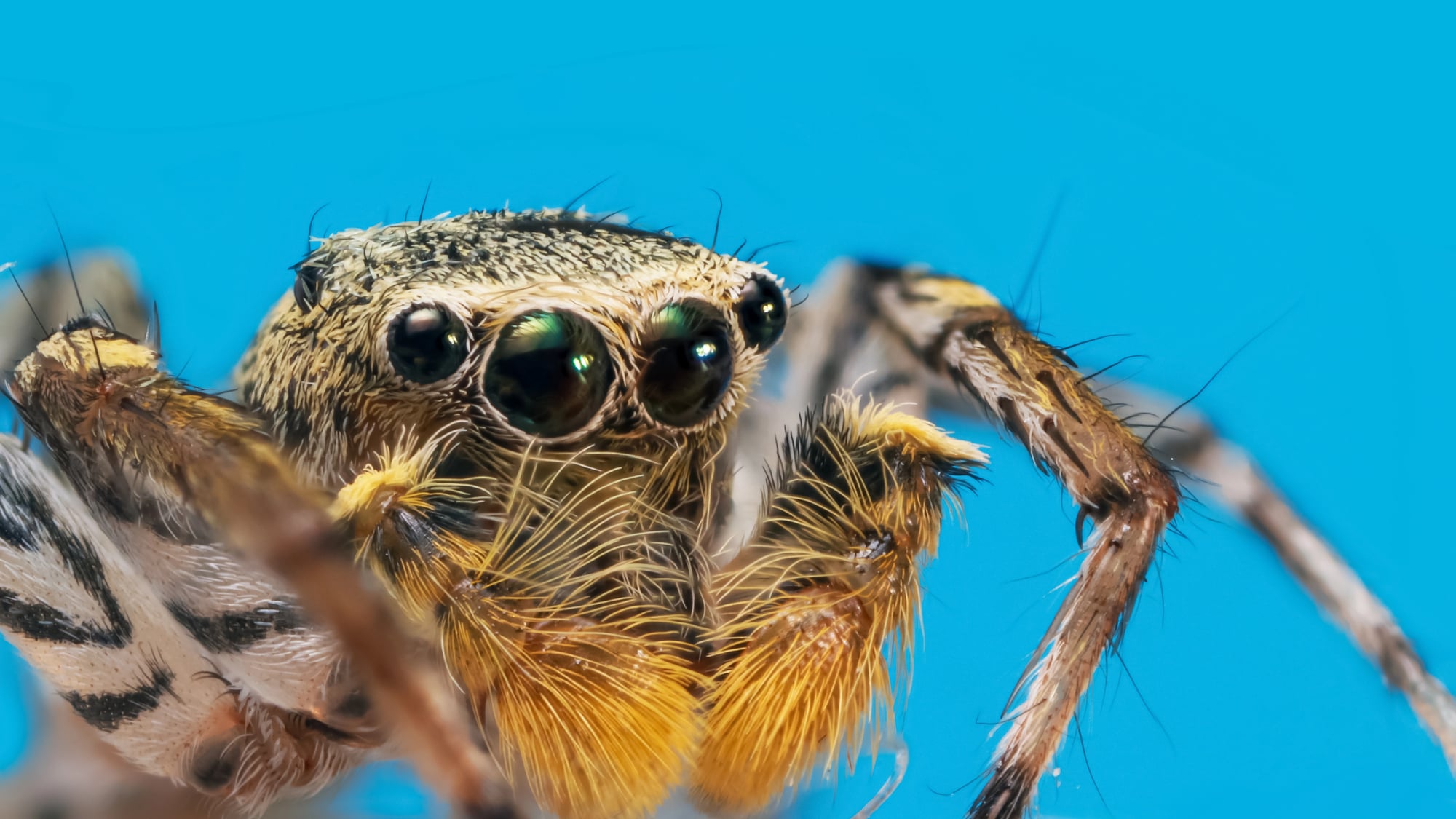
Most spiders possess eight eyes arranged in patterns that vary by species and help scientists with identification. These eyes typically have different functions—some detect motion while others form images or sense light levels.
Despite this impressive eye count, many species have poor vision and rely primarily on vibration and touch to navigate their environments.
External Digestion
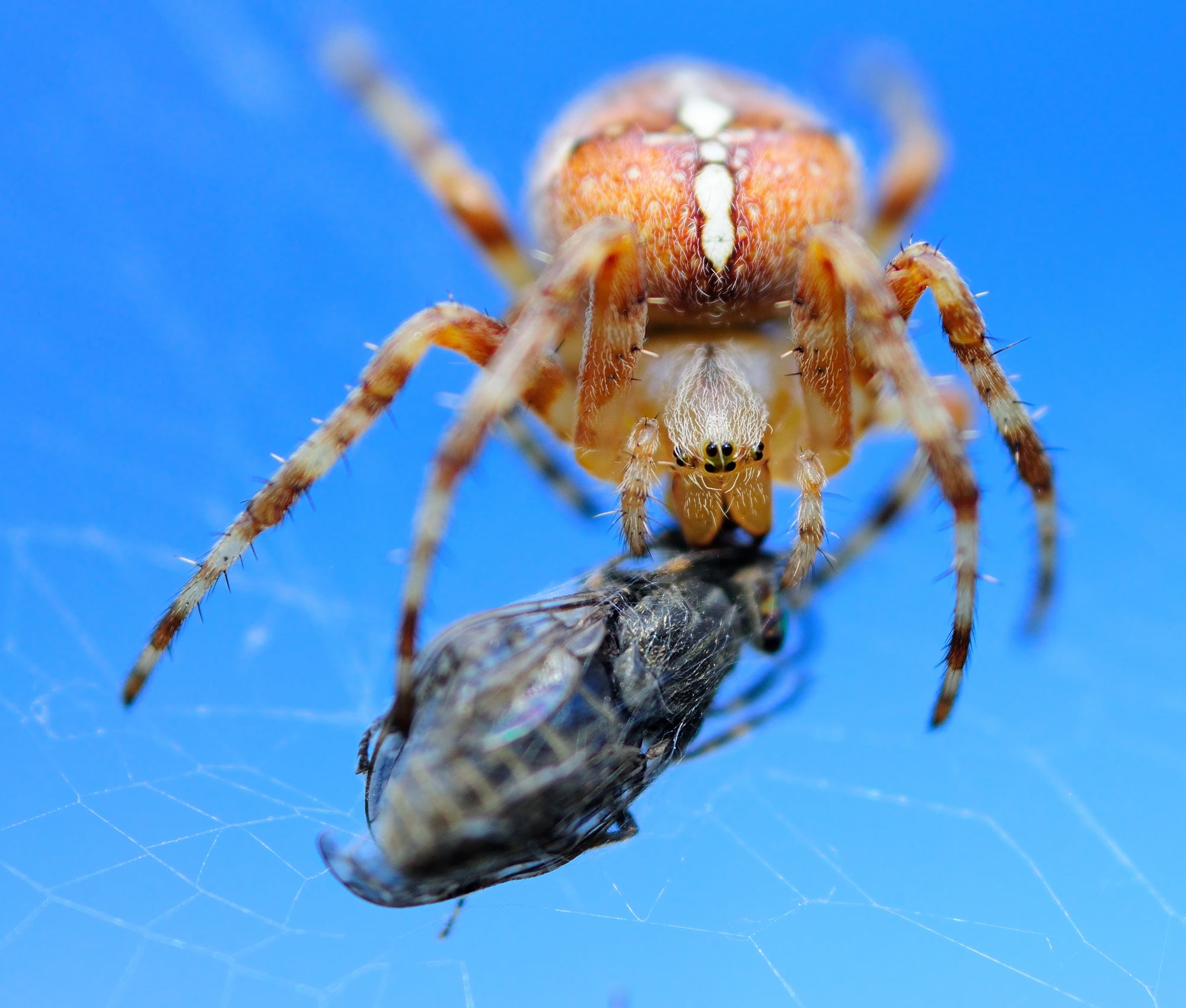
Spiders cannot consume solid food, instead injecting digestive enzymes into their prey to liquify the internal tissues. This pre-digestion process transforms the prey’s insides into a nutrient-rich soup that the spider can then drink.
The process essentially turns prey into a ready-made smoothie, allowing spiders to consume creatures larger than themselves.
Web Recycling
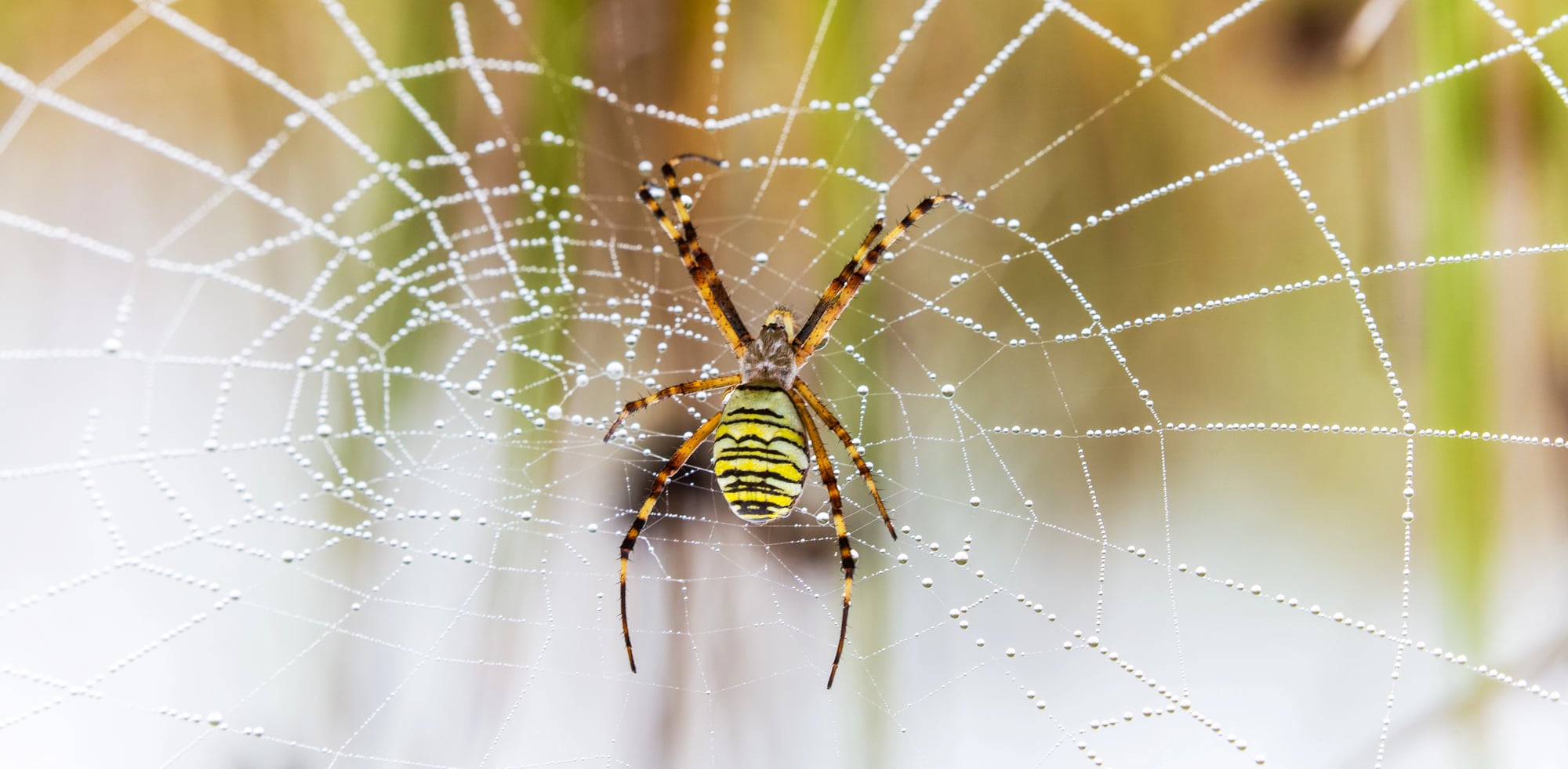
Many web-building spiders consume their own webs when damaged or no longer useful, recycling the protein-rich silk material. This efficient practice allows them to recover up to 90% of the resources invested in web construction.
The spider typically consumes the entire structure within minutes, immediately reclaiming valuable proteins that would otherwise be lost.
Like Go2Tutors’s content? Follow us on MSN.
Ancient Origins
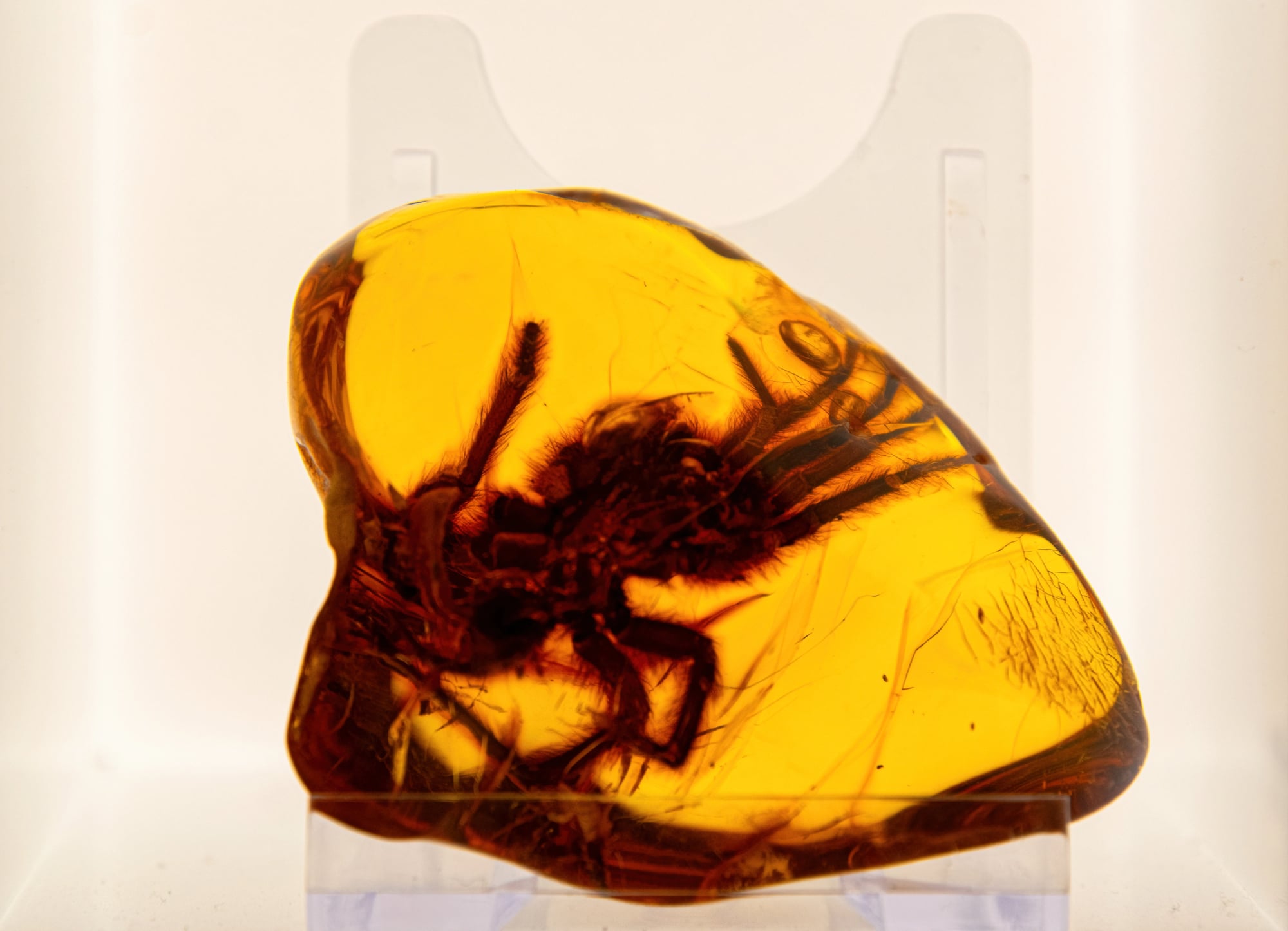
Fossil evidence reveals that spiders have existed for at least 380 million years, predating dinosaurs by over 150 million years. These ancient arachnids survived multiple mass extinction events that wiped out countless other species.
Their basic body plan has remained remarkably consistent throughout this immense timespan, a testament to their evolutionary success.
Airborne Travel
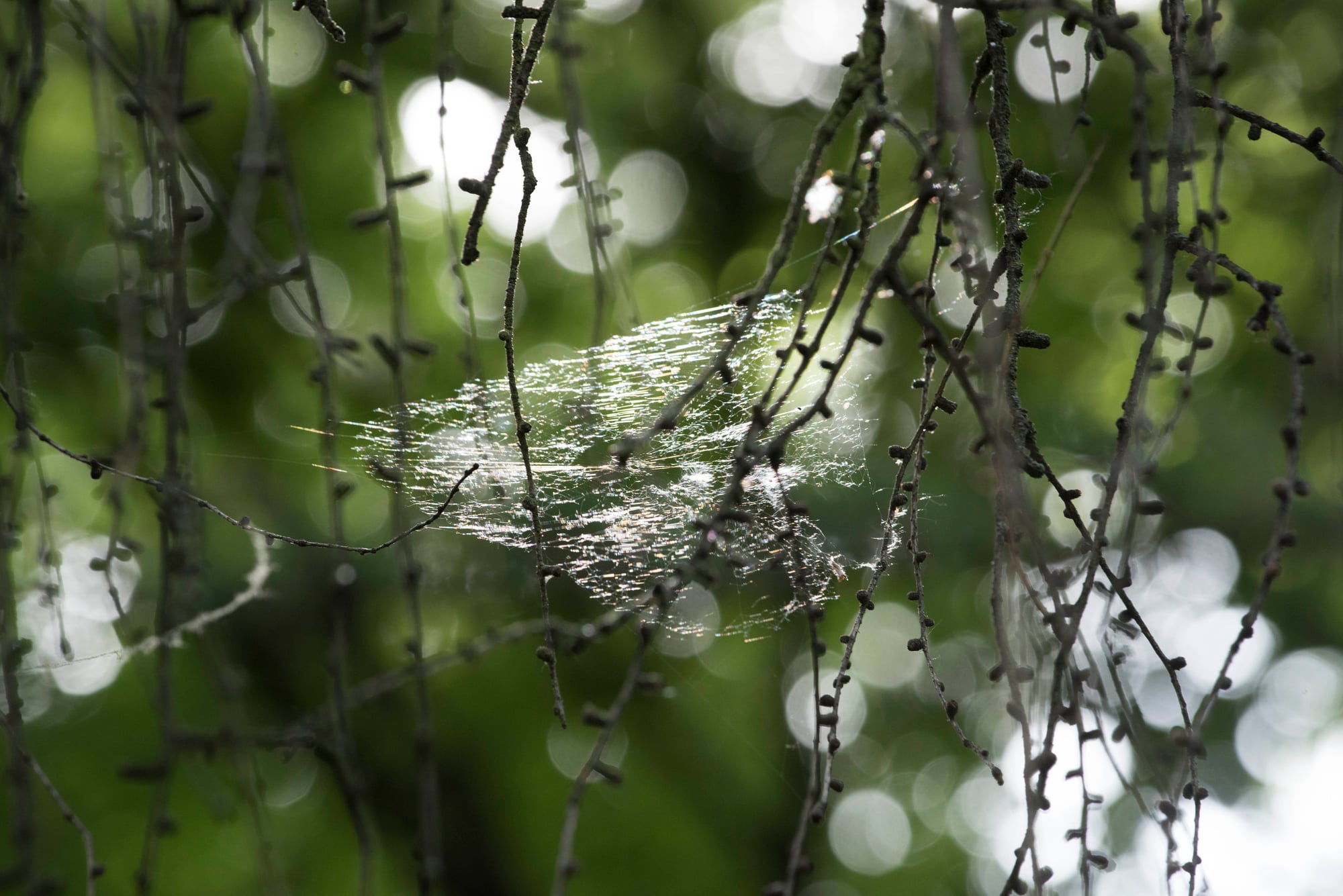
The ‘ballooning’ of young spiders’ releases silk strands that are carried hundreds of miles by air currents. This behavior lessens sibling competition and enables spiderlings to inhabit new areas.
There have been reports of some ballooning spiders landing on ships in the middle of the ocean, far from any land, and reaching heights of nearly 16,000 feet.
Mathematical Webs
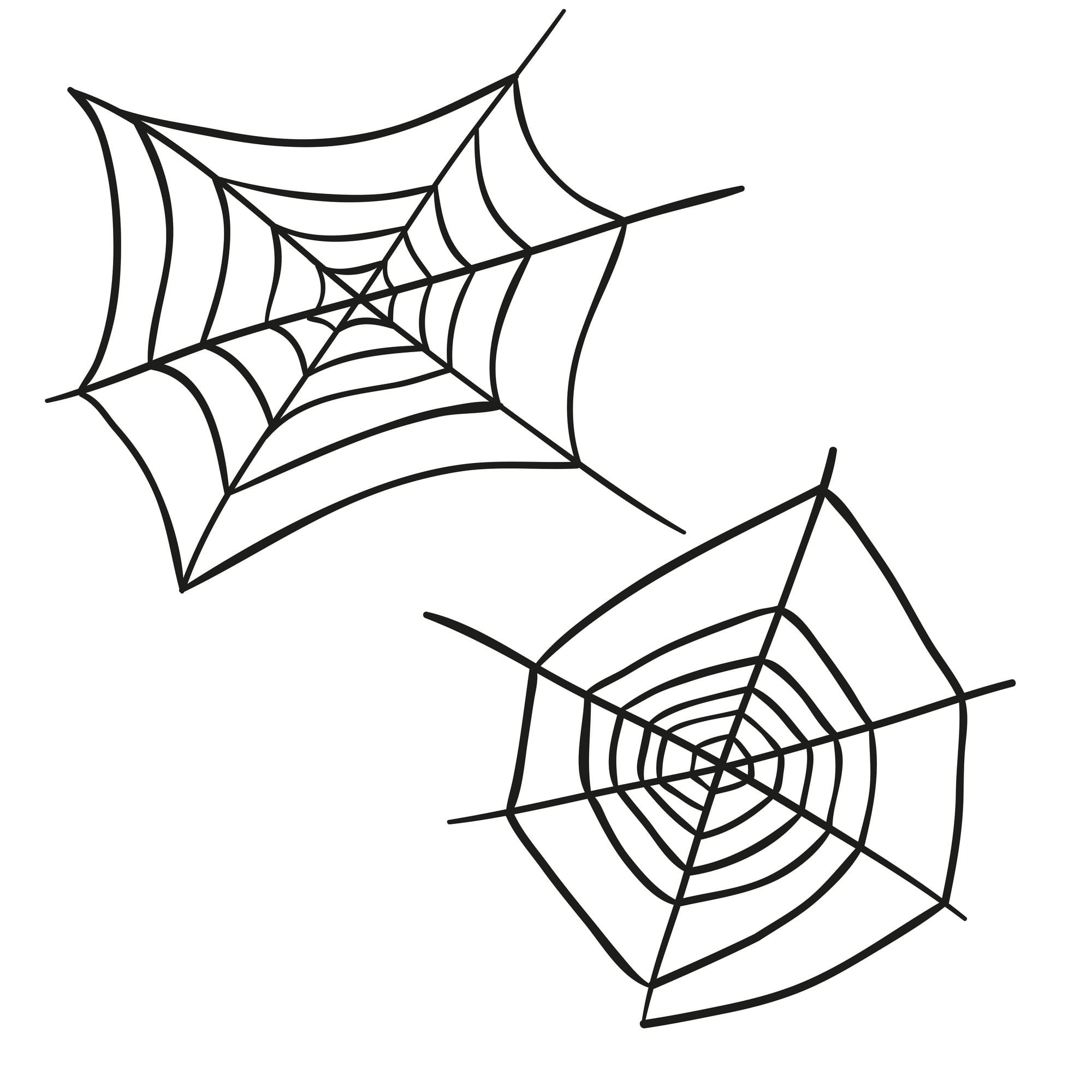
Without any formal schooling, orb-weaving spiders use exact mathematical principles to create their complex webs. The spiral patterns minimize material consumption while optimizing prey-catching efficiency by maintaining constant angles and spacing.
These eight-legged architects modify their building methods according to the available anchor points and wind conditions.
Like Go2Tutors’s content? Follow us on MSN.
Underwater Living
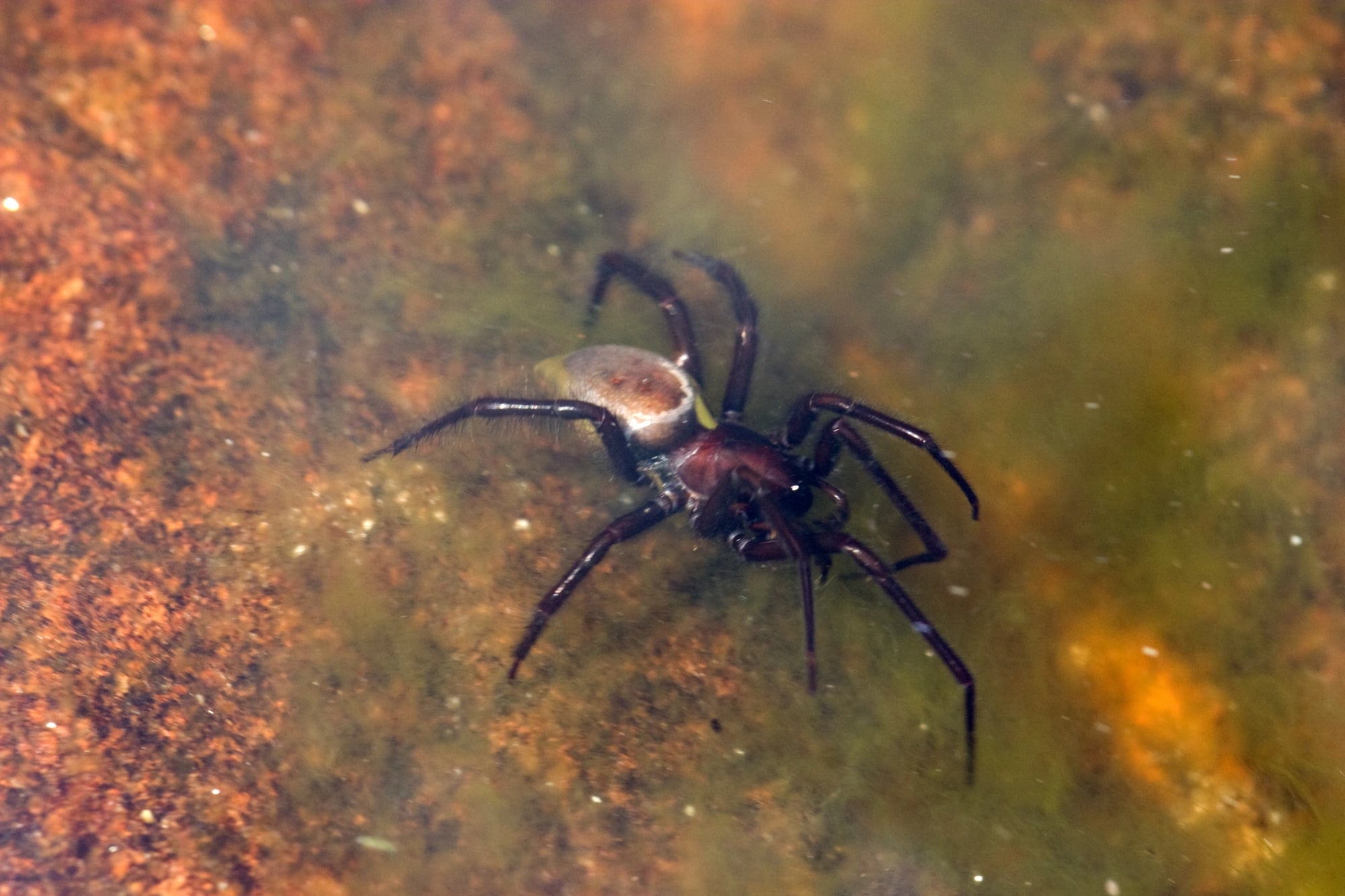
Some species of spiders live their whole lives underwater, forming silk bubbles filled with air that act as oxygen tanks. The diving bell spider uses unique body hairs to carry air from the surface into its submerged web.
Because of its amazing adaptability, it can seek aquatic prey and even raise its young entirely underwater, only emerging to refuel.
Spider Music
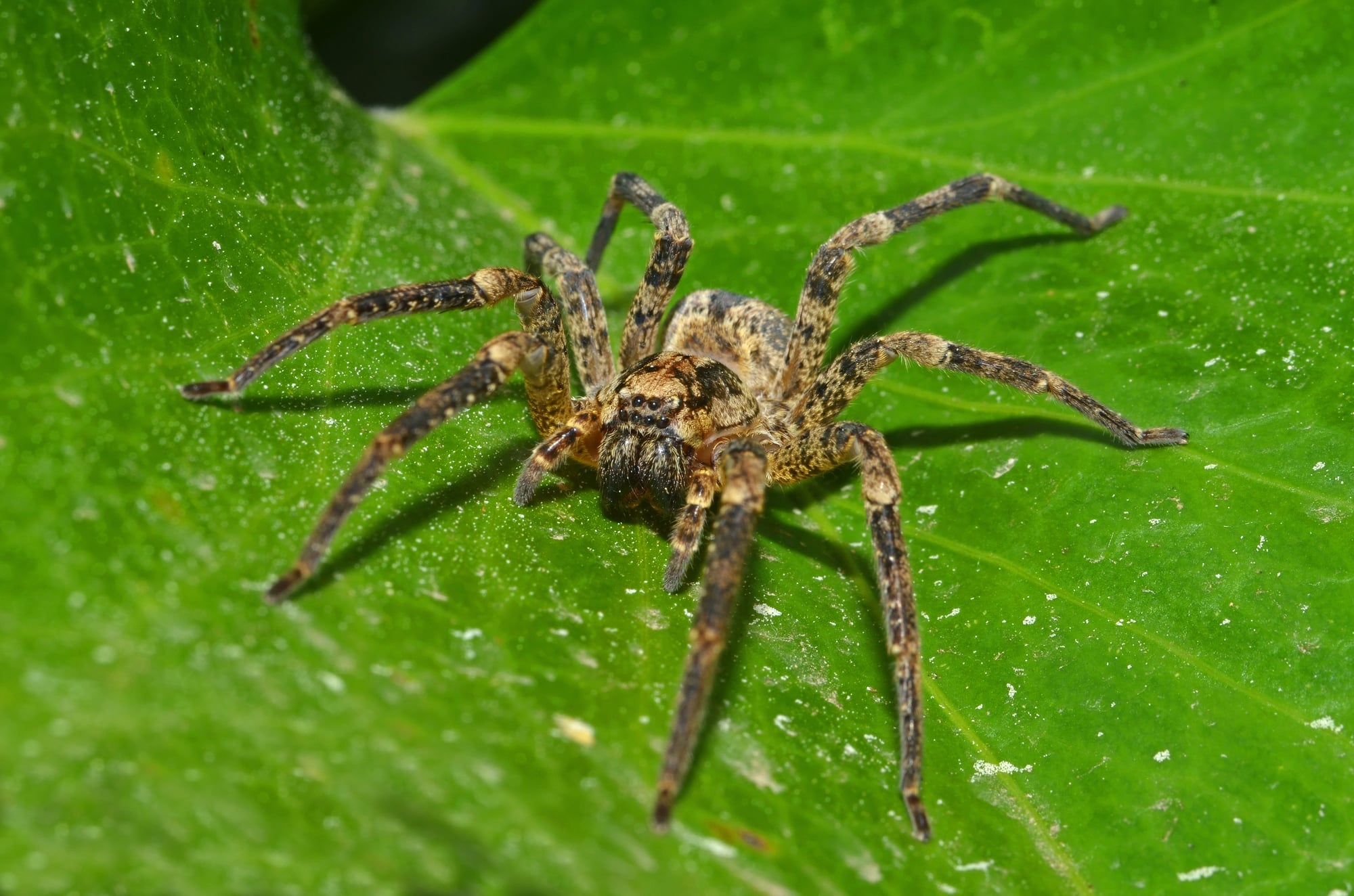
Some spiders create sounds by rubbing specialized body parts together in a process called stridulation, similar to how crickets chirp. Male wolf spiders produce specific acoustic patterns during courtship displays to attract females.
The vibrations travel through leaves or ground surfaces, creating complex rhythmic communications that humans rarely notice without specialized equipment.
Chemical Wizards
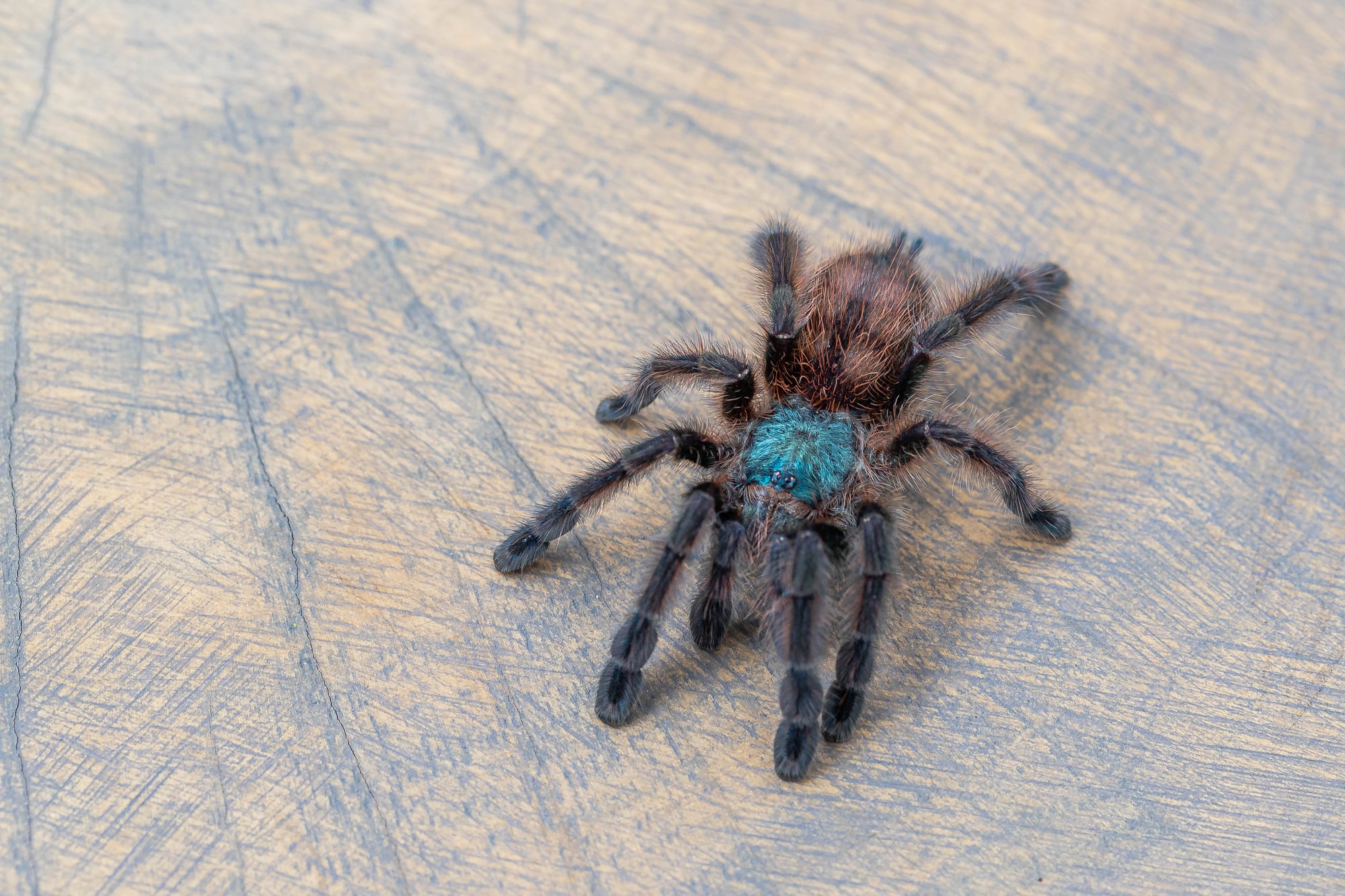
Spider venom contains hundreds of unique compounds, many with potential medical applications for treating conditions from pain to stroke recovery. Scientists have identified over 40,000 different proteins in various spider venoms, with likely thousands more yet to be discovered.
Pharmaceutical researchers consider spider venom a vast untapped resource for potential new medications and treatments.
Like Go2Tutors’s content? Follow us on MSN.
Specialized Hunting
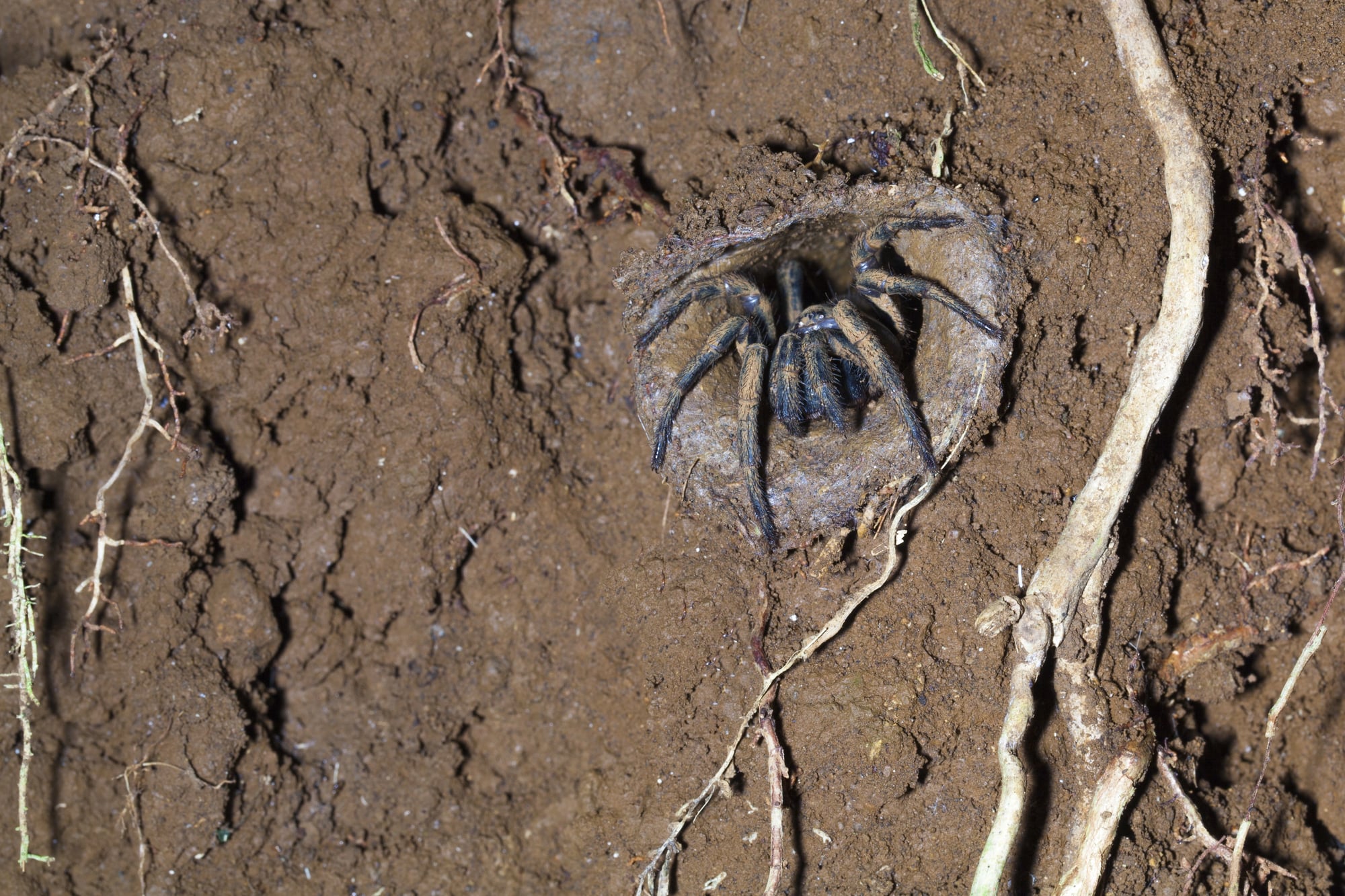
Different spider species have evolved unique hunting strategies far beyond simple web-building. The bolas spider mimics moth pheromones to attract prey and swings a sticky silk ball to catch them mid-flight.
Trapdoor spiders construct camouflaged burrows with hinged doors, waiting to ambush passing insects with lightning-fast strikes.
False Spiders
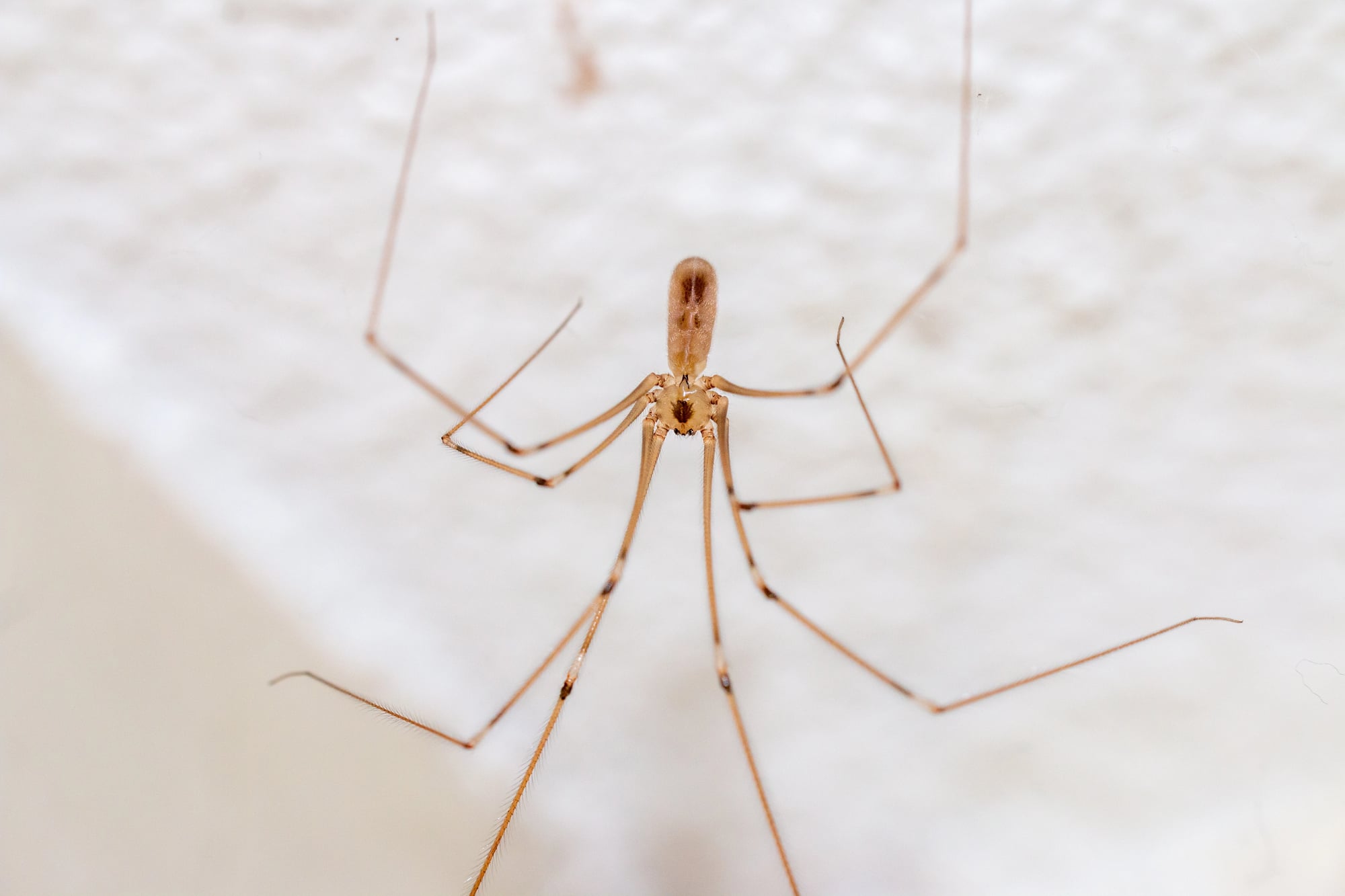
Several common household ‘spiders’ actually belong to entirely different arachnid orders, including harvestmen and pseudoscorpions. Daddy longlegs, despite their spider-like appearance, cannot produce silk and have a single body section instead of the two distinct parts found in true spiders.
These spider lookalikes often have completely different behaviors and ecological roles.
Color-Changing Ability
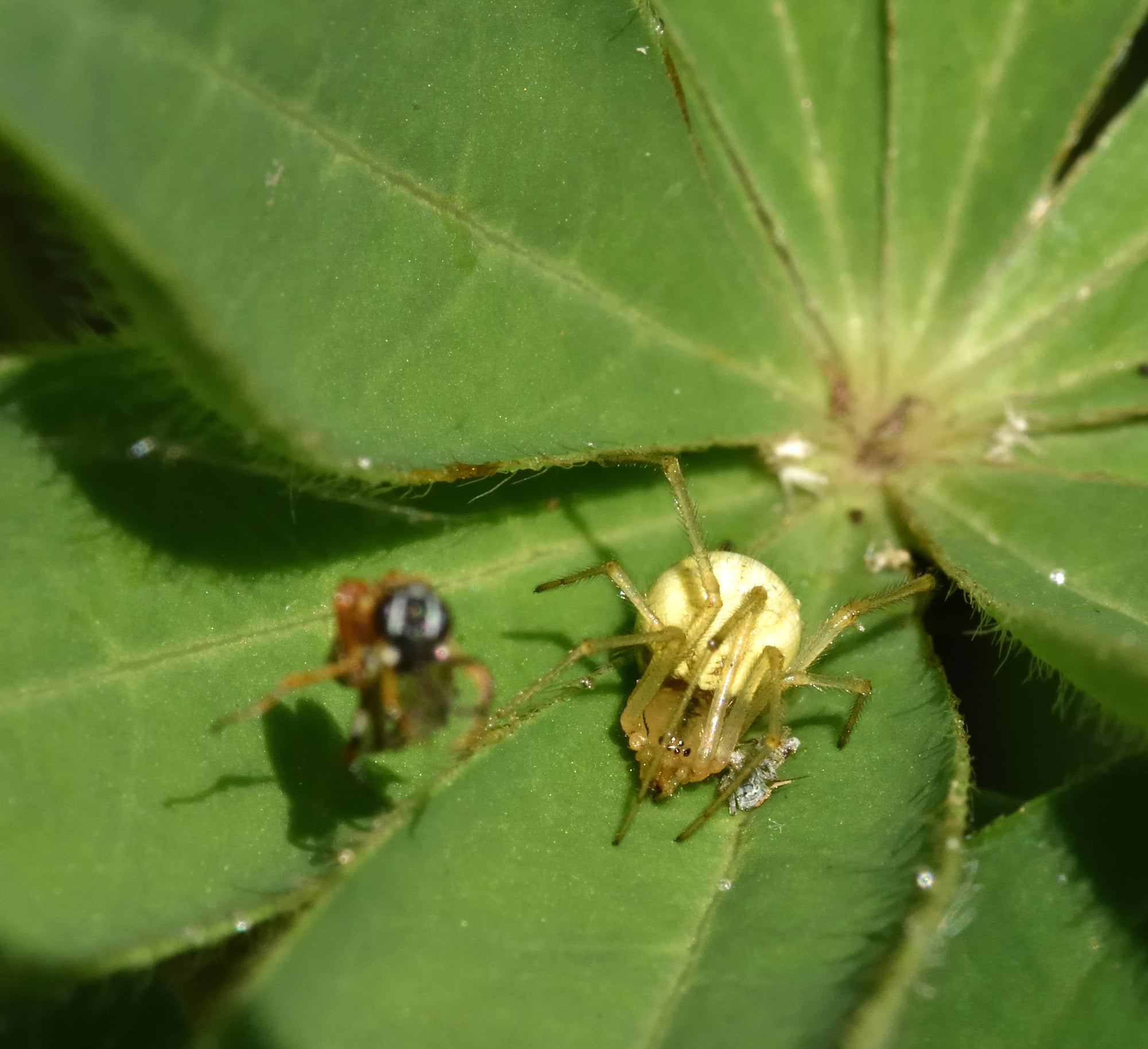
Some spider species can gradually change color to match their surroundings, providing effective camouflage against predators. The process differs from the rapid changes seen in chameleons, typically taking days rather than seconds to complete.
Certain crab spiders can transform from white to yellow when moving between different colored flowers, becoming nearly invisible to both prey and predators.
Like Go2Tutors’s content? Follow us on MSN.
Silk Variety
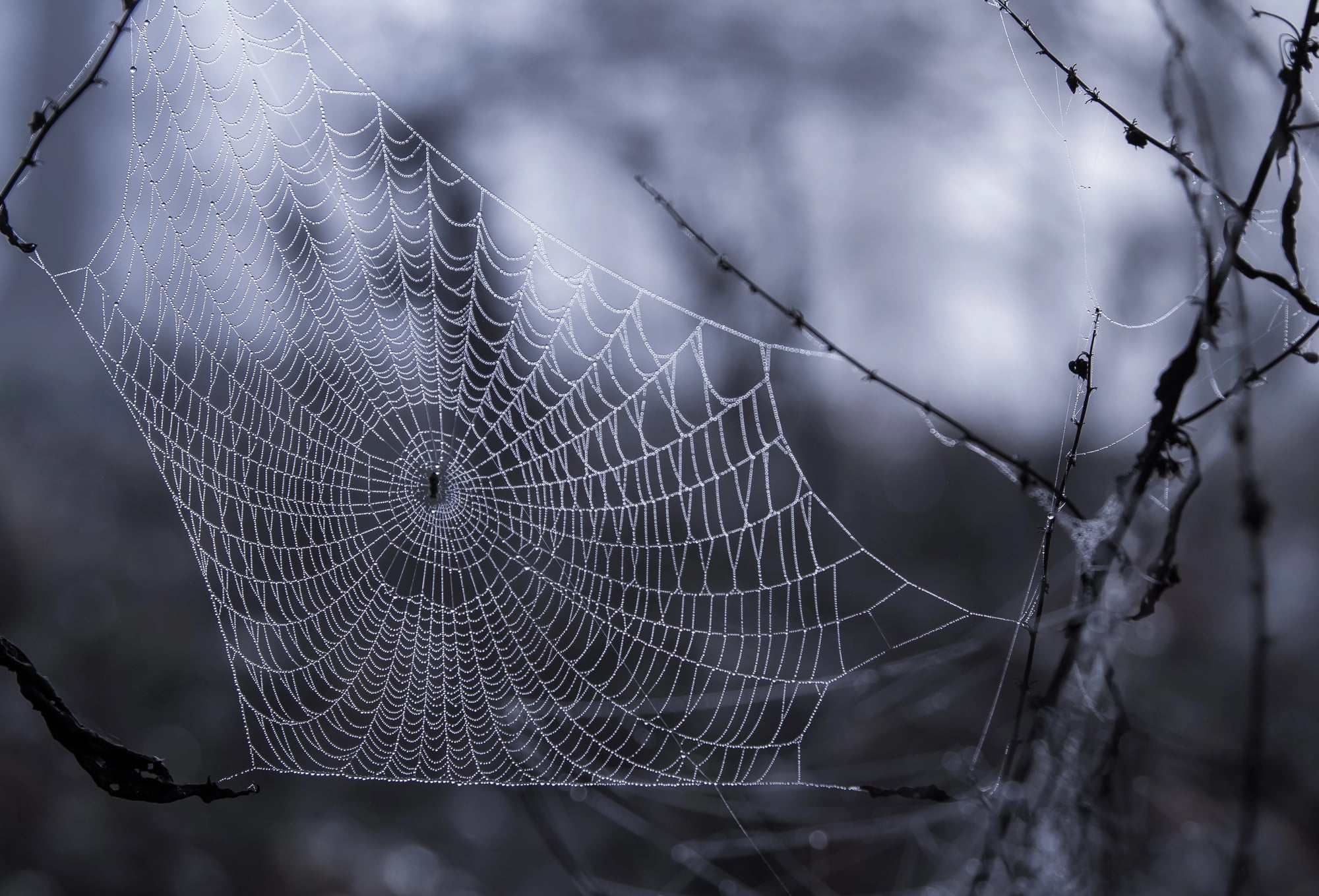
A single spider can produce up to seven different types of silk for various purposes from a set of specialized silk glands. Each silk type has unique properties—some sticky for prey capture, others dry for structural support or egg protection.
Spider silk production represents one of nature’s most sophisticated material manufacturing systems, with properties that human engineers still struggle to replicate.
Nature’s Engineers
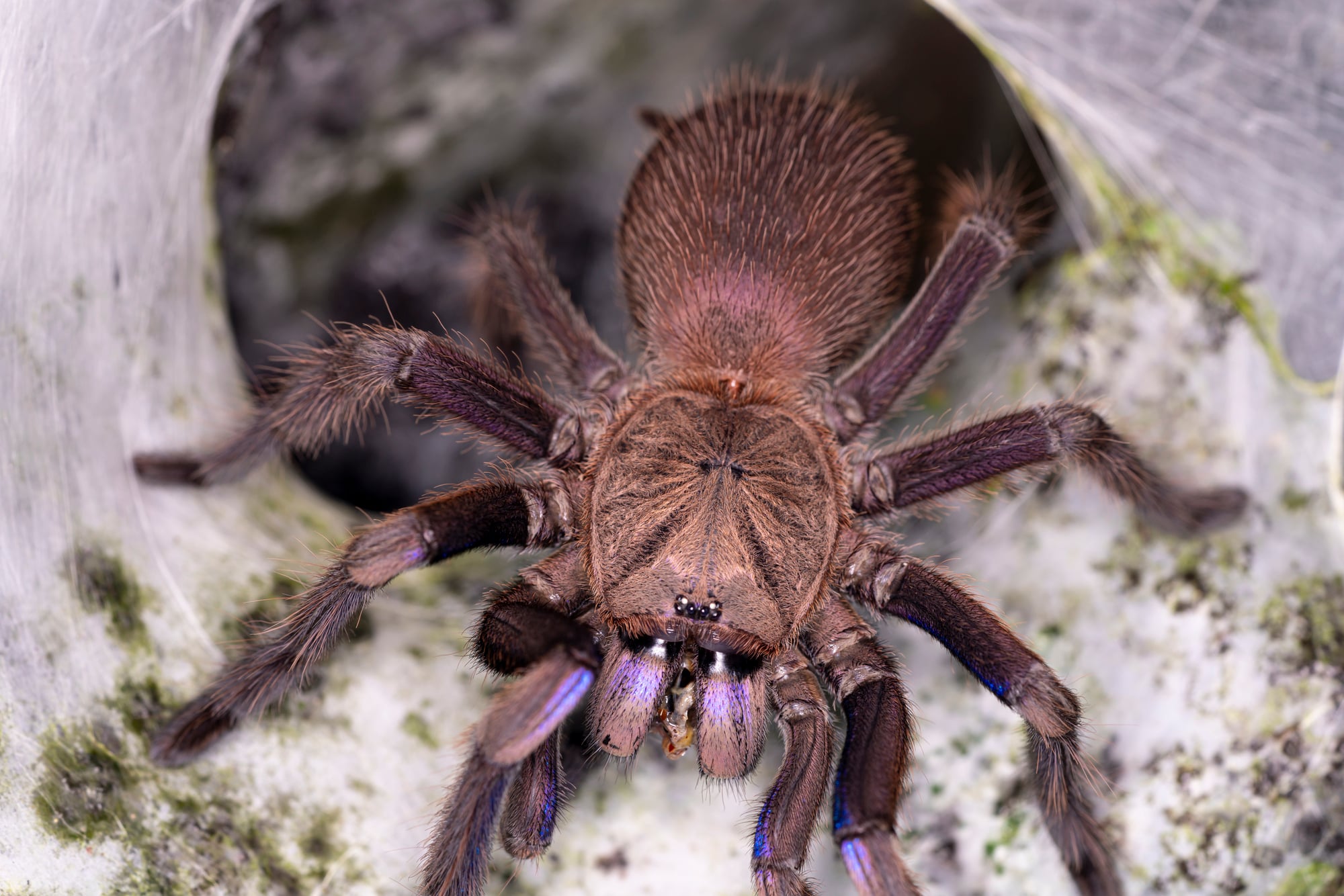
These eight-legged architects have perfected techniques and materials that human technology still struggles to match after millions of years of refinement. Spider silk’s combination of strength, elasticity, and lightweight construction continues to inspire innovations in medicine, defense, and materials science.
The arachnid approach to design—maximizing efficiency while minimizing resource use—offers valuable lessons as we face growing environmental challenges and resource limitations.
More from Go2Tutors!

- 18 Unexpectedly Valuable Collectibles You Might Have Lying Around
- 20 Little-Known Historical Battles That Had Huge Consequences
- 20 Historical Artifacts That Scientists Can’t Explain
- 15 Inventions That Were Immediately Banned After Being Created
- 20 Actors Who Were Almost Cast in Iconic Roles
Like Go2Tutors’s content? Follow us on MSN.