World’s Newest Countries From 1990
The world map has changed quite a bit over the past few decades. Countries that didn’t exist when many adults were kids are now full members of the United Nations with their own flags, governments, and Olympic teams.
Most of these new nations emerged from larger countries breaking apart, often after years of tension or conflict. Others gained independence peacefully through negotiations and referendums that gave people a chance to choose their own future.
Here are the countries that have joined the world stage since 1990. Some you’ve probably heard of, while others might surprise you.
Namibia
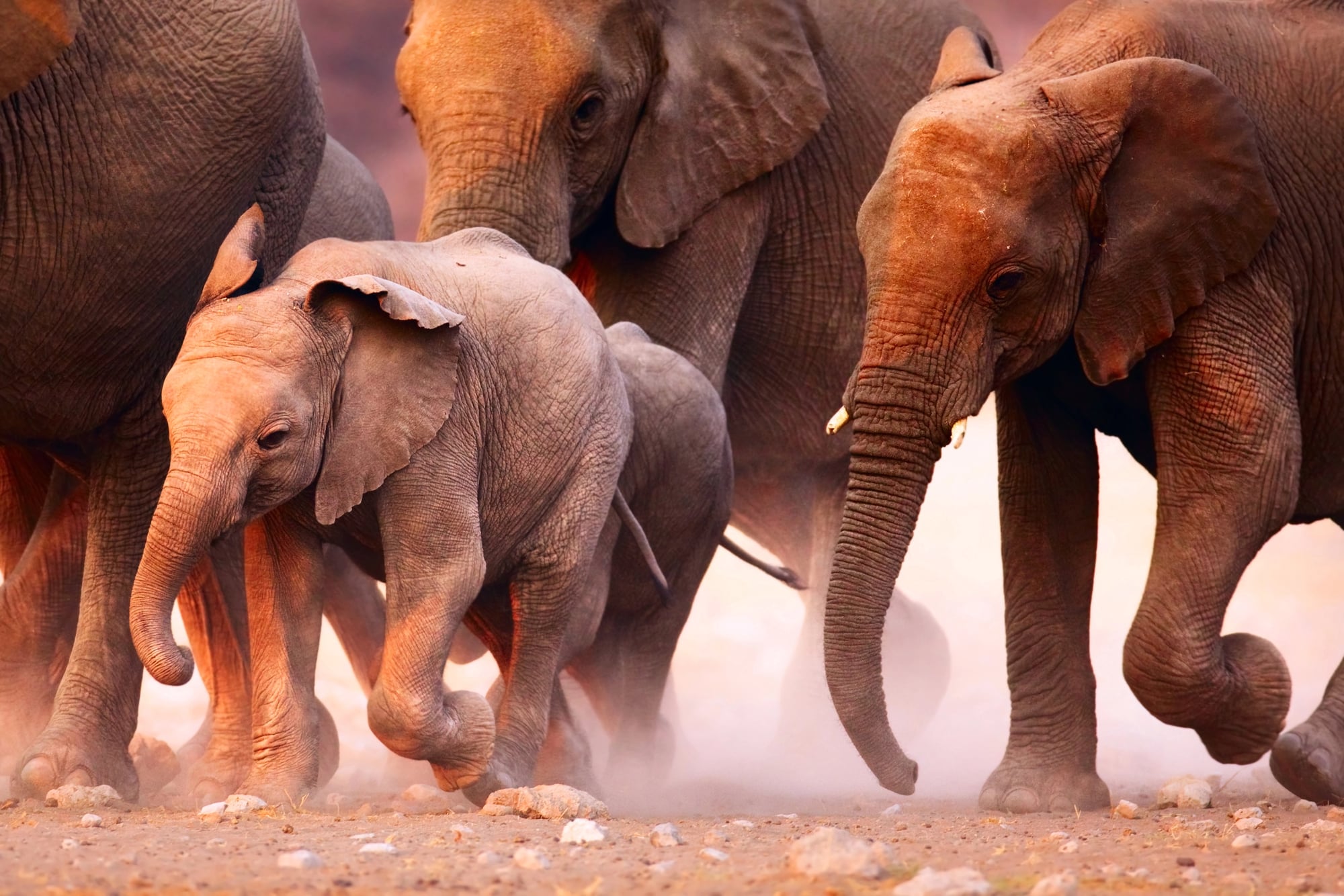
This southwestern African nation became independent from South Africa on March 21, 1990, ending decades of colonial rule and conflict. Namibia had been controlled by South Africa since World War I, and the struggle for independence lasted for years.
The country is known for its stunning desert landscapes and abundant wildlife, making tourism one of its main industries. With a population of around 2.5 million people, Namibia has one of the lowest population densities in the world, meaning there’s a lot of open space between towns.
Yemen
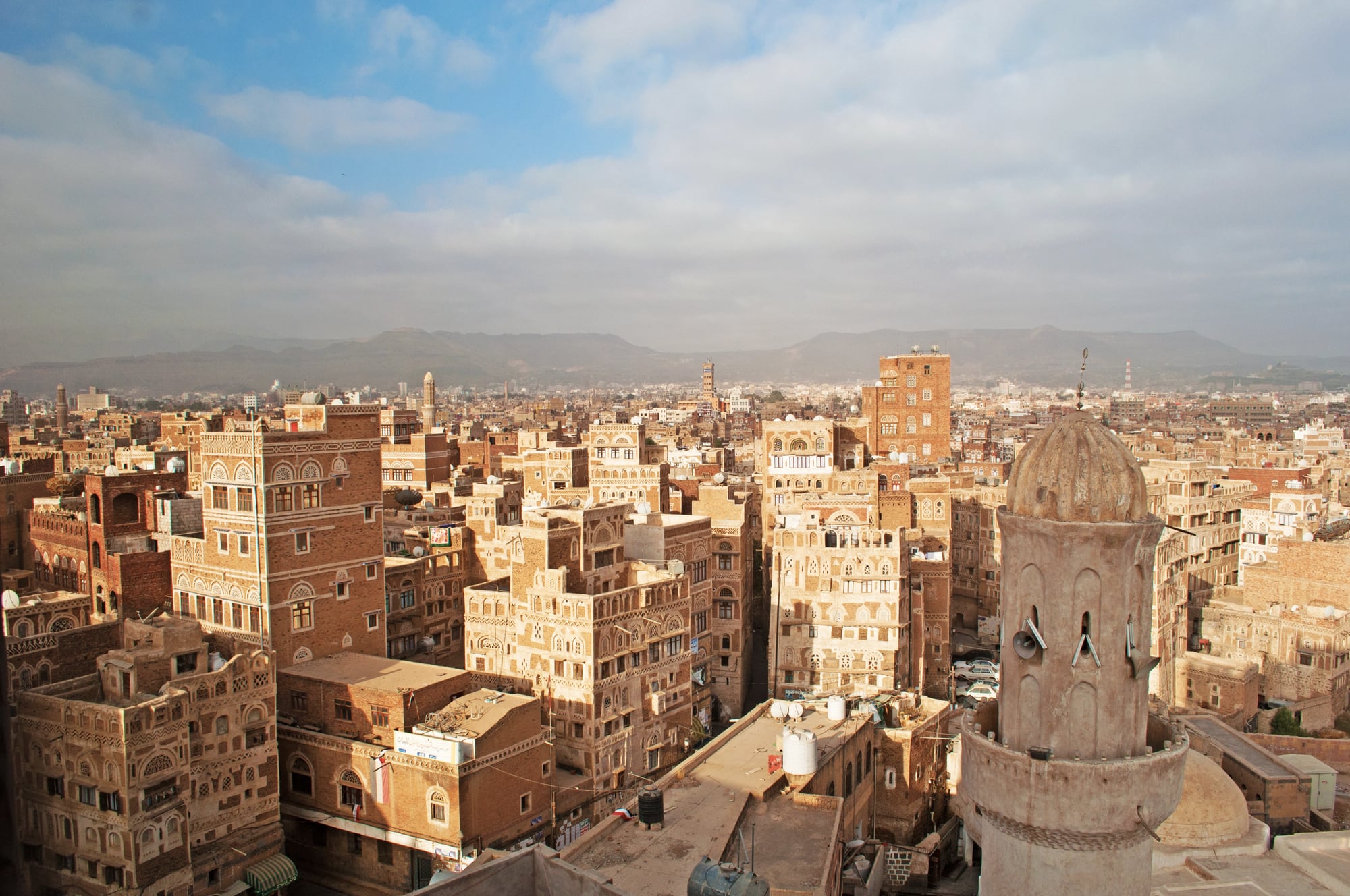
North Yemen and South Yemen merged on May 22, 1990, to form the Republic of Yemen after existing as separate countries for decades. The two regions had different governments and ideologies, with the south following a communist system and the north taking a more traditional approach.
The unified country sits at the southern tip of the Arabian Peninsula, controlling important shipping routes through the Red Sea. Yemen has faced significant challenges since unification, including civil conflicts that have affected millions of people.
Lithuania
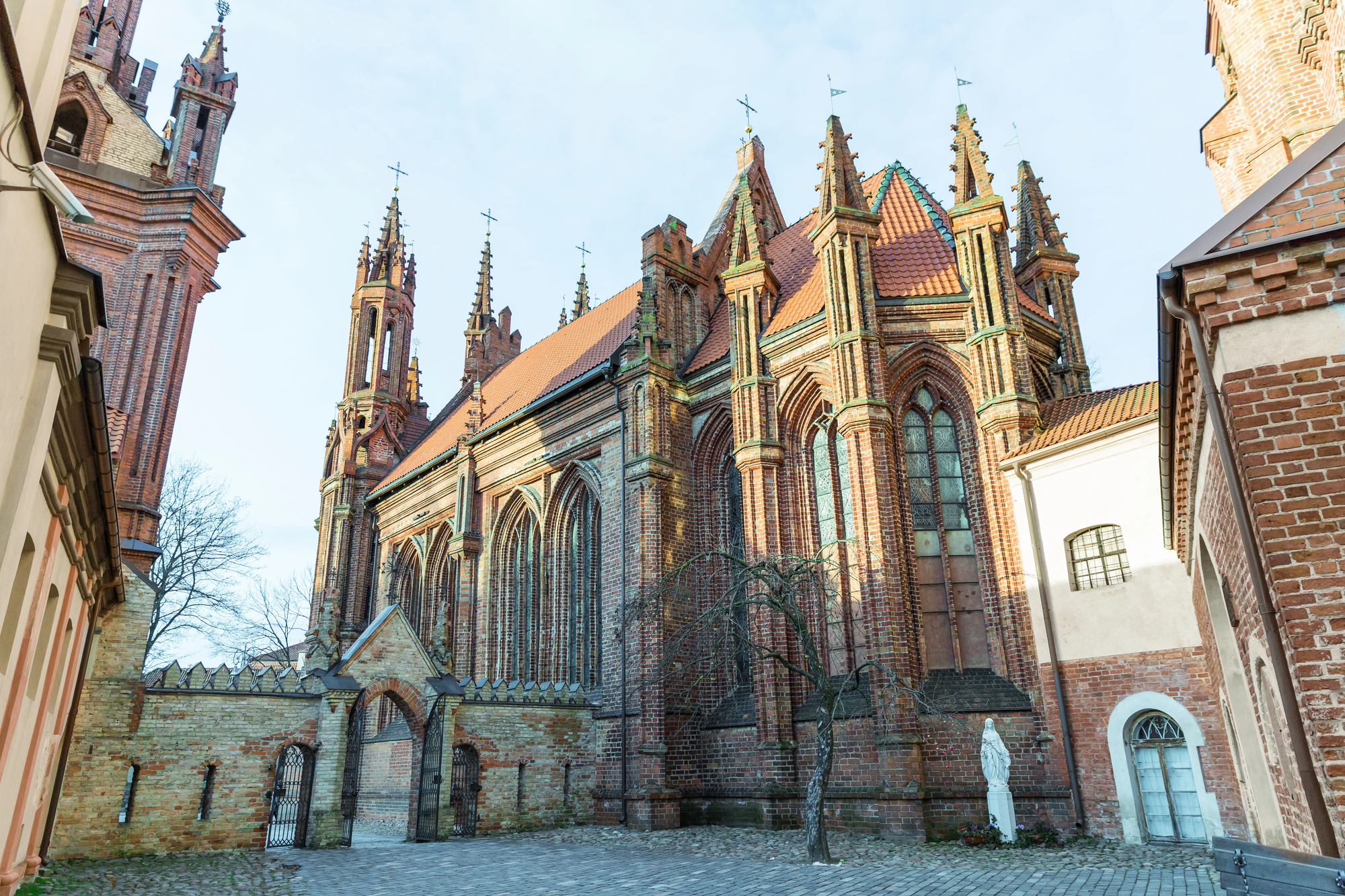
This Baltic nation declared independence from the Soviet Union on March 11, 1990, becoming one of the first Soviet republics to break away. Lithuania had been independent between World War I and World War II before being absorbed into the Soviet Union.
The country’s independence movement inspired other Soviet republics to seek their own freedom. Today, Lithuania is a member of both the European Union and NATO, showing how far it has come in just over three decades.
Slovenia
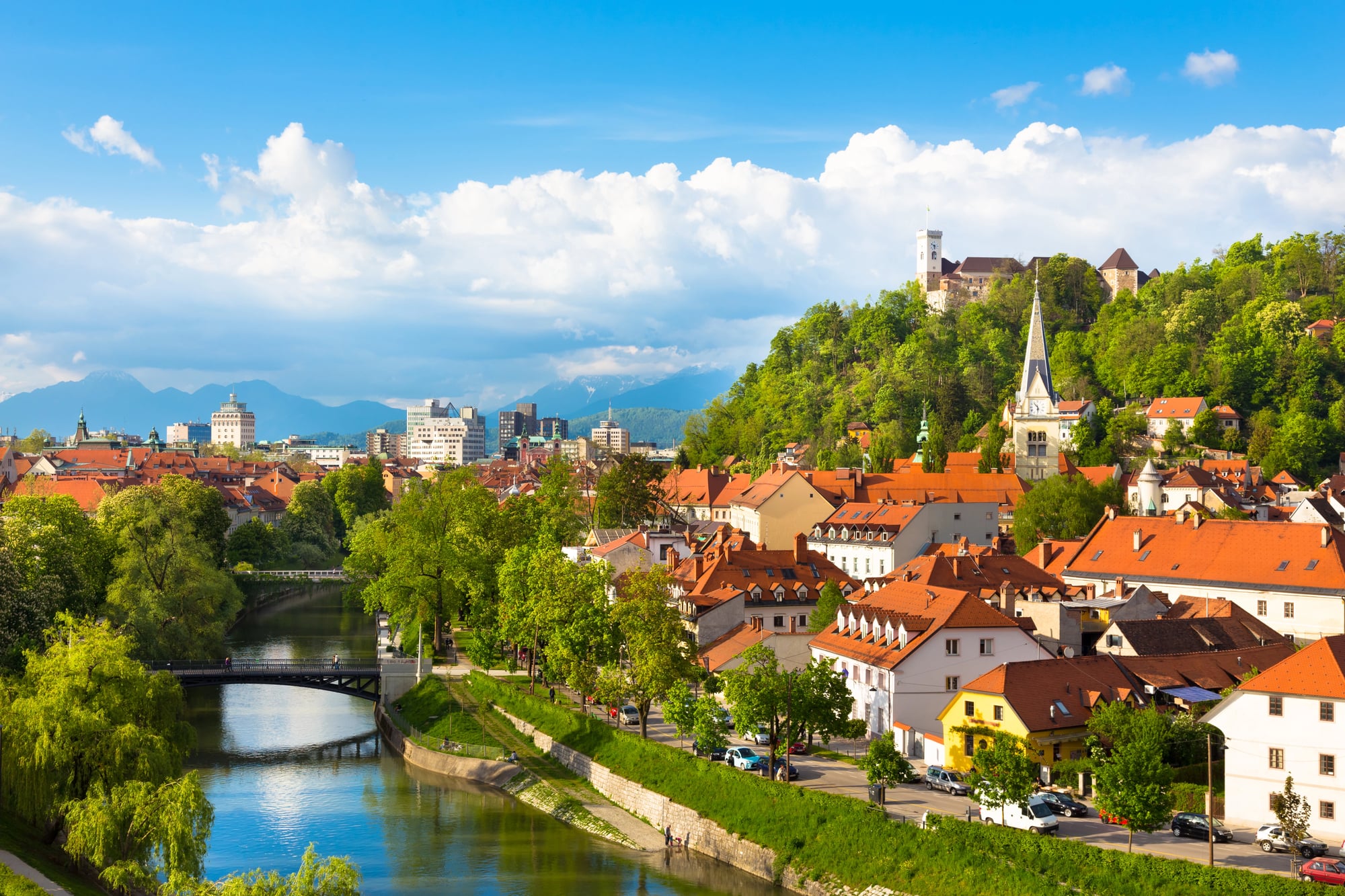
The small Alpine nation declared independence from Yugoslavia on June 25, 1991, after a brief ten-day conflict. Slovenia was the wealthiest and most western of the Yugoslav republics, and its departure started the chain reaction that would break apart the entire country.
The nation sits between Italy, Austria, Hungary, and Croatia, giving it a unique cultural blend. Slovenia joined the European Union in 2004 and adopted the euro in 2007, becoming one of the success stories of former Yugoslav states.
Croatia
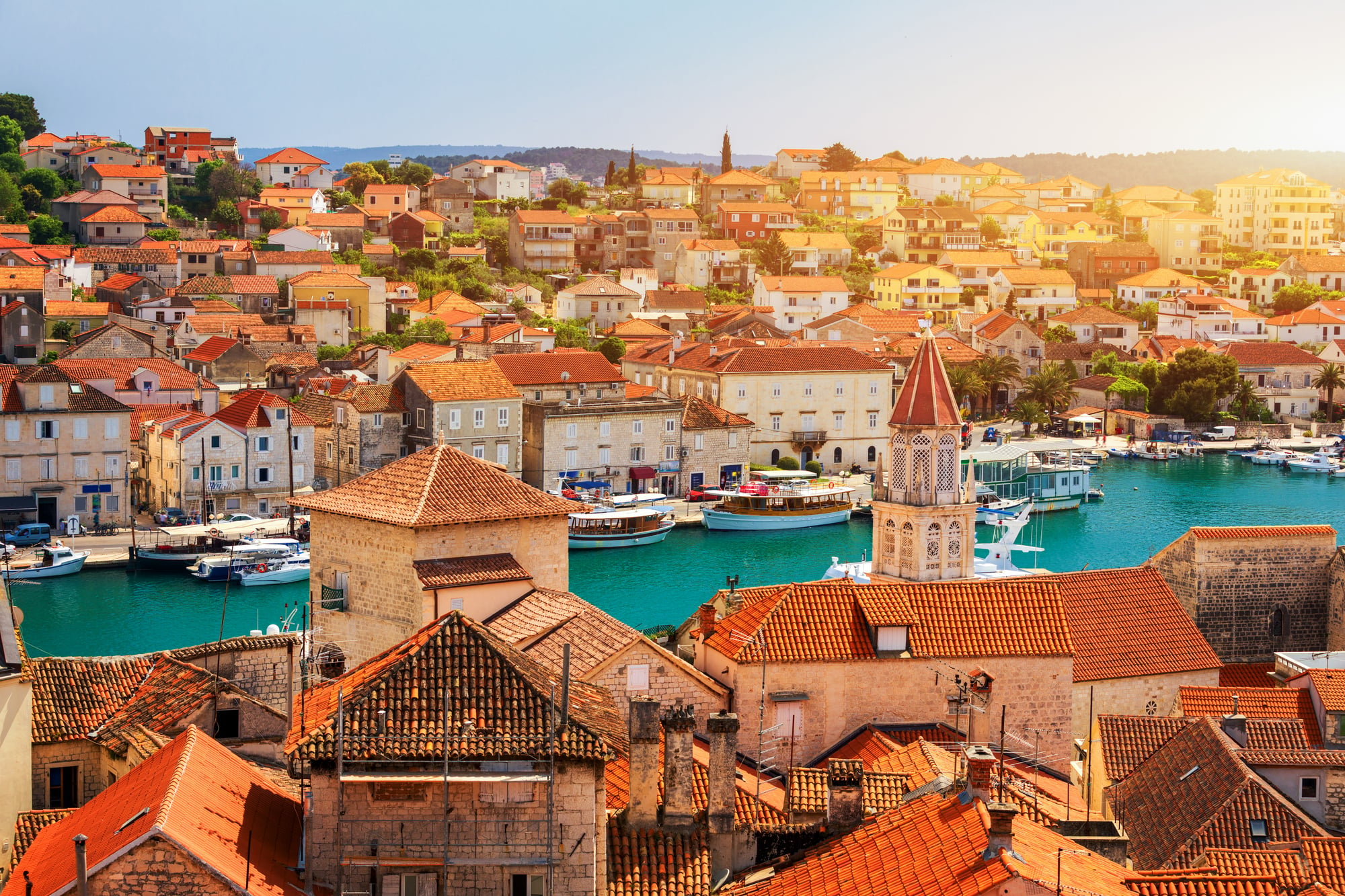
Croatia declared independence from Yugoslavia on the same day as Slovenia, but its path to freedom was much bloodier. The Croatian War of Independence lasted until 1995 and caused massive destruction and loss of life.
The country’s long coastline along the Adriatic Sea has made it a popular tourist destination, with millions visiting its medieval cities and islands each year. Croatia joined the European Union in 2013 and adopted the euro in 2023, completing its transition from a war-torn region to a stable democracy.
North Macedonia
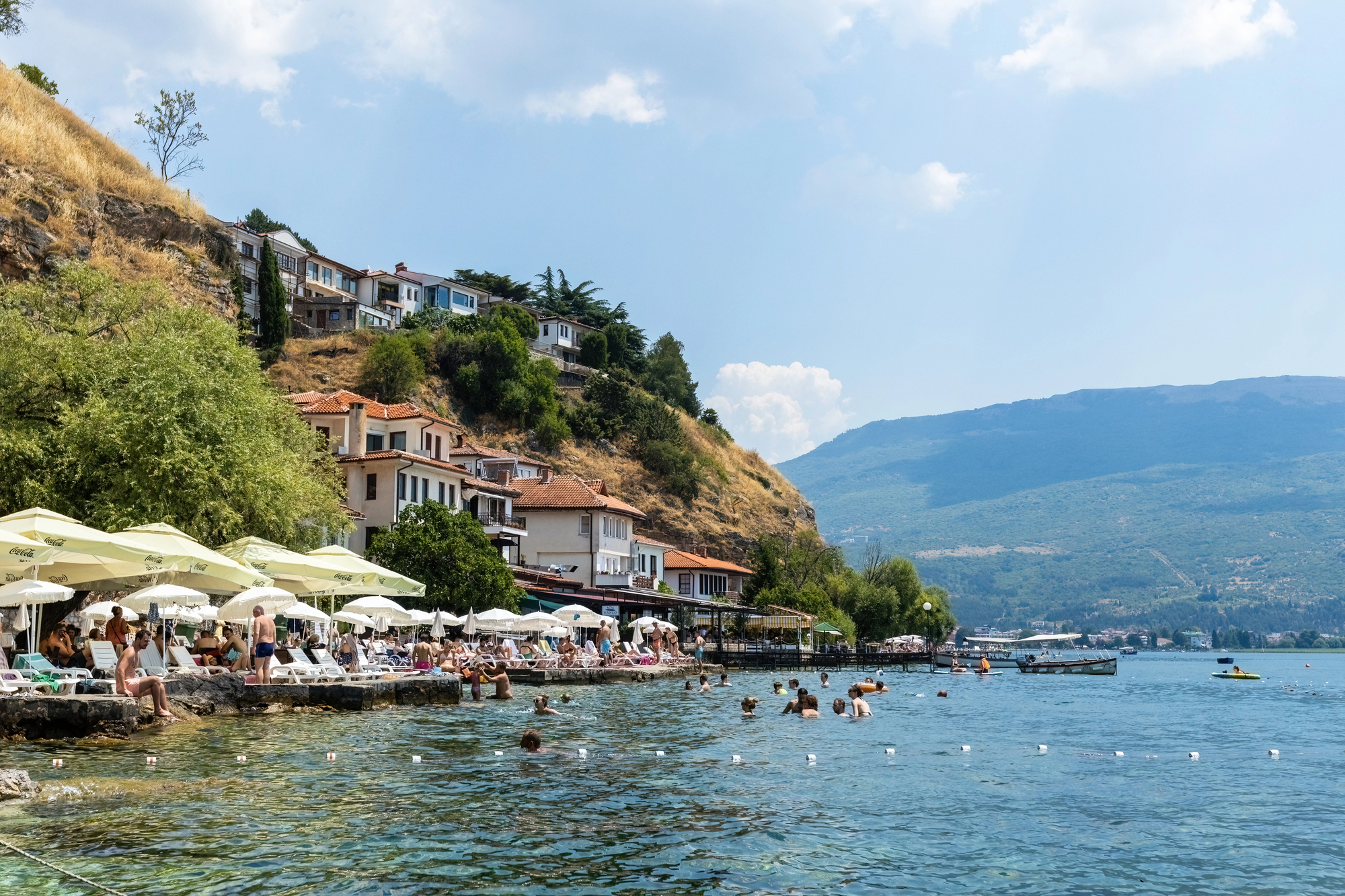
This Balkan nation peacefully separated from Yugoslavia on September 8, 1991, avoiding the violence that affected other former Yugoslav republics. The country had to negotiate with Greece over its name for nearly three decades, finally settling on North Macedonia in 2019.
Despite being landlocked and small, the country has a rich history dating back to ancient times. Alexander the Great was born in the region that is now North Macedonia, though this fact has been a source of ongoing debates with neighboring Greece.
Estonia
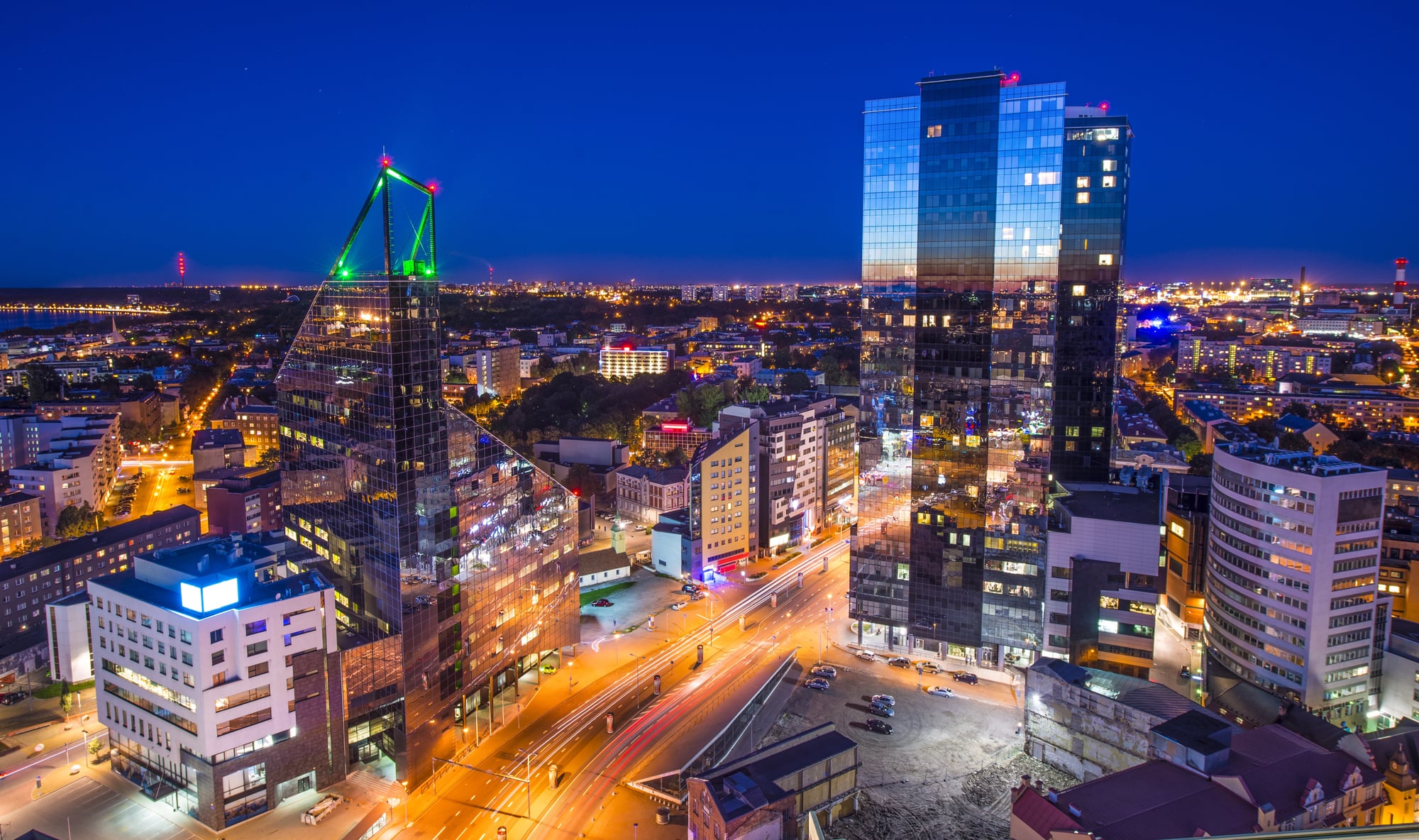
Estonia regained its independence from the Soviet Union on August 20, 1991, after being forcibly incorporated in 1940. The country had maintained that it was illegally occupied throughout the Soviet period, never recognizing the annexation.
Estonia became known as one of the most digitally advanced countries in the world, offering e-residency and online voting to its citizens. The nation joined both NATO and the European Union in 2004, firmly establishing itself in the Western camp.
Latvia
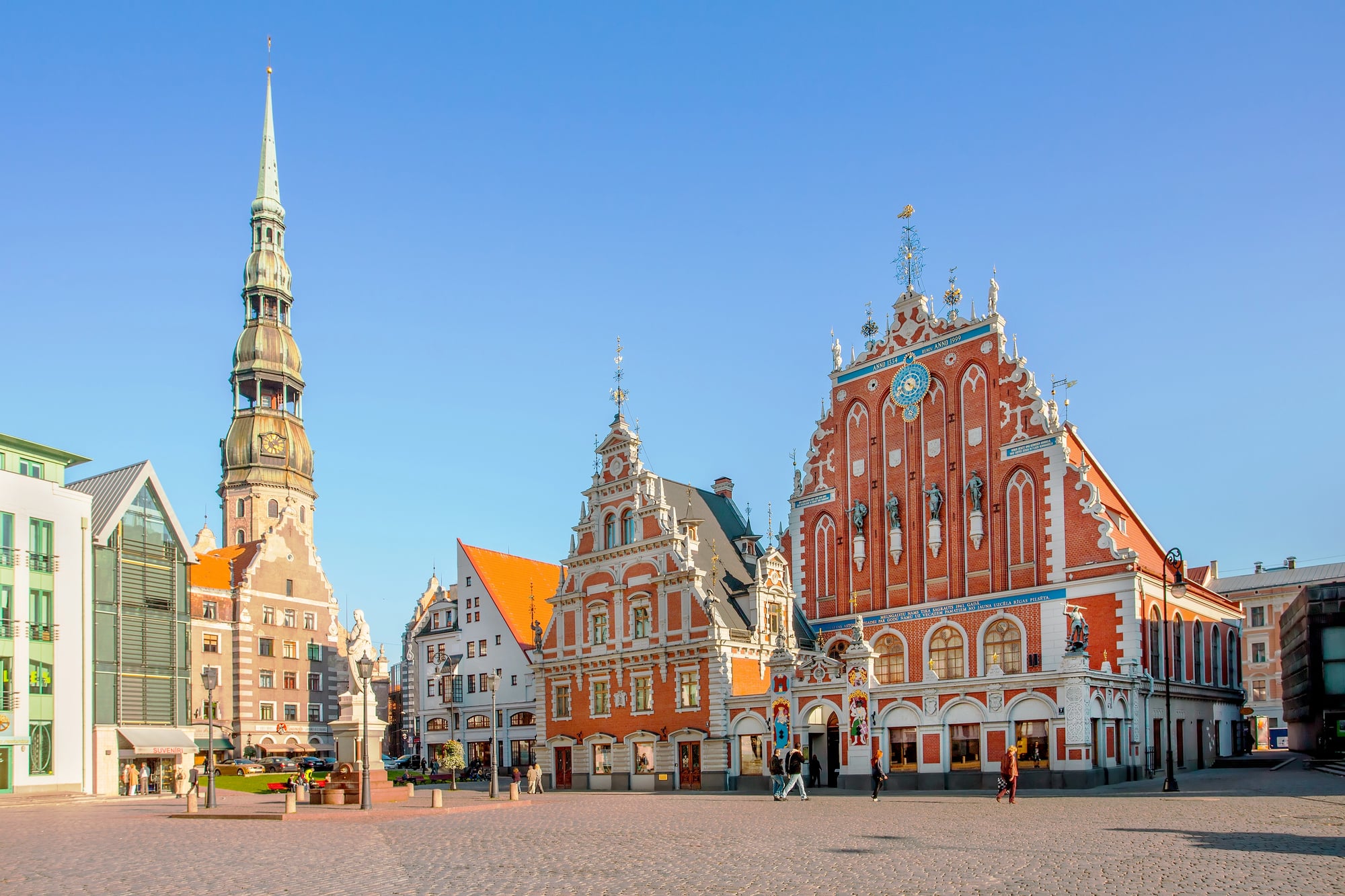
Latvia declared independence from the Soviet Union on August 21, 1991, just one day after its Baltic neighbor Estonia. Like Estonia and Lithuania, Latvia had been independent between the world wars before Soviet occupation.
The country has a significant Russian-speaking minority, a legacy of Soviet-era migration policies that brought workers from across the USSR. Latvia adopted the euro in 2014 and has become a hub for technology startups in the Baltic region.
Ukraine
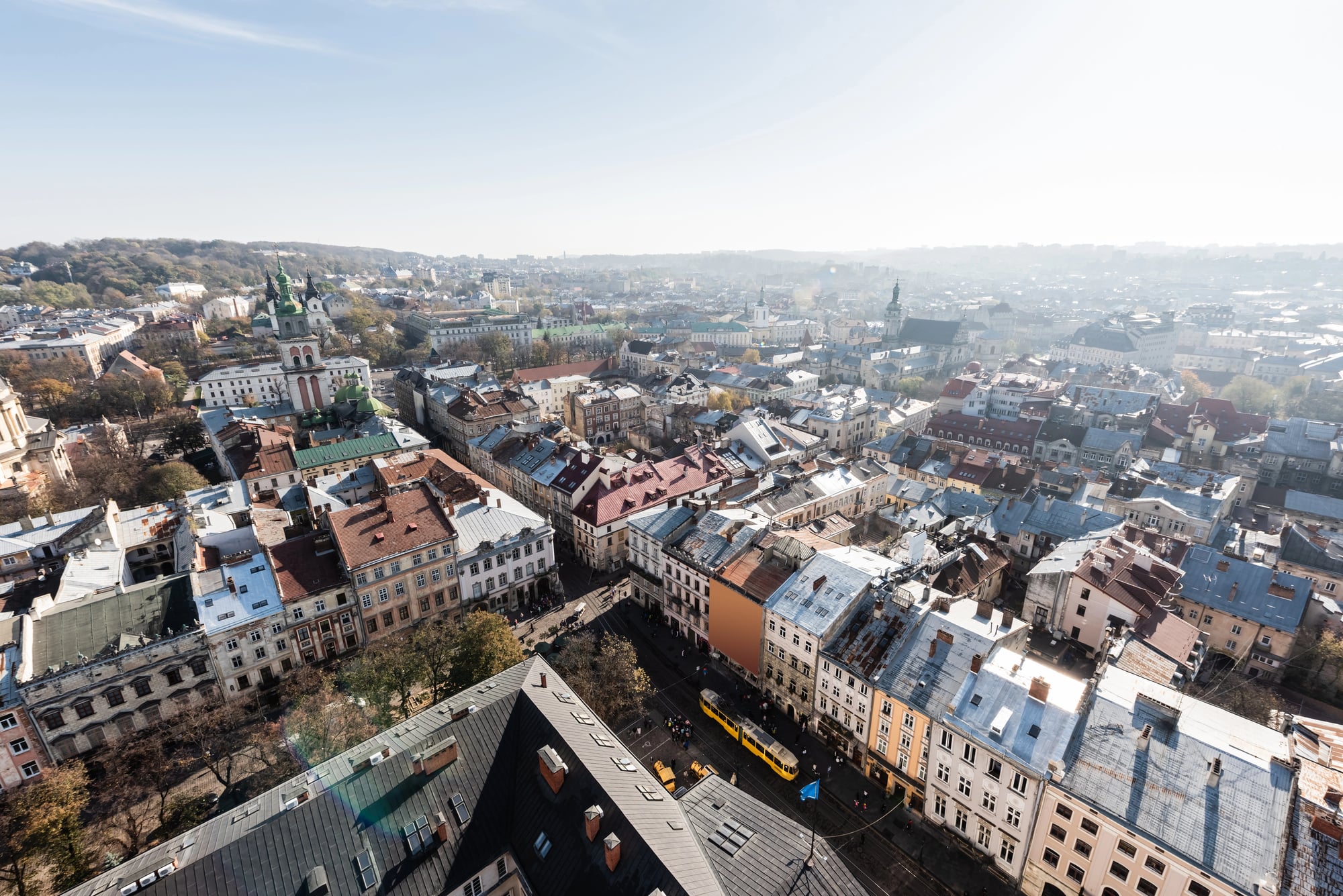
The second-largest country in Europe by land area declared independence from the Soviet Union on August 24, 1991. Ukraine’s independence was confirmed by a referendum in which over 90 percent of voters chose to leave the USSR.
The country has rich agricultural land known as the breadbasket of Europe, producing massive amounts of wheat and other crops. Ukraine has faced ongoing challenges with its eastern neighbor Russia, including conflicts that have shaped its recent history.
Kyrgyzstan
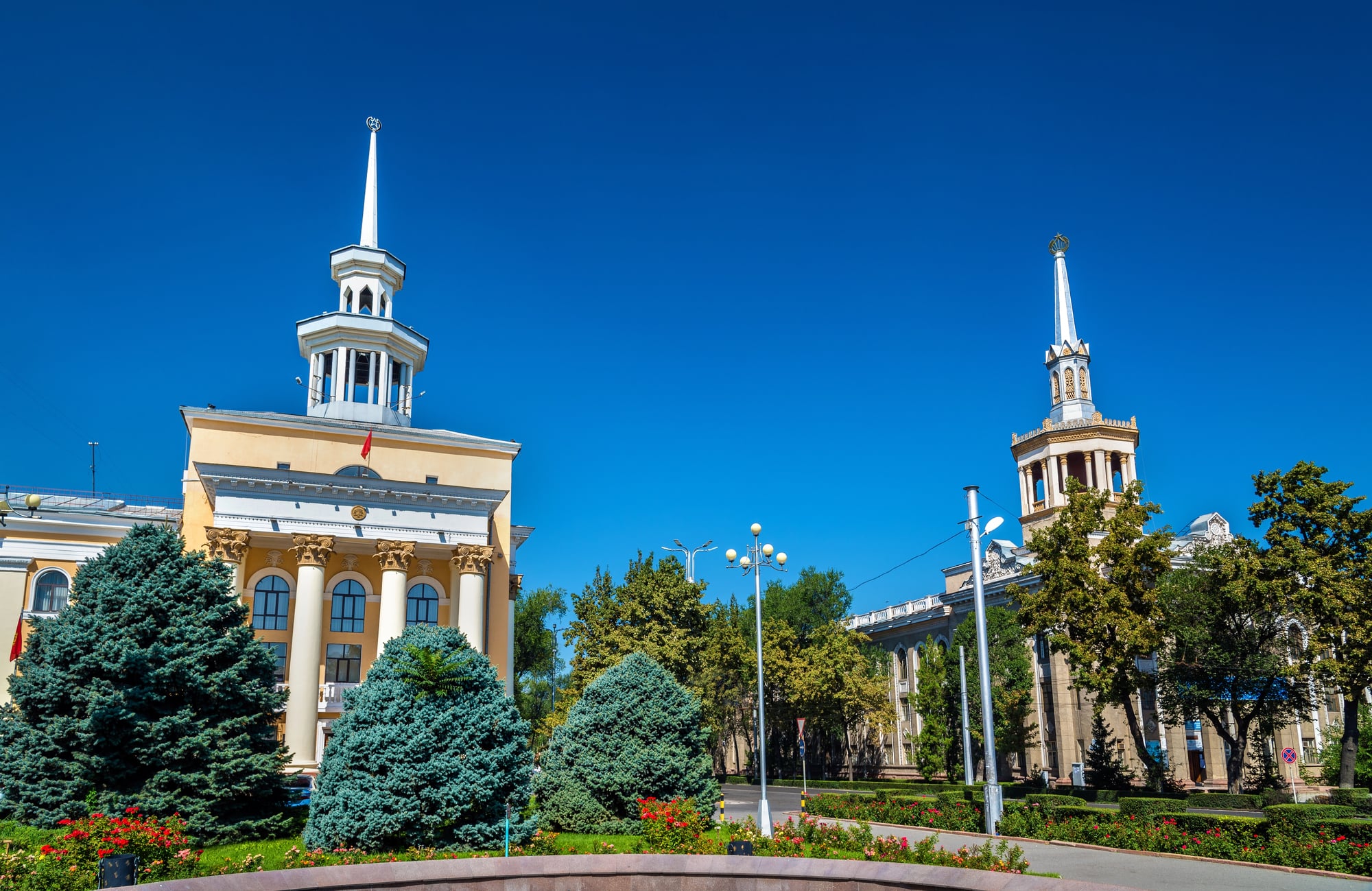
This mountainous Central Asian nation gained independence from the Soviet Union on August 31, 1991. Kyrgyzstan is one of the most remote and least known of the former Soviet republics, with much of its territory covered by the Tian Shan mountain range.
The country has struggled with political instability since independence, experiencing multiple revolutions and changes of government. Despite these challenges, Kyrgyzstan has maintained a relatively open society compared to some of its neighbors in Central Asia.
Uzbekistan
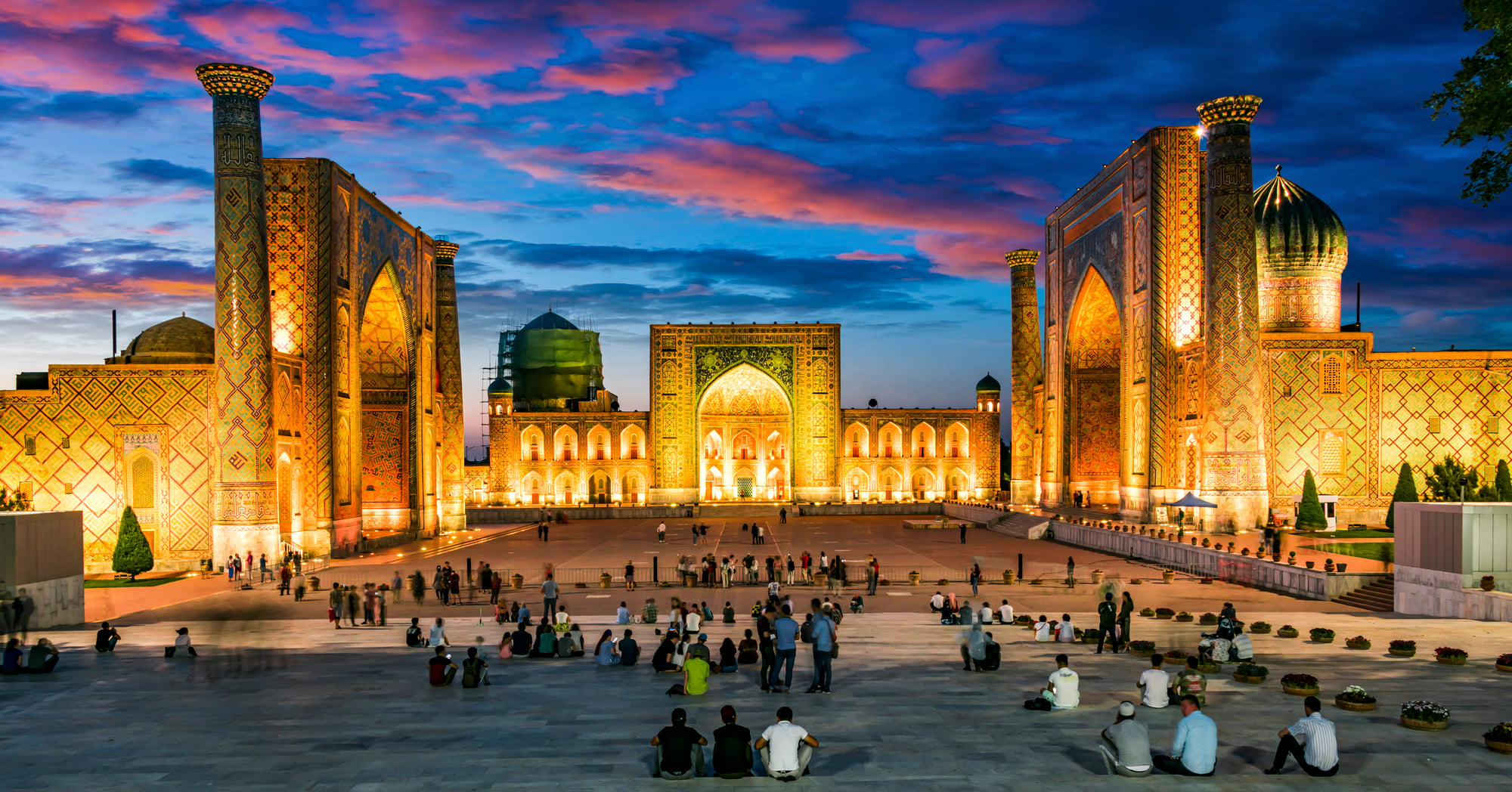
Uzbekistan declared independence from the Soviet Union on September 1, 1991, becoming the most populous country in Central Asia. The nation sits along the ancient Silk Road trade routes and contains historic cities like Samarkand and Bukhara.
Uzbekistan has significant natural resources, including natural gas and gold, which form the backbone of its economy. The country has been slowly opening up to tourism in recent years, allowing more visitors to see its incredible Islamic architecture and history.
Belarus
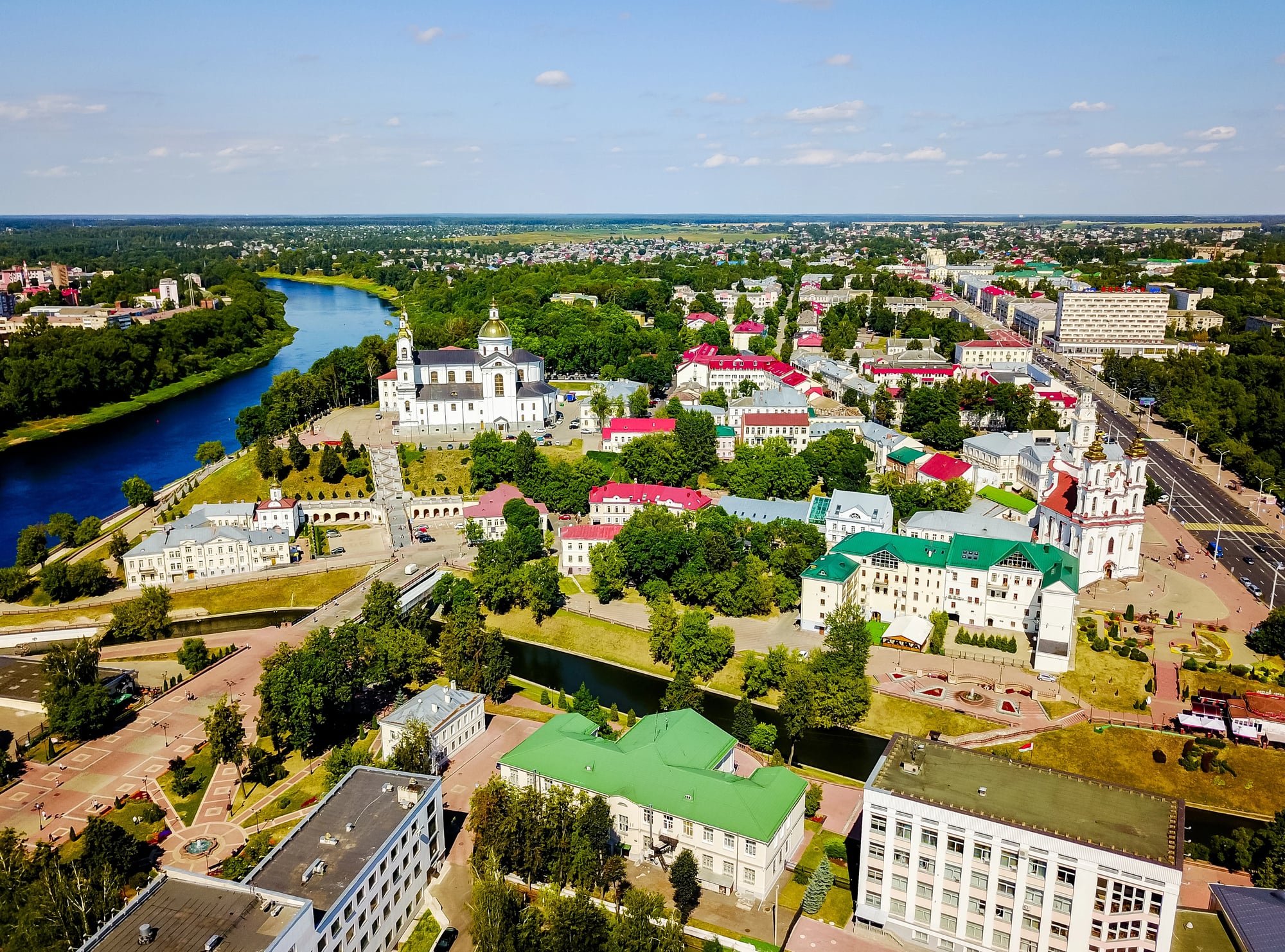
Belarus became independent from the Soviet Union on August 25, 1991, though it has maintained closer ties to Russia than most other former Soviet states. The country sits between Russia and the European Union, creating a unique position in European politics.
Belarus has kept many Soviet-era economic structures in place, with the government controlling much of the economy. The nation has been ruled by the same president since 1994, making it one of Europe’s last authoritarian states.
Moldova
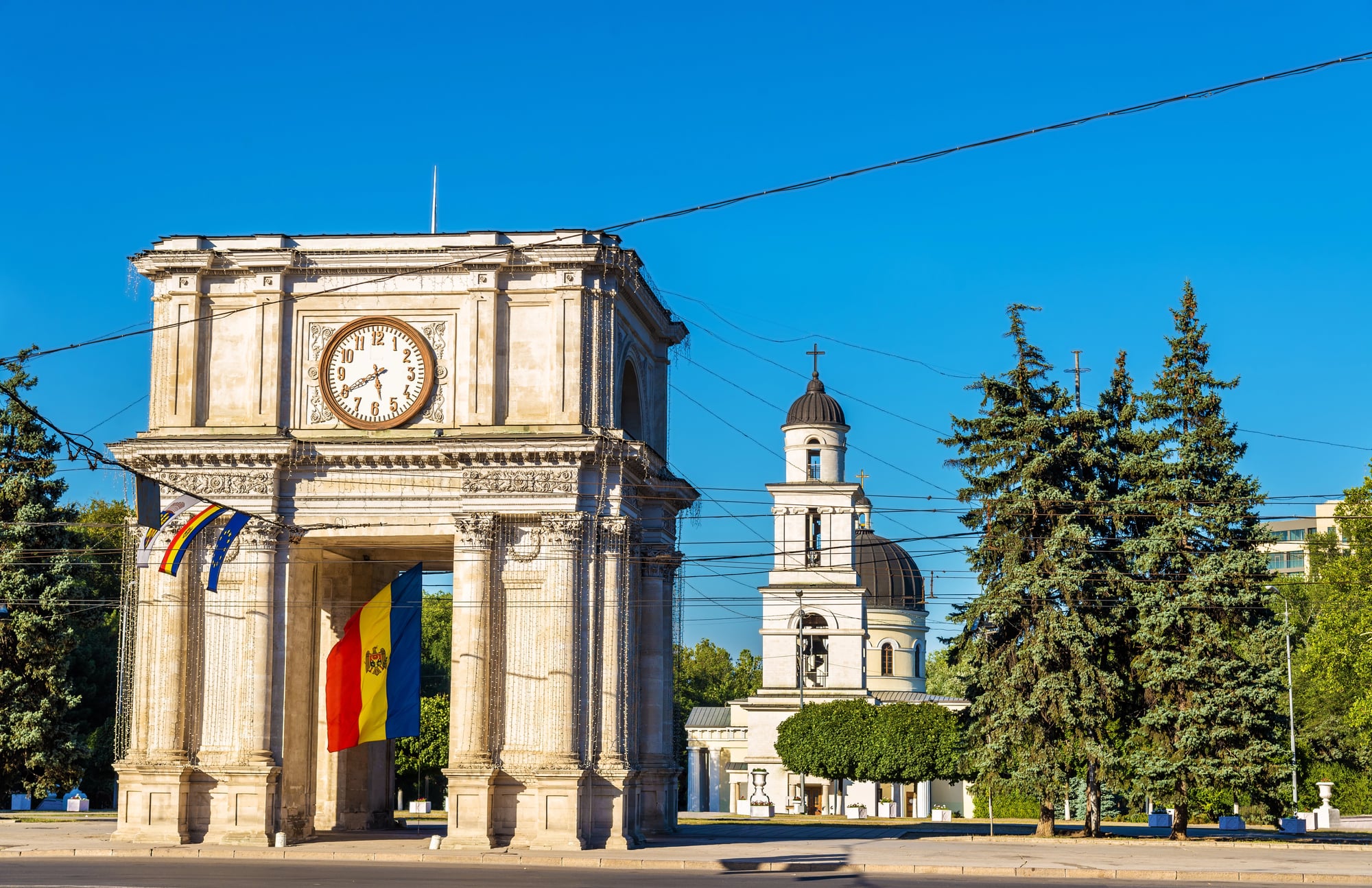
This small Eastern European country declared independence from the Soviet Union on August 27, 1991. Moldova is squeezed between Romania and Ukraine, and it’s one of the poorest countries in Europe.
The nation has dealt with a breakaway region called Transnistria since the early 1990s, an area that functions as a separate country but isn’t recognized internationally. Moldova produces excellent wine, with vineyards covering much of its countryside and wine-making traditions going back centuries.
Azerbaijan
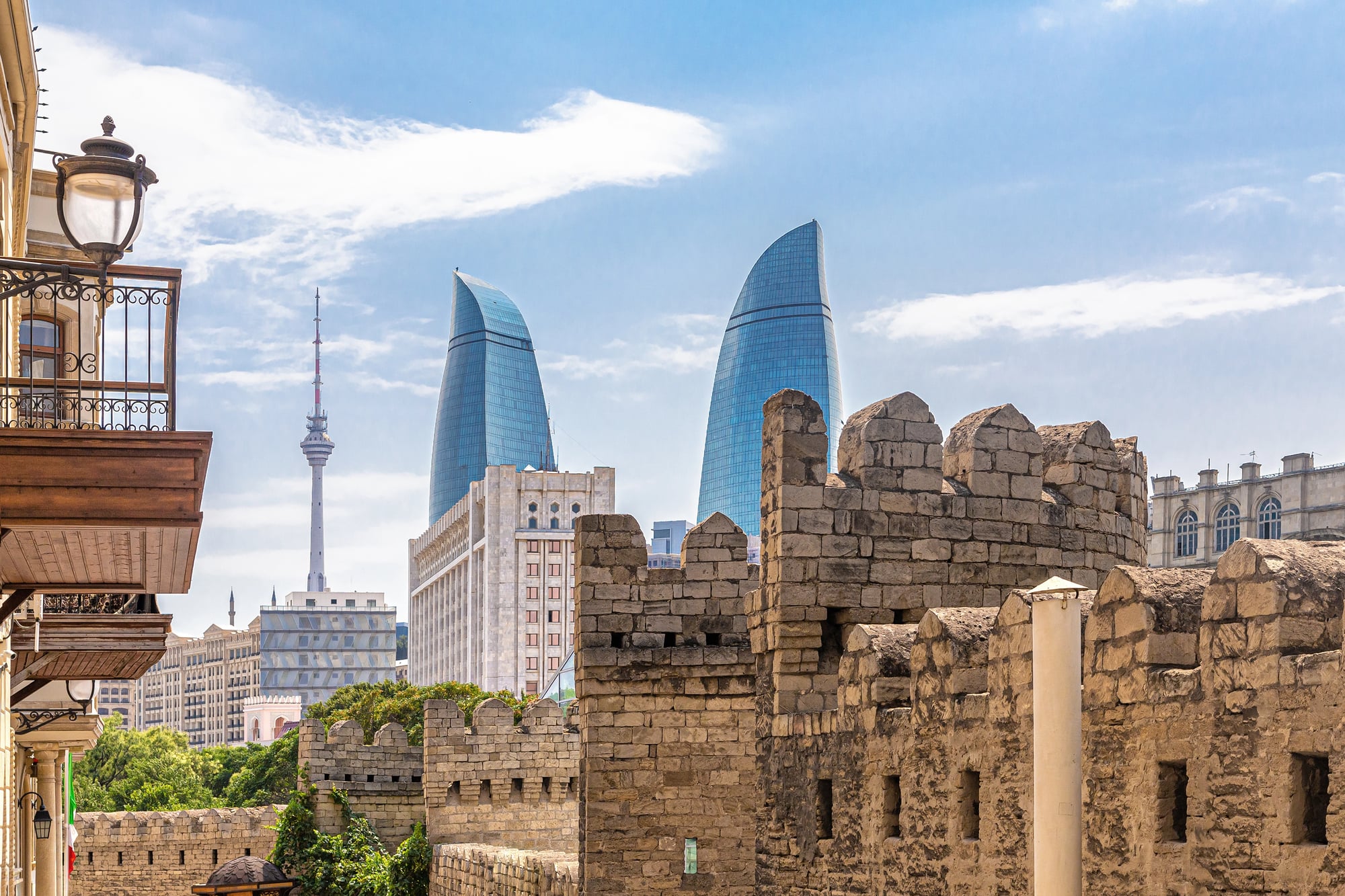
Azerbaijan gained independence from the Soviet Union on August 30, 1991, becoming an important energy producer for Europe. The country sits on the western shore of the Caspian Sea, giving it access to massive oil and gas reserves.
Baku, the capital, has transformed from a Soviet-era industrial city into a modern metropolis with futuristic architecture. Azerbaijan has used its energy wealth to modernize infrastructure, though it has also faced criticism over human rights and democratic freedoms.
Turkmenistan
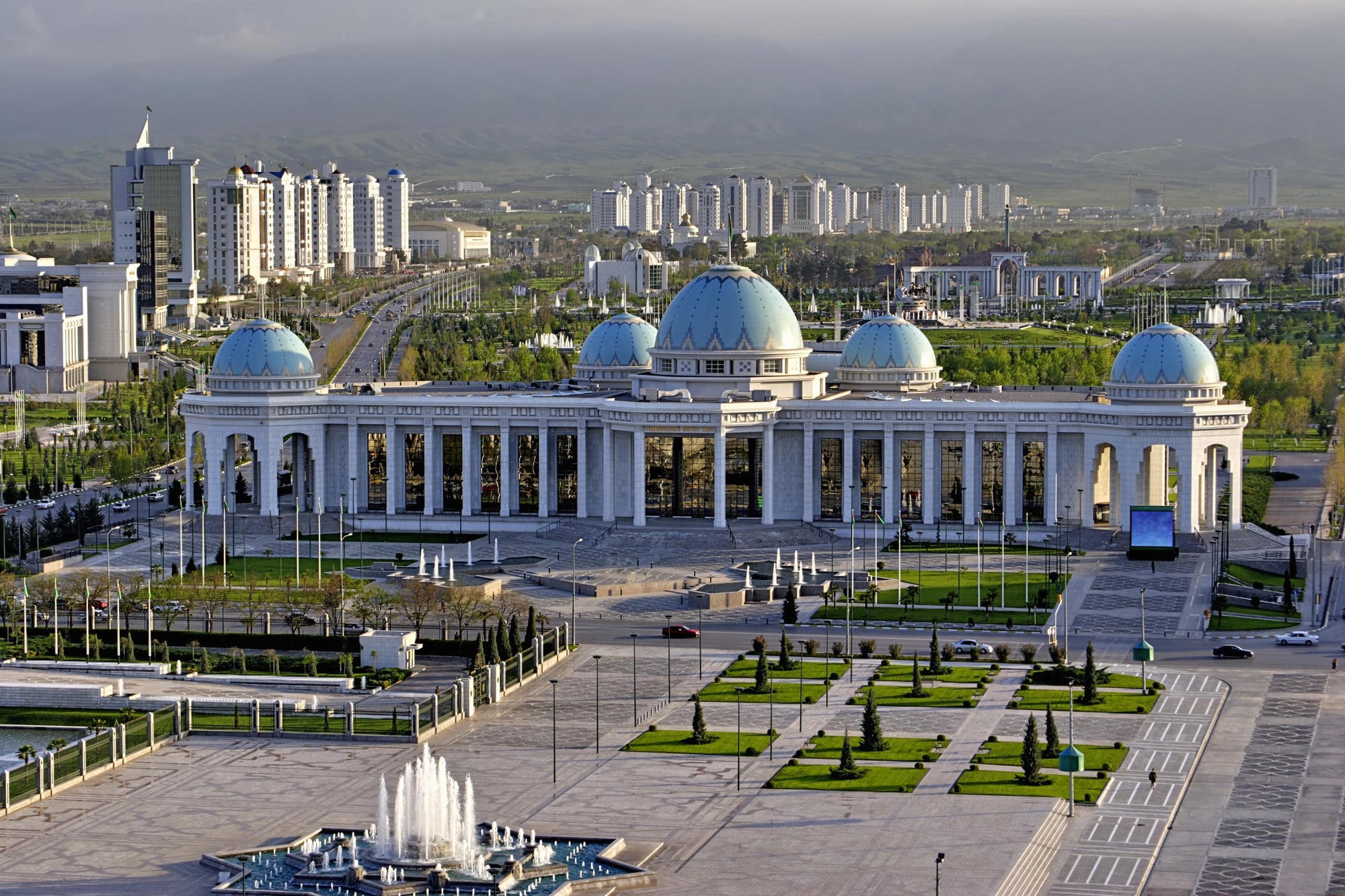
Turkmenistan became independent from the Soviet Union on October 27, 1991, and has become one of the world’s most isolated countries. The nation has massive natural gas reserves, ranking among the top countries globally for gas production.
Turkmenistan’s capital, Ashgabat, is known for having more white marble buildings than any other city on Earth. The country rarely appears in international news and maintains strict control over information and travel.
Armenia
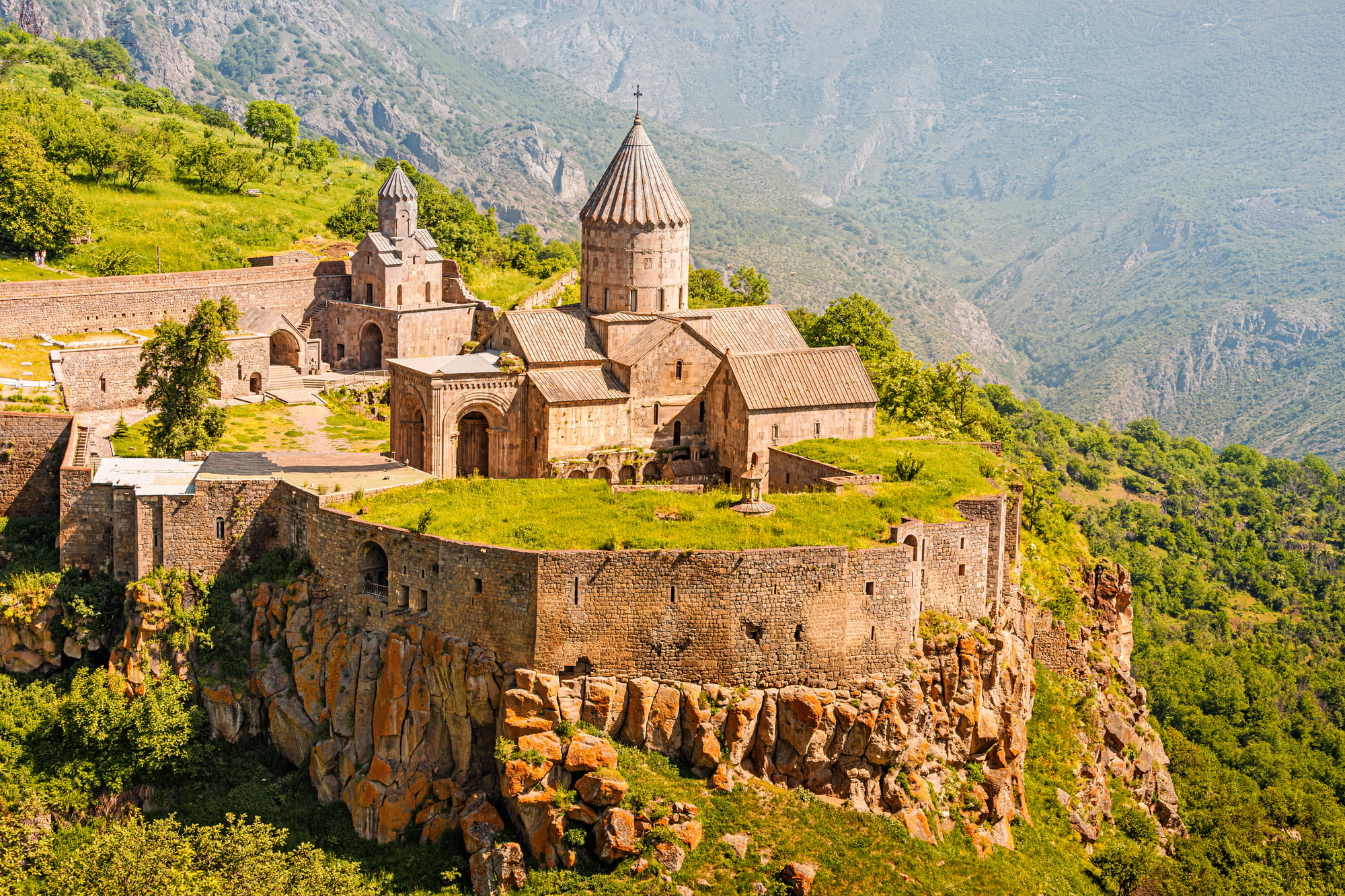
Armenia declared independence from the Soviet Union on September 21, 1991, reclaiming sovereignty after seven decades of Soviet rule. The country is one of the oldest Christian nations in the world, having adopted Christianity as its state religion in 301 AD.
Armenia is landlocked and mountainous, with Mount Ararat (though now in Turkey) holding deep cultural significance for Armenians. The nation has faced ongoing tensions with neighboring Azerbaijan over the Nagorno-Karabakh region.
Eritrea
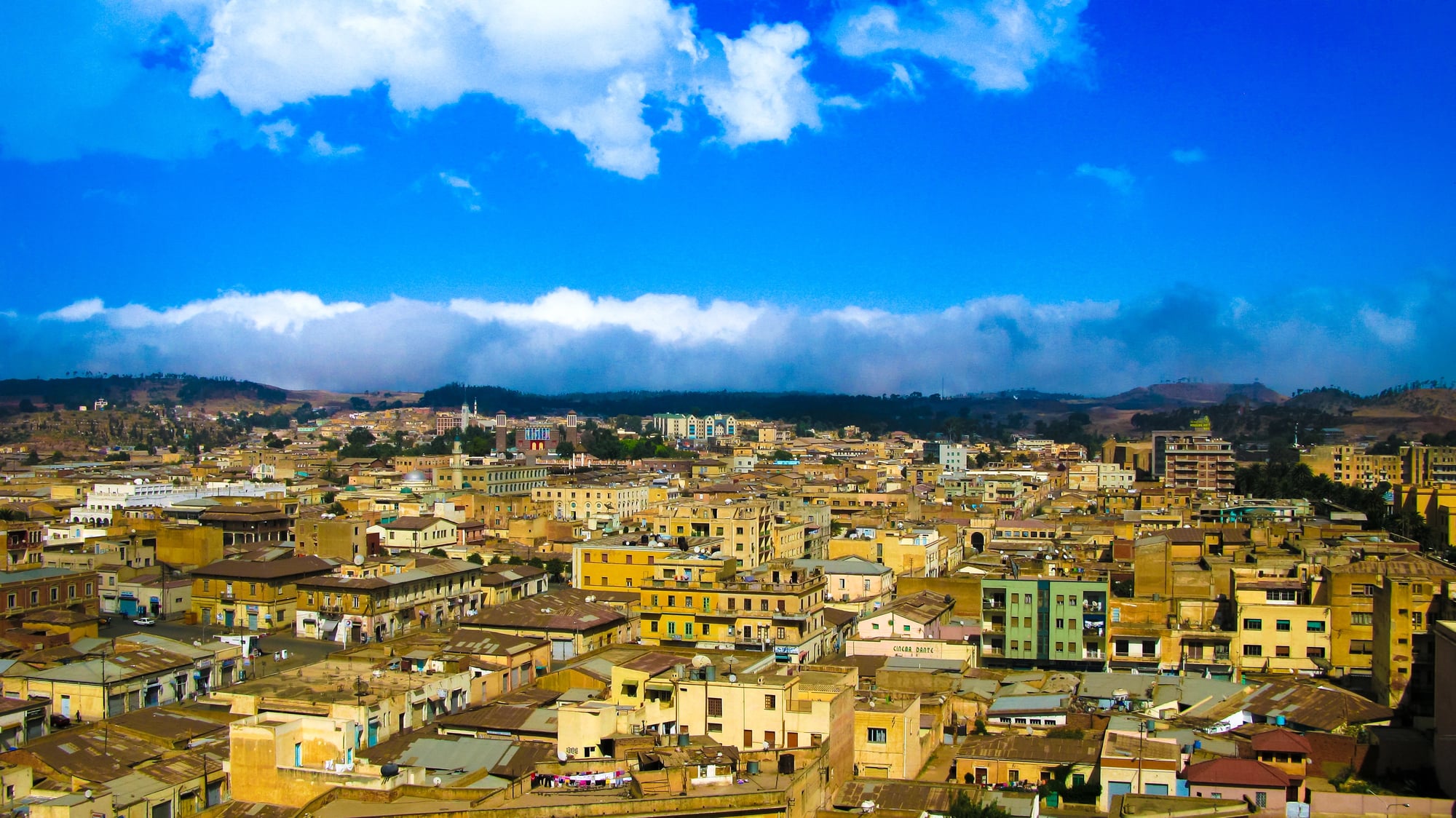
May 24, 1993 marked the day Eritrea broke free from Ethiopia following three decades of fighting – among Africa’s most enduring wars. Back in 1952, it started as a federation with Ethiopia; ten years later came full absorption, which lit the spark for rebellion.
Along the Red Sea coast it lies, positioning itself where major trade lanes link Europe and Asia. Since then, global voices have questioned its policy of endless conscription, something pushing waves of youth to leave.
Palau
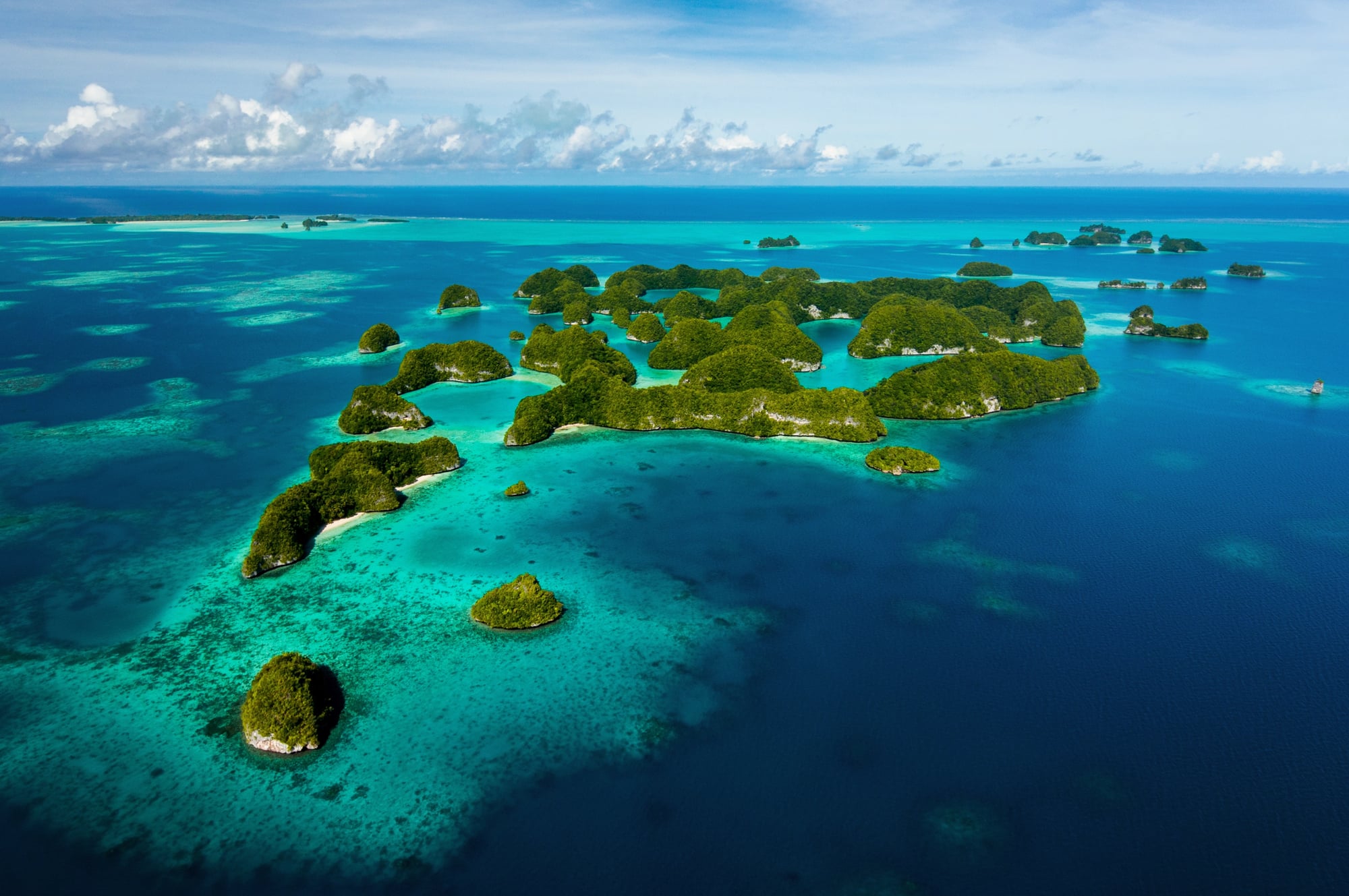
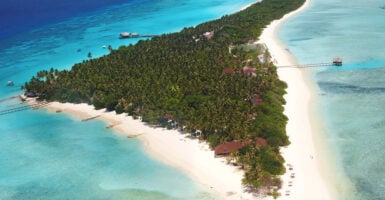
One day in late 1994, freedom arrived for this stretch of islands scattered across the western Pacific. Not long before that, U.S. oversight ended following decades under a United Nations arrangement.
More than five hundred specks of land make up Palau – yet most sit empty, untouched by daily life. Life hums quietly on just a handful, where roughly eighteen thousand souls reside year-round.
Beneath nearby waves, sea creatures thrive in ways few places can match. Scuba explorers travel far distances drawn by water so clear it feels unreal.
Because of deep respect for the ocean, bold steps were taken years ago to shield vast underwater zones. A sanctuary now covers much of their surrounding sea, giving nature space to breathe undisturbed.
The World Keeps Changing
Maps often lie about how fixed borders really are. When the Soviet Union fell apart, everything shifted across continents.
Yugoslavia broke into pieces too, redrawing lines people thought were set forever. Across Africa and islands in the Pacific, fresh flags rose as new governments spoke up globally.
Not every newcomer found smooth sailing after breaking away. Some built working parliaments, signed treaties, and earned seats at world forums.
Trouble followed others – money problems never faded, violence lingered in corners. Starting a nation turns out to be only step one.
The real test stretches far beyond that moment.
More from Go2Tutors!

- The Romanov Crown Jewels and Their Tragic Fate
- 13 Historical Mysteries That Science Still Can’t Solve
- Famous Hoaxes That Fooled the World for Years
- 15 Child Stars with Tragic Adult Lives
- 16 Famous Jewelry Pieces in History
Like Go2Tutors’s content? Follow us on MSN.