15 Statues That Vanished Without a Trace
Throughout history, countless magnificent statues have graced public squares, adorned temples, and stood as symbols of power and artistic achievement. Yet many of these remarkable sculptures have simply disappeared — leaving behind only tantalizing clues and endless mysteries. Some were lost to war, others fell victim to natural disasters, while many were deliberately destroyed or stolen by those who saw them as either threats or treasures.
The stories of these vanished monuments reveal fascinating glimpses into past civilizations and the turbulent forces that shaped our world. Here’s a list of 15 statues that disappeared without a trace, each carrying its own compelling tale of loss and mystery.
Colossus of Rhodes

This ancient wonder of the world once towered over the Greek island of Rhodes — standing roughly 108 feet tall and depicting the sun god Helios. Built around 280 BC, the bronze giant was one of the tallest statues of the ancient world.
Though the mighty statue lay in ruins for several centuries after an earthquake toppled it in 226 BC, Arab merchants eventually sold off its remains for scrap metal. The earthquake marked the beginning of the end, yet it was human greed that sealed this monument’s fate.
Colossus of Nero
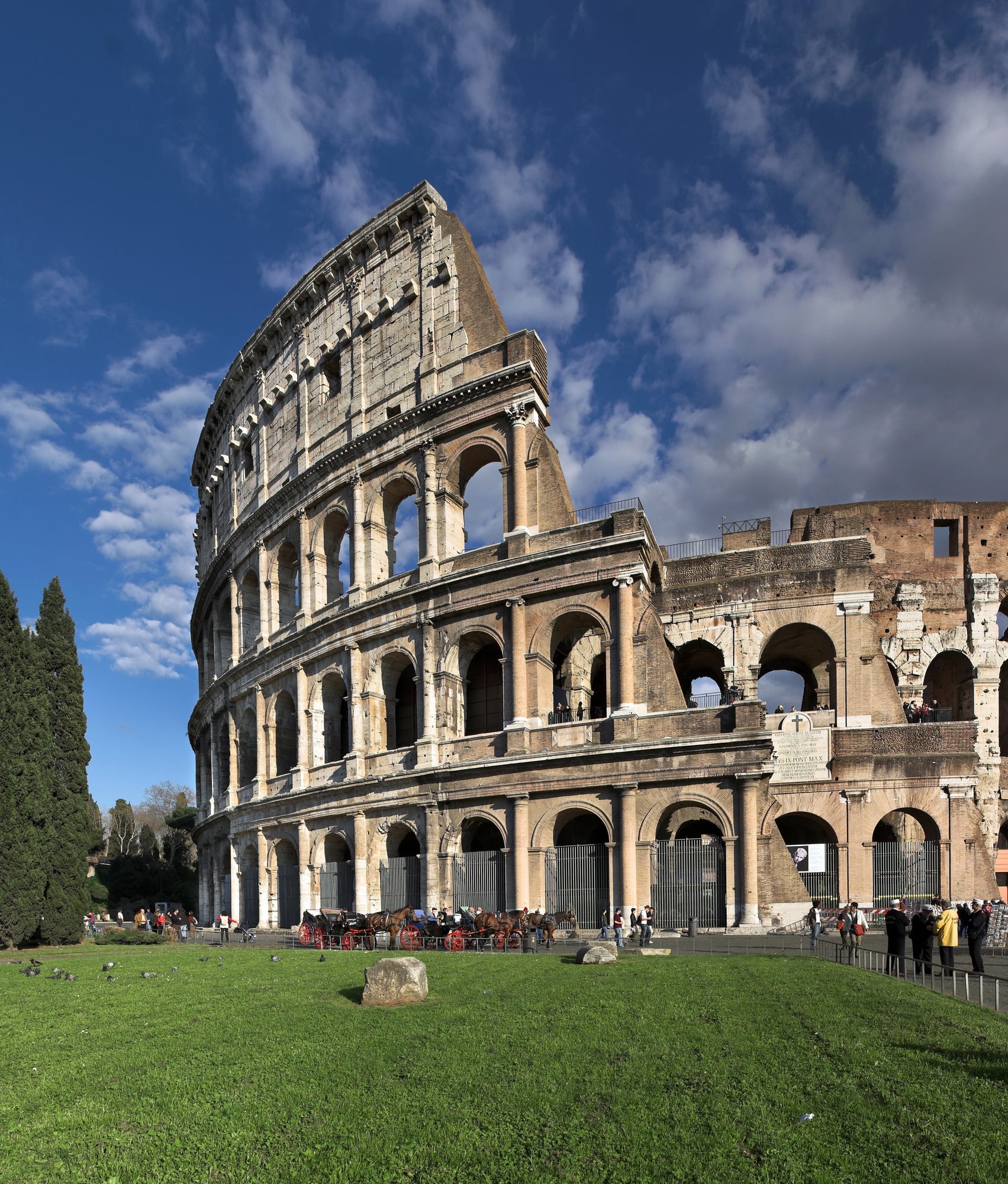
Emperor Nero commissioned this massive bronze statue of himself, which stood approximately 98 feet tall in the vestibule of his opulent palace complex. The statue later gave the Colosseum its name — though it vanished completely during the late Roman period.
Most historians believe it was melted down for its valuable bronze content, since metal was incredibly precious during those turbulent times.
Like Go2Tutors’s content? Follow us on MSN.
The Lost Bronze Warriors of Pergamon
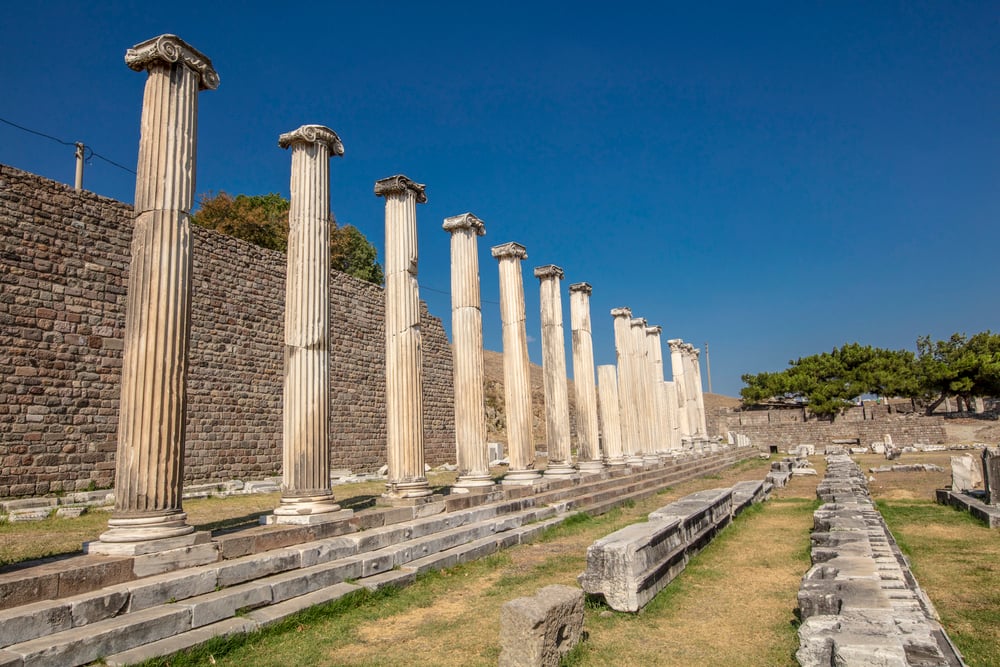
The ancient city of Pergamon in modern-day Turkey was home to several colossal bronze statues depicting warriors and gods. These sculptures decorated the famous Altar of Zeus and surrounding temples, creating an impressive display of artistic power.
During the Byzantine period, most of these bronzes were systematically removed — then melted down for weapons and coins. Only marble copies and written descriptions remain of their former glory.
Statue of Zeus at Olympia

One of the Seven Wonders of the Ancient World, this 40-foot-tall seated statue of Zeus was crafted by master sculptor Phidias around 435 BC. Made of ivory and gold over a wooden framework — it dominated the Temple of Zeus at Olympia for nearly 900 years.
The statue disappeared sometime in the 5th century AD, though historians can’t agree whether Christian zealots destroyed it or if it was lost in a fire at Constantinople.
The Golden Calf of Jeroboam
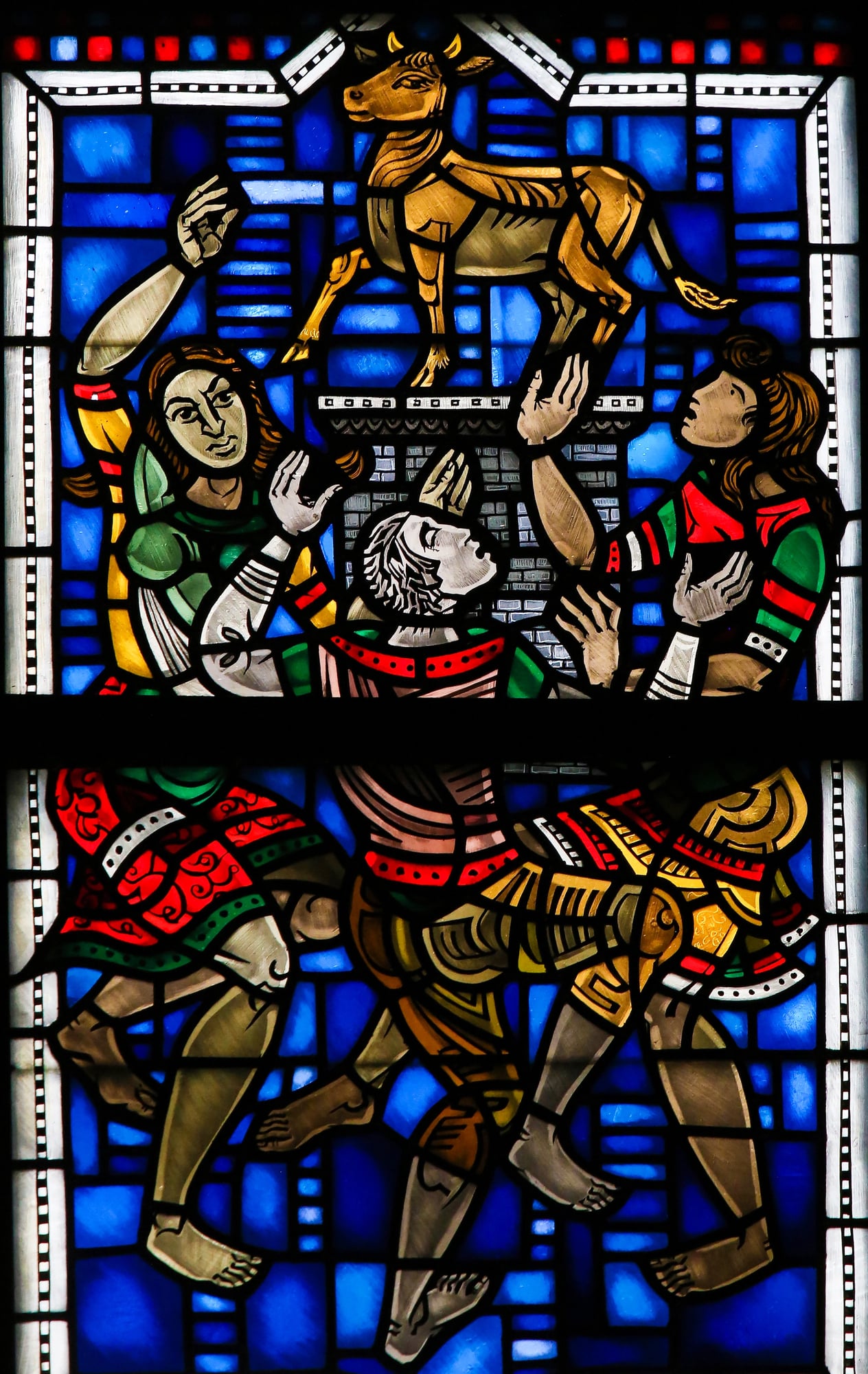
According to biblical accounts, King Jeroboam I of Israel erected golden calf statues at Bethel and Dan around 930 BC. These religious statues served as alternative worship sites to the Temple in Jerusalem — a politically charged move that didn’t sit well with everyone.
Archaeological evidence suggests these statues existed, yet they vanished completely during various invasions or religious reforms that swept through the region.
Like Go2Tutors’s content? Follow us on MSN.
Marcus Aurelius on Horseback

While a famous bronze equestrian statue of Marcus Aurelius survives in Rome, several other versions once existed throughout the Roman Empire. The original gilded bronze statue that stood in the Campus Martius disappeared during the medieval period — when bronze was worth its weight in gold.
Most bronze statues from antiquity were melted down for their metal, though this particular version’s fate remains unknown since it was considered one of the finest examples of Roman portraiture.
The Athena Parthenos
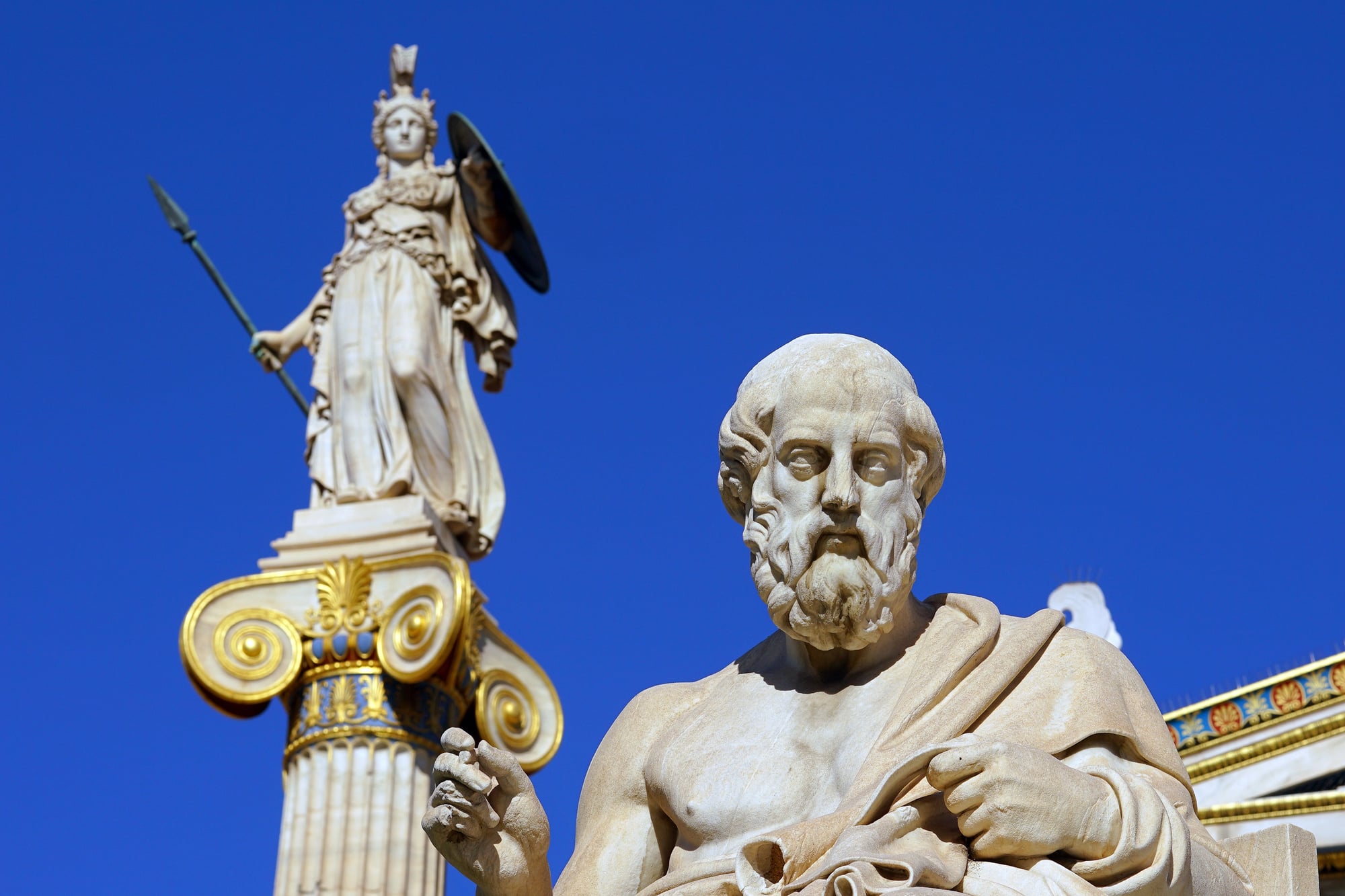
Phidias created this magnificent 38-foot-tall statue of Athena for the Parthenon in Athens around 447 BC. Made of gold and ivory over a wooden core — it stood as the centerpiece of Athens’ most sacred temple.
The statue disappeared sometime between the 5th and 12th centuries AD, with various theories suggesting it was either stolen, destroyed by Christians, or lost during the sack of Constantinople.
Lysippos’s Heracles
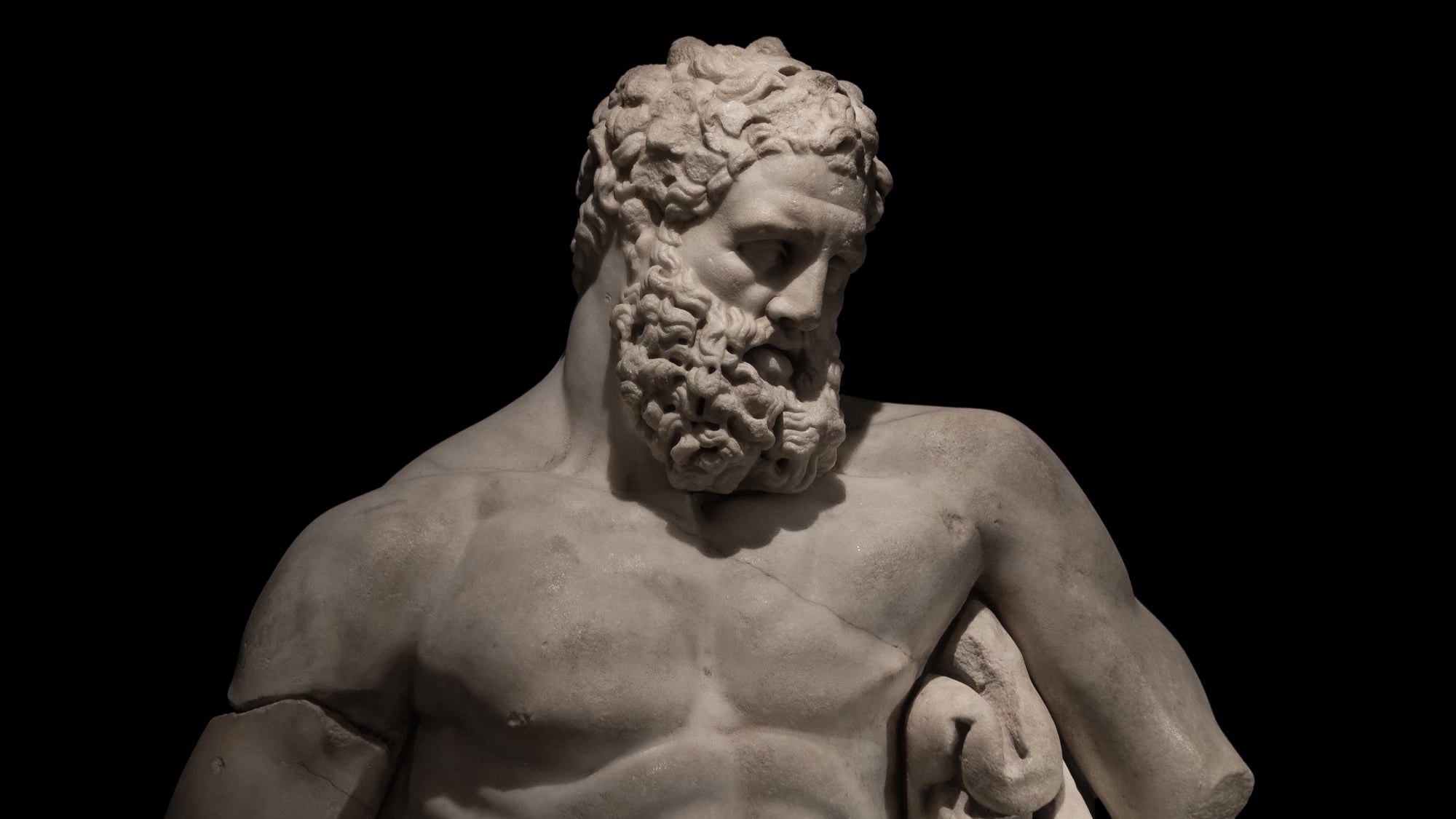
The famous sculptor Lysippos created numerous bronze statues of Heracles — including one that stood in the agora of Sikyon. This particular statue was considered one of the finest representations of the hero, showing him in a moment of rest after completing his labors.
The statue vanished during the Roman period, possibly taken to Rome as war booty — though its ultimate fate remains a mystery.
Like Go2Tutors’s content? Follow us on MSN.
The Sphinx of Giza’s Missing Nose

While the Great Sphinx itself remains, its most distinctive feature disappeared centuries ago. The missing nose wasn’t simply eroded by wind and sand — historical accounts suggest it was deliberately removed.
Various theories blame Napoleon’s troops, Ottoman rulers, or medieval Islamic iconoclasts, yet the true culprit and the fate of the carved nose piece remain unknown.
Constantine’s Missing Bronze Parts
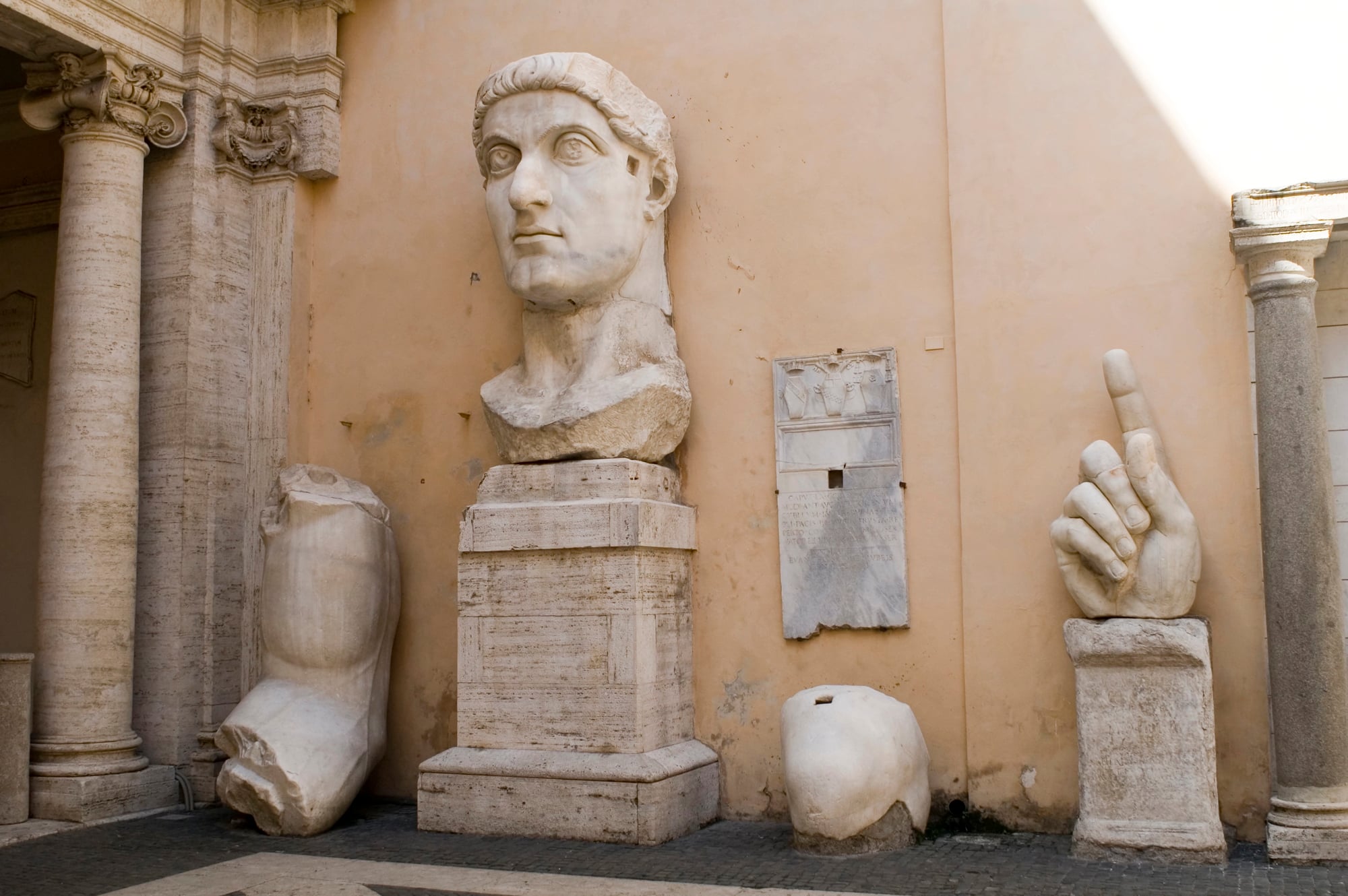
The Capitoline Museums in Rome display fragments of what was once a complete bronze colossus of Emperor Constantine. Missing parts of the monumental seated figure are thought to have been pillaged for bronze sometime during late antiquity — when metal was desperately needed for weapons and currency.
The missing pieces, including much of the body and limbs, were likely melted down during the medieval period.
The Apollo of Veii
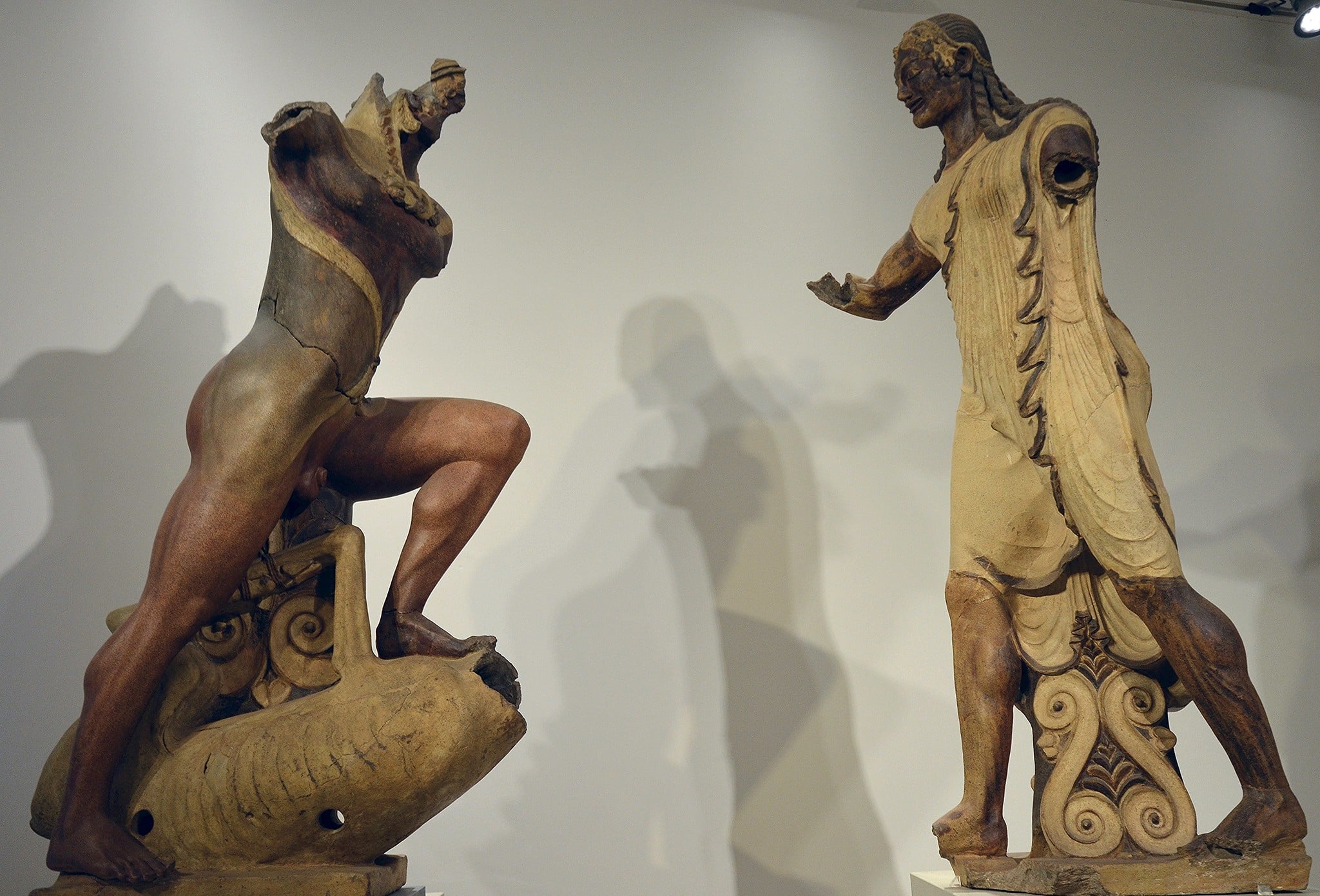
This terracotta masterpiece from the Etruscan city of Veii depicted Apollo in dynamic motion, created around 510 BC by master sculptor Vulca. The statue adorned the Temple of Minerva and was considered one of the finest examples of Etruscan art.
It disappeared when the Romans conquered Veii in 396 BC, possibly destroyed in the siege or carried off as spoils of war.
Like Go2Tutors’s content? Follow us on MSN.
Praxiteles’s Aphrodite of Knidos
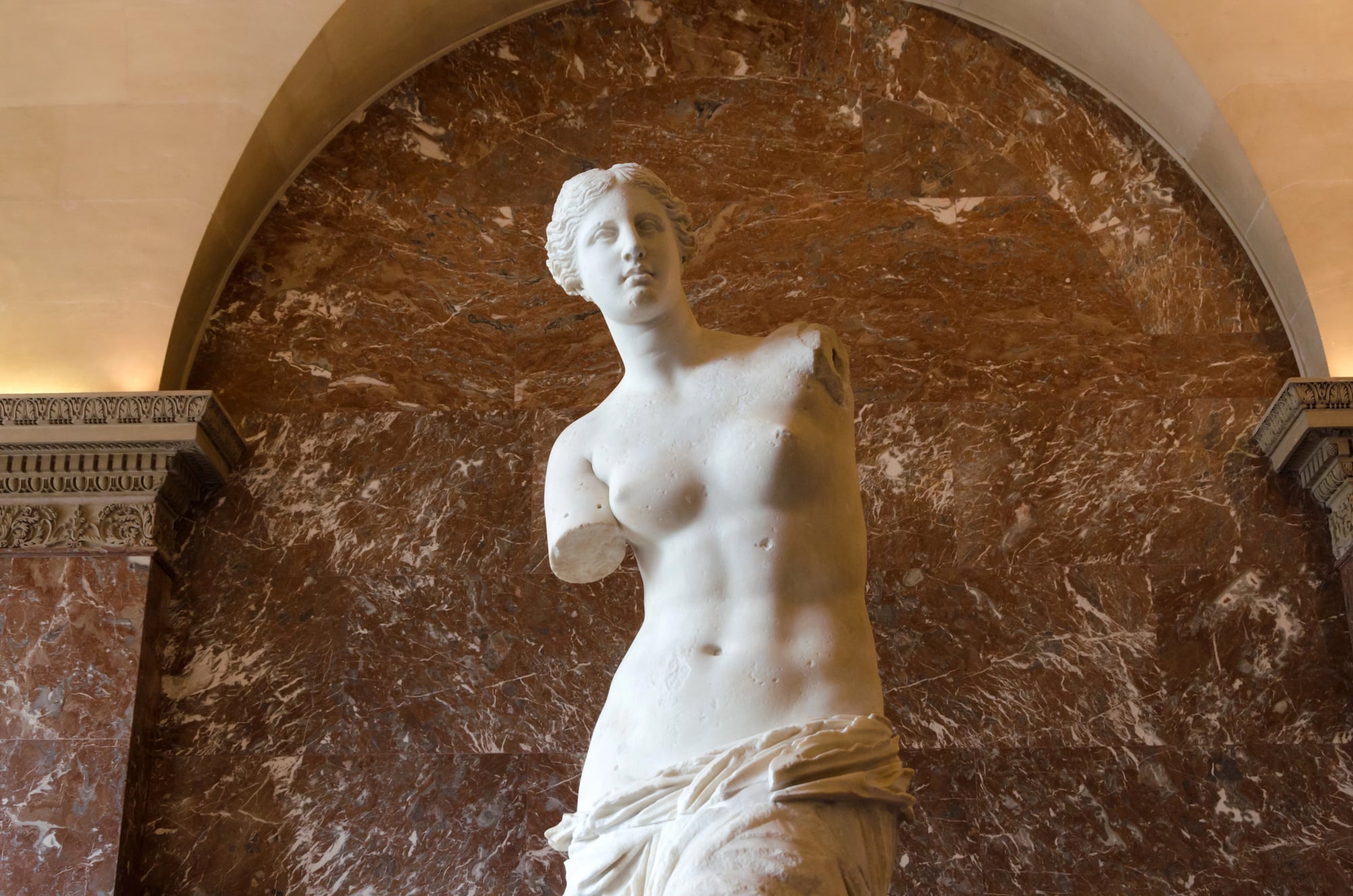
This revolutionary statue by Praxiteles was the first major sculpture to depict Aphrodite completely unclothed, causing a sensation in the ancient world. Created around 350 BC, it stood in a circular shrine on the island of Knidos.
The marble masterpiece vanished during the early Christian period, likely destroyed by religious authorities who viewed it as a pagan idol promoting immorality.
The Colossal Head of Amenhotep III
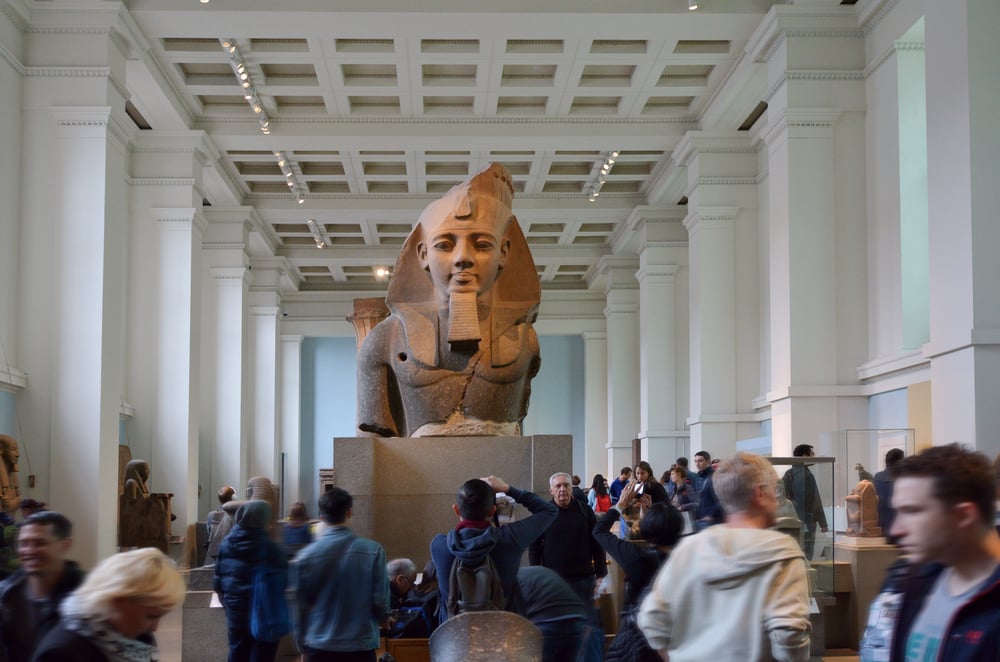
A massive quartzite head of Pharaoh Amenhotep III once stood at his mortuary temple in Thebes. This sculpture, measuring over 8 feet tall, was part of a complete statue that towered over the temple complex.
The head disappeared from its original location centuries ago, and despite extensive archaeological searches, it has never been relocated or identified in any museum collection.
The Bronze Hercules of Gilded Age America

During the late 1800s, a magnificent bronze statue of Hercules stood in the gardens of a wealthy industrialist’s estate in Newport, Rhode Island. Created by a renowned European sculptor, the 12-foot-tall figure was considered one of the finest bronze sculptures in private American collections.
The statue vanished during the estate’s sale in the 1920s, with no records indicating its buyer or current location.
Like Go2Tutors’s content? Follow us on MSN.
The Jade Emperor Statue of Beijing
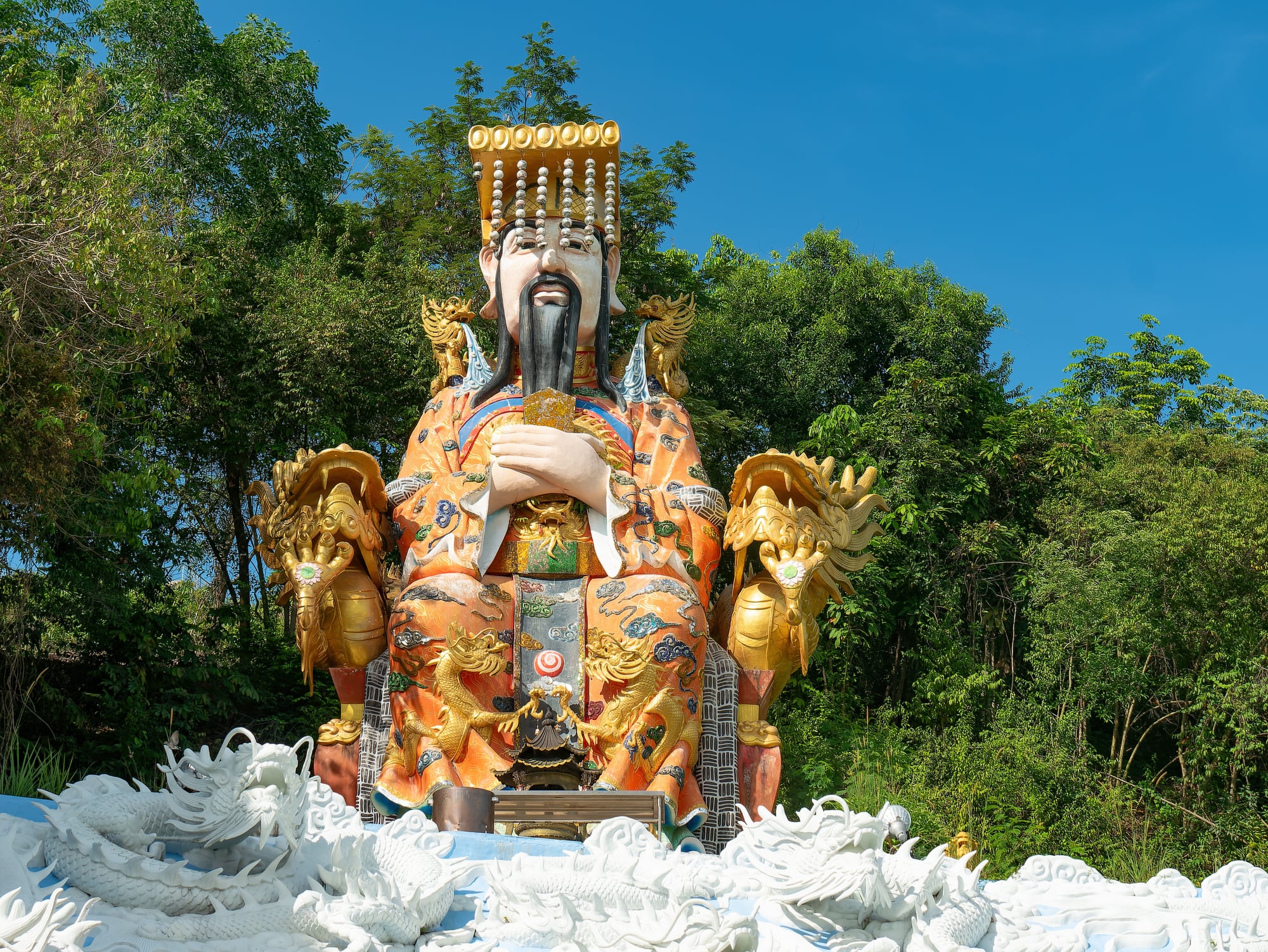
A legendary statue of the Jade Emperor, carved from a single massive piece of green jade, once graced the Forbidden City during the Ming Dynasty. Standing nearly 6 feet tall, it was considered one of China’s most precious artifacts.
The statue disappeared during the chaos of the Boxer Rebellion in 1900, with conflicting reports suggesting it was either destroyed, stolen by foreign troops, or hidden by palace officials.
Echoes in Stone and Memory

These vanished statues represent more than just lost art. They’re windows into civilizations that valued beauty, power, and divine connection enough to invest enormous resources in creating them.
Consider how Arab merchants sold off the Colossus of Rhodes for scrap, highlighting how even the most magnificent monuments can be reduced to mere raw materials when their cultural significance fades.
Today’s archaeologists and art historians continue searching for traces of these lost masterpieces, using advanced technology and historical detective work to piece together their stories.
The disappearance of these statues reminds us that even our most permanent-seeming creations are ultimately temporary, making the preservation of our current cultural treasures all the more urgent.
More from Go2Tutors!

- 16 Historical Figures Who Were Nothing Like You Think
- 12 Things Sold in the 80s That Are Now Illegal
- 15 VHS Tapes That Could Be Worth Thousands
- 17 Historical “What Ifs” That Would Have Changed Everything
- 18 TV Shows That Vanished Without a Finale
Like Go2Tutors’s content? Follow us on MSN.