Longest Underwater Tunnels Constructed by Engineers
There’s something almost surreal about traveling through a tunnel deep beneath a body of water, knowing that millions of tons of ocean or bay water rest just feet above your head. These engineering marvels represent some of humanity’s most ambitious construction projects, requiring decades of planning, billions of dollars, and technological innovations that push the boundaries of what’s possible.
From the icy waters of the North Sea to busy urban harbors, underwater tunnels connect islands to mainlands, countries to countries, and transform the way entire regions move people and goods.
Seikan Tunnel
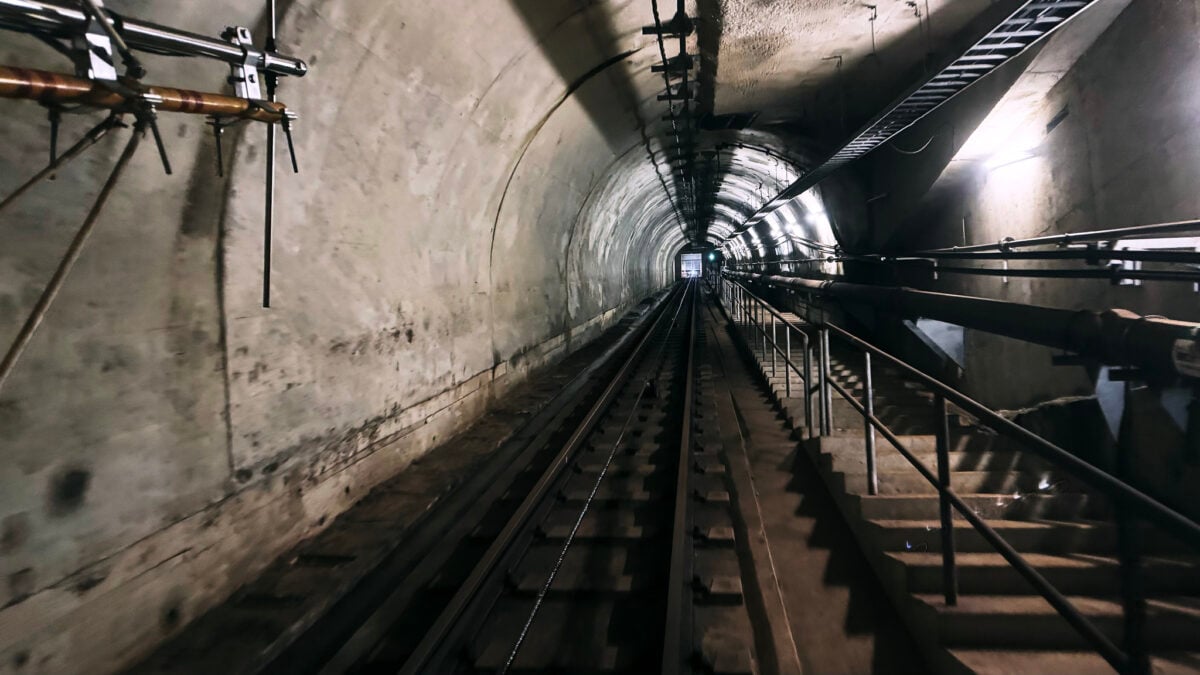
The Seikan Tunnel doesn’t mess around. At 33.5 miles total length with 14.5 miles underwater, it holds the record as the world’s longest underwater tunnel.
It connects Japan’s main island of Honshu to Hokkaido beneath the Tsugaru Strait. Construction took 11 years (1971–1982) and cost roughly $7 billion.
The tunnel reaches a maximum depth of 787 feet below sea level, cutting through some of the most challenging geological conditions engineers have ever faced.
Channel Tunnel
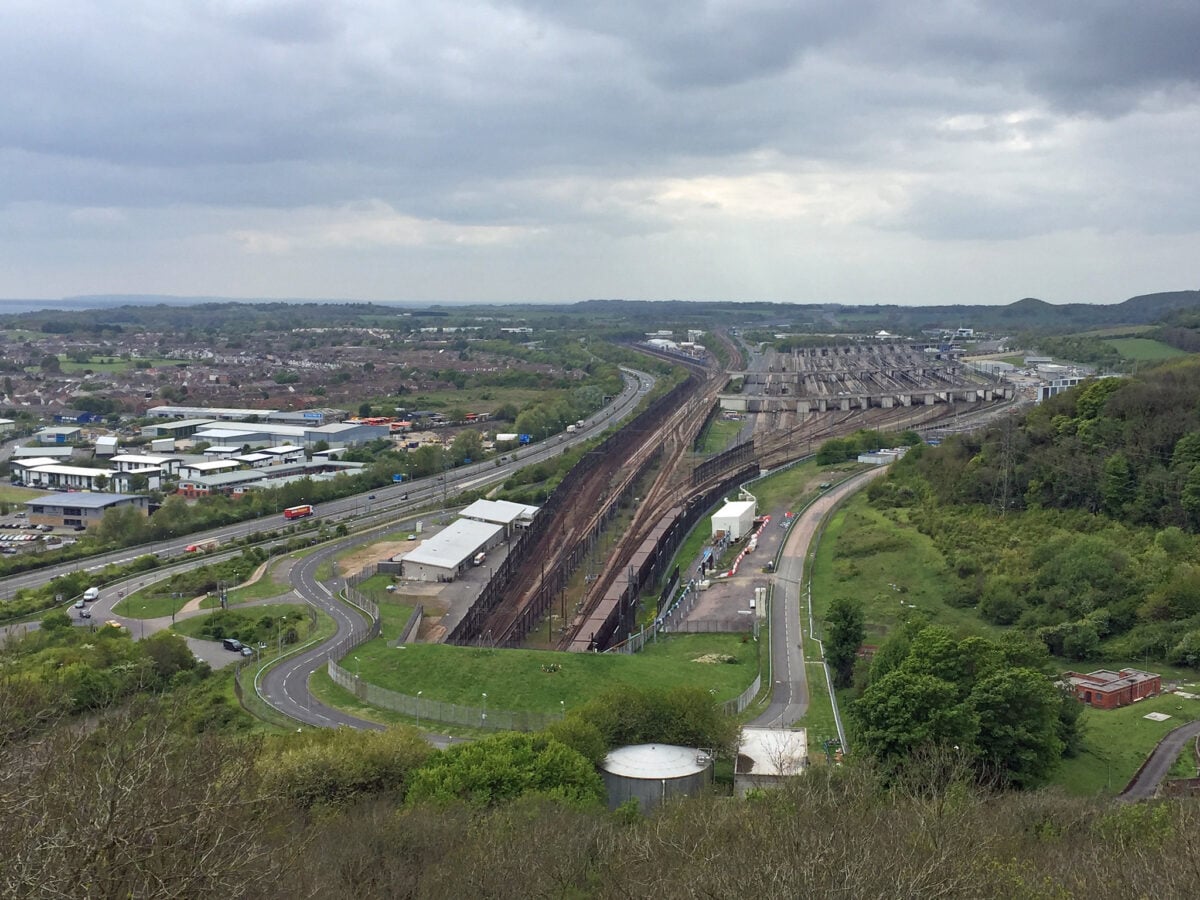
Connecting England and France beneath the English Channel, the Channel Tunnel (or “Chunnel” as it’s affectionately known) spans 31.4 miles total with 23.5 miles underwater. The project took six years to complete and opened in 1994, finally creating the fixed link between Britain and continental Europe that had been dreamed about for centuries.
What makes this tunnel particularly impressive isn’t just its length — it’s the precision required to meet in the middle. French and British crews dug from opposite sides, and when they met, they were off by less than two feet horizontally and just over one foot vertically.
Not bad for a tunnel that stretches nearly 24 miles underwater.
Tokyo Bay Aqua-Line
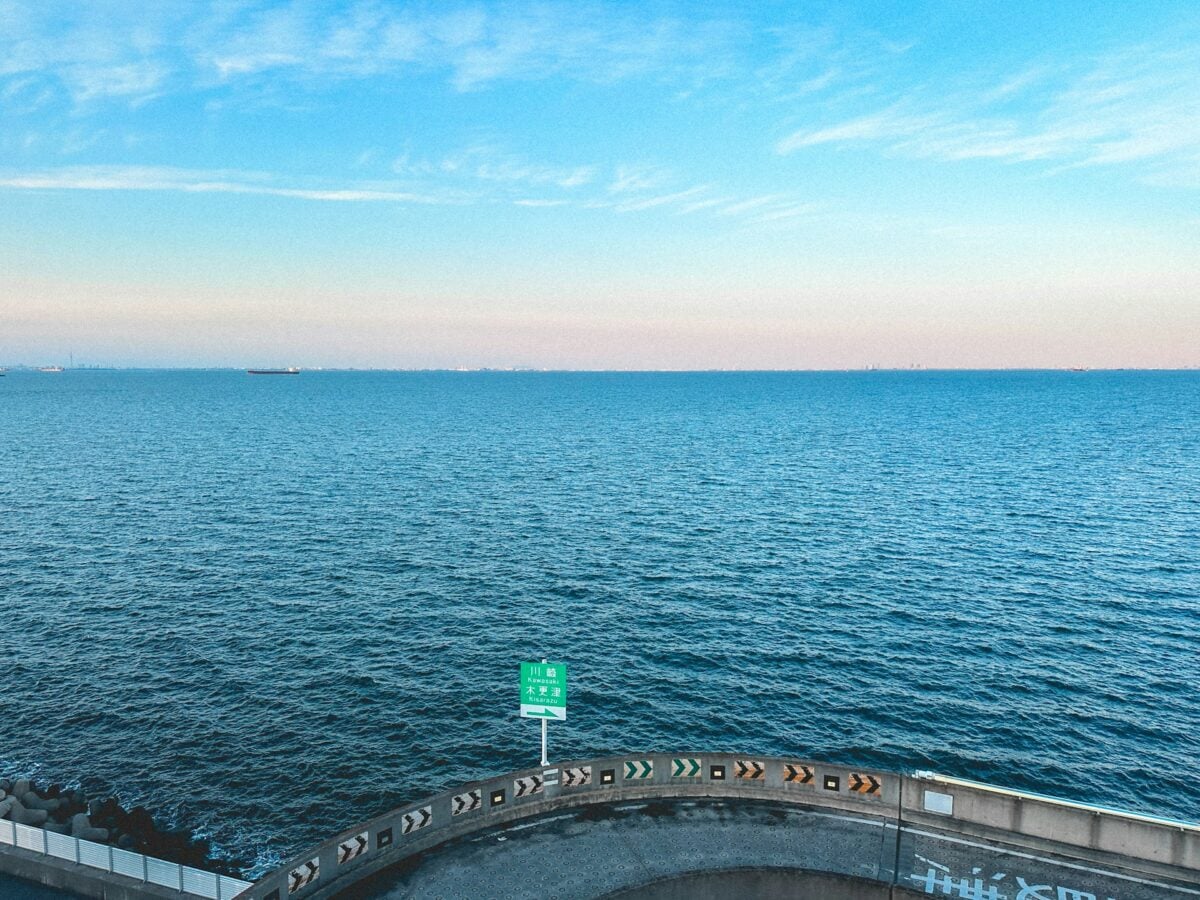
Here’s where engineering meets artistry (and where the practical considerations of marine traffic create something unexpectedly beautiful). The Tokyo Bay Aqua-Line spans 9.6 miles across Tokyo Bay, but what makes it extraordinary is that it’s part tunnel, part bridge — with an artificial island connecting the two sections in the middle of the bay.
The tunnel portion runs 6.2 miles underwater, but the real genius lies in the transition. Ships needed to pass through the bay, so engineers created a bridge on one end for vessel clearance, then shifted to a tunnel for the remainder.
The artificial island where bridge becomes tunnel — called Umihotaru — now serves as a rest area with shops and restaurants. Because nothing says “engineering marvel” quite like being able to grab a coffee in the middle of Tokyo Bay.
Øresund Tunnel
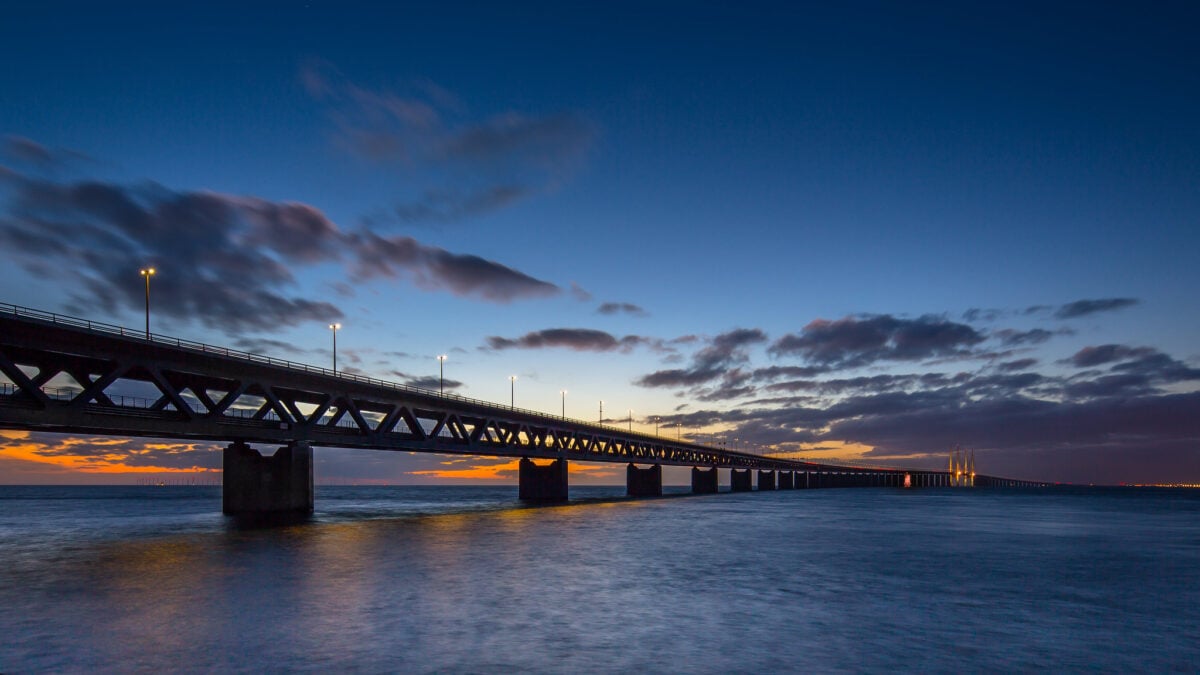
The Øresund crossing between Denmark and Sweden reads like an engineer’s fever dream, and honestly, that’s probably what it was. The entire crossing spans 5 miles, but the tunnel section runs 2.5 miles underwater beneath the Øresund strait, connecting to a 4-mile bridge via — you guessed it — another artificial island.
The tunnel was built using prefabricated sections that were lowered into a trench on the sea floor, then covered. This immersed tube method proved faster and less disruptive to marine traffic than traditional boring techniques.
And the artificial island (Peberholm) has become an accidental nature preserve where rare birds nest undisturbed. So the engineers created a wildlife sanctuary by accident, which is arguably more impressive than the tunnel itself.
Holland Tunnel
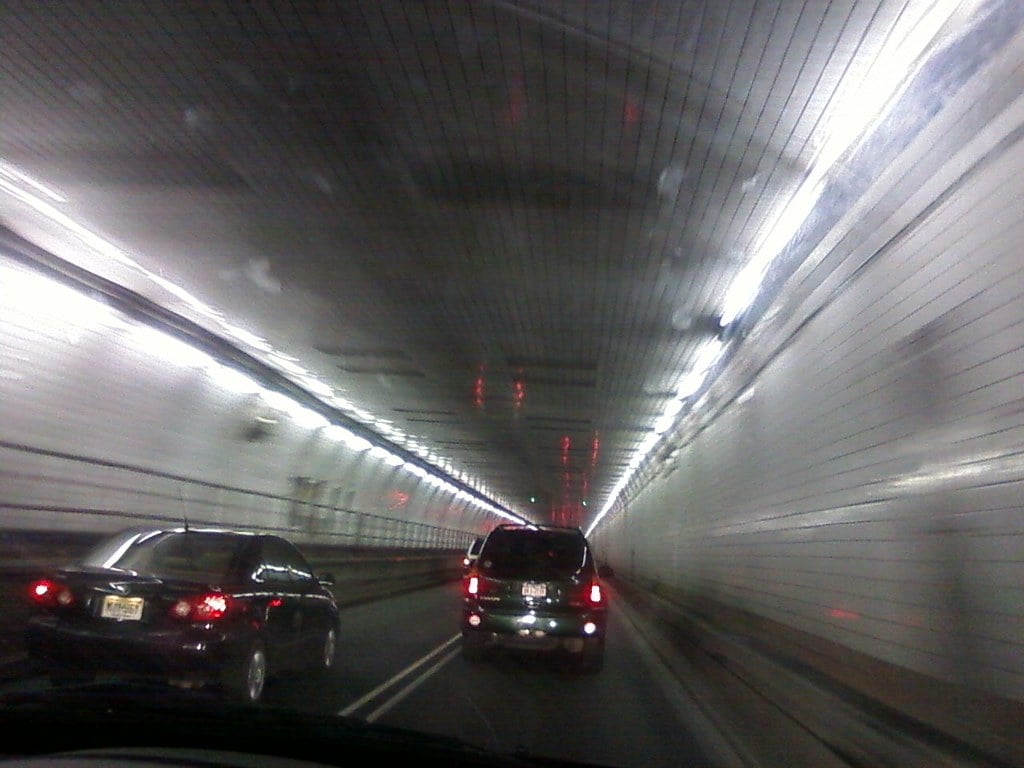
The Holland Tunnel deserves recognition not for its length — at 1.6 miles total with approximately 0.6 miles underwater, it’s modest compared to more recent projects — but for being the first mechanically ventilated underwater vehicular tunnel in the world. When it opened in 1927 connecting Manhattan and Jersey City, it solved a problem nobody was entirely sure could be solved.
Carbon monoxide from car exhaust in an enclosed underwater space should, by all reasonable expectations, create a death trap. But chief engineer Clifford Holland (who died before the tunnel’s completion) designed a ventilation system with 84 fans that completely replaced the tunnel’s air every 90 seconds.
The system was so effective that carbon monoxide levels inside the tunnel were often lower than on the streets above.
Ted Williams Tunnel
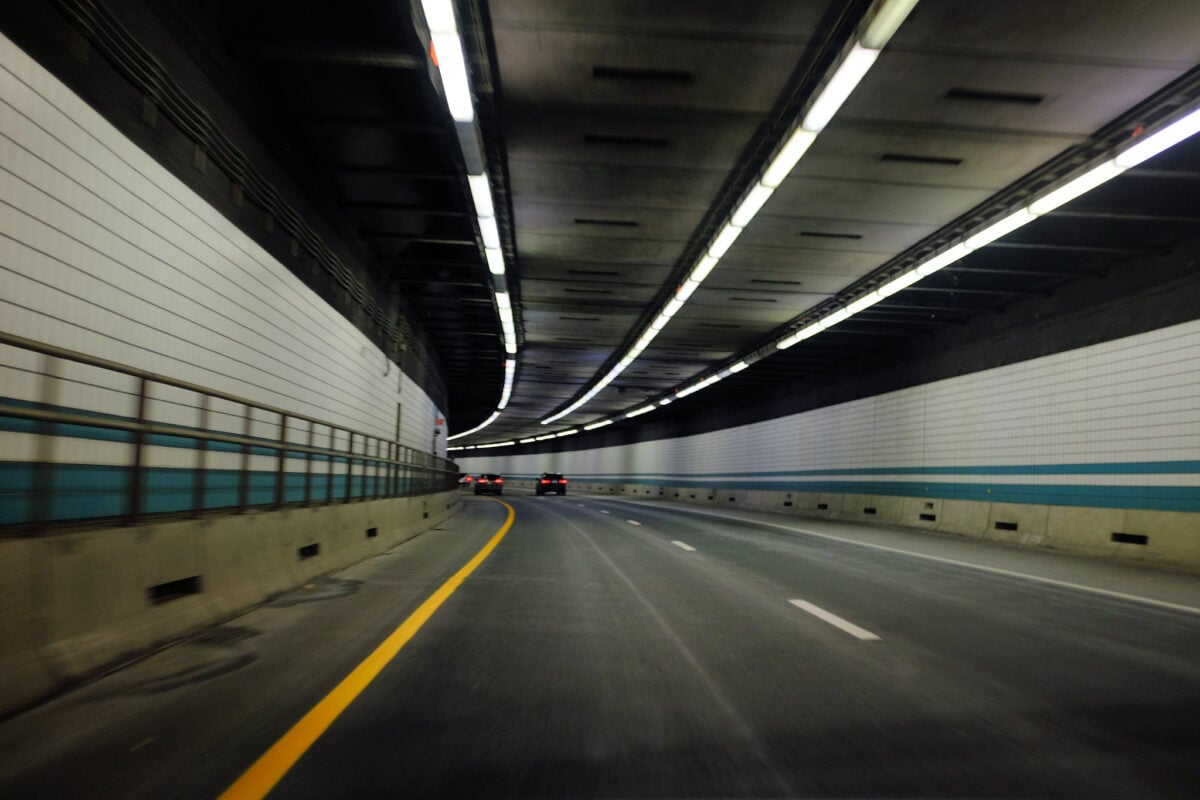
Boston’s relationship with large construction projects has always been… complicated. The Ted Williams Tunnel, part of the Big Dig project, stretches 1.6 miles with about 0.8 miles underwater beneath Boston Harbor.
What should have been a straightforward tunnel became a $15 billion lesson in how underwater construction projects can spiral out of control. But the engineering itself is remarkable.
The tunnel was built using twelve prefabricated sections, each weighing 40,000 tons, that were floated into position and then sunk into a pre-dredged trench. The precision required to align these massive sections underwater, then connect them into a watertight seal, represents some of the most advanced marine construction techniques ever attempted.
The fact that it works flawlessly today suggests the engineers knew what they were doing, even if the project management left something to be desired.
Marmaray Tunnel
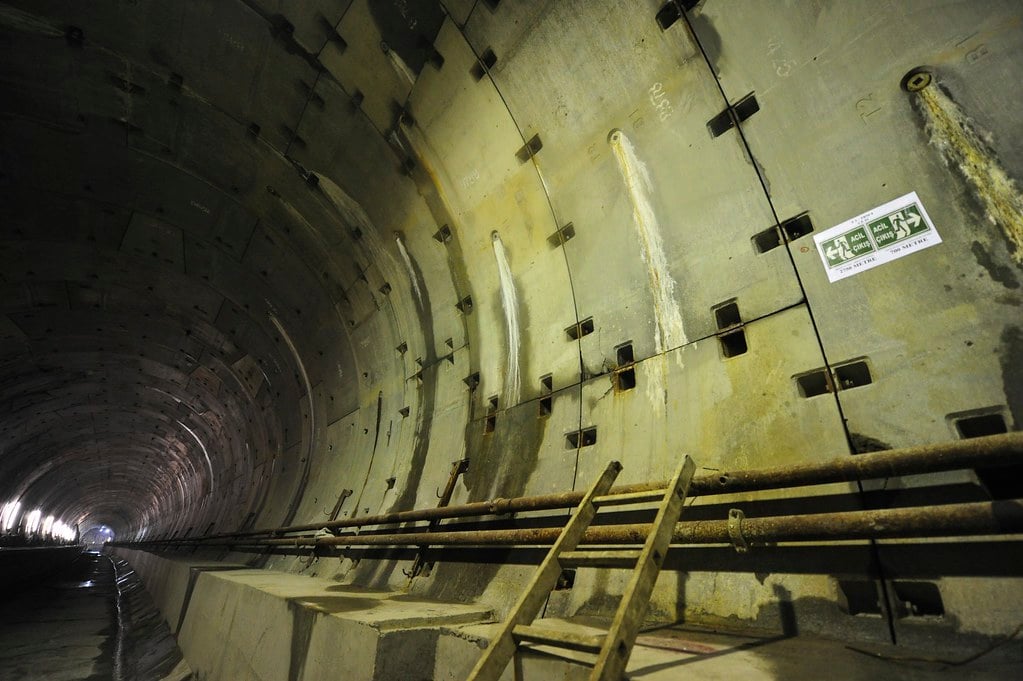
Istanbul’s Marmaray Tunnel runs 0.9 miles underwater beneath the Bosphorus, connecting Europe and Asia by rail. The tunnel itself isn’t particularly long, but it might be the most archaeologically complicated underwater tunnel ever built.
Construction kept uncovering artifacts — Byzantine shipwrecks, ancient harbors, 8,000-year-old settlements. Every archaeological discovery shut down construction while historians and archaeologists carefully excavated and preserved findings.
The tunnel took nine years to complete partly because Istanbul sits on several thousand years of continuous human habitation, and apparently all of it was directly in the path of the tunnel.
Gotthard Base Tunnel
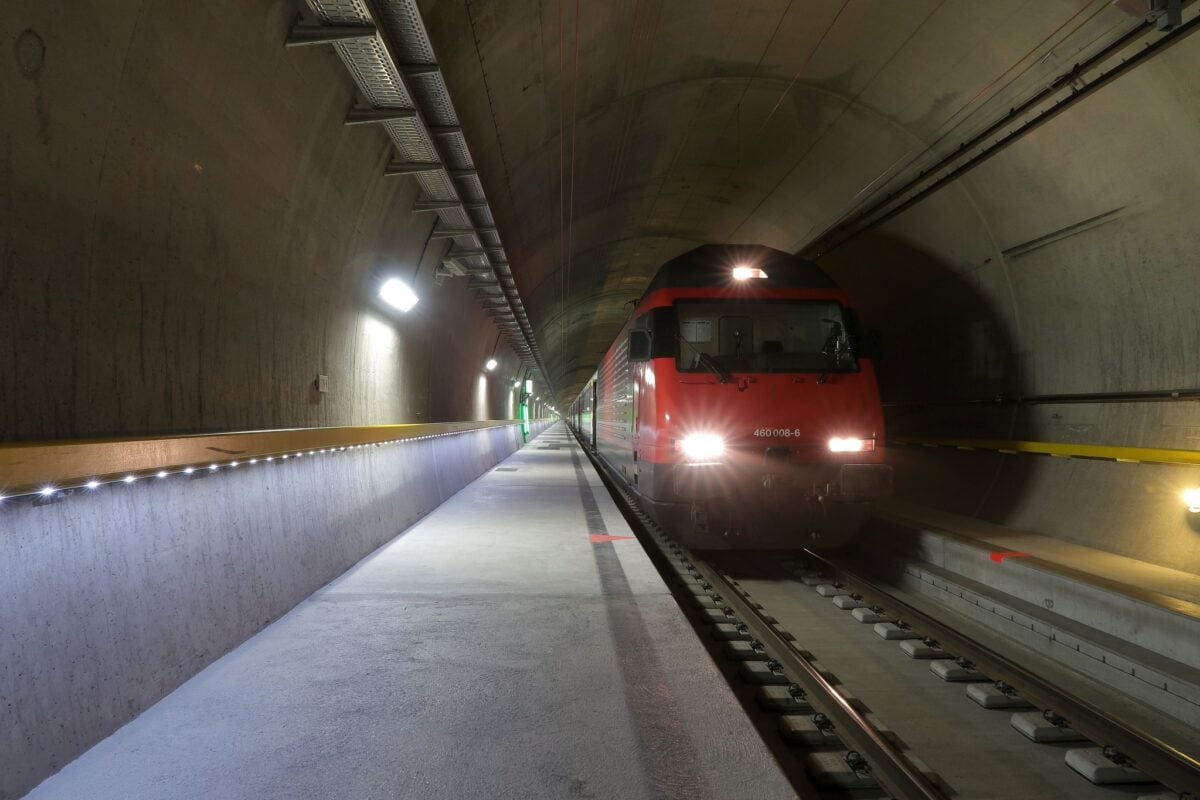
The Gotthard Base Tunnel runs 35.5 miles through the Swiss Alps, making it the world’s longest tunnel of any kind — though technically it’s not underwater, it deserves mention for pushing tunnel engineering to new extremes. Construction required boring through rock at temperatures reaching 115°F and dealing with water inflows of up to 20,000 gallons per minute.
The engineering innovations developed for the Gotthard — particularly in ventilation, fire safety, and high-speed rail systems — have influenced underwater tunnel design worldwide. Sometimes the longest tunnel teaches you how to build the deepest one.
Queens-Midtown Tunnel
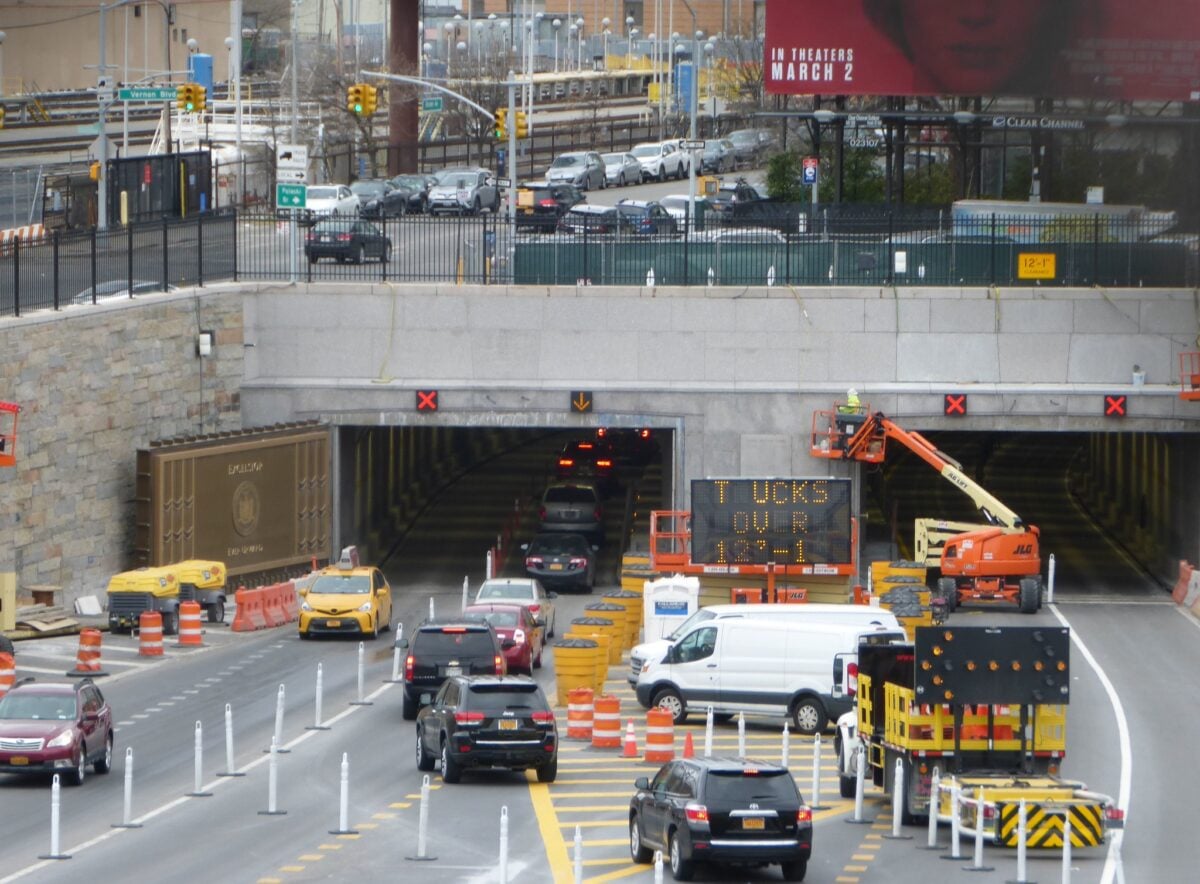
New York’s Queens-Midtown Tunnel, completed in 1940, runs 1.2 miles total with 0.8 miles underwater beneath the East River. The tunnel used innovative construction techniques for its time, including compressed air chambers to prevent water infiltration during construction.
What makes this tunnel particularly interesting is its approach to dealing with the East River’s soft sediment and unpredictable currents. Engineers had to account for tidal forces that could shift the tunnel’s position, creating expansion joints that allow the structure to move slightly without compromising its integrity.
The tunnel essentially floats in its underwater foundation, adjusting to the river’s moods while maintaining a perfect seal.
Detroit-Windsor Tunnel
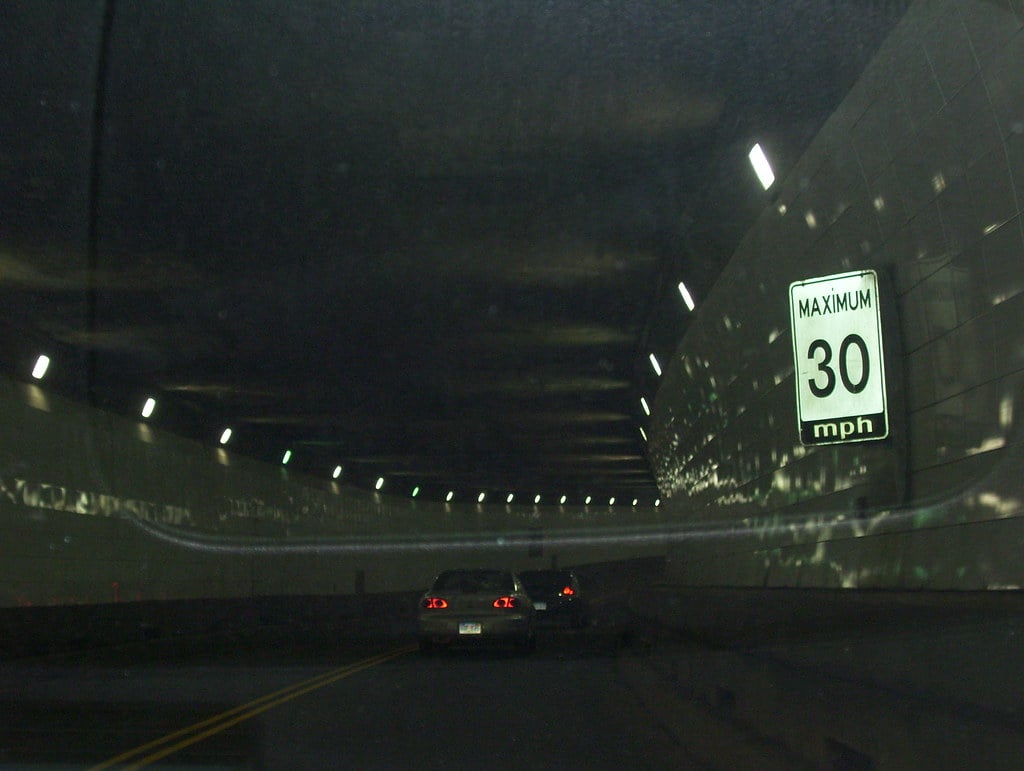
The Detroit-Windsor Tunnel, connecting Detroit, Michigan, to Windsor, Ontario, opened in 1930 as the first underwater vehicular tunnel connecting two countries. At 1.6 miles total with about 0.8 miles underwater beneath the Detroit River, it pioneered international underwater transportation.
The tunnel’s ventilation system processes 1.5 million cubic feet of air per minute, creating a slight positive pressure that prevents exhaust buildup. The engineering challenge wasn’t just keeping water out — it was creating an atmosphere that could safely handle thousands of vehicles per day while maintaining air quality that wouldn’t leave drivers unconscious halfway through.
Hampton Roads Bridge-Tunnel
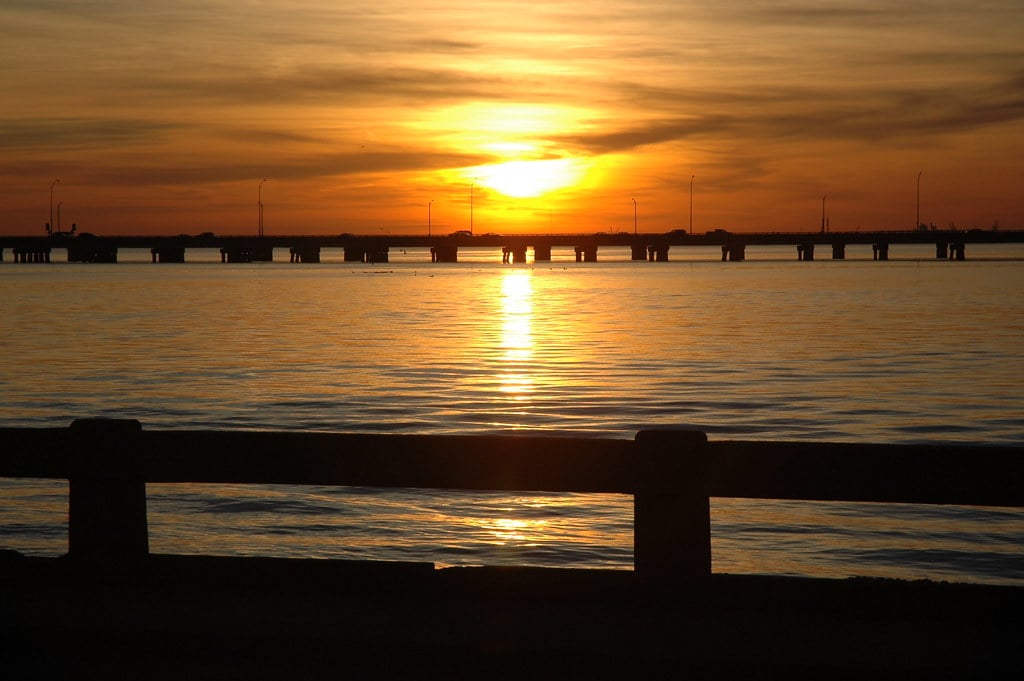
Virginia’s Hampton Roads Bridge-Tunnel takes the hybrid approach, combining 2.1 miles of underwater tunnel with bridge sections on either end. The tunnel portions run beneath the main shipping channels of Hampton Roads harbor, allowing naval vessels to pass overhead while maintaining the transportation link.
The engineering challenge here involved creating tunnel sections deep enough for military ships — including aircraft carriers — to pass overhead, while shallow enough to make construction feasible. The tunnel reaches 108 feet below mean high water, making it one of the deepest underwater vehicular tunnels in the United States.
Chesapeake Bay Bridge-Tunnel
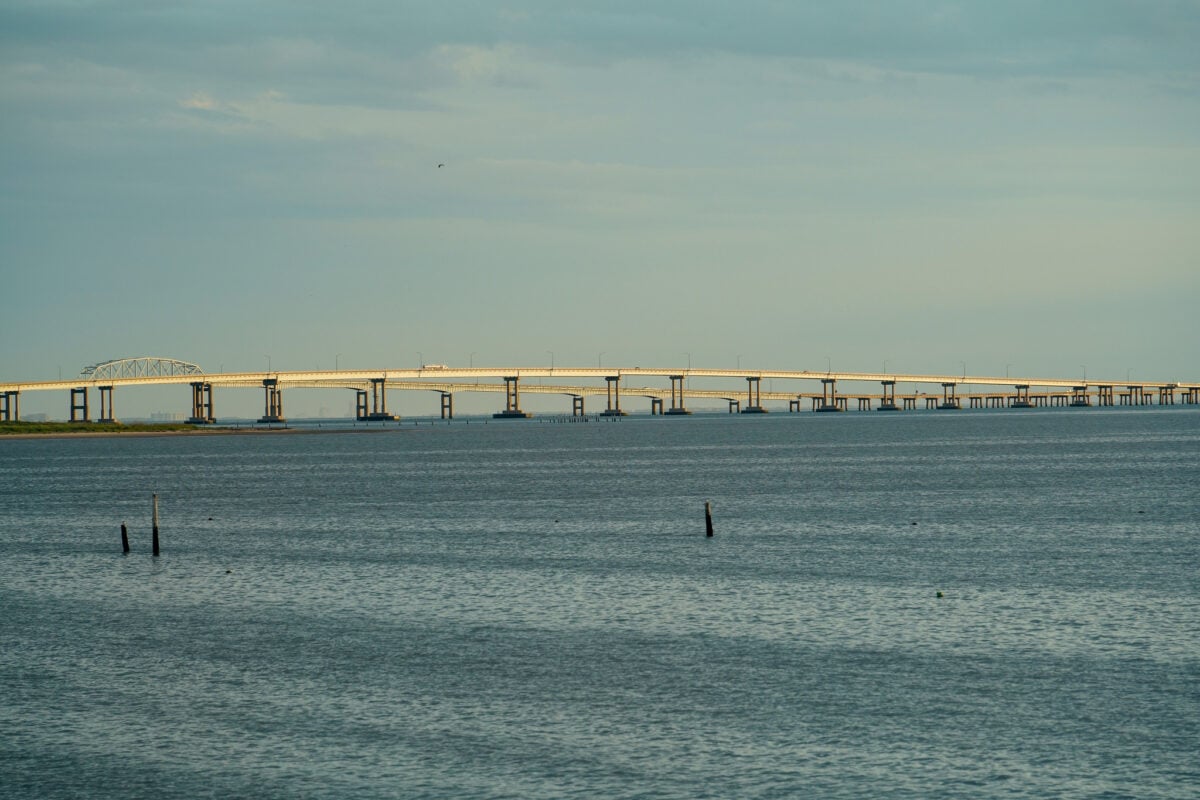
The Chesapeake Bay Bridge-Tunnel stretches 17.6 miles across the mouth of the Chesapeake Bay, with two underwater tunnel sections totaling 2.2 miles. The tunnels allow oceangoing vessels to enter and exit the bay while the bridge sections handle the remaining distance.
Construction required building in water up to 95 feet deep while dealing with Atlantic Ocean storms, strong currents, and a shipping channel that couldn’t be disrupted. The tunnel sections were built using the immersed tube method, with prefabricated sections lowered into place during brief weather windows when conditions allowed precise positioning.
A Testament to Human Stubbornness
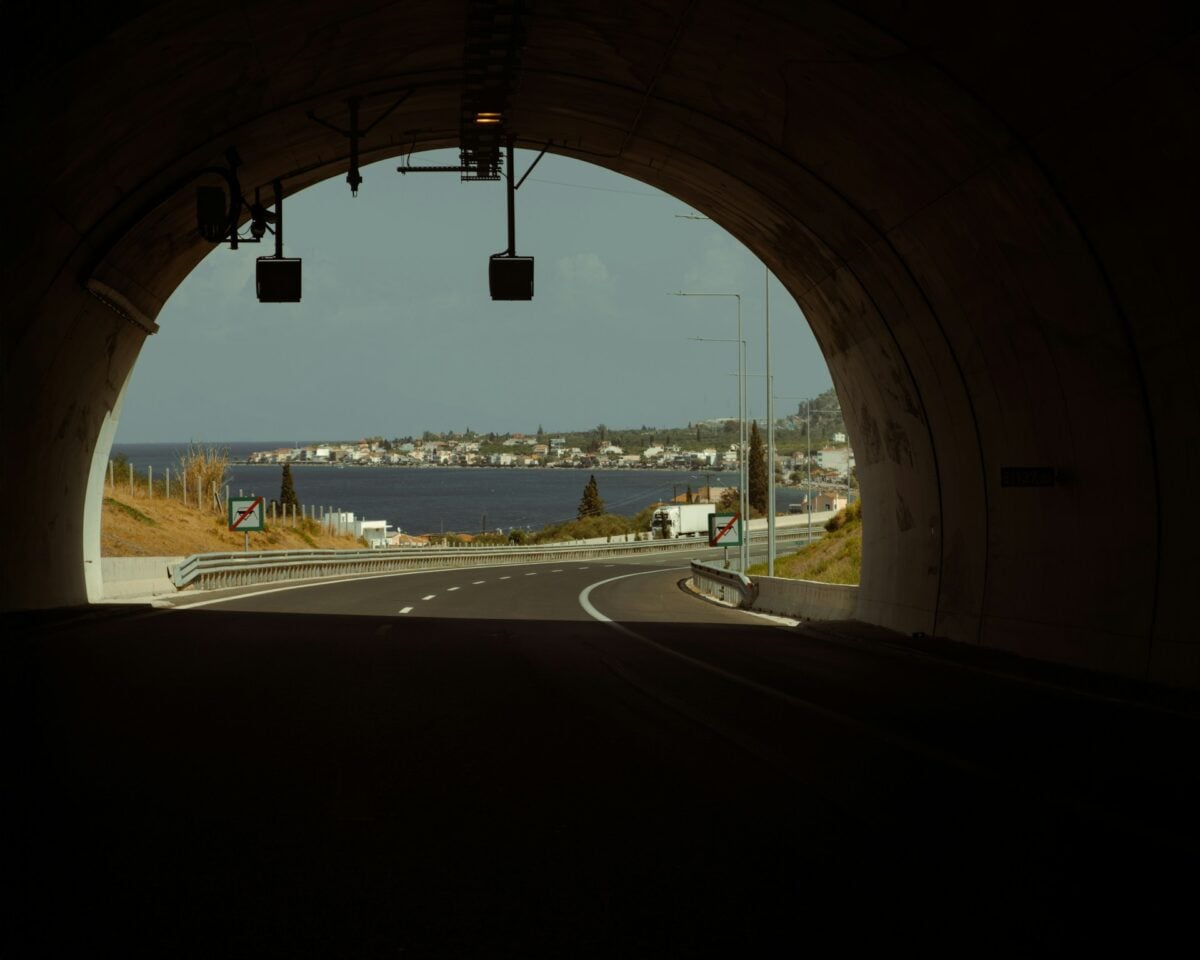
These tunnels represent more than engineering achievements — they’re monuments to the peculiar human inability to accept that water should stop us from getting somewhere. Every underwater tunnel begins with someone looking at a body of water and thinking, “I bet we could go under that.”
The fact that we’ve succeeded, repeatedly, in some of the most challenging conditions on Earth, suggests that the intersection of human stubbornness and engineering expertise can overcome almost any obstacle nature puts in the way.
More from Go2Tutors!

- The Romanov Crown Jewels and Their Tragic Fate
- 13 Historical Mysteries That Science Still Can’t Solve
- Famous Hoaxes That Fooled the World for Years
- 15 Child Stars with Tragic Adult Lives
- 16 Famous Jewelry Pieces in History
Like Go2Tutors’s content? Follow us on MSN.



