17 Most Expensive Basic Groceries in Modern Cities
Walking through a grocery store in a major city feels different these days. The prices on basic items — things that used to be afterthoughts in a weekly budget — now require actual decision-making.
A gallon of milk or a loaf of bread isn’t just something you grab anymore; it’s something you consider, compare, and sometimes put back.
The cost of feeding yourself has become one of the most tangible ways urban living hits your wallet. These aren’t luxury items or specialty products.
These are the basics, the staples that used to anchor every grocery list without much thought about price. Now they anchor the budget in a completely different way.
Milk

A gallon of milk costs more than some people’s hourly wage in certain cities. The dairy case has become a place where you actually pause and think.
In Manhattan, that gallon regularly hits $6 or more. San Francisco isn’t far behind. Even smaller expensive cities like Boulder or Charleston will run you $5 easily. For something that expires in a week.
Bread
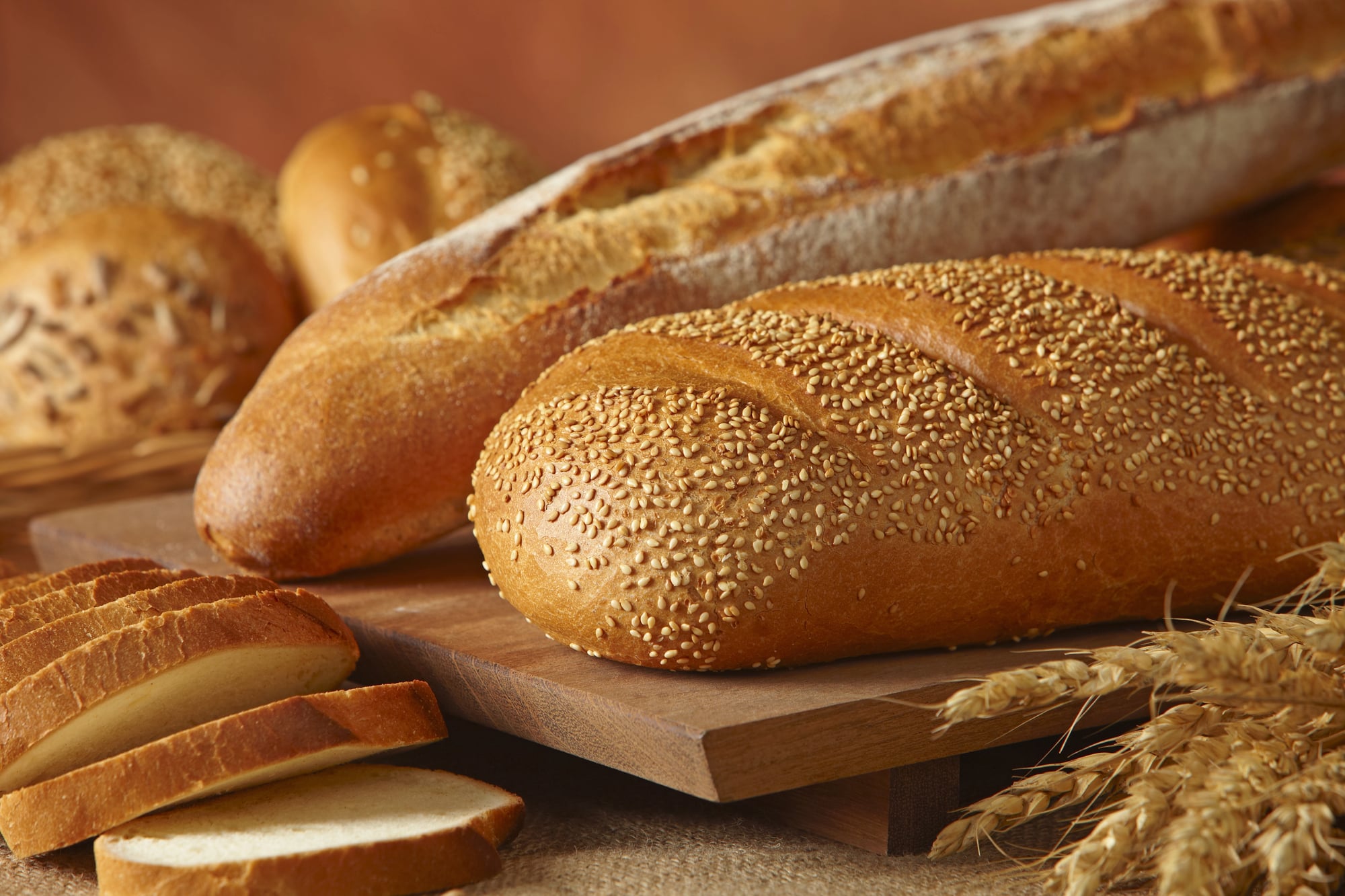
Quality bread — not the processed stuff that lasts forever but actual bread — runs $4 to $7 per loaf in cities like Seattle or Boston. Artisanal bakeries push those numbers even higher, but even basic whole grain from the grocery store feels expensive now.
The math gets uncomfortable when you realize a single sandwich costs several dollars just in bread.
Eggs
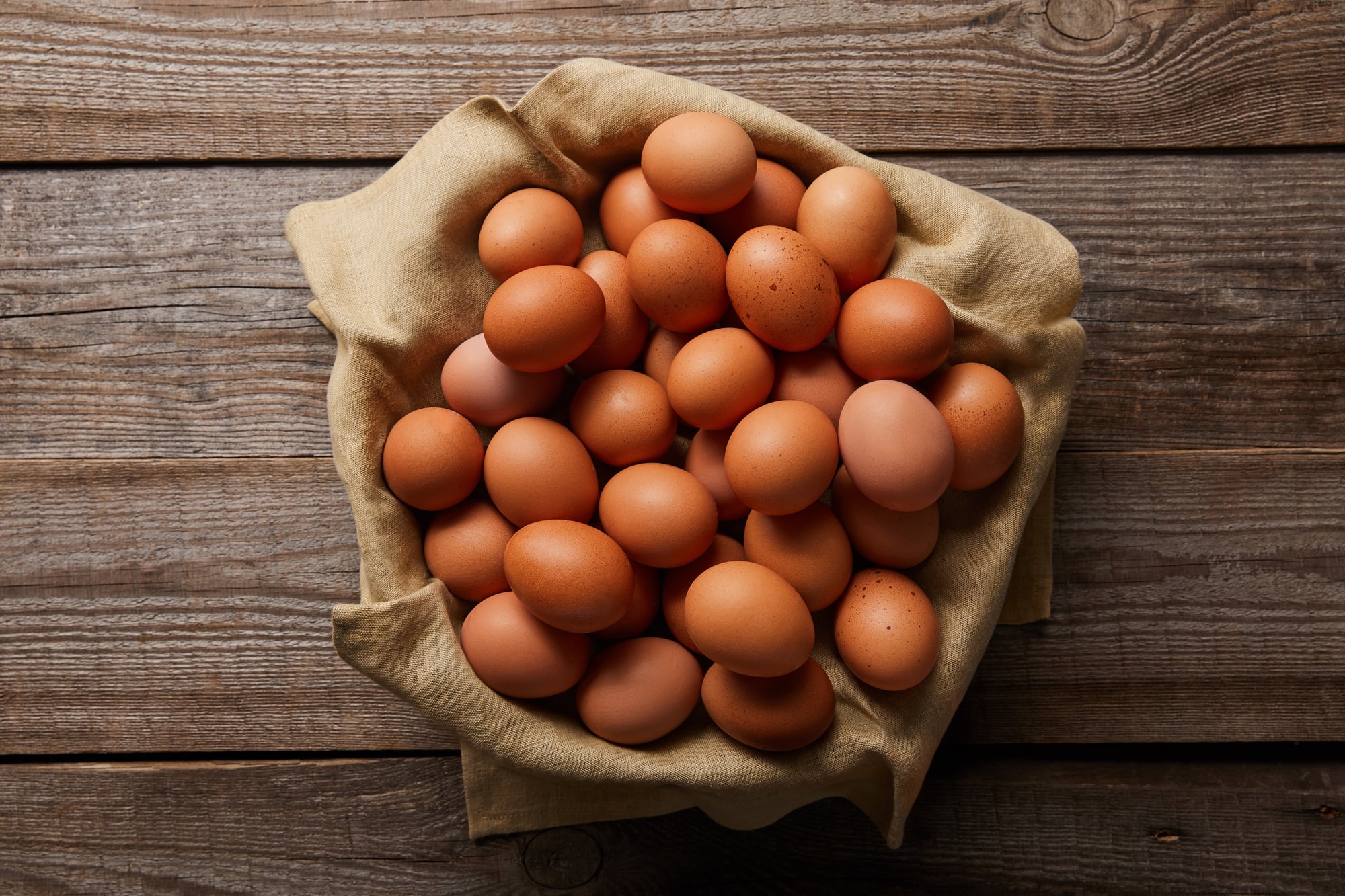
Eggs occupy this strange space in the grocery store where they’ve become both a luxury and a necessity, depending on where you’re shopping and what’s happening with supply chains (and there’s always something happening with supply chains these days, it seems).
A dozen eggs in downtown San Francisco can easily run $8 or more — which means you’re paying nearly a dollar per egg, assuming you’re buying the kind that come from chickens treated with something resembling dignity. And yet, there’s still that voice in the back of your head that remembers when eggs were the cheap protein, the thing you could always afford to throw into a meal when money was tight. But that was before urban real estate costs trickled down into every aspect of city living, including what the chickens’ caretakers need to charge just to keep their operations running.
So you stand there in the dairy aisle, doing mental math on breakfast. Which is not how anyone should have to start their day, frankly.
Ground Beef
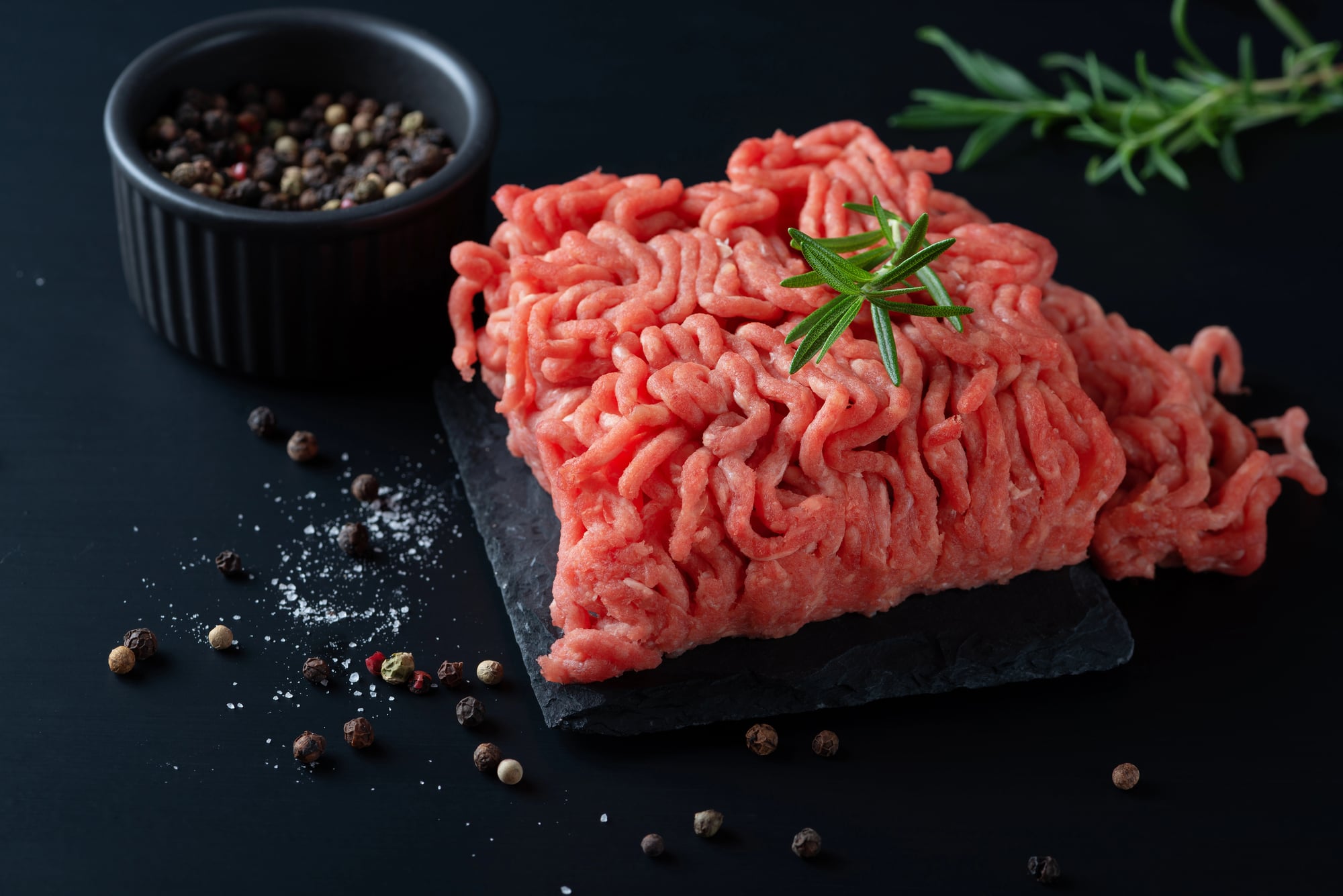
Ground beef is straightforward expensive. No complexity, no hidden costs. Just expensive.
A pound of decent ground beef in cities like New York or Los Angeles easily costs $8 to $12. The cheaper stuff exists, but it’s the kind of gray mystery meat that makes you wonder what exactly you’re paying for. The good stuff — grass-fed, organic, the kind your grandmother would recognize as actual beef — approaches steakhouse prices for hamburger.
Chicken Breast

Chicken used to be the reliable fallback when other proteins got too expensive. Those days are gone in major cities, where boneless skinless chicken breast routinely costs $8 to $12 per pound.
Even the basic, conventional chicken — not free-range, not organic, just regular chicken — commands prices that would have been shocking a decade ago. The supposed “affordable protein” has joined everything else in the realm of things you have to budget for.
Rice
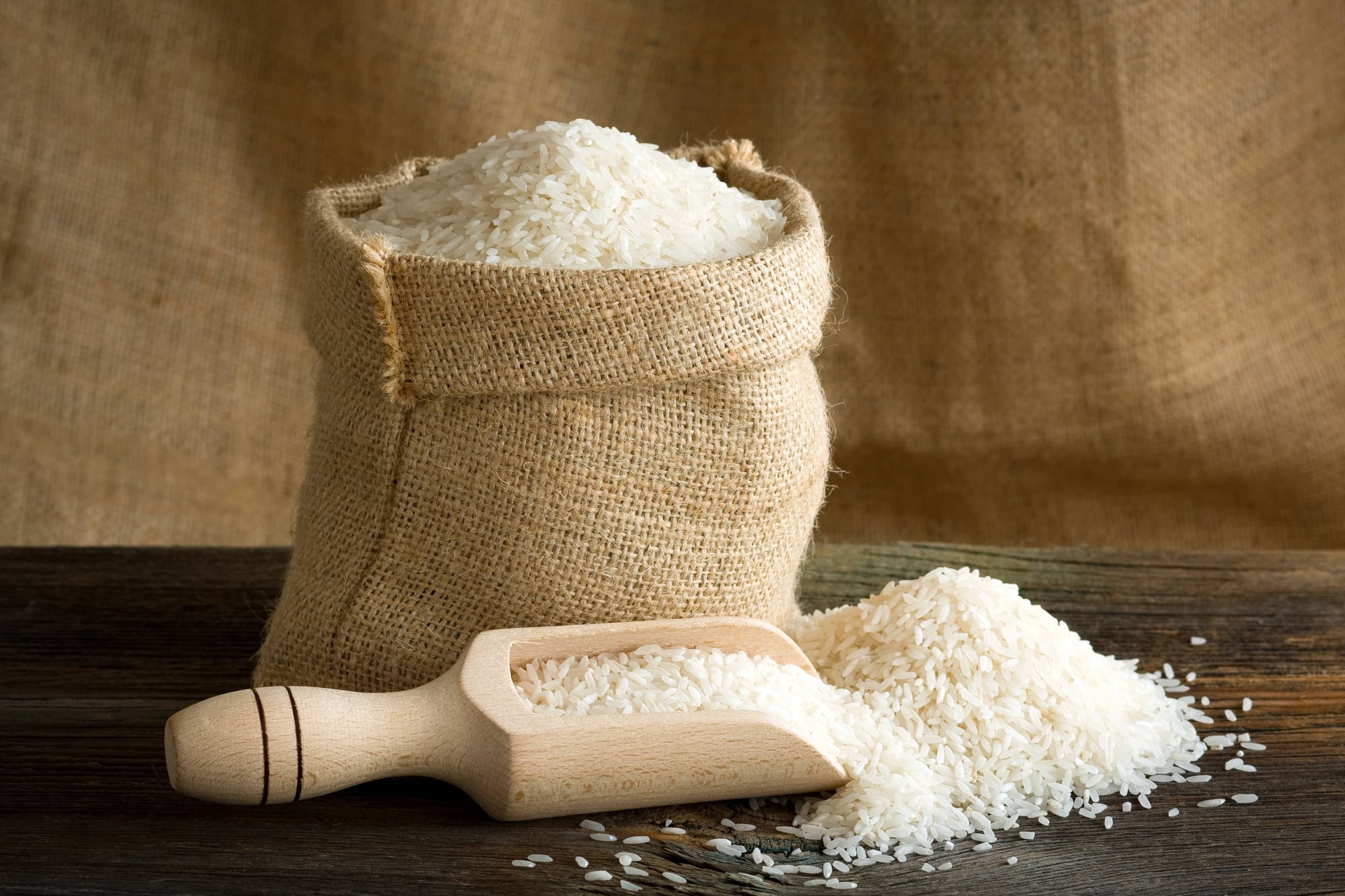
Rice betrays everything you thought you knew about basic ingredients, the way a reliable friend suddenly becomes unpredictable after moving somewhere new.
A bag of decent rice — not the premium stuff, just regular long-grain white rice that used to be the definition of cheap calories — can run $15 to $20 for a ten-pound bag in expensive cities. Brown rice costs more. Anything organic costs significantly more. The math becomes strange when you realize that rice, which feeds more people on this planet than almost any other single food, has become something you comparison shop for in American cities.
And there’s something particularly deflating about spending serious money on rice, which is essentially the grocery equivalent of a blank canvas — useful, necessary, but hardly exciting on its own.
Pasta
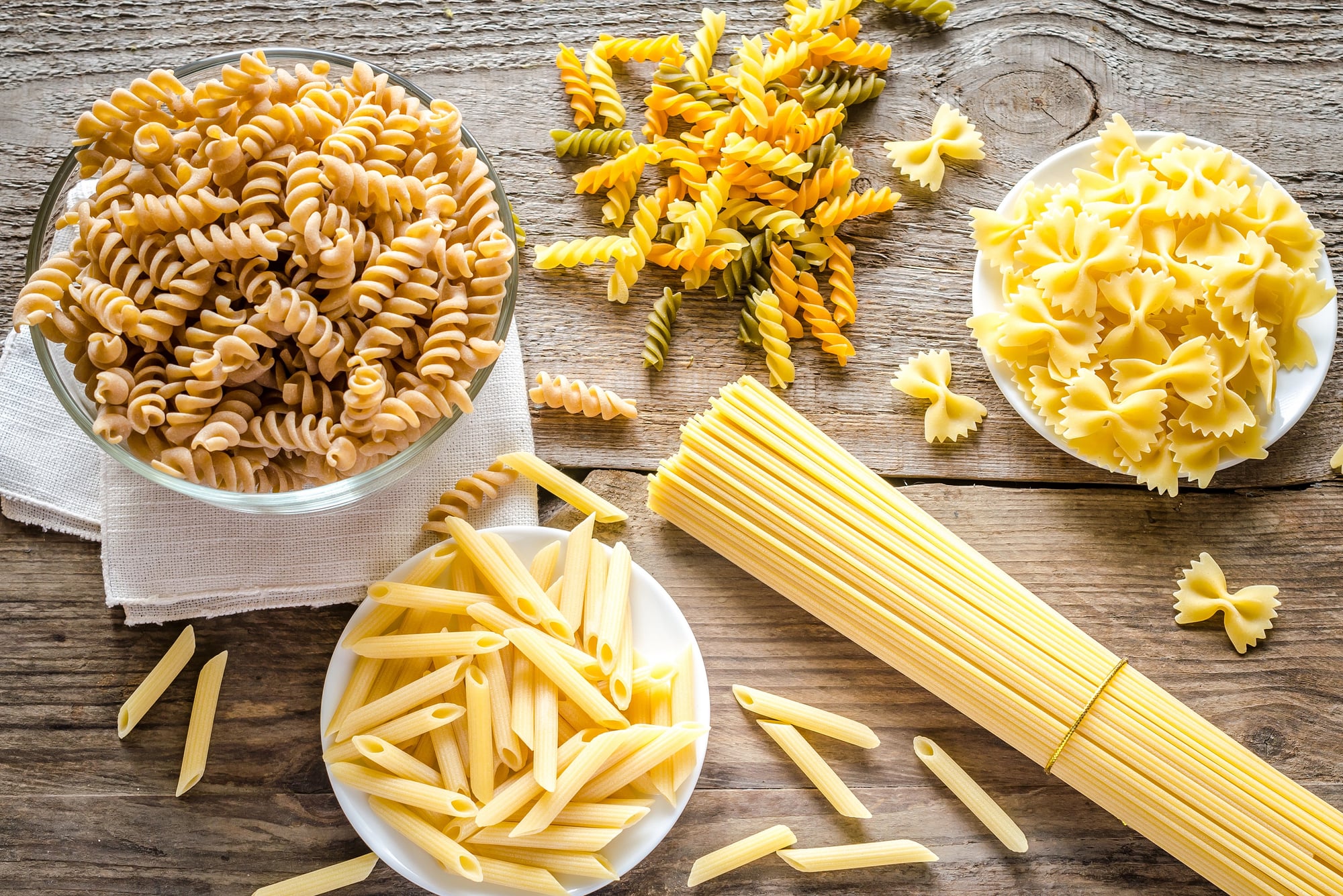
Pasta is overpriced and everyone knows it. A box of basic spaghetti that used to cost under a dollar now runs $2 to $4 in cities like San Francisco or Manhattan.
The Italian stuff — the brands that actually taste different — can hit $5 or $6 per box. For dried wheat shaped into tubes. The economics make no sense until you remember that everything in expensive cities costs more, including the rent for the store selling you the pasta.
Potatoes
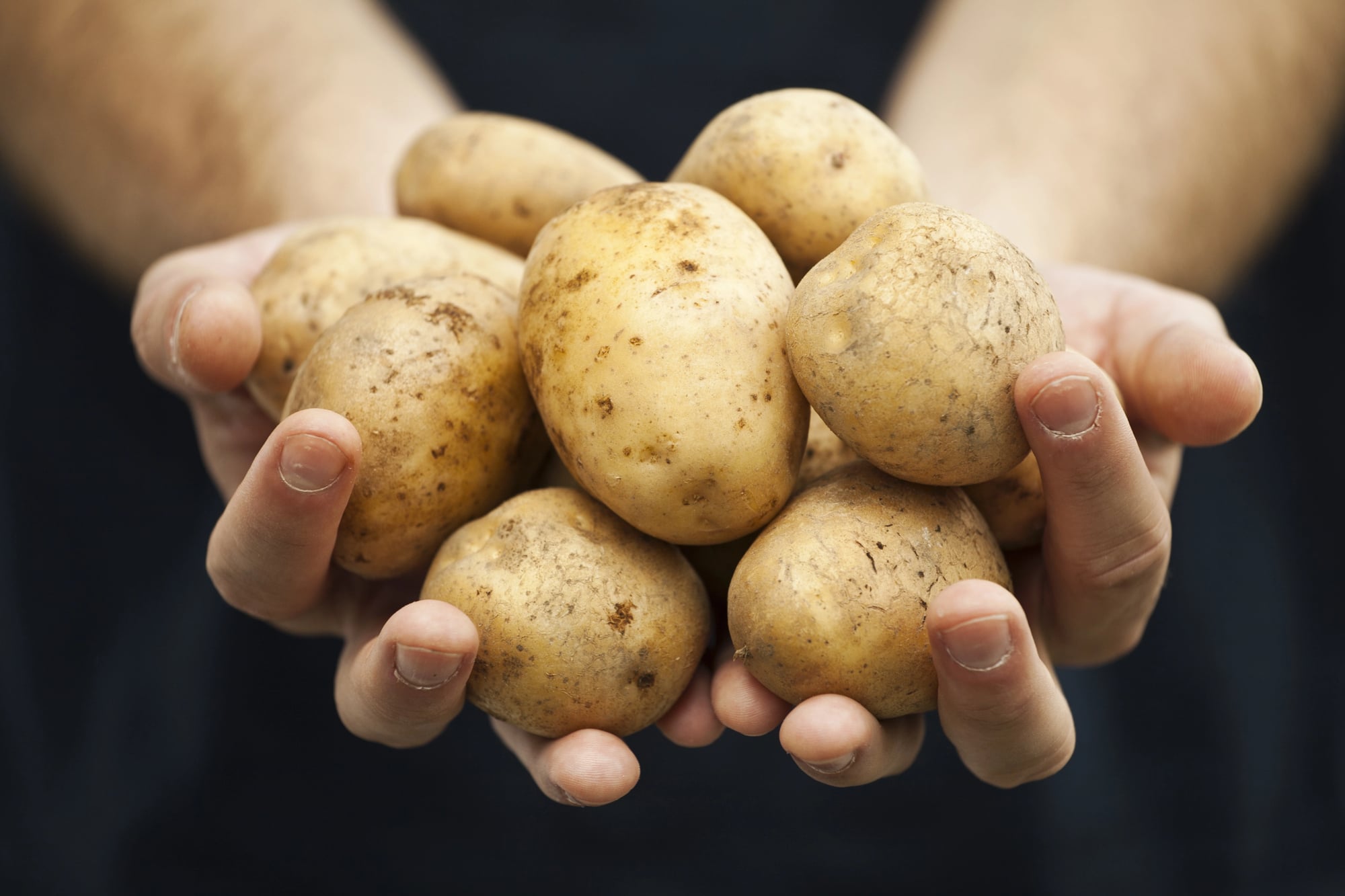
Potatoes cost too much for what they are. Five pounds of basic russets can easily run $6 to $8 in urban markets. Ten pounds pushes toward $12 or more.
These are potatoes. They grow in dirt. They’re supposed to be the food that keeps you alive when everything else gets too expensive. But urban pricing has reached even the humble potato, turning one of humanity’s most dependable foods into something you actually budget for.
Onions

The onion sits in your grocery basket like a small, inevitable tax on cooking anything that tastes decent — because you cannot make real food without onions, and the grocery stores in expensive cities know this as well as you do.
A three-pound bag that would cost $2 in suburban America runs $5 to $7 in places like Boston or Seattle, and the onions themselves often look like they’ve traveled further and been handled more roughly than most people’s vacation luggage. But you buy them anyway, because the alternative is eating food that tastes like it was prepared by someone who has given up on life entirely.
The onion has become a perfect symbol of urban grocery economics: essential, expensive, and somehow always slightly disappointing compared to what you remember from somewhere else.
Tomatoes
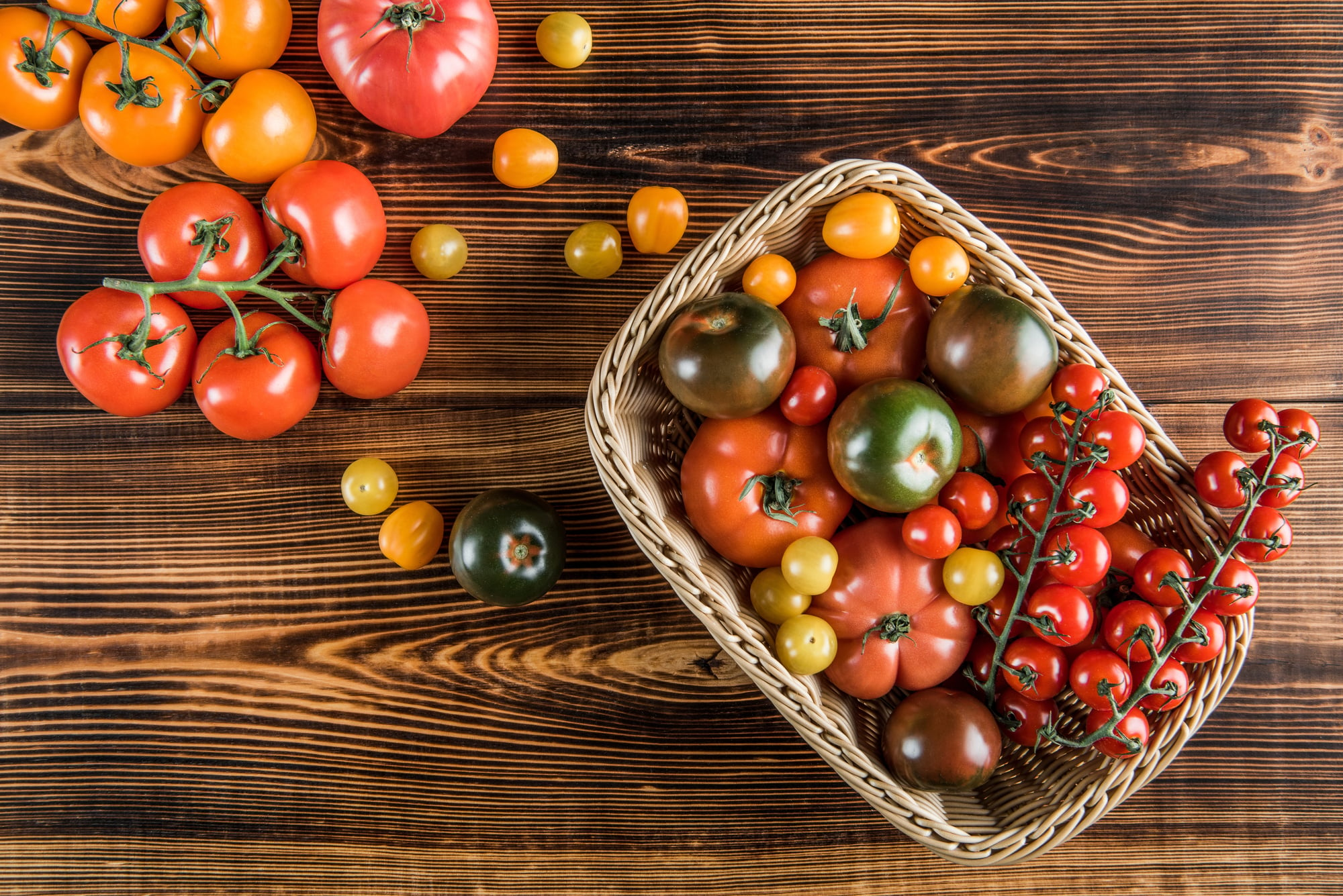
Tomatoes are expensive and usually terrible. Fresh tomatoes in cities like New York or San Francisco can cost $4 to $6 per pound for the decent ones. The cheap ones taste like wet cardboard.
Canned tomatoes offer better value and often better flavor, but even those run $2 to $3 per can for the brands worth buying. For tomatoes that were grown, processed, and canned months ago. The pricing reflects urban reality: everything costs more, even when it doesn’t make sense.
Cheese
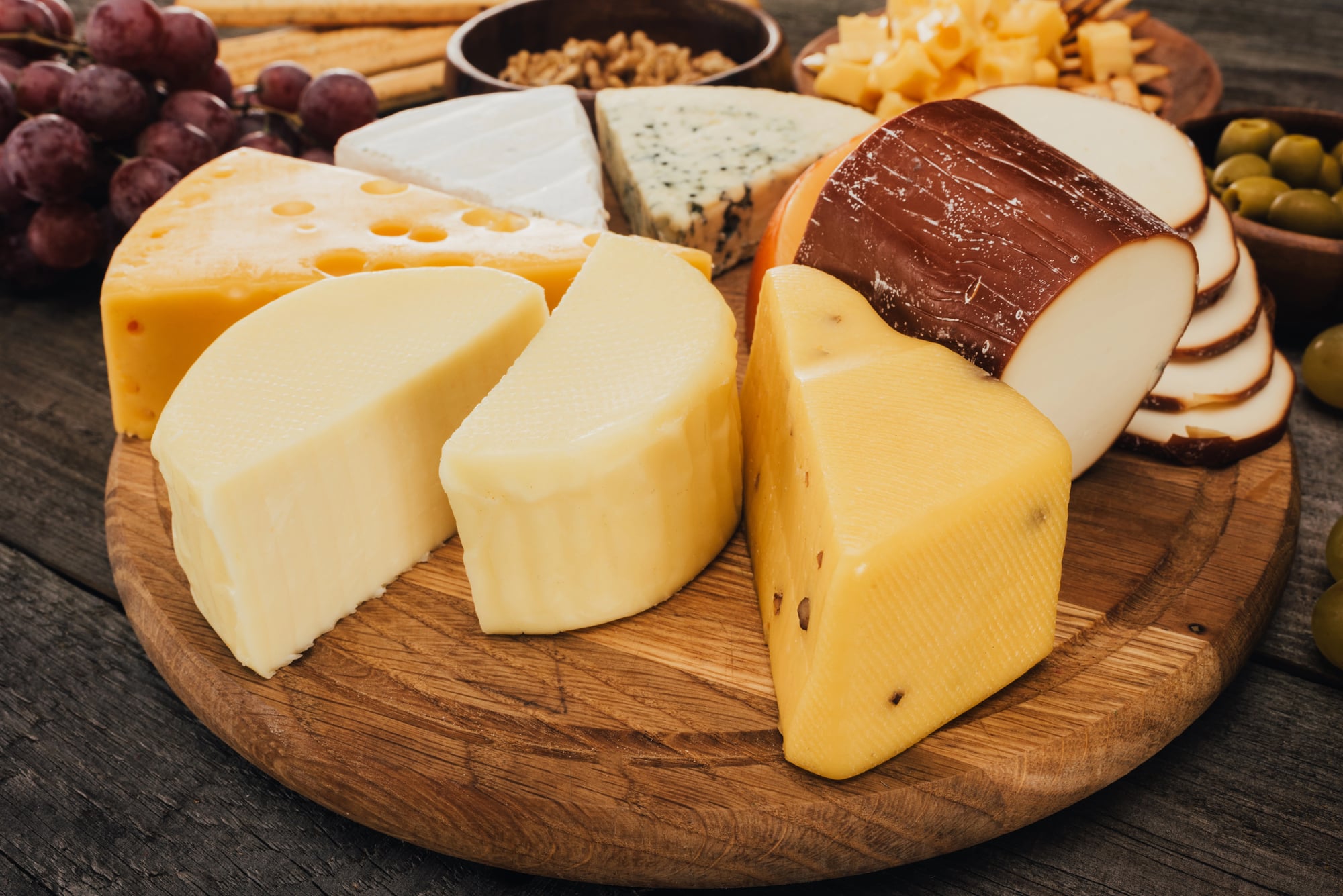
Basic cheese — not artisanal, not imported, just regular cheddar or mozzarella — routinely costs $8 to $12 per pound in expensive cities. A block of decent cheese for sandwiches and cooking can easily run $15 or more.
The math becomes painful when you realize that cheese, which used to be a staple protein and calcium source, now feels like a luxury item. Even the processed cheese alternatives cost enough to make you pause and consider whether you really need cheese in your life.
Apples
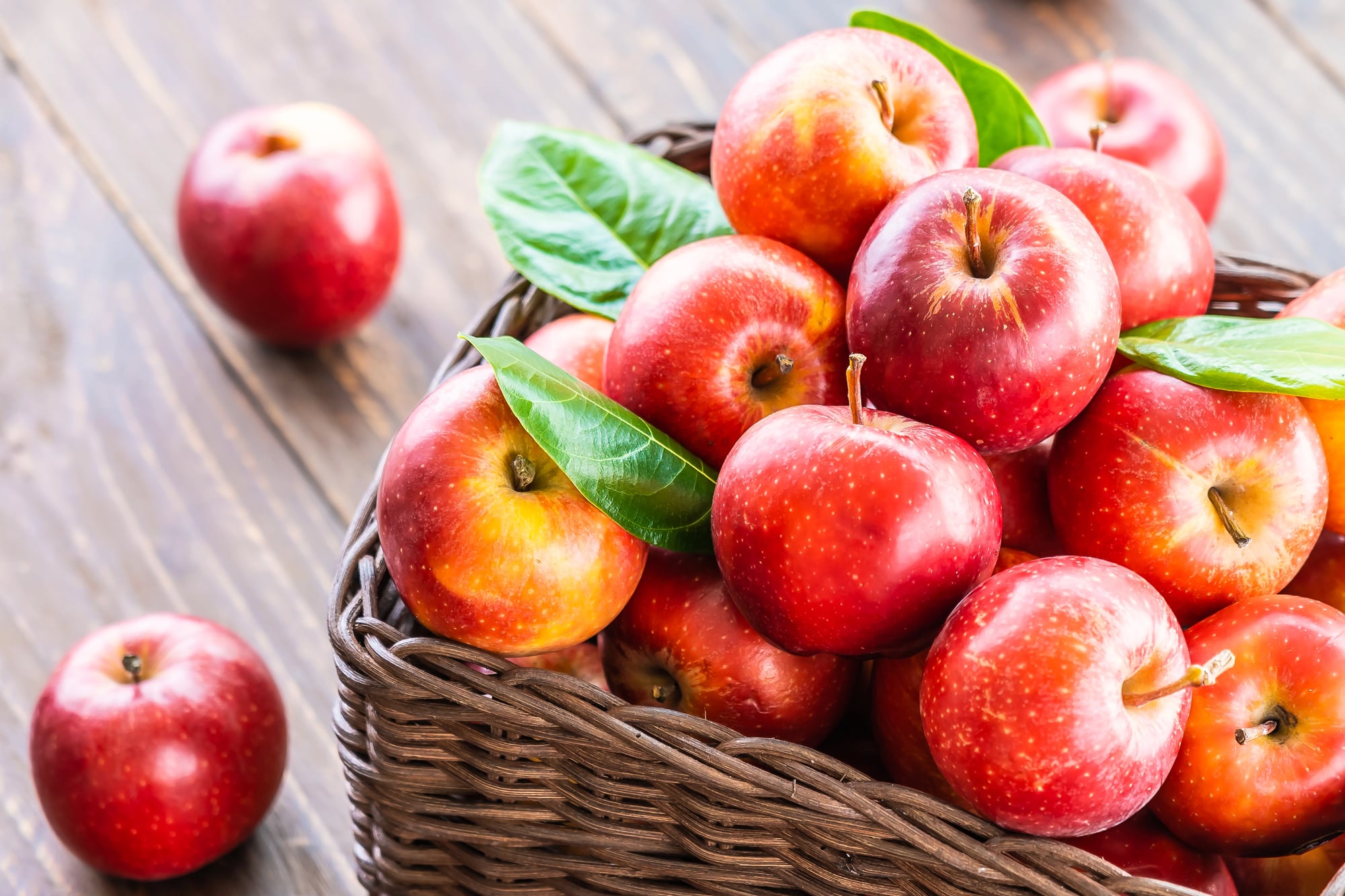
Apples demonstrate how even the most basic fruit has joined the ranks of expensive grocery items, particularly in cities where a pound of decent apples (not organic, not heirloom varieties, just regular apples that won’t turn to mush after three days) can cost $3 to $5.
The economics become more frustrating when you consider that apples store well, travel reasonably, and grow in plenty of places — yet somehow the simple act of buying a few apples for the week requires the kind of mental budgeting that used to be reserved for actual luxury purchases. And the cheaper apples available in urban stores often taste like they were designed by a committee that had heard apples described but never actually eaten one.
So you find yourself weighing whether spending $6 on three apples makes sense, which is not a calculation anyone should have to make about fruit.
Bananas
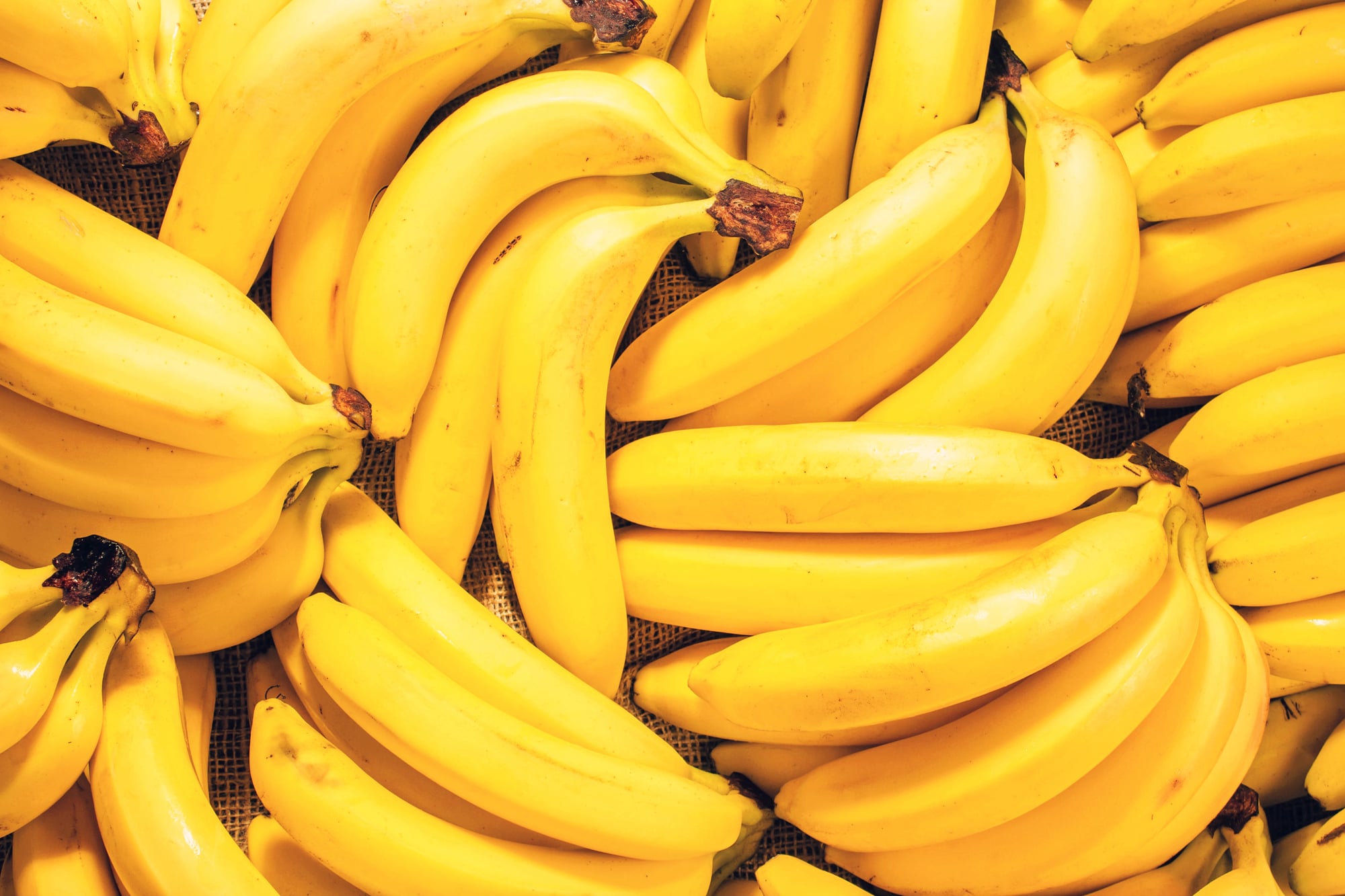
Bananas remain relatively cheap compared to other fruits, but even they’ve crept up to $2 to $3 per bunch in expensive cities. For bananas. Which used to be the definition of cheap fruit.
The fact that bananas — arguably the most efficiently produced and transported fruit on the planet — now cost enough to think about says everything about urban grocery pricing. When bananas become a considered purchase, something has shifted in the basic economics of eating.
Yogurt

Yogurt pricing makes no sense until you remember that everything in expensive cities makes no sense. A container of decent Greek yogurt runs $2 to $3. The large containers that used to be economical now cost $6 to $8.
Basic yogurt — not Greek, not organic, just regular yogurt — still costs enough to make you pause and consider whether you really need yogurt or if you’re just buying it out of habit. The answer is usually habit, but the price makes you question the habit.
Cereal

Cereal costs restaurant prices for a box of processed grain and sugar. Name-brand cereals routinely hit $5 to $7 per box in cities like Los Angeles or Seattle. The healthy cereals — granola, organic options, anything with actual nutritional value — easily reach $8 to $10 per box.
The economics are particularly brutal when you realize that most cereals disappear within a week, especially if you have kids. You’re essentially paying restaurant breakfast prices for something you eat at home out of a bowl.
Peanut Butter
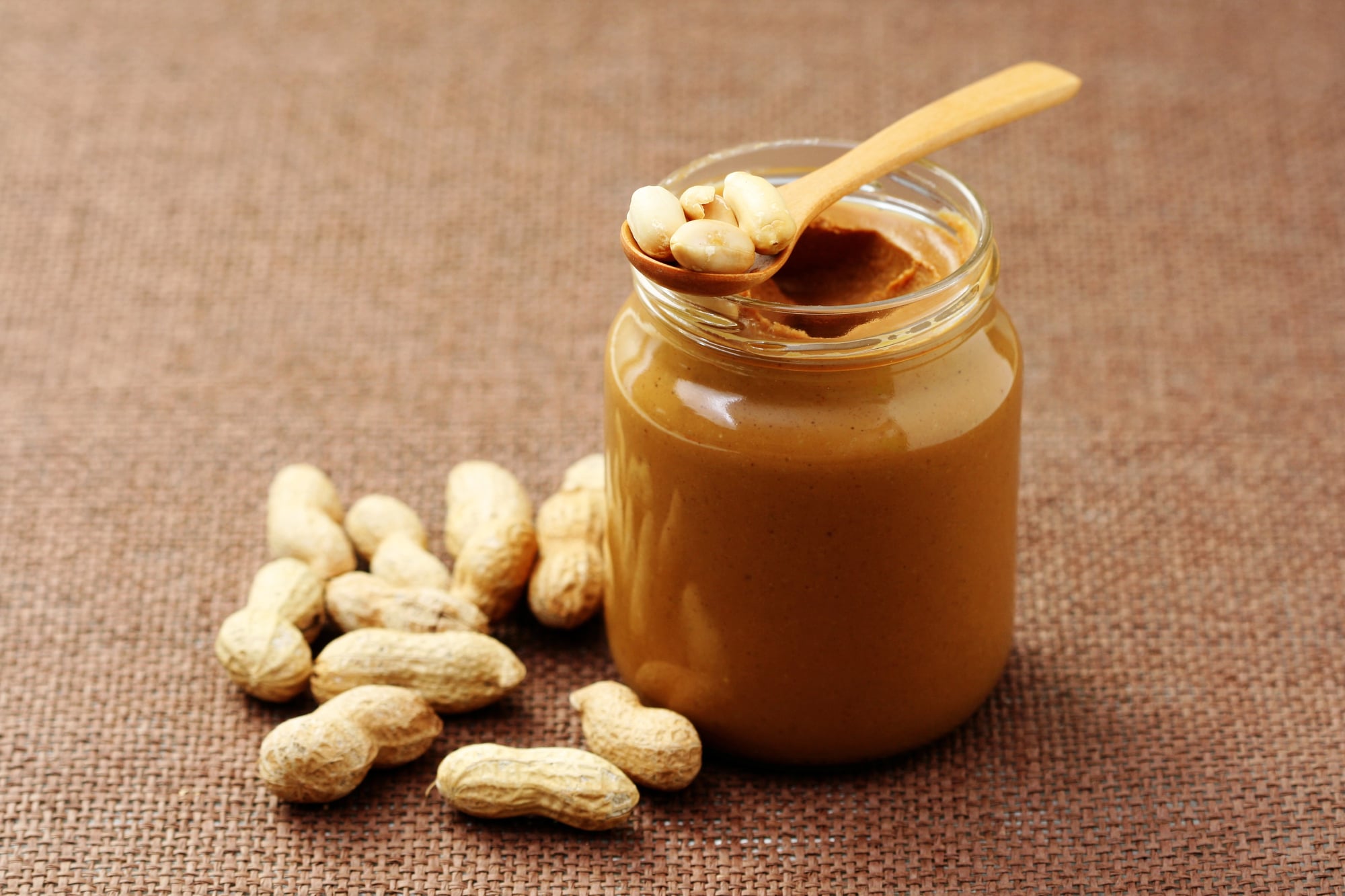
Peanut butter represents the kind of straightforward protein source that used to anchor tight budgets, but a jar of decent natural peanut butter (the kind without ingredients you can’t pronounce) now costs $5 to $8 in expensive urban markets.
The conventional stuff with added sugar and oils costs less but still runs $3 to $5 for what amounts to processed peanuts mixed with things that aren’t peanuts. And somehow, even though peanuts grow abundantly and peanut butter keeps forever, buying a simple jar requires actual budget consideration rather than just tossing it in the cart as a pantry staple.
The transformation of peanut butter from automatic purchase to considered expense reflects how urban pricing has reached into every corner of basic nutrition.
Oats
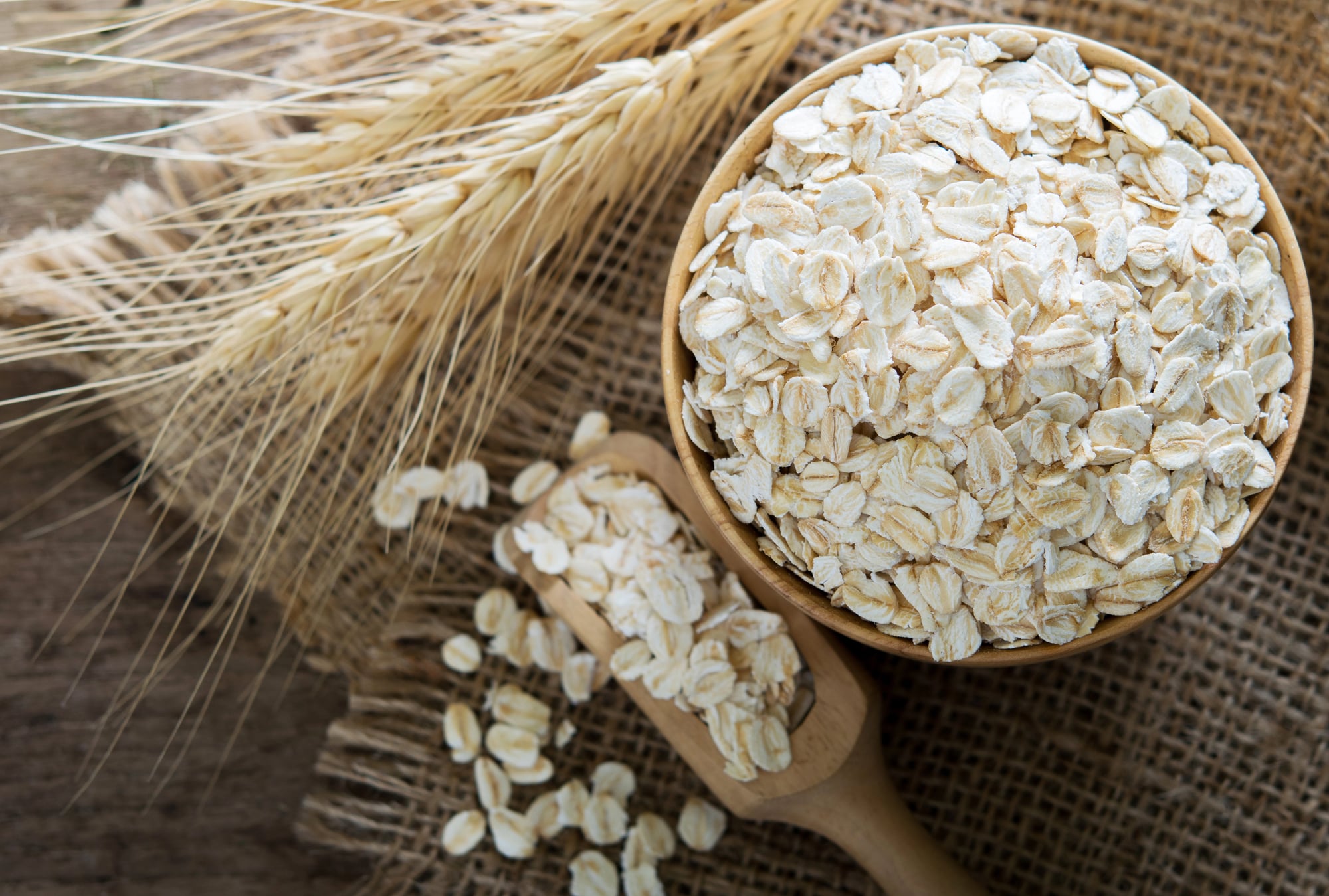
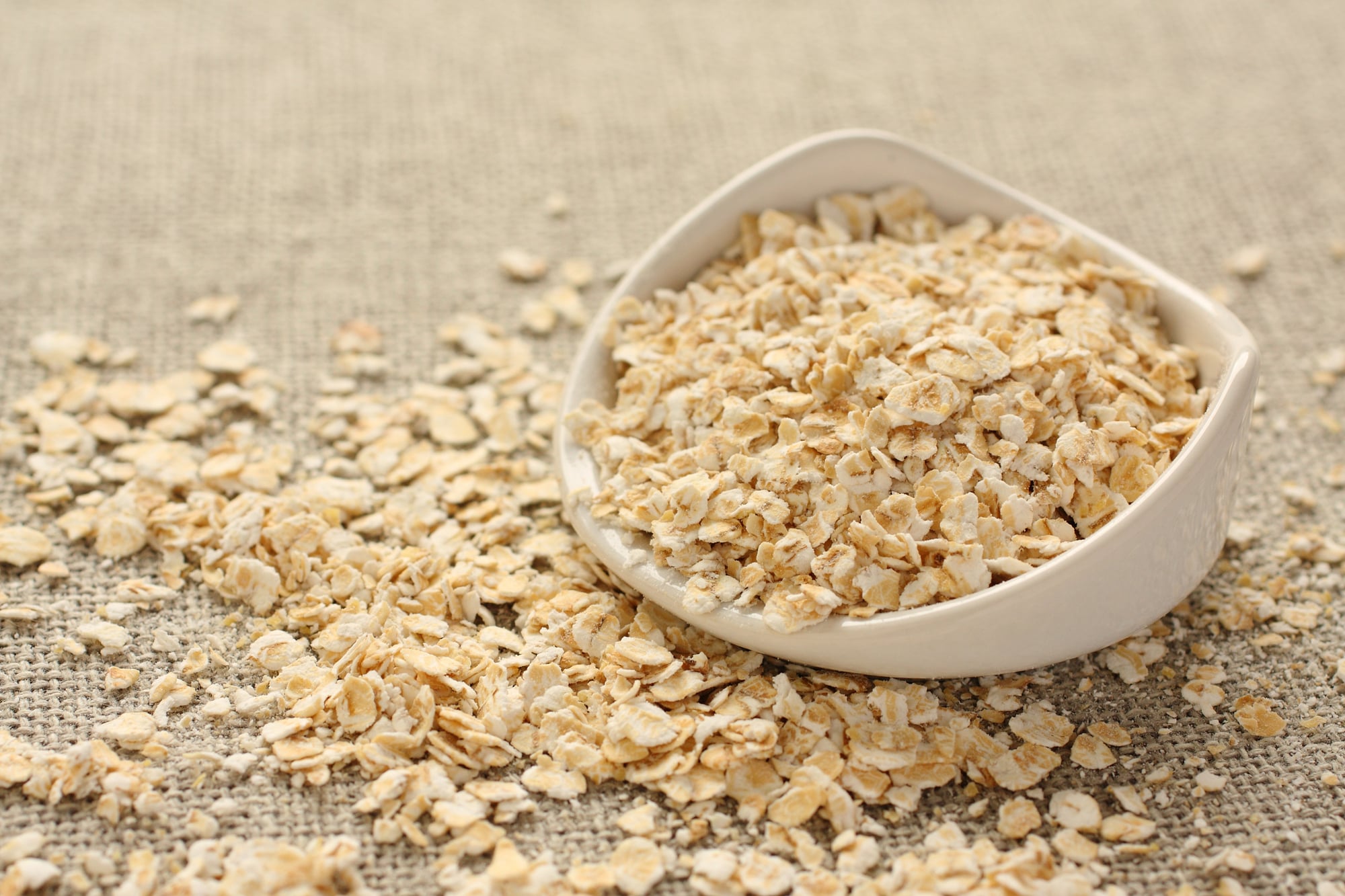
Oats should be cheap. They’re oats. A container of rolled oats in cities like San Francisco or Manhattan runs $4 to $6. Steel-cut oats cost more. Anything organic pushes the price even higher.
For oats. Which are essentially processed grass seeds that have fed humans affordably for centuries. But urban grocery economics have reached even oats, turning one of the most basic breakfast foods into something you actually compare prices on.
The New Math of Eating
These prices aren’t outliers or temporary spikes. They’re the new baseline for feeding yourself in expensive American cities. The grocery store has become a place where basic nutrition requires the kind of budget planning that used to be reserved for major purchases.
The psychological shift matters as much as the financial one. Food shopping used to be routine, almost mindless for basic staples. Now it requires strategy, comparison, and often compromise. The simple act of eating well has become a luxury that many urban dwellers have to carefully manage rather than take for granted.
More from Go2Tutors!

- The Romanov Crown Jewels and Their Tragic Fate
- 13 Historical Mysteries That Science Still Can’t Solve
- Famous Hoaxes That Fooled the World for Years
- 15 Child Stars with Tragic Adult Lives
- 16 Famous Jewelry Pieces in History
Like Go2Tutors’s content? Follow us on MSN.



