15 Time Zones That Make No Sense
Time zones should be straightforward, right? Draw some vertical lines across the globe, divide by 15 degrees of longitude, and call it a day. If only the world worked that way. Instead, time zones have become a chaotic mess of political decisions, historical quirks, and geographical compromises that would make a cartographer weep.
From countries that span half the planet yet insist on using just one time zone to islands that decided to create their own 30-minute offsets, the global time system is anything but logical. Here is a list of 15 time zones that completely defy common sense.
China Standard Time
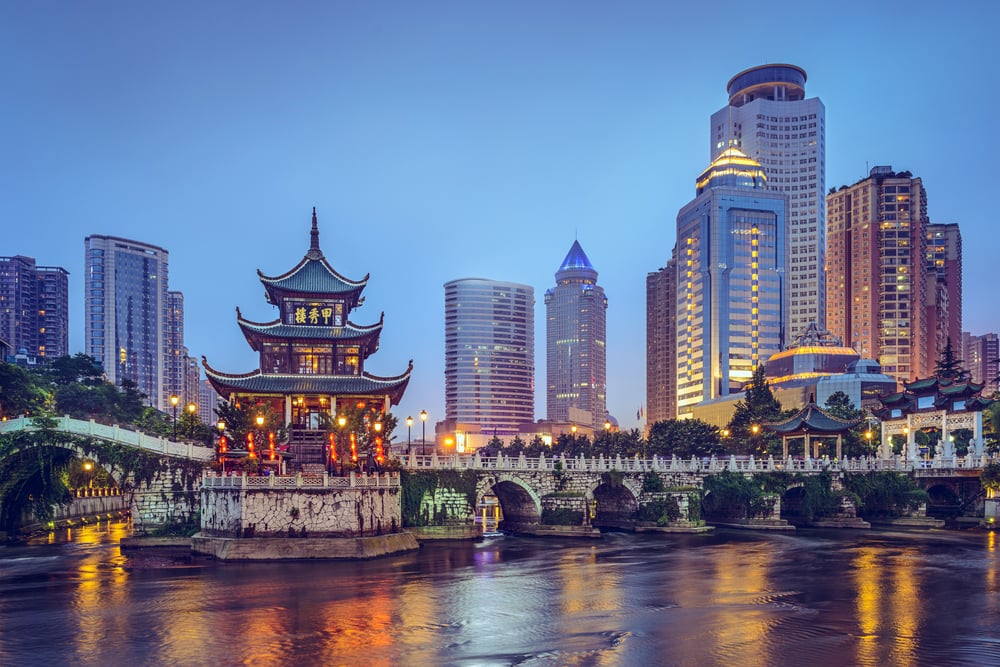
China stretches across five theoretical time zones, from its western borders with Afghanistan to its eastern coastline facing Japan. Yet the entire country operates on Beijing Time, creating some seriously weird situations.
In the western city of Kashgar, the sun doesn’t rise until 10 AM during winter, and locals have essentially created their own unofficial time zone just to function normally. Imagine telling someone in Los Angeles that they have to follow New York time, and you’ll understand how bizarre this arrangement really is.
India Standard Time
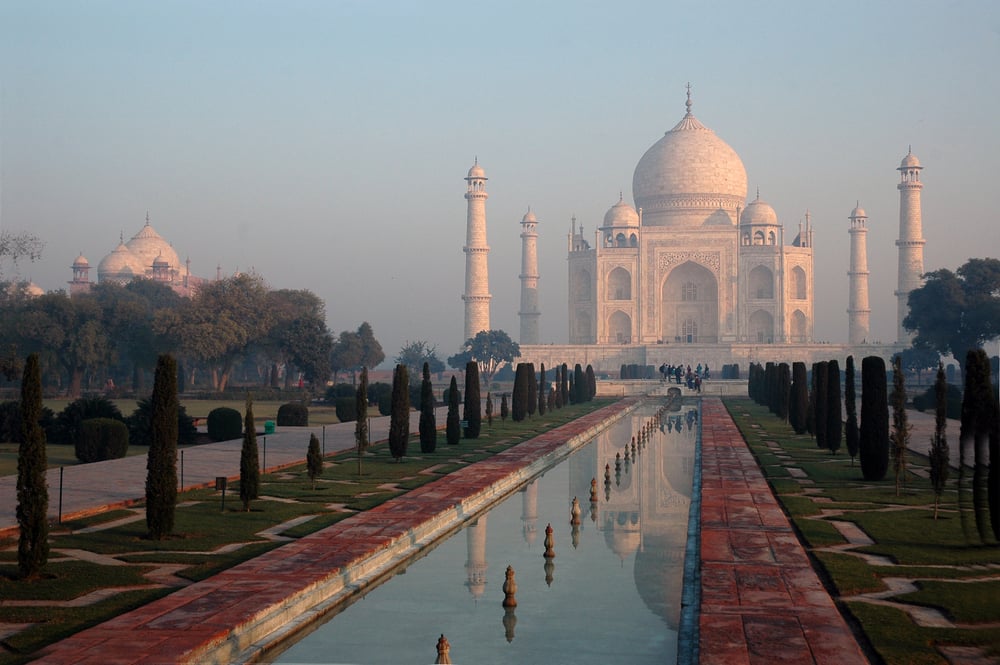
India chose to use a single time zone that’s offset by 30 minutes from the standard hour markers, creating the peculiar UTC+5:30. This means when it’s noon in London, it’s 5:30 PM in Mumbai, not 5:00 or 6:00 like you’d expect.
The decision was made to roughly split the difference between the country’s eastern and western extremes, but it leaves India perpetually out of sync with most international scheduling systems. Conference calls with India always involve that awkward half-hour math that makes everyone double-check their calendars.
Like Go2Tutors’s content? Follow us on MSN.
Newfoundland Time

Canada’s Newfoundland province decided that being 3.5 hours behind GMT wasn’t weird enough, so they created their own time zone that’s exactly 30 minutes ahead of Atlantic Time. This means Newfoundland is never quite synchronized with anywhere else in North America.
When it’s 3:00 PM in Toronto, it’s 4:30 PM in St. John’s, creating a scheduling nightmare for anyone trying to coordinate across Canadian provinces. It’s like they wanted to be different just for the sake of being different.
Nepal Time
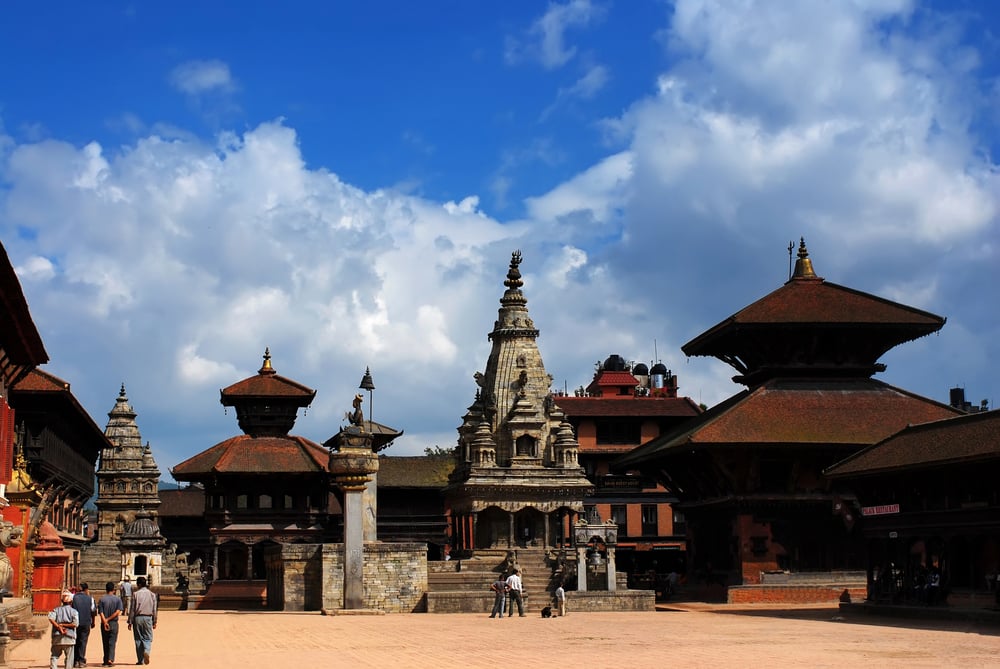
Nepal operates on UTC+5:45, making it one of only two countries in the world with a 45-minute offset. The decision supposedly relates to the time at Mount Everest, but it creates confusion for everyone trying to figure out what time it is there.
When scheduling international calls, Nepal’s time zone requires mental gymnastics that would challenge a mathematician. It’s 15 minutes ahead of India and 15 minutes behind some parts of Myanmar, ensuring it’s never quite aligned with any neighboring country.
North Korea Time

North Korea decided to create its own time zone in 2015, setting its clocks 30 minutes behind South Korea and Japan. They called it Pyongyang Time because, apparently, having the same time as your southern neighbor was too much of a concession.
The move was supposedly to eliminate the legacy of Japanese colonialism, but it just made life more complicated for everyone involved. Border towns suddenly found themselves in a temporal no-man’s land where crossing the street meant jumping through time.
Like Go2Tutors’s content? Follow us on MSN.
Venezuela Time
Venezuela used to follow the same time as the eastern United States, which actually made geographical sense. Then, in 2007, President Hugo Chávez decided to move the country to UTC-4:30, creating a unique half-hour offset that serves no practical purpose other than being different.
Business relationships with neighboring countries became needlessly complicated overnight. Even more confusing, they switched back to UTC-4 in 2016, proving that political time zone changes rarely improve anything.
Australian Central Time

Australia’s time zone situation is a masterclass in unnecessary complexity. South Australia and the Northern Territory use UTC+9:30, creating a 30-minute offset that makes coordinating across the continent a headache.
During daylight saving time, the situation becomes even more chaotic because not all states participate, meaning you can have up to five different times across the country simultaneously. Trying to schedule a conference call across Australia requires a flowchart and a prayer.
Afghanistan Time
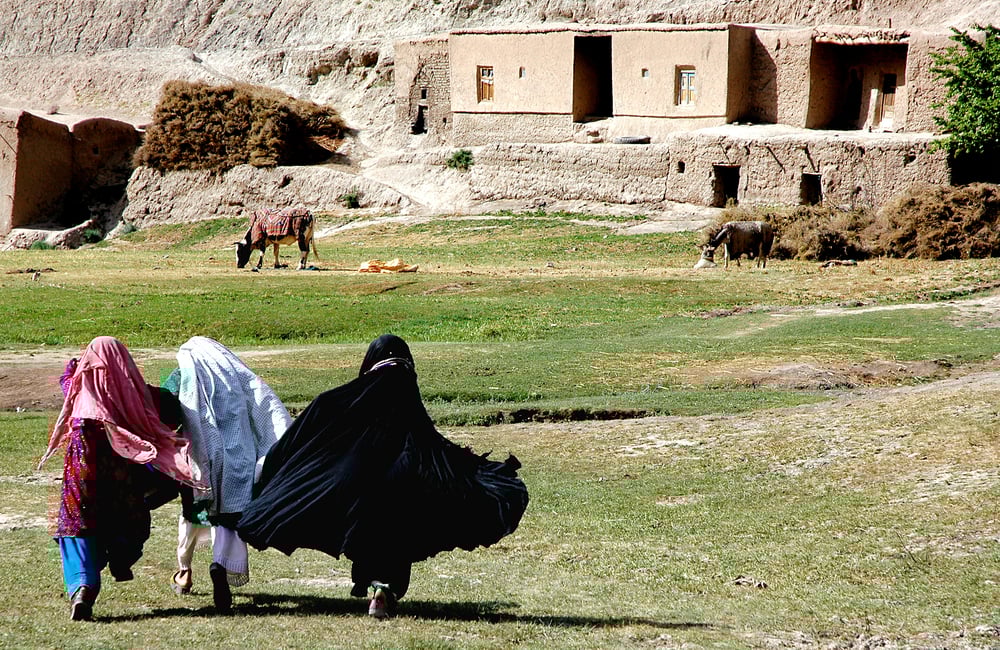
Afghanistan operates on UTC+4:30, putting it 30 minutes ahead of Iran and 30 minutes behind Pakistan. This creates a time zone island in the middle of Asia that doesn’t align with any neighboring country.
The decision apparently relates to wanting to be closer to India’s time, but it just makes Afghanistan perpetually out of sync with everyone around it. International businesses operating in the region need separate clocks just to keep track of Kabul time.
Like Go2Tutors’s content? Follow us on MSN.
Chatham Islands Time

New Zealand’s Chatham Islands decided that being 12 hours ahead of GMT wasn’t unique enough, so they added an extra 45 minutes to create UTC+12:45. This makes them one of the first places on Earth to see each new day, but also completely disconnected from any practical time zone system.
The islands have fewer than 700 residents, yet they maintain their own time zone that requires special programming in computer systems worldwide. It’s like having a custom time zone for a small town.
Kiribati Time
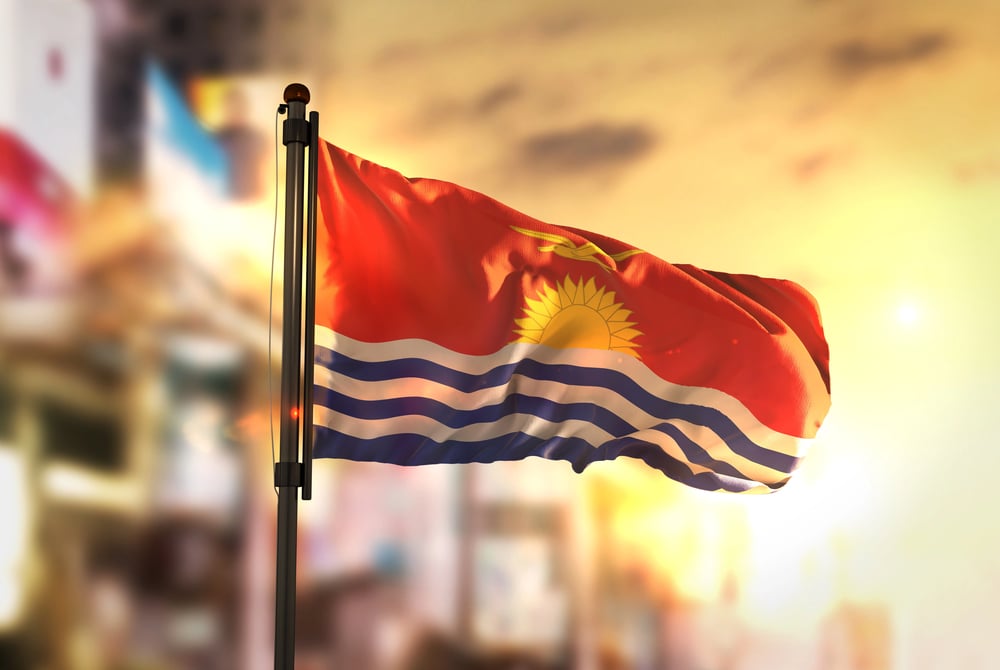
The Pacific nation of Kiribati spans both sides of the International Date Line, which should theoretically put parts of the country in yesterday and parts in tomorrow. Instead of dealing with this logically, Kiribati decided to put their entire country on the same side of the date line, creating a time zone that reaches UTC+14.
This means Kiribati is technically 26 hours ahead of some places on Earth, which breaks the conventional understanding of how time zones should work.
Samoa Time
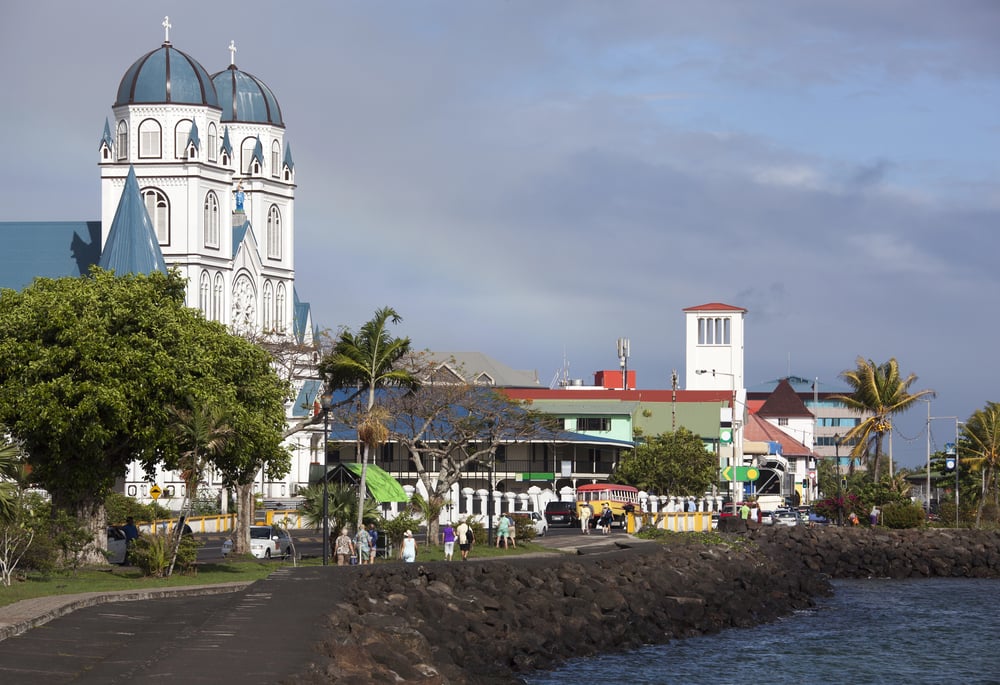
Samoa made one of the most dramatic time zone changes in recent history when it decided to skip December 30, 2011, entirely. The country jumped from UTC-11 to UTC+13, moving from one of the last places to see each new day to one of the first.
The change was made for economic reasons to align better with Australia and New Zealand, but it meant Samoa suddenly had the same calendar day as countries on the opposite side of the Pacific. Imagine going to bed on December 29 and waking up on December 31.
Like Go2Tutors’s content? Follow us on MSN.
Lord Howe Island Time
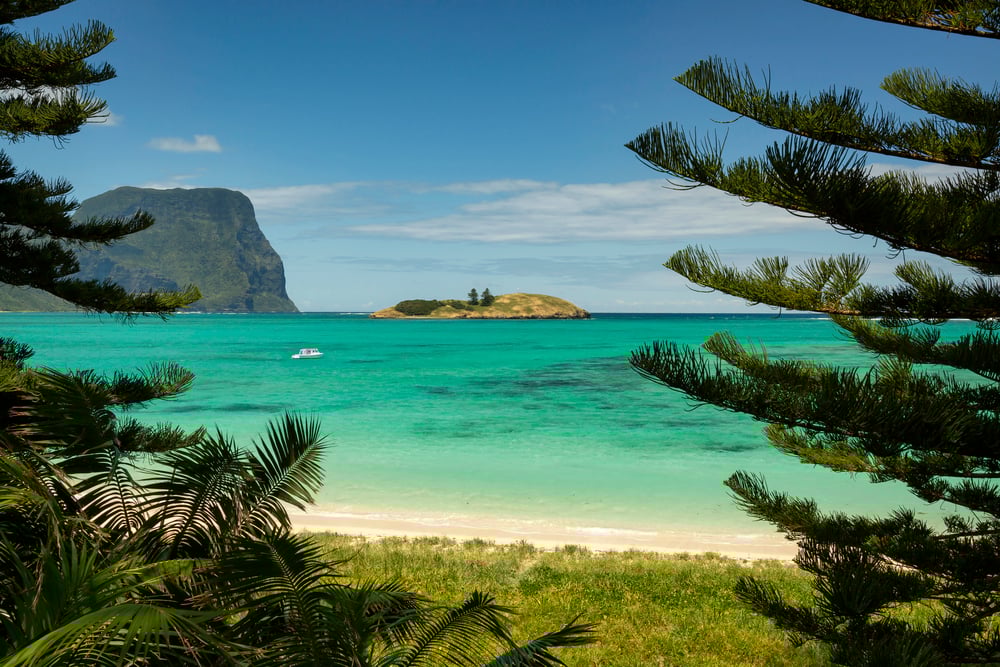
This small Australian island operates on UTC+10:30 during standard time, but here’s where it gets really weird: during daylight saving time, they only move their clocks forward by 30 minutes instead of the usual hour. This creates the unique situation where Lord Howe Island has a time zone that exists nowhere else on Earth for half the year.
Computer programmers have to write special code just to handle this one island’s time zone quirks.
Iran Time

Iran uses UTC+3:30, placing it 30 minutes ahead of most of the Middle East and 30 minutes behind Afghanistan. This creates scheduling complications for a country that’s deeply integrated into regional politics and economics.
The decision to use a half-hour offset doesn’t align with neighboring countries or major trading partners, making international business more complicated than it needs to be. Even their daylight saving time changes happen on different dates from most countries.
Marquesas Islands Time

French Polynesia generally follows UTC-10, but the Marquesas Islands decided they needed their own time zone at UTC-9:30. This 30-minute offset serves no practical purpose since the islands are small and remote, with a population of less than 10,000 people.
The time difference creates complications for inter-island travel and communication within French Polynesia itself. It’s essentially a vanity time zone for a handful of tropical islands.
Like Go2Tutors’s content? Follow us on MSN.
Myanmar Time

Myanmar operates on UTC+6:30, putting it 30 minutes ahead of Bangladesh and 30 minutes behind Thailand. This creates a time zone island in Southeast Asia that complicates regional business and travel.
The country changed its time zone multiple times throughout the 20th century for various political reasons, settling on the current system that doesn’t align well with any neighboring nation. Cross-border trade and communication suffer from this temporal isolation.
When Politics Trumps Logic
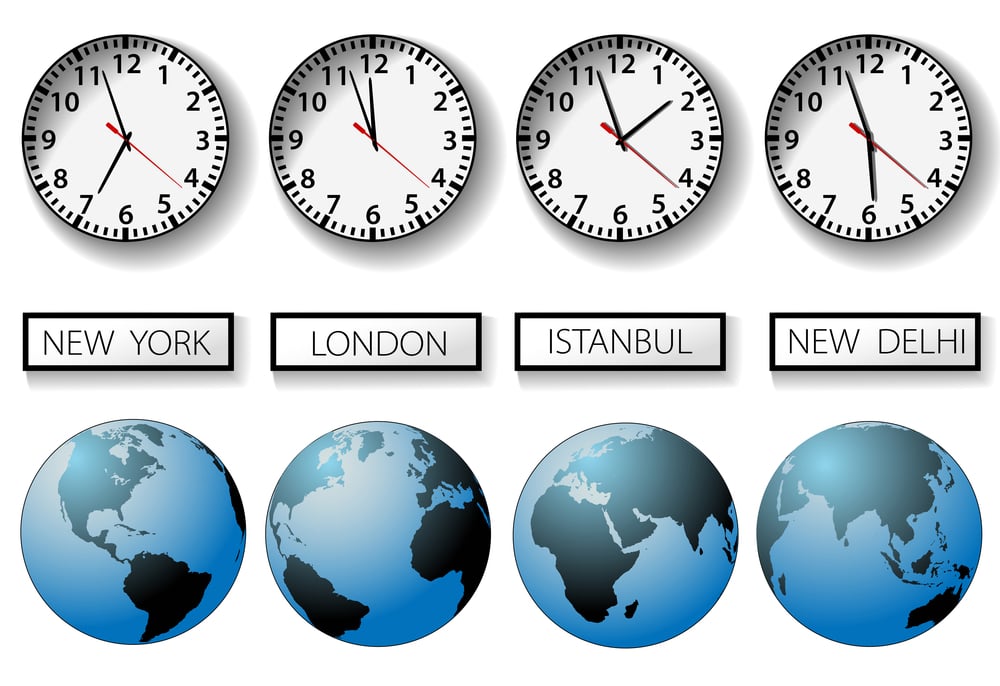
These bizarre time zone decisions remind us that geography often takes a backseat to politics and national pride. Countries have created temporal chaos simply to assert independence or appear unique on the world stage.
While standardization would make international business and communication infinitely easier, the political symbolism of time zones seems too valuable for many nations to abandon. The result is a global patchwork of time that challenges every scheduling system and leaves travelers perpetually confused about what time it really is.
More from Go2Tutors!

- 16 Restaurant Chains That Went Too Fast
- 12 Things Sold in the 80s That Are Now Illegal
- 15 VHS Tapes That Could Be Worth Thousands
- 17 Historical “What Ifs” That Would Have Changed Everything
- 18 TV Shows That Vanished Without a Finale
Like Go2Tutors’s content? Follow us on MSN.