Dishes Created From Kitchen Mistakes
Cooking’s packed with unexpected wins. A flop at first can flip into a tasty hit, yet plenty of favorite dishes actually began when cooks slipped up, lacked supplies, or simply caught a break.
None followed blueprints, just blunders that somehow crushed expectations. Check out a few of the messiest flavor fails ever cooked up in a kitchen.
Chocolate chip cookies

Ruth Wakefield managed the Toll House Inn in Massachusetts back in the 1930s; then came a moment when she lacked proper baking chocolate for cookies. Instead, she reached for a semi-sweet bar from Nestlé, smashed it into pieces, mixed them into the batter, expecting they’d dissolve completely.
But nope, they held their shape, forming gooey specks with every mouthful. Folks who ate them went crazy, word got around fast, till finally Nestlé began dishing out pre-chopped bits just for this treat.
Potato chips

George Crum was cooking at a lodge near Saratoga Springs, NY, around 1853. One guest kept returning his fried spuds, said they were way too chunky and mushy.
Fed up, Crum tried to mess with him; he shaved the potatoes crazy thin, deep-fried them till crunchy, then dumped loads of salt on top. Thing is, it didn’t work like he thought.
That diner went nuts for ’em, started asking for more every time, others caught wind and wanted in fast. Before long, those brittle potato chips turned into a nationwide obsession.
Popsicles

An eleven-year-old kid called Frank Epperson left a glass of soda outside with a mixing stick poking through it during a chilly night back in 1905. That evening, San Francisco dipped into rare freezing temps; by sunrise, the liquid had turned hard around the wooden rod.
He tugged the icy mix free, figured out he’d stumbled onto something cool without meaning to. Years passed, almost twenty, before that memory clicked again, so he began handing them out at a neighborhood funfair instead of ignoring it.
Youngsters went wild for the frosty pops, which eventually stuck around as go-to hot-weather snacks you hold while walking.
Nachos
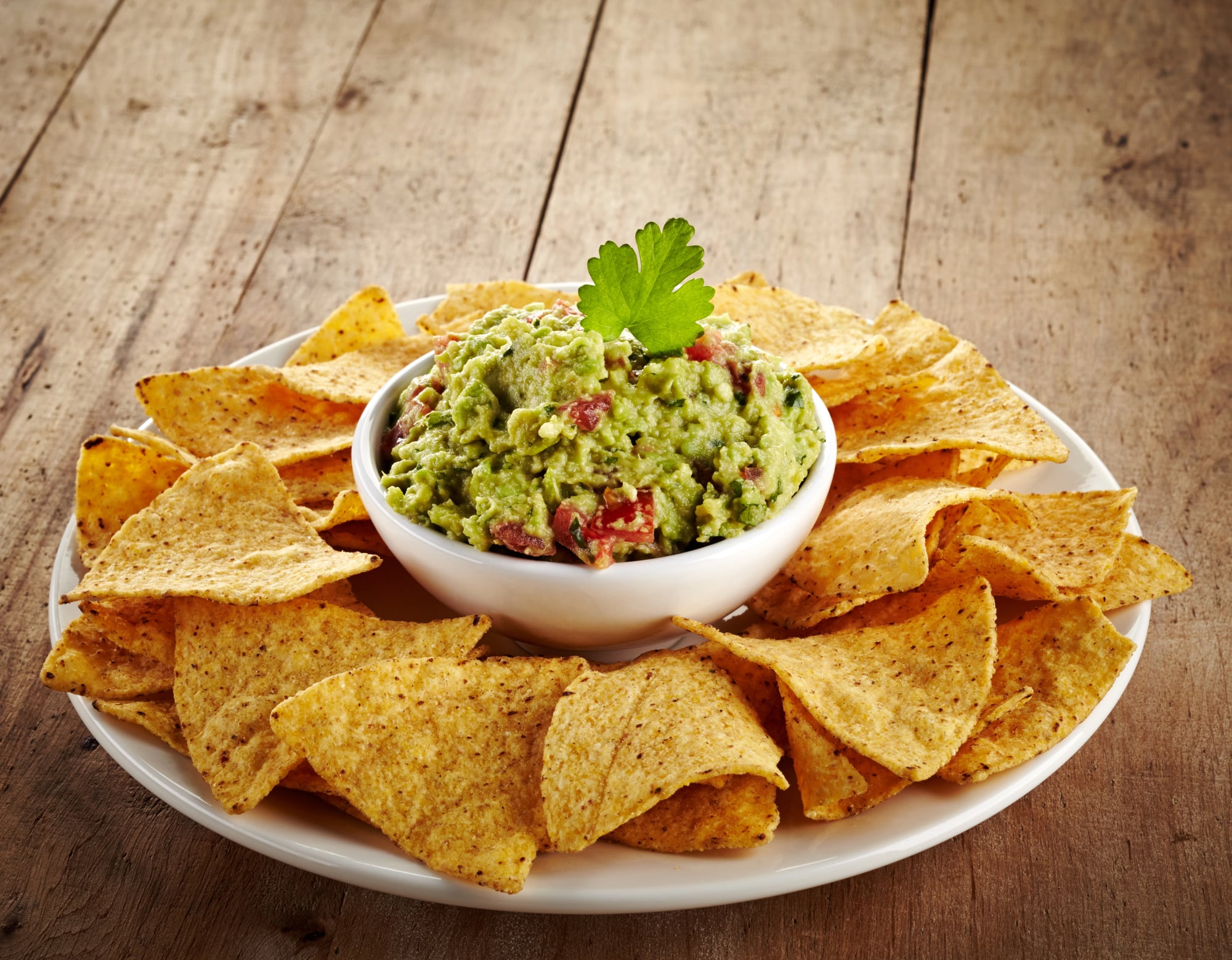
Ignacio Anaya was serving customers at a spot in Piedras Negras, Mexico, just near the Texas line. That night in ’43, some army wives walked in starving, even though the cooks had packed up.
Didn’t feel right to send them off empty-handed, so he pulled together whatever sat nearby: crisp tortillas, shredded cheese, plus sliced jalapeños. Cheese went on first, heated till gooey over the chips; then came the spicy peppers, he handed the plate out quick.
The woman wondered what the food was named, so Ignacio said it matched his own tag, Nacho. People quickly liked the bite-sized treat, carrying it from Texas out to nearly every corner of the nation.
Champagne

Wine producers from Champagne, France, weren’t trying to create sparkling drinks. Thanks to chilly winters, fermentation often halted mid-way, then kicked back in when warmer weather returned, reactivating yeast that churned out gas inside closed containers.
This buildup occasionally made bottles burst underground, scaring vintners who saw it as dangerous chaos. Over time, though, mastering the method revealed something surprising, the bubbly result was delicious beyond expectations.
A mistake people once avoided turned into a globally loved beverage.
Worcestershire sauce

Back in the 1830s, two chemistry guys from England, John Lea and William Perrins, attempted making an Indian-style sauce for one of their buyers. Since it turned out pretty bad, they dumped the batches into storage down in their basement then just left them there.
Years passed till by accident they ran into those old containers again, curious enough to sample what was inside before dumping it for good. Turns out aging did wonders, it changed that gross mess into a bold, sharp, layered flavor nobody expected.
After that surprise hit, they began packing it up, eventually spreading it into homes everywhere on Earth.
Tarte Tatin
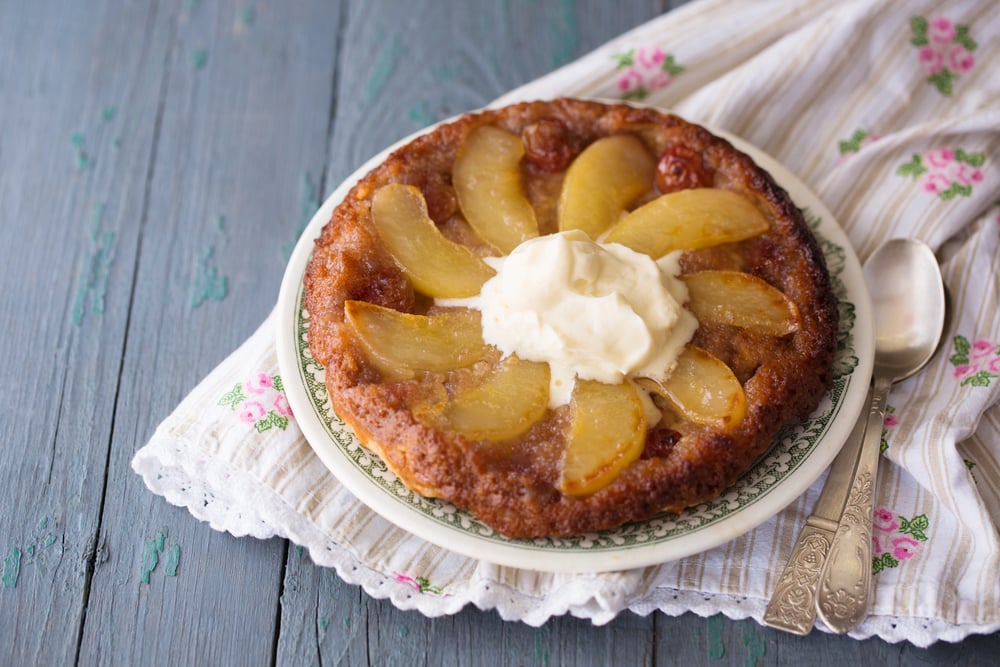
Back in the late 1800s, two siblings, Caroline and Stéphanie Tatin, owned a small inn in France. One afternoon, while preparing an apple pie, Stéphanie got distracted; the apples kept simmering in butter and sugar longer than planned.
Worried it was ruined, she quickly slapped some pastry on top then jammed it into the oven just to see what’d happen. Once baked, flipping it out revealed glossy, golden fruit crowning the tarte, a surprise hit.
Guests loved how it looked, but especially how it tasted. That mistake turned into their most famous menu item, eventually spreading across French kitchens.
Beer
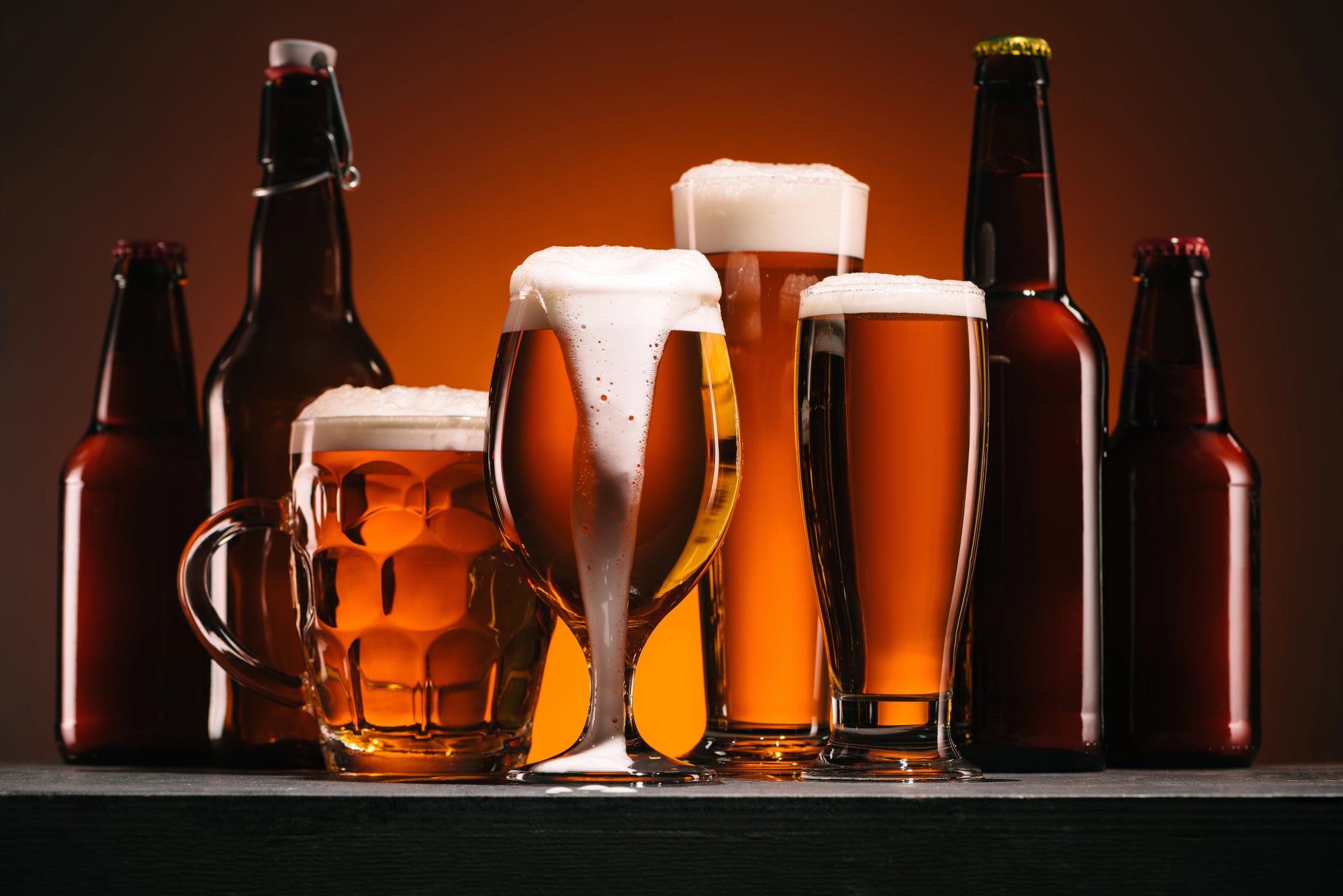
Ancient folks from Mesopotamia or Egypt probably found beer without meaning to, way back in time. Wet grain sitting around after rainfall slowly changed, yeast floating nearby began breaking down its sugars instead.
After a while, somebody tried sipping the mix, noticing it gave a mild kick. Those first makers didn’t grasp microbial reactions yet still trusted what they saw unfold.
In old societies, this drink mattered so much people got it as wages quite often.
Corn flakes

Back in the 1890s, Dr. John Harvey Kellogg worked with his brother Will at a wellness retreat in Michigan. The two were experimenting with ways to create better bread using boiled wheat.
When one portion stayed out and dried too much, most would’ve tossed it, yet they decided to roll it regardless. Through that move, flat pieces came out instead of dough.
They roasted the flakes, folks at the health retreat couldn’t get enough of that crisp bite. Afterward, Will went with corn instead, tossed in some sugar so regular buyers would find it tastier.
Ice cream cones

Back at the 1904 World’s Fair in St. Louis, temps were high, then an ice cream seller hit a snag: no more dishes left. Right next door, a guy baking waffles spotted the mess he was in, grabbed a fresh one while it was still warm, curled it into a cone-like roll.
Folks wandering by thought it was genius, eating both cup and treat together? Perfect. Word spread fast; that sweet, crispy holder became a smash right off the bat.
Before long, scoop-sellers across the place tossed aside their old bowls, swapping them for this handy, munchable twist.
Slurpees
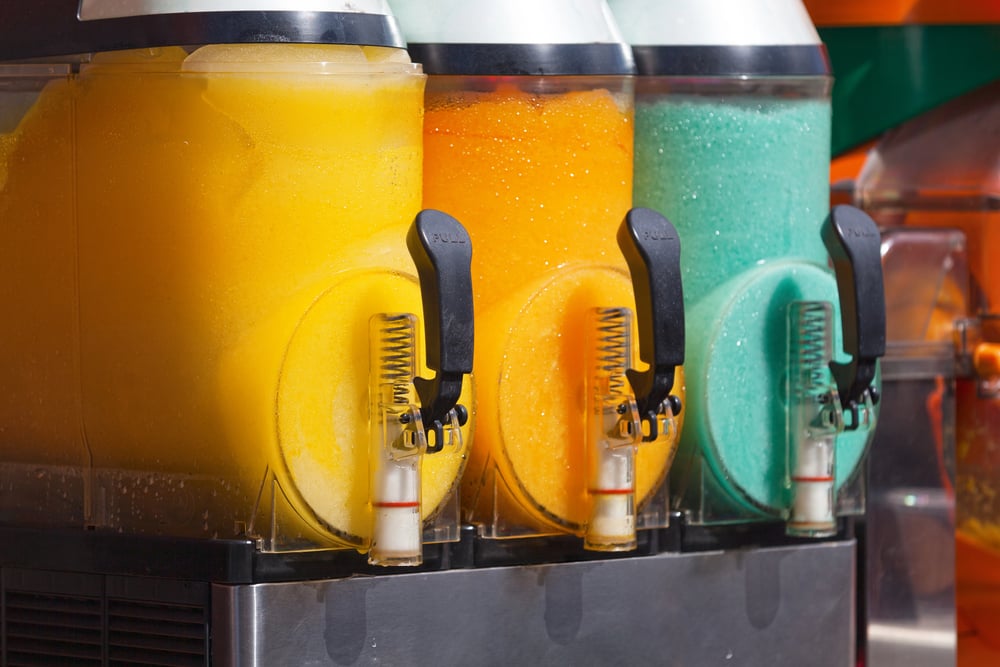
Omar Knedlik ran a Dairy Queen in Kansas during the late ’50s; his soda machine constantly failed. Because of that, he began freezing bottled sodas to keep them cool, only to find they’d occasionally turn into a semi-frozen mix.
Folks caught on quick, then deliberately ordered those icy drinks. Seeing potential here, he worked out a device capable of making that slushy state whenever needed.
Afterward, 7-Eleven picked up the concept, secured the rights, and rebranded it as Slurpee.
Fudge
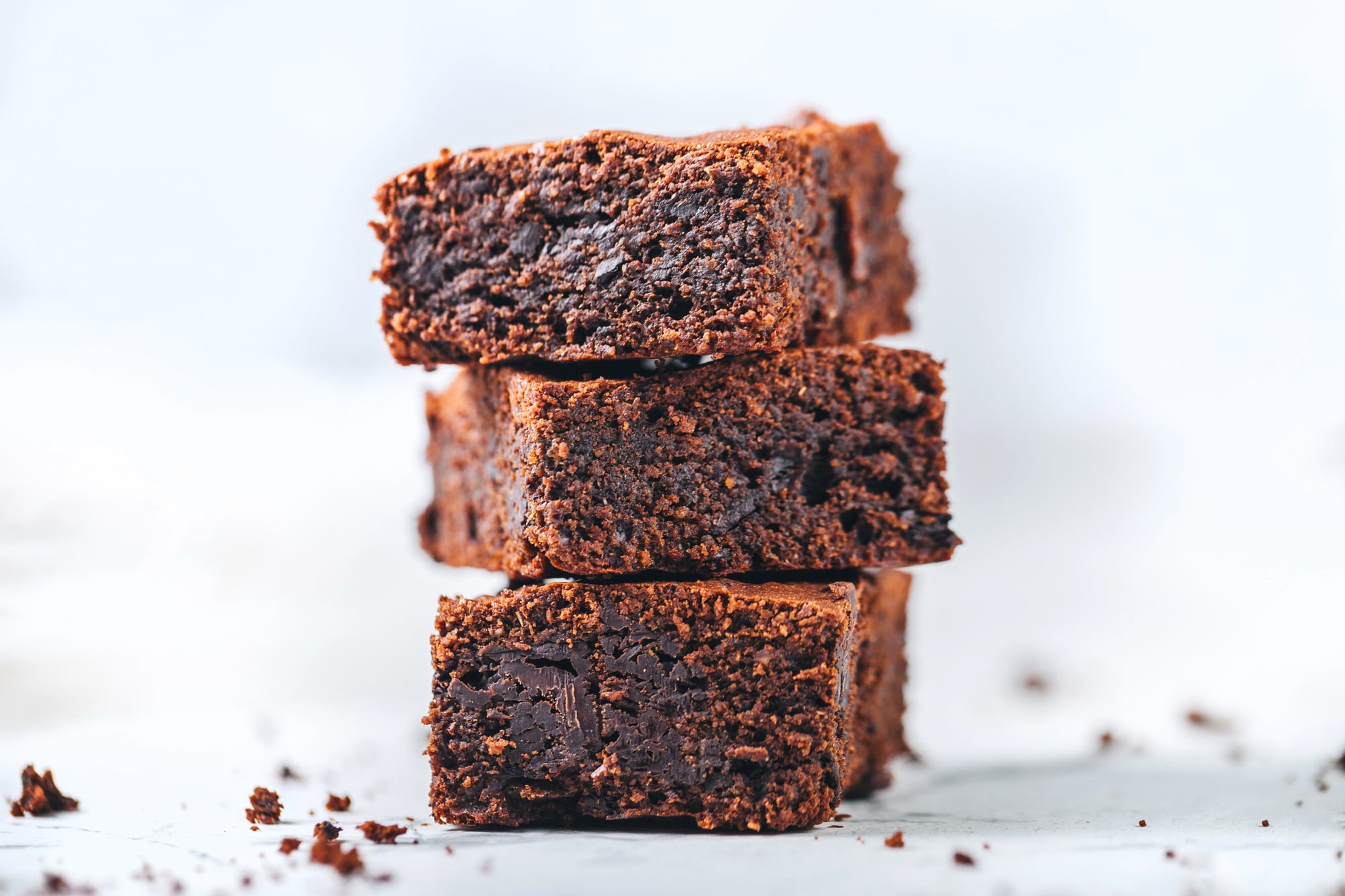
A person making sweets in America around the late nineteenth century aimed for caramel but got the heat wrong or cooked it too long. Because of that, the sugary goo turned grainy rather than silky, ending up thick and flaky.
Still, folks liked how it tasted, so the creator began offering it like a fresh treat. It caught on heavily near universities and beach spots, places where stores even now cook batches in large copper kettles.
Tofu
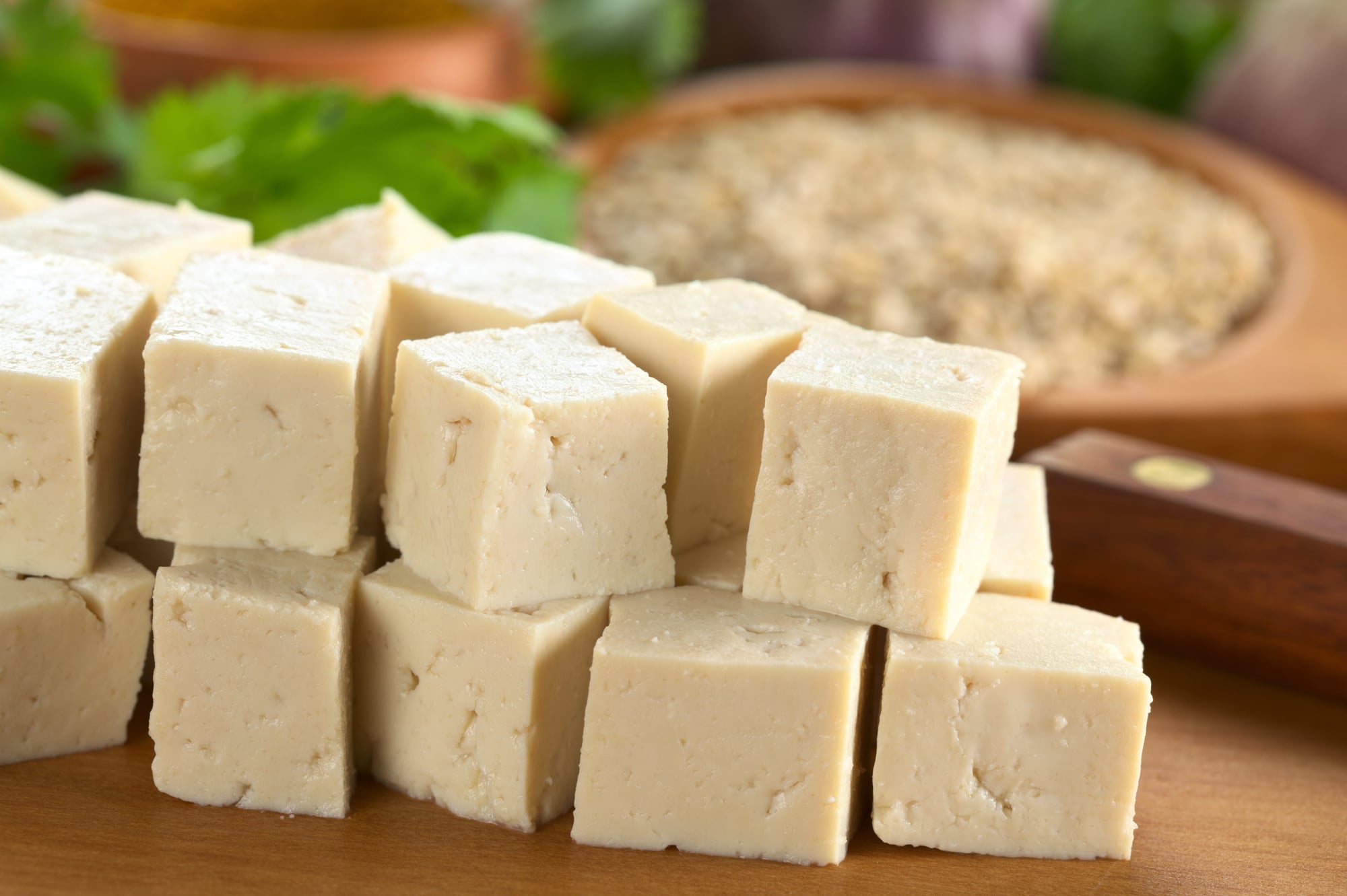
Chinese chefs around 2 millennia back stumbled on tofu when a bit of nigari, a substance from ocean water, ended up in soy milk. That mix thickened into firm chunks you could cut and fry.
Truth is, nobody’s certain what sparked it at first, could’ve been saltwater slipped in by error, or perhaps someone fiddling with ways to keep food longer. Still, whatever went down, this find turned into a go-to source of protein through much of Asia before spreading everywhere else.
Brandy

Sailors from Europe in the 1500s had to move wine across seas but didn’t want it hogging room on vessels, so they boiled it down by pulling out the moisture, figuring they’d mix water again later. That leftover thick juice was stored in oak casks while crossing oceans; over time, exposure to wood deepened its taste, making it smoother plus far more intense compared to regular wine.
Once folks tried this evolved version, they skipped rehydrating entirely, the bold, matured liquor stood alone as a new kind of beverage.
Penicillin
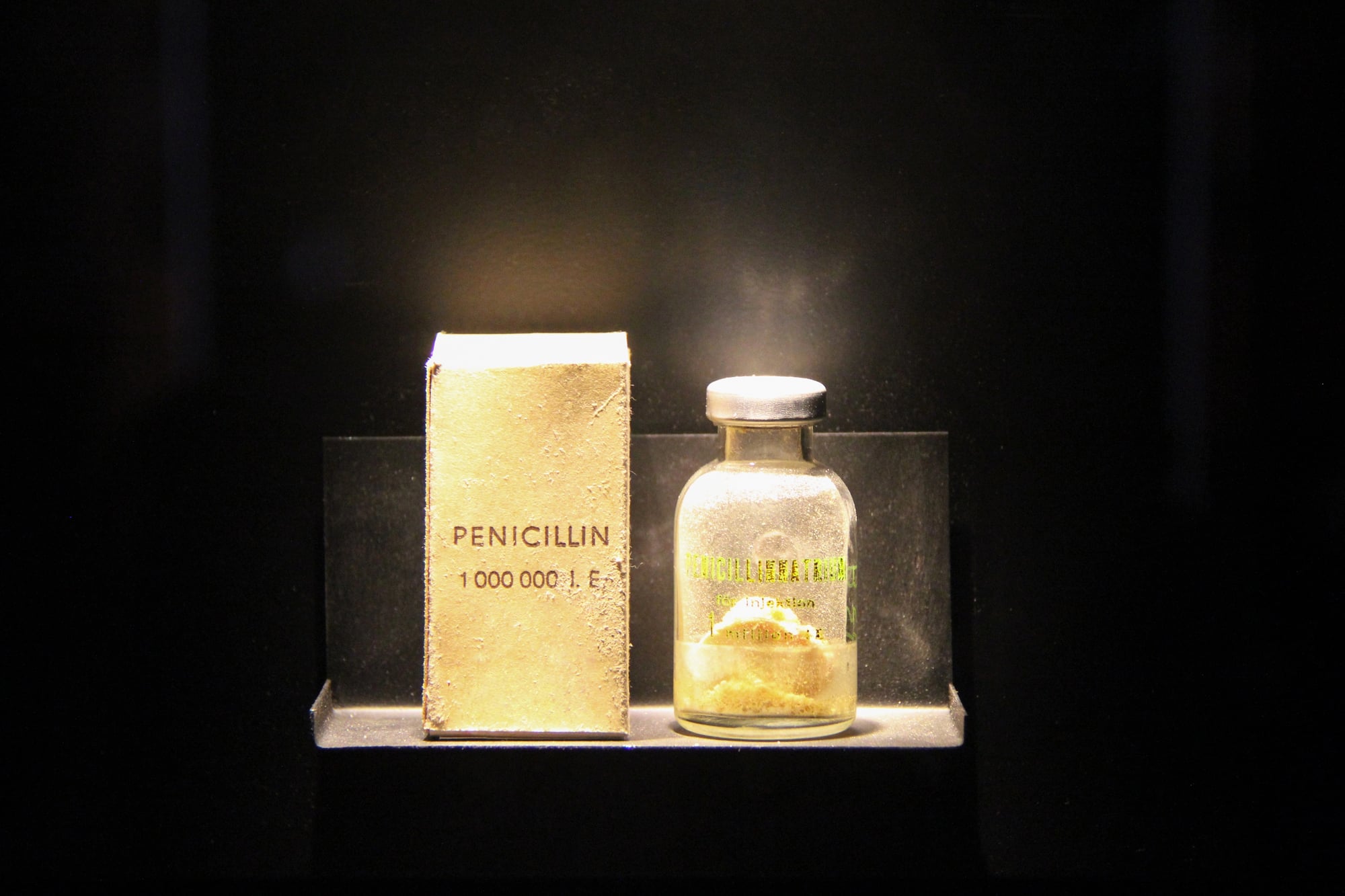
Alexander Fleming forgot a petri dish full of bacteria on his worktable before leaving for holiday in ’28. Back from break, he spotted fuzzy mold growing inside, and saw dead germs near it.
Others might’ve just thrown it out like trash, yet he paused, curious, studying what happened. Turns out, the mold released something killing off those microbes.
That stuff? Penicillin, kicked off the age of antibiotics. Not edible at all, sure, but found right where meals get made, kinda.
Still, it rescued countless people and flipped healthcare upside down.
Cheese puffs

A guy working at a feed plant in Wisconsin during the 1930s saw how wet corn swelled up after going through equipment, then turned crisp once cooled. He brought a batch home, tried spicing it up just to test the flavor.
That airy crunch? Popped nicely with salty-cheesy dust. Over time, factories tweaked the method, began churning them out by the ton; soon enough, people were grabbing handfuls at get-togethers or while watching films.
Sliced bread

Otto Rohwedder worked on a bread-slicing gadget for ages, wanted it to cut perfect pieces but stay fresh longer. Shop owners didn’t get it at first, fearing already-cut loaves would go dry sitting around.
Come 1928, one small bakery in Missouri gave his device a shot; sales spiked almost overnight. Folks couldn’t get enough of how easy it made their mornings.
Soon after, nearly every loaf sold had slices ready-made. That’s why folks started saying something amazing was better than sliced bread, it felt like the biggest leap anyone’d seen.
Some errors end up tasting sweeter than what we aimed for

Kitchens are messy places where things go wrong, yet sometimes those errors lead to tasty surprises. Mistakes happen when supplies run low, still a few end up being oddly delicious.
Every now and then, chaos results in bites folks keep coming back for. These dishes weren’t born in perfect labs but through trial, urgency, because someone dared try what looked ruined.
Oddly enough, that’s their charm.
More from Go2Tutors!

- The Romanov Crown Jewels and Their Tragic Fate
- 13 Historical Mysteries That Science Still Can’t Solve
- Famous Hoaxes That Fooled the World for Years
- 15 Child Stars with Tragic Adult Lives
- 16 Famous Jewelry Pieces in History
Like Go2Tutors’s content? Follow us on MSN.