18 Jazz Shifts That Changed the 1920s
The 1920s transformed jazz from a regional curiosity into America’s defining musical voice. Jazz became recognized as a major form of musical expression during this decade, evolving from a local, predominantly African American music to a nationally accepted cultural form identified as uniquely American.
What started in New Orleans speakeasies ended up reshaping how the entire world thought about rhythm, improvisation, and musical freedom. The decade witnessed an explosion of innovation that would define not just music, but American culture itself.
Here is a list of 18 groundbreaking shifts that made jazz the soundtrack of the Roaring Twenties.
Louis Armstrong’s Solo Revolution
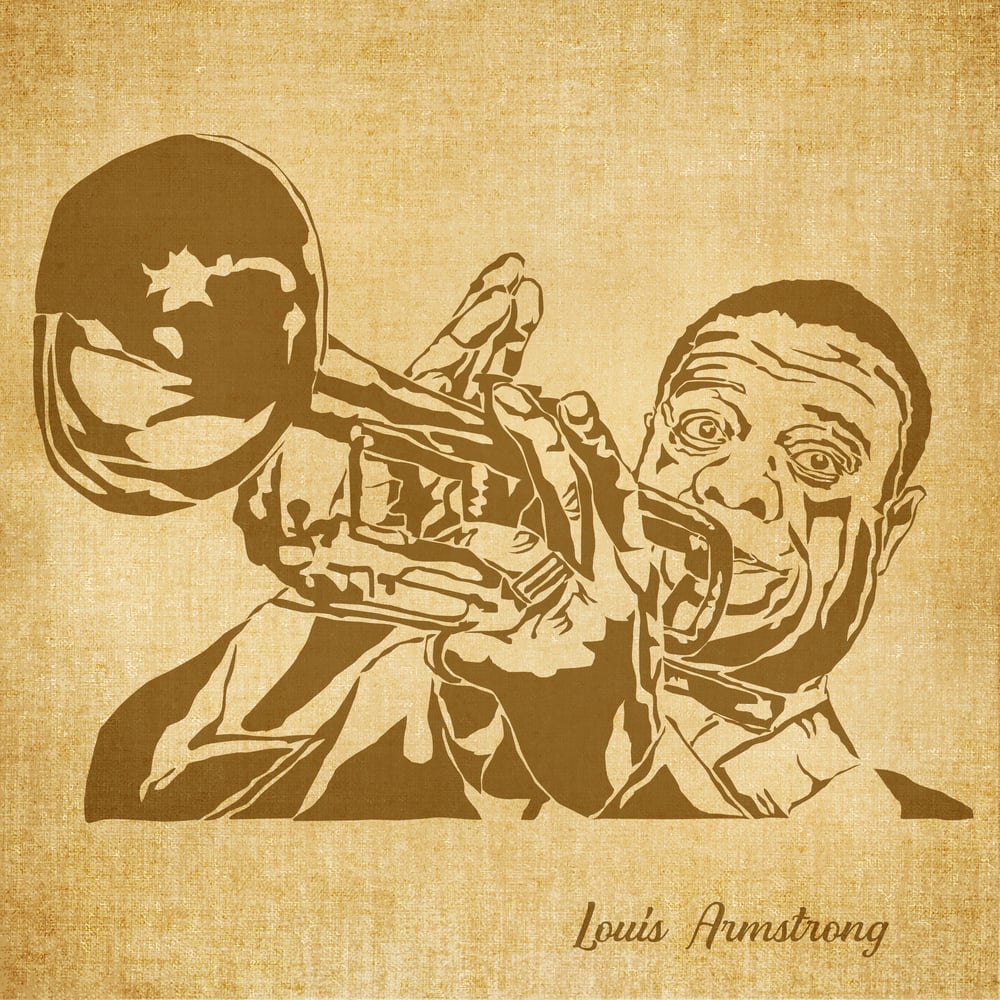
Louis Armstrong brought the improvisational solo to the forefront of a piece, replacing the original polyphonic ensemble style of New Orleans jazz. Before Armstrong, jazz was mostly about group improvisation where everyone played together.
Armstrong flipped this on its head, making the individual voice the star of the show. His recordings with small New Orleans-styled groups called the Hot Five codified Armstrong’s style and inspired generations of aspiring players.
The Birth of Swing Feel
In the late 1920s, innovative jazz musicians made an exciting discovery: by ignoring the 2/4 time signature popular with dance bands and playing in 4/4 time, they could up the tempo while simultaneously allowing for greater rhythmic freedom. This wasn’t just a technical change—it fundamentally altered how music felt.
Swing gave jazz that infectious bounce that made it impossible to sit still, like the difference between marching and dancing.
Like Go2Tutors’s content? Follow us on MSN.
Recording Technology Takes Off
In the 1920s new technologies like radio, the phonograph and talking motion pictures made it possible for millions to hear jazz across America and around the world. Before this, you had to be in the right place at the right time to hear great jazz.
Now a farmer in Iowa could hear the same Louis Armstrong solo as someone in a Harlem nightclub. Jazz was perhaps the first popular music that owed much of its development and popularity to the dissemination of recordings.
Radio Brings Jazz Home
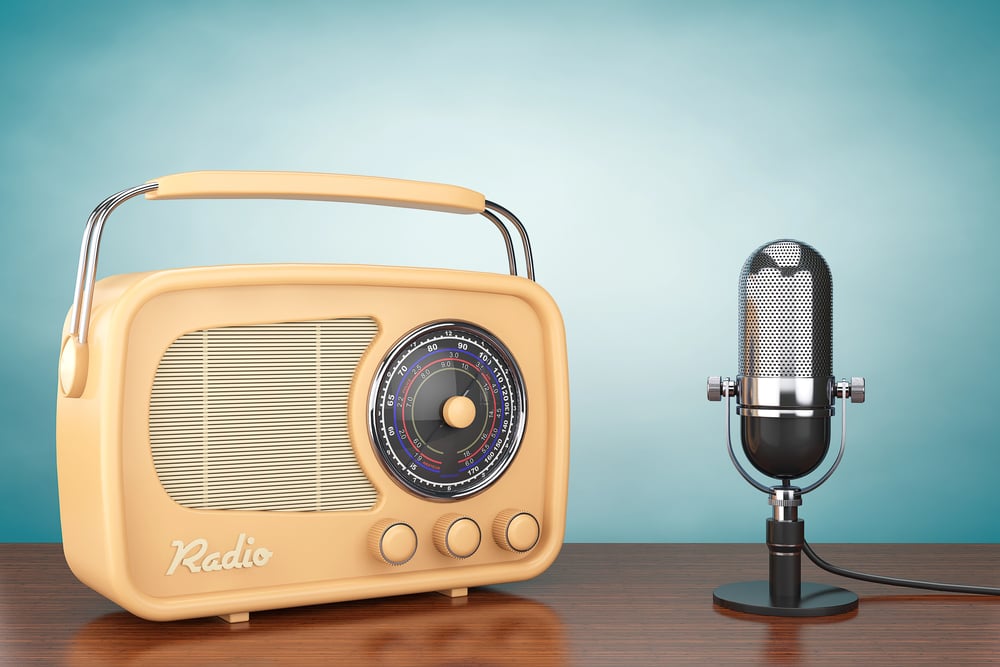
Radio changed everything for jazz musicians and fans alike. By the mid-1920s, radio was playing a part in publicizing bands from many U.S. locations, turning local heroes into national stars overnight.
Benny Goodman’s Let’s Dance broadcasts, which aired regularly in 1934, were one of the first weekly live radio broadcasts of hot jazz to be aired by a national network. Suddenly, jazz wasn’t just entertainment—it was appointment listening.
Big Bands Replace Small Groups

As the jazz orchestras grew in size, the arrangements had to be formalized to avoid mass confusion. The arranger became the focal point of the band.
What started as five or six musicians jamming together evolved into sophisticated orchestras with sections of horns, reeds, and rhythm. It was in the 1920s that the first forms of true orchestral jazz were developed, most significantly by Fletcher Henderson and Duke Ellington.
Like Go2Tutors’s content? Follow us on MSN.
The Saxophone Claims Its Throne
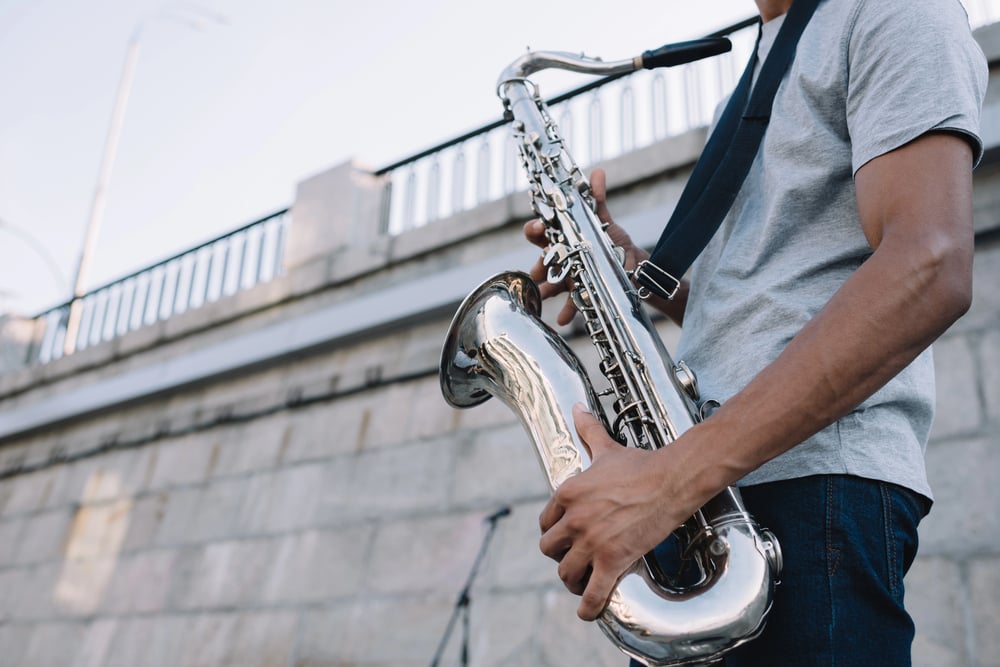
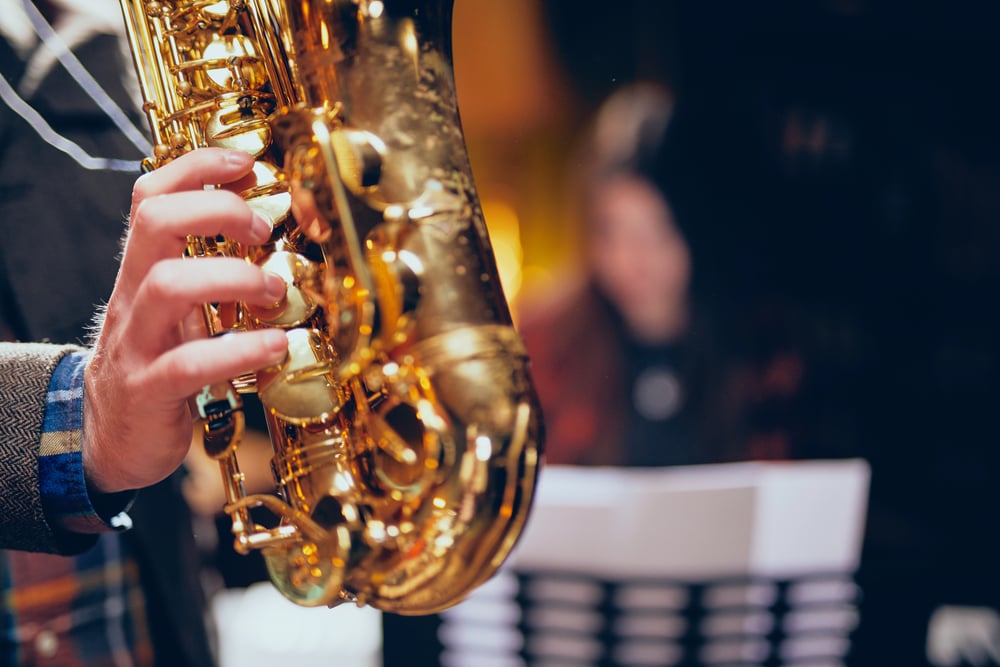
Dance bands became increasingly popular, featuring instruments like the saxophone, and this horn became jazz’s signature sound. The sax wasn’t even widely used in earlier jazz, but by the mid-1920s, it was everywhere.
Its ability to wail, growl, and sing made it perfect for the emotional range jazz demanded. Players like Coleman Hawkins turned it into poetry.
Duke Ellington’s Jungle Style

Duke Ellington developed his ‘Jungle Style’—an earthy, growling music style using jazz elements and emphasizing the individual tonalities of his players, especially trumpeter Bubber Miley. Ellington didn’t just write songs; he painted sonic landscapes.
During the 1920s, Ellington specialized in creating cameos for his soloists, perfectly tailoring his song structure to the three-minute limit of recording technology.
Chicago Becomes Jazz Central

Many New Orleans jazzmen had moved to Chicago during the late 1910s in search of employment, and Chicago’s importance as a center of jazz music started to develop. The Great Migration brought incredible talent north, and Chicago’s thriving nightlife gave them stages to play on.
In 1922, Chicago was attracting bands such as Joe ‘King’ Oliver’s Creole Jazz Band at the Lincoln Gardens, joined by Louis Armstrong.
Like Go2Tutors’s content? Follow us on MSN.
Hot Jazz vs Sweet Bands
The most popular style of dance orchestra was the ‘sweet’ style, often with strings. Paul Whiteman developed a style he called ‘symphonic jazz’.
This created a fascinating cultural divide—you had the hot, improvisation-heavy jazz coming from Black musicians, and the more polished, arranged ‘sweet’ jazz that white bandleaders marketed to mainstream audiences. Both styles pushed jazz in different directions.
Race Records Create New Markets

Most blues recordings were aimed at regional African American markets. These ‘race records’ were found mainly in urban African American centers, but they ended up influencing musicians everywhere.
Notable among these were Ma Rainey, Clara Smith, and especially Bessie Smith, who was billed as the ‘Empress of the Blues’. This parallel market kept authentic jazz voices alive while mainstream jazz evolved.
Speakeasies Fuel the Scene

The resulting illicit speakeasies that grew from this era became lively venues of the ‘Jazz Age’, hosting popular music that included current dance songs, novelty songs and show tunes. Prohibition didn’t kill nightlife—it just moved it underground, and jazz was the perfect soundtrack for these rebellious venues.
The danger and excitement of speakeasies matched jazz’s rule-breaking spirit perfectly.
Like Go2Tutors’s content? Follow us on MSN.
Dance Crazes Take Over
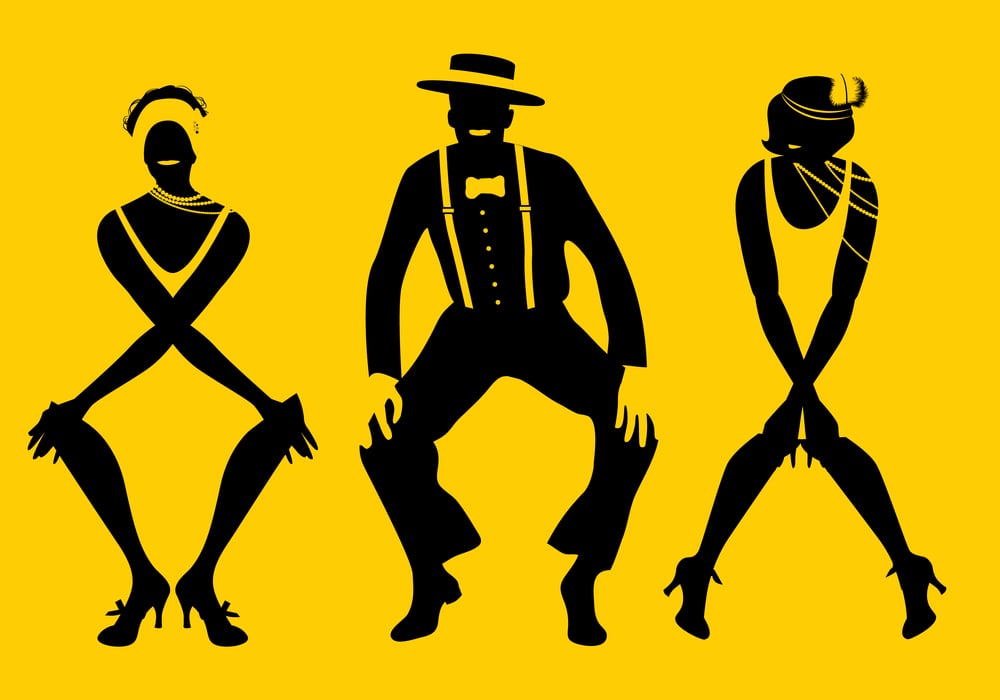
Social dances like the Charleston flourished alongside the music, and jazz became inseparable from movement. The Savoy Ballroom in Harlem opened its doors in 1926 and became a hotbed for swing bands.
It was at the Savoy that a dance style called the Lindy Hop was invented and refined. Jazz wasn’t just music you listened to—it was music that moved your entire body.
Fletcher Henderson’s Arrangements

The Henderson band featured Coleman Hawkins, Benny Carter, and Buster Bailey as soloists, who all were influential in the development of swing era instrumental styles. Henderson figured out how to balance written arrangements with space for improvisation.
During the Henderson band’s extended residency at the Roseland Ballroom in New York, it became influential on other big bands.
Cross-Racial Musical Collaboration
Jelly Roll Morton recorded with the New Orleans Rhythm Kings in an early mixed-race collaboration, breaking barriers that existed in almost every other area of American life. While society remained deeply segregated, jazz created spaces where Black and white musicians could create together.
White patrons streamed into Harlem’s clubs, demonstrating the magnetic appeal of jazz and the possibility of breaking down certain racial barriers through shared musical experience.
Like Go2Tutors’s content? Follow us on MSN.
Improvisation Becomes Art

Armstrong was exposed to contemporary jazz musicians who marveled at his technical command, blues feeling, and effortless rhythmic flexibility, which came to be known as ‘swing’. The 1920s elevated improvisation from simple embellishment to high art.
In 1924, the improvised solo had become an integral part of most jazz performances. Musicians weren’t just playing songs anymore—they were having musical conversations.
Regional Styles Emerge

The dissemination of jazz through recordings and radio broadcasts helped to spread its appeal beyond urban centers, giving rise to various regional styles. Chicago developed its own sound, different from New Orleans, while New York added its own sophistication.
Kansas City would develop its own approach, and each region’s jazz reflected its unique character and musical heritage.
Jazz Goes Mainstream

Jazz was becoming very profitable for jazz managers such as Paul Whiteman who by 1922 managed some 28 different jazz ensembles on the East Coast, earning more than $1 million in 1922. In 1924, jazz was seen as a serious musical form, with John Alden Carpenter insisting that jazz was ‘our contemporary popular music’, and Irving Berlin stating that jazz was the ‘rhythmic beat of our everyday lives’.
Like Go2Tutors’s content? Follow us on MSN.
Musical Democracy in Action

Through improvisation they celebrated newfound expressive freedom. Through the joyous rhythms of swing, they taught people that they could work together with feeling and style.
Jazz became a musical metaphor for American democracy—individual voices contributing to a collective whole, with room for personal expression within a group framework. This wasn’t just entertainment; it was a new way of thinking about cooperation and creativity.
The Sound That Echoes Still

The shifts that jazz underwent in the 1920s didn’t just change music—they changed America. By the end of the decade, jazz had transcended its initial cultural associations, establishing itself as a legitimate genre with significant artistic merit.
These innovations laid the groundwork for everything that followed, from the swing era of the 1930s to the bebop revolution of the 1940s. When we listen to any form of American popular music today, we’re hearing echoes of those transformative changes that happened nearly a century ago in speakeasies, ballrooms, and recording studios across the country.
More from Go2Tutors!

- 16 Historical Figures Who Were Nothing Like You Think
- 12 Things Sold in the 80s That Are Now Illegal
- 15 VHS Tapes That Could Be Worth Thousands
- 17 Historical “What Ifs” That Would Have Changed Everything
- 18 TV Shows That Vanished Without a Finale
Like Go2Tutors’s content? Follow us on MSN.



