15 Times the Public Was Fooled by a Hoax That Made National News
The distinction between reality and fiction has periodically become hazy throughout history in dramatic ways. Some hoaxes, which have fooled journalists, experts, and regular people alike, have garnered global notoriety through elaborate pranks and deliberate deceptions.
These examples highlight how susceptible we are as a society to persuasive narratives, particularly when those tales support preexisting biases, hopes, or anxieties. Here are 15 incredible hoaxes that were able to fool the public and garner national attention before being revealed to be intricate fabrications.
The War of the Worlds Broadcast (1938)
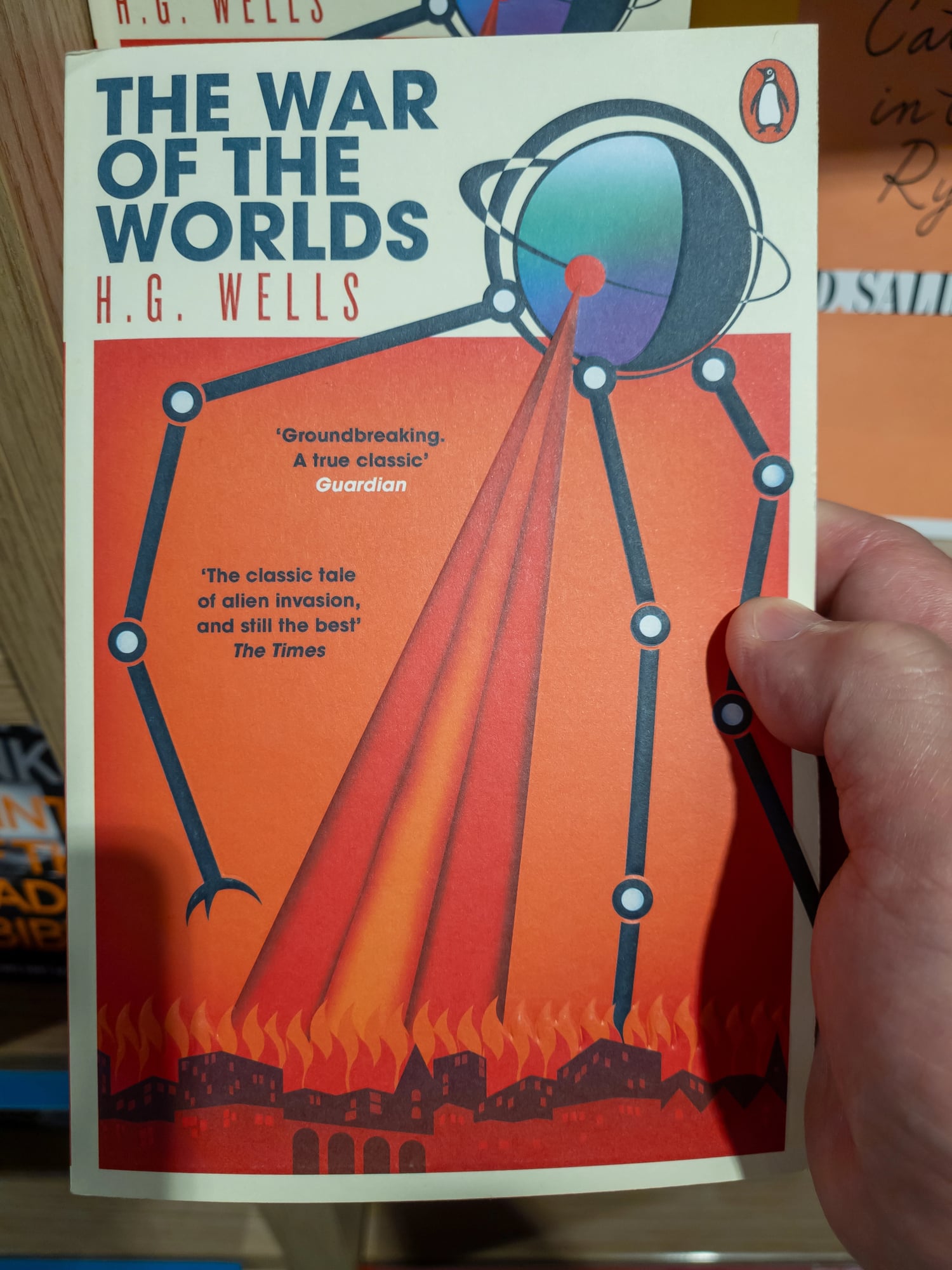
Orson Welles’s radio adaptation of H.G. Wells’s alien invasion novel used a breaking news format that convinced thousands of Americans that an actual Martian attack was underway. The broadcast included fake interviews with government officials and on-the-scene reporters describing extraterrestrial devastation.
Though reports of nationwide panic were themselves exaggerated, numerous listeners genuinely believed Earth was under attack, with some fleeing their homes or calling police departments for confirmation about the fictional invasion.
The Hitler Diaries (1983)

German magazine Stern announced the discovery of Adolf Hitler’s personal diaries, paying millions for the rights to publish them. Major news outlets worldwide, including Newsweek and The Sunday Times, covered the sensational find, with handwriting experts initially authenticating the documents.
Within weeks, forensic analysis revealed the diaries were actually written on modern paper using post-war ink, exposing them as forgeries created by Konrad Kujau, who had previously sold fake Nazi memorabilia to collectors seeking historical artifacts.
The Balloon Boy Incident (2009)

Americans watched breathlessly as a homemade silver balloon soared across Colorado, allegedly with six-year-old Falcon Heene trapped inside. News helicopters tracked the balloon’s journey while rescue teams strategized about saving the boy.
After the balloon landed empty, the child was “found” hiding in his family’s attic, claiming he had been there all along. Suspicions arose when the boy accidentally revealed during a CNN interview that the family “did it for the show,” exposing the incident as a publicity stunt orchestrated by his parents.
The Piltdown Man (1912)
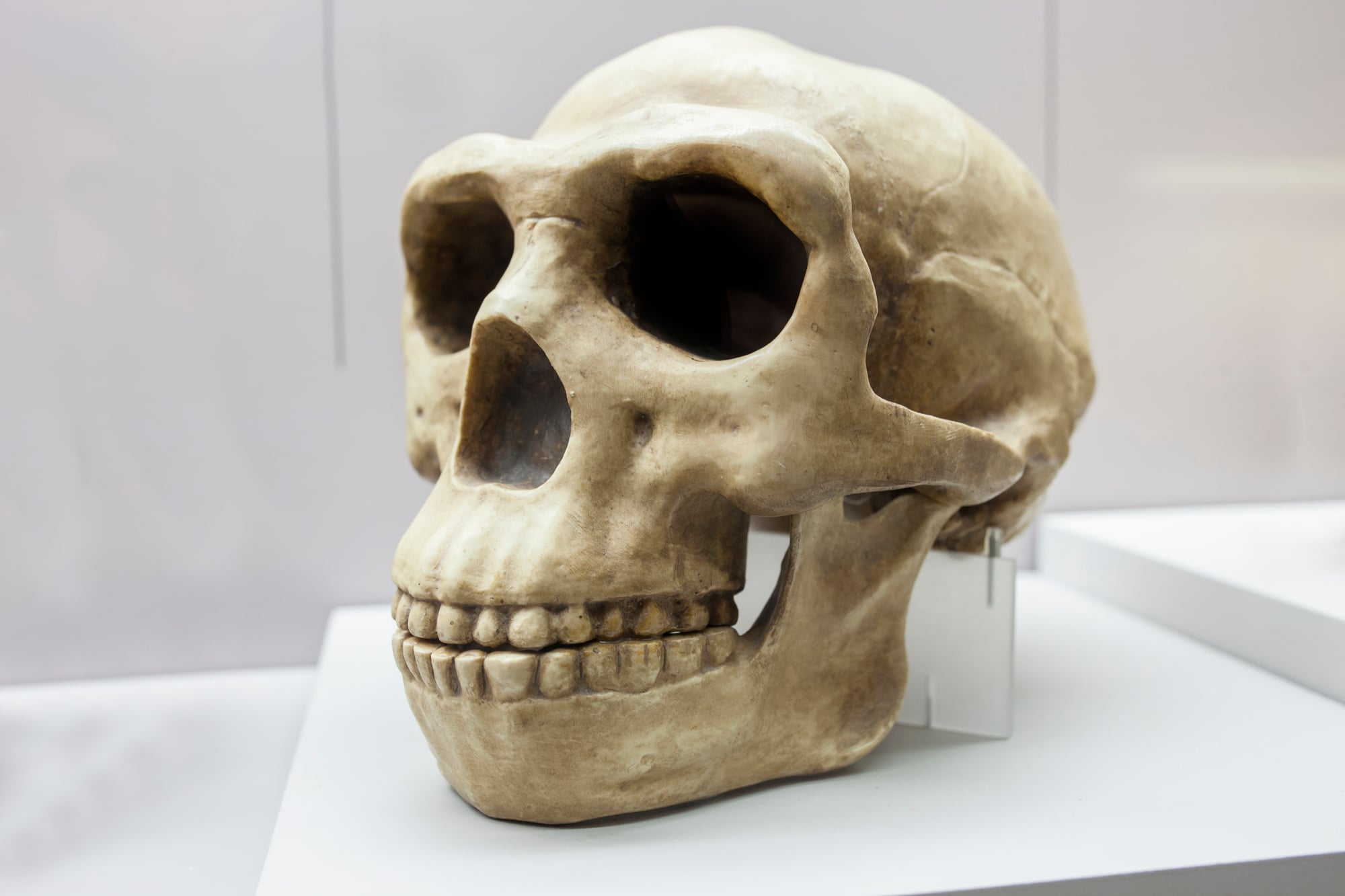
Announced as the “missing link” between apes and humans, this supposed fossil discovery fooled the scientific establishment for decades. The skeletal remains allegedly found in Piltdown, England, featured a human-like skull with an ape-like jawbone, perfectly matching expectations about human evolution at that time.
The British discovery received enormous scientific attention until 1953, when modern testing techniques revealed that the “fossil” consisted of a human skull, an orangutan jaw, and chimpanzee teeth artificially aged using chemicals.
The KTVU Asiana Airlines Names (2013)

Following an Asiana Airlines crash at San Francisco International Airport, Oakland TV station KTVU reported the pilots’ names as “Sum Ting Wong,” “Wi Tu Lo,” “Ho Lee Fuk,” and “Bang Ding Ow” during a serious news broadcast. The names were read aloud on air without anyone at the station recognizing the crude prank.
The National Transportation Safety Board subsequently admitted that an intern had improperly confirmed these obscene fake names to the station, bringing immense discredit to the news organization and questioning verification procedures when there is breaking news.
The Fiji Mermaid (1842)

Legendary showman P.T. Barnum exhibited what he claimed was a mermaid discovered near Fiji, charging admission to view this supposed natural wonder. Newspapers across America covered the spectacle, and thousands lined up to witness the miraculous creature.
The “mermaid” was actually a monkey torso sewn to a fish tail and covered with papier-mâché, created by Japanese fishermen decades earlier. Barnum’s marketing genius and strategic use of scientific-sounding language convinced many educated Americans that the creature might be authentic despite its grotesque appearance.
The Crop Circle Phenomenon (1970s–1990s)

Mysterious circular patterns appearing overnight in British and American wheat fields sparked theories about alien communications, earth energies, and supernatural forces. News outlets regularly featured these geometric designs, with experts analyzing their potential extraterrestrial origins.
In 1991, British landscape artists Doug Bower and Dave Chorley revealed they had created hundreds of crop circles using simple tools like boards and rope, inspiring copycat circle-makers worldwide. Despite this confession, many believers maintained that while some circles were hoaxes, others remained genuinely unexplained phenomena.
The Taco Bell Liberty Bell (1996)

Numerous major newspapers reported that Taco Bell had purchased the Liberty Bell and renamed it the “Taco Liberty Bell” as part of a corporate sponsorship deal. The fast-food chain announced the acquisition through full-page newspaper ads on April 1st, triggering outraged calls to the National Park Service from concerned citizens.
The White House even joined the fun, jokingly announcing they had sold the Lincoln Memorial to Ford Motor Company. By noon, Taco Bell revealed the prank, which had successfully demonstrated the power of corporate April Fools’ marketing.
The Cardiff Giant (1869)
Discovered by workers digging a well in Cardiff, New York, this ten-foot petrified “man” created a national sensation. Thousands paid admission to view what was variously claimed to be an ancient petrified human, biblical giant, or prehistoric statue.
The figure was actually created by tobacconist George Hull, who commissioned a stone carving and arranged its burial after becoming annoyed with biblical literalists who insisted giants once walked the earth. The hoax became so profitable that P.T. Barnum created his own fake giant after failing to purchase the original.
The Alien Autopsy Film (1995)

Fox television broadcast Alien Autopsy: Fact or Fiction, featuring grainy black-and-white footage supposedly showing government doctors dissecting an extraterrestrial recovered from the 1947 Roswell crash. The special drew massive ratings and international media attention, with experts analyzing the footage frame-by-frame.
Film distributor Ray Santilli maintained the footage’s authenticity until 2006, when he admitted it was a recreation using pig brains, raspberry jam, and a mannequin, though he continued claiming it was based on genuine footage that had deteriorated.
The Boston Marathon Bombing “Suspects” (2013)

Following the tragic Boston Marathon bombing, users on Reddit and 4chan attempted to identify suspects by analyzing photos from the scene. Amateur sleuths misidentified several innocent people, including missing student Sunil Tripathi, whose name spread across social media and was picked up by some journalists.
Major news outlets subsequently reported the FBI was seeking these individuals based on this misinformation. The crowd-sourced investigation demonstrated how online speculation combined with rushed journalism can create dangerous false accusations during breaking news events.
The Facebook Privacy Notice (2012–Present)
Periodically, millions of Facebook users have posted legal-sounding declarations supposedly protecting their privacy and copyright from the social media platform. These viral posts typically include phrases like “I do not give Facebook permission to use my pictures” and cite nonexistent laws or regulations.
Major news organizations have repeatedly debunked these useless declarations, explaining that users already agreed to the platform’s terms of service. Despite regular media corrections, this particular hoax resurfaces every few years with slight variations, fooling new generations of users.
The Pacific Northwest Tree Octopus (1998)

This fictional endangered species created by Lyle Zapato as an internet literacy test gained surprising credibility over time. The website described the octopus as living in Washington state’s rainforests, providing detailed fake scientific information and conservation appeals.
The hoax primarily demonstrated how easily misinformation could spread online, with a 2006 study finding 26 of 27 students believed the species was real even after being told to evaluate the site’s credibility. Even today, the tree octopus occasionally appears in news coverage about internet misinformation.
Mary Toft’s Rabbit Births (1726)

In one of history’s strangest medical hoaxes, an English woman Mary Toft convinced doctors, including the royal surgeon, that she was giving birth to rabbits. The case became a national sensation with newspapers reporting each new rabbit birth.
Toft’s deception involved inserting dead rabbits into her body before “delivering” them in front of increasingly distinguished medical witnesses. The hoax collapsed when Toft was caught smuggling rabbits into her hospital room, leading to her confession and widespread embarrassment among the medical professionals who had certified the births as genuine.
The Flashdance Welder (1982)

The press widely reported that the movie Flashdance was based on the true story of Gina Korson, a female construction worker who aspired to be a professional dancer. Newspapers ran profiles of Korson detailing her journey from welding to dancing.
Paramount Pictures eventually admitted Korson was actually an actress hired as part of the film’s publicity campaign and had never worked in construction. The fabrication successfully generated significant media coverage for the film while raising questions about journalistic verification standards in entertainment reporting.
The Enduring Power of Deception

These hoaxes reveal recurring patterns in successful deceptions, from exploiting existing beliefs to leveraging trusted institutions as validators. While digital technology has created new vectors for misinformation, many classic techniques for fooling the public remain remarkably consistent across centuries.
Today’s information environment demands greater skepticism, yet the fundamental human tendencies that made these hoaxes effective—our desire for extraordinary stories, trust in apparent authority, and willingness to believe what aligns with our existing worldview—remain deeply embedded in how we process information. Understanding these historical examples helps inoculate us against future deceptions, reminding us that extraordinary claims require equally extraordinary evidence.
More from Go2Tutors!

- The Romanov Crown Jewels and Their Tragic Fate
- 13 Historical Mysteries That Science Still Can’t Solve
- Famous Hoaxes That Fooled the World for Years
- 15 Child Stars with Tragic Adult Lives
- 16 Famous Jewelry Pieces in History
Like Go2Tutors’s content? Follow us on MSN.