15 Perfect Designs That Never Lasted
Every era produces ideas that seem destined to endure forever. They arrive with such clarity and purpose that permanence feels inevitable.
These designs work exactly as intended, solve real problems, and often improve on everything that came before. But perfection, it turns out, isn’t always enough.
Technology shifts, tastes evolve, and what once seemed essential becomes a curiosity. These fifteen designs achieved something rare — they got everything right — and then disappeared anyway.
Polaroid Instant Cameras
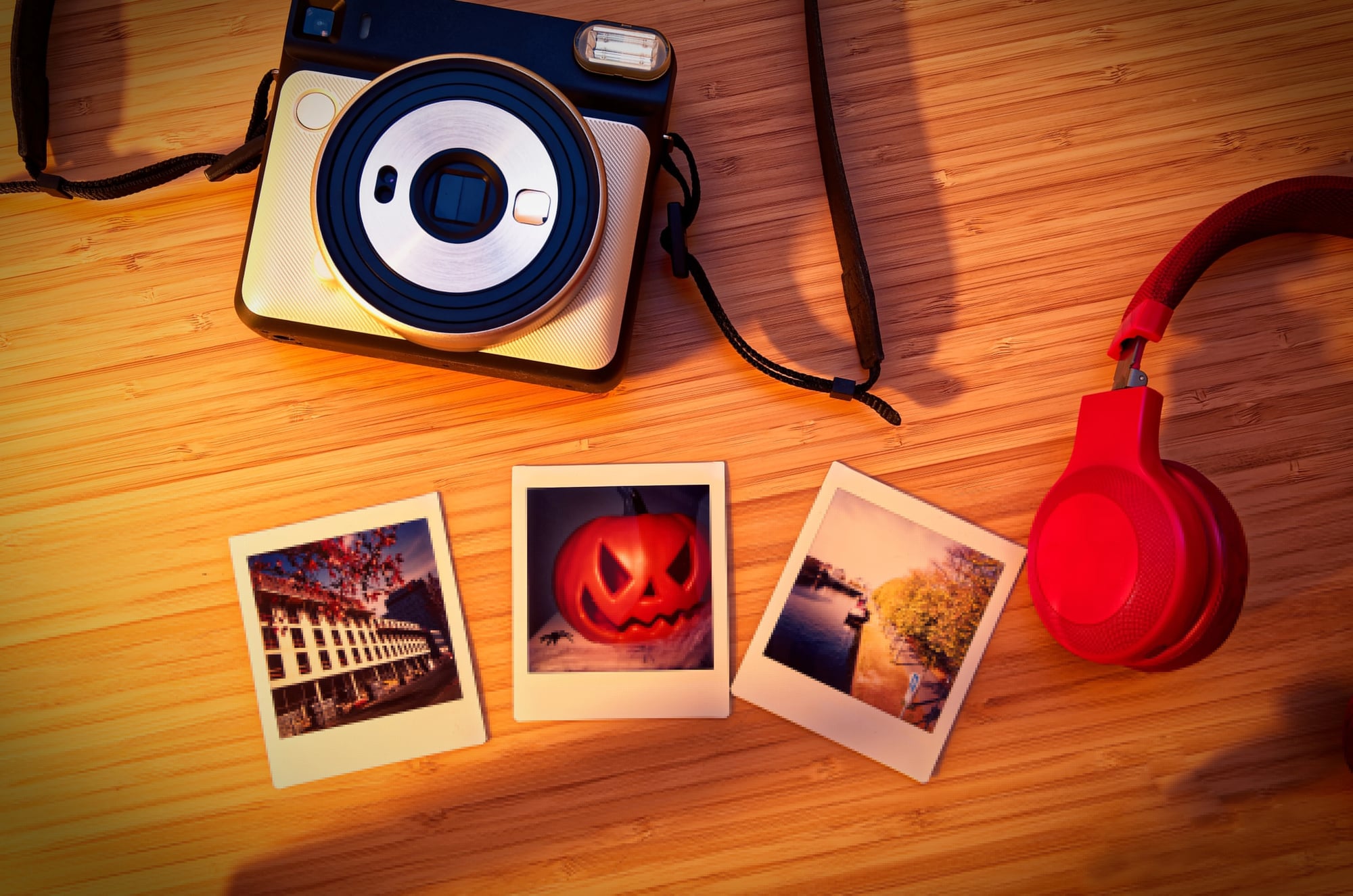
Polaroid cameras did something magical. Point, shoot, wait sixty seconds.
A photograph materialized in your hands while you watched. No darkroom, no lab, no waiting a week to see if you blinked.
Betamax
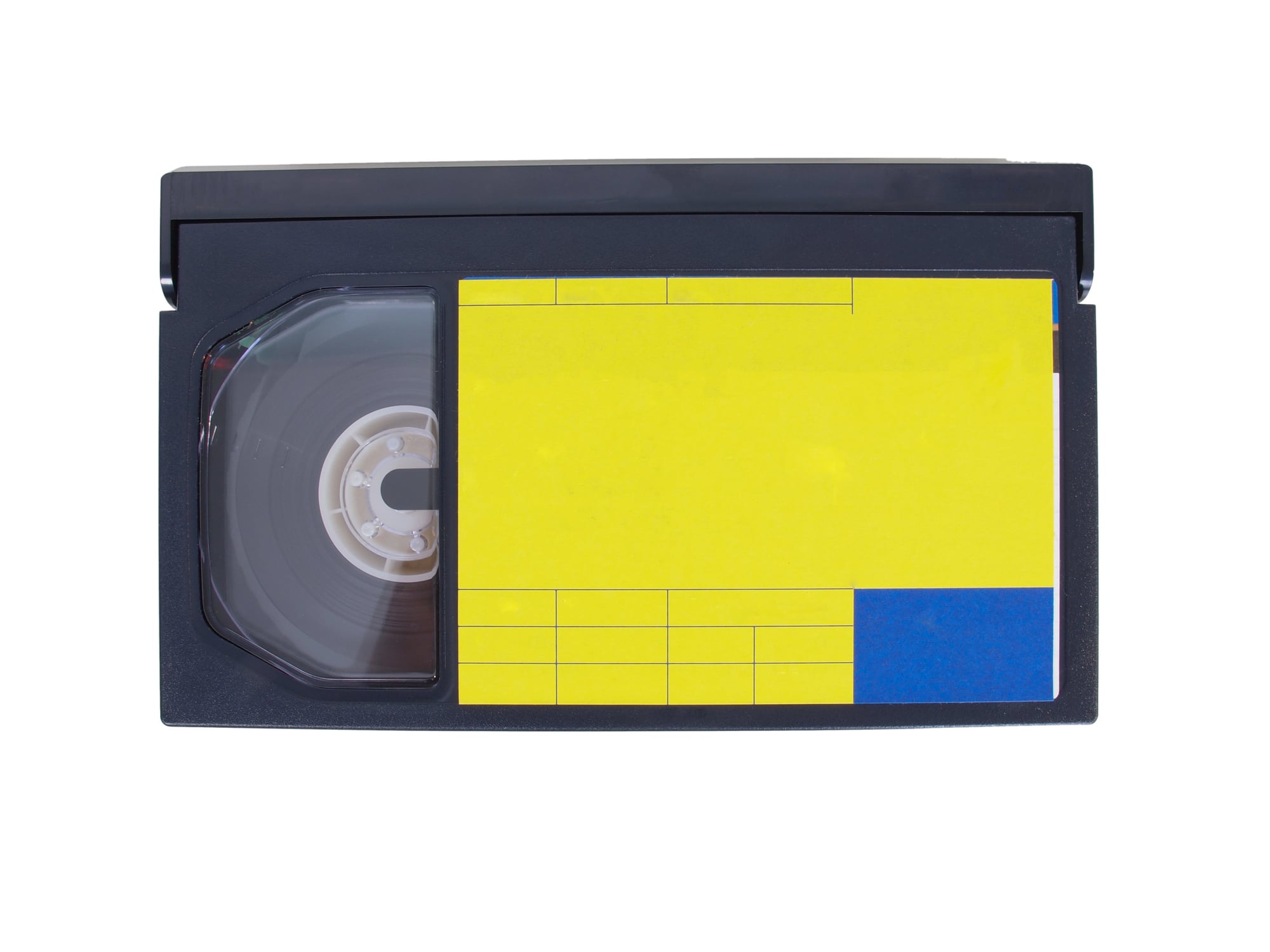
The technical specs told the whole story — superior video quality, better build construction, and recording capabilities that made VHS look amateurish (which, to be fair, it often was). Sony engineered Betamax as the format serious videophiles would choose, and they weren’t wrong about the performance advantage.
But VHS had something else: longer recording times and the willingness to let adult entertainment use their format. So the better technology lost, and lost decisively — because sometimes the market doesn’t care about your superior engineering when convenience and content availability are sitting right there.
Newton MessagePad
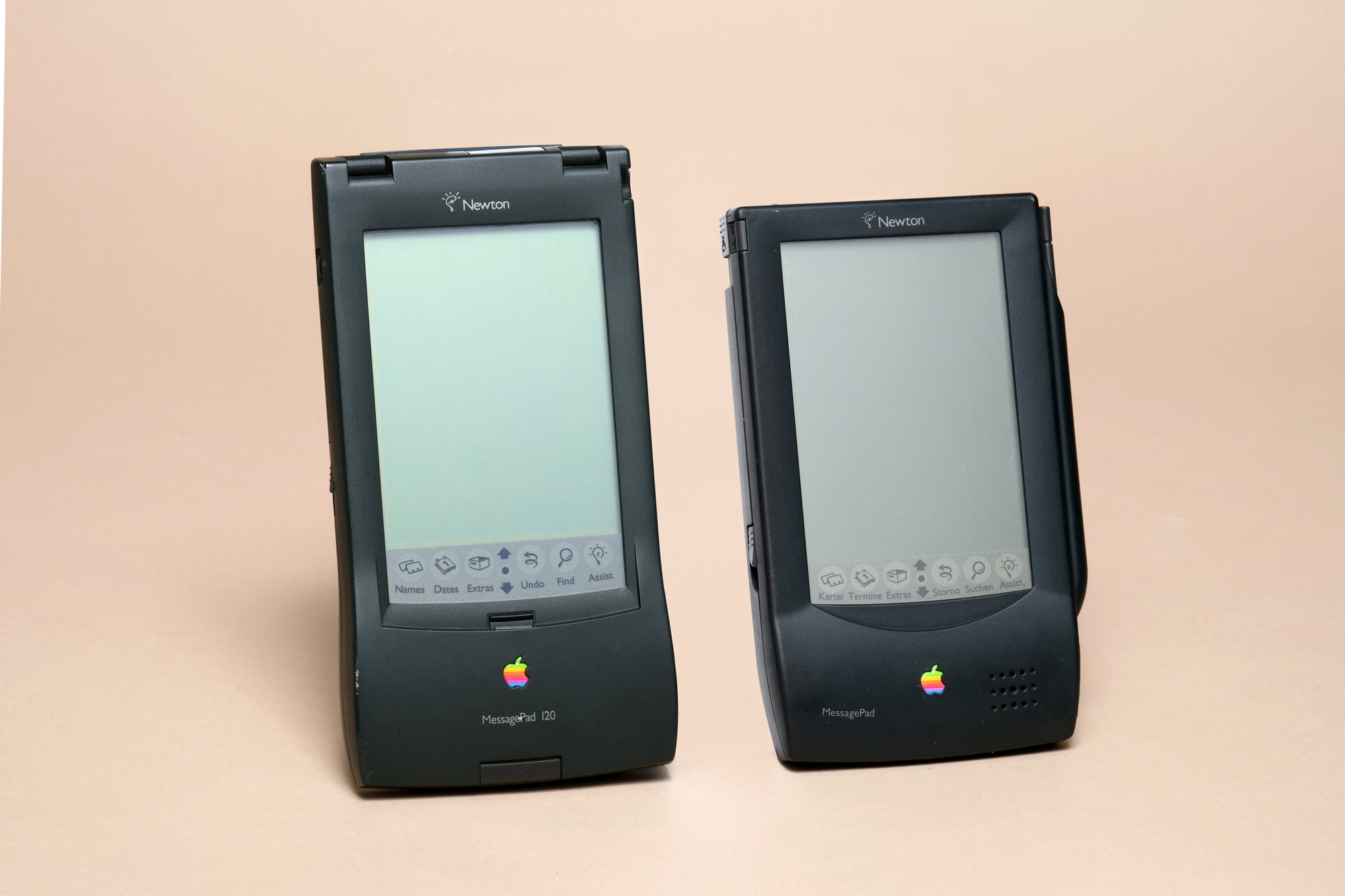
The Newton MessagePad sits in tech history like a rough draft of the future — you can see exactly where the idea was headed, even when the execution couldn’t quite get there yet. Apple launched it in 1993 with handwriting recognition that worked just well enough to be frustrating (the jokes about its transcription errors became legendary), but the concept was flawless: a handheld computer that understood natural input and organized your digital life.
The MessagePad had email, notes, calendar integration, and a stylus interface that felt intuitive — it was essentially an iPad arriving seventeen years too early, before processors were fast enough and batteries lasted long enough to make the vision work seamlessly. And yet, when you held one, you could sense exactly what computing was going to become.
Concorde Supersonic Jet

Flying faster than sound turned a seven-hour trip into three and a half hours. The engineering worked flawlessly.
The experience delivered exactly what it promised. But fuel costs, noise restrictions, and ticket prices that only expense accounts could justify made it unsustainable.
LaserDisc
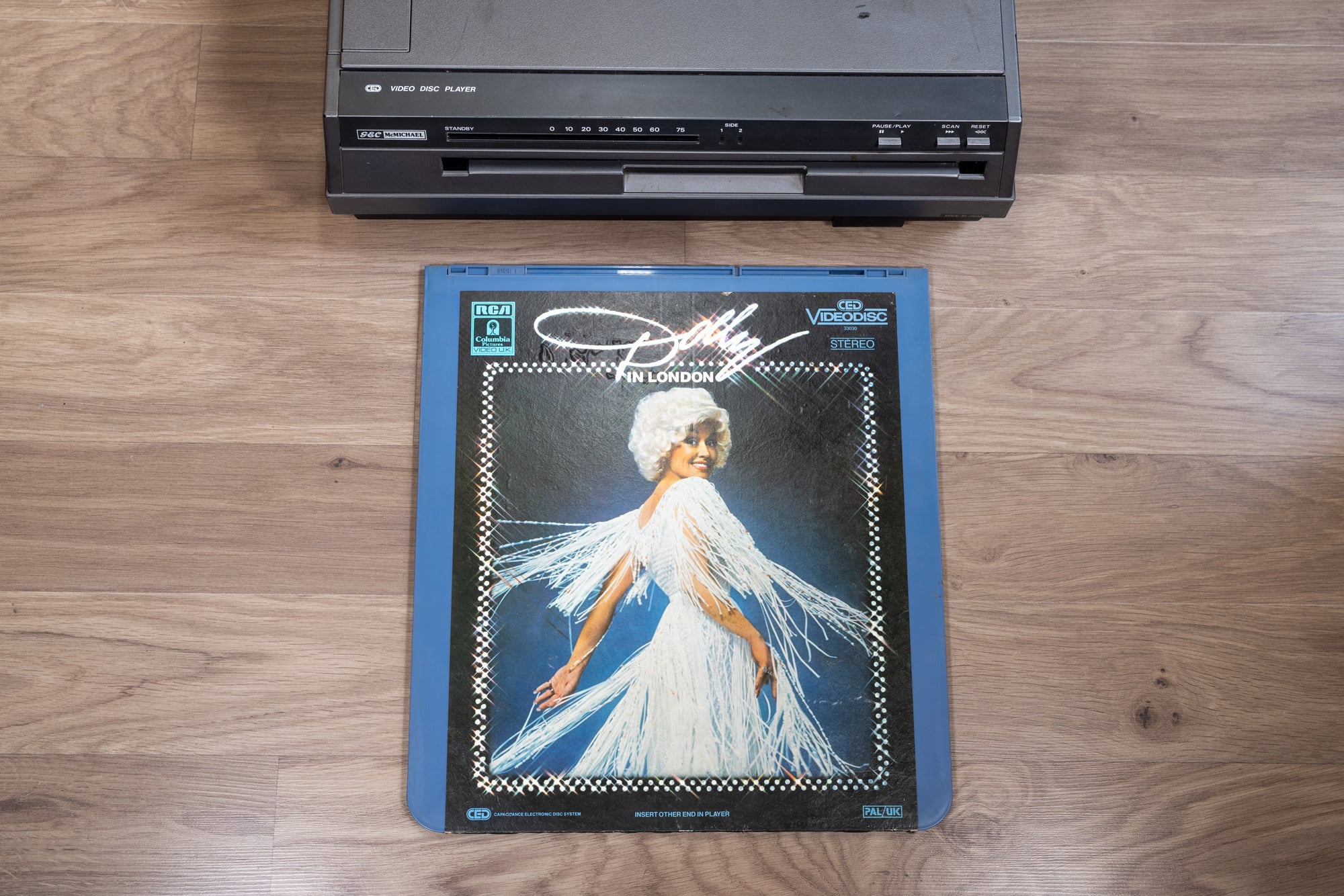
LaserDisc delivered movie-quality video and digital audio when VHS tapes were still fuzzy and muffled. The picture clarity was remarkable — no rewinding, no degradation, no tracking issues that plagued rental tapes.
Directors loved the format because it preserved their work exactly as intended, and film enthusiasts built entire collections around discs that cost thirty dollars each. But the players were expensive, the discs were massive (literally the size of vinyl records), and you couldn’t record anything.
DVD eventually offered most of the same benefits in a package that fit in your pocket and cost a fraction of the price. So LaserDisc became the format for people who cared more about quality than practicality — which turned out to be a much smaller market than anyone anticipated.
Segway Personal Transporter
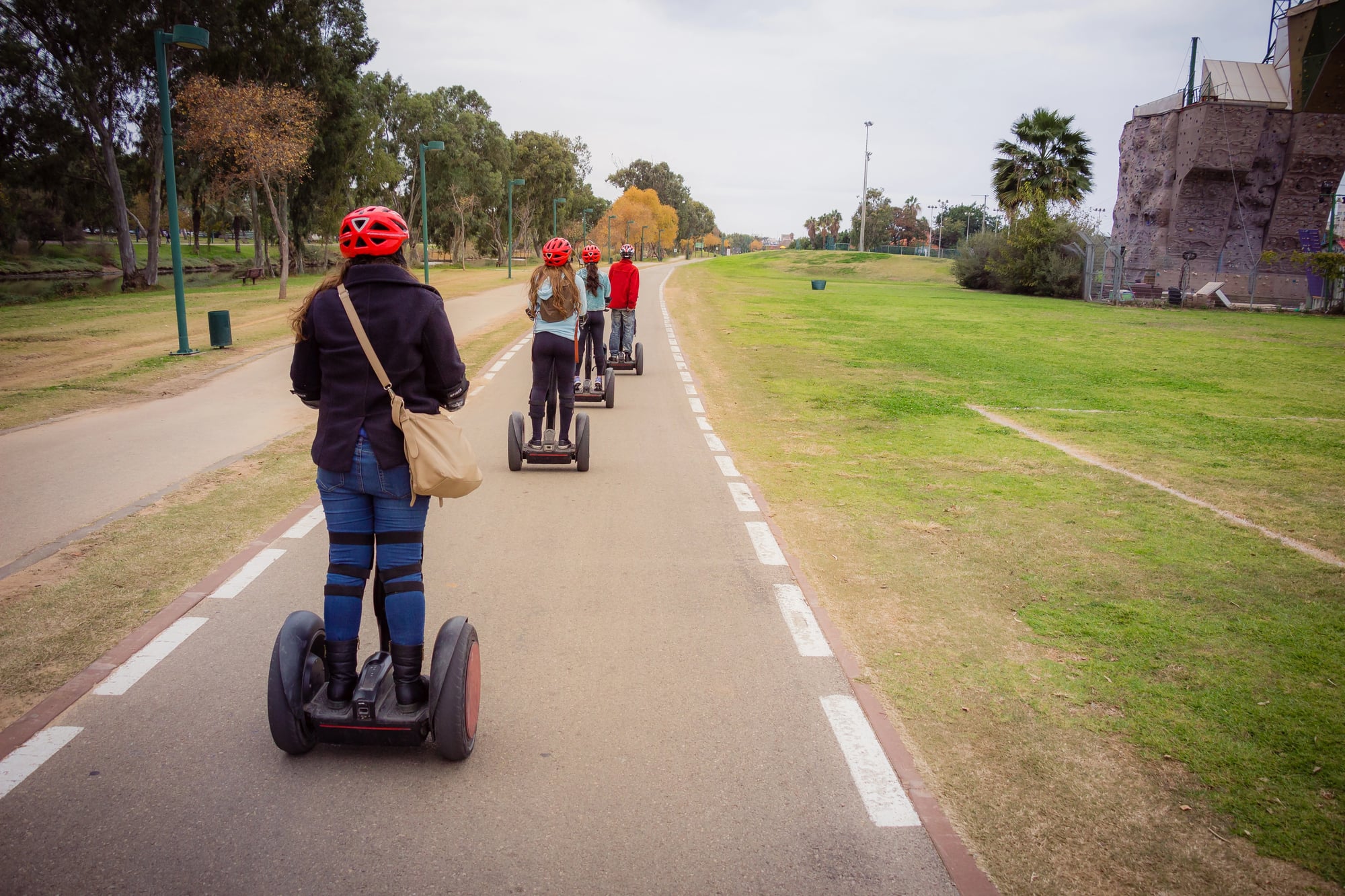
The Segway moved like an extension of your body. Lean forward to go, lean back to stop, shift your weight to turn.
No learning curve, no complicated controls, just intuitive motion that felt natural within minutes. It was quiet, emission-free, and could travel twelve miles on a single charge.
The design was genuinely elegant — a standing platform that responded to subtle balance shifts, letting you glide through spaces too narrow for cars but too far for comfortable walking. The engineering was remarkable, the user experience was smooth, and the practical applications seemed obvious for everything from campus transportation to urban commuting.
Yet somehow it never moved beyond novelty status, relegated to tourist tours and mall security guards instead of becoming the urban mobility solution it was designed to be.
HD DVD
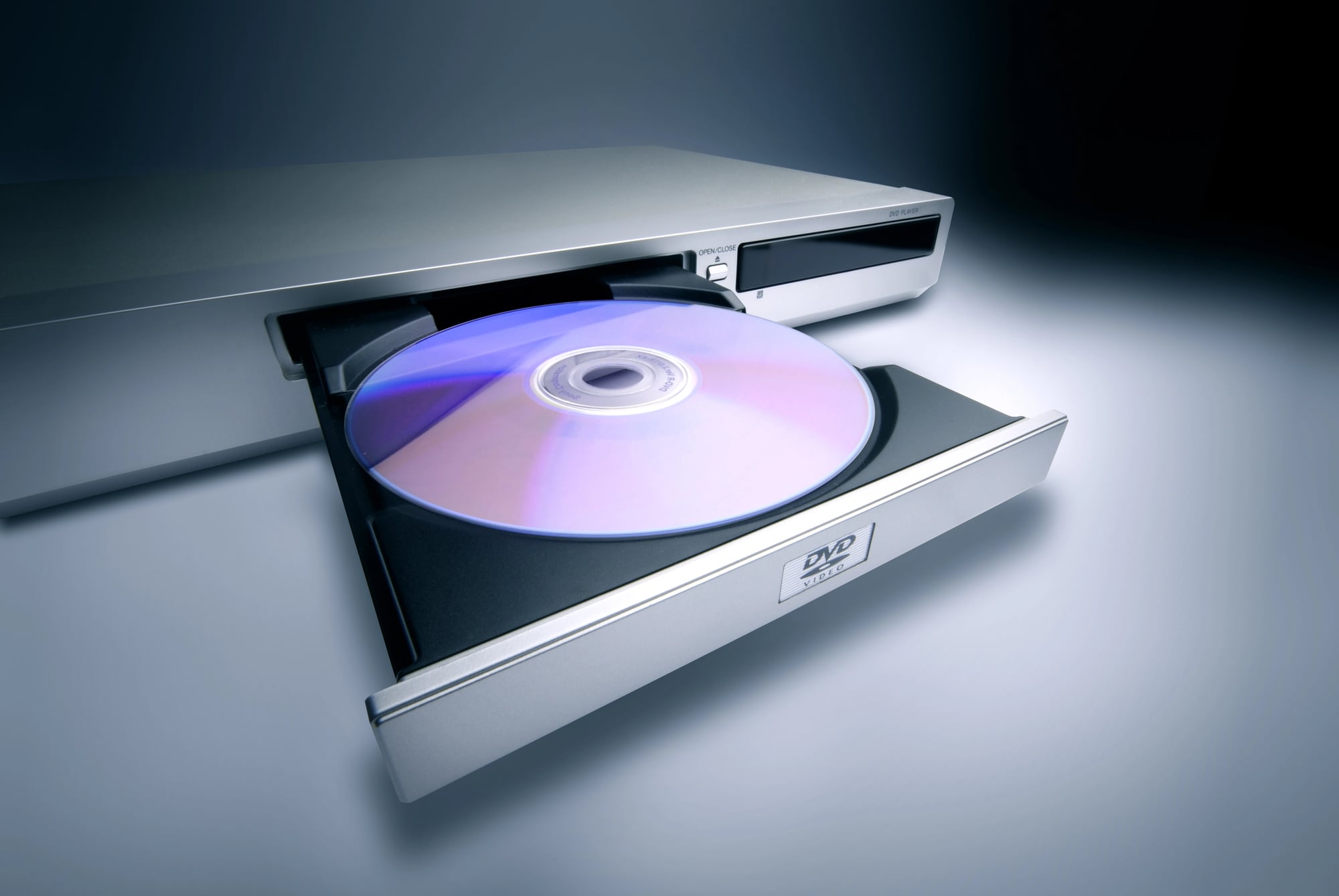
HD DVD had industry backing, reasonable licensing fees, and picture quality that matched Blu-ray disc for disc. The format wasn’t technically inferior — it just picked the wrong war.
Sony bundled Blu-ray players into every PlayStation 3, creating an installed base that HD DVD couldn’t match. When major studios started choosing sides, HD DVD lost momentum fast.
The technology worked perfectly; the business strategy didn’t.
Google Glass
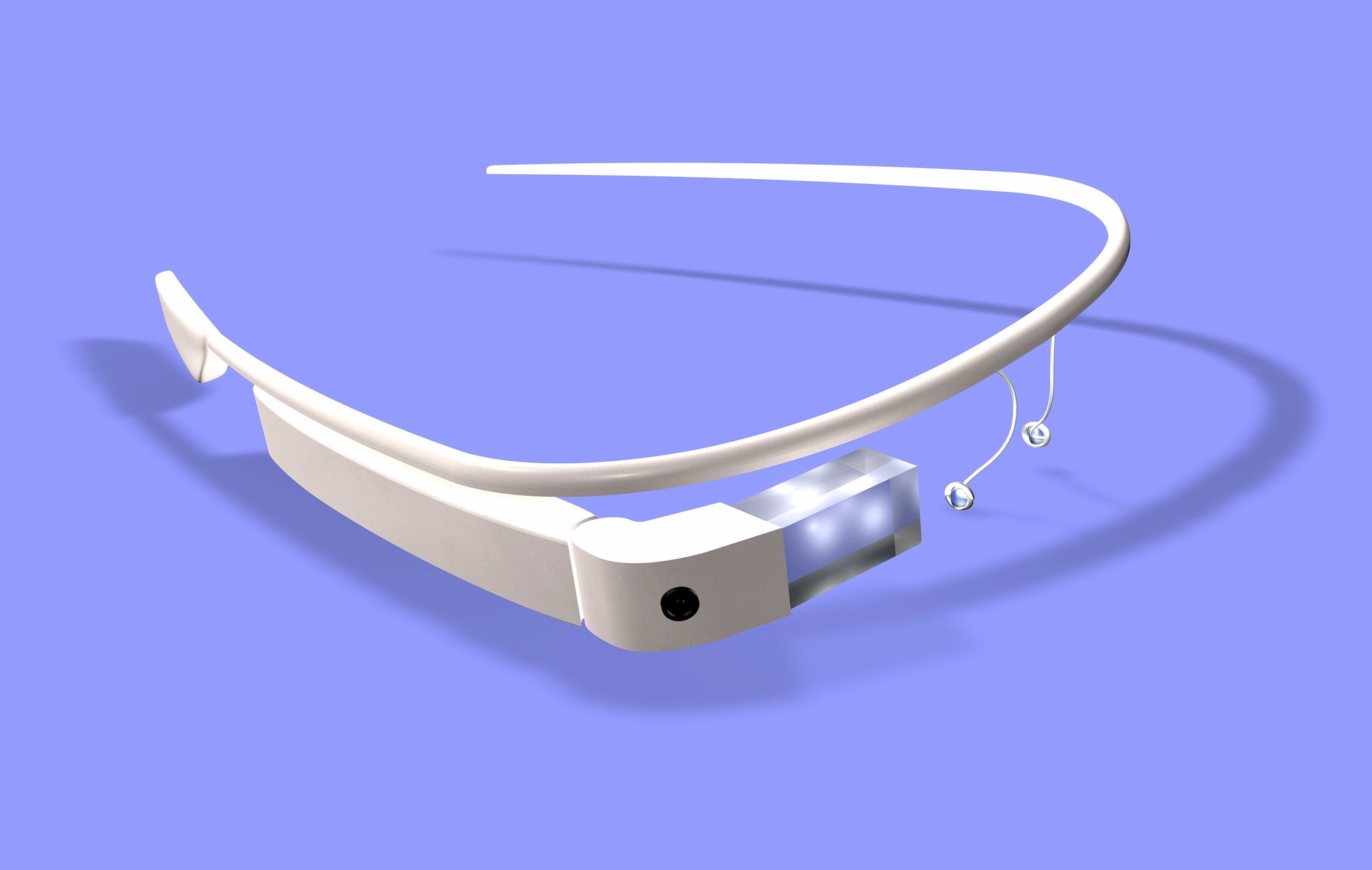
Picture having directions, messages, and information floating at the edge of your vision without ever looking down at a phone — that was Google Glass, and the core concept remains as compelling now as it was in 2013 (maybe more so, given how often people stare at their devices). The heads-up display worked smoothly, voice commands felt natural, and the integration with Google services was seamless.
You could take photos, record videos, get navigation prompts, and handle text messages without breaking stride or dropping your attention from whatever you were actually doing. The technology functioned exactly as advertised, solving a real problem that anyone who’s tried to follow GPS directions while walking through an unfamiliar city would recognize immediately.
But the social backlash was swift and brutal — people didn’t want to be recorded without knowing it, the design screamed “tech early adopter” in ways that felt intrusive, and the price point put it firmly in gadget enthusiast territory rather than mass market appeal.
TiVo

TiVo changed how people watched television. Pause live TV, skip commercials, record shows automatically based on preferences you set once.
The interface was intuitive, the remote made sense, and season passes meant never missing episodes again. But cable companies had other plans — they built DVR functionality into their set-top boxes and made TiVo feel like an expensive redundancy.
Flip Video Camera
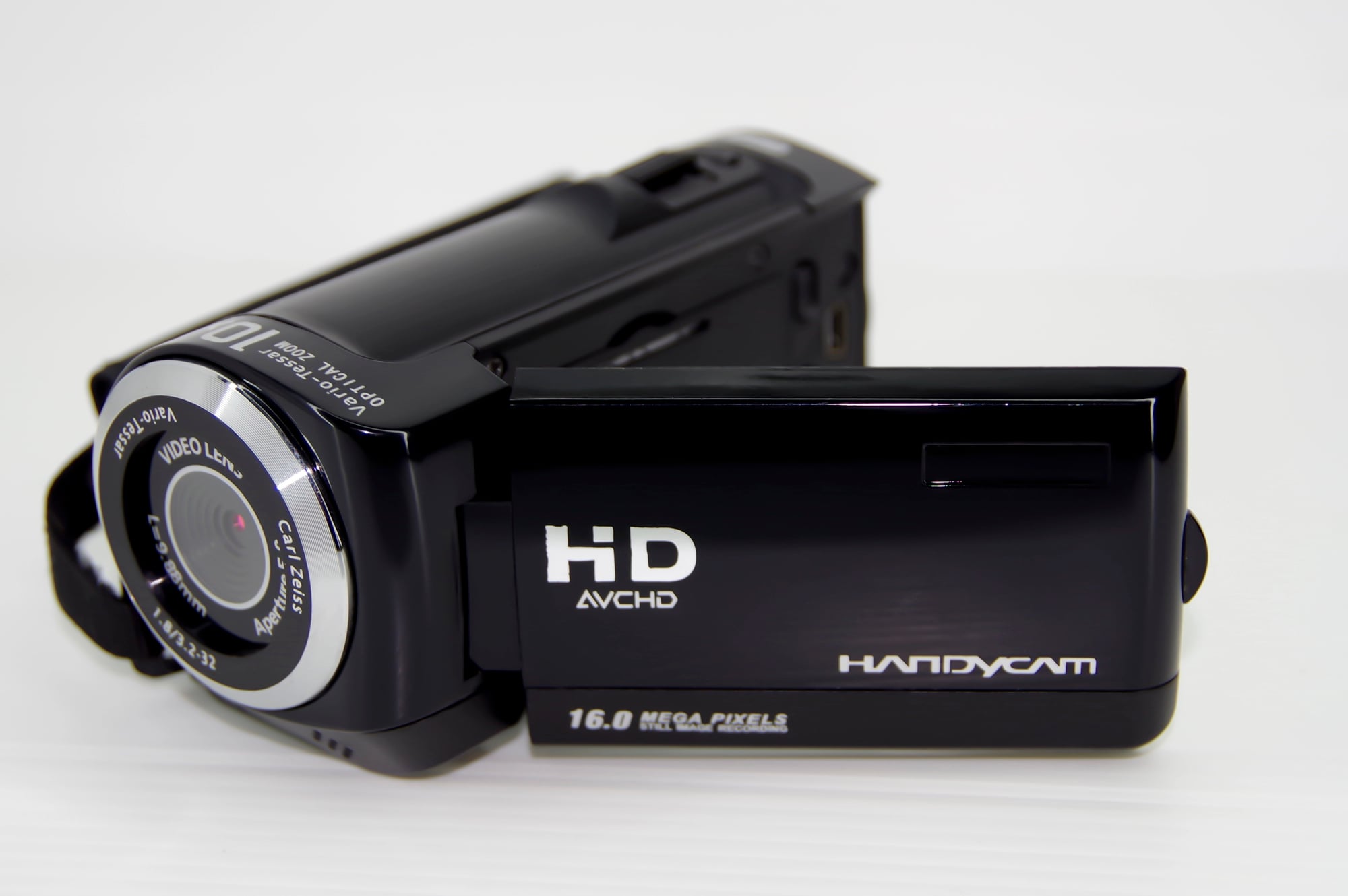
The Flip camera nailed portable video recording before smartphones had decent cameras — one-button operation, USB connector that flipped out of the device (hence the name), and video quality that was perfectly adequate for sharing online or keeping personal memories. No complicated menus, no battery charging hassles, no memory cards to lose.
You pointed it at something, pressed record, and when you were done, you plugged it directly into your computer and uploaded the footage. The simplicity was the entire point: a video camera that worked like a disposable camera but kept the footage forever.
Cisco bought the company for $590 million in 2009, then killed the product line two years later when it became clear that smartphone cameras were improving fast enough to make dedicated video devices unnecessary. The Flip worked exactly as designed right up until everyone carried a better video camera in their pocket without realizing it.
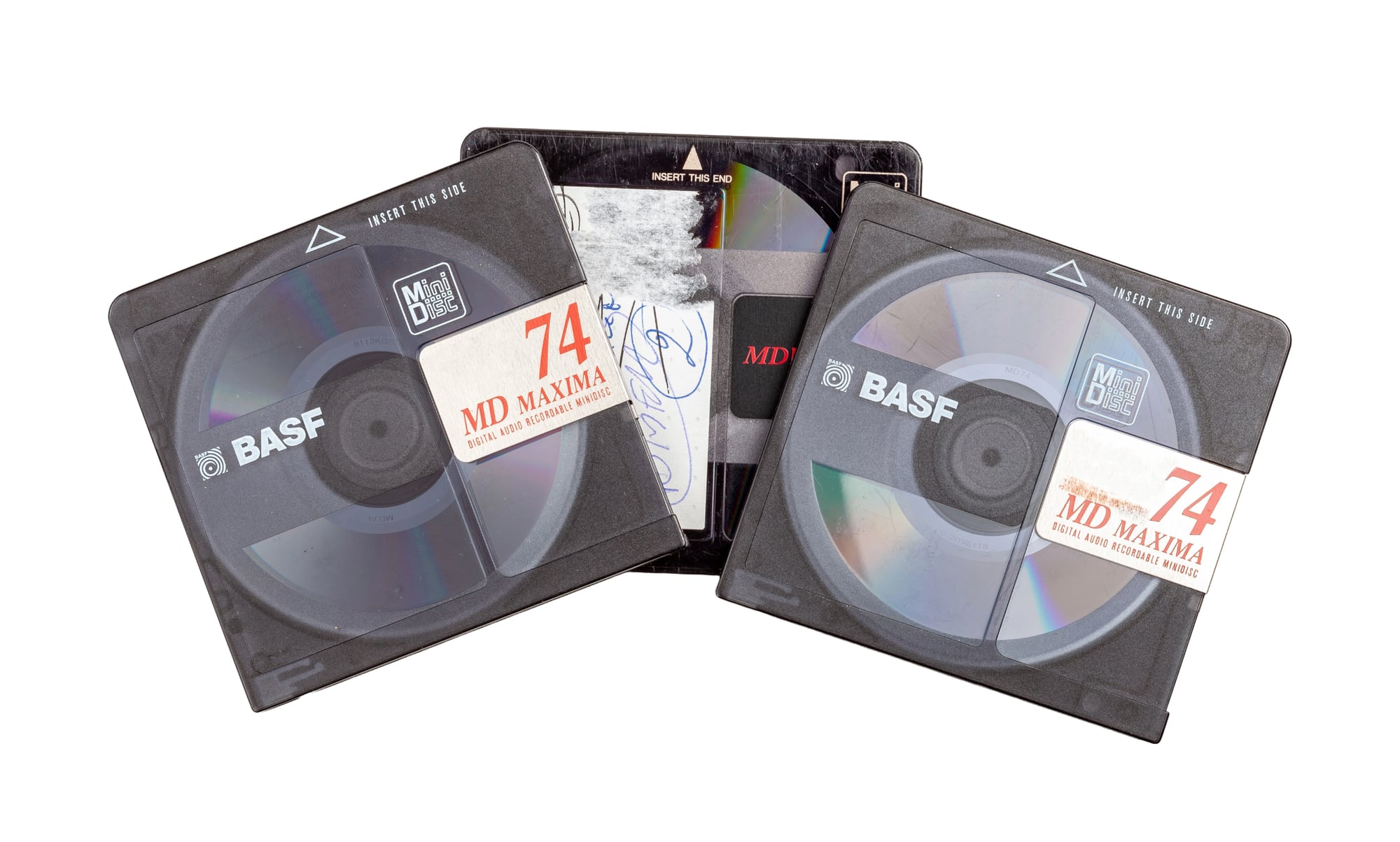
MiniDisc
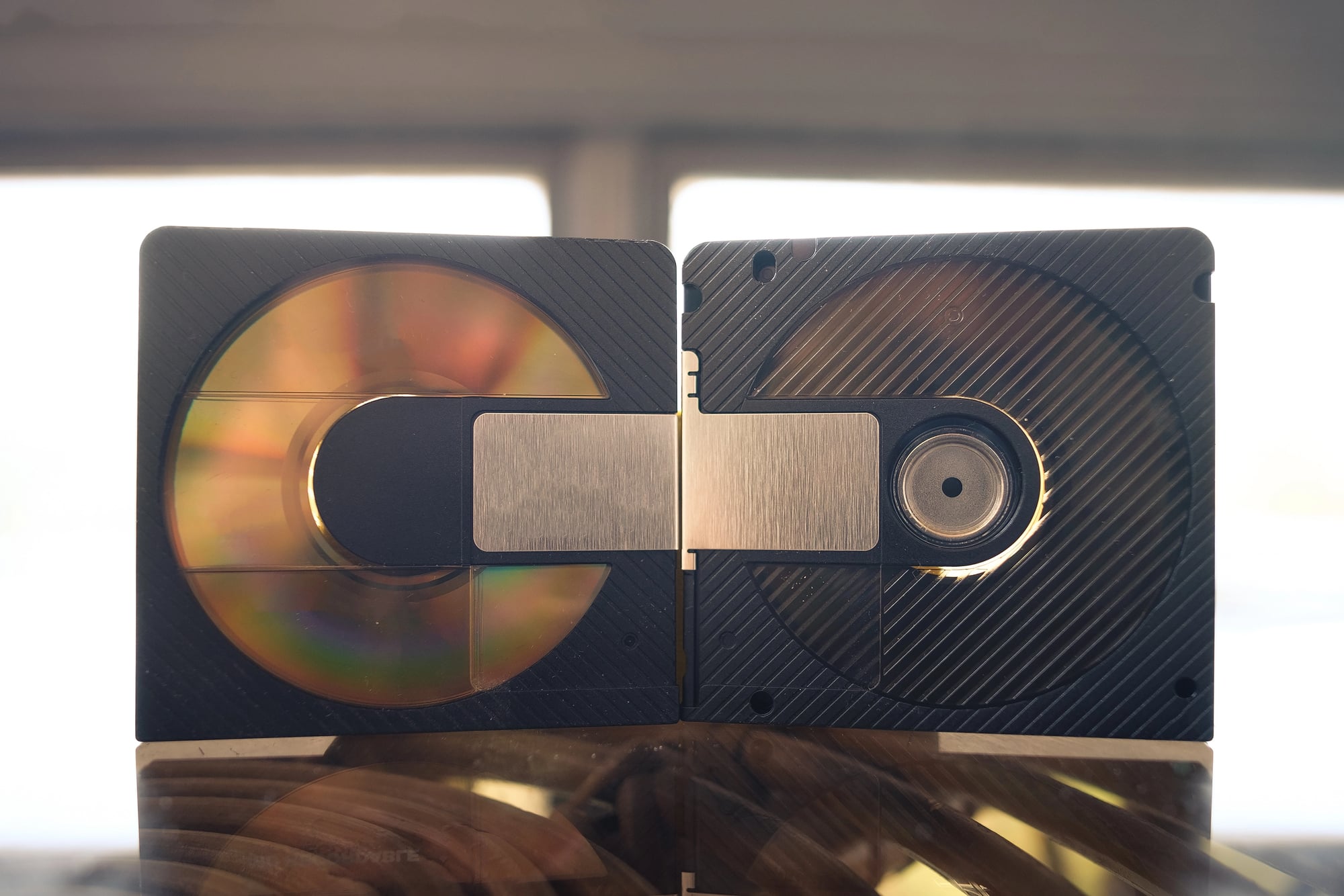
MiniDisc offered CD-quality sound in a format smaller than a cassette tape, with the durability of something you could actually throw in a backpack without worry. Sony’s magnetic-optical hybrid storage was clever engineering — you could record, erase, and re-record hundreds of times, plus edit track lists and add titles directly on the device.
The sound quality was legitimately impressive, especially compared to cassette tapes, and the shock protection meant your music didn’t skip when you walked or ran. Musicians and audio professionals appreciated the format because it let them make high-quality recordings in portable situations where DAT players were overkill and cassette recorders were inadequate.
But MiniDisc launched right as CD players became portable and affordable, then got squeezed out entirely when MP3 players arrived and made physical media feel unnecessarily bulky. It was a perfect solution that arrived just as the problem it solved was disappearing.
Palm Pilot
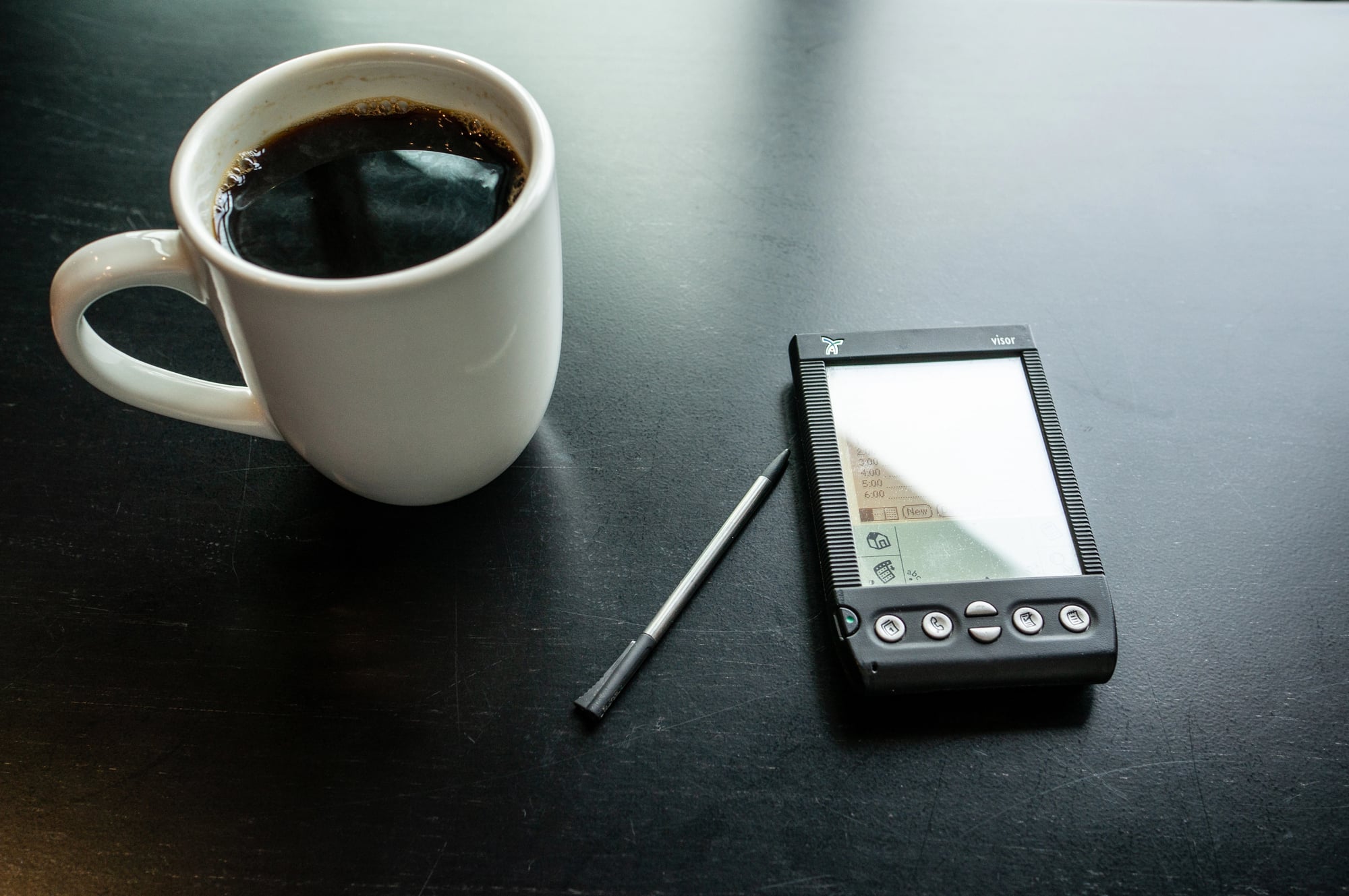
Personal digital assistants made sense. Keep your calendar, contacts, and to-do lists in one device that synced with your computer.
Palm’s Graffiti handwriting system was actually faster than typing once you learned it. The battery lasted weeks, not hours.
Plasma TVs

Plasma displays delivered the best picture quality available for years — deeper blacks, better contrast ratios, and color accuracy that LCD screens couldn’t match at any price point. The technology worked by exciting gas particles to create light, which sounds complicated but resulted in images that looked remarkably natural, especially in darker rooms.
Motion handling was superior too; fast-moving sports and action sequences that caused LCD screens to blur or lag looked smooth and clear on plasma panels. Home theater enthusiasts swore by them because the picture quality was genuinely better in ways you could see immediately when comparing them side by side.
But plasma screens ran hot, consumed more power than LCD alternatives, and suffered from burn-in if static images stayed on screen too long. As LCD manufacturing scaled up and prices dropped, the energy efficiency and lower heat output won over consumers who cared more about their electric bill than perfect black levels.
Plasma technology peaked and disappeared within a decade, leaving behind a small community of enthusiasts hunting for used panels that still deliver better picture quality than most current TVs.
Google Reader
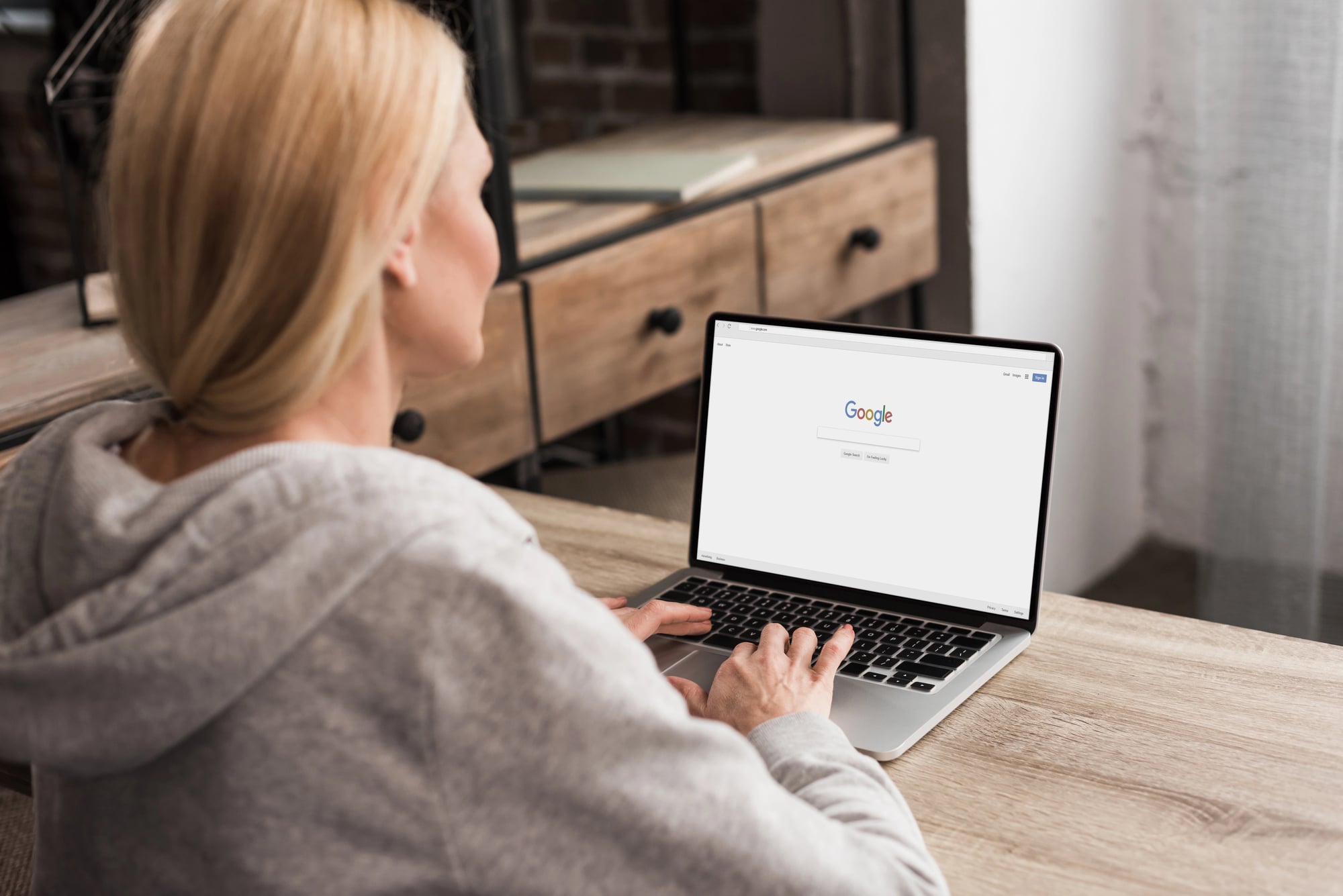
RSS feed aggregation reached its peak with Google Reader. Subscribe to any website, blog, or news source, and new posts appeared in a clean, chronological timeline.
The interface was fast, the mobile apps worked seamlessly, and sharing features let you discuss articles with friends who also used the service. It solved information overload by putting everything in one place, readable in a consistent format, without ads or design distractions from individual websites.
Power users organized hundreds of feeds into folders and could scan through massive amounts of content efficiently. But Google wanted people engaging with Google+ instead of sharing links through Reader, and advertising revenue from feed readers was essentially zero.
They killed it in 2013, despite protests from the devoted user base, and nothing has quite replaced the combination of simplicity and power that made Reader indispensable for people who followed dozens of information sources.
Pebble Smartwatch
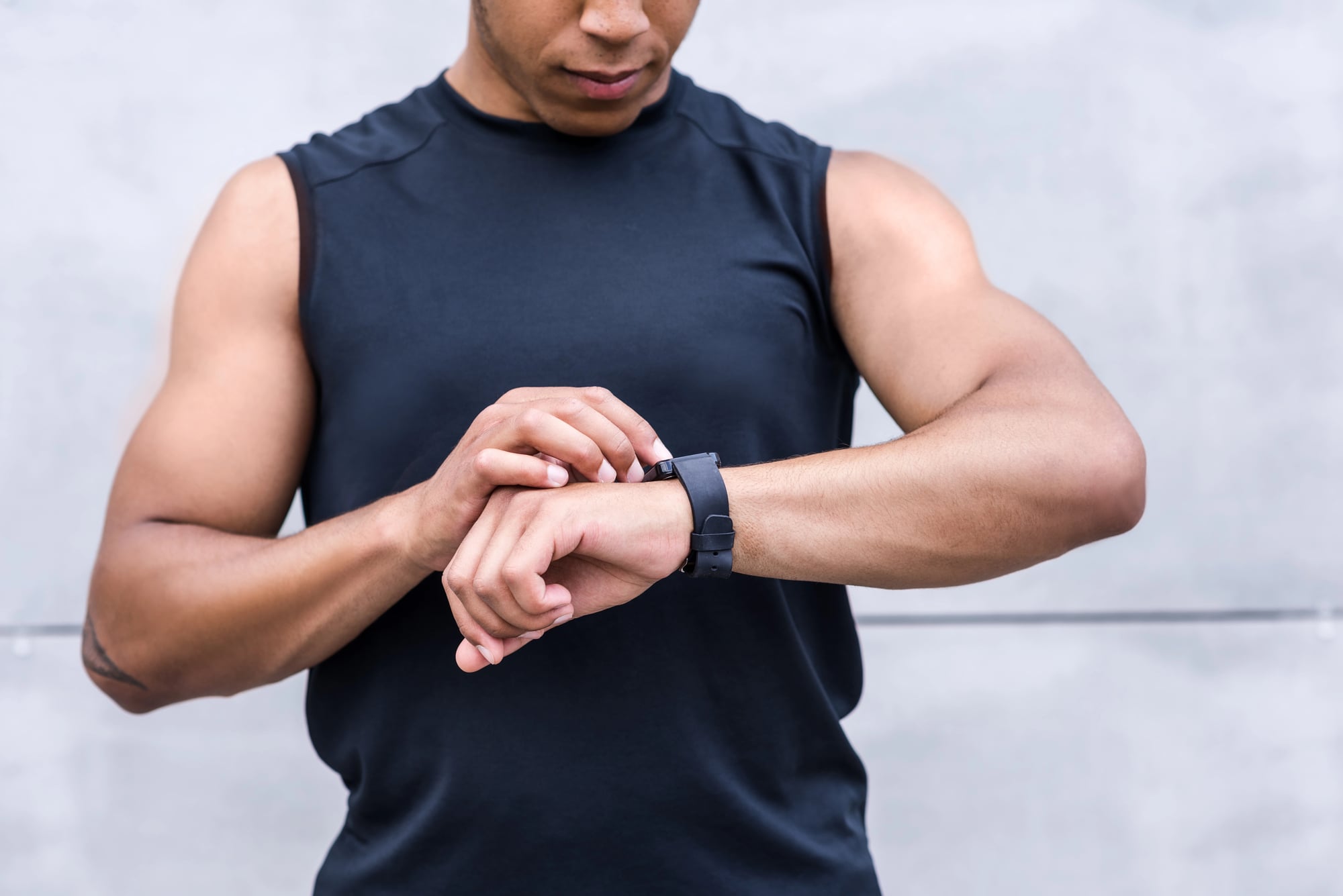
Pebble understood what a smartwatch should be before anyone else figured it out. Always-on e-paper display that stayed readable in sunlight, battery life measured in days not hours, and notifications that actually helped instead of becoming another distraction source.
The interface was simple — a few buttons, basic apps, and integration with whatever phone you already owned. Developers created thousands of watchfaces and apps because the platform was open and the development tools were accessible.
It did fitness tracking, controlled music playback, and handled messages and calls without trying to replace your phone entirely. The company raised millions through Kickstarter campaigns and built a loyal community of users who appreciated the practical, no-nonsense approach to wearable technology.
Then Apple entered the smartwatch market with deeper pockets, retail presence, and marketing budgets that Pebble couldn’t match, even though the Apple Watch initially had worse battery life and less readable outdoor visibility than the Pebble devices it eventually replaced.
When Perfect Isn’t Permanent
These designs succeeded at everything they set out to do, then vanished anyway. Technology moved, markets shifted, and perfection became irrelevant.
The lesson isn’t that good design doesn’t matter — it’s that context matters more than anyone wants to admit. Sometimes the best idea loses to the better-timed idea, and timing is the one thing you can’t design your way around.
More from Go2Tutors!

- The Romanov Crown Jewels and Their Tragic Fate
- 13 Historical Mysteries That Science Still Can’t Solve
- Famous Hoaxes That Fooled the World for Years
- 15 Child Stars with Tragic Adult Lives
- 16 Famous Jewelry Pieces in History
Like Go2Tutors’s content? Follow us on MSN.



