17 Monuments Built for the Right Reason
Throughout history, monuments have served many purposes — some noble, others questionable. While certain memorials have sparked controversy for glorifying divisive figures or celebrating dark chapters of our past, many others stand as powerful reminders of humanity’s capacity for courage, sacrifice, and progress.
These structures honor genuine heroes, commemorate pivotal moments of justice, and celebrate achievements that moved civilization forward. They remind us not just where we’ve been, but who we can aspire to become.
Vietnam Veterans Memorial
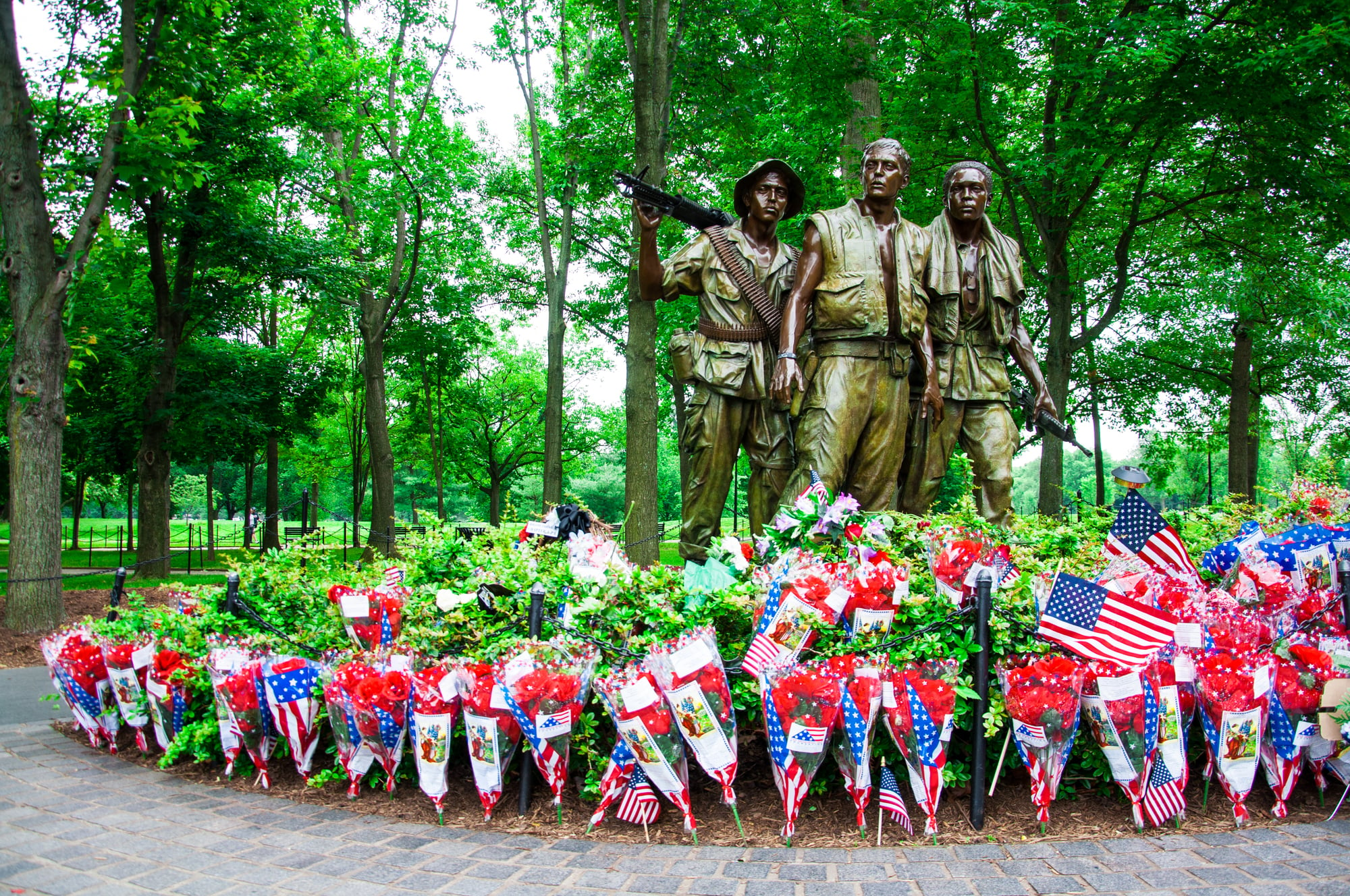
The black granite wall cuts through the landscape like a wound that’s learning to heal. No heroic poses, no triumphant declarations — just names carved into stone, reflecting the faces of those who come to remember.
Maya Lin understood something profound when she designed this memorial: sometimes the most powerful monuments are the ones that let grief speak for itself.
Lincoln Memorial
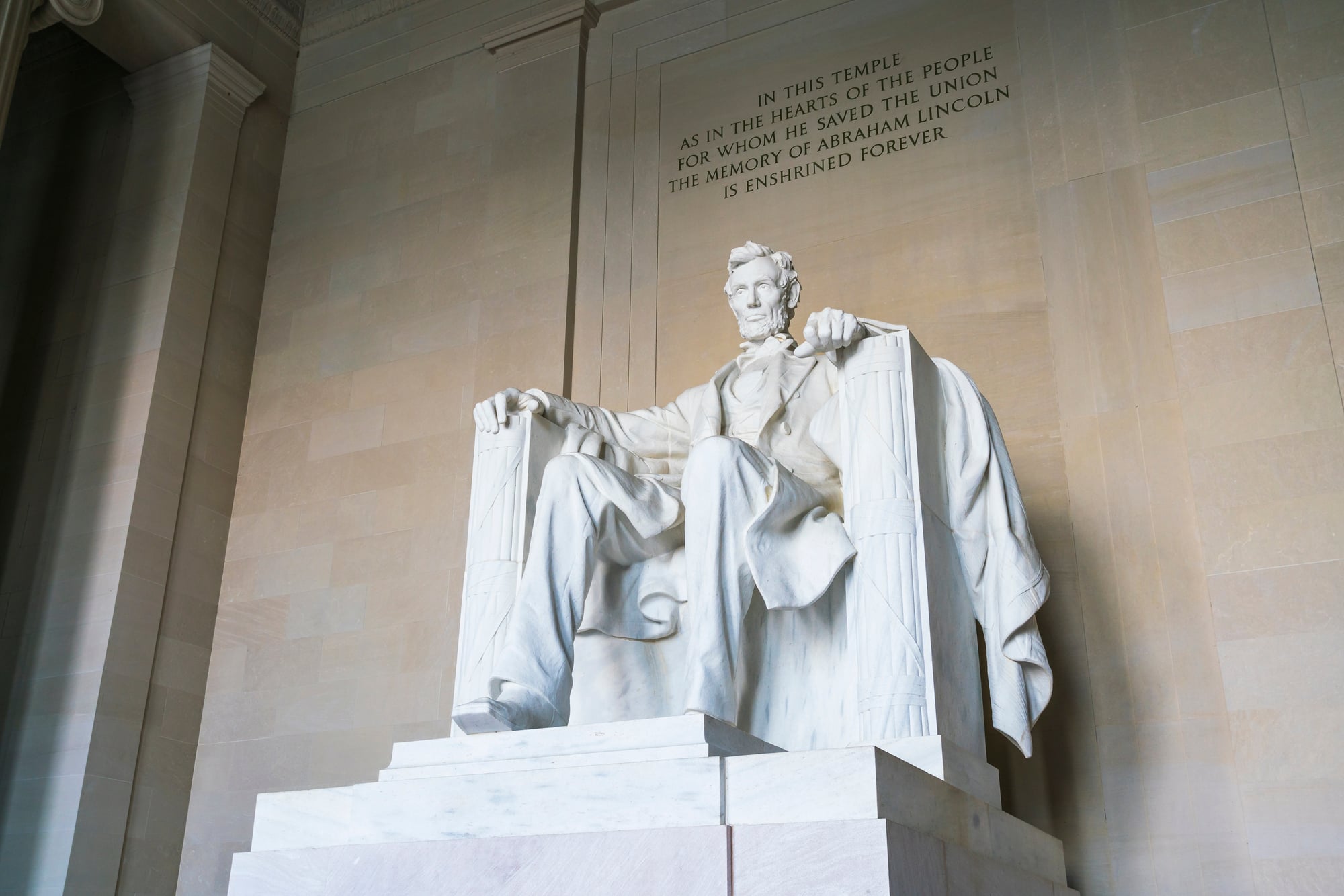
Lincoln deserved this temple. The man who held the country together through its bloodiest chapter gets to sit in marble dignity, watching over the reflecting pool where Martin Luther King Jr. would later share his dream.
The memorial has witnessed more moments of American reckoning than any other structure in the capital. The steps have absorbed decades of footfalls from those seeking something — closure, inspiration, or simply the quiet company of someone who understood the weight of impossible decisions.
And Lincoln, carved from Georgia marble (which is fitting, considering the geographic irony), continues to preside over a nation still working to live up to his vision. The statue weighs 175 tons.
The ideas it represents weigh considerably more.
Memorial to the Murdered Jews of Europe
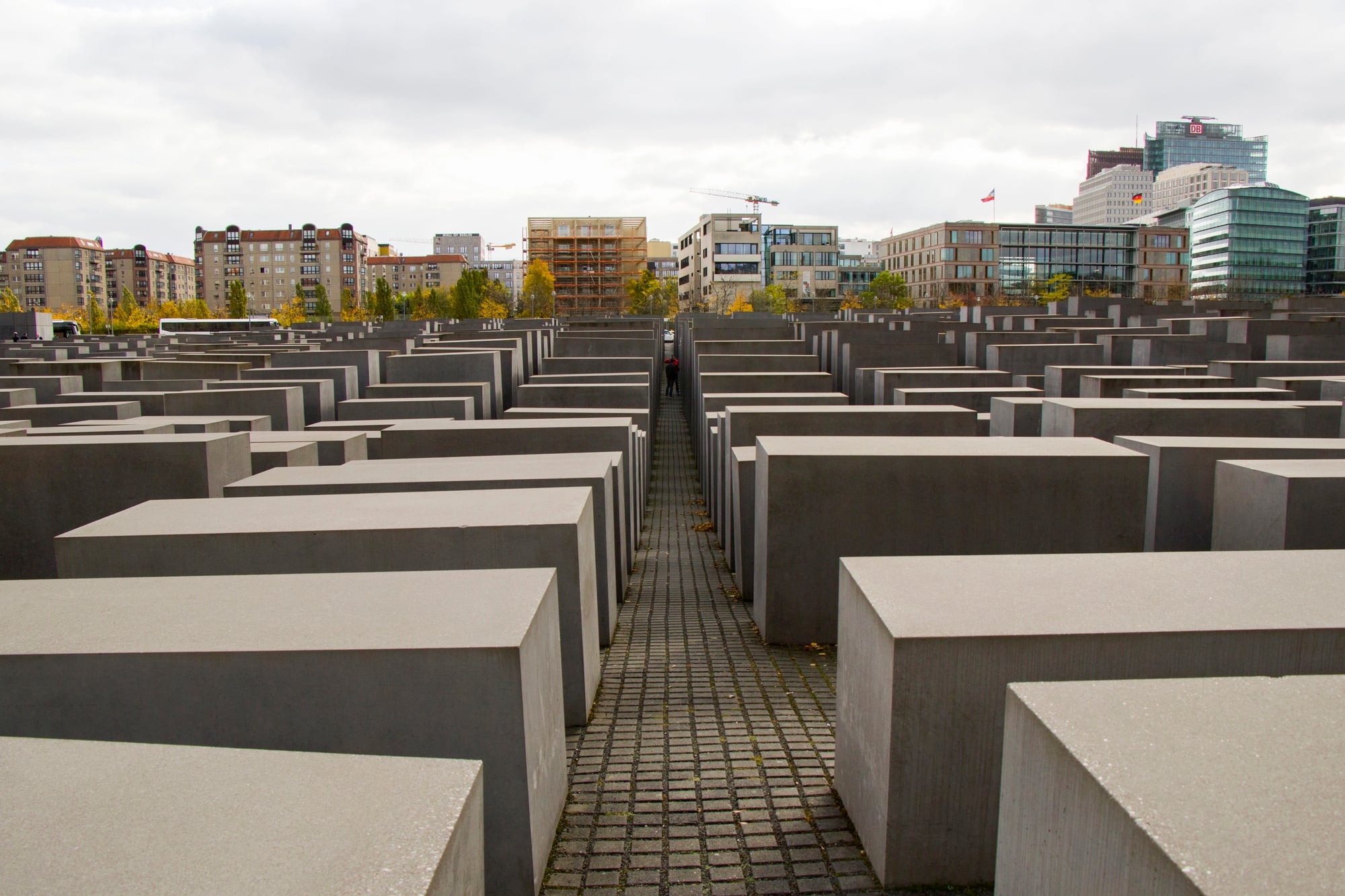
Walking through Peter Eisenman’s concrete maze in Berlin feels like losing your bearings inside history’s darkest chapter. The slabs start low, almost manageable, then grow taller until they tower overhead and the outside world disappears entirely.
Children play between the blocks while tourists pose for photos, and somehow both responses feel appropriate — life continuing alongside remembrance, exactly as it should.
Maya Angelou Monument
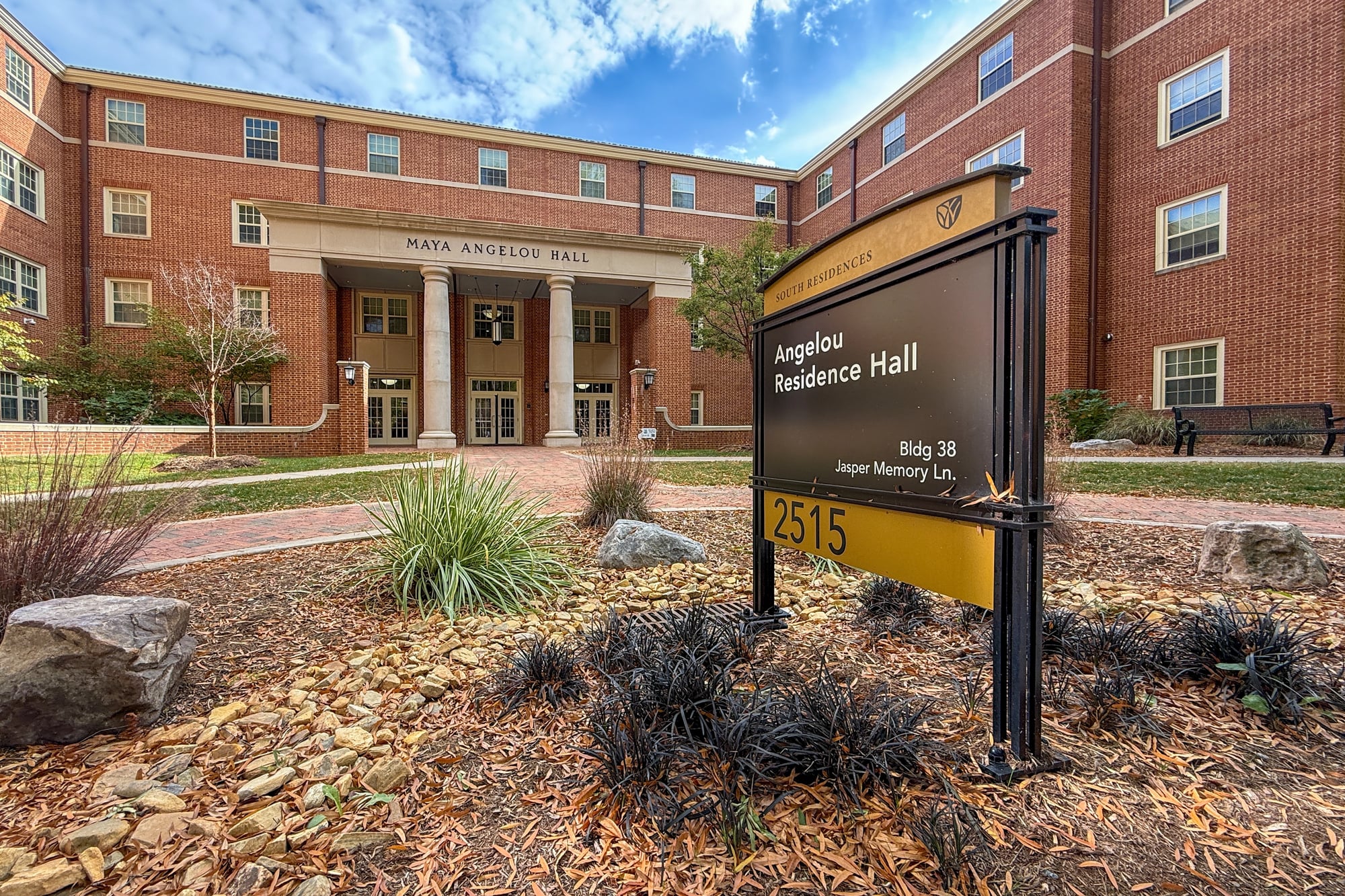
Winston-Salem finally got this right. The bronze sculpture captures Angelou mid-gesture, as if she’s in the middle of delivering one of those observations that rearranged how you thought about the world.
Her hands are open, welcoming, which matches how she approached both her writing and her life — with arms wide enough to embrace contradictions and wisdom earned through experience rather than theory.
The AIDS Memorial Quilt
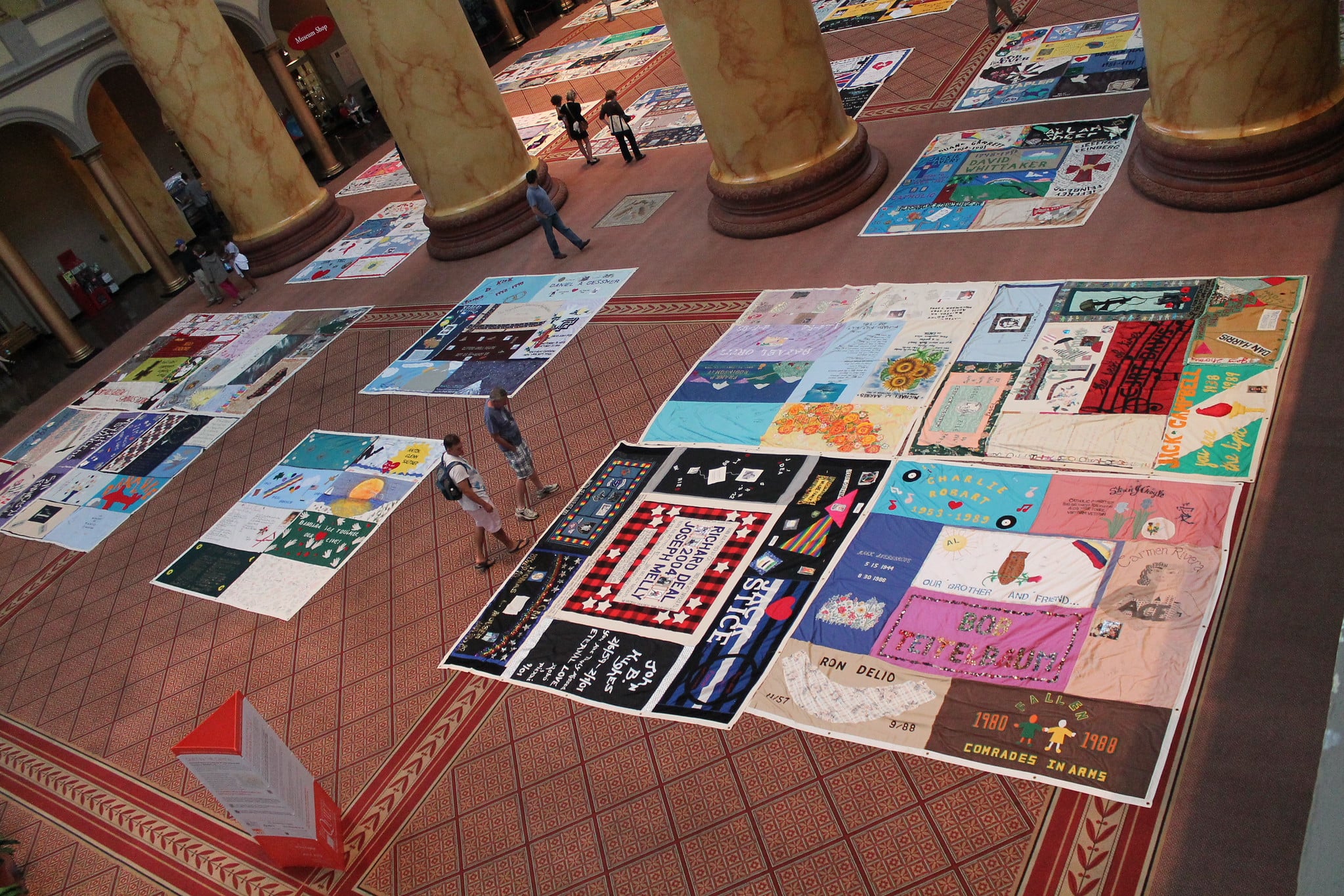
Technically not a monument in the traditional sense, but it serves the same purpose with more power than most marble structures ever could. Each panel represents a life lost to a disease that took too many people while too many others looked away.
The quilt turns statistics back into stories, which is what the best memorials always do. Names stitched with love and fury.
Colors that refuse to fade. And size that keeps growing, panel by panel, because grief demands to be seen and remembered.
When it was first displayed on the National Mall in 1987, it covered space larger than a football field. It has only gotten larger since.
Korean War Veterans Memorial
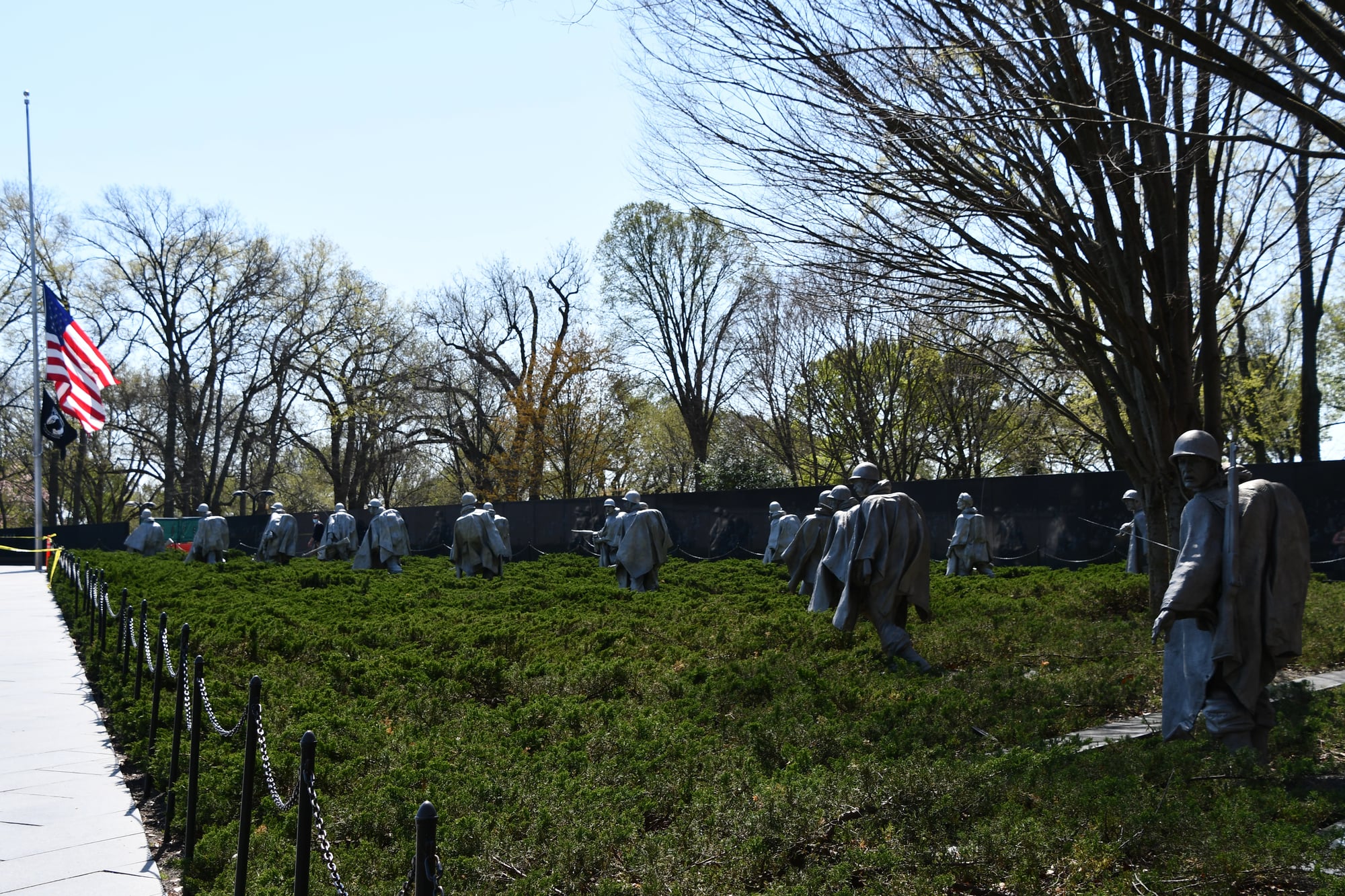
The soldiers march through all weather, bronze figures caught mid-step in a landscape that never changes. Their faces show the weight of carrying a war that America never quite knew how to discuss — sandwiched between the clear victories of World War II and the complicated legacy of Vietnam.
These men deserved recognition, and they finally received it in 1995.
Martin Luther King Jr. Memorial
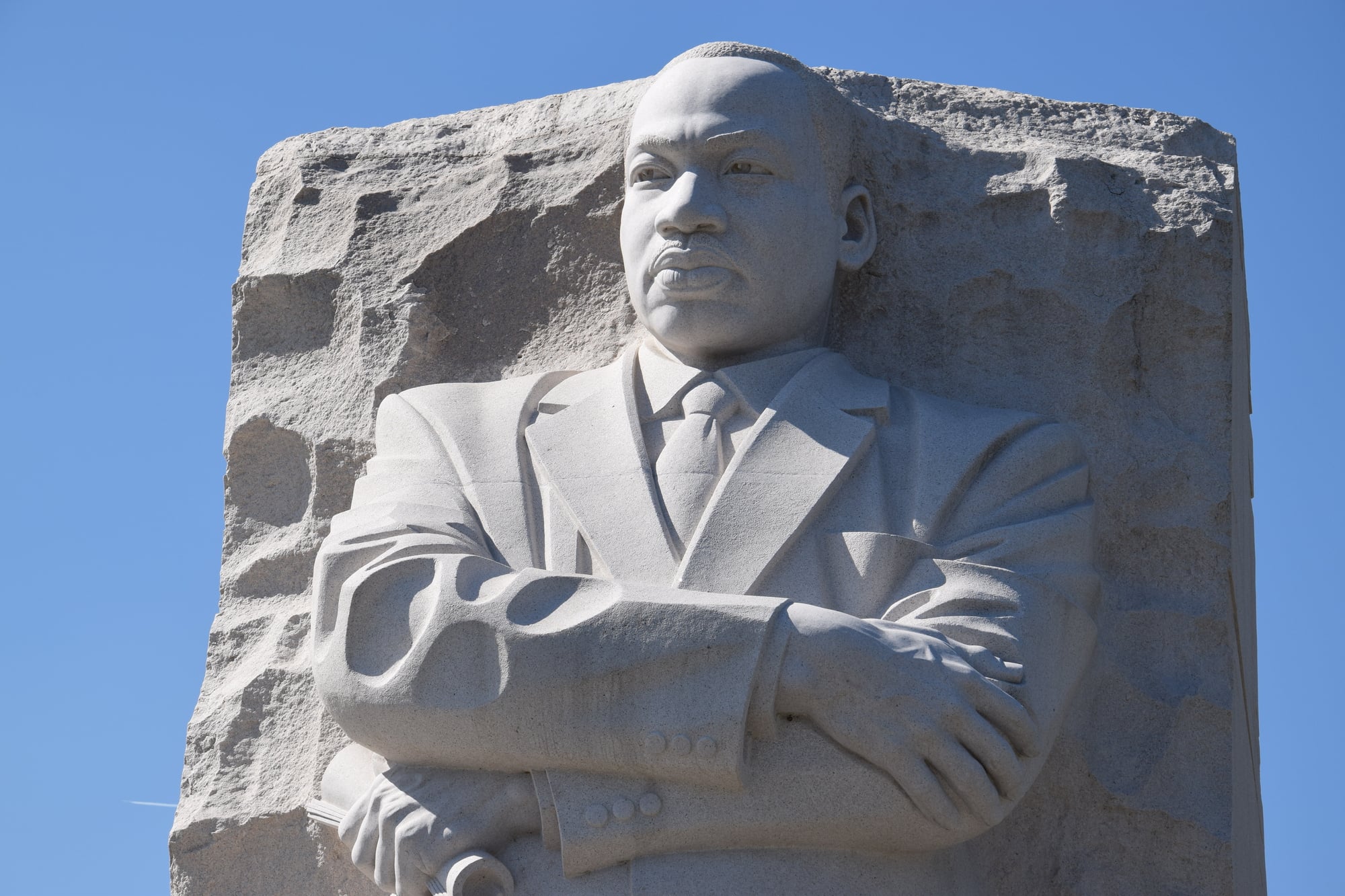
The sculpture emerges from stone like King himself emerged from history — not fully formed, but in the process of becoming. The “Stone of Hope” pulls away from the “Mountain of Despair,” which references his most famous speech while avoiding the trap of literal representation.
King gets to stand near Lincoln and Jefferson, which feels overdue by about four decades.
9/11 Memorial
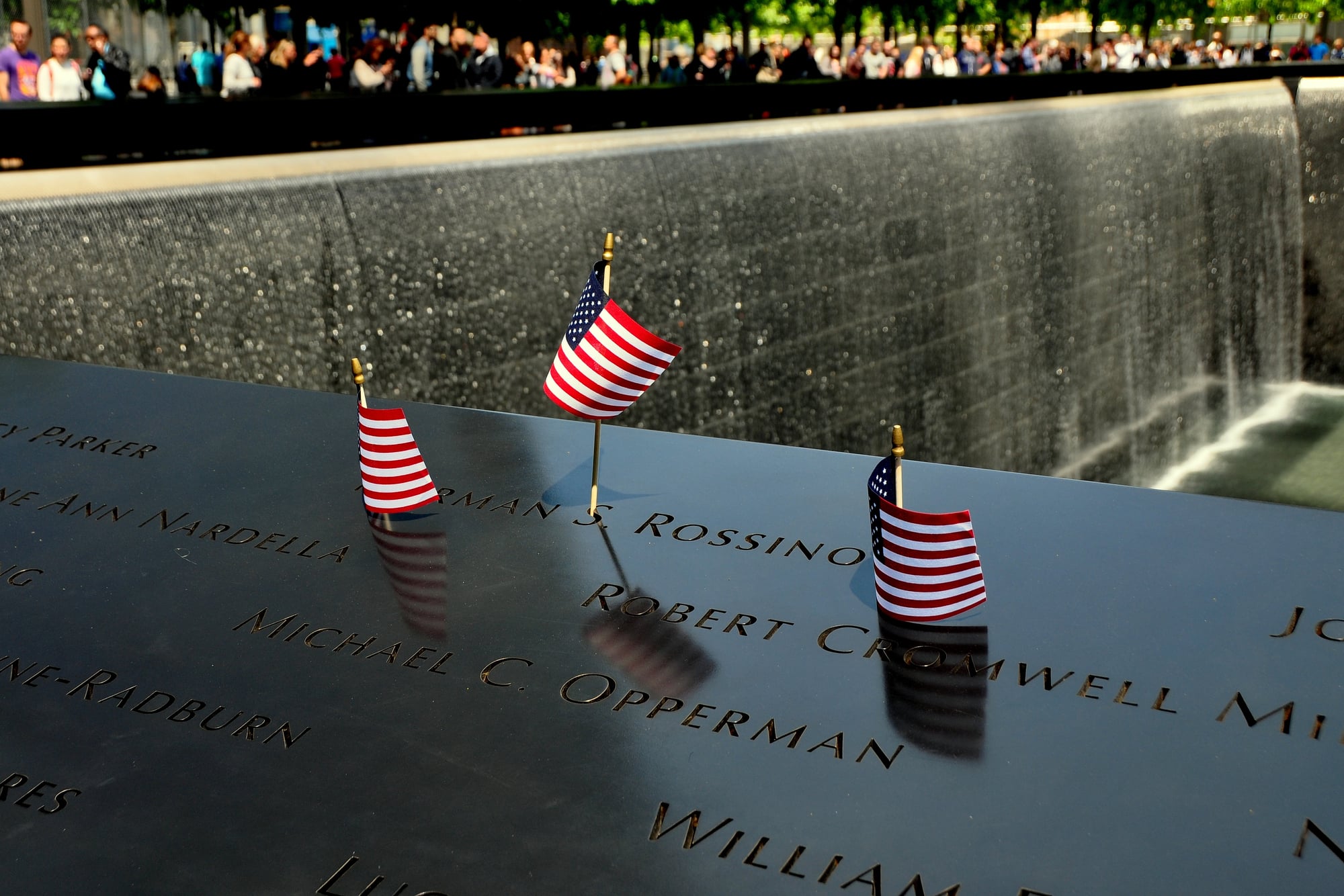
Two footprints where towers once stood, now pools that seem to fall forever into darkness (they’re actually recirculating waterfalls, but the effect feels infinite nonetheless). The names ring the edges — not alphabetical, not by hierarchy, just people who happened to be in the wrong place when history took a violent turn.
And the sound of falling water drowns out the city noise, which creates a pocket of quiet in Manhattan that shouldn’t exist but somehow does. The memorial gets one detail exactly right: the bronze is warming to the touch, even on cold days, because of the composition and finish.
So when people trace the letters of names they knew, the metal responds to their warmth. Small comfort, but comfort nonetheless.
Franklin Delano Roosevelt Memorial
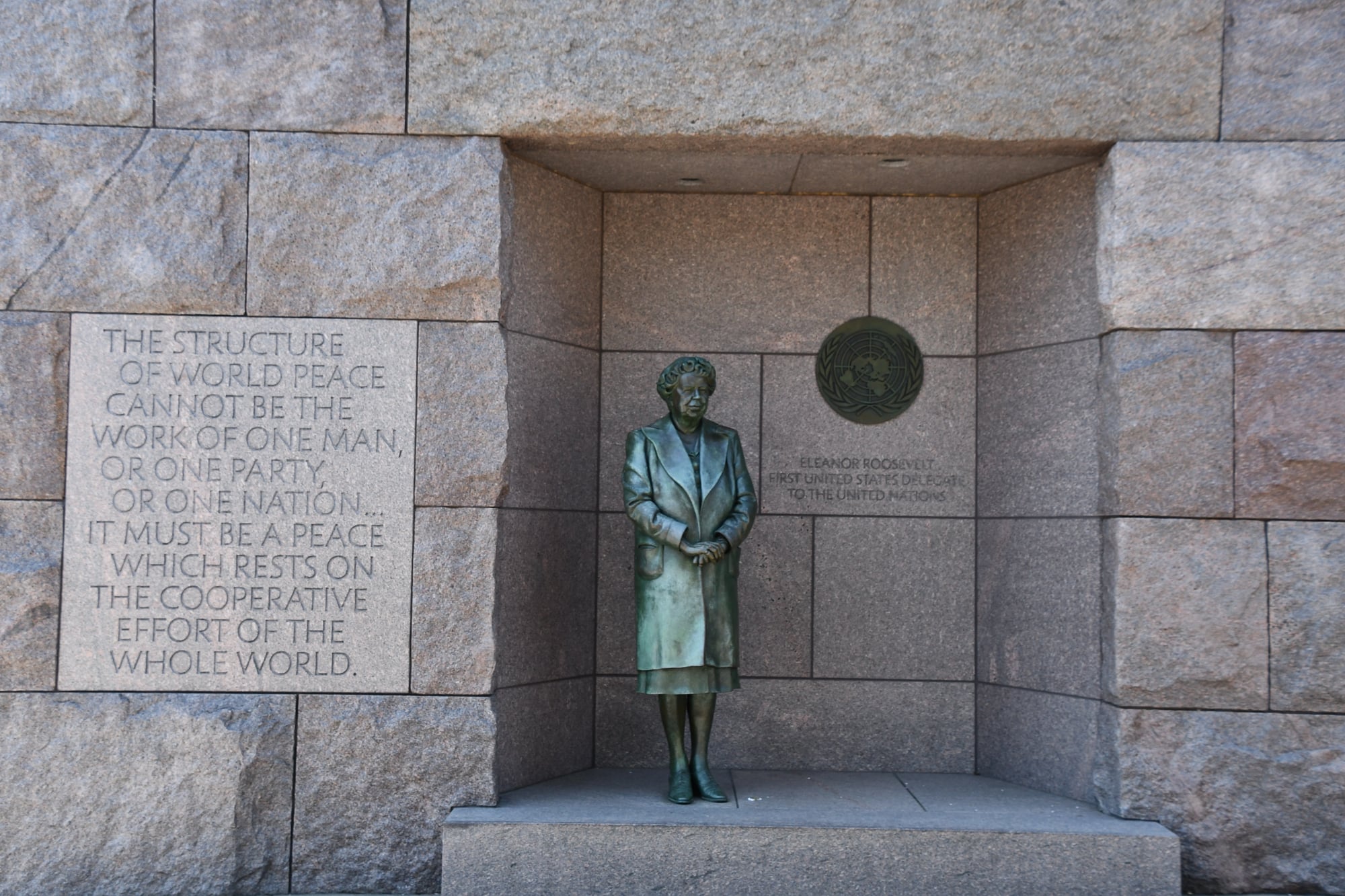
Roosevelt gets four outdoor rooms for his four terms, which seems appropriate for the president who fundamentally changed what Americans expected their government to do. The memorial includes his dog Fala, because Roosevelt would have insisted on it.
It also includes the wheelchair he tried to hide during his presidency, because honesty about disability matters more now than political image management mattered then.
Crazy Horse Memorial
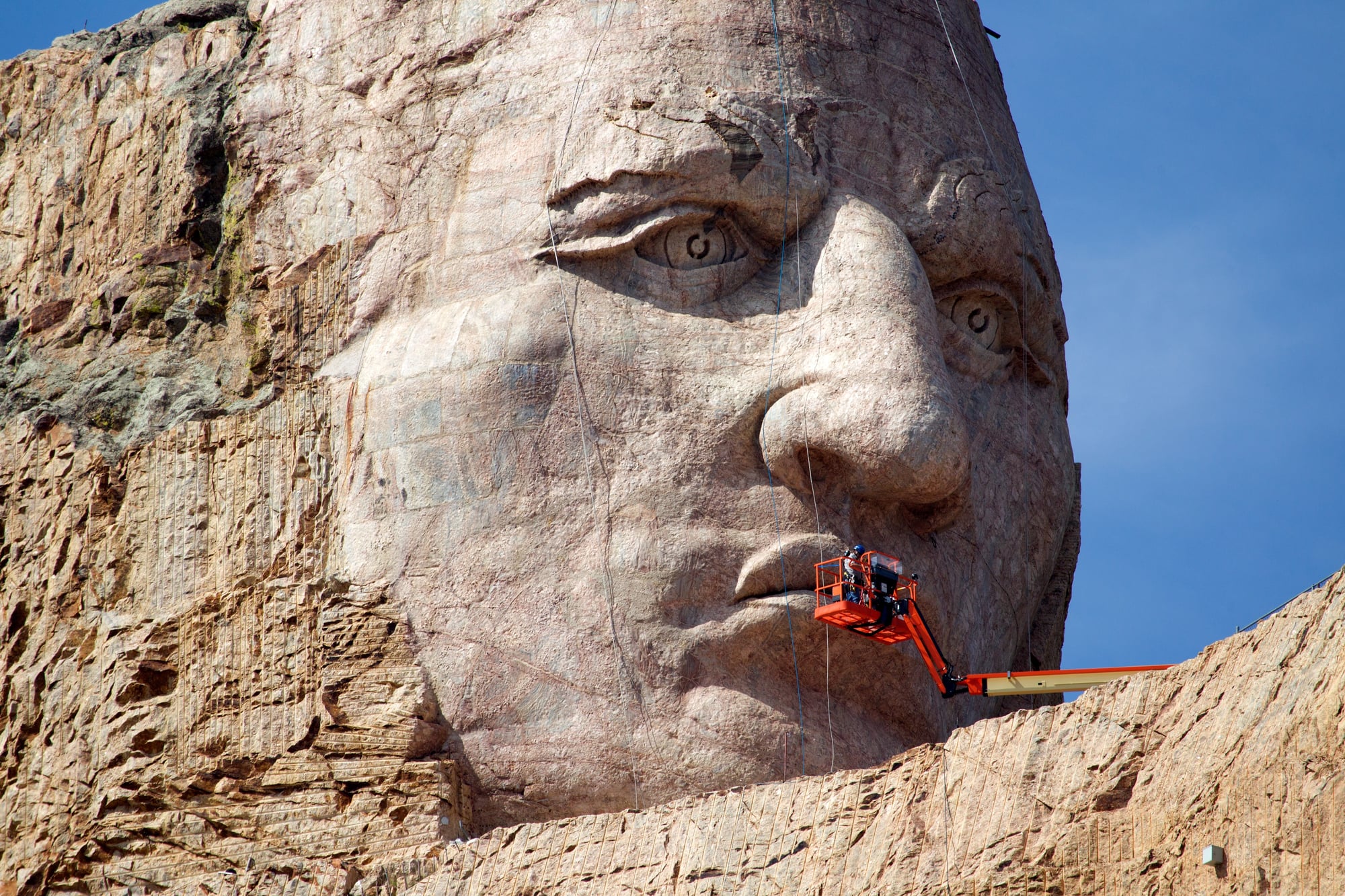
The project has been carving away at a mountain in South Dakota for over 70 years and probably won’t finish anytime soon. But the scale matches the ambition — to show that Native American leaders deserve monuments as massive as any president carved into nearby Mount Rushmore.
When completed, the sculpture will dwarf Rushmore entirely, which sends exactly the message it should send. And the memorial is being built entirely through private funding, without federal dollars, because independence matters when you’re making a statement about people who were systematically pushed aside by federal policy.
The irony is intentional and pointed.
USS Arizona Memorial
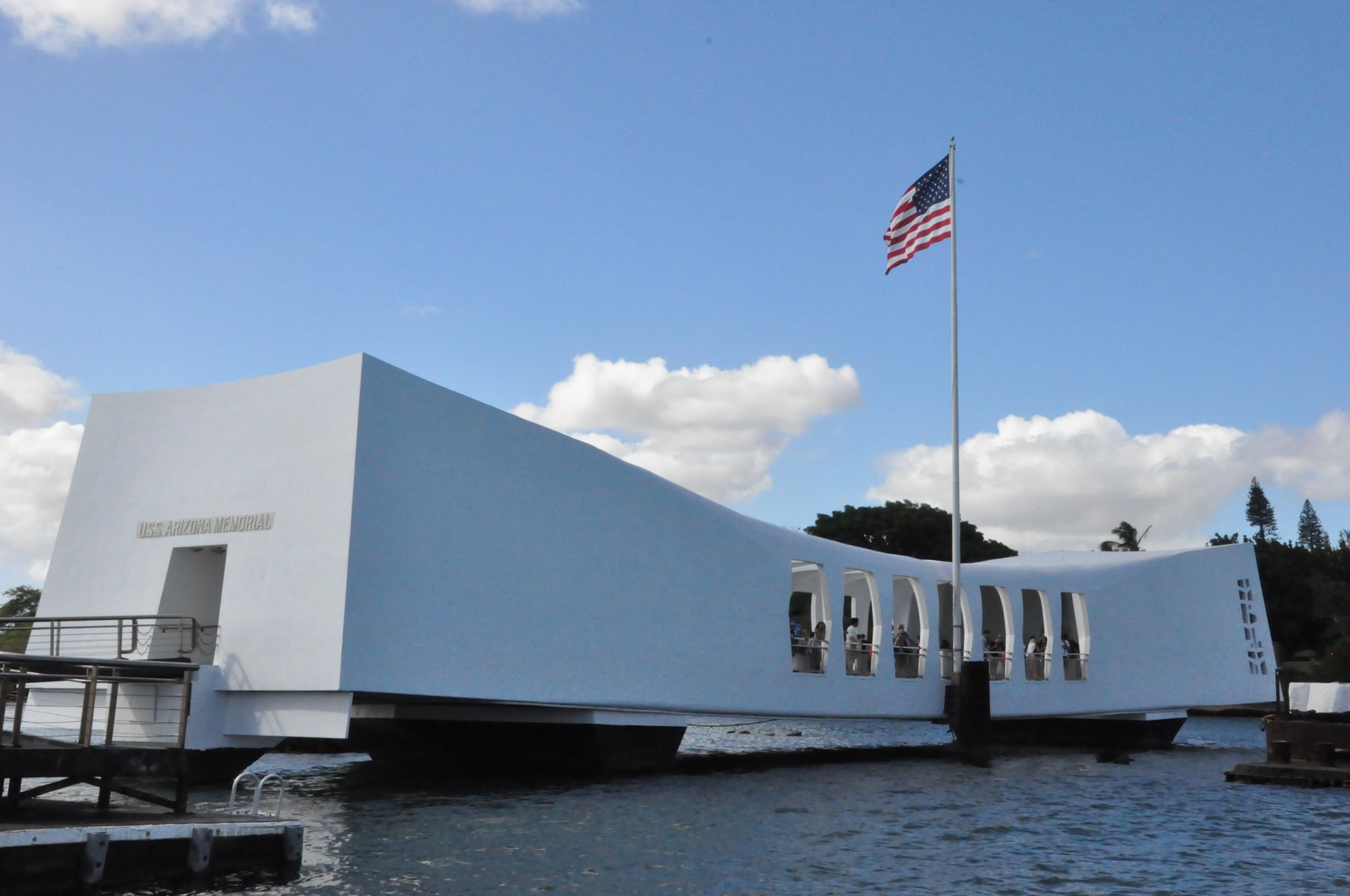
Pearl Harbor’s most powerful memorial sits directly above the battleship that still holds the remains of 1,177 sailors and marines. Oil continues to leak from the wreck 80 years later — about a quart every day — which visitors call the “tears of the Arizona.”
The memorial straddles the ship without touching it, creating a space for reflection that honors both the dead and the living who came to remember them.
Women’s Rights National Historical Park
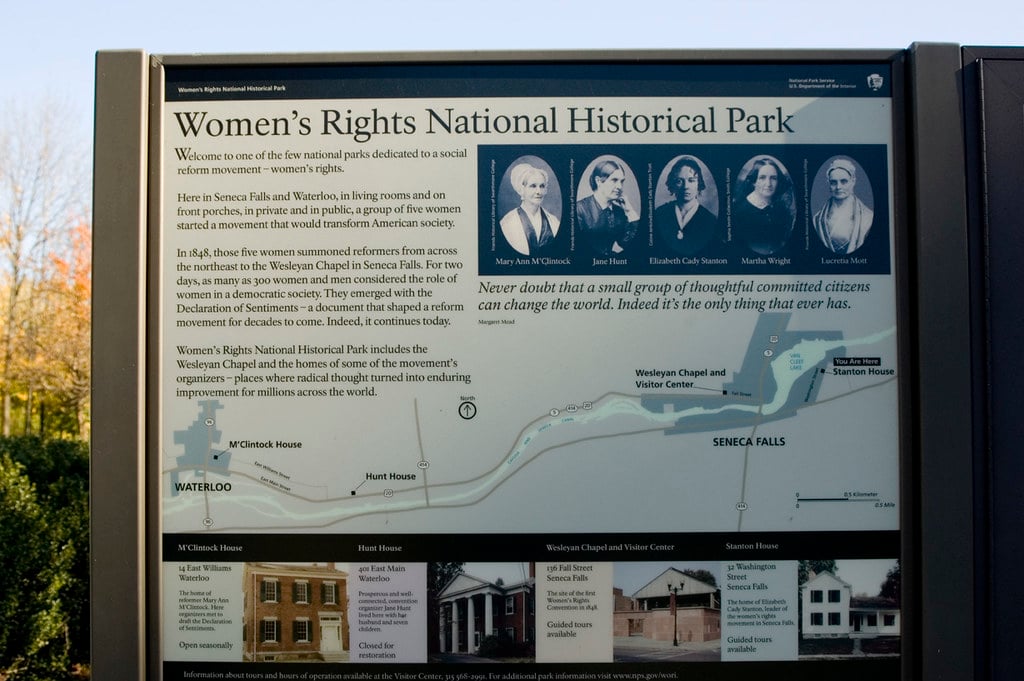
Seneca Falls gets the recognition it deserved for hosting the convention that launched the women’s rights movement in America. The park preserves multiple sites connected to the 1848 gathering, including the chapel where Elizabeth Cady Stanton delivered her “Declaration of Sentiments.”
Small town, enormous impact — which describes most of the places where real change actually begins.
Harriet Tubman National Historical Park
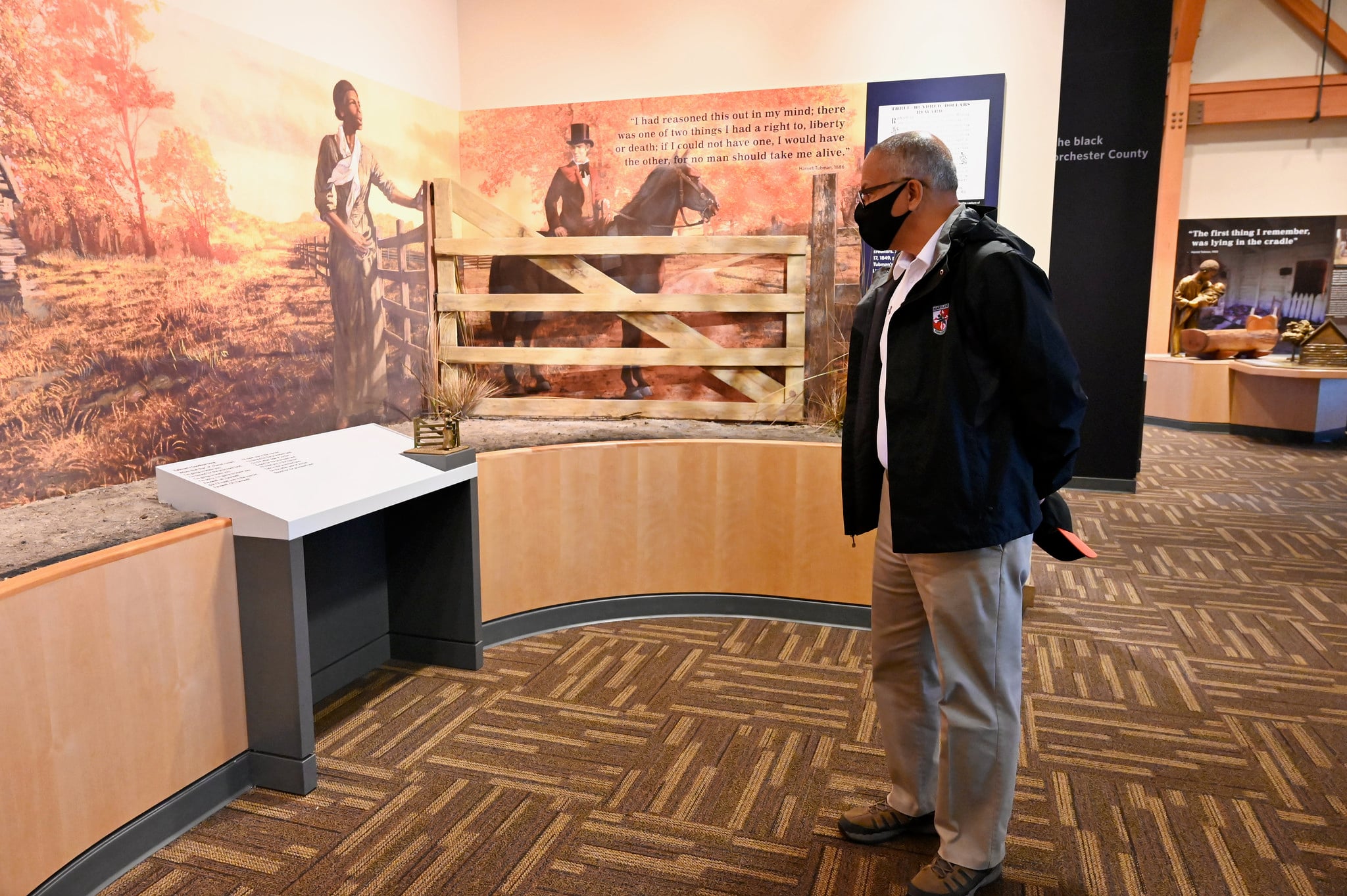
Auburn, New York finally has the memorial Tubman earned through 19 trips on the Underground Railroad without losing a single person. The park includes her home, where she lived after the Civil War and continued helping formerly enslaved people build new lives.
Tubman died in that house in 1913, seven years before women gained the right to vote in 1920, so she did not live to see that milestone achieved.
National Museum of African American History and Culture
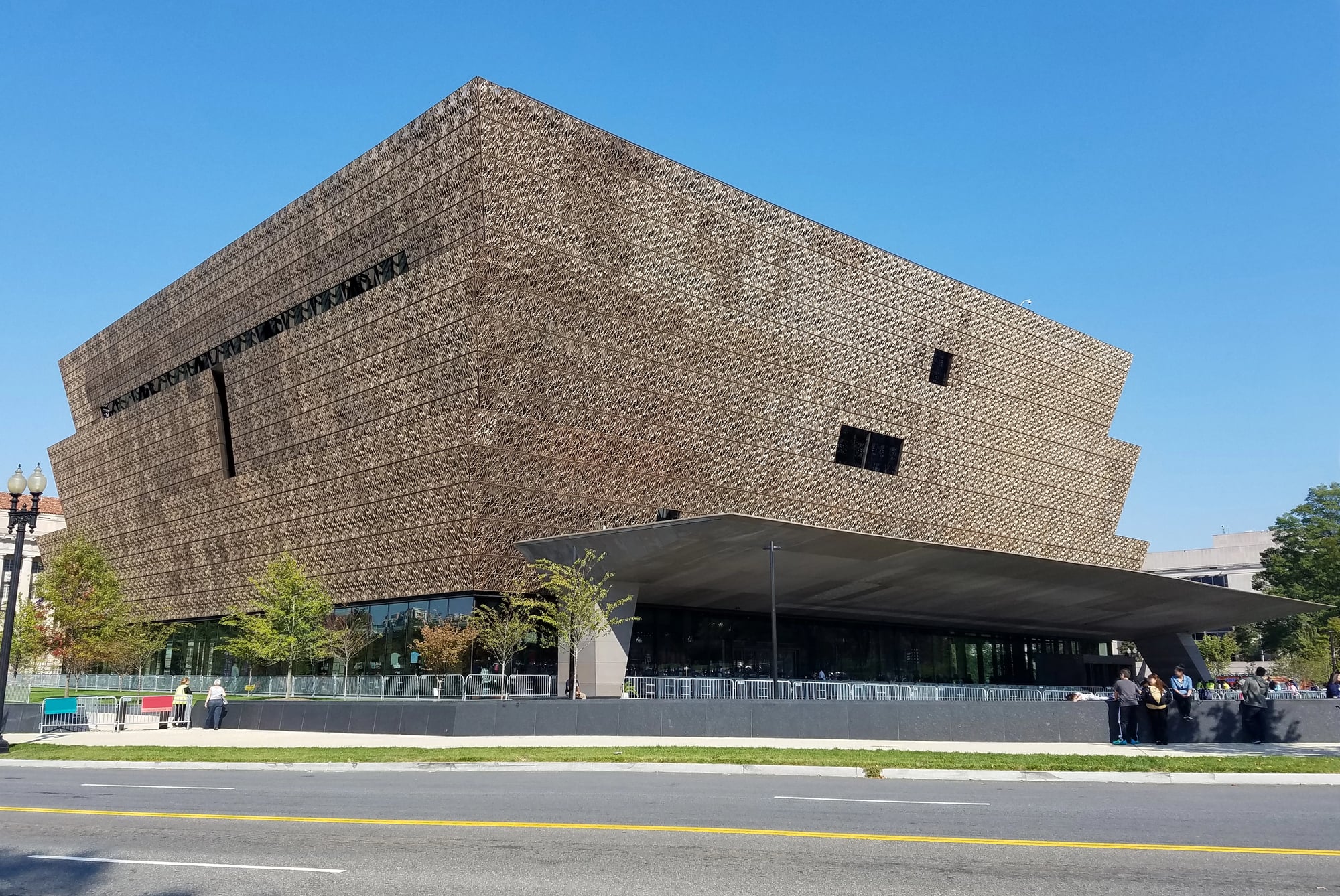
The bronze latticework exterior references both African art and American craftsmanship, which captures the museum’s mission in architectural form. Inside, the exhibits start with slavery and work chronologically toward the present, forcing visitors to walk through the full story rather than jumping to the comfortable parts.
The museum doesn’t sugar-coat anything, which makes its ultimate message about resilience and achievement more powerful, not less. The building rises from dark bronze at the base to golden bronze at the top, literally moving from darkness toward light as your eye travels upward.
Subtle, but effective.
Oklahoma City National Memorial
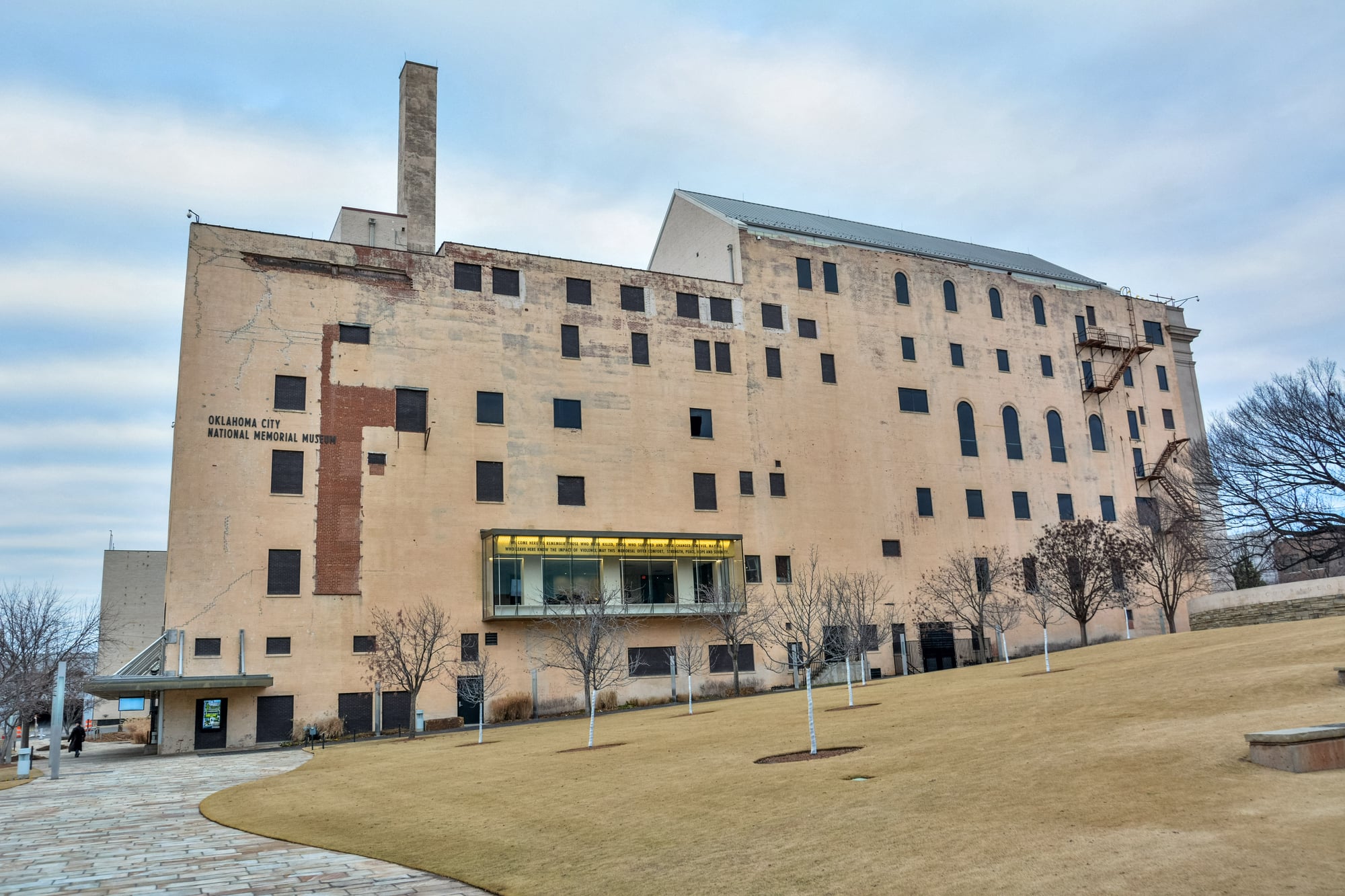
The outdoor memorial includes 168 empty chairs — one for each person killed in the 1995 bombing — arranged in nine rows representing the floors of the federal building. The chairs are illuminated at night, which transforms the space from a daytime memorial into an evening vigil that continues whether anyone is there to witness it or not.
Stonewall National Monument
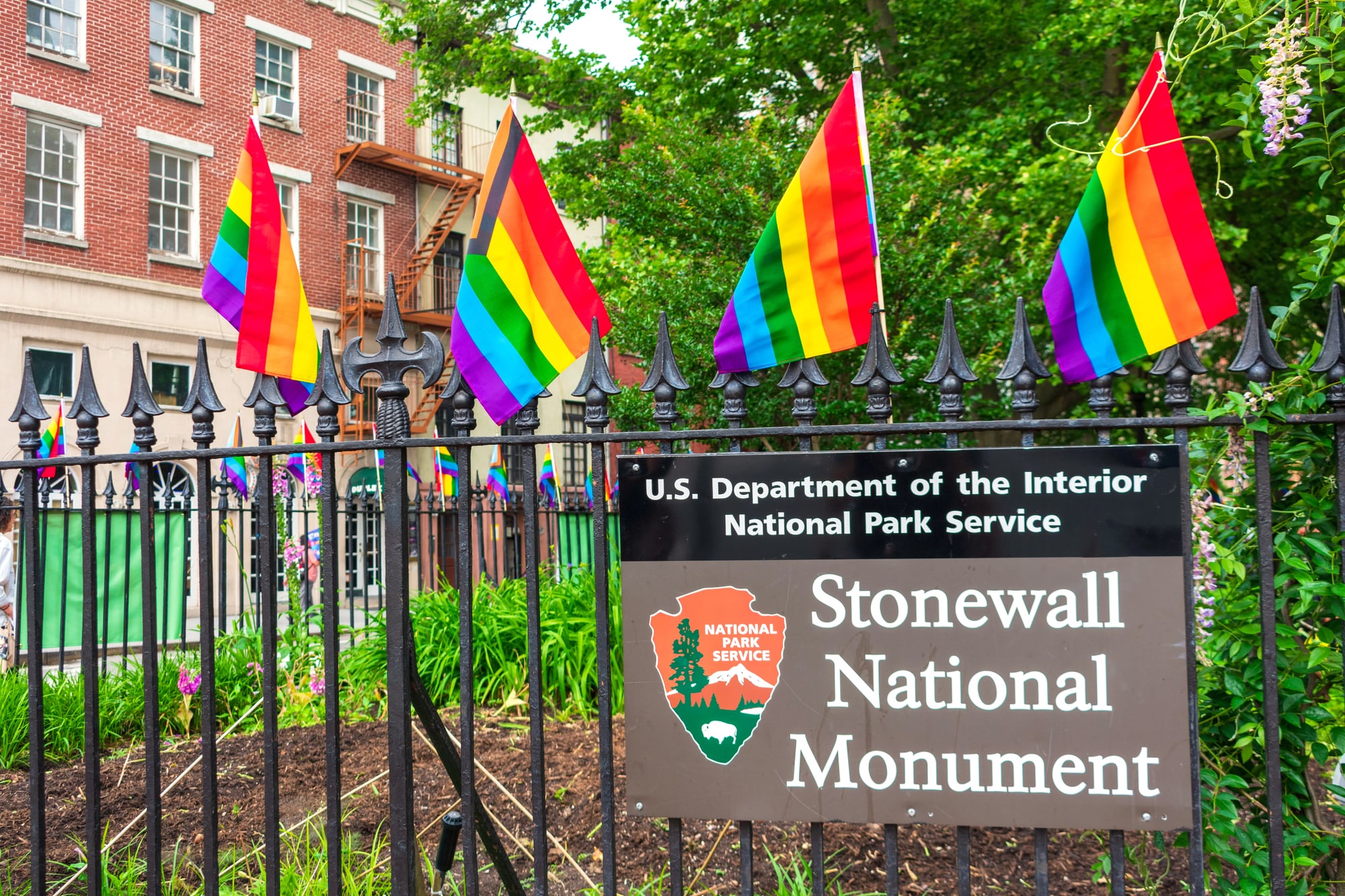
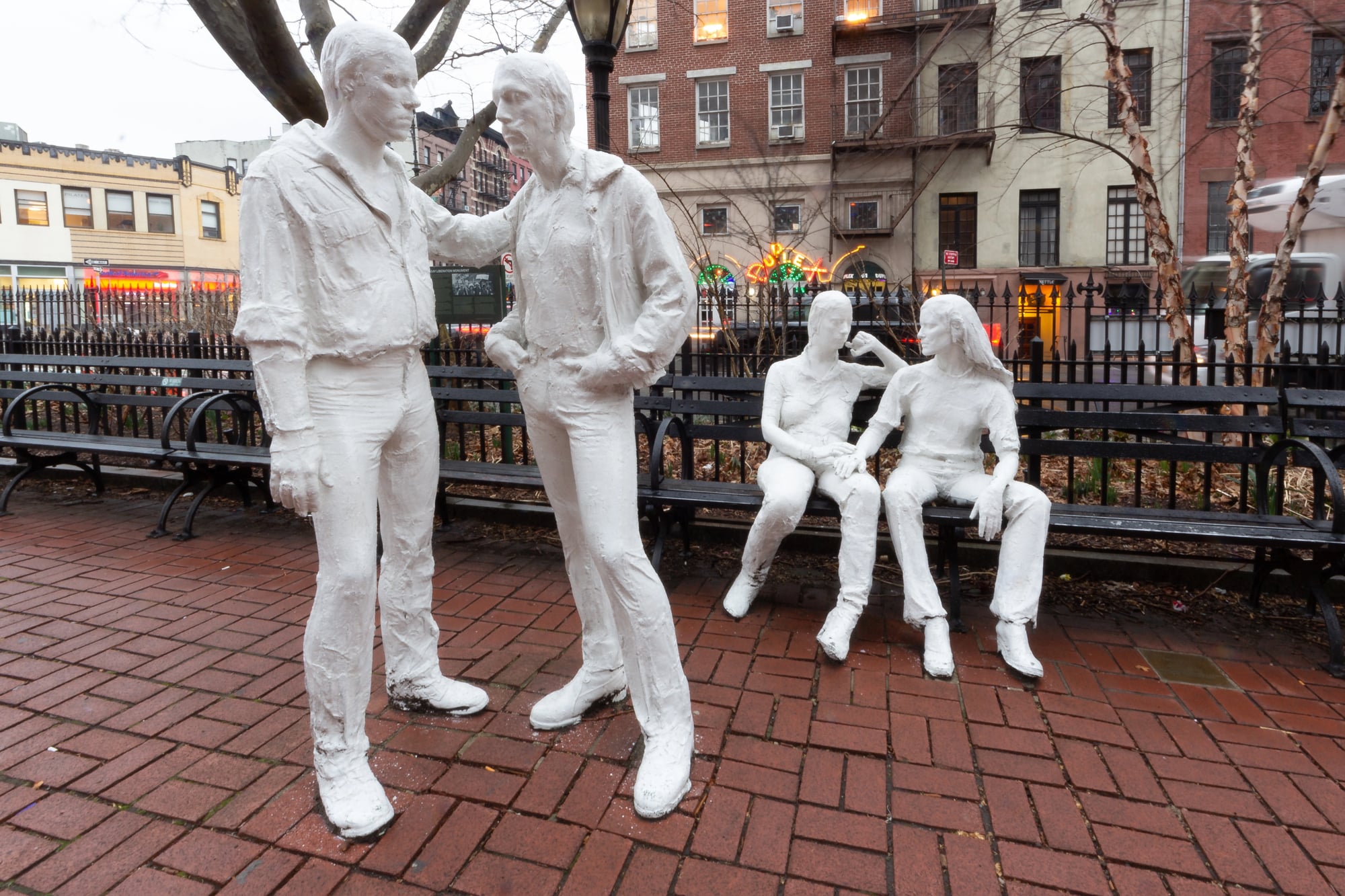
Christopher Park in Greenwich Village became America’s first national monument dedicated to LGBTQ+ rights in 2016. The memorial preserves the site where patrons of the Stonewall Inn finally fought back against police harassment in 1969, sparking the modern gay rights movement.
Small park, massive significance — which proves that monuments don’t need to be enormous to carry weight.
Frederick Douglass National Historic Site
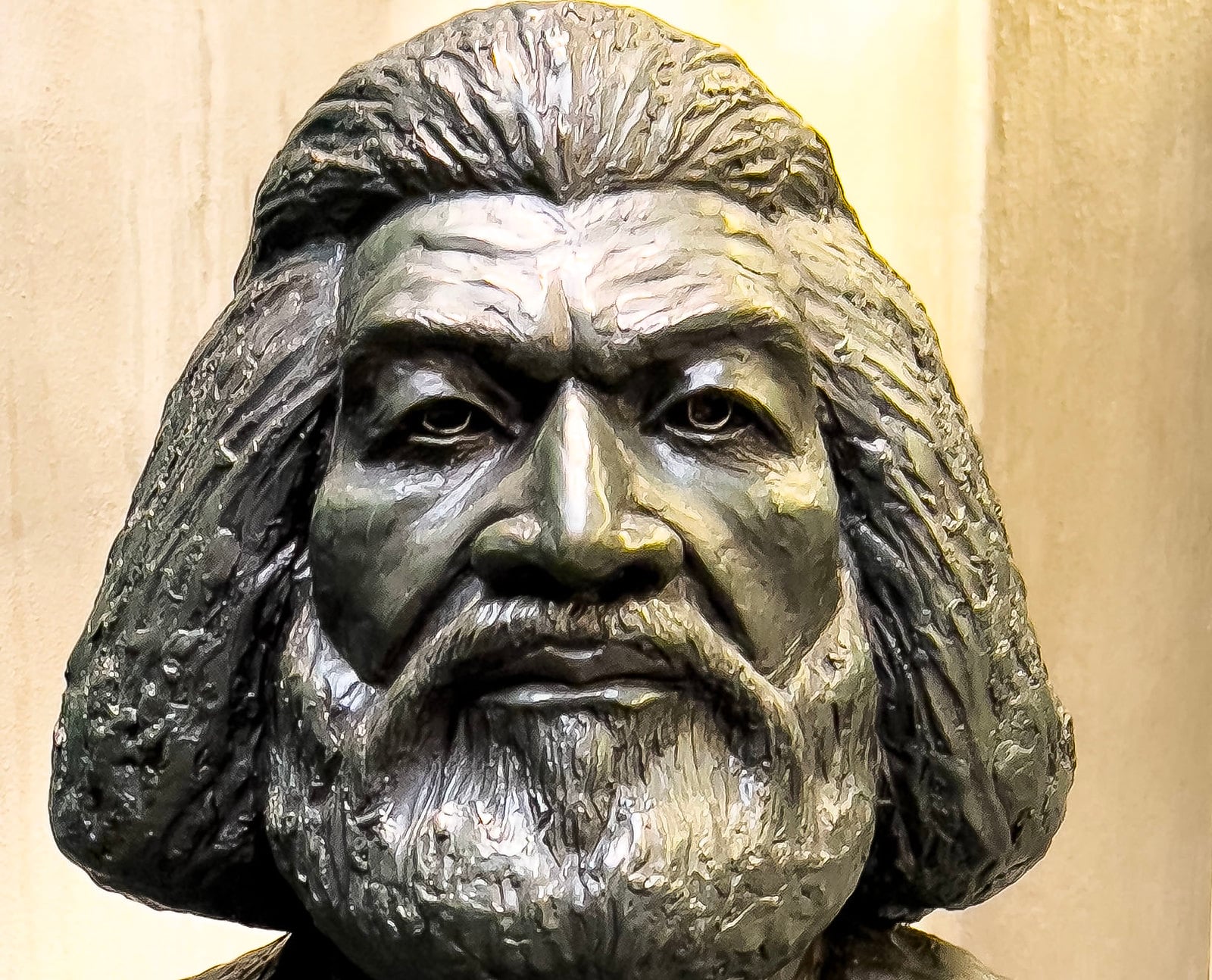
Cedar Hill, Douglass’s final home in Washington DC, preserves the study where he wrote some of his most powerful speeches and continued fighting for civil rights until his death in 1895. The house overlooks the Anacostia River and downtown Washington, which gave Douglass a daily view of the capital he spent decades trying to change.
He lived to see the 13th, 14th, and 15th Amendments become law, which means his final years included at least some of the progress he’d fought for his entire life.
When Stone and Bronze Tell the Truth
The best monuments don’t just commemorate — they educate, challenge, and inspire. They force difficult conversations and preserve uncomfortable truths alongside celebrated victories.
These 17 memorials succeed because they honor people and events that genuinely moved humanity forward, even when that progress came at tremendous cost. They remind us that the most worthy monuments are built not to make us feel good about ourselves, but to help us become better than we were.
More from Go2Tutors!

- The Romanov Crown Jewels and Their Tragic Fate
- 13 Historical Mysteries That Science Still Can’t Solve
- Famous Hoaxes That Fooled the World for Years
- 15 Child Stars with Tragic Adult Lives
- 16 Famous Jewelry Pieces in History
Like Go2Tutors’s content? Follow us on MSN.