15 Tiny Countries With Strange Claims to Fame
When we think of global powers and influential nations, tiny countries rarely come to mind. Yet these small sovereign states often develop unique characteristics, unusual laws, or remarkable achievements that put them on the world map despite their diminutive size.
From peculiar customs to surprising world records, these microstates have found ways to distinguish themselves on the global stage. Here is a list of 15 tiny countries with strange and fascinating claims to fame that prove landmass and population aren’t everything when it comes to creating a national identity worthy of attention.
Monaco
Covering just 0.78 square miles, this Mediterranean microstate boasts the highest concentration of millionaires and billionaires per capita in the world. Almost one in three residents is a millionaire, creating an extraordinary density of wealth in a country smaller than New York’s Central Park.
Monaco also holds the distinction of having the world’s lowest poverty rate at zero percent, though this statistic is largely explained by the principality’s steep housing costs that effectively price out anyone who isn’t wealthy.
Nauru
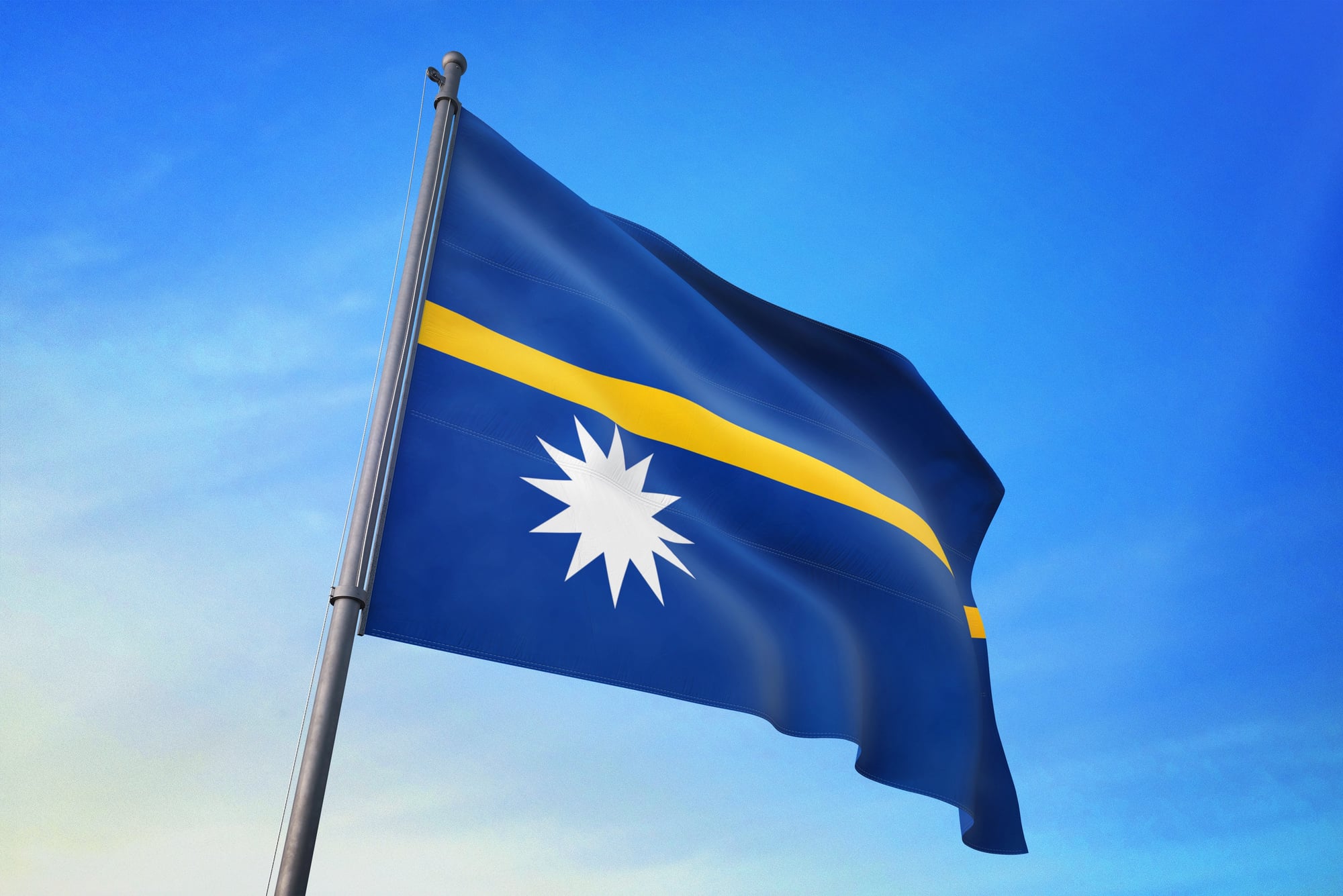
This tiny island nation in the South Pacific once held the title of richest country per capita in the world due to its extensive phosphate deposits, which were mined to near depletion. After its resources ran out, Nauru faced economic collapse and briefly became a tax haven and money laundering center before pivoting to hosting an Australian immigration detention facility.
The country also holds the unfortunate distinction of having the highest adult obesity rate globally at over 60%, largely attributed to the dietary shift from traditional foods to imported processed products.
Like Go2Tutors’s content? Follow us on MSN.
Vatican City
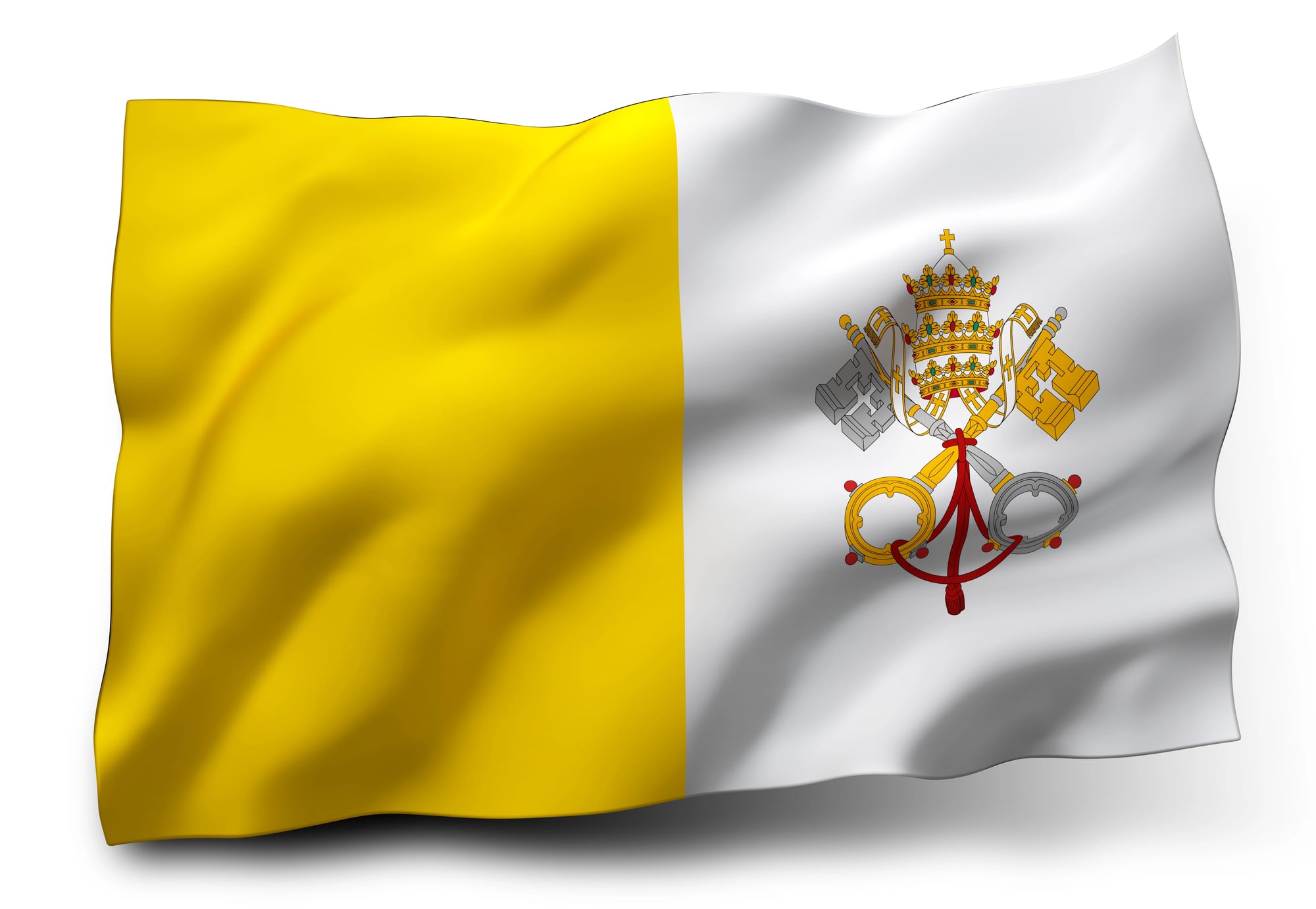
The world’s smallest sovereign state by both area and population is the only nation that can close its borders at night by simply shutting its gates. As the spiritual headquarters of the Roman Catholic Church, it processes more tourists per square foot than any other country, with annual visitors outnumbering citizens by approximately 14,000 to 1.
The Vatican also maintains the lowest birth rate in the world at zero, as citizenship is based on appointment to positions within the Holy See rather than birth.
San Marino
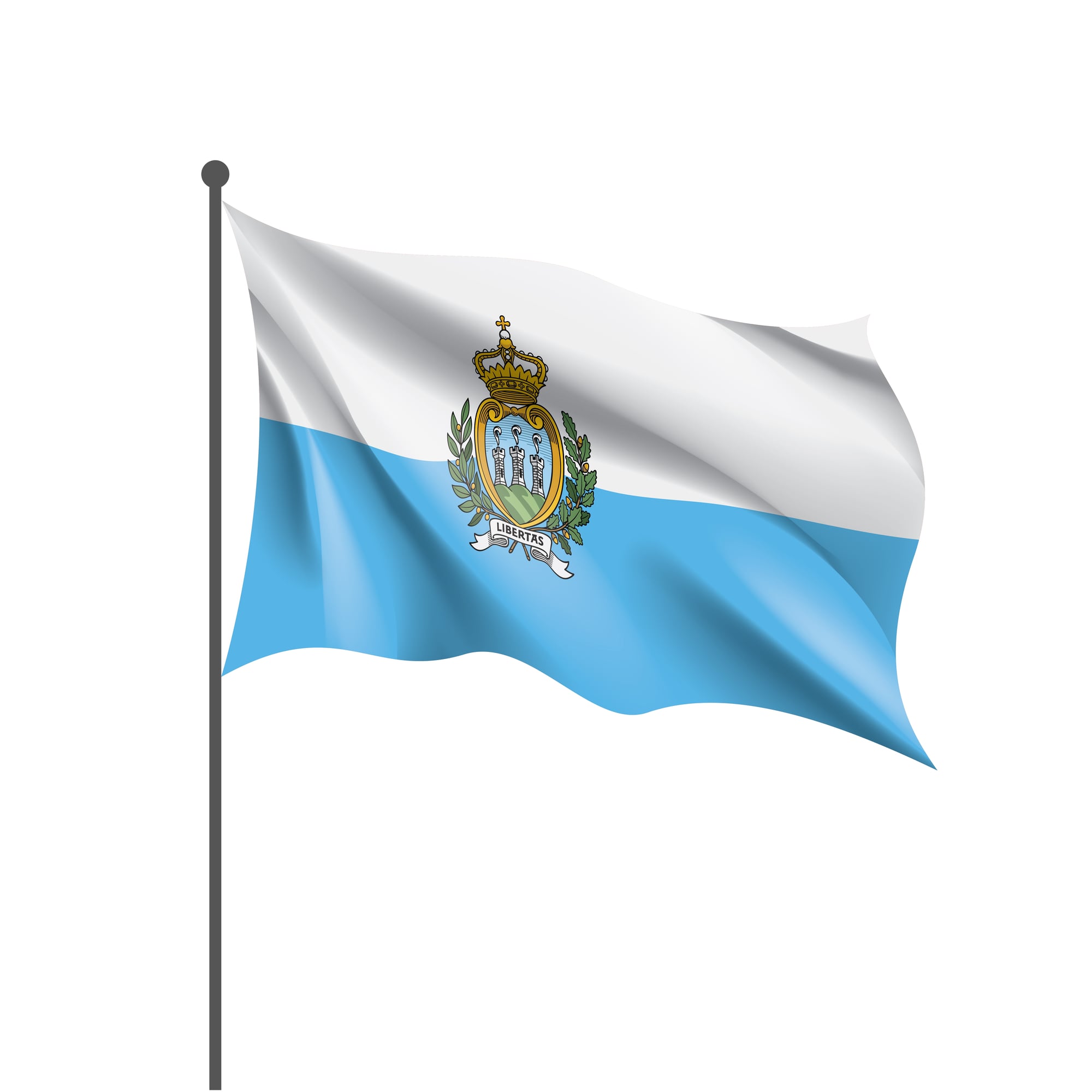
This microstate, completely surrounded by Italy, claims to be the world’s oldest republic with a constitution dating back to 1600, though its founding dates to 301 CE. San Marino maintained neutrality through both World Wars and briefly held the curious distinction of having more cars than people due to favorable tax policies that encouraged vehicle registration.
The country also boasts one of the world’s lowest unemployment rates and once had the unusual distinction of electing the world’s first democratically chosen communist government in 1945.
Liechtenstein
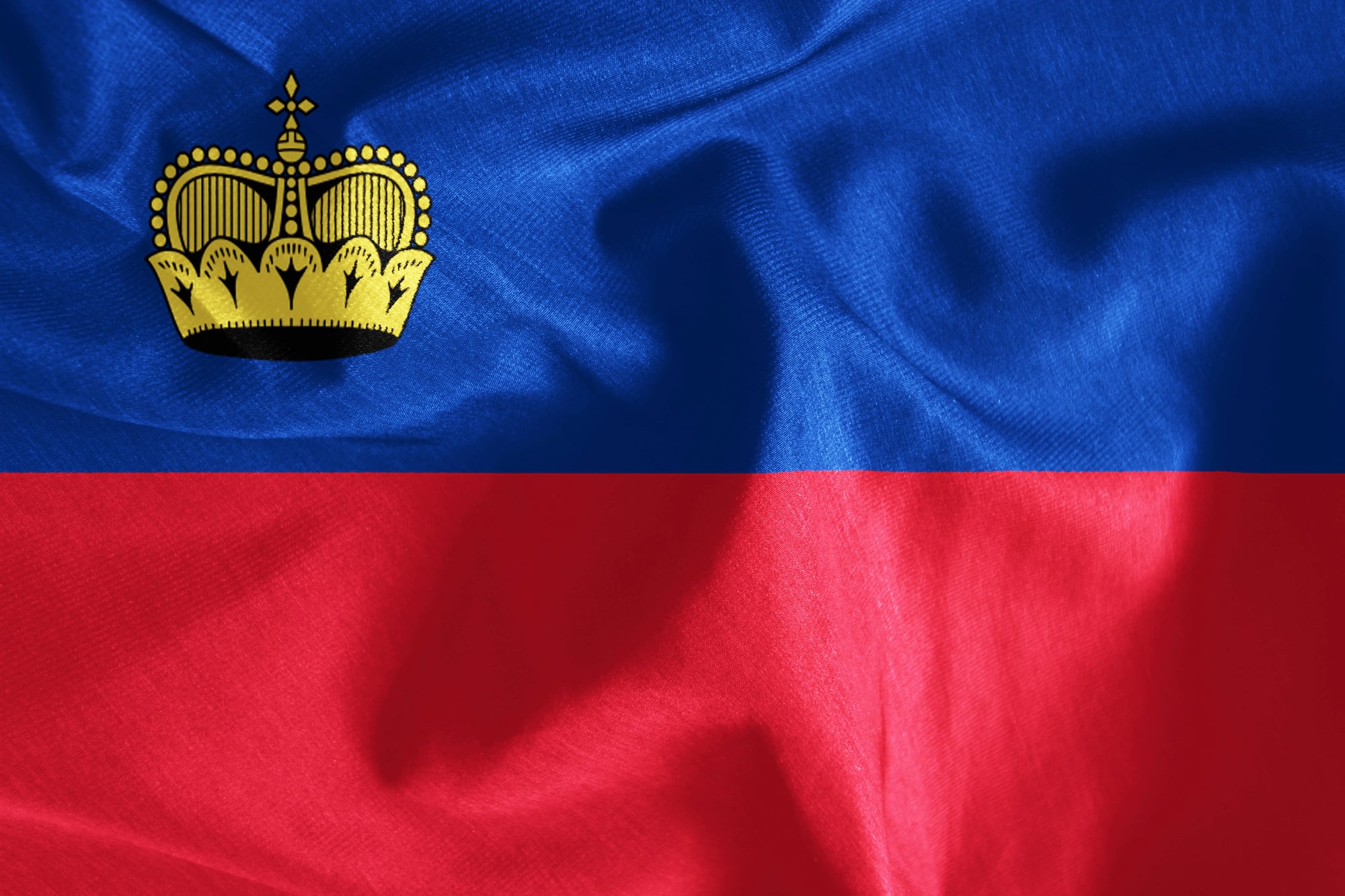
This principality nestled between Switzerland and Austria is the world’s largest producer of false teeth, manufacturing approximately 20% of the global supply. Liechtenstein also holds the distinction of being the only country to have zero external debt while maintaining one of the world’s highest GDP per capita figures.
The principality famously doesn’t have an airport, relies on Switzerland for defense, and once accidentally found its military returning with an extra soldier after a training exercise when a friendly Italian joined them for drinks.
Like Go2Tutors’s content? Follow us on MSN.
Tuvalu
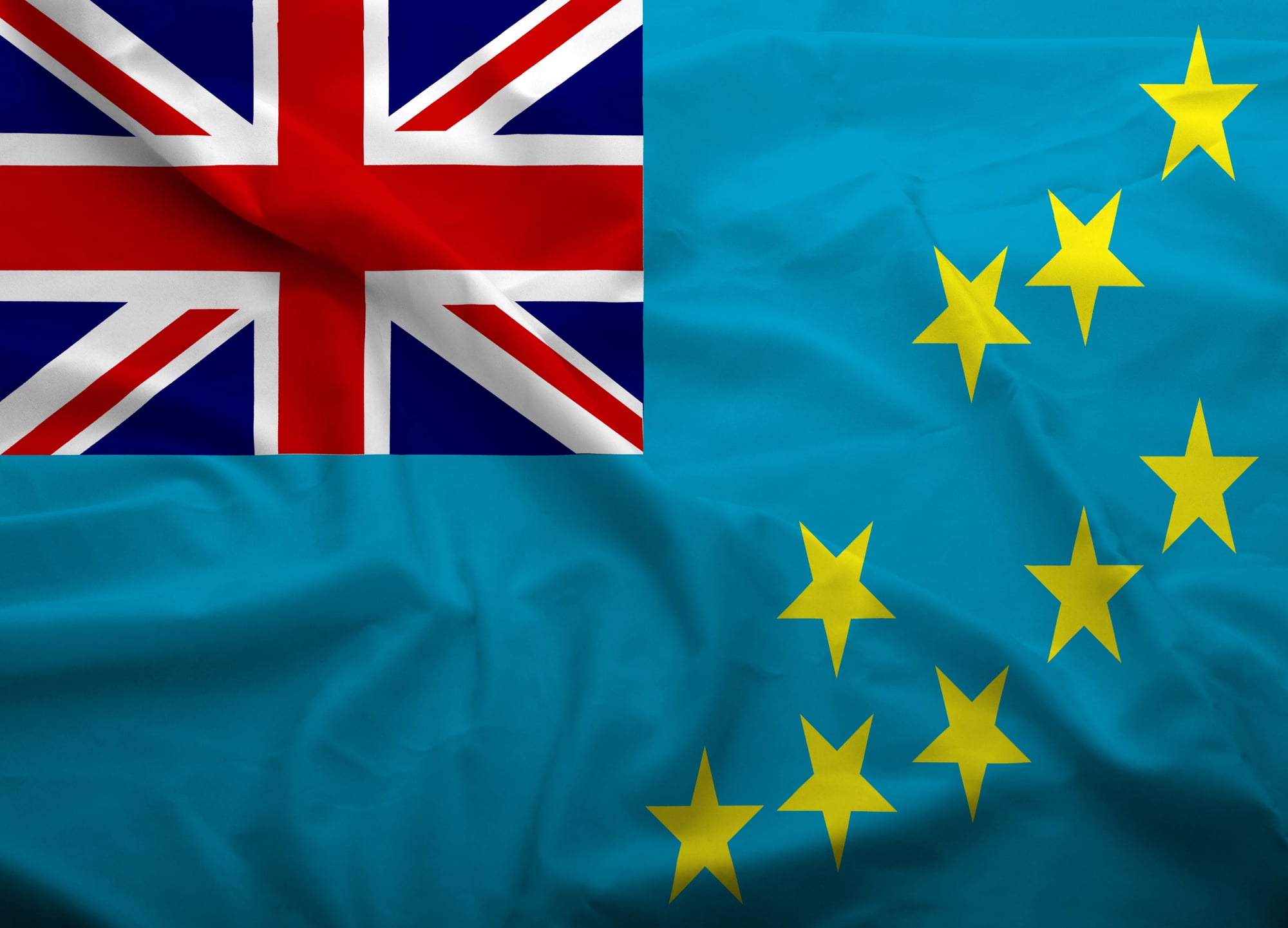
This Pacific island nation earns approximately 10% of its annual revenue simply from leasing its desirable internet domain extension to streaming services and television-related websites. With just 10 square miles of land spread across nine coral atolls, Tuvalu has also become the unexpected owner of a valuable digital asset in the internet age.
The country also receives significant funding from a trust fund established by Australia, New Zealand, and the United Kingdom, giving it one of the highest percentages of foreign aid as a portion of national income.
Andorra
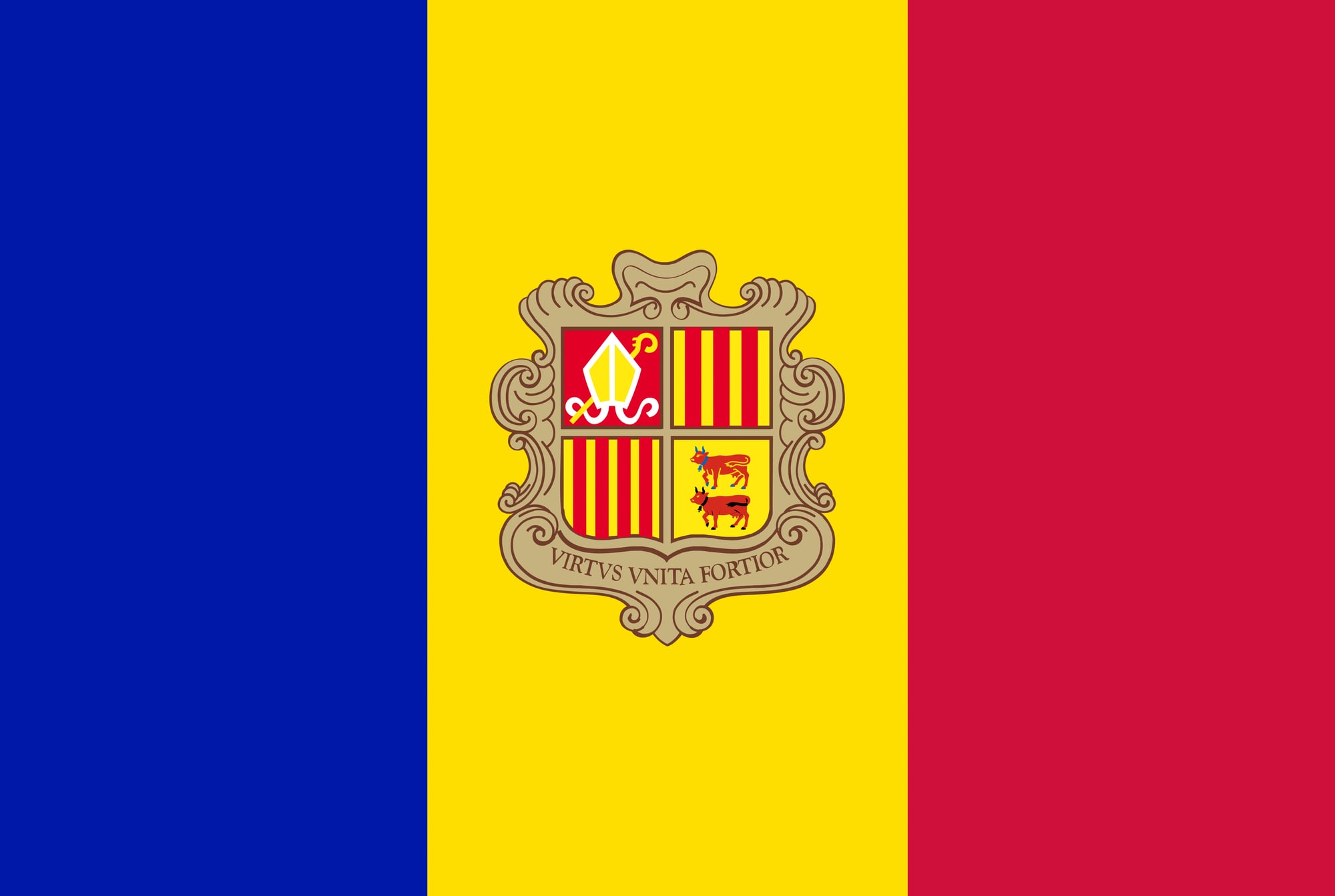
This Pyrenean microstate between France and Spain has a unique co-principality governance system where its heads of state are the President of France and the Bishop of Urgell. Andorra maintains the world’s highest life expectancy at around 85 years and once had the curious distinction of technically being in a state of war with Germany from World War I until 1958, as it was forgotten in the Treaty of Versailles.
The country also boasts the strange claim of having more tourists annually than residents by a factor of more than 100 to 1.
Palau
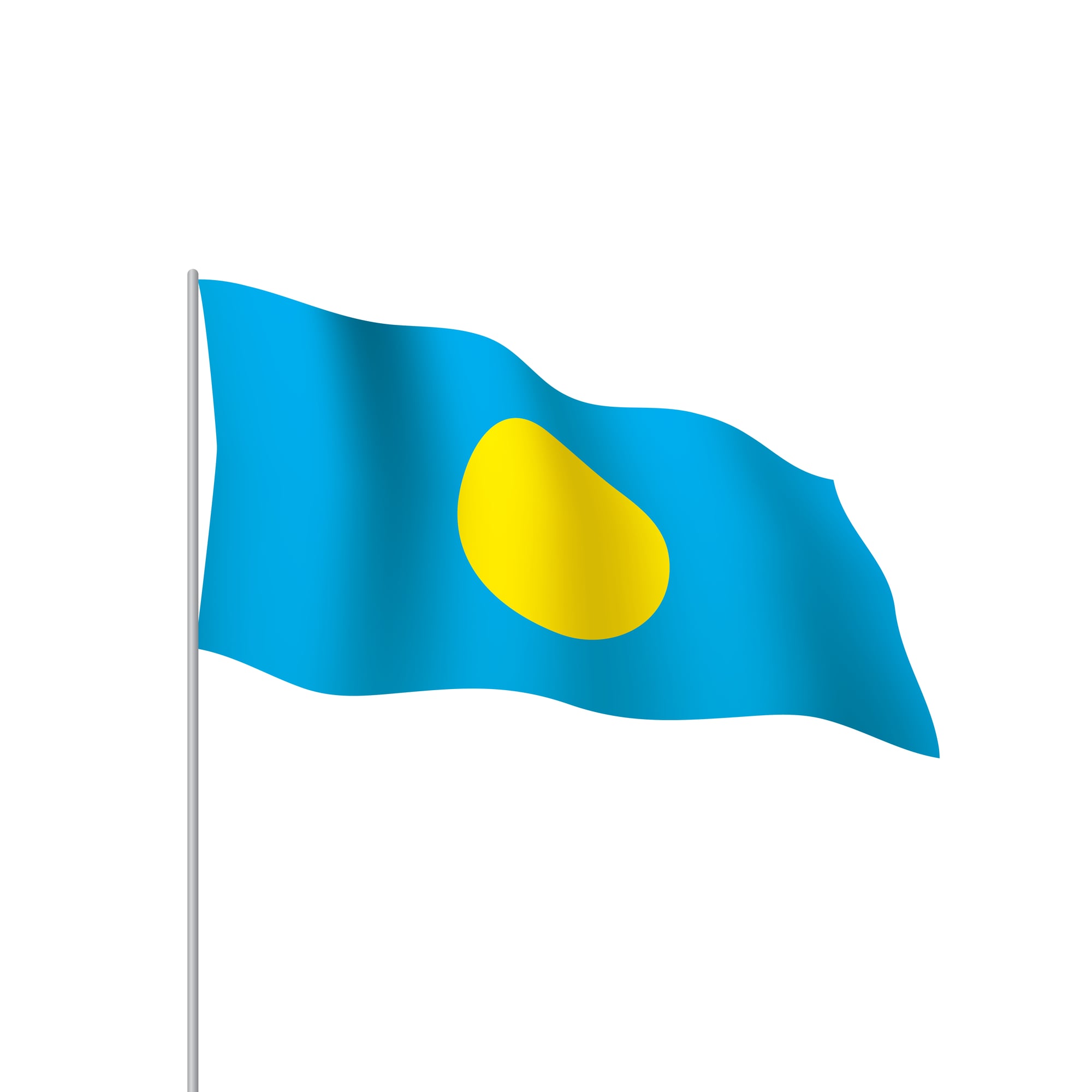
This Pacific island nation was the first country to create a shark sanctuary encompassing its entire exclusive economic zone, protecting over 230,000 square miles of ocean. Palau requires all visitors to sign a pledge in their passports upon entry, promising to act in an environmentally responsible way during their stay.
The country also made headlines by banning certain sunscreens that harm coral reefs and establishing the world’s first underwater post office where visitors can mail waterproof postcards while scuba diving.
Like Go2Tutors’s content? Follow us on MSN.
Malta
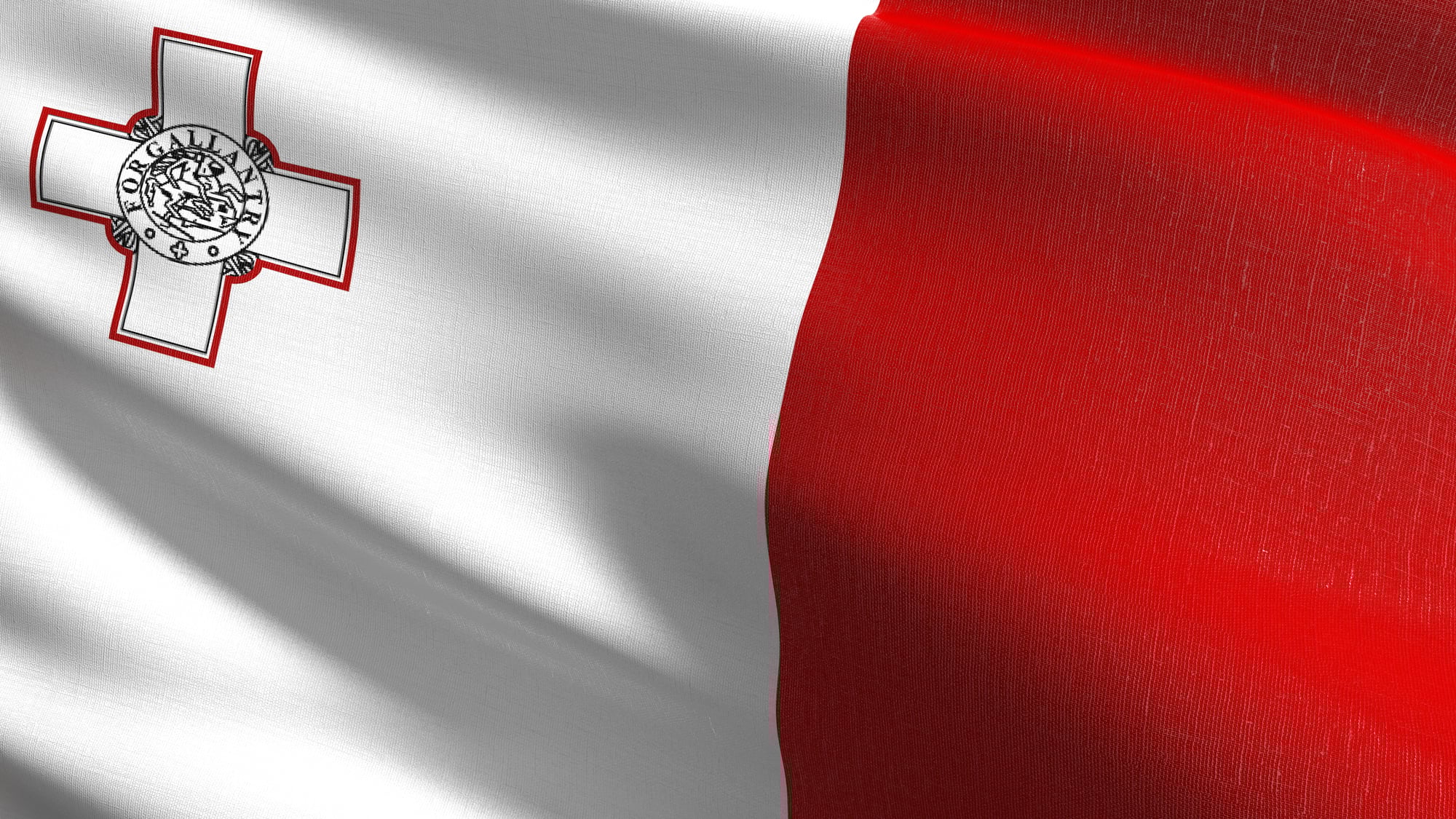
This Mediterranean island nation consists of three inhabited islands but maintains diplomatic relations with over 170 countries, one of the highest ratios of diplomatic missions to landmass in the world. Malta has been ruled by an extraordinary number of foreign powers throughout history and has more ancient monuments per square mile than any other country.
The islands also served as the filming location for numerous movies and television shows, with their distinctive architecture and landscapes appearing in many productions.
Luxembourg
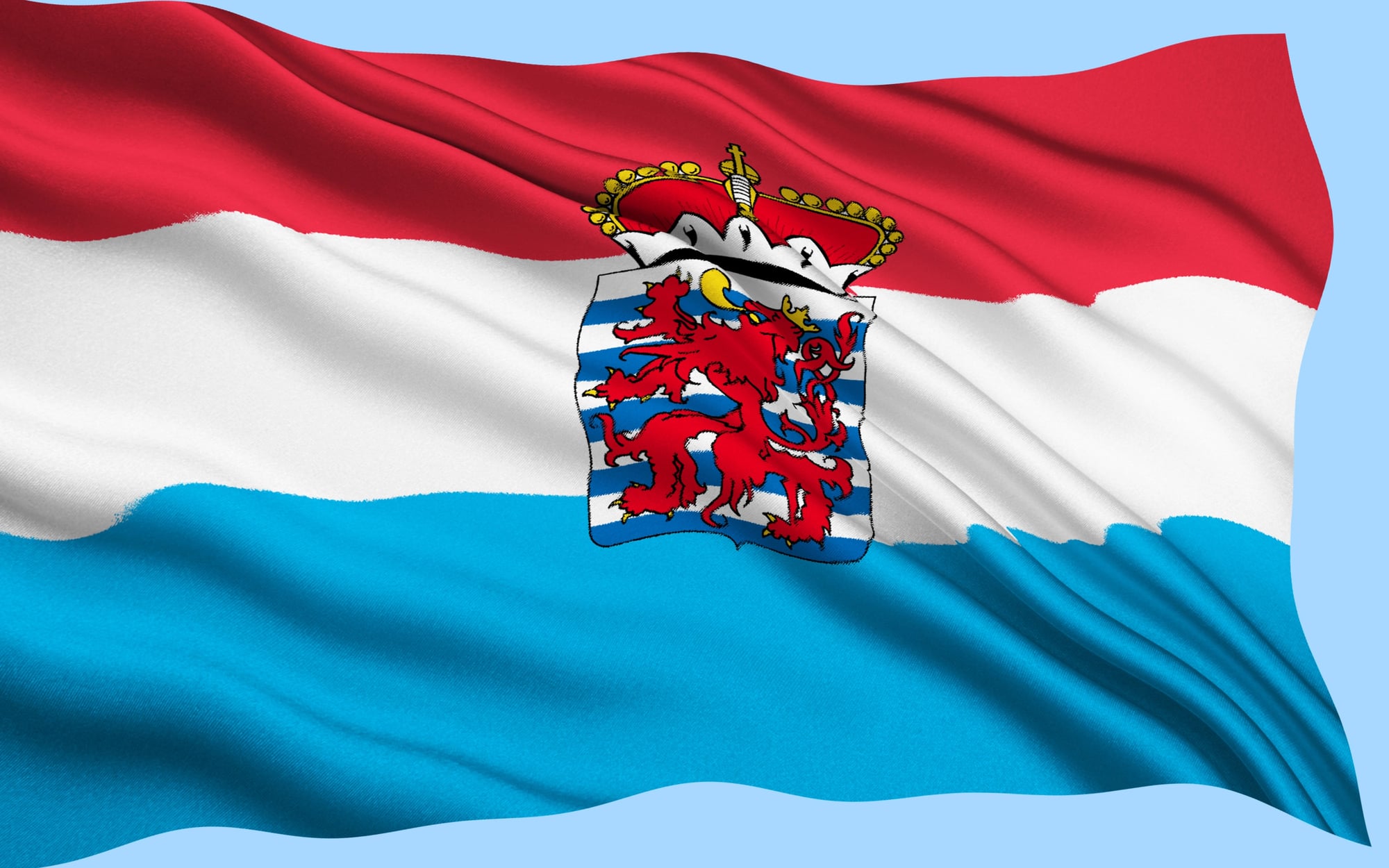
Despite its small size, this landlocked European duchy maintains the world’s highest minimum wage and was the first country to offer free public transport nationwide. Luxembourg also hosts more banks than any other microstate and serves as the headquarters for the European Court of Justice.
The country maintains one of the world’s three remaining Grand Duchies and has one of the highest rates of trilingualism, with most citizens fluent in Luxembourgish, French, and German.
Saint Kitts and Nevis
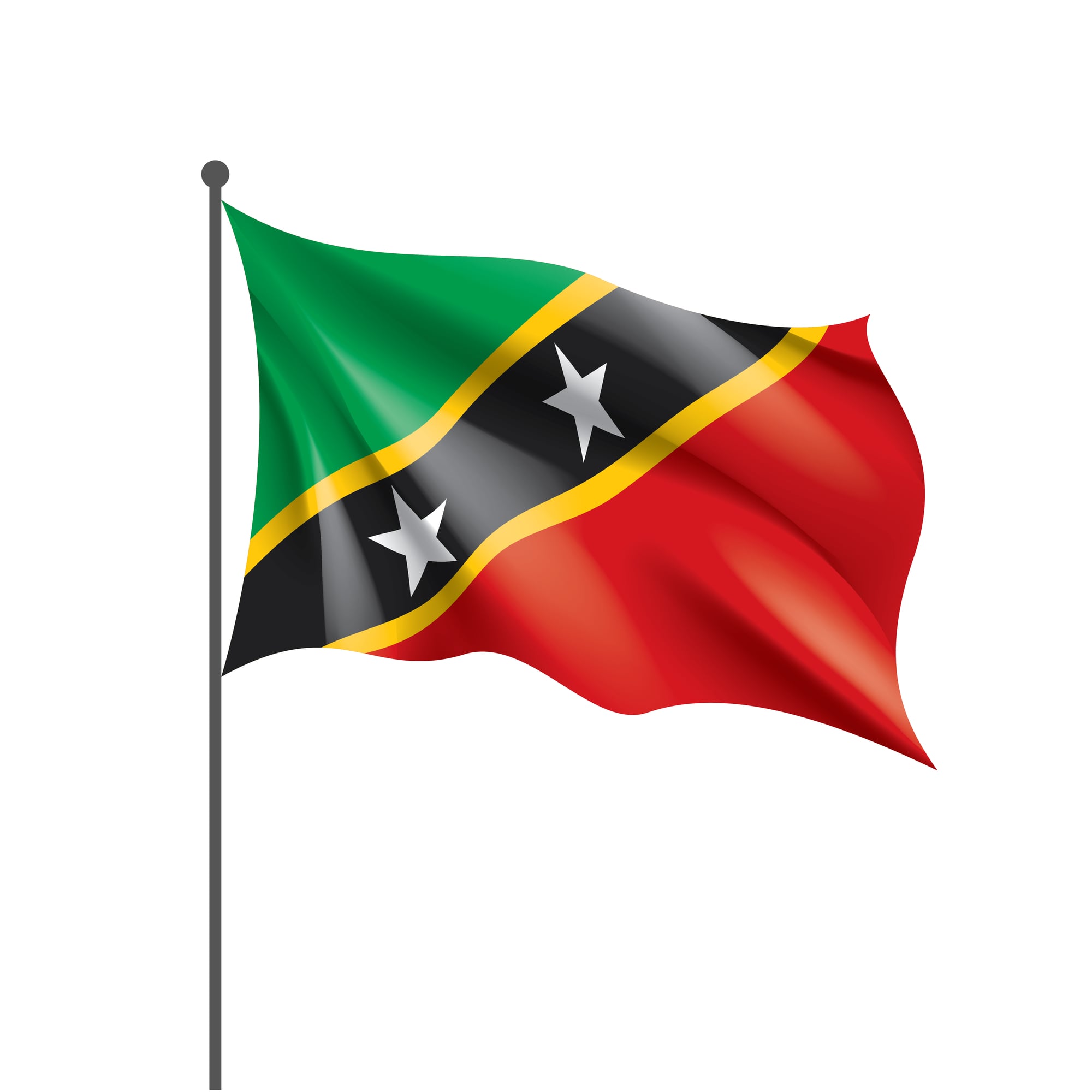
This Caribbean nation, consisting of two islands, was the first country to establish a citizenship-by-investment program in 1984, essentially allowing wealthy foreigners to purchase passports. For approximately $150,000 in investment or real estate purchase, individuals can obtain citizenship without ever residing in the country.
This tiny nation also holds the distinction of being the smallest sovereign state in the Western Hemisphere both by area and population while maintaining diplomatic relations with Taiwan rather than mainland China.
Like Go2Tutors’s content? Follow us on MSN.
Maldives
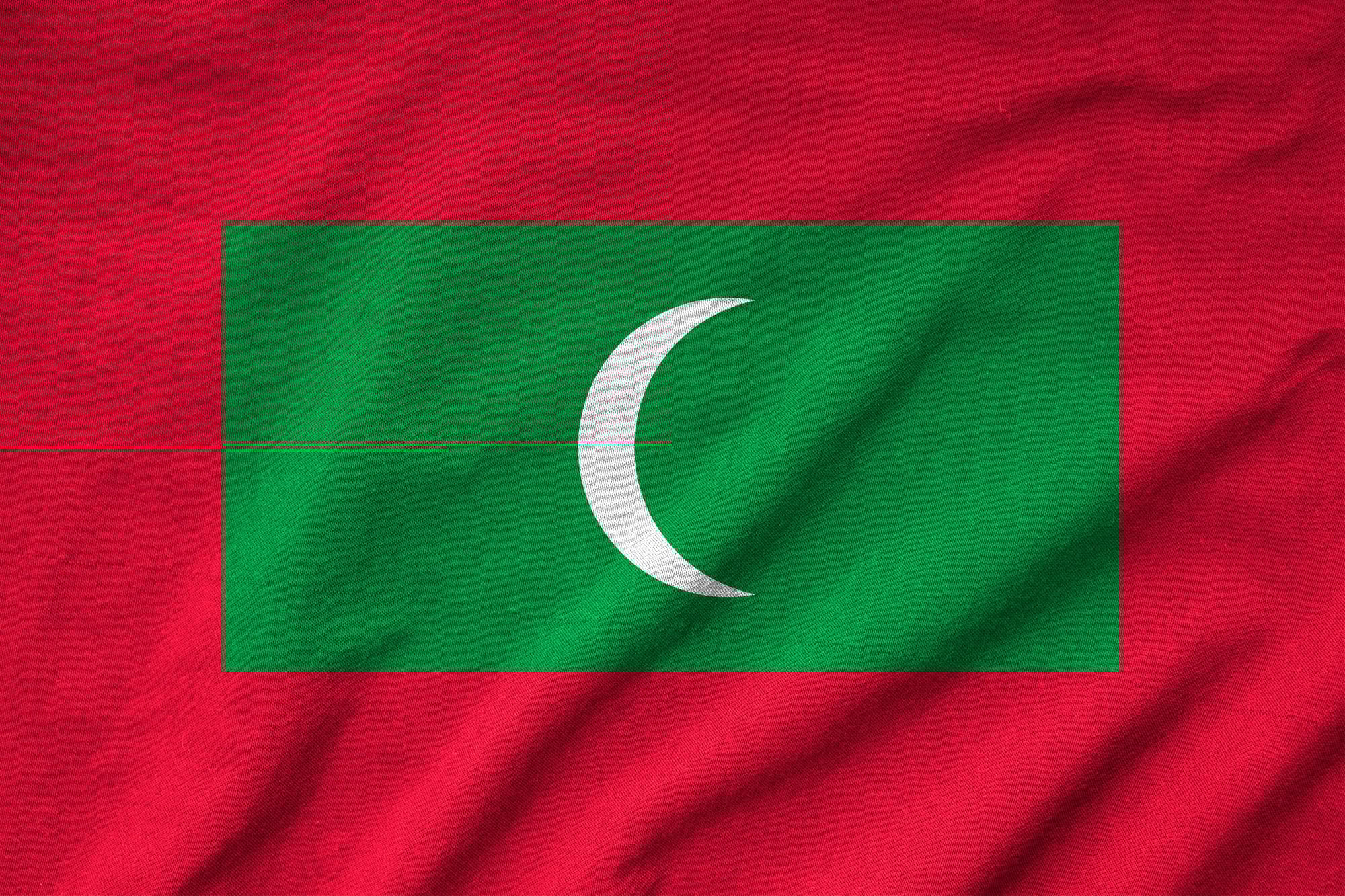
This Indian Ocean archipelago holds cabinet meetings underwater to highlight the existential threat of rising sea levels to the world’s lowest-lying country. With an average elevation of just 5 feet above sea level, the Maldives has also created a sovereign wealth fund specifically to purchase land in other countries for potential future relocation of its citizens.
The country made international headlines by building an artificial island constructed to be several feet higher than the natural islands to withstand future sea level rise.
Marshall Islands
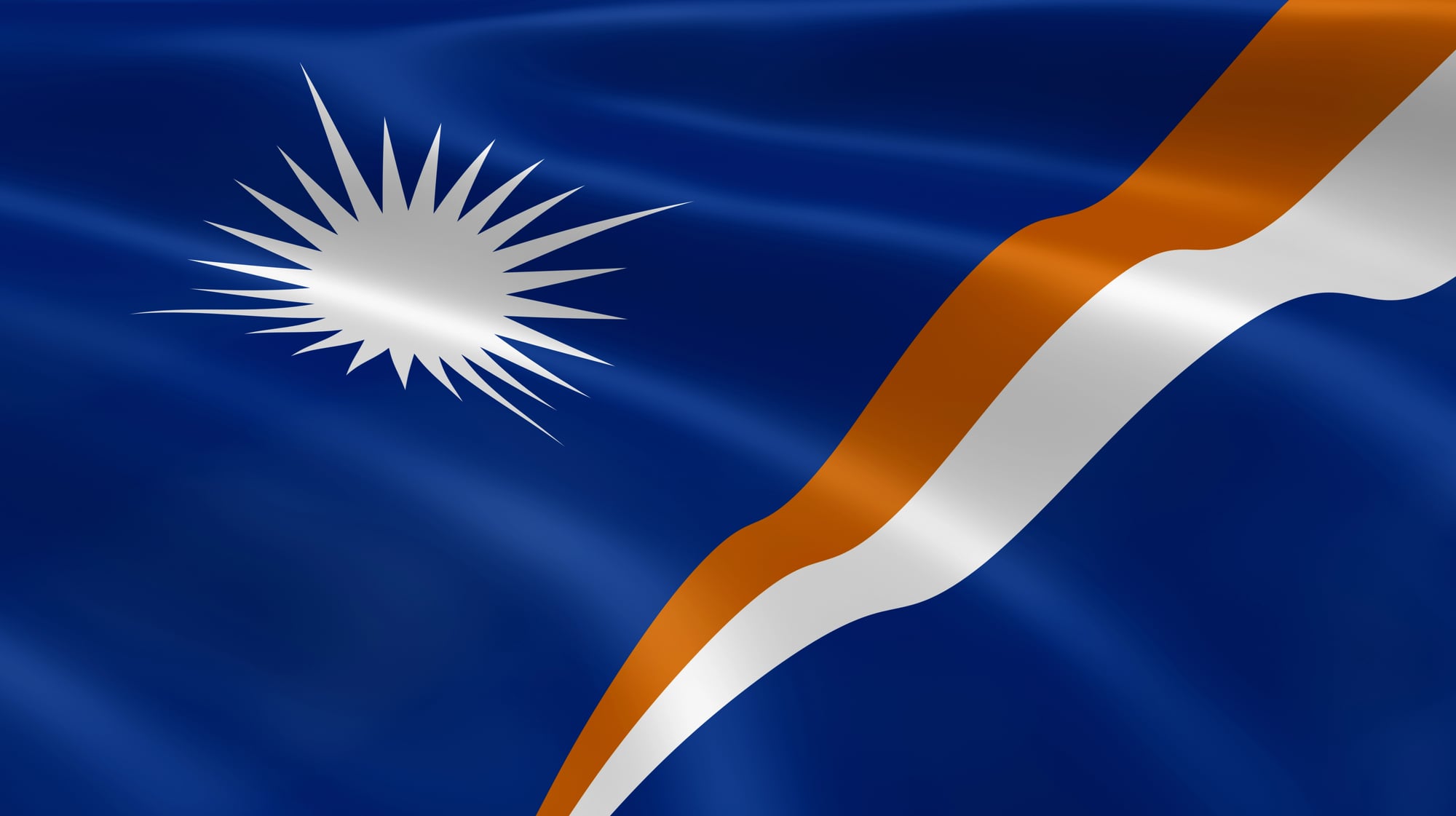
This Pacific island nation became the first country to legally recognize cryptocurrency as an official currency when it launched a digital currency in 2018. The Marshall Islands also has the unusual distinction of being home to the Bikini Atoll, where the United States conducted 23 nuclear tests between 1946 and 1958.
The country maintains a Compact of Free Association with the United States that grants Marshallese citizens the right to live and work in the U.S. without visas.
Seychelles

This Indian Ocean archipelago has protected more of its territory than any other nation, with nearly 60% of its land area and 30% of its marine territory designated as conservation zones. Seychelles pioneered the concept of debt-for-nature swaps, where foreign debt was forgiven in exchange for establishing marine protected areas.
The country also made headlines for becoming the first African nation to eliminate malaria and for having the highest literacy rate on the continent at over 95%.
Like Go2Tutors’s content? Follow us on MSN.
Iceland
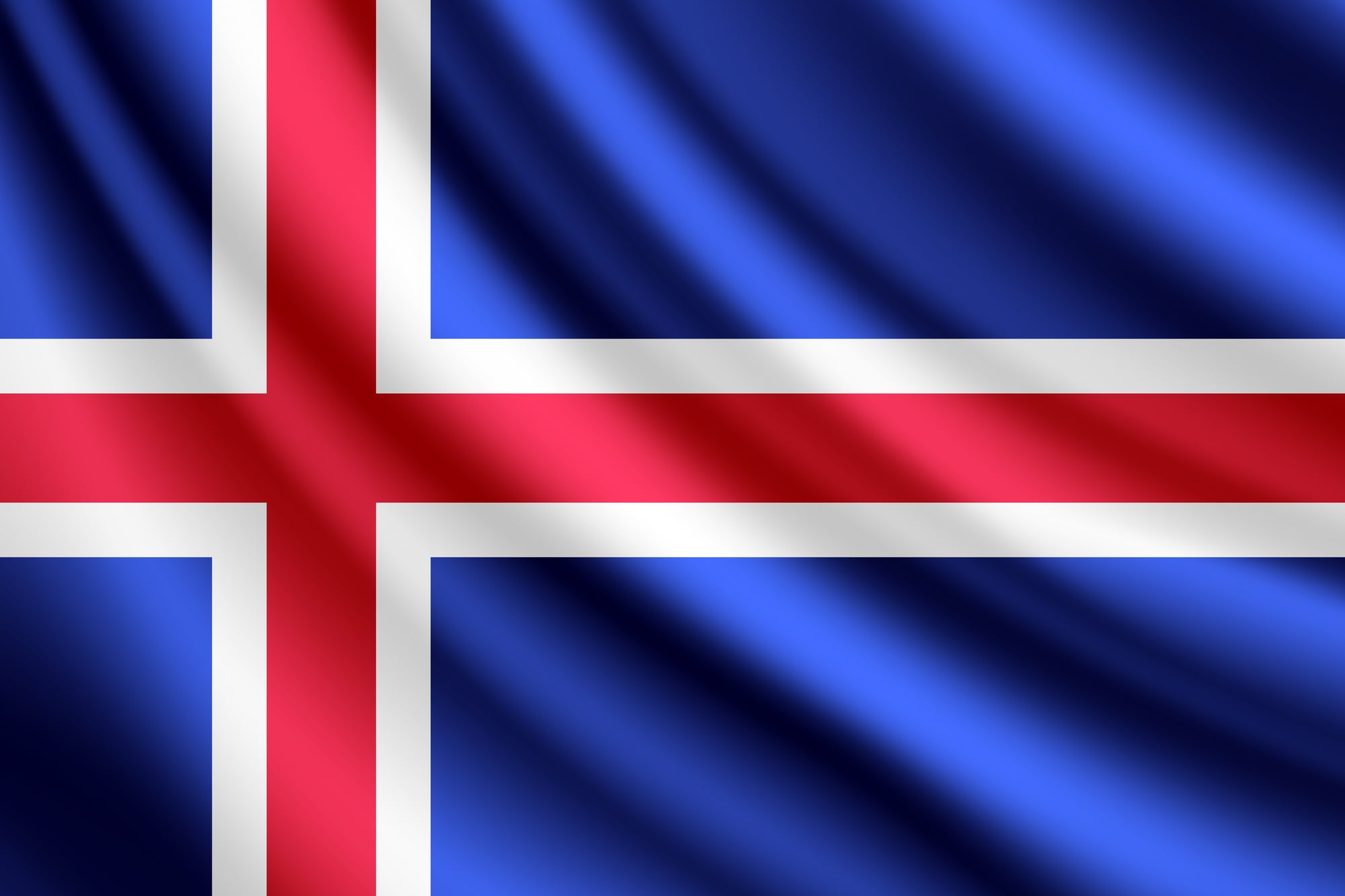
Despite its small population, this Nordic island nation produces more published books per capita than any other country in the world. Iceland has also pioneered geothermal energy usage, with nearly all its electricity coming from renewable sources, and maintains an official government committee that must approve all new Icelandic baby names to preserve linguistic tradition.
The country famously jailed bankers after the 2008 financial crisis rather than bailing them out and maintains an app to prevent accidental dating between close relatives in its small, genetically homogeneous population.
Small Nations, Big Identities
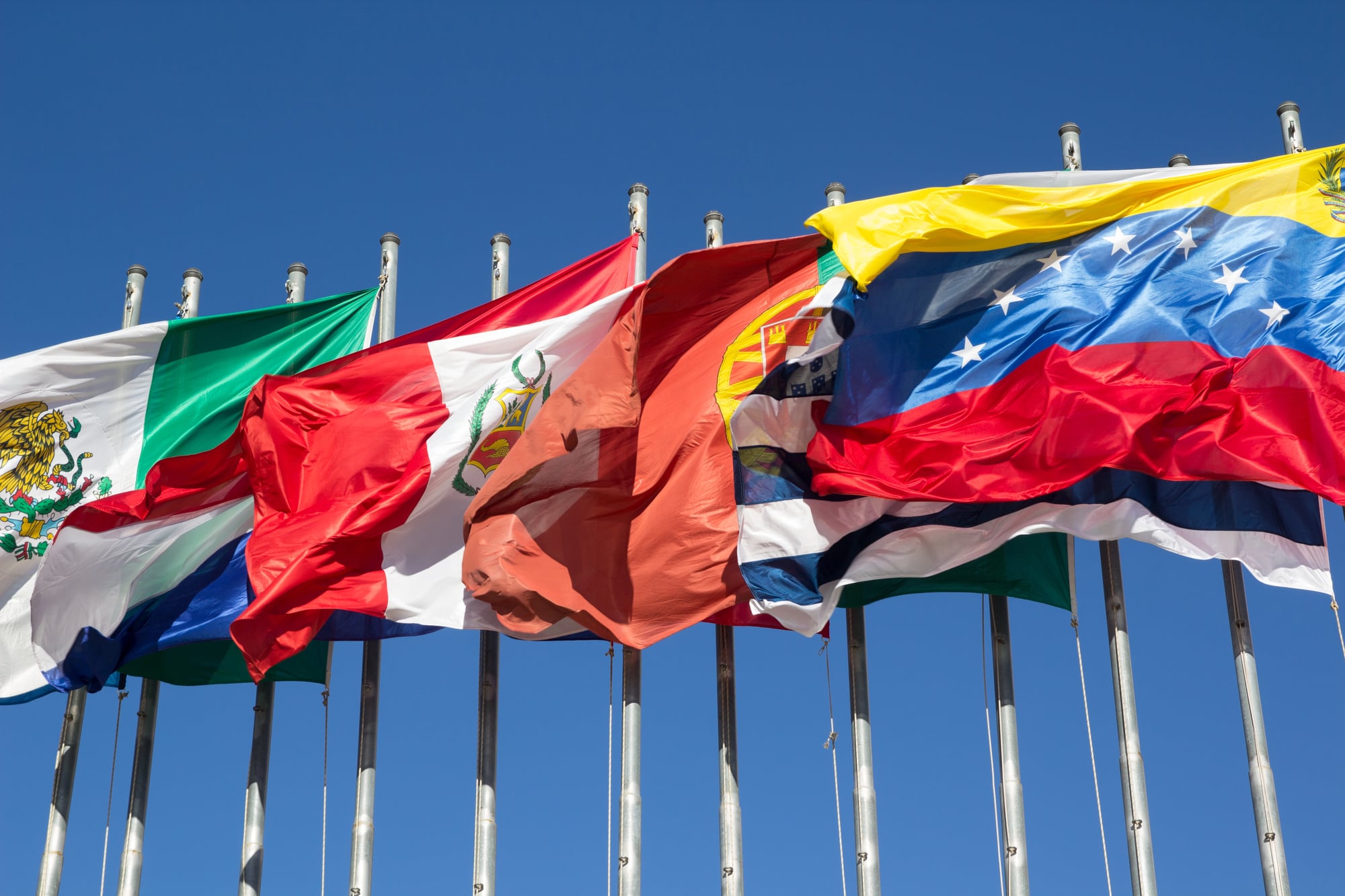
These diminutive countries remind us that a nation’s significance isn’t measured merely by its physical size or population. Through quirky laws, unexpected economic niches, environmental leadership, or cultural peculiarities, these tiny nations have crafted unique identities on the world stage.
Their strange claims to fame not only provide fascinating trivia but also often reflect creative approaches to survival in a world dominated by larger powers. From selling citizenship to pioneering environmental protection, these microstates demonstrate that innovation and distinctiveness can emerge from even the smallest corners of our global community.
More from Go2Tutors!

- 18 Unexpectedly Valuable Collectibles You Might Have Lying Around
- 15 Things Every Teenager in the ’70s Did That Teens Today Wouldn’t Understand
- 15 Strange Things People Have Tried to Ban (And Failed)
- 15 Inventions That Were Immediately Banned After Being Created
- 20 Actors Who Were Almost Cast in Iconic Roles
Like Go2Tutors’s content? Follow us on MSN.



