The Most Mysterious Packages Sent To Random Houses
There’s something unsettling about an unexpected package on your doorstep. No tracking notification, no order confirmation in your email, just a box with your address and a name that might not even be yours.
While most mystery deliveries turn out to be simple shipping errors or surprise gifts from relatives, some packages have left recipients scratching their heads for years. These aren’t your typical wrong-address situations — they’re genuinely bizarre deliveries that have sparked investigations, launched internet mysteries, and left entire communities wondering who’s behind them.
The Toynbee Tiles Mystery
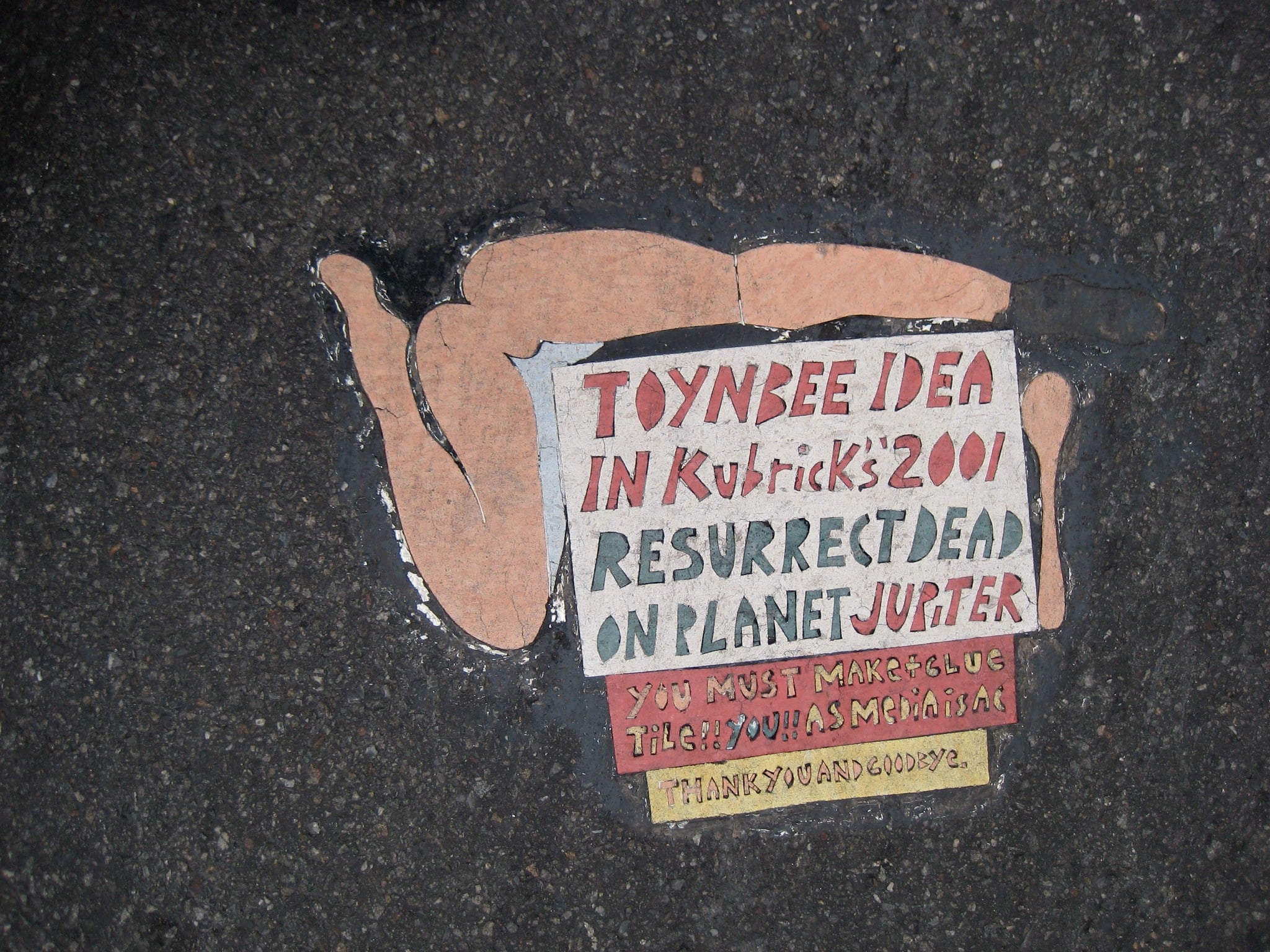
These cryptic messages started appearing on streets across major American cities in the 1980s. Embedded directly into asphalt roads, the tiles contained variations of the same bizarre message: “TOYNBEE IDEA IN KUBRICK’S 2001 RESURRECT DEAD ON PLANET JUPITER.”
Nobody ordered them. Nobody claimed responsibility.
The tiles kept appearing for decades — Philadelphia, New York, Washington D.C., even some cities in South America. Each one was carefully installed, often in busy intersections where they’d be seen by thousands of drivers daily.
The installation process alone required significant planning and risk, yet whoever was behind it remained completely anonymous. Some tiles included longer messages ranting about government conspiracies and media cover-ups.
Others were simple four-line poems. The mystery deepened when researchers discovered that creating and installing just one tile would require specialized equipment, materials, and considerable time working in the middle of busy streets.
Yet hundreds appeared over thirty years.
The Netflix DVD Phenomenon

In 2017, people across the United States started receiving Netflix DVDs they never ordered. Not just any DVDs — specifically copies of “The Platform,” a Spanish science fiction thriller.
The recipients weren’t Netflix subscribers, had never signed up for DVD service, and had no connection to each other. What made this particularly strange was the timing.
Netflix had been moving away from DVDs for years, making physical disc deliveries increasingly rare. Yet these specific DVDs kept arriving at random addresses with no shipping information, no account details, and no way to trace who had sent them.
Netflix customer service couldn’t explain the deliveries. The company’s records showed no orders for these addresses, no promotional campaigns involving this specific movie, and no system glitches that could account for the random mailings.
Recipients who tried to return the DVDs found that Netflix couldn’t process the returns because the discs weren’t tied to any active accounts.
The Wooden Spoons Of Ireland

Throughout 2019, residents of County Cork, Ireland, found wooden kitchen spoons in their mailboxes. Not fancy spoons, not antique spoons — just plain, unremarkable wooden spoons that you’d find in any kitchen supply store.
No note, no explanation, no pattern to who received them. The deliveries weren’t random pranks from local kids.
These spoons arrived in proper postal packaging, complete with postage and addresses written in the same handwriting. Someone was systematically mailing wooden spoons to specific households across multiple towns and villages.
Local postal workers confirmed they were delivering the packages through normal mail channels, but the return addresses were either fake or led to empty lots. The spoons themselves offered no clues — mass-produced kitchen utensils available at dozens of stores throughout Ireland.
Yet someone had invested considerable time and money in what appeared to be the most mundane mail campaign in history.
Googly Eyes On Everything

Portland, Oregon, discovered a different kind of mystery in 2018 when someone began anonymously attaching googly eyes to public statues, street art, and architectural features throughout the city. While not technically packages, these decorations were being delivered to specific locations with the precision of a planned mail route.
The installations appeared overnight, always professionally applied with weather-resistant adhesive that wouldn’t damage the underlying surfaces. Whoever was behind it had clearly researched each location, timing their visits to avoid security cameras and foot traffic while ensuring maximum visibility for their additions.
What struck residents wasn’t just the whimsy of the project, but the sheer scope and consistency. The googly eyes appeared on sculptures across dozens of neighborhoods, suggesting either a coordinated group effort or someone with significant time and mobility.
Each installation was photographed and shared on social media, creating an involuntary public art project that nobody could trace back to its source. And the quality of the work mattered: these weren’t cheap dollar store googly eyes slapped onto random surfaces (though that would have been strange enough), but carefully sized, weatherproof versions that suggested someone was taking this project seriously enough to invest in proper materials and planning.
The Pressed Penny Packages
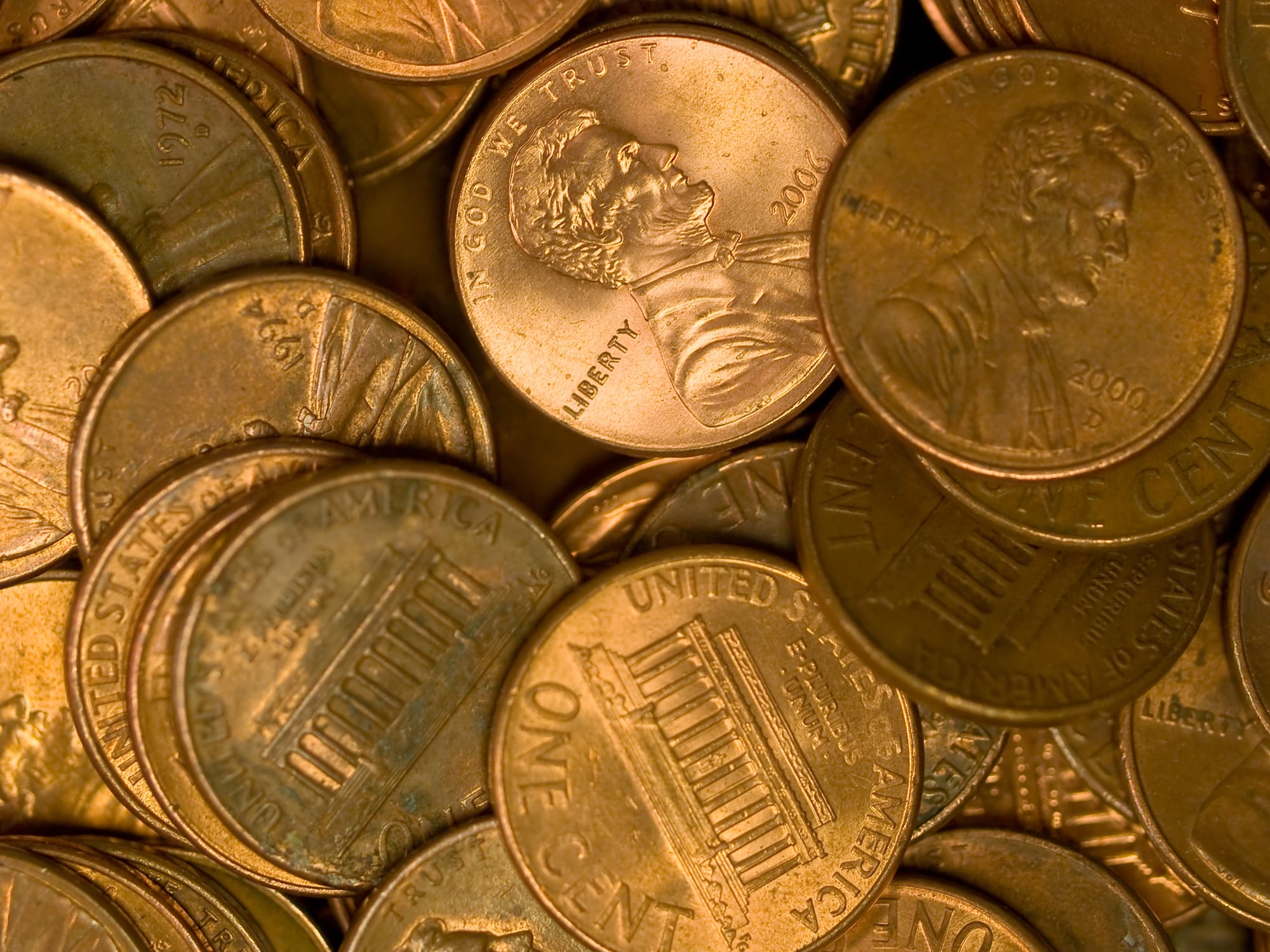
Collectors know pressed pennies — those flattened, elongated coins you get from machines at tourist attractions. But in 2020, people in small towns across the Midwest started receiving envelopes containing pressed pennies from places they’d never visited, sent to addresses where they’d never lived.
These weren’t random pressed pennies. Each envelope contained coins from specific, obscure locations: a gas station in rural Montana, a roadside dinosaur statue in South Dakota, a forgotten museum in Kansas.
The pennies were always in perfect condition, recently pressed, and came with no accompanying message or explanation. The strangest part was how accurately the packages reached their intended recipients.
People who had moved multiple times found these envelopes waiting at their current addresses, despite having no connection to the sender or the locations depicted on the coins. Someone was not only traveling to remote tourist stops across the country but also tracking down current addresses for people they’d apparently never met.
Mystery Seeds From China

The summer of 2020 brought reports of unsolicited seed packages arriving from China at addresses across the United States. Recipients found small packages containing unlabeled seeds they hadn’t ordered, often with shipping labels listing jewelry or other items to avoid agricultural inspection.
Agricultural authorities quickly issued warnings about the potential dangers of planting unknown seeds, citing risks to local ecosystems and food supplies. But the scope of the mailings suggested something more complex than random ecological terrorism.
The packages were reaching specific addresses, often in rural areas where recipients might actually be tempted to plant unknown seeds. Investigation revealed a practice called “brushing,” where sellers create fake purchases to boost their online ratings.
But the seed packages didn’t fit that pattern. No online accounts were being credited, no reviews were being generated, and the return addresses led to warehouses with no connection to any retail operation.
Someone was spending considerable money to mail seeds to random Americans with no apparent business benefit.
The Anonymous Art Collective

Between 2016 and 2019, residents of several college towns received packages containing small, original artworks. Not prints or mass-produced items — actual original paintings, sculptures, and mixed-media pieces, each unique and clearly created by skilled artists.
The packages always arrived without return addresses, sender information, or any explanation for why the recipient had been chosen. The art itself ranged from abstract paintings on canvas boards to intricate wire sculptures to collage work incorporating local newspaper clippings from the recipient’s own town.
What made this particularly mysterious was the quality and personalization of the work. These weren’t throw-away pieces or student exercises.
Someone was investing serious time and artistic skill in creating custom works for people they’d apparently never met. The local newspaper clippings suggested the artist was researching each recipient’s location, but no one could determine what criteria were being used to select addresses.
Vintage Postcards To Wrong People
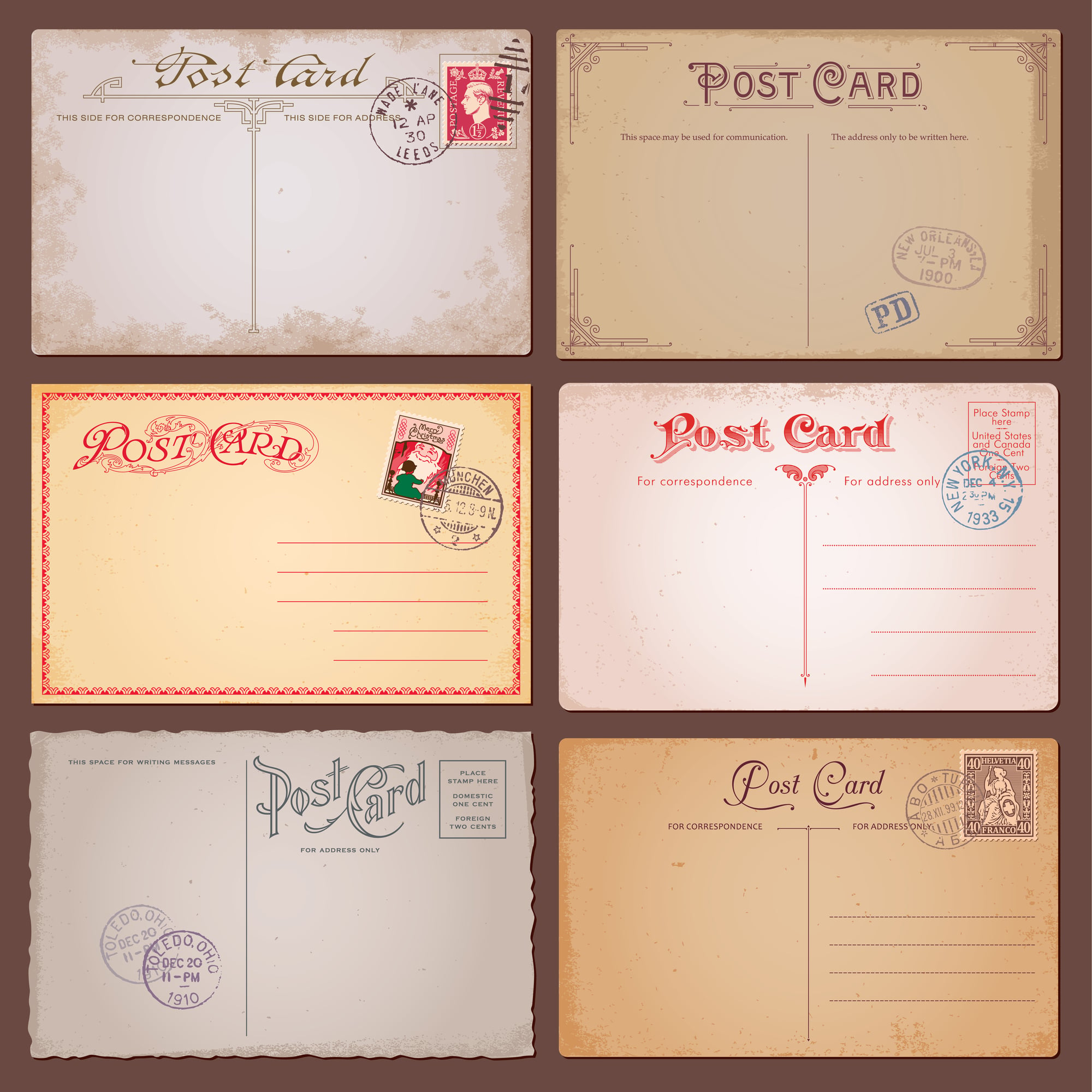
Starting in 2021, people began receiving vintage postcards addressed to previous residents of their homes. Not recently previous — these postcards were addressed to people who had lived at these addresses decades earlier, sometimes before the current residents were even born.
The postcards themselves were genuine vintage pieces from the 1940s and 1950s, complete with period-appropriate postmarks and handwriting. But they were being sent through current mail systems, arriving in modern mailboxes alongside contemporary mail.
Someone had researched historical address records and was sending authentic vintage postcards to people who had lived at specific addresses fifty or sixty years ago. Current residents who tried to research the original intended recipients often found that those people had died decades earlier.
Yet the postcards kept arriving, sent by someone who had apparently invested considerable time and money in acquiring vintage postcards and researching historical address records for no apparent purpose.
The Button Collection Mystery
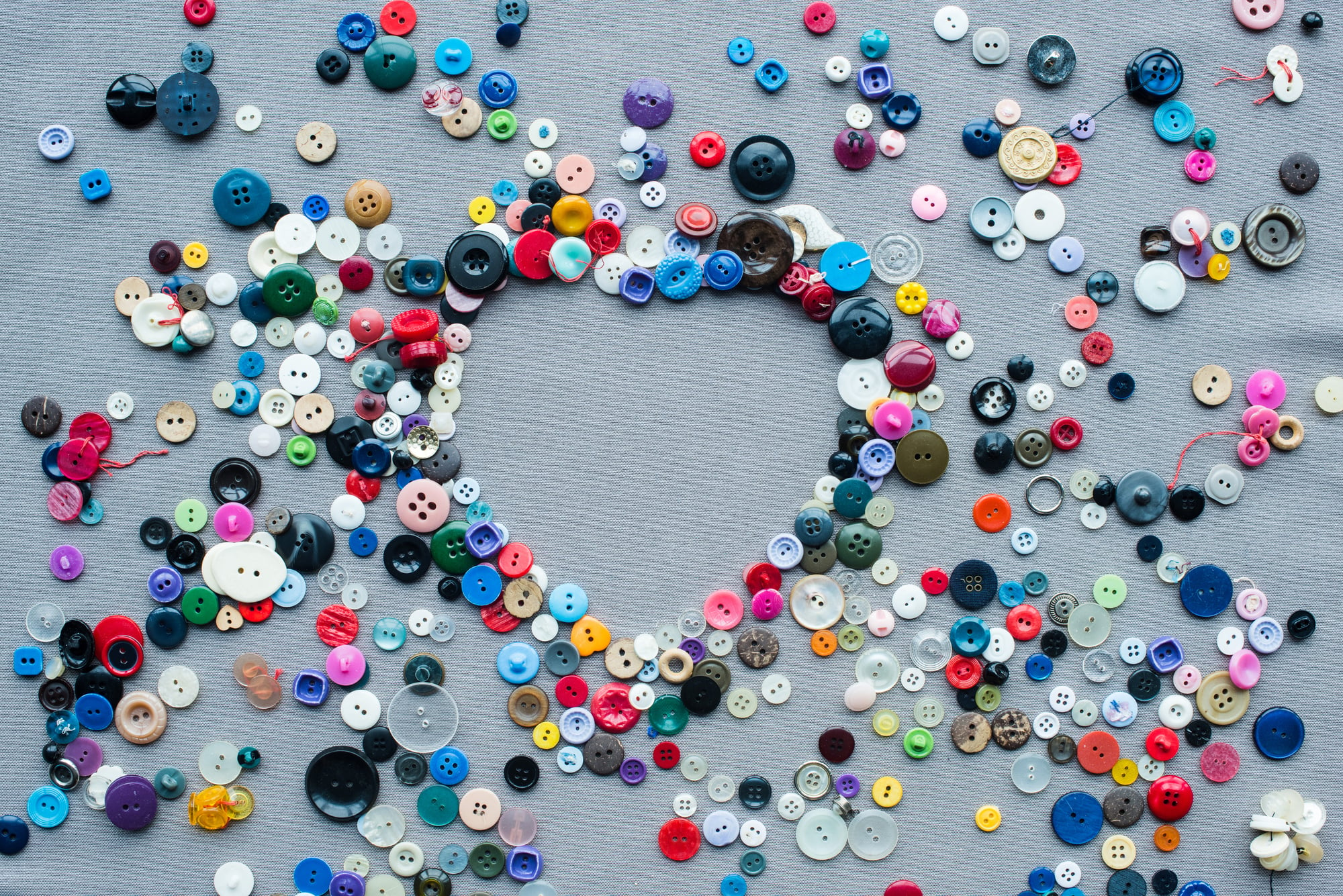
Throughout 2022, households in small New England towns received padded envelopes containing collections of vintage buttons. Not valuable buttons, not rare buttons — just ordinary clothing buttons from what appeared to be the 1960s and 1970s, sorted by color and placed in small plastic bags.
Each envelope contained exactly fifty buttons, always in groups of ten by color. The buttons showed signs of having been removed from clothing rather than purchased new, suggesting someone had been systematically harvesting buttons from vintage garments for years before deciding to mail them to random addresses.
The precision of the collections suggested this wasn’t random disposal of inherited sewing supplies. Someone was carefully curating these button assortments, taking time to count and sort them before mailing.
Yet recipients had no connection to sewing, vintage clothing, or button collecting. The packages simply arrived with no explanation or return address.
Anonymous Garden Bulbs

Fall 2022 brought reports of mystery flower bulb deliveries across suburban neighborhoods in the Pacific Northwest. Residents found packages of tulip and daffodil bulbs on their doorsteps, always with planting instructions but never with sender information.
The bulbs were high-quality varieties, often more expensive than what most gardeners would buy for their own use. Someone was investing hundreds of dollars in premium flower bulbs and distributing them anonymously to specific neighborhoods, apparently hoping recipients would plant them without knowing who to thank.
What struck recipients was the timing and selection. The bulbs always arrived at the optimal planting time for the specific region, and the varieties were chosen to complement existing landscaping in each neighborhood.
Someone was clearly familiar with local growing conditions and had taken time to observe what types of flowers would work best in each area.
The Handwritten Recipe Collection
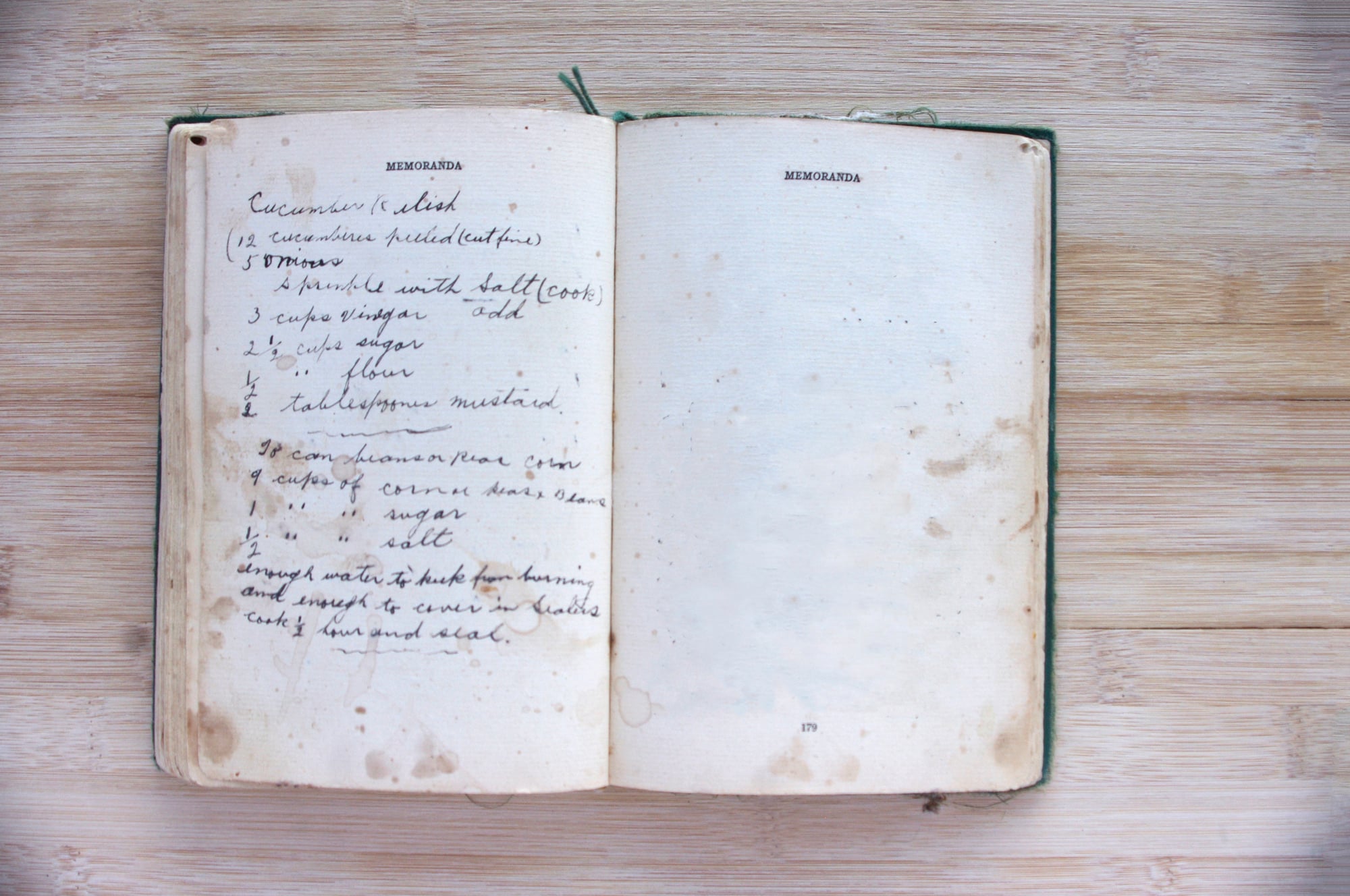
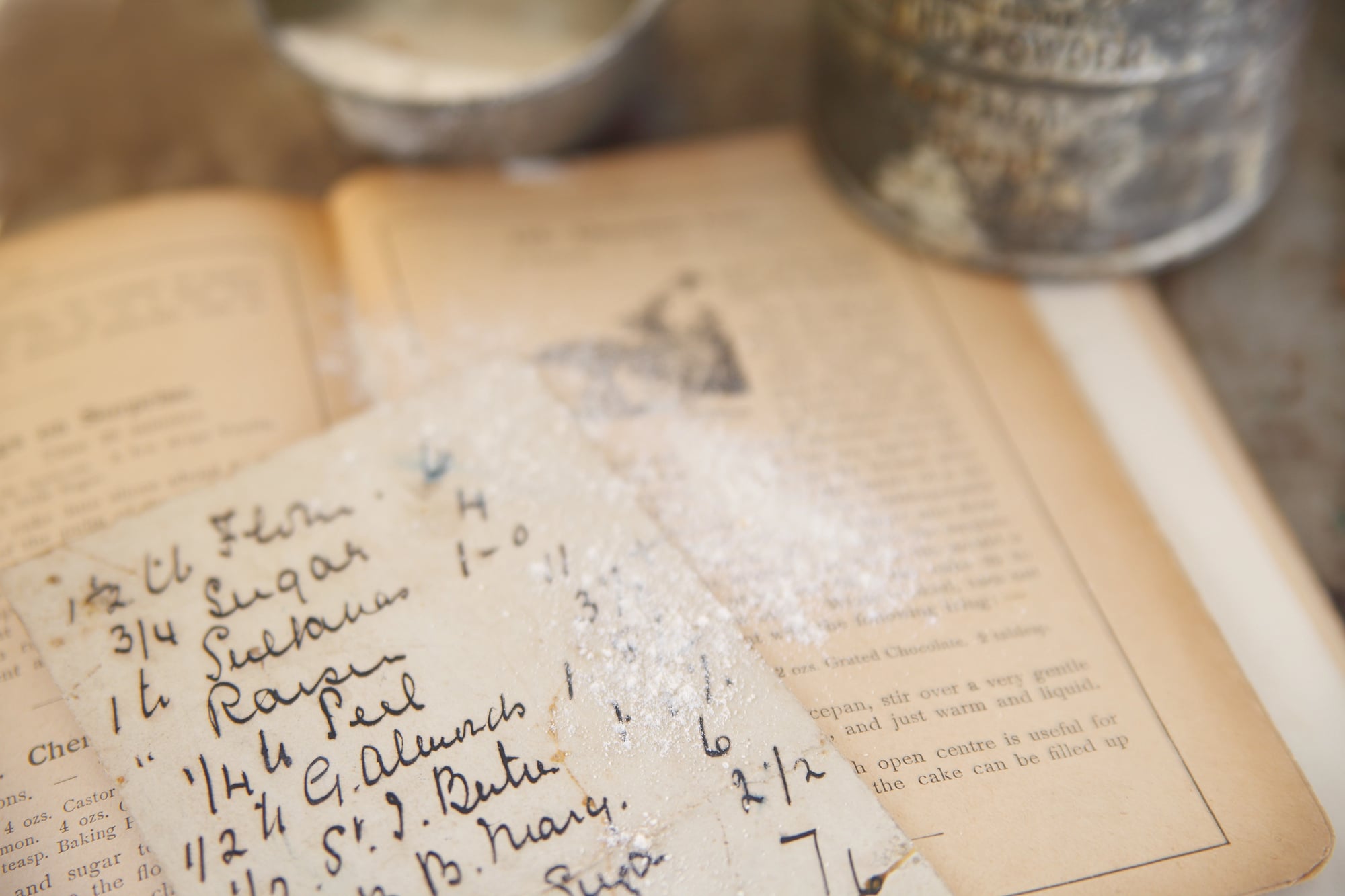
In early 2023, people across the Midwest began receiving envelopes containing handwritten recipes. Not photocopies or printed cards — actual handwritten recipe cards in various handwriting styles, as if they’d been collected from multiple sources over many years.
The recipes were for ordinary dishes — casseroles, desserts, and side dishes that might appear at church potlucks or family gatherings. But each envelope contained recipes that seemed to match the recipient’s regional cooking traditions, even though the sender remained completely anonymous.
Recipients who tried cooking the recipes found that they actually worked well and tasted good. Someone had curated a collection of tested, reliable recipes and was sharing them anonymously with people who might actually use them.
But there was no way to trace the source or understand why specific people were receiving these particular recipe collections.
Random Hardware Deliveries
Late 2023 brought reports of small packages containing random hardware items — screws, washers, small brackets, and other basic hardware store items. Unlike the elaborate mysteries involving art or rare items, these packages contained the most mundane possible contents.
Yet someone was carefully packaging individual hardware items and mailing them to specific addresses across the country. Each package contained exactly five pieces of matching hardware, always new and still in manufacturer packaging, always items that might conceivably be useful for basic home repairs.
The sheer pointlessness of the project made it more mysterious than the elaborate art packages. Someone was spending time and money to mail individual screws to random people, creating what might be the most deliberately unhelpful mystery mail campaign ever documented.
Digital Camera Memory Cards

The most recent mystery involves anonymous deliveries of digital camera memory cards containing photos of unremarkable locations. Recipients find small packages containing SD cards filled with hundreds of photos of empty parking lots, suburban streets, and ordinary buildings in cities they don’t recognize.
The photos aren’t artistic or particularly interesting — they appear to be systematic documentation of everyday locations, as if someone was conducting a survey or creating a visual inventory of random places. But the photos are high-quality, taken with expensive equipment, and organized by date and location in ways that suggest serious intent behind the project.
What makes this particularly puzzling is the amount of work involved. Someone is traveling extensively, photographing ordinary locations in systematic detail, organizing thousands of photos, and then anonymously mailing the memory cards to random recipients who have no connection to the photographed locations.
When Mystery Meets The Mundane
These delivery mysteries share certain characteristics that set them apart from simple pranks or shipping errors. They involve significant time, planning, and financial investment from anonymous senders who seem to expect nothing in return.
The recipients are chosen through criteria that remain completely opaque, and the contents range from valuable to worthless without any apparent pattern. Perhaps what makes these packages truly mysterious isn’t what they contain, but what they represent.
In an age where every online action is tracked and every purchase is logged, someone is still managing to conduct elaborate, anonymous projects that leave no digital trail. They’re reminders that mystery can still exist in our hyperconnected world — and sometimes it arrives directly to your front door.
More from Go2Tutors!

- The Romanov Crown Jewels and Their Tragic Fate
- 13 Historical Mysteries That Science Still Can’t Solve
- Famous Hoaxes That Fooled the World for Years
- 15 Child Stars with Tragic Adult Lives
- 16 Famous Jewelry Pieces in History
Like Go2Tutors’s content? Follow us on MSN.