The Most Dangerous Smart Devices in Your House
Your home is smarter than ever, but that intelligence comes with risks most people never consider. Every connected device creates a potential entry point for hackers, data thieves, and privacy invaders.
The convenience of controlling everything from your phone masks a troubling reality: some of these devices are collecting, transmitting, and storing information in ways that would shock you.
The problem isn’t just theoretical anymore. Security breaches involving home devices make headlines regularly, yet manufacturers continue prioritizing features over protection.
Here are the smart devices that pose the greatest risks to your safety, privacy, and security.
Smart TVs

Smart TVs watch you back. These devices collect viewing habits, voice commands, and sometimes even visual data through built-in cameras.
The information gets packaged and sold to advertisers.
Most people never change the default privacy settings, which means maximum data collection from day one. Some models have been caught listening to conversations even when supposedly turned off.
Home Security Cameras
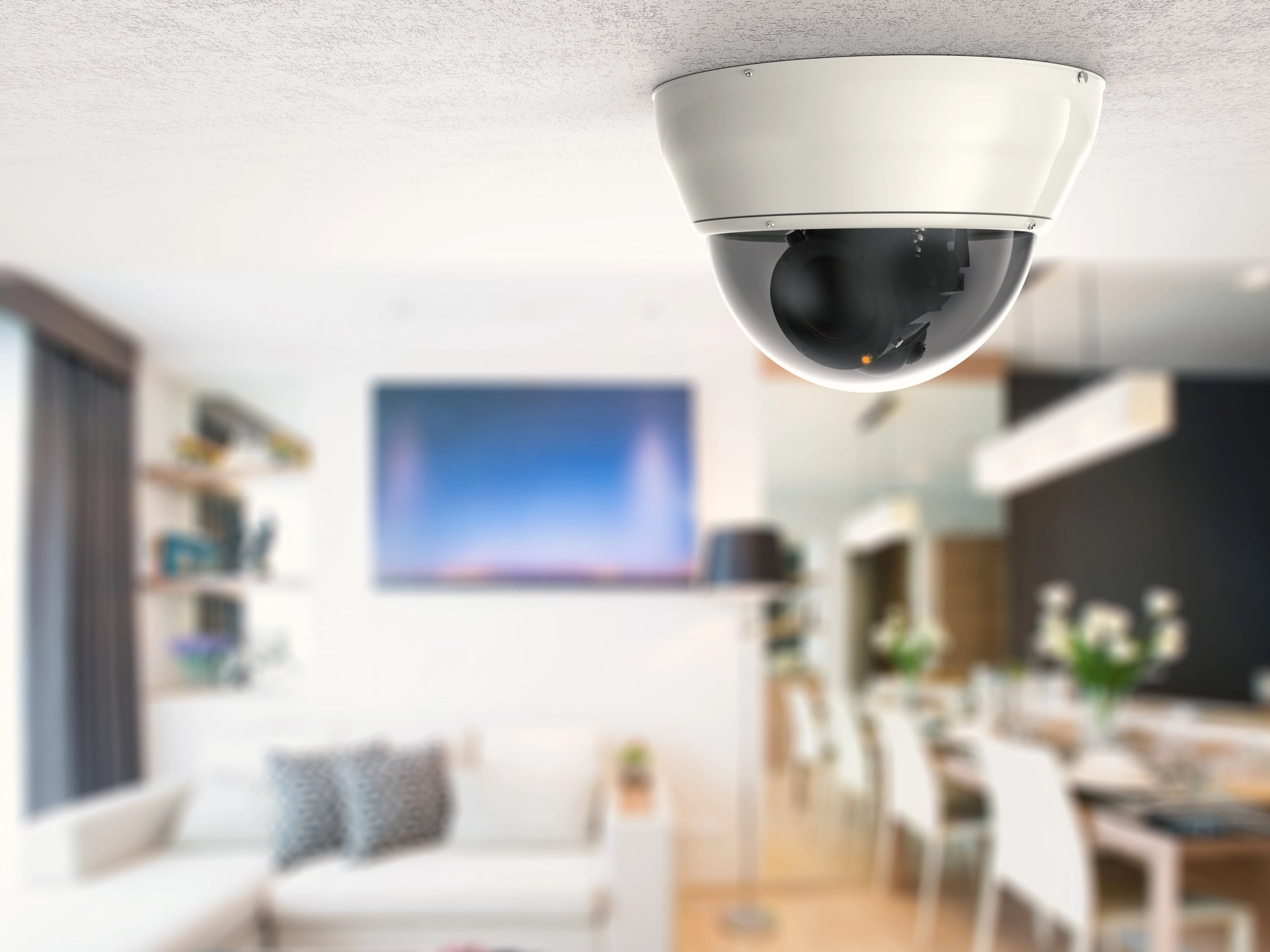
The irony cuts deep here: devices meant to protect your home can become the very tools used to invade it. Hackers regularly gain access to poorly secured cameras, turning your security system into a window for strangers (and yes, this includes cameras pointed at bedrooms and nurseries, which is exactly as disturbing as it sounds).
The footage doesn’t just get viewed live — it often gets recorded, shared, and sometimes held for ransom.
So many of these cameras ship with laughably weak default passwords — “admin” and “123456” are still disturbingly common — and most people never bother changing them, which means anyone with basic technical knowledge and malicious intent can potentially access the feed.
And here’s the part that should keep you awake at night: some cameras continue transmitting data to servers even when you think they’re disabled. The red light goes off, but the data flow continues.
Voice Assistants
Picture this: a device that never stops listening, stores fragments of your conversations on remote servers, and occasionally gets triggered by words that sound vaguely like its wake phrase. That’s your voice assistant in a nutshell.
It hears arguments, personal phone calls, and intimate moments — all potentially recorded and stored indefinitely.
The companies behind these devices have admitted that human employees sometimes review recordings to “improve the service.” Which means strangers have listened to your private conversations, and there’s no way to know which ones or how often.
Smart Doorbells
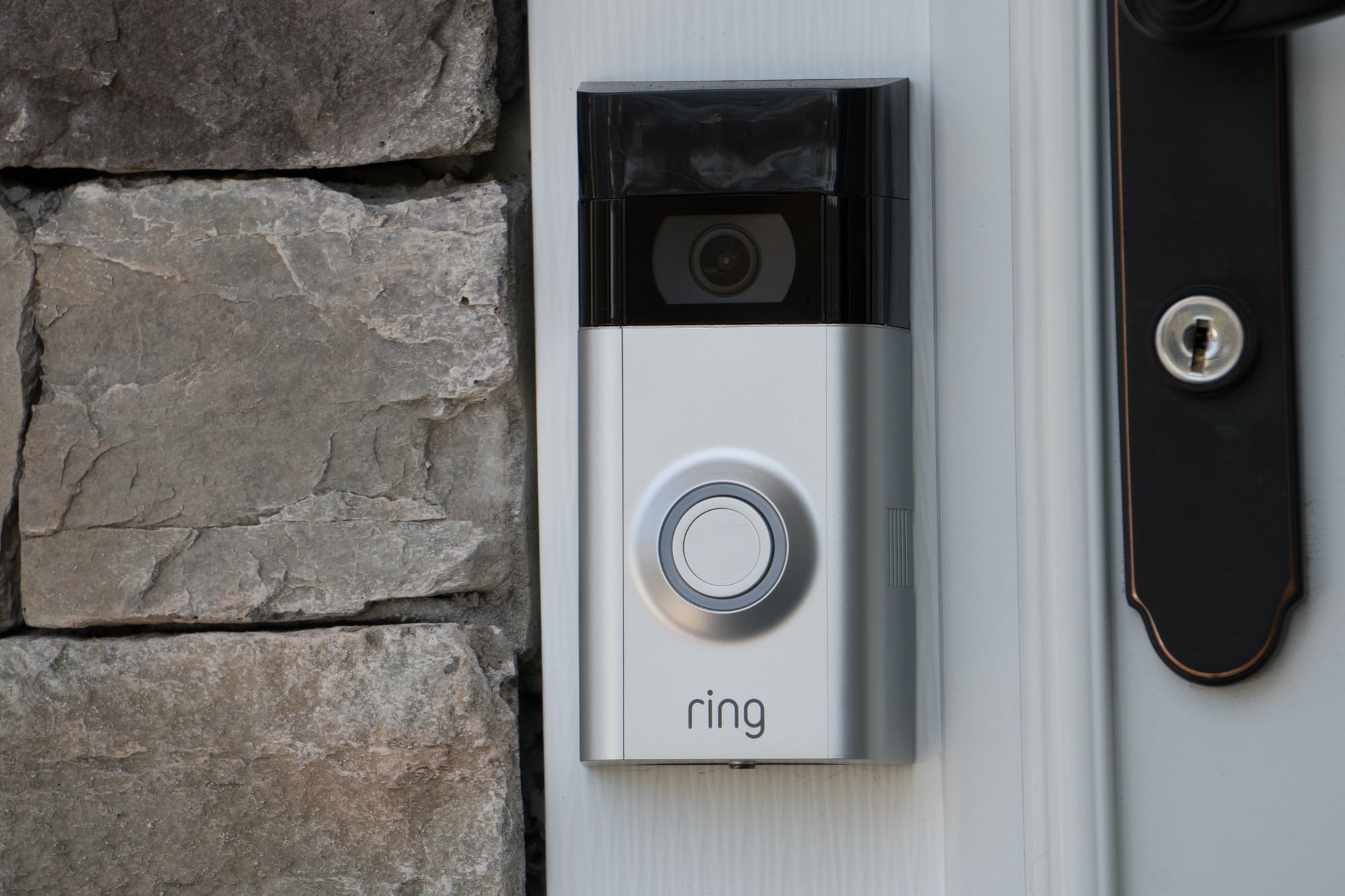
Smart doorbells are basically surveillance cameras with a marketing makeover. They don’t just record who approaches your door — they create a network of neighborhood monitoring that would make privacy advocates lose sleep.
The real problem is what happens to that footage. Some companies have partnerships with law enforcement that allow police to request videos without warrants.
Your doorbell becomes part of a surveillance system you never explicitly agreed to join.
Baby Monitors
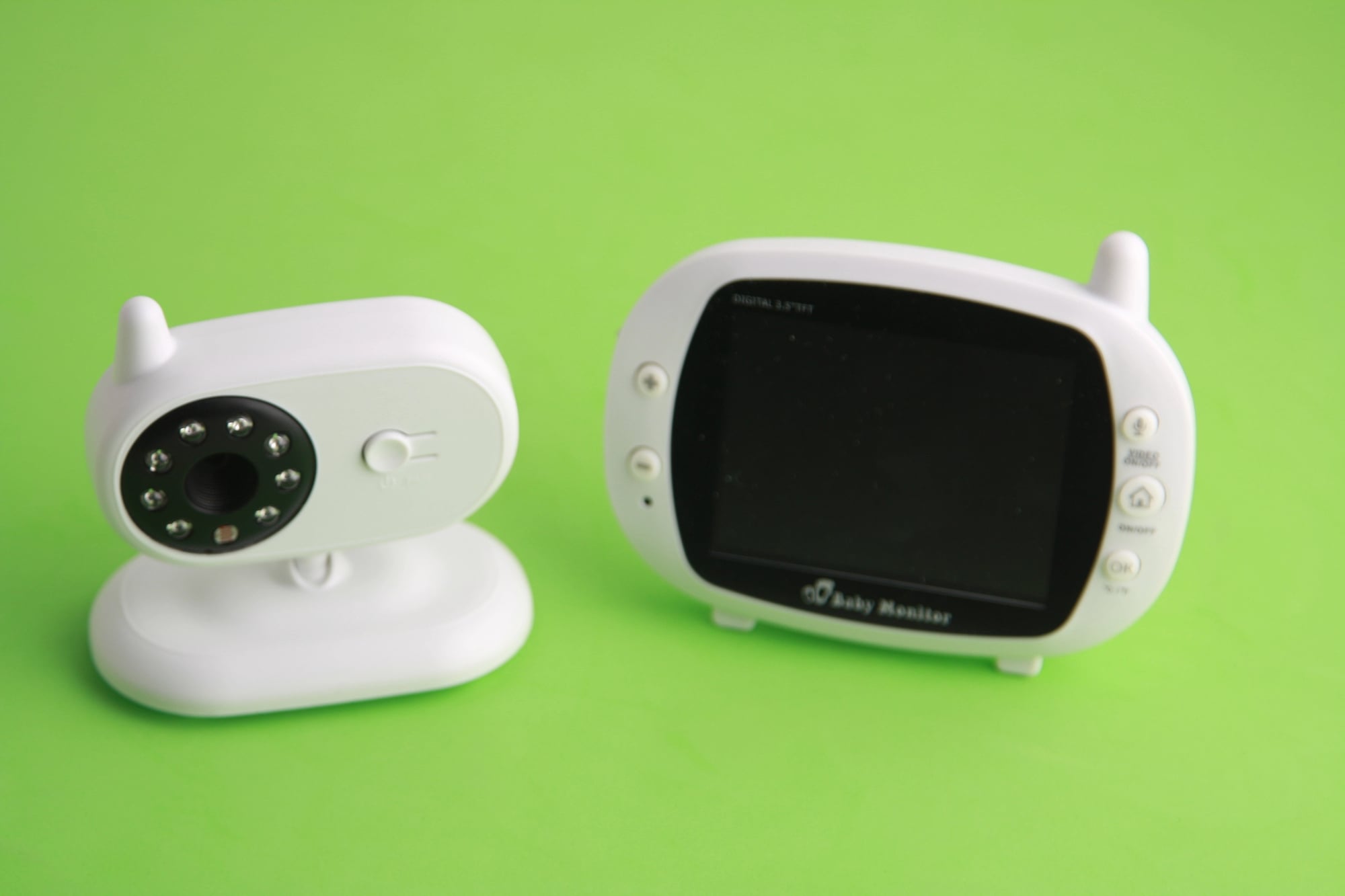
Nothing weaponizes parental anxiety quite like a compromised baby monitor. These devices combine the worst elements of security cameras and voice assistants: they watch, they listen, and they’re often laughably easy to hack.
The emotional impact when these get breached goes beyond privacy violations (hackers have been known to speak directly to children through the monitors, which crosses every line imaginable).
Parents discover strangers have been watching their most vulnerable moments, and the psychological damage lingers long after the device gets unplugged.
Smart Thermostats
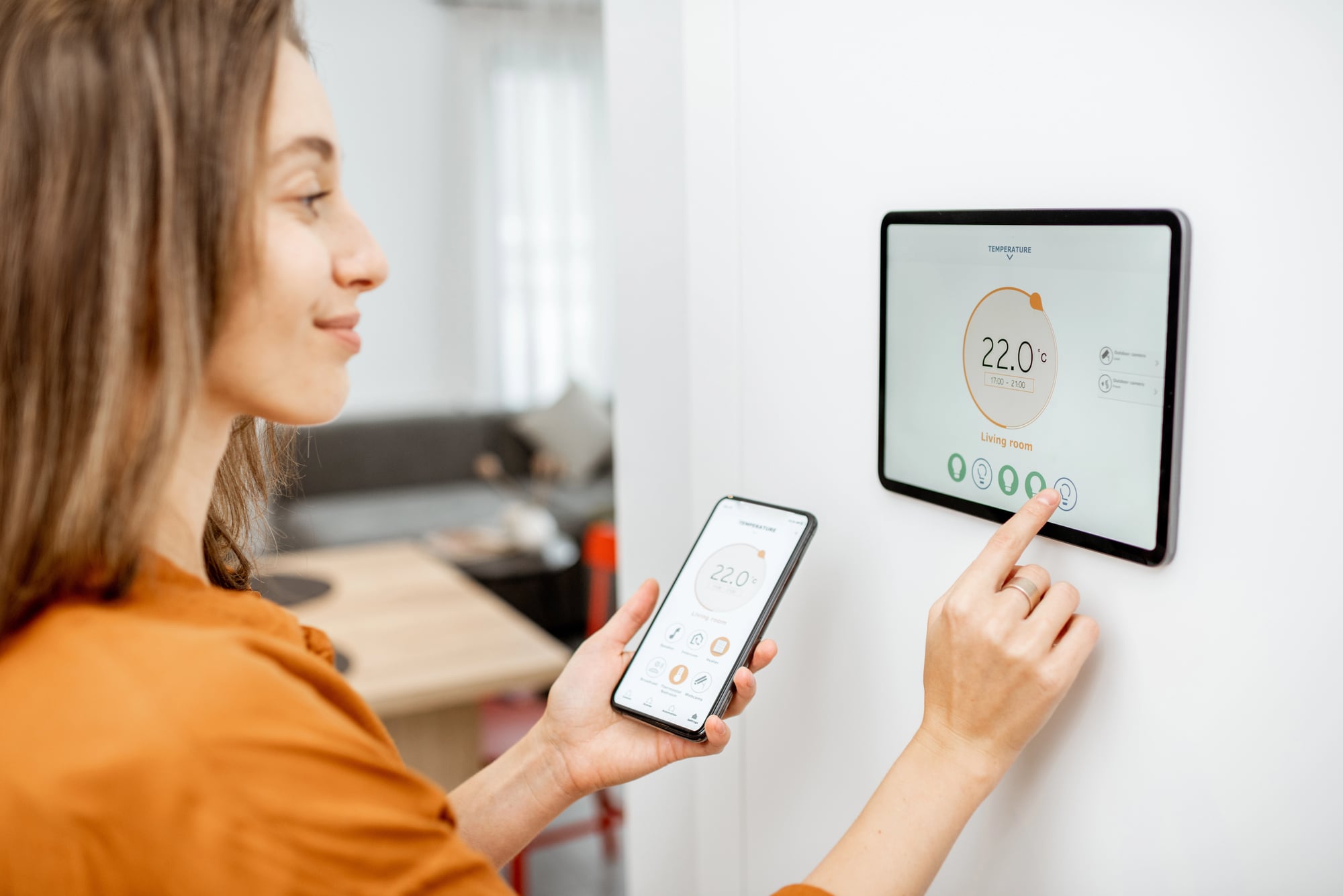
Smart thermostats reveal when you’re home, when you’re away, and when you follow predictable routines. That data creates detailed patterns of your daily life.
Burglars don’t need to case your house for weeks anymore.
They can potentially access your thermostat data and know exactly when the house will be empty. The device meant to save energy costs could end up costing you everything.
Robot Vacuums
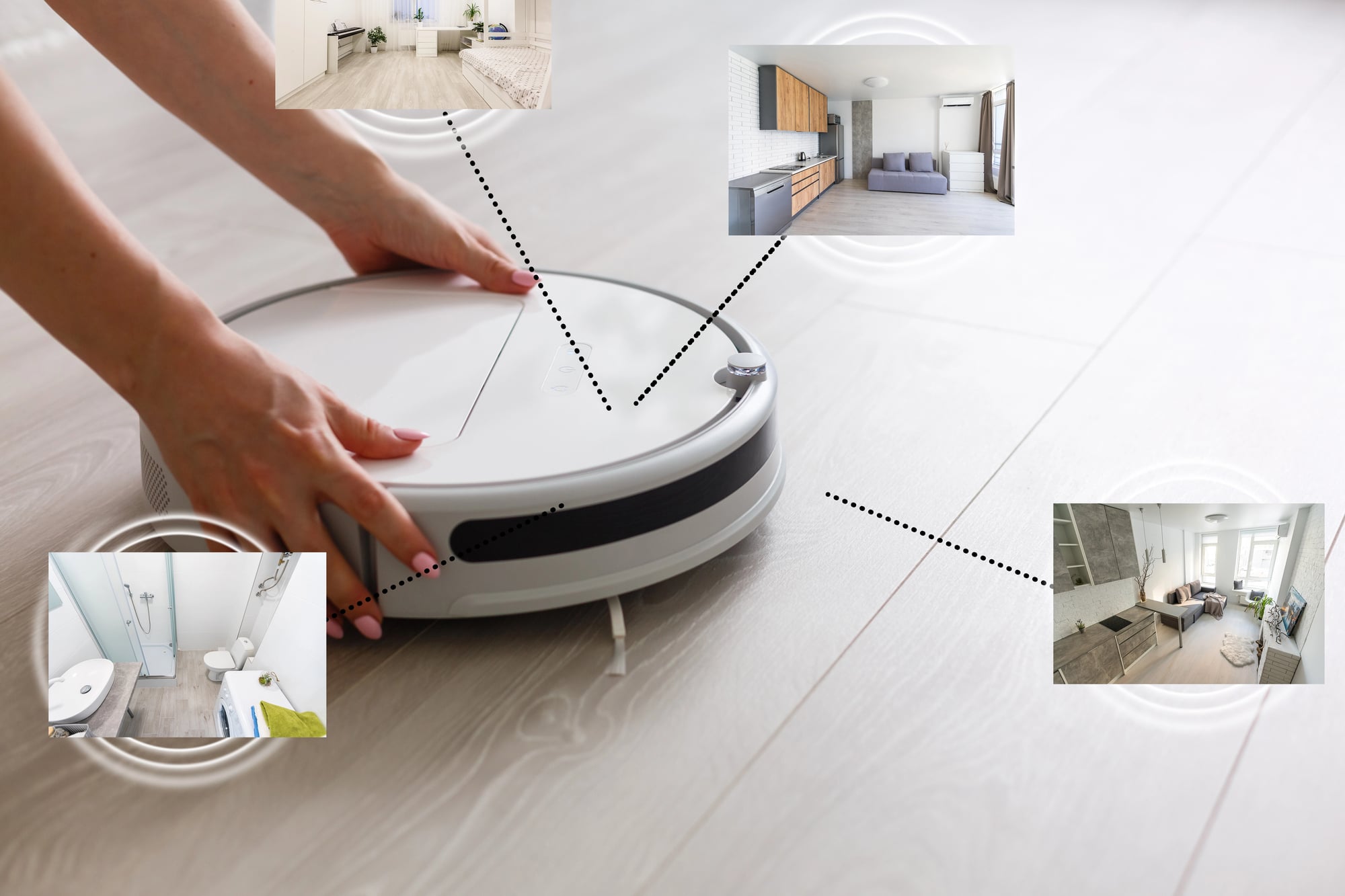
Robot vacuums map your entire home layout, and that information gets stored in ways most owners never consider (some models upload detailed floor plans to company servers, creating a digital blueprint of your living space that could theoretically be accessed by anyone who gains entry to those databases). The little disc roaming your floors knows which rooms you use most, where your furniture sits, and how your daily routine unfolds based on when and where it encounters obstacles.
But here’s where it gets genuinely unsettling: newer models with cameras don’t just map furniture placement — they can capture images of personal items, family photos, and anything else in their line of sight while cleaning.
And since many of these devices can be remotely accessed for troubleshooting purposes, that access point becomes a potential vulnerability. The device you bought to make housework easier might be creating the most detailed surveillance record of your private life.
Smart Locks
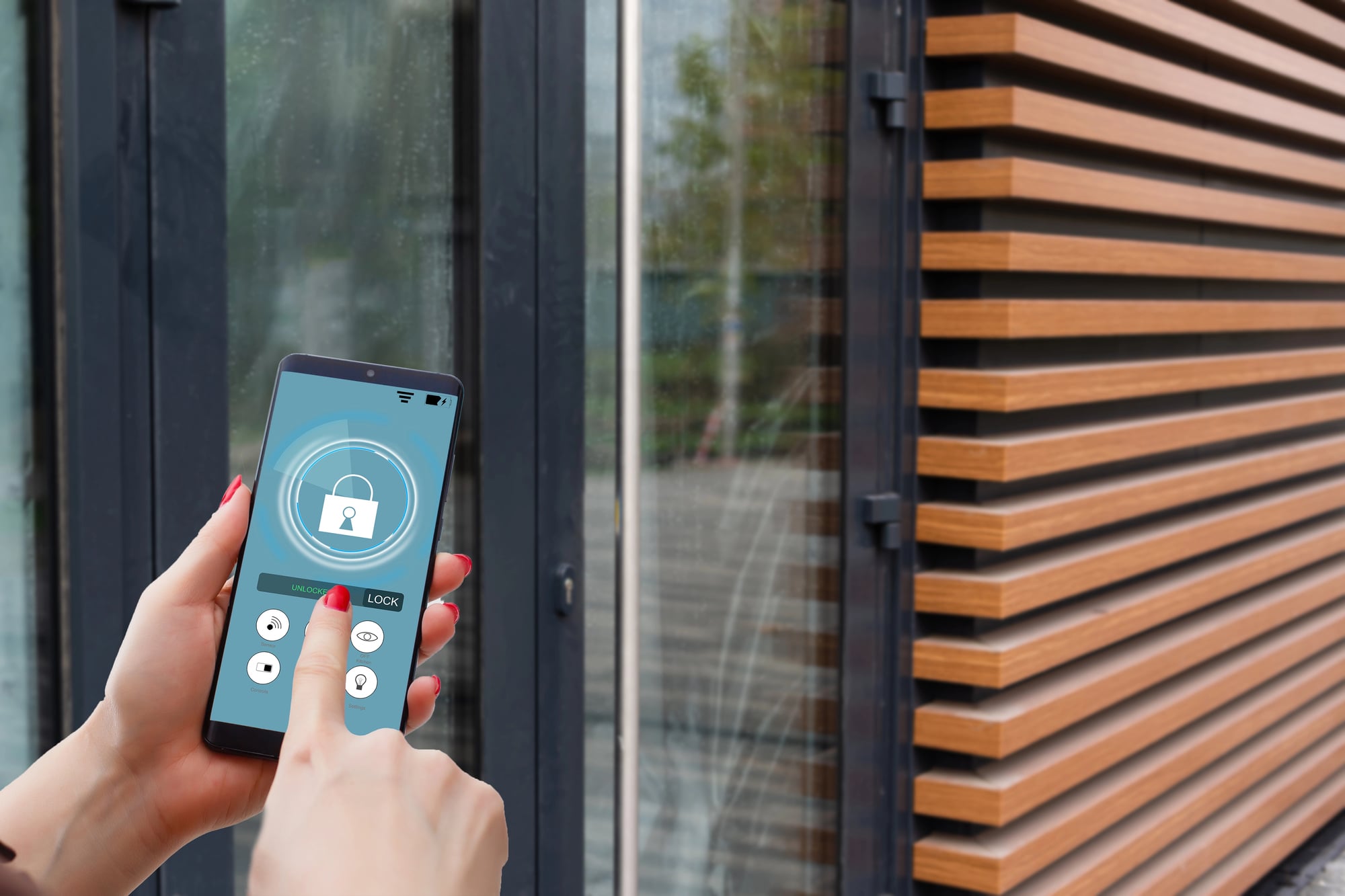
Smart locks promise convenience but deliver new vulnerabilities. Dead batteries can lock you out, software glitches can lock you in, and hackers can potentially unlock your door from anywhere in the world.
The access logs that seem so helpful for tracking who enters your home also create detailed records of your movements that could be valuable to the wrong people.
Every entry and exit gets timestamped and stored.
Connected Kitchen Appliances
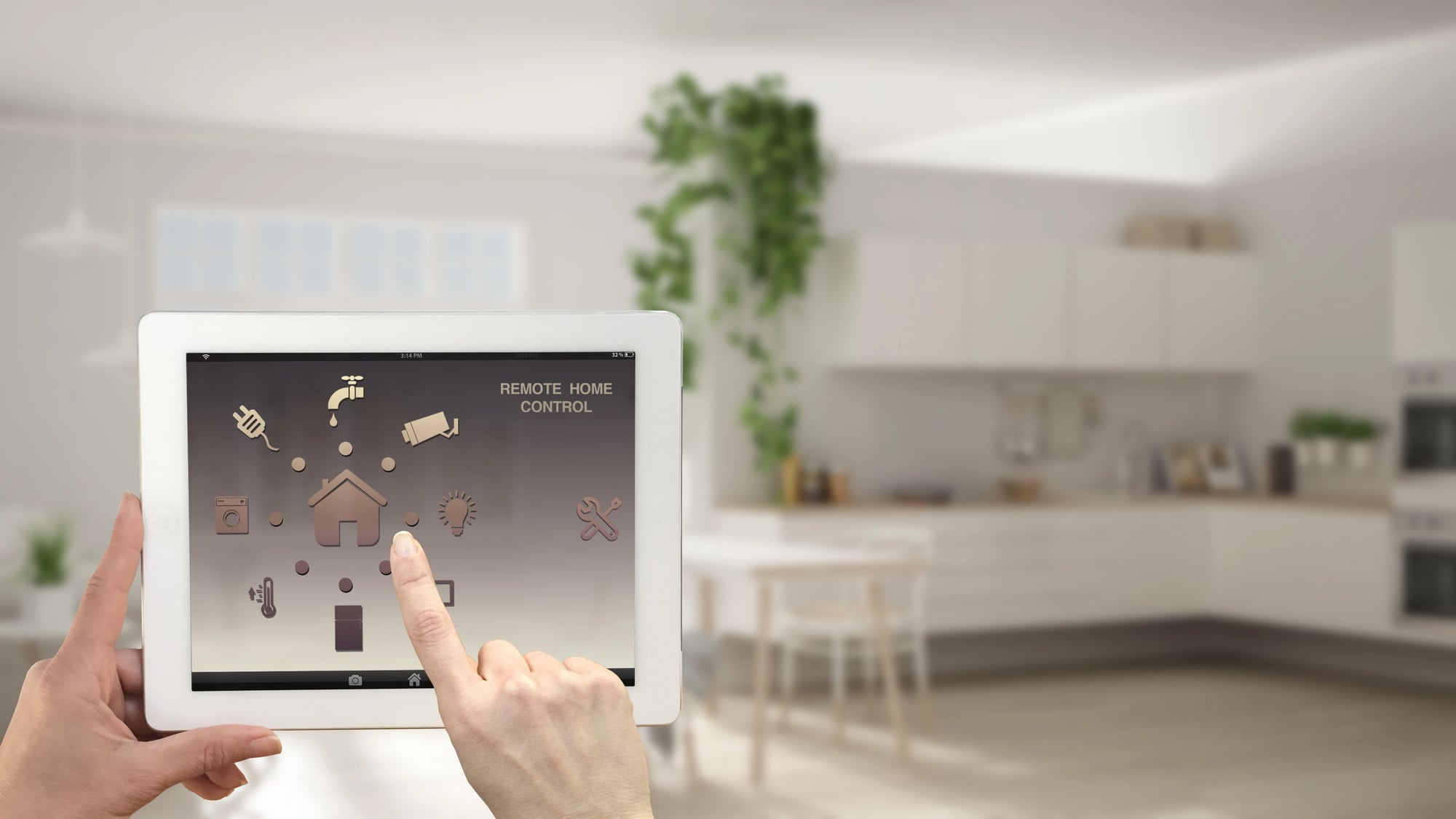
Your smart refrigerator knows your eating habits, your connected oven knows your cooking schedule, and your coffee maker knows when you wake up. This data paints an intimate portrait of your daily routine.
These appliances rarely receive security updates, leaving them vulnerable for years after purchase.
They become permanent weak points in your home network that hackers can exploit to access other devices.
Smart Lighting Systems
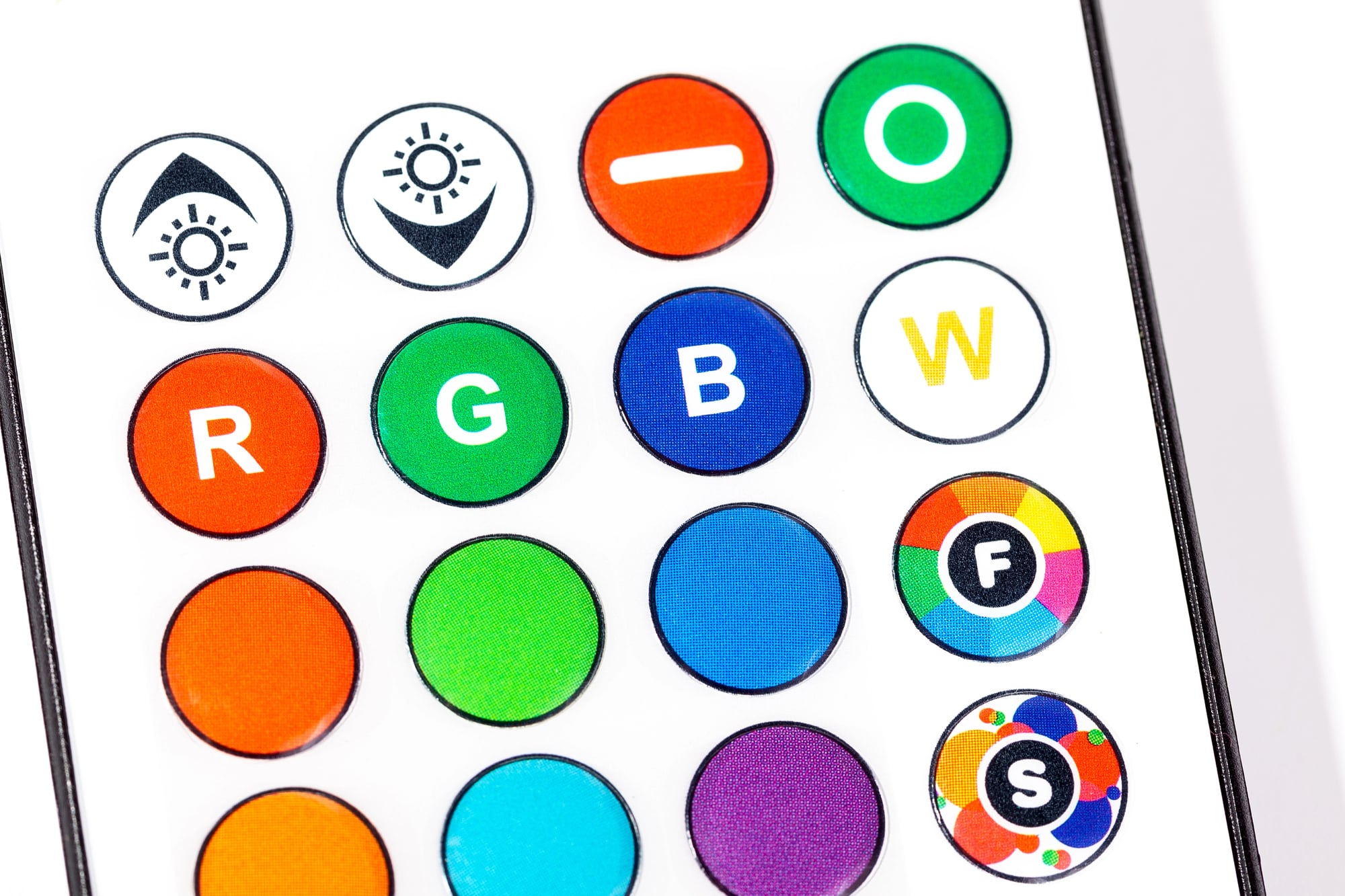
Smart lights reveal occupancy patterns with forensic precision. They show which rooms get used when, how long you stay in each space, and whether you’re maintaining regular sleep schedules.
This granular data about your movements within your own home creates a detailed behavioral profile.
Combined with information from other smart devices, it becomes a comprehensive surveillance record.
Fitness Trackers and Health Monitors
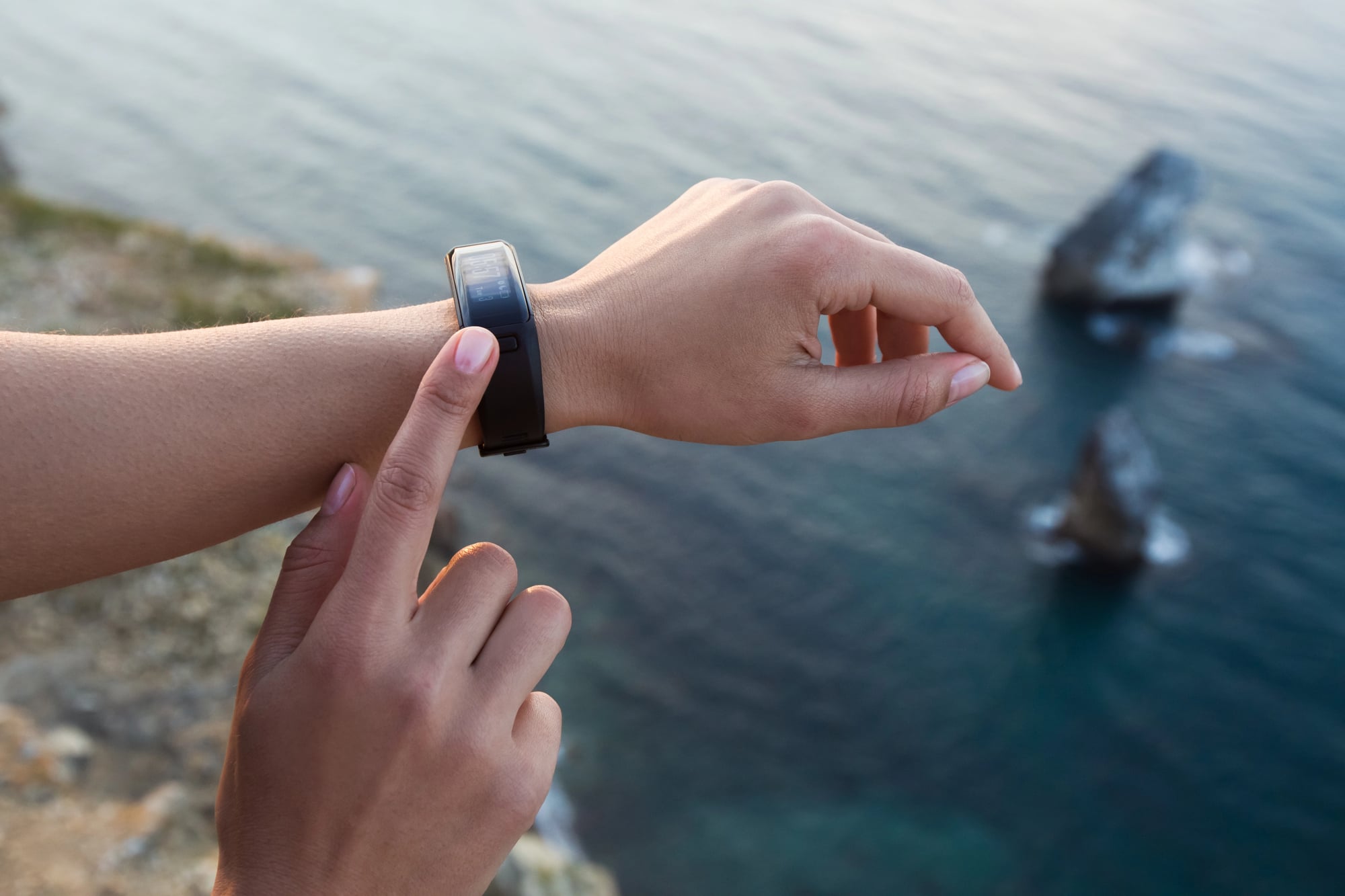
The relationship between fitness trackers and danger is like watching someone build a detailed medical profile while walking a tightrope over a pit of identity thieves. These devices monitor heart rates, sleep patterns, location data, and increasingly sophisticated health metrics — information that insurance companies, employers, and malicious actors would pay handsomely to access.
And here’s the part that should genuinely concern anyone wearing one of these devices: that data rarely stays contained to just the fitness app on your phone.
It gets shared with third-party partners, analytics companies, and research organizations in ways that the average user agreement makes sound benign but actually creates a sprawling network of data access.
The step count that seems so innocent becomes part of a health profile that could affect insurance rates, employment decisions, or worse.
Streaming Devices
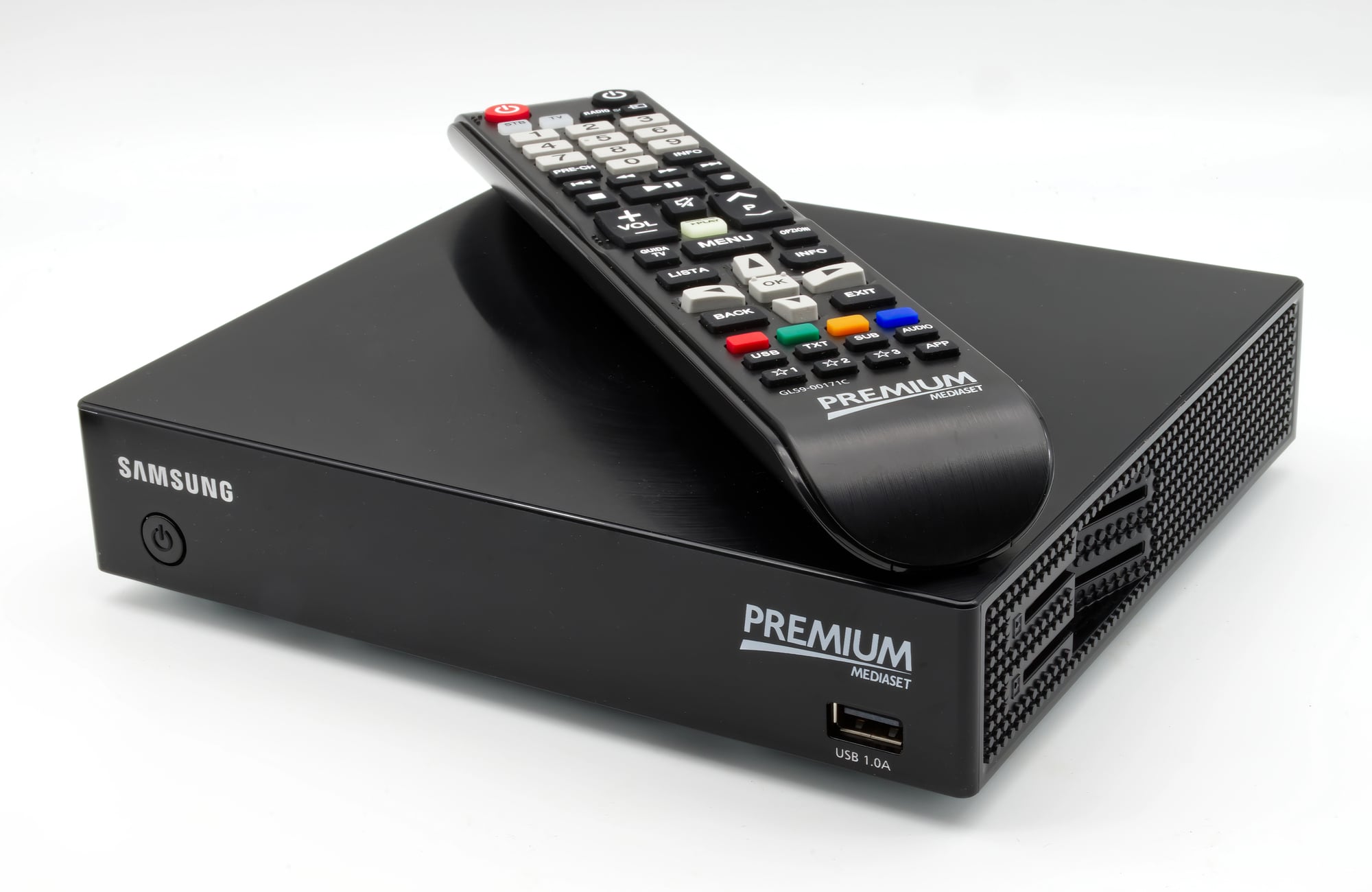
Streaming devices track everything you watch, when you watch it, and how long you stay engaged with different content. This viewing data gets sold to advertisers and can reveal surprisingly personal information.
Some devices also have voice control features that introduce the same privacy risks as dedicated voice assistants.
The box that brings entertainment to your TV might be broadcasting your conversations to corporate servers.
Finding Balance in a Connected World
Smart home technology isn’t inherently evil, but treating it as inherently safe is naive. Every connected device represents a trade-off between convenience and privacy, efficiency and security.
The key is making these trade-offs consciously rather than accidentally.
The most dangerous smart device in your house might be the one you trust completely without question. Take time to understand what each device collects, how that data gets used, and whether the benefits truly outweigh the risks for your specific situation.
Your future self will thank you for the paranoia.
More from Go2Tutors!

- The Romanov Crown Jewels and Their Tragic Fate
- 13 Historical Mysteries That Science Still Can’t Solve
- Famous Hoaxes That Fooled the World for Years
- 15 Child Stars with Tragic Adult Lives
- 16 Famous Jewelry Pieces in History
Like Go2Tutors’s content? Follow us on MSN.