15 Trivia Facts from Esports and Gaming Competitions
Down in basements once, now arenas overflow. Friends tossing controllers changed course – suddenly athletes under lights.
Cash piles rose while screens lit up homes continents away. Moments nobody saw coming kept rewriting the rules.
Records cracked like glass dropped on stone. Tales linger behind every pixel even weekend gamers miss.
What you see now in gaming contests might surprise you, given where it all started. A single match can fill arenas once reserved for traditional sports.
Top players train longer than many athletes, focusing on speed and precision every day. Prize pools sometimes reach millions, drawing attention from global audiences.
These events stream live, watched by fans who stay up late across time zones. Young talent emerges from countries not known for tech at first glance.
Sponsors appear with logos on jerseys like in football or basketball. Behind the scenes, coaches review moves frame by frame.
Some tournaments last weeks, testing nerves and teamwork under pressure. A crowd gathered that January, competing for a byline in Rolling Stone.
Machines flashed inside Stanford’s lab – players leaned toward glowing screens. Victory went to the one who topped Spacewar’s leaderboard.
The First Recorded Video Game Tournament

A quiet moment at Stanford sparked something big. Back then students gathered to play a game named Spacewar, marking the first recorded contest of its kind.
Winning meant walking away with a subscription to Rolling Stone – just one year’s worth. Tiny as it seemed, that gathering hinted at futures nobody saw coming.
Fast forward, and stadiums now pack with fans watching gamers battle under bright lights. Prize pools stretch into millions, far beyond what anyone there might have dreamed.
That humble start laid unseen groundwork for an era defined by speed, skill, and screens. Forty million dollars showed up as prize money for a Dota 2 event.
That number surprised nearly everyone watching.
The International 2021 Prize Pool
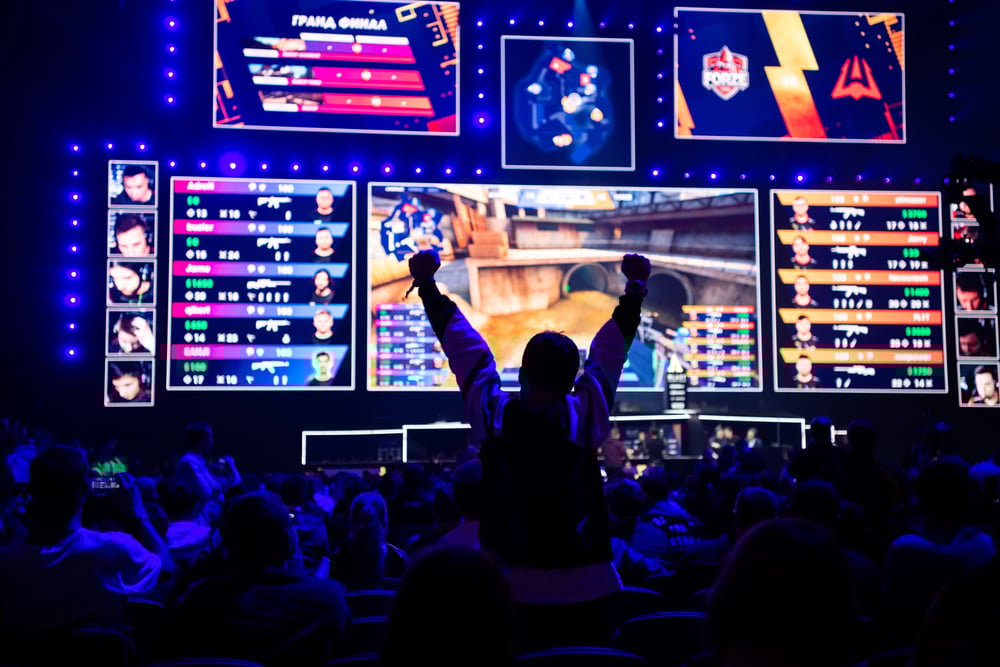
Hitting over forty million dollars, The International 2021 set a new high mark for esports prize pools. Fans poured into Valve’s campaign through buying digital goods, fueling growth without hesitation.
From Russia, Team Spirit claimed victory, walking away with eighteen million. Bigger than what most mainstream athletic events give champions.
Young Millionaires In Gaming

Professional gamers can earn six-figure salaries before turning 20. Teenagers often step into pro gaming before hitting adulthood, pulling down bigger paychecks than many degree holders.
Take Bugha – he snagged 3 million after dominating the Fortnite World Cup just past his sixteenth birthday. Winning big isn’t only about prize pools; teams shell out steady wages, cover rent, even toss in perks like real-world franchises do.
Cash flow that strong turns heads, making elite gameplay feel less like playtime, more like work worth chasing early.
South Korea And Esports Recognition

South Korea treats esports players like traditional athletes. In the year 2000, Korea declared esports an official sport – long ahead of many nations catching up.
When meeting specific criteria, pro gamers may postpone compulsory military duty, similar to how Olympians or concert pianists are treated. Around-the-clock tournaments fill television networks made just for gaming, while leading players rise to fame like members of popular music groups.
Because support arrived so early, the nation led global gaming scenes for years after.
Chess Boxing

Chess boxing combines two completely different competitions. Switching back and forth, this mix of chess and boxing tests brains alongside brawn.
Every match unfolds over eleven segments, moving from four minutes thinking to three minutes fighting. Victory comes through checkmate, knockouts, or when someone’s clock hits zero.
Though it seems bizarre, fans show up consistently, drawn to events held each year throughout European cities.
A Million Dollar Misclick

A single misclick cost a team one million dollars. During a Dota 2 tournament, a player accidentally sold a crucial item instead of using it, which led to their team losing the match and eventually the championship.
The mistake happened during a high-pressure moment, and there was no way to undo it. That single error cost the team a million-dollar difference in prize money.
It serves as a reminder that in esports, just like traditional sports, one small mistake can change everything.
Viewership Rivaling Traditional Sports

Esports viewership rivals traditional sports. The 2019 League of Legends World Championship finals drew nearly 44 million concurrent viewers at its peak.
To put that in perspective, the 2020 NBA Finals averaged around 7.5 million viewers per game. Some esports events now attract larger online audiences than major sporting events, though traditional sports still lead in total viewership when including TV broadcasts.
The gap continues to narrow as younger generations prefer streaming platforms over cable television.
Wellness Support In Esports

Professional teams have dedicated nutritionists and psychologists. Top esports organizations invest heavily in player wellness, providing support staff similar to what professional sports teams offer.
Teams hire chefs to prepare healthy meals, sports psychologists to help with performance anxiety, and even physical trainers to prevent repetitive strain injuries. Cloud9, Team Liquid, and other major organizations have built training facilities that look more like athletic complexes than gaming houses.
The approach reflects how seriously organizations take their players’ long-term health and performance.
Banned Strategies In Competitive Play
Some games have banned certain strategies. Super Smash Bros. tournaments famously banned the character Meta Knight in Brawl because he was simply too powerful and dominant.
The competitive Pokemon scene has tier lists and rules that restrict certain species and moves to keep battles fair. Even professional Hearthstone has banned specific card combinations that proved too overpowered.
Game developers sometimes step in to adjust rules or patch their games when competition reveals imbalances that ruin fair play.
Gaming Regulations In China

China has strict regulations on gaming time for minors. The Chinese government limits how long players under 18 can game each week, which affects the country’s ability to develop young esports talent.
Minors can only play online games for three hours per week on specific days. Professional teams have had to adjust their recruitment strategies and training programs to work within these restrictions.
The regulations aim to address gaming addiction concerns, but they’ve created challenges for an industry where starting young often leads to better professional outcomes.
Extreme Practice Schedules

Esports athletes practice up to 14 hours daily. Professional gamers maintain training schedules that would exhaust most people, often practicing longer than traditional athletes.
Teams typically split practice time between individual skill development, strategy sessions, and full team scrimmages. The intense schedule takes a toll, with many players retiring in their mid-20s due to burnout or repetitive strain injuries.
The commitment level matches or exceeds what Olympic athletes dedicate to their sports.
The Minecraft Speedrun Controversy

A Minecraft speedrunner cheated and the community caught him. Statistical analysis by volunteer math experts proved that a popular content creator had manipulated his game’s code to improve his speedrun times.
The investigation involved thousands of hours of analysis and complex probability calculations that revealed odds of trillions to one against his runs being legitimate. The incident showed how seriously the competitive gaming community takes fair play and how sophisticated their detection methods have become.
It also sparked debates about pressure, integrity, and the blurred lines between content creation and legitimate competition.
College Esports Scholarships

College esports scholarships now exceed 16 million dollars annually. Universities across America offer scholarships for esports players, treating them like football or basketball recruits.
Schools have built dedicated esports arenas and hired coaches with competitive gaming experience. Students can earn full-ride scholarships while pursuing degrees and competing for their university.
The trend has given competitive gaming legitimacy in educational settings and created pathways for players who might not have afforded college otherwise.
Reaction Time Advantage
Reaction times matter more than people think. Professional esports players typically have reaction times around 150-200 milliseconds, significantly faster than the average person’s 250 milliseconds.
That fraction of a second advantage means landing the first shot, dodging an attack, or executing a combo before opponents can respond. Players train specifically to improve their reaction speed through various drills and exercises.
The difference between winning and losing at the highest levels often comes down to these tiny time margins.
Traditional Sports Investing In Esports

Traditional sports teams now own esports organizations. The Philadelphia 76ers, Paris Saint-Germain, and many other traditional sports franchises have invested millions in esports teams.
These organizations see competitive gaming as a way to connect with younger fans and diversify their revenue streams. Some football clubs field FIFA esports teams alongside their real-world squads.
The crossover has brought professional management practices and significant funding into esports, accelerating its growth and legitimacy.
Where Competition Meets Culture

Esports has evolved from a niche hobby into a cultural force that bridges countries, generations, and backgrounds. The industry continues to grow despite skeptics who once dismissed competitive gaming as a passing trend.
Today’s tournaments fill stadiums, players become household names, and the line between traditional sports and esports gets harder to define. What happens next will likely surprise everyone just as much as what’s already happened, and the records being broken today will seem quaint compared to what’s coming tomorrow.
More from Go2Tutors!

- The Romanov Crown Jewels and Their Tragic Fate
- 13 Historical Mysteries That Science Still Can’t Solve
- Famous Hoaxes That Fooled the World for Years
- 15 Child Stars with Tragic Adult Lives
- 16 Famous Jewelry Pieces in History
Like Go2Tutors’s content? Follow us on MSN.



