Fictional Brands From Movies We Wish Were Real
Movies have a way of making us want things that don’t actually exist. Sometimes it’s a gadget, sometimes it’s a place, but often it’s a brand that feels so real on screen that we forget it was made up.
These fictional companies sell everything from fast food to cars, and they’ve become part of pop culture even though we can’t actually buy their products. Let’s look at some of these made-up brands that left us wishing they were part of our everyday lives.
Duff Beer
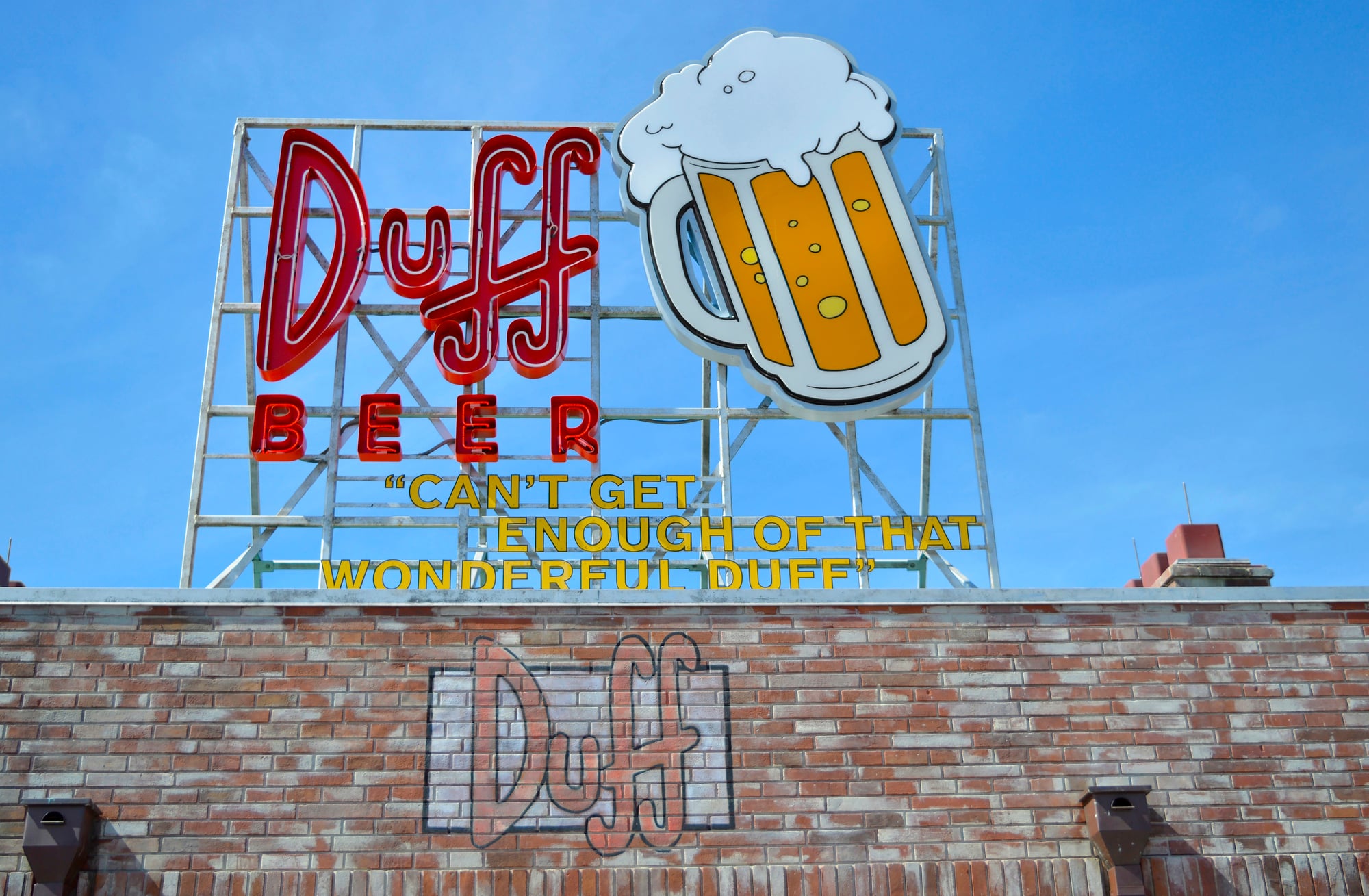
The Simpsons turned this cartoon beer into something people genuinely wanted to drink. Homer’s beverage of choice became so popular that people tried to create real versions of it, though Fox shut most of them down pretty quickly.
The simple can design and the idea of a no-frills, working-class beer struck a chord with fans. Universal Studios eventually created a real version for their theme parks, but it’s still not something you can grab at your local store.
Big Kahuna Burger
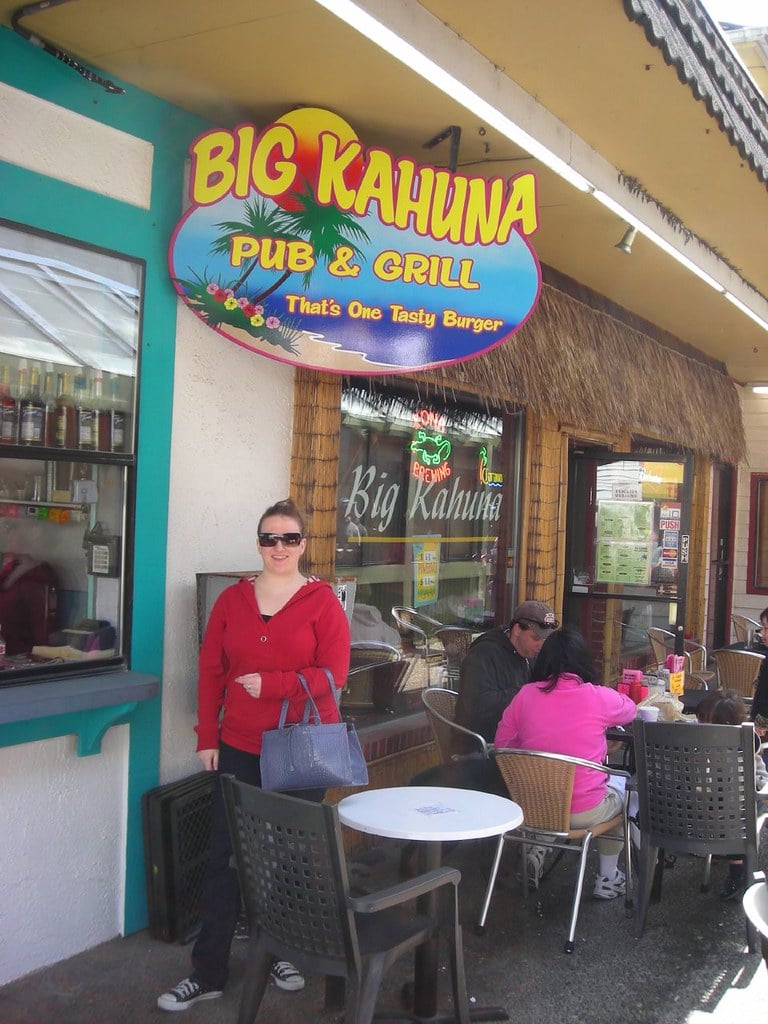
Pulp Fiction made this burger chain sound absolutely incredible without ever showing us the actual restaurant. Samuel L. Jackson’s character raves about it while eating someone else’s burger, and that endorsement alone made everyone wish they could try it.
The way Tarantino described it made it feel like the best fast food place that never existed. Some pop-up restaurants have tried to recreate it over the years, but nothing official has ever opened.
Brawndo
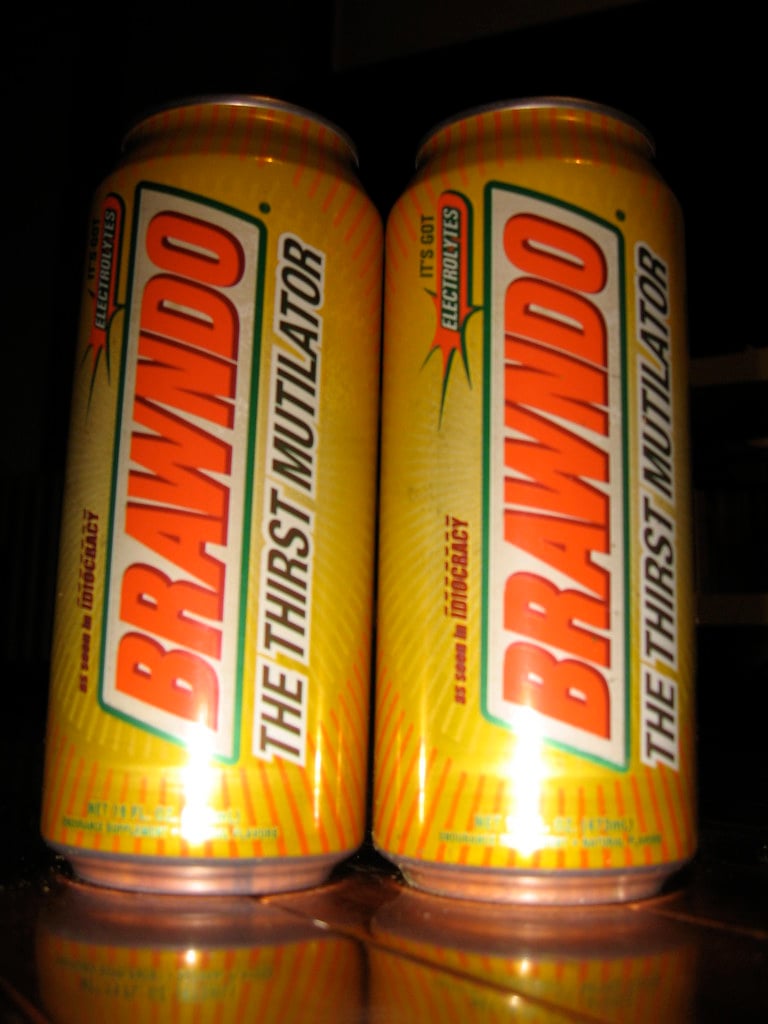
Idiocracy gave us this energy drink with the tagline ‘It’s got what plants crave.’ The movie used it to satirize corporate marketing and consumer culture, but the joke product became something people actually wanted.
The concept of a sports drink so aggressively marketed that people forget what water is became funnier the more you thought about it. Someone eventually made a real version as a novelty item, though it didn’t quite take over the world like in the movie.
Krusty Burger
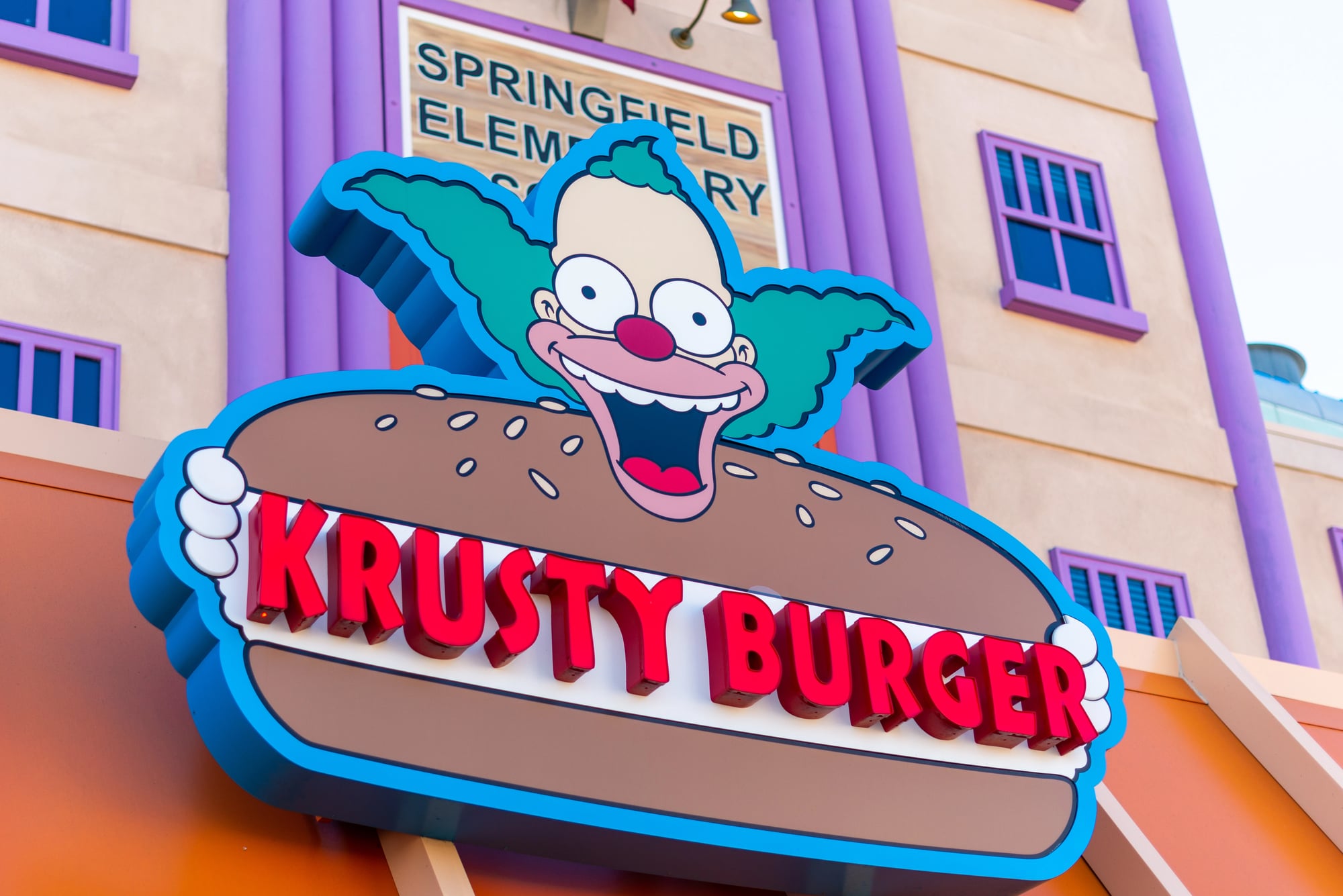
Another Simpsons creation, this fast food chain represents everything wrong with quick service restaurants while somehow still looking appealing. The show has featured it for decades, complete with questionable health standards and menu items that sound both disgusting and tempting.
Something about a cartoon burger place with a clown mascot captured the imagination of viewers who grew up with the show. Theme parks have brought it to life, but a real chain with drive-thrus across the country would hit differently.
Wonka Bars

Charlie and the Chocolate Factory made these chocolate bars the ultimate prize. The idea of finding a golden ticket inside added an element of chance that regular candy just doesn’t have.
Nestle actually produced real Wonka Bars for years, but they never quite captured the magic of the fictional version. The movie version felt special because it represented possibility and wonder, not just chocolate.
Gringotts Wizarding Bank
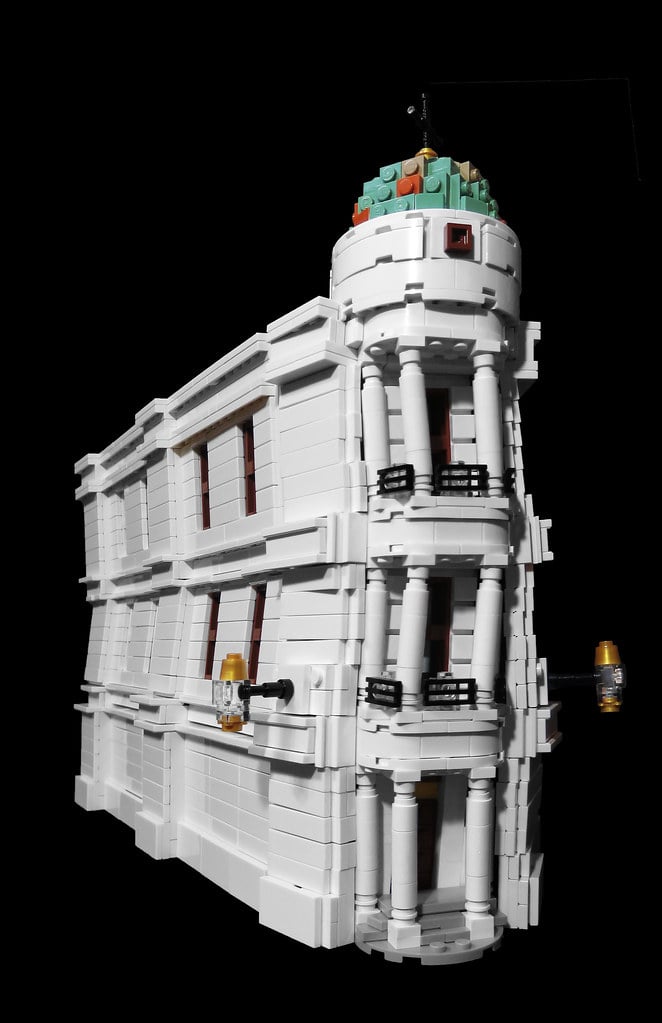
Harry Potter introduced us to a bank run by goblins that stores your money in underground vaults protected by dragons. The combination of old-world charm and magical security made traditional banks look incredibly boring.
The marble halls and the cart ride to the vaults created an experience that going to a regular ATM just can’t match. Universal Studios built a recreation, but imagine if your actual bank worked this way.
Weyland-Yutani Corporation
The Alien franchise gave us this massive company that seems to own everything in space. They build colonies, manufacture androids, and apparently have no ethics whatsoever when it comes to extraterrestrial research.
The corporate logo became instantly recognizable to science fiction fans. While we probably don’t want a company this morally questionable to exist, the idea of a corporation that advanced is still fascinating.
Los Pollos Hermanos
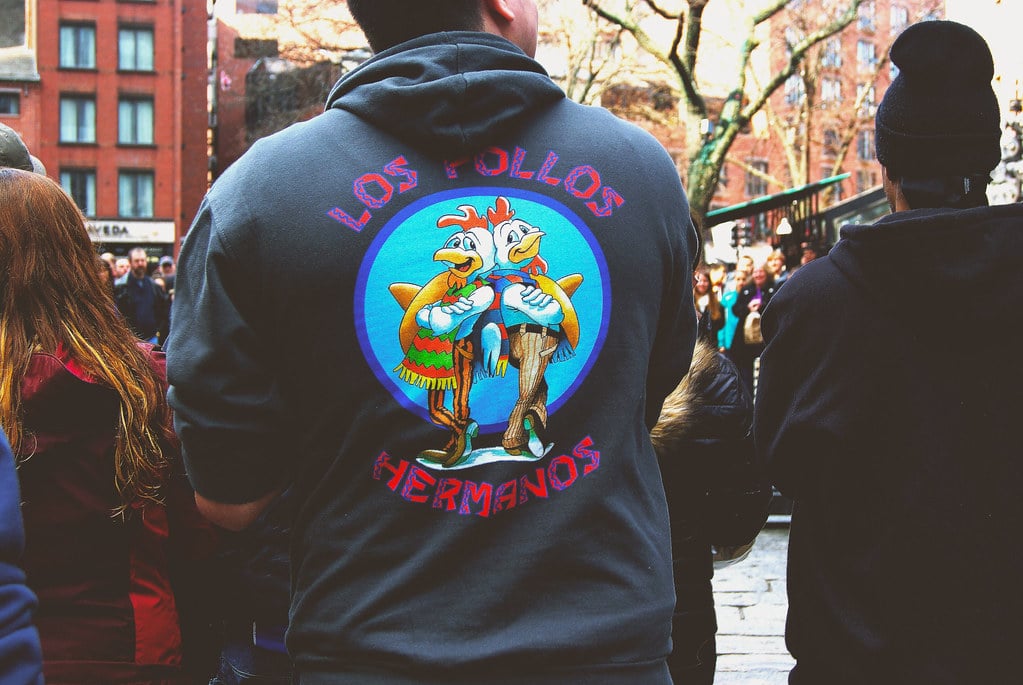
Breaking Bad created a fried chicken restaurant that served as a front for a drug empire, but the restaurant itself looked genuinely good. The clean design, the professional appearance, and the chicken that characters kept praising made it seem like a real competitor to actual chains.
Gus Fring ran it with such attention to detail that viewers forgot it was covering up criminal activity. Pop-up versions have appeared at events, but a real chain would probably do well even without the illegal side business.
Stay Puft Marshmallows
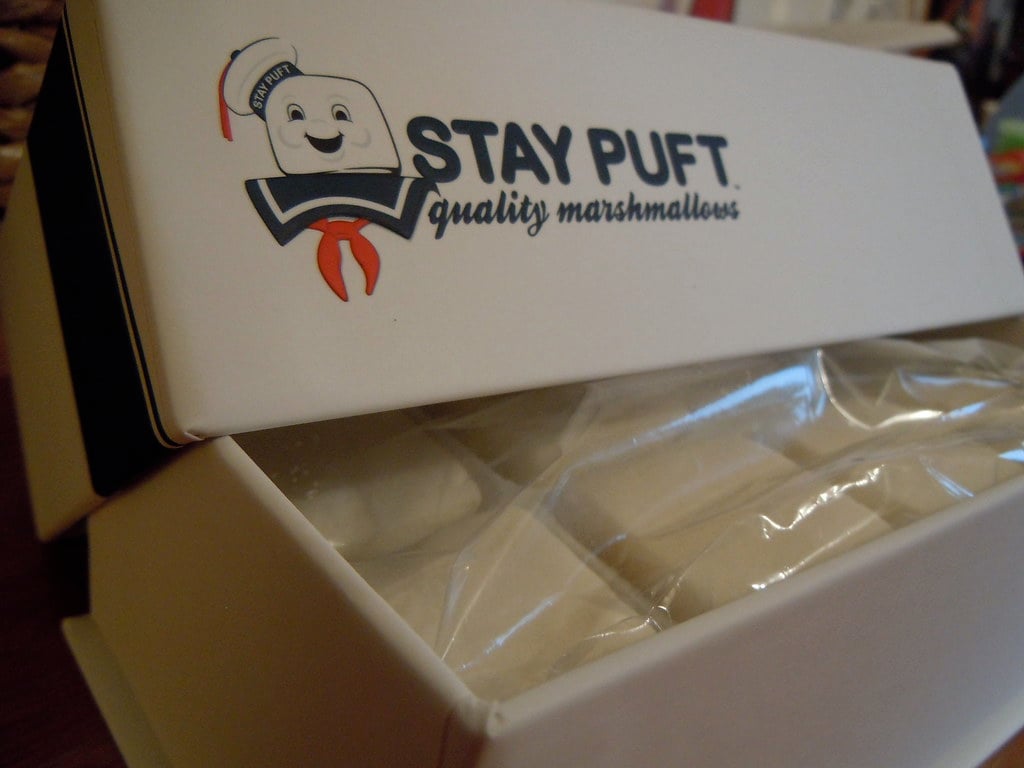
Ghostbusters turned a marshmallow brand into a giant destroyer of cities, but before that happened, the product itself looked pretty appealing. The friendly mascot and the implication that these were quality marshmallows made people want to try them.
The brand became so iconic that it’s appeared in various Ghostbusters media for decades. Some companies have made unofficial versions, but an official product line would probably sell incredibly well.
Aperture Science
Portal gave us a research facility that created impossibly advanced technology while conducting wildly unethical experiments. The clean, retrofuturistic design of their facilities and products made everything look sleek despite the danger.
Their portal gun remains one of the most desired fictional devices ever created. The company’s AI might try to kill you, but their innovation is undeniable.
Veridian Dynamics

Better Off Ted featured this conglomerate that created everything from weapons to food products with absolutely no regard for consequences. The show parodied corporate culture so well that the fake company felt more real than actual corporations.
Their commercials within the show were pitch-perfect mockeries of real advertising. The products they made were absurd, but the company itself felt like a place that could absolutely exist.
Red Apple Cigarettes
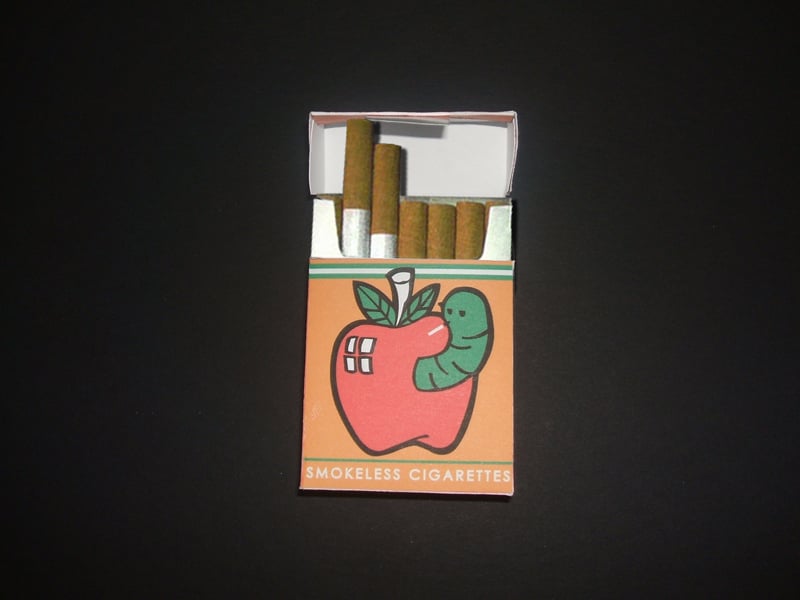
Quentin Tarantino created this nicotine brand and used it across multiple films in his connected universe. The packaging looked cool in a retro way that made it feel like a real product from the past.
Characters smoked them in films from the 1960s through modern day, giving the brand a sense of history. Obviously, a real version wouldn’t be great for anyone’s health, but the branding itself became a piece of film history.
Initech

Office Space gave us a software company that represented everything soul-crushing about corporate America. The grey cubicles, the pointless managers, and the suffocating atmosphere made it the perfect symbol of workplace misery.
While nobody actually wants to work there, the company became the go-to reference for terrible office culture. The brand resonated because it felt like every boring tech company rolled into one.
Globo Gym
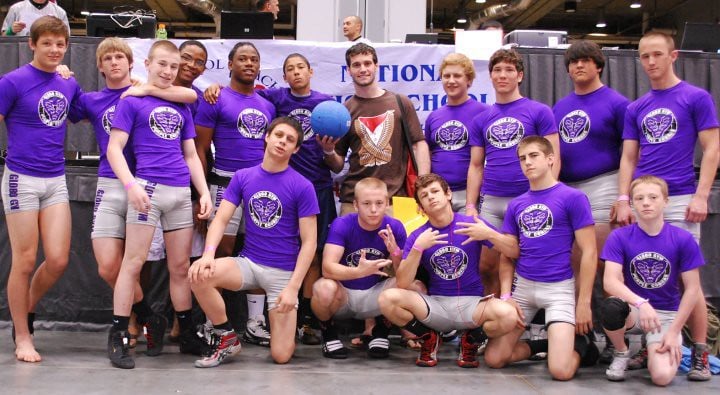
Dodgeball created a fitness empire run by a guy who represented toxic gym culture perfectly. The purple and yellow branding looked professional despite the ridiculous owner.
The concept of a mega-gym chain that takes itself way too seriously while being completely over the top hits the right balance of satire and believability. Average Joe’s Gym was the hero, but Globo Gym had the better marketing.
Morley Cigs
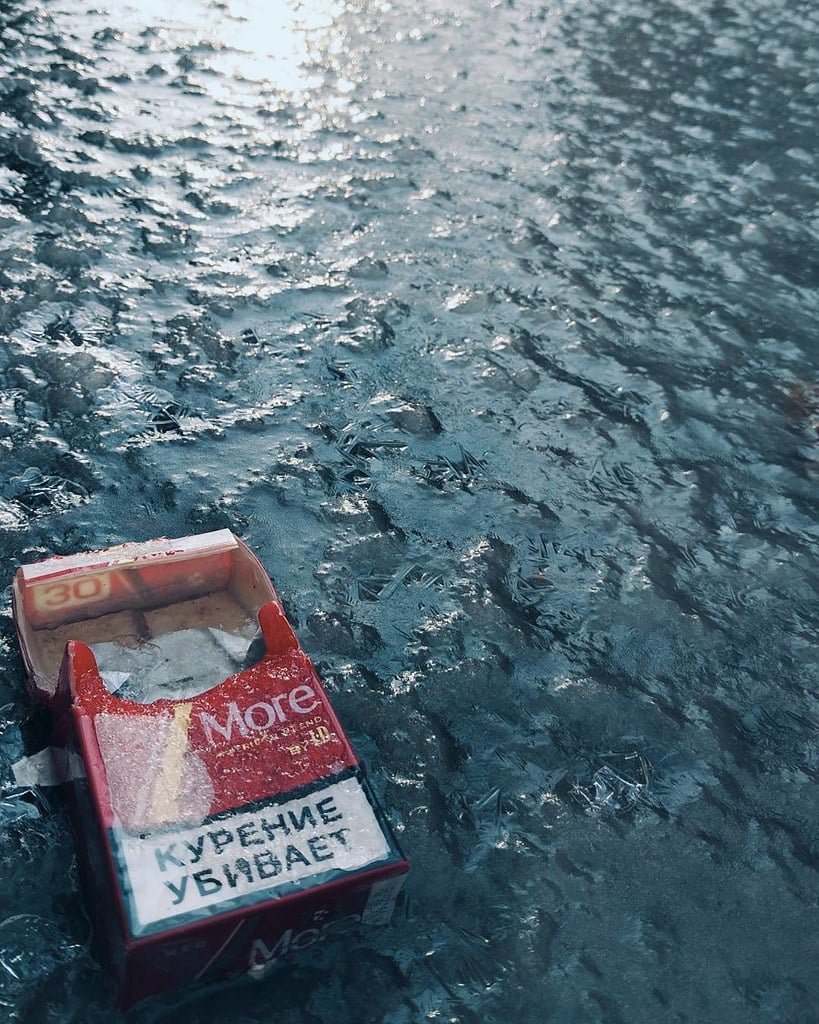
A single cig label keeps showing up on screens, big and small, like some behind-the-scenes regular. Not once did The X-Files skip its presence, while older tales such as Psycho let it linger in shadows just the same.
Decades passed, yet that name never faded – it simply kept reappearing, almost expected. Even without actual stores selling it, people know the look too well.
Much like Red Apple, maybe fiction was always its best home – still, you can’t miss what it became.
Oceanic Airlines
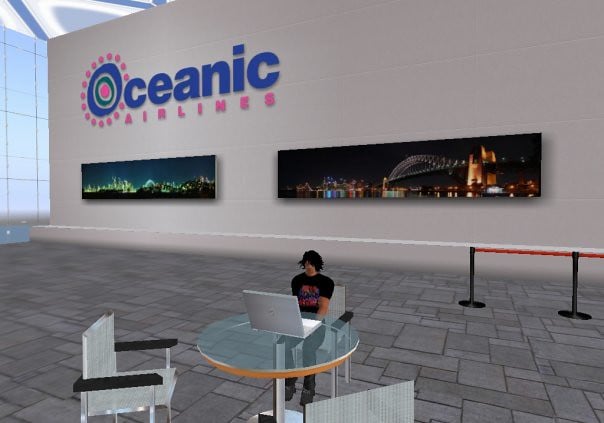
Famous because of a plane vanishing on an odd island, the airline actually showed up way earlier across many films and TV episodes. Professional colors plus design helped it seem like a genuine company flying real routes.
Different creators picked it just to skip lawsuits tied to true aviation incidents. Safety reports would have been disastrous if every screen tragedy counted in reality.
Reality never saw such bad luck packed into one fleet.
The Circle Comes Back Around
What stays isn’t always real. These invented names lingered, not because they pushed items, but because they carried weight – like echoes of something true.
Instead of slogans, they offered glimpses: fragments of lives, beliefs, moments people recognized. Through rides at amusement spots, temporary stores, or mugs stamped with logos, some slipped into our world unnoticed.
A clever fake can strike harder than facts ever could. Stories shape belief better when the lines blur – not by accident, but design.
More from Go2Tutors!

- The Romanov Crown Jewels and Their Tragic Fate
- 13 Historical Mysteries That Science Still Can’t Solve
- Famous Hoaxes That Fooled the World for Years
- 15 Child Stars with Tragic Adult Lives
- 16 Famous Jewelry Pieces in History
Like Go2Tutors’s content? Follow us on MSN.