15 Unsung Patriots of the Revolutionary War
When people picture the American Revolution, they typically think of George Washington crossing the Delaware or Benjamin Franklin’s diplomatic charm in France. Those iconic figures deserve their fame, no doubt about it. Yet the war for independence involved thousands of brave souls whose names never made it into the history books.
The Revolutionary War wasn’t won by a handful of famous generals — it succeeded because regular folks stepped up when their country needed them most. Here is a list of 15 unsung patriots whose grit and sacrifice helped forge a new nation.
Crispus Attucks
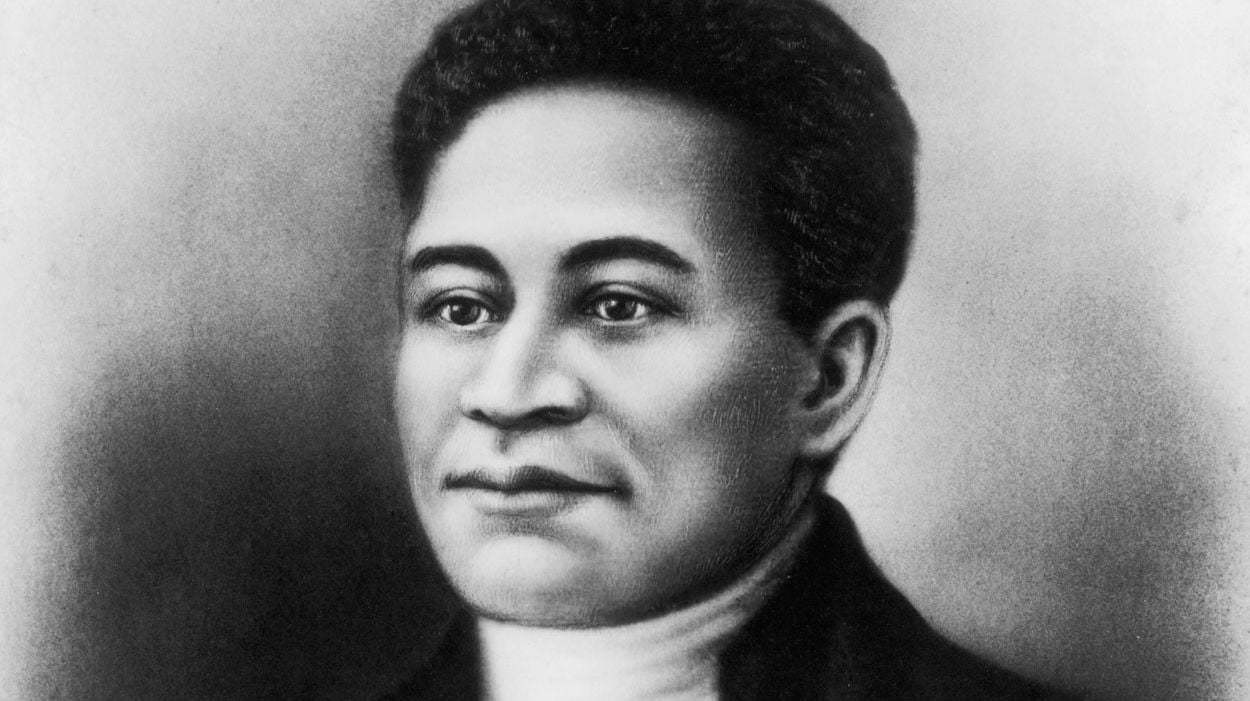
Crispus Attucks became America’s first revolutionary martyr when British soldiers fired into a crowd during the Boston Massacre in 1770. This man had escaped from slavery and built a new life working the docks and rope yards of Boston.
When he died that March night, his blood became a rallying cry — proving that liberty was worth dying for, regardless of someone’s background or social status.
Mercy Otis Warren
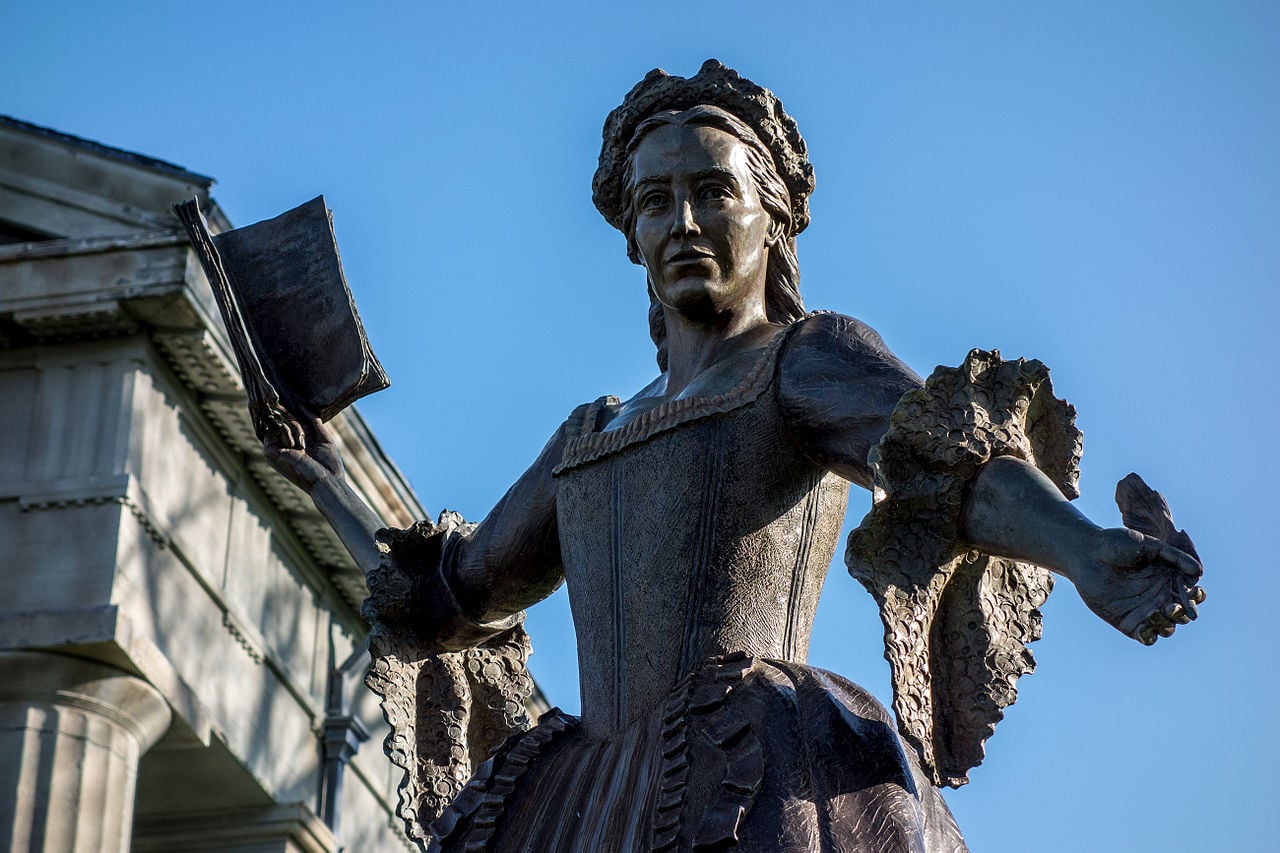
Sharp-tongued and sharper-witted, Mercy Otis Warren turned political satire into an art form. Her plays lampooned British officials so effectively that colonial audiences would roar with laughter while absorbing serious political messages.
She didn’t just entertain though — Warren later wrote one of the most comprehensive histories of the Revolution, making sure future Americans understood what their freedom had cost.
Francis Marion
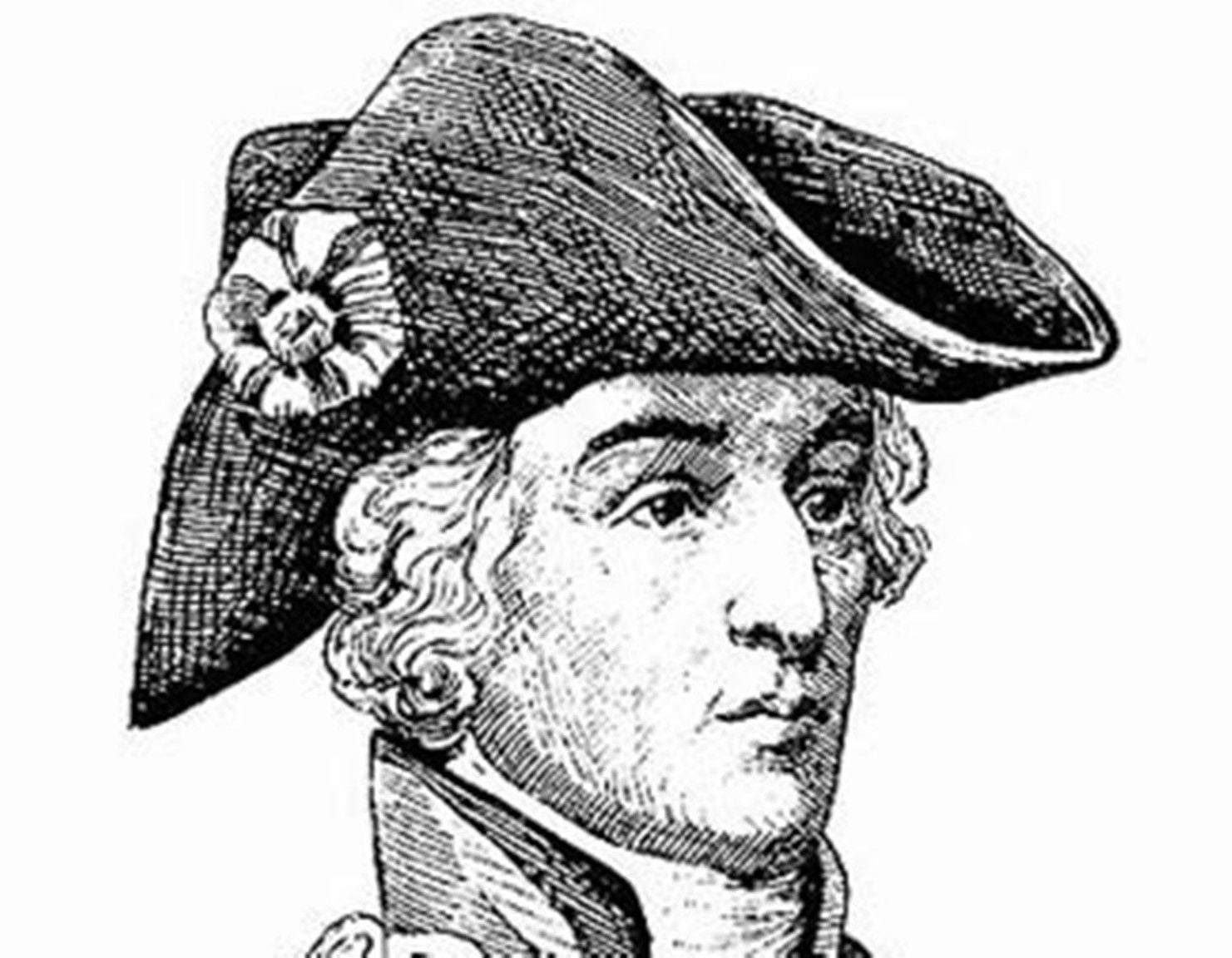
Down in South Carolina’s swamplands, Francis Marion perfected the art of hit-and-run warfare that would drive British commanders to distraction. The ‘Swamp Fox’ could strike a supply convoy at dawn, then vanish into the marshes before enemy reinforcements arrived.
His guerrilla tactics kept resistance alive in the South when conventional armies had been crushed — showing that local knowledge trumps military textbooks every time.
Like Go2Tutors’s content? Follow us on MSN.
Nancy Hart
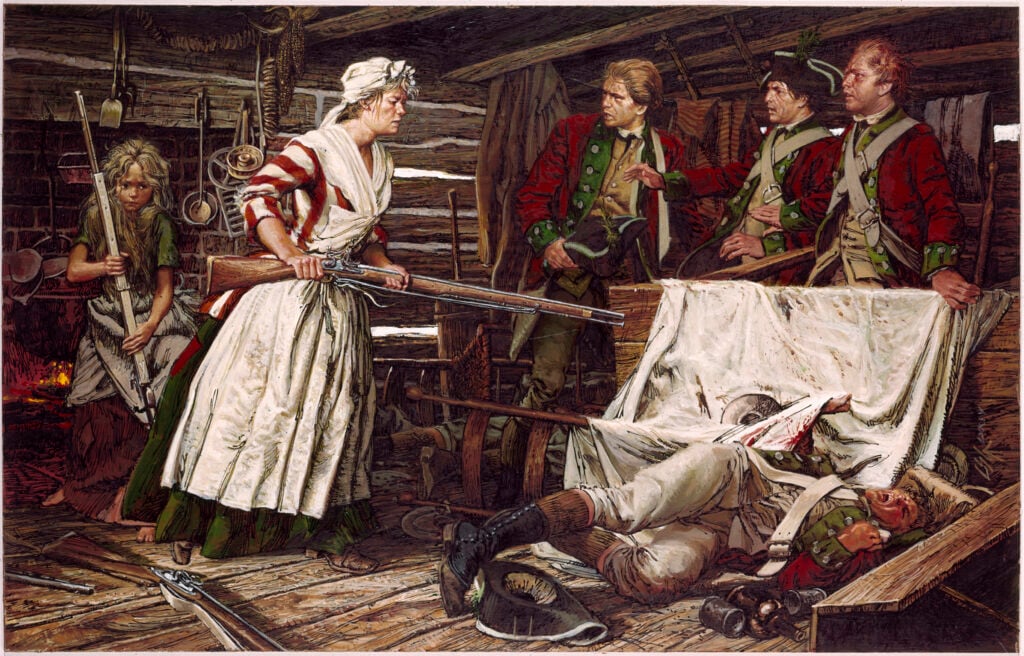
Standing well over six feet tall, Nancy Hart was the kind of frontier woman who could skin a deer and outshoot most men in her Georgia community. When Tory raiders threatened her neighbors, she grabbed her rifle and settled matters with deadly efficiency.
One famous story has her holding several British loyalists at gunpoint in her own kitchen — proof that patriot women were every bit as fierce as their husbands and sons.
Baron von Steuben
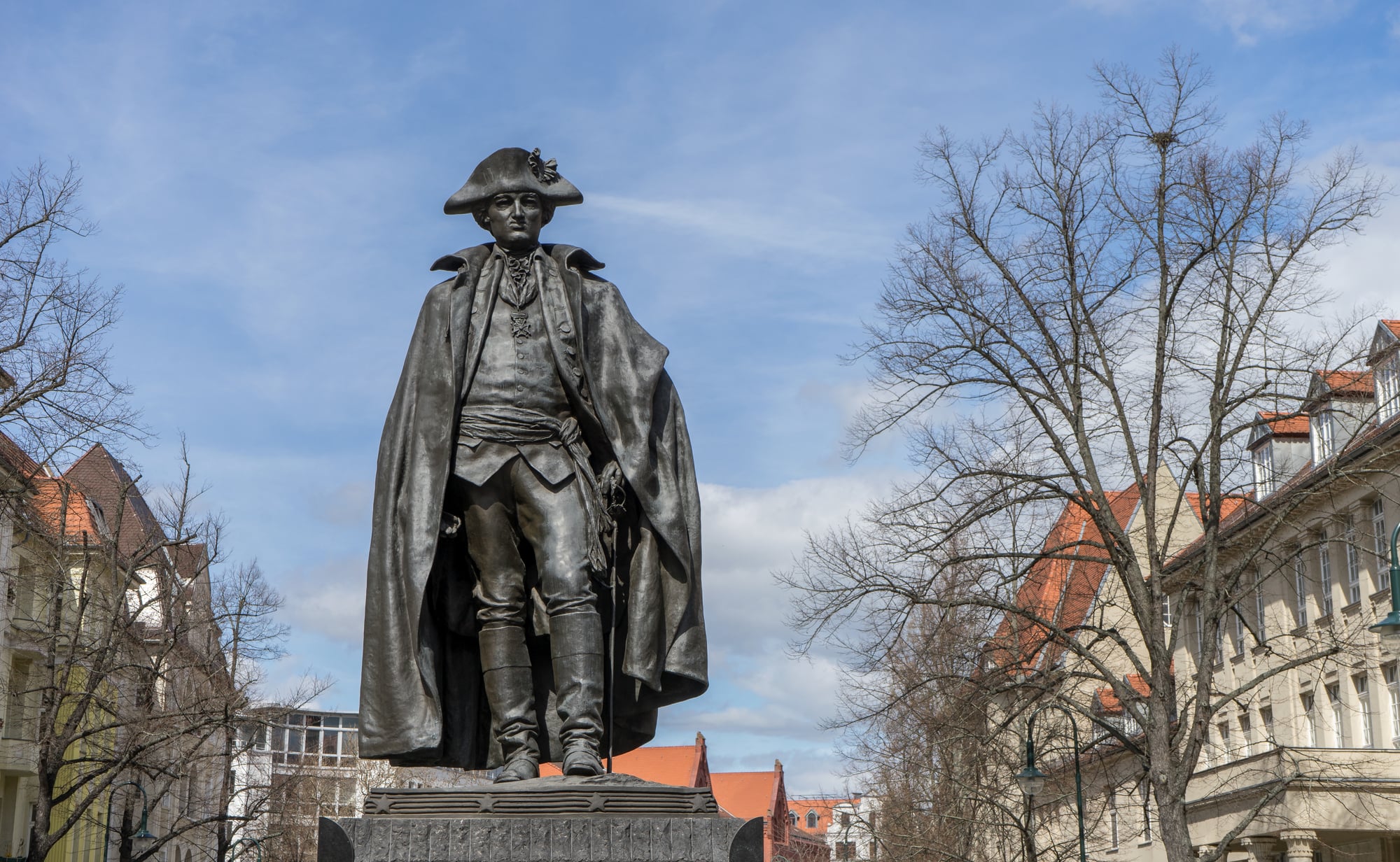
Friedrich Wilhelm von Steuben arrived at Valley Forge with impressive Prussian credentials but precious little actual combat experience. What he brought instead was something far more valuable — the ability to transform farmers and shopkeepers into disciplined soldiers.
His training methods turned Washington’s struggling Continental Army into a professional force that could stand toe-to-toe with Europe’s finest regiments.
Haym Salomon
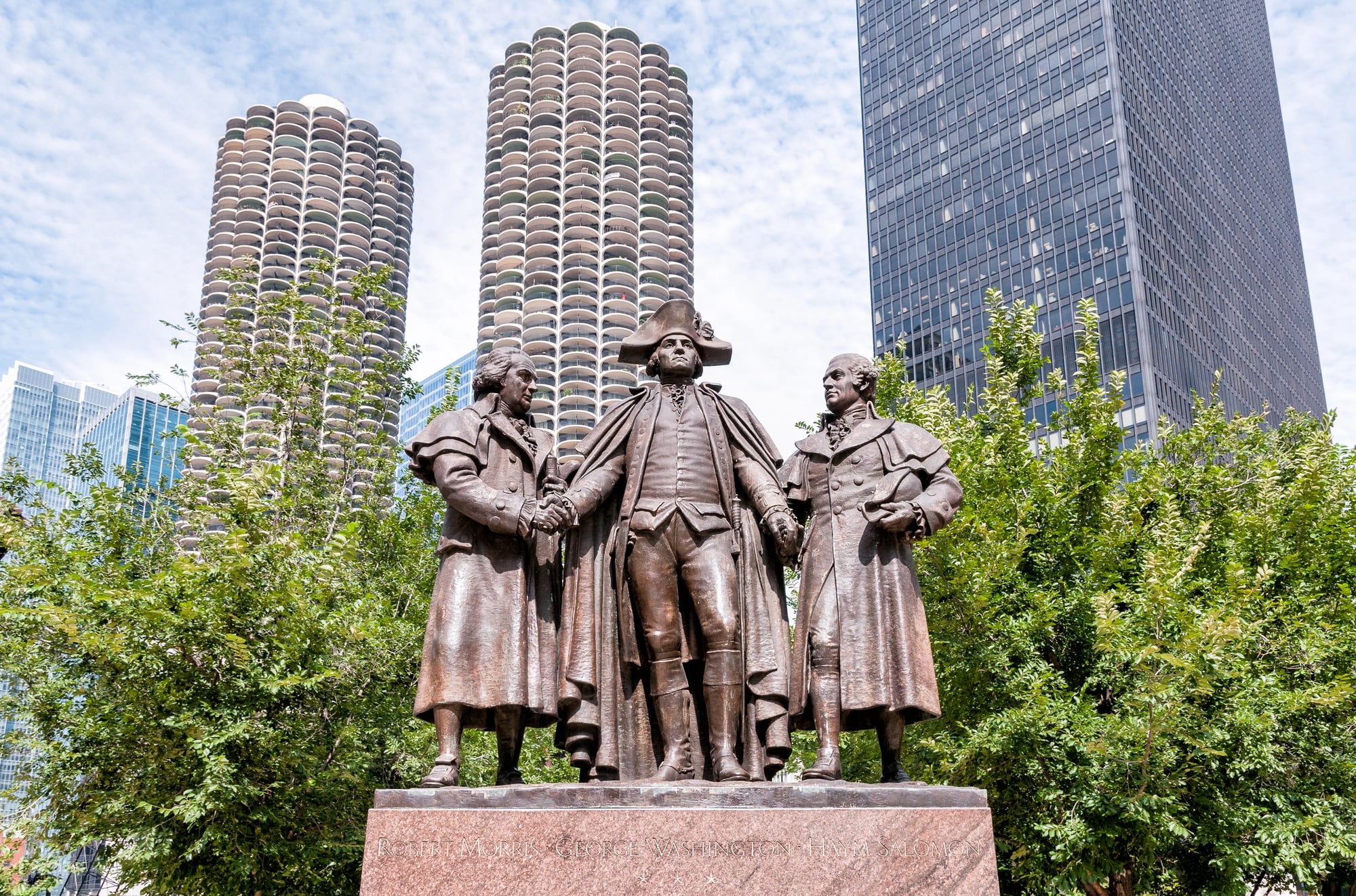
While soldiers fought with muskets and bayonets, Haym Salomon waged financial warfare against the British Empire. This Polish-Jewish immigrant used his banking connections to funnel desperately needed funds to the Continental Army — often using his own money when official channels dried up.
He never got fully repaid for his loans, yet his financial backing helped prevent the colonial cause from collapsing due to empty treasury coffers.
Like Go2Tutors’s content? Follow us on MSN.
Molly Pitcher
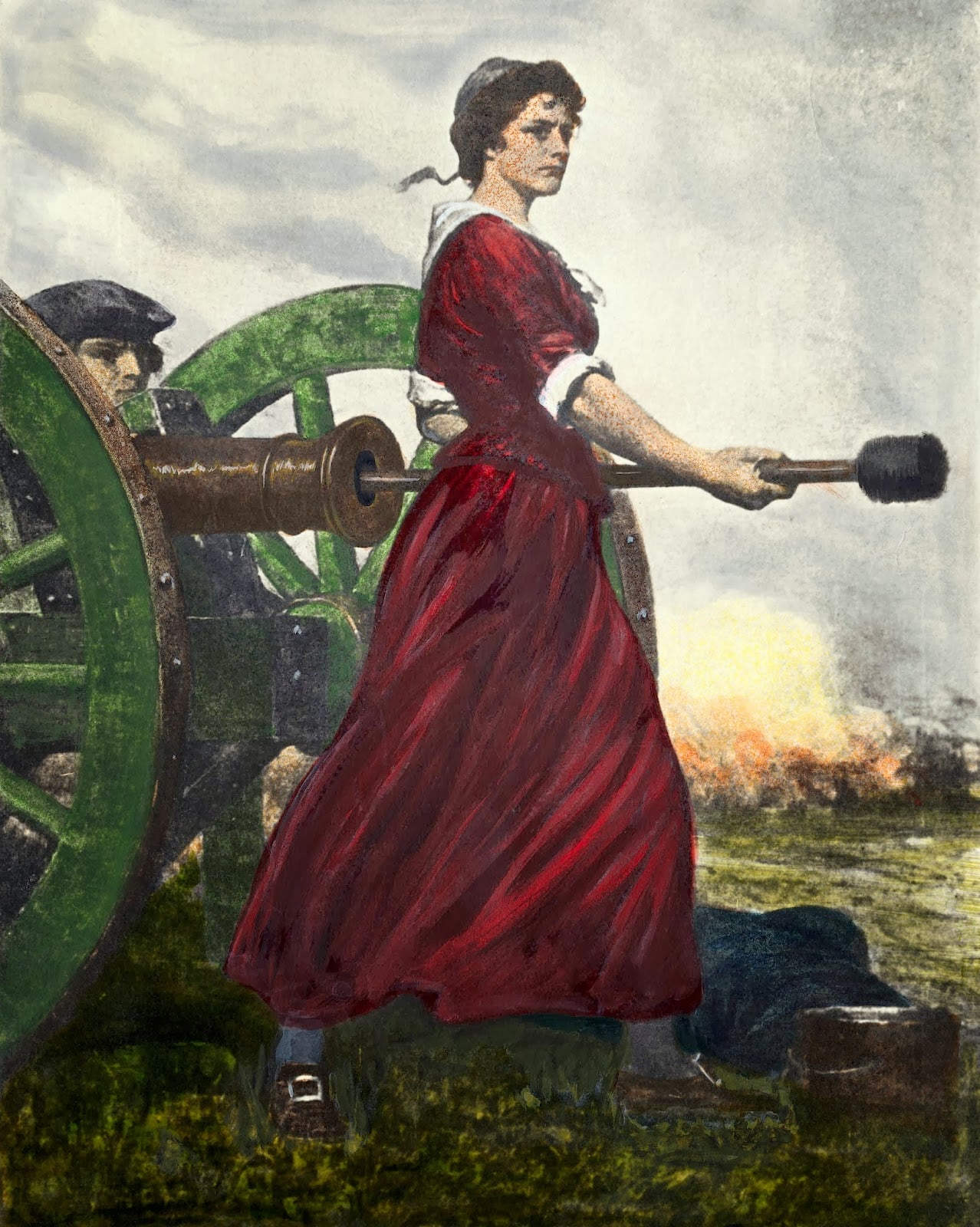
Mary Ludwig Hays earned her nickname carrying water pitchers to exhausted soldiers during the scorching Battle of Monmouth. But when her husband collapsed while manning an artillery piece, she didn’t hesitate — Molly grabbed the ramrod and kept the cannon firing at advancing British troops.
Her quick thinking under fire represented thousands of women who supported the war effort in ways both conventional and extraordinary.
Marquis de Lafayette
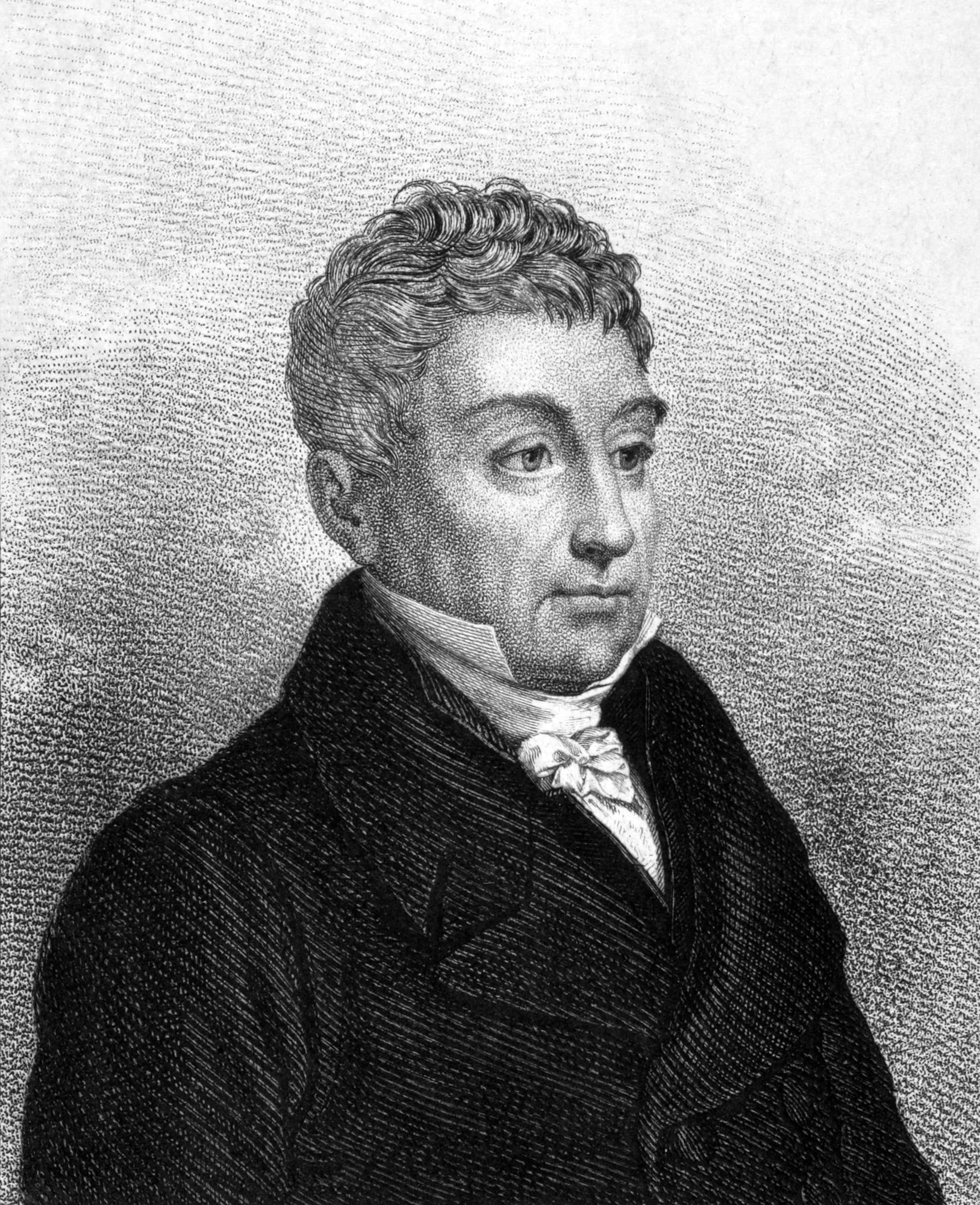
At just 19 years old, this wealthy French aristocrat crossed the Atlantic to volunteer for Washington’s army without asking for pay or special privileges. Lafayette brought European military training and influential connections that proved invaluable — but more importantly, he brought youthful enthusiasm for republican ideals.
His personal friendship with Washington helped secure the French alliance that ultimately won the war.
Peter Salem
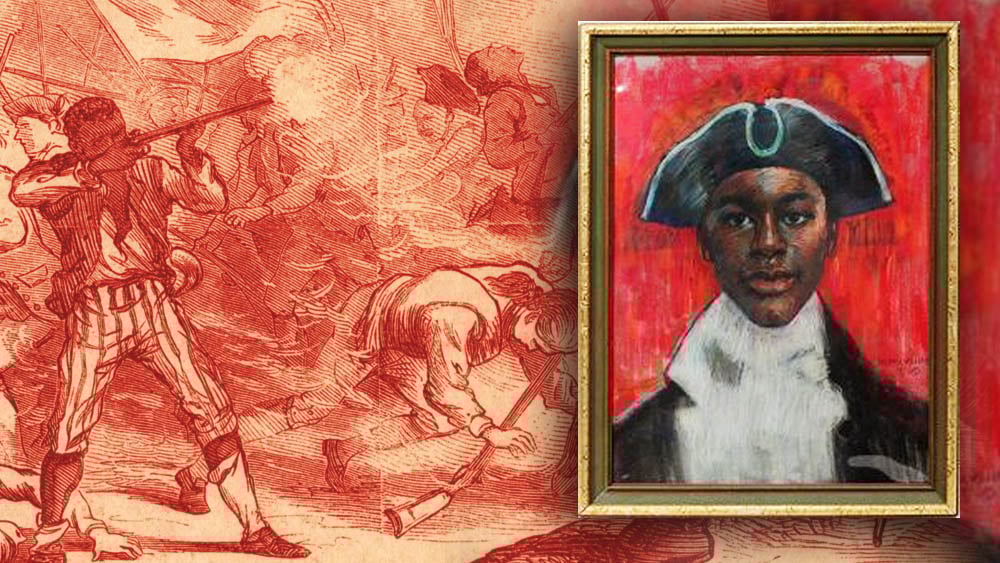
Peter Salem traded bondage for battlefield service when he enlisted in the Continental Army to gain his freedom. His steady aim proved decisive at Bunker Hill, where he reportedly shot British Major John Pitcairn during the fierce fighting.
Salem’s courage demonstrated that African Americans were ready to serve for American independence — even when that independence might not immediately extend to people who looked like him.
Like Go2Tutors’s content? Follow us on MSN.
Deborah Sampson
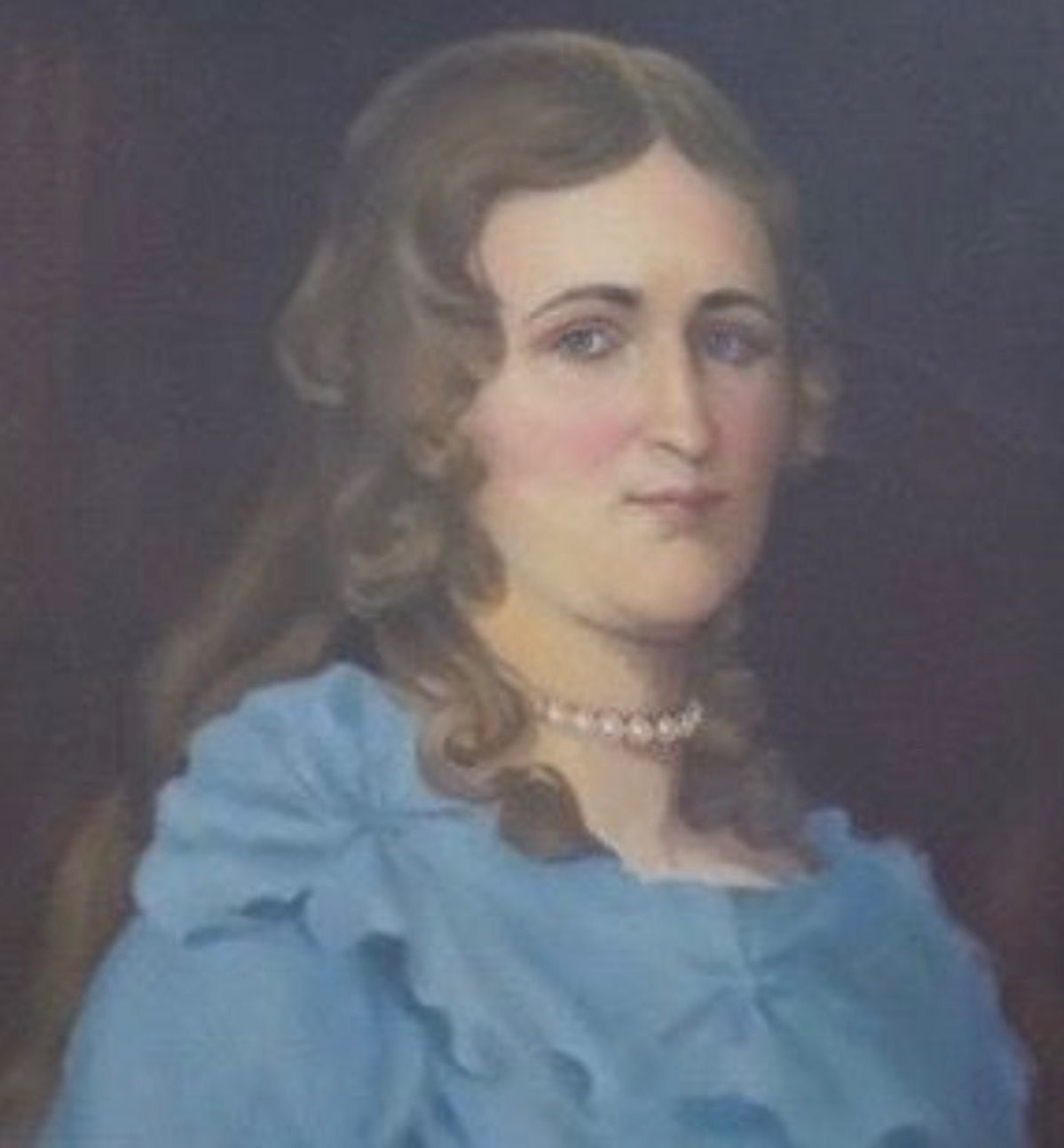
Binding her chest and deepening her voice, Deborah Sampson successfully masqueraded as ‘Robert Shurtliff’ for over a year of military service. She fought in multiple engagements while treating her own wounds to avoid medical examinations that would reveal her identity.
When her deception finally came to light, she received an honorable discharge and later became one of the first women to collect a military pension.
Nathanael Greene
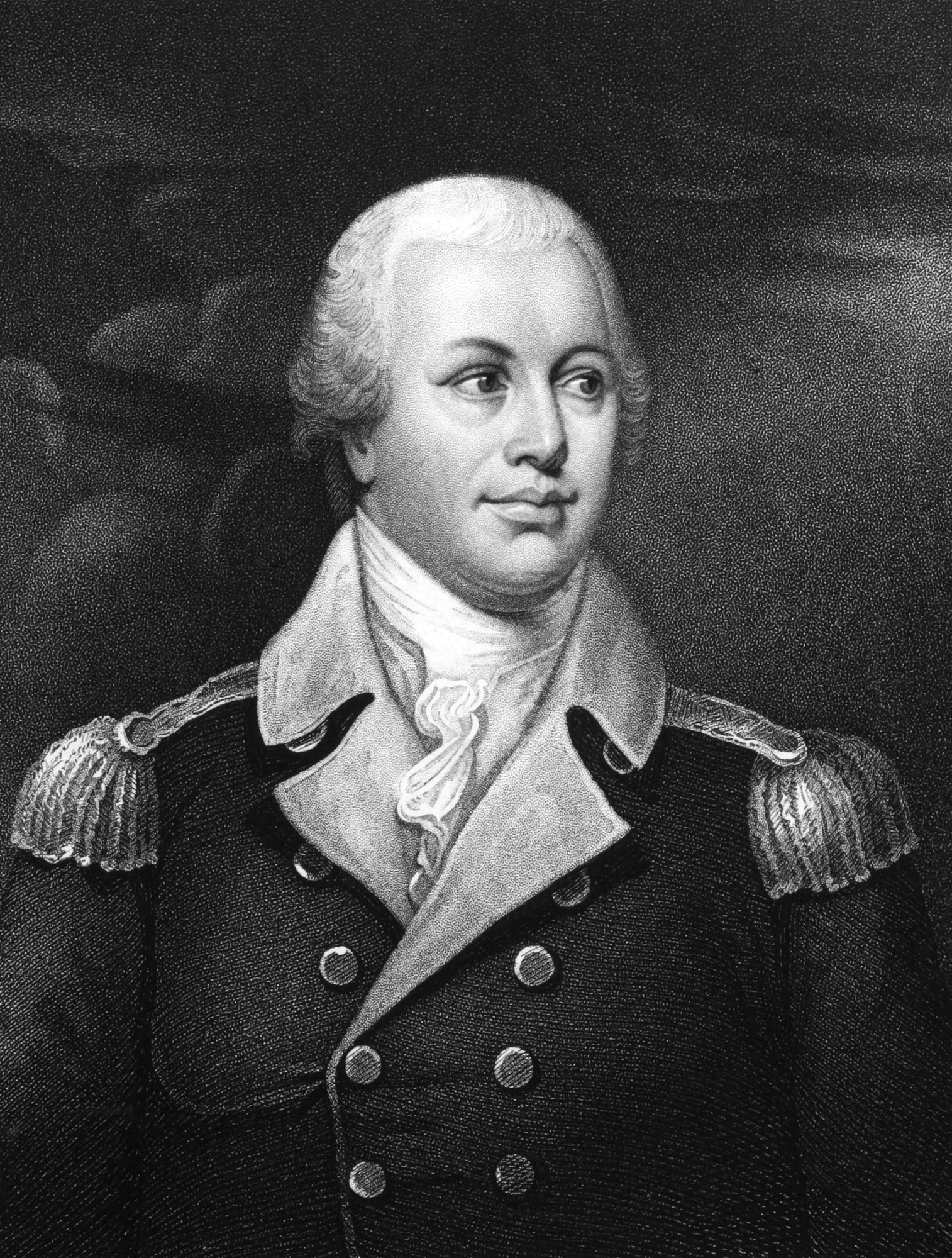
This former Quaker ironworker possessed no formal military education, yet he understood battlefield psychology better than generals who’d studied European warfare for decades. Greene’s Southern campaign brilliantly combined conventional tactics with guerrilla warfare, systematically wearing down British forces through strategic retreats and lightning strikes.
His approach set the stage for Cornwallis’s eventual surrender at Yorktown.
Sybil Ludington
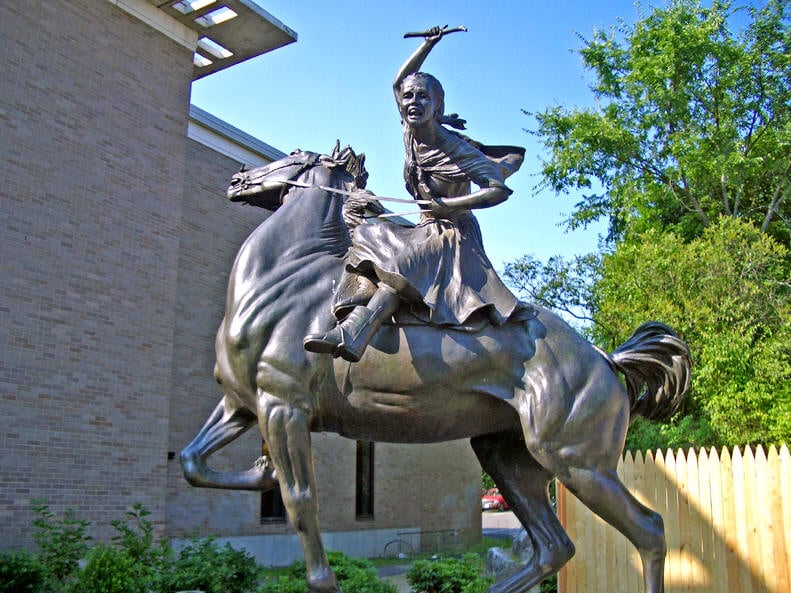
While Paul Revere gets all the fame for his midnight ride, 16-year-old Sybil Ludington covered twice the distance through more dangerous territory. She rode 40 miles through the Hudson Valley darkness to warn militia units about British forces attacking Danbury, Connecticut.
Her horsemanship and courage helped rally defenders who minimized the damage from the enemy raid.
Like Go2Tutors’s content? Follow us on MSN.
John Paul Jones
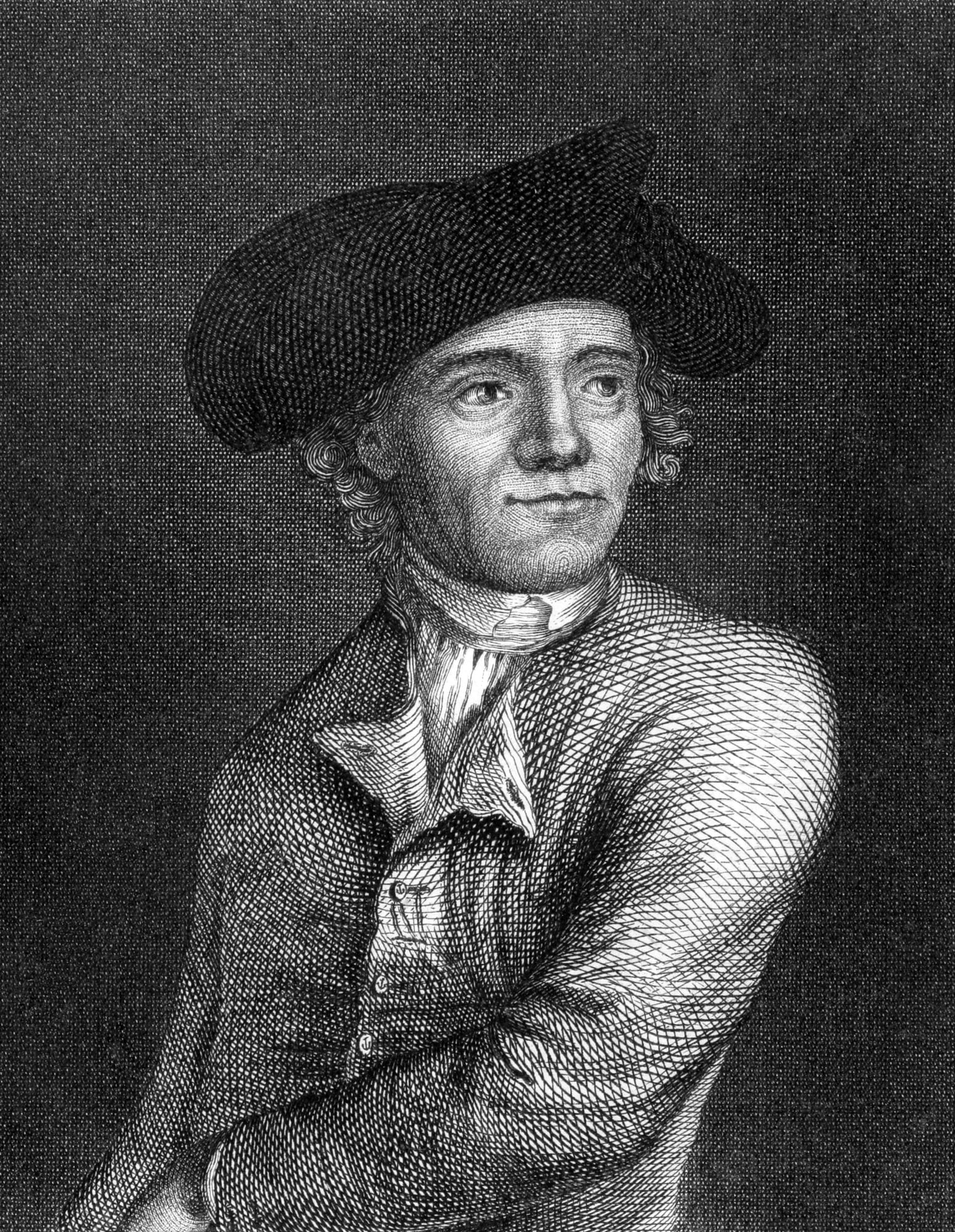
When the HMS Serapis demanded his surrender during a fierce naval engagement, John Paul Jones delivered one of history’s most defiant responses: ‘I have not yet begun to fight!’ His subsequent victory proved that American naval forces could challenge British supremacy on the high seas.
Jones inspired other captains to take bold action and showed that Britain’s maritime dominance wasn’t unbreakable.
Benedict Arnold
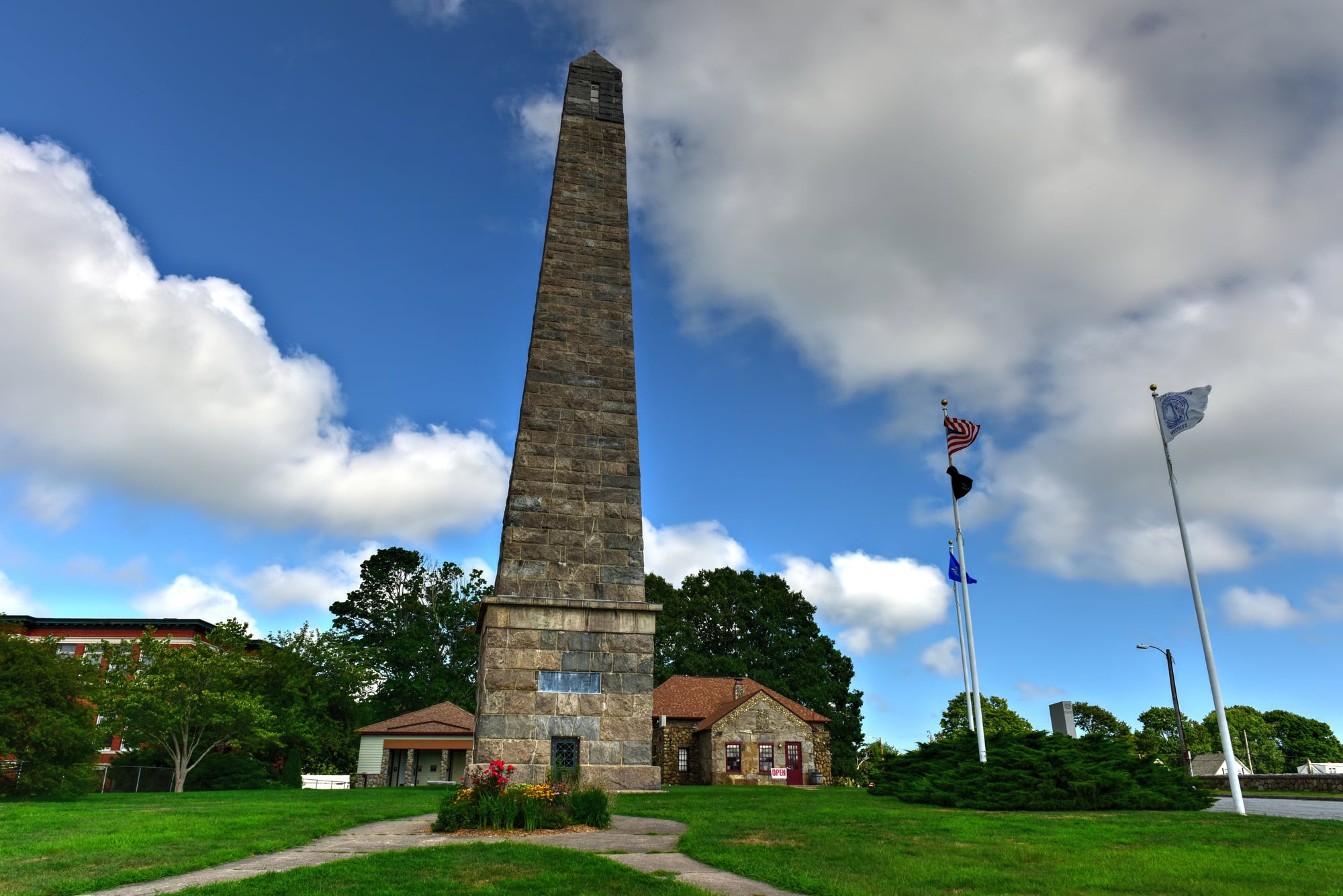
Before his name became synonymous with betrayal, Benedict Arnold ranked among the Continental Army’s most capable field commanders. His tactical brilliance at Saratoga helped convince France to join the American cause — a decision that ultimately determined the war’s outcome.
Arnold’s early contributions serve as a reminder that historical figures often contain both heroic and tragic elements.
Betsy Ross
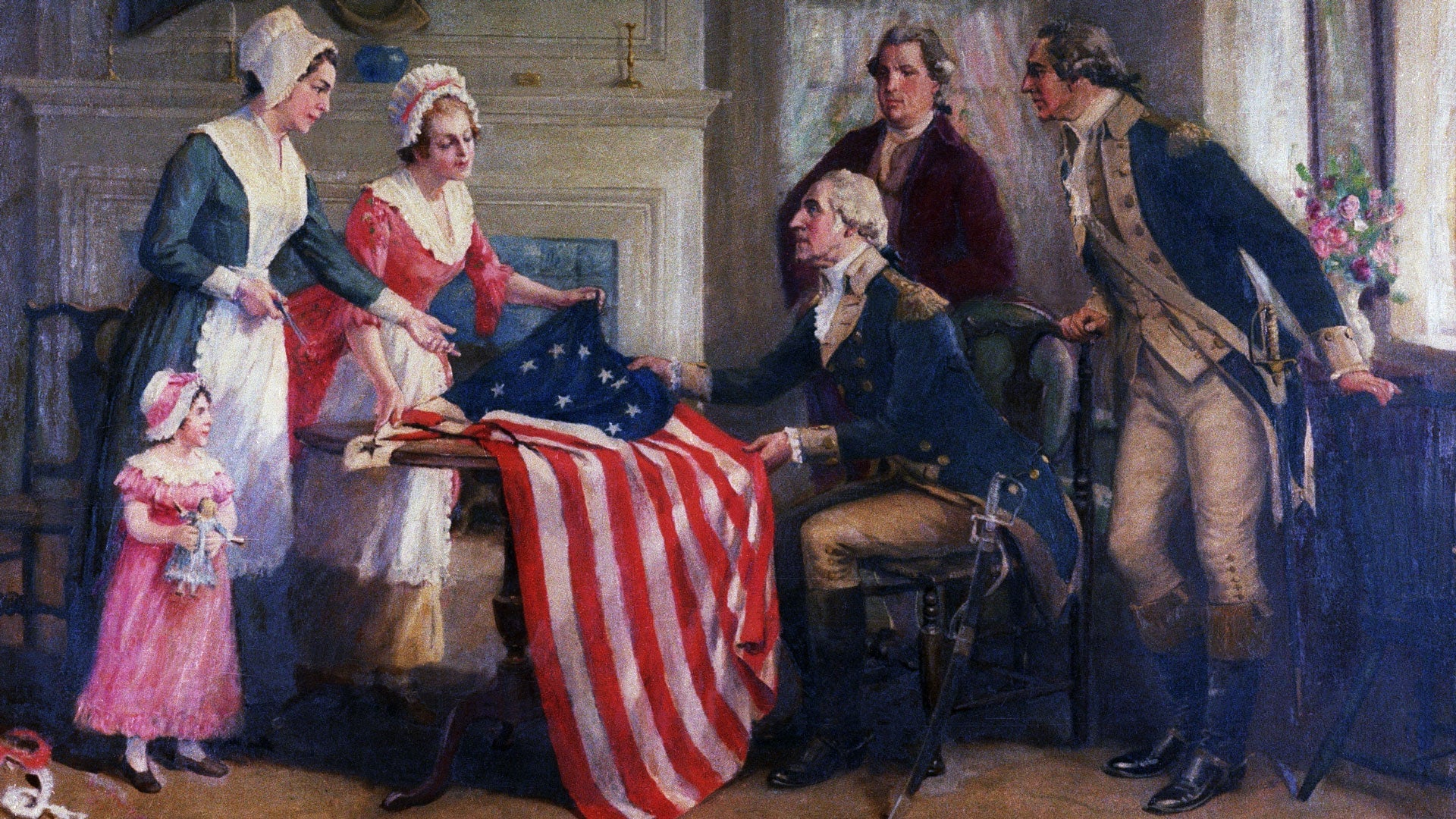
Whether or not she actually sewed the first Stars and Stripes remains historically debatable, but Elizabeth Griscom Ross definitely ran a thriving upholstery business in revolutionary Philadelphia. Her shop provided essential services to the Continental Army while supporting the local economy during wartime disruption.
Ross represented the countless artisans and merchants whose daily work kept American society functioning under extraordinary pressure.
Threads That Bind a Nation
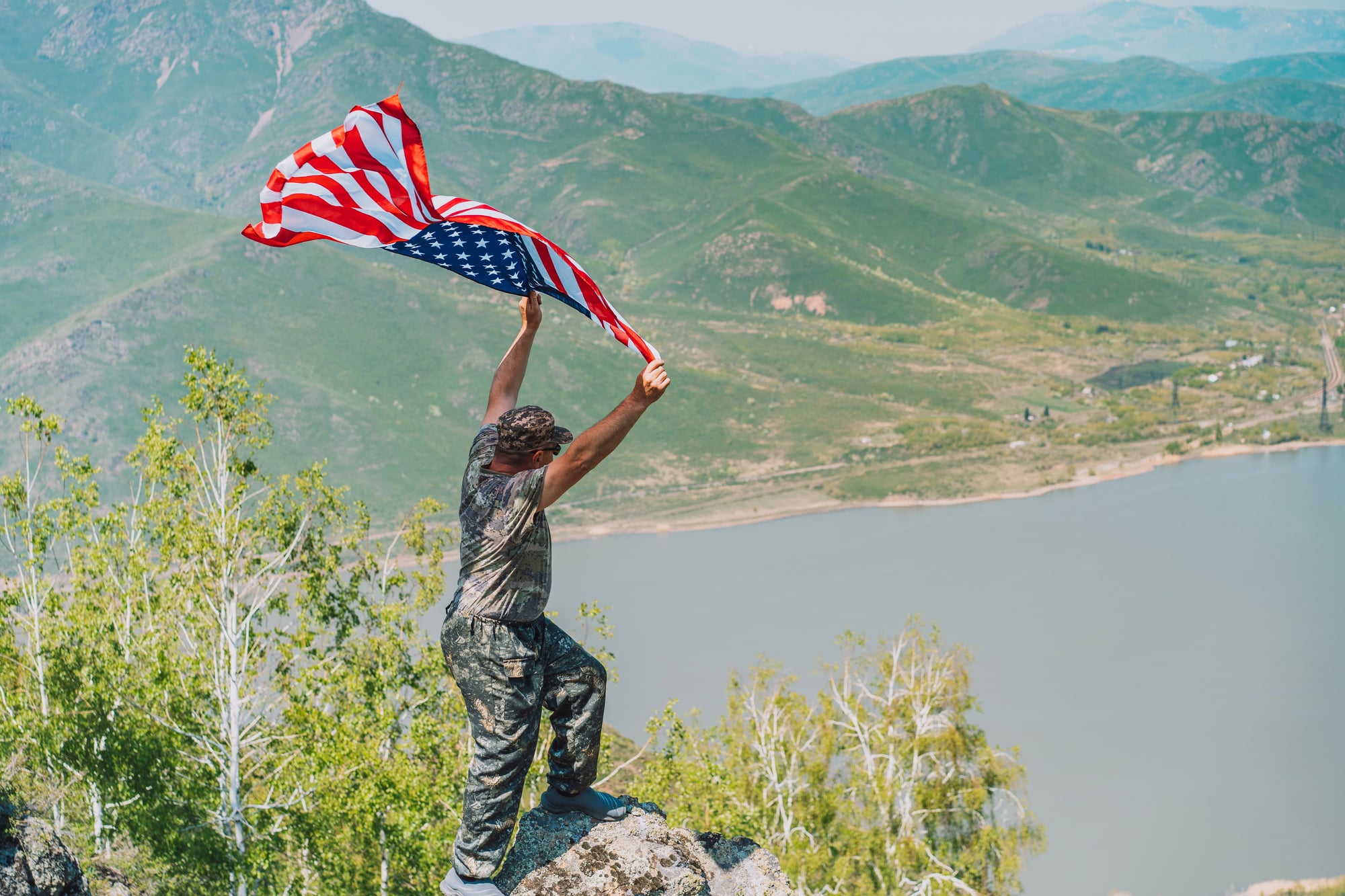
These overlooked heroes came from vastly different walks of life, yet they shared something essential: the conviction that freedom was worth any personal cost. Some wielded weapons while others provided financial support or essential services, but all understood that independence required individual sacrifice for the collective good.
Their diverse contributions remind us that the American Revolution succeeded not through the genius of a few famous leaders, but because ordinary people made extraordinary choices when history called upon them. The republic they helped establish continues to benefit from their willingness to risk everything for principles they believed would outlast their own lives.
More from Go2Tutors!

- 18 Unexpectedly Valuable Collectibles You Might Have Lying Around
- 20 Little-Known Historical Battles That Had Huge Consequences
- 20 Historical Artifacts That Scientists Can’t Explain
- 15 Inventions That Were Immediately Banned After Being Created
- 20 Actors Who Were Almost Cast in Iconic Roles
Like Go2Tutors’s content? Follow us on MSN.