15 Everyday Technologies Predicted by Science Fiction
Science fiction has always been more than just entertainment. The genre has served as a crystal ball, peering into possible futures and imagining technologies that seemed impossible at the time.
What’s remarkable isn’t just that writers dreamed up these innovations, but how accurately they predicted the ways these technologies would integrate into our daily lives. From pocket computers to video calls, many of the gadgets you use without thinking were first conceived in the pages of novels or on movie screens decades ago.
Satellites
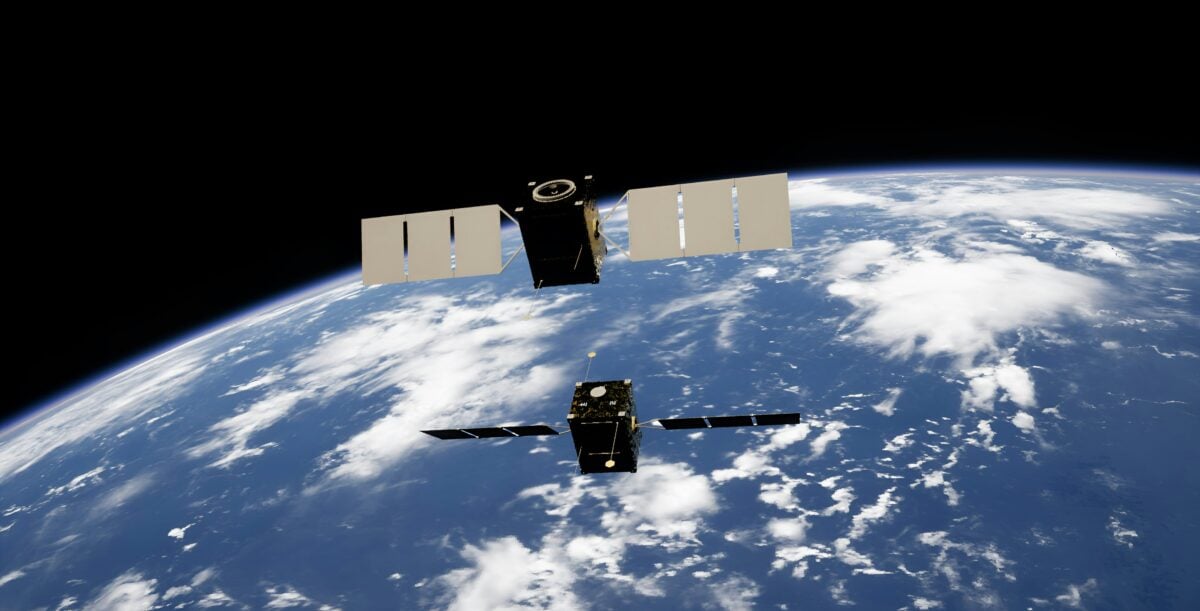
Arthur C. Clarke didn’t just write about satellites in his 1945 paper “Extra-Terrestrial Relays.” He mapped out their exact orbital mechanics. Geostationary orbit at 22,236 miles above Earth.
Three satellites could cover the entire planet. The math was precise, the vision complete.
Twenty-two years later, the first communication satellite went live. Clarke had gotten almost everything right, down to the technical specifications.
Submarines

Jules Verne’s Nautilus wasn’t just a boat that went underwater. It was a self-contained world with electric lighting, air purification systems, and advanced navigation equipment.
This was 1870, when most people had never seen electricity, let alone imagined living beneath the ocean for months at a time. The level of detail Verne provided — from the double-hull design to the renewable energy systems — reads like a blueprint rather than fiction.
Naval engineers would later admit they borrowed heavily from his ideas when designing the first military submarines.
Video Calling

The promise of seeing someone’s face while talking to them across great distances — this wasn’t just about the technology, it was about collapsing the emotional distance that separation creates (and video calls do exactly that, though perhaps not always in the ways we hoped they would). Stanley Kubrick’s 2001: A Space Odyssey showed Dr. Floyd having what amounts to a casual FaceTime call with his daughter in 1968, treating it as mundane as a regular phone conversation.
But the real prescience was in how George Orwell’s telescreen concept from 1984 anticipated not just the technical capability, but the social implications: that putting cameras in everyone’s home would fundamentally alter privacy and human behavior. And here we are, willingly mounting cameras in our bedrooms and kitchens, calling it convenience rather than surveillance — though maybe both things are true at once.
So when video calling finally arrived decades later, the technology felt simultaneously revolutionary and oddly familiar, as if we’d been preparing for it our entire lives without realizing it.
Earbuds
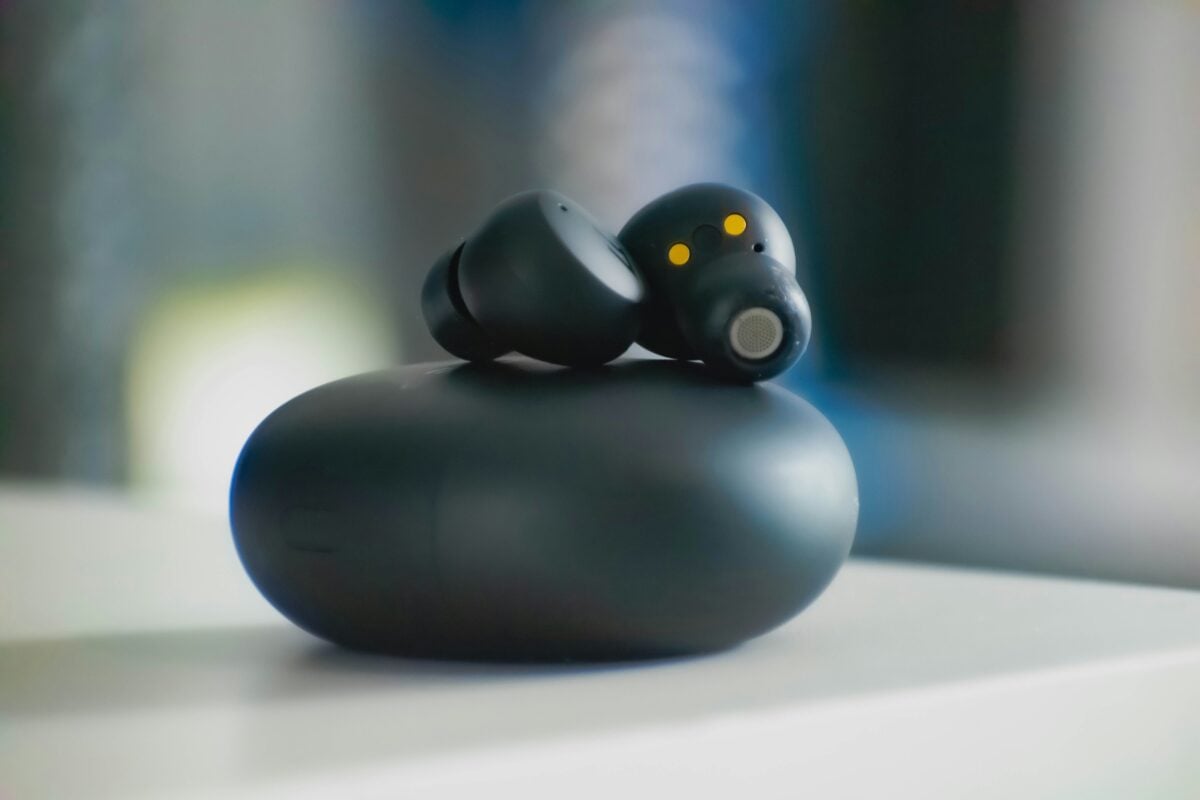
Ray Bradbury described them perfectly in Fahrenheit 451. Tiny radio receivers that fit directly into your ears, delivering a constant stream of audio that could completely isolate you from the world around you.
He called them “seashells.” The technology was less important to him than the social behavior it would create — people walking around in their own private audio bubbles, disconnected from their immediate environment. Turns out he was right about both the tech and the consequences.
Tablets

Kubrick got there first with 2001, but Arthur C. Clarke’s descriptions in the accompanying novel were more specific.
Flat rectangular screens that could display text, images, and video. Touch-sensitive surfaces that responded to finger gestures.
Wireless connectivity that could access vast libraries of information. Clarke was writing in 1968.
The iPad arrived in 2010, looking almost exactly like what he’d described (and honestly, not much different from the HAL interfaces Kubrick put on screen). The forty-two year gap between prediction and reality feels almost conservative given how precisely they nailed the concept.
GPS Navigation
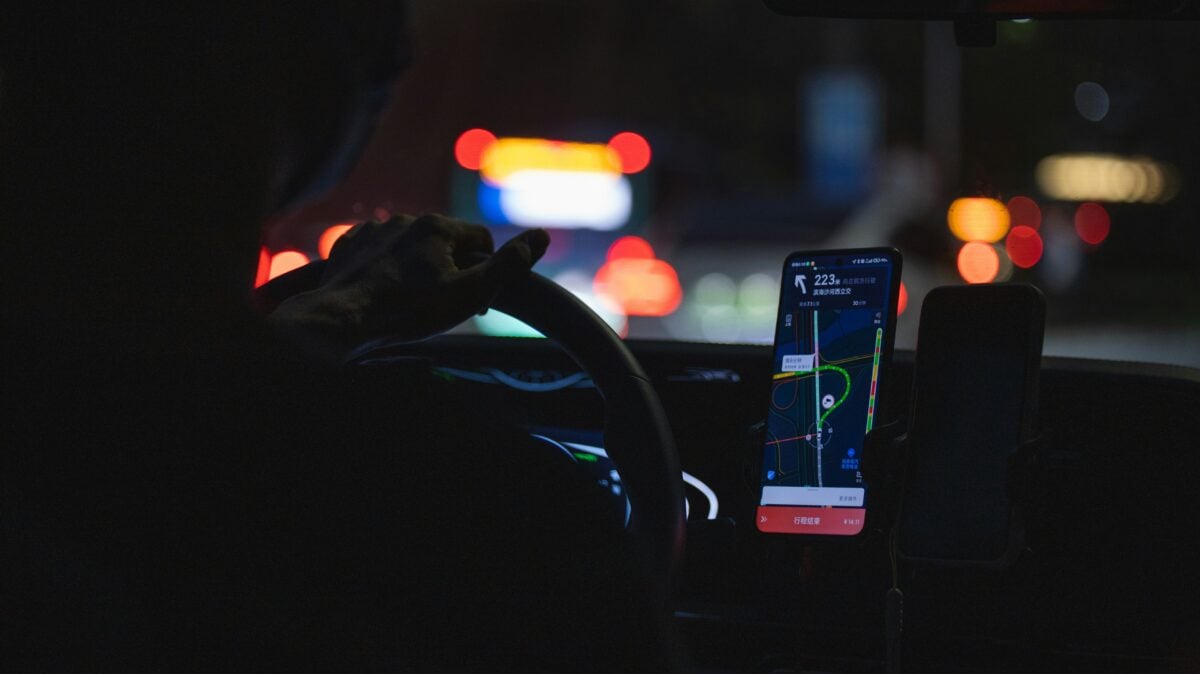
Robert Heinlein laid out the entire system in his 1957 novel “The Door into Summer.” Satellites that could pinpoint your exact location on Earth and provide turn-by-turn directions to any destination.
He even predicted that the system would become so reliable that people would stop learning how to navigate without it. The Global Positioning System went fully operational in 1995.
Heinlein had been off by less than four decades, and his concerns about technological dependence proved remarkably accurate.
Flat Screen TVs
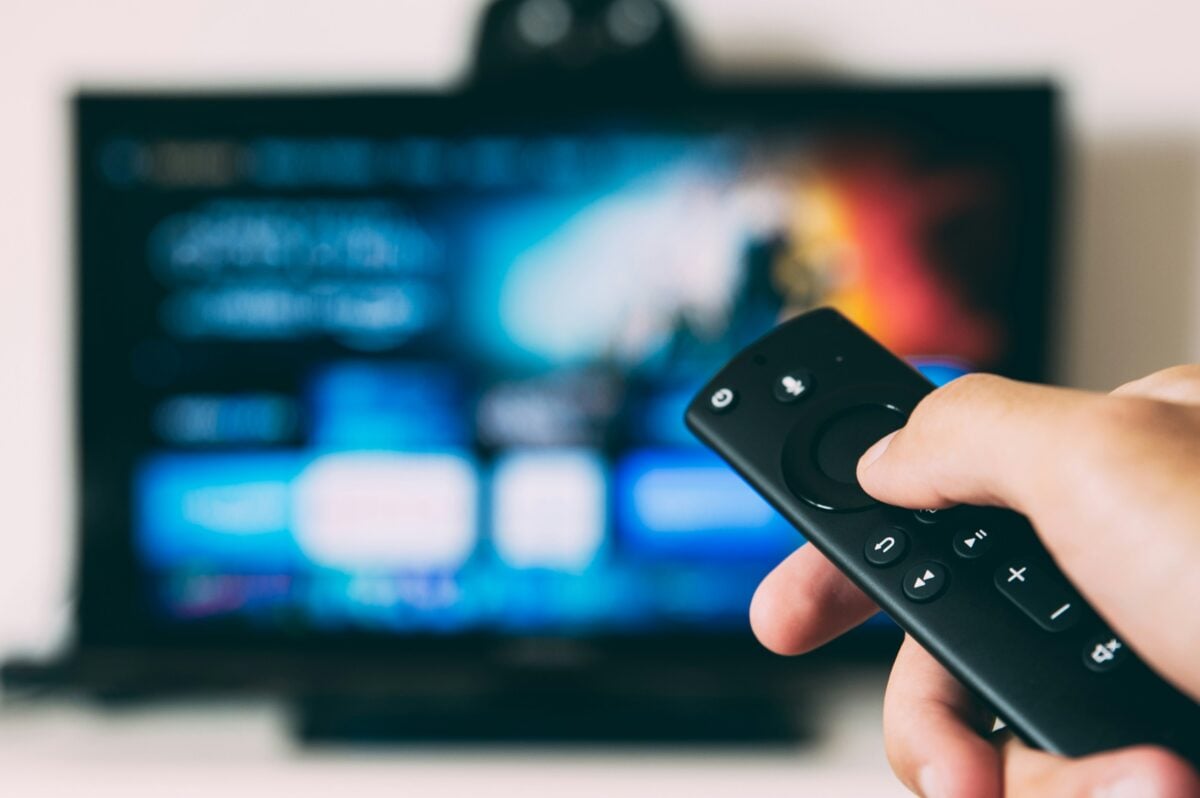
The wall-mounted television screens in Bradbury’s Fahrenheit 451 weren’t just about the technology — they were about what happens when entertainment becomes so immersive and immediate that it replaces human connection altogether, though reading his descriptions now, with flat screens mounted in every room of the house, the line between his dystopia and our reality gets uncomfortably thin. The characters in his 1953 novel spend their days absorbed in interactive programming on wall-sized displays, talking to the screen as if the people inside could hear them back.
He imagined entertainment systems so engaging they would become addictive, so realistic they would feel more compelling than actual relationships. And while flat-screen technology took until the 1990s to become practical and the 2000s to become affordable, the social predictions arrived right on schedule — maybe even ahead of it.
Smart Watches

Dick Tracy’s two-way wrist radio appeared in comic strips in 1946. Video calling from your wrist came along a few years later. The basic concept was simple enough that it felt inevitable, but the execution details were surprisingly accurate.
Tracy’s watch could make calls, send messages, track locations, and even take photographs. The Apple Watch does all of that plus monitors your heart rate, which Tracy probably would have appreciated given his line of work.
Comic strip technology tends toward the ridiculous, but this one landed squarely in everyday reality.
Wireless Communication

Nikola Tesla predicted it in 1909, but science fiction writers spent decades working out the social implications. They imagined a world where anyone could talk to anyone else, instantly, from anywhere on the planet — and they correctly predicted that this wouldn’t necessarily make communication better, just more constant.
The technology arrived exactly as predicted. The social consequences have been messier than most writers anticipated, though a few got remarkably close to predicting our current relationship with constant connectivity.
Voice Assistants
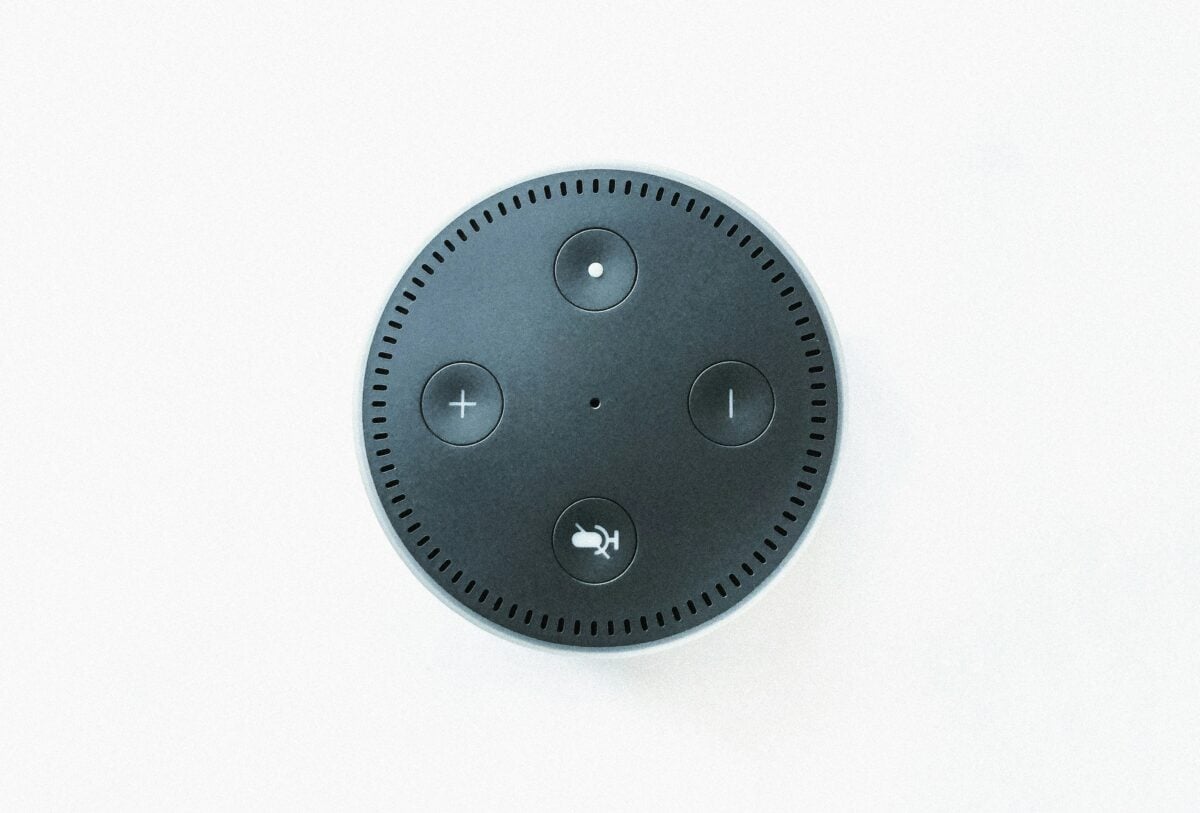
HAL 9000 from 2001: A Space Odyssey remains the template. A disembodied voice that could understand natural language, answer questions, control household systems, and maintain conversations that felt genuinely interactive.
The artificial intelligence part is still catching up, but the basic interaction model — talking to your house and having it respond — works exactly like Kubrick and Clarke imagined. Even the cylindrical design of devices like Amazon Echo feels like a direct homage to HAL’s camera eye.
Biometric Security

The hand scanners and retinal readers that showed up in countless science fiction films weren’t just about the technology — they were about a future where your body itself would become your password (which sounded like freedom from forgetting codes until you realized you can’t change your fingerprints if they get compromised, making this both more convenient and potentially more dangerous than the authors usually acknowledged). Films like Minority Report and Gattaca spent considerable time showing characters navigating worlds where biometric scanning was ubiquitous, integrated into every doorway, computer terminal, and vehicle.
But the real prediction wasn’t just that the technology would work — it was that people would willingly adopt it despite the obvious privacy implications, trading security concerns for the minor convenience of not having to remember passwords.
Home Automation

Ray Bradbury’s 1950 short story “There Will Come Soft Rains” described a fully automated house in remarkable detail. Lights that responded to voice commands, temperature systems that adjusted automatically, appliances that could be controlled remotely, and a central computer that managed everything.
The story was meant as a cautionary tale about technological dependence, but it also served as an incredibly accurate blueprint for modern smart home systems. Seventy years later, you can buy almost everything Bradbury described, often using the same interaction methods he imagined.
Digital Books and Libraries

In Isaac Asimov’s Foundation series, characters carried entire libraries in portable devices. Thousands of books are stored electronically, searchable instantly, readable on screens designed specifically for text.
He predicted e-readers with remarkable accuracy, including details like adjustable text size and long battery life. But Asimov also anticipated that digital books would coexist with physical ones rather than replacing them entirely — a nuance that many later predictions missed.
Virtual Reality
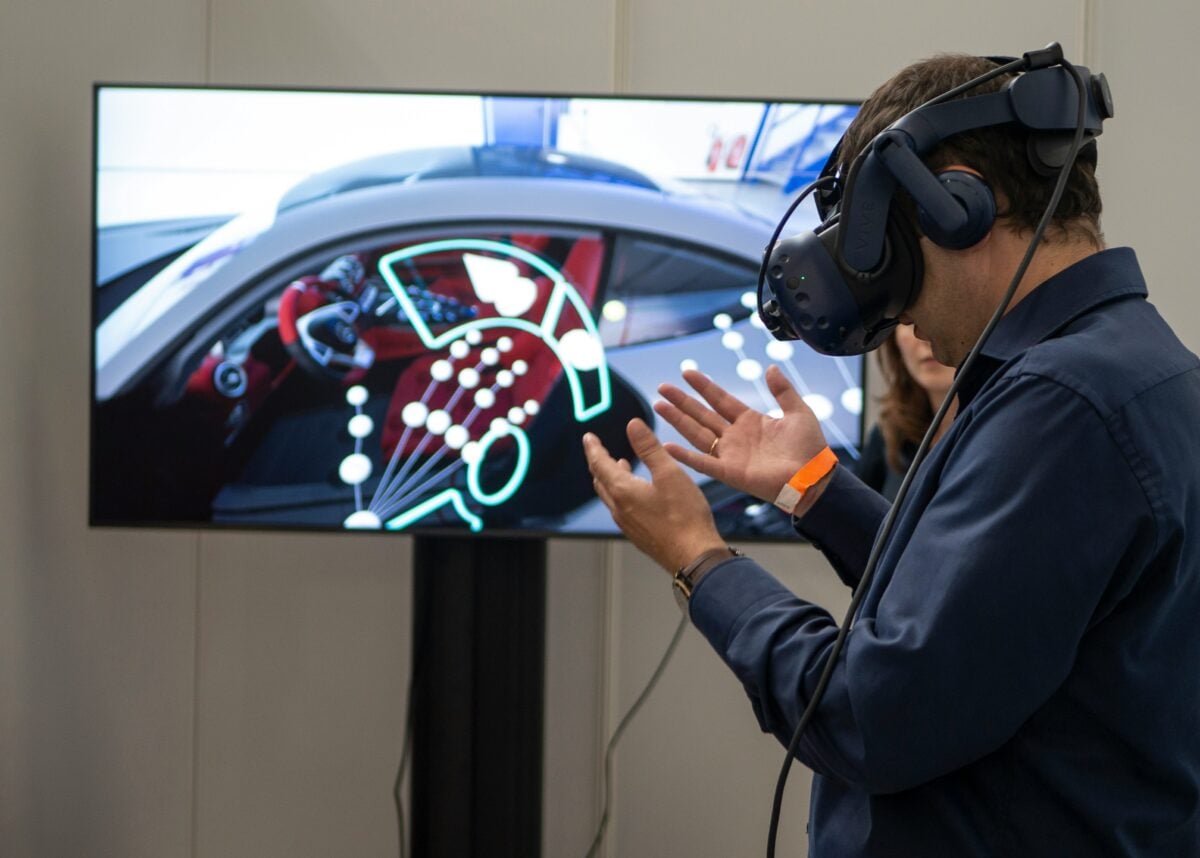
William Gibson coined the term “cyberspace” in Neuromancer, but the concept of immersive virtual environments appeared throughout science fiction decades earlier. Writers consistently predicted that VR would be used for entertainment, education, and training — and that the line between virtual and real experience would become increasingly blurred.
The technology has taken longer to mature than most predictions suggested, but the applications have developed exactly as imagined. VR training for pilots, surgeons, and military personnel; immersive gaming environments; virtual social spaces where people gather despite being physically separated.
Robots in Daily Life

Asimov’s robot stories weren’t just about artificial intelligence — they were about how humans would integrate robotic assistants into everyday life. Robots that could clean houses, care for children, assist the elderly, and perform dangerous or repetitive tasks.
His Three Laws of Robotics became the foundation for modern discussions about AI safety, but his broader prediction about robots becoming commonplace household assistants is playing out exactly as he described. Robotic vacuum cleaners, lawn mowers, and personal assistants represent the early stages of the robotic integration he envisioned.
When Fiction Becomes Blueprint

The most fascinating aspect of these predictions isn’t their technical accuracy — it’s how they shaped the development of the technologies themselves. Engineers and inventors grew up reading these stories, watching these films, absorbing these visions of possible futures.
When the time came to build satellites or design submarines or create video calling systems, they already had a template in their minds. Science fiction didn’t just predict these technologies.
It provided the imagination necessary to bring them into existence, creating a feedback loop between dreams and reality that continues to shape the world around us.
More from Go2Tutors!

- The Romanov Crown Jewels and Their Tragic Fate
- 13 Historical Mysteries That Science Still Can’t Solve
- Famous Hoaxes That Fooled the World for Years
- 15 Child Stars with Tragic Adult Lives
- 16 Famous Jewelry Pieces in History
Like Go2Tutors’s content? Follow us on MSN.



