15 Ways How Ancient Egyptians Moved Giant Stones
Moving massive stone blocks weighing hundreds of tons seems impossible with ancient technology, yet the Egyptians built monuments that still baffle engineers today. Without wheels, pulleys, or iron tools, they transported granite from quarries 500 miles away and limestone blocks weighing up to 15 tons each to construct the Great Pyramid. Recent archaeological discoveries and experiments have revealed the ingenious methods behind these incredible feats.
The ancient Egyptians developed a sophisticated toolkit of transportation techniques that combined clever engineering with organized human labor. Here’s a complete list of 15 remarkable methods they used to move these colossal stones across the desert and down the Nile.
Wet Sand Sledging
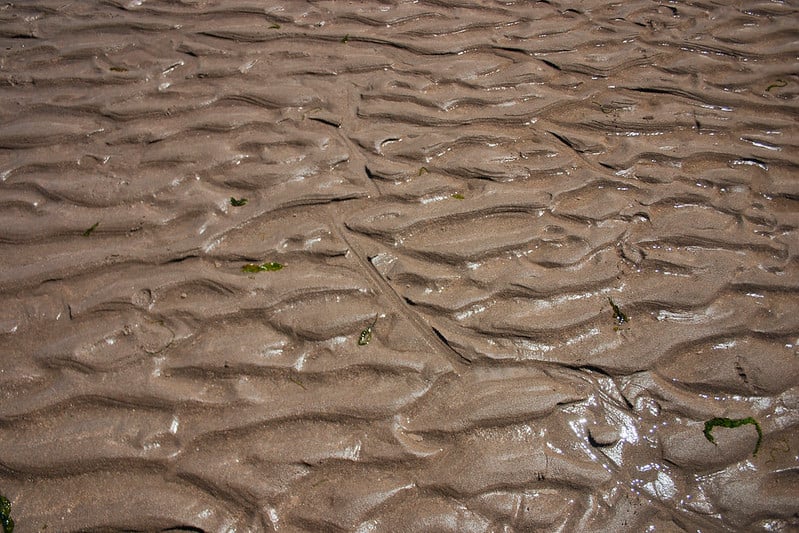
The most famous stone transport method involved dampening sand in front of wooden sledges. Physicists at the University of Amsterdam discovered that wetting the sand in front of a contraption built to pull heavy objects reduces friction on the sled, making it easier to operate. A tomb painting from 1900 BC shows 172 men hauling a massive statue on a sledge, with one person pouring water on the sand ahead. This wasn’t just a ceremony – the water created the perfect consistency to reduce the pulling force needed by nearly half.
River Barges and Floating
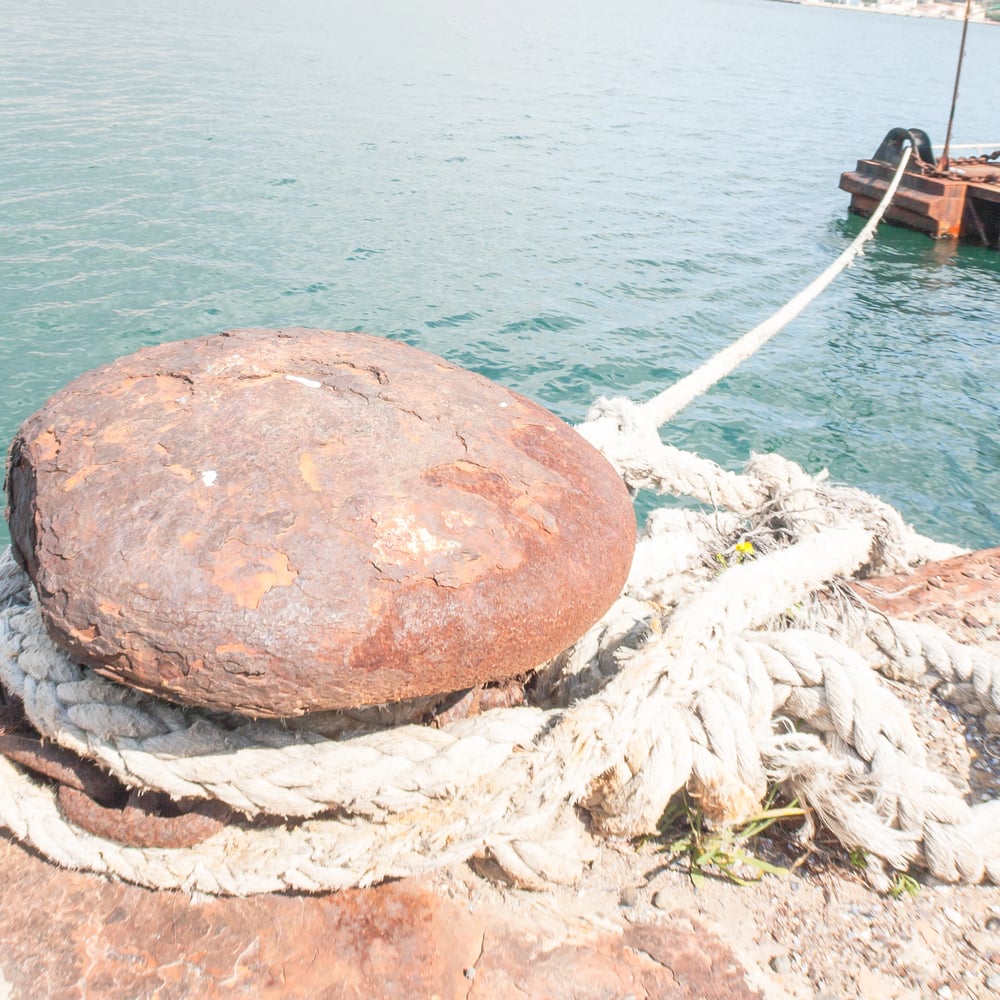
The Nile was used to transport supplies and building materials to the pyramids, with granite from Aswan and limestone from Tura moved by boat. Imagine the logistics. The Egyptians built specialized heavy-cargo vessels capable of carrying stones weighing 500 tons or more. These massive barges required teams of smaller boats with dozens of oarsmen to tow them against the current, but they made long-distance transport feasible across Egypt’s ‘superhighway.’
Straight Ramp Systems
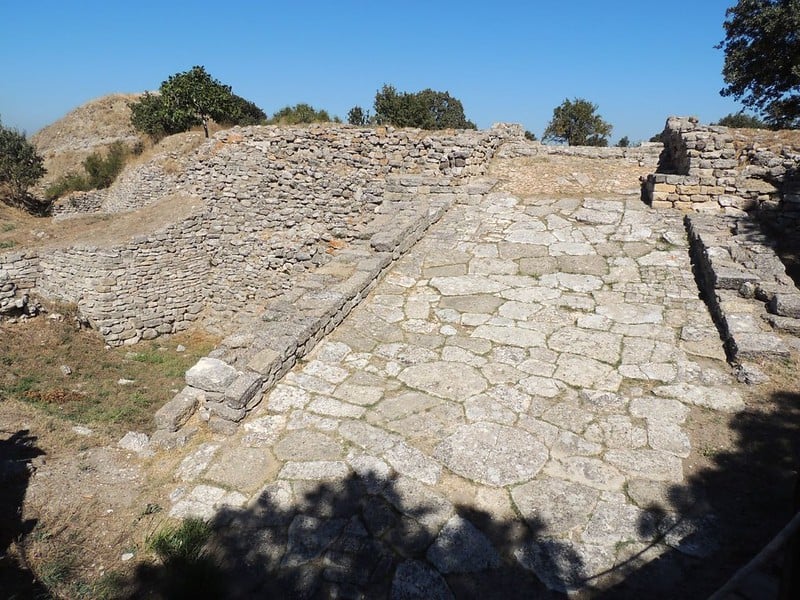
Archaeological evidence for the use of ramps has been found at the Great Pyramid of Giza and other pyramids. Workers built straight ramps leading up the sides of pyramids using local materials like limestone chips and mud brick. These ramps allowed teams to drag blocks to higher levels, though they required enormous amounts of material and careful engineering to support the weight. Talk about a massive undertaking just to create the transportation infrastructure.
Spiral Ramp Construction
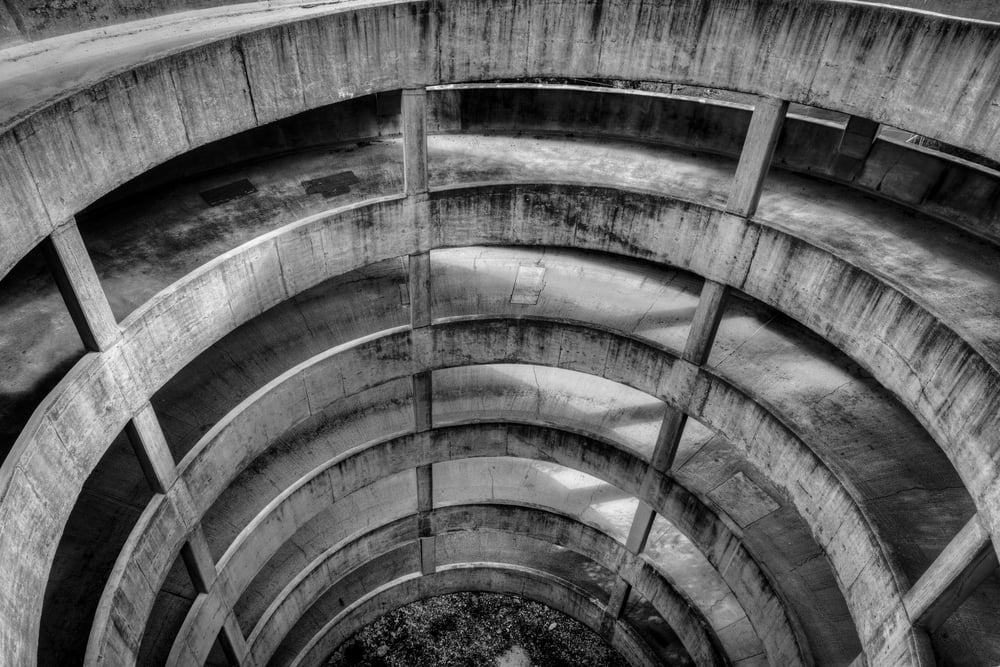
Some pyramids used ramps that wrapped around the outside walls in a spiral pattern. This method solved the problem of extremely long straight ramps by keeping the gradient manageable while snaking up the monument’s sides. The spiral approach required less material than straight ramps and allowed workers to reach the pyramid’s peak without building ramps stretching for miles into the desert.
Internal Ramp Networks
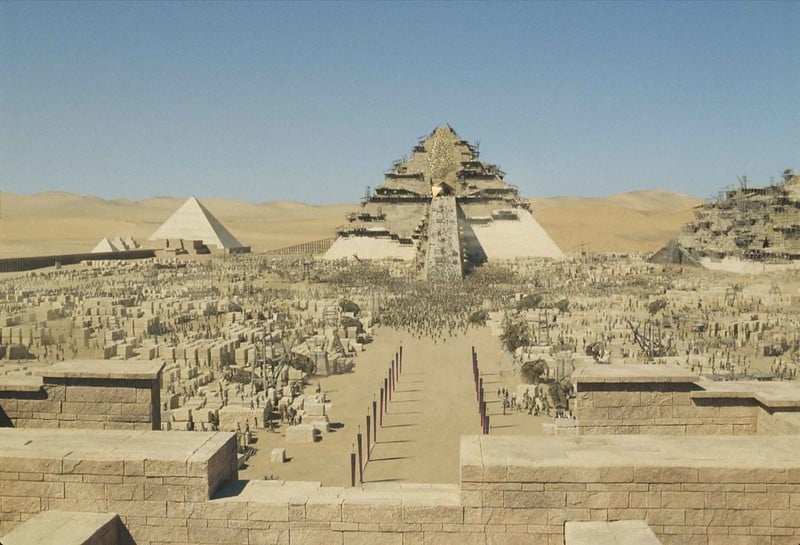
Jean-Pierre Houdin’s scheme involves using a regular external ramp to build the first 30% of the pyramid, with an ‘internal ramp’ taking stones up beyond that height. This revolutionary theory suggests the Egyptians built ramps inside the pyramid itself, recycling the external ramp stones into the upper sections. The method explains why so little evidence of external ramps survives at completed pyramids.
Lever and Fulcrum Systems
Ancient Egyptians mastered the mechanical advantage of levers to lift and position massive blocks. Four or five men were able to use levers on stones less than one ton to flip them over and transport them by rolling. For heavier stones, teams coordinated multiple levers to gradually raise blocks to higher levels, using temporary wooden platforms and stone supports as fulcrum points. Simple physics, brilliant execution.
Wooden Sledges and Tracks

Lehner and Hopkins found that by putting the stones on wooden sledges and sliding the sledges on wooden tracks, they were able to tow a two-ton stone with 12 to 20 men. The Egyptians imported cedar wood from Lebanon specifically for these transportation systems. The smooth wooden tracks distributed the weight evenly and dramatically reduced the friction compared to dragging stones directly on sand or rocky ground.
Rope and Coordinated Pulling
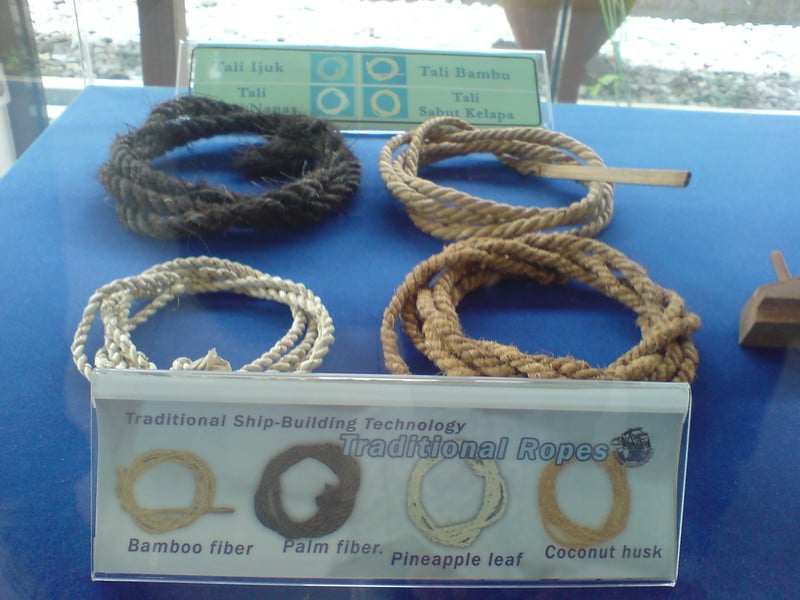
Teams of workers used thick ropes made from papyrus fibers and palm leaves to coordinate the movement of massive stones. Wall paintings show dozens of men pulling in unison, with foremen calling out commands to synchronize their efforts. The rope systems included pulley-like arrangements using wooden posts at corners, allowing teams to change direction when navigating obstacles. Must have sounded like an ancient construction site symphony.
Canal Networks and Harbors
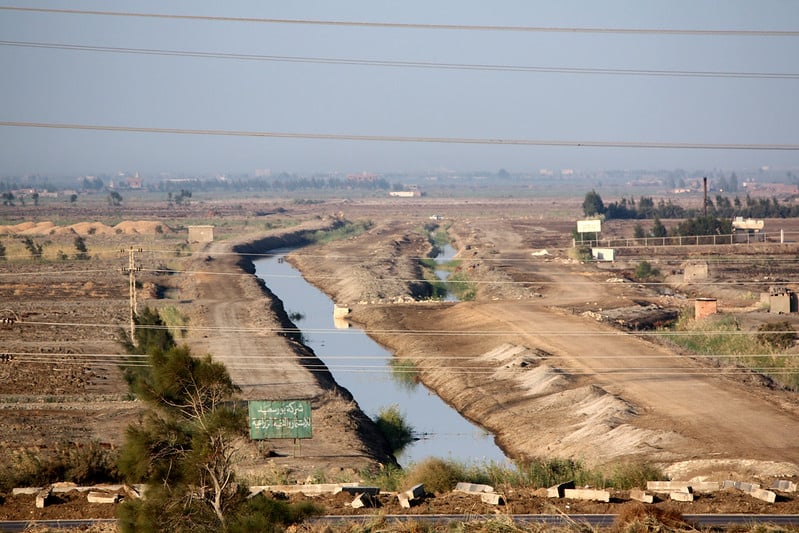
Researchers have found evidence of ancient channels and artificial basins that allowed boats to navigate close to construction sites, with a former Khufu Branch of the Nile extending towards the Giza Plateau. The Egyptians dug artificial harbors and connecting canals to bring stone-laden barges as close as possible to construction sites, minimizing overland transport distances.
Wooden Wedge Stone Splitting
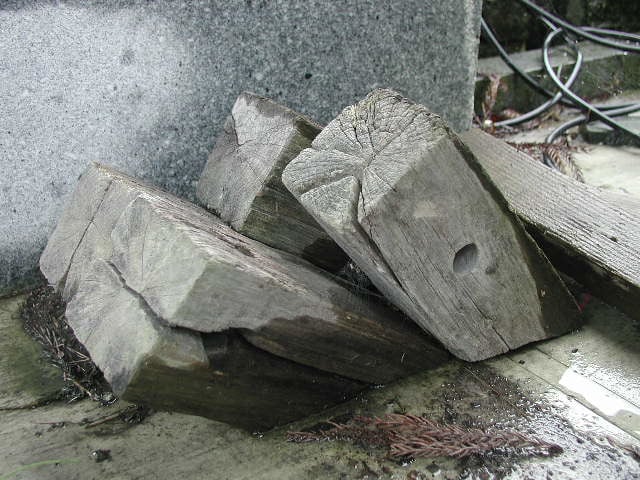
Workers used copper tools and wooden wedges to create rough outlines, then drove wooden wedges into the granite and soaked them with water, causing the wood to expand and crack the stone. This technique allowed quarry workers to extract precisely sized blocks from bedrock without explosive tools. The expanding wood created tremendous pressure along predetermined fracture lines, splitting granite cleanly.
Dolerite Pounding Tools
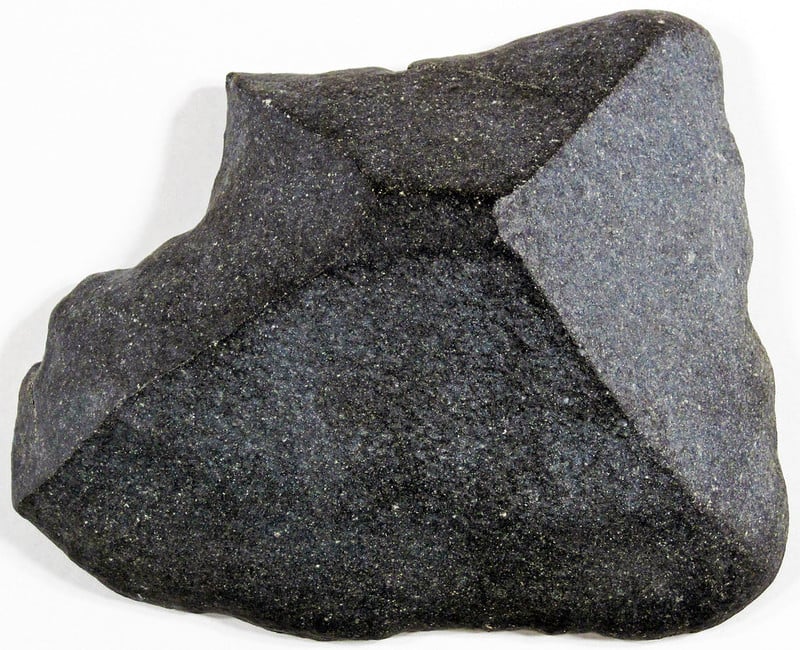
Egyptian workers used hard dolerite stones as hammers to shape and break granite blocks at quarries. Dolerite orbs have been found all over Egypt, though archaeologists now believe they were more likely used as orb-bearings in moving obelisks instead of primarily as pounding tools. These extremely hard volcanic stones could withstand the impact needed to chip away at granite surfaces.
Water-Lubricated Transport
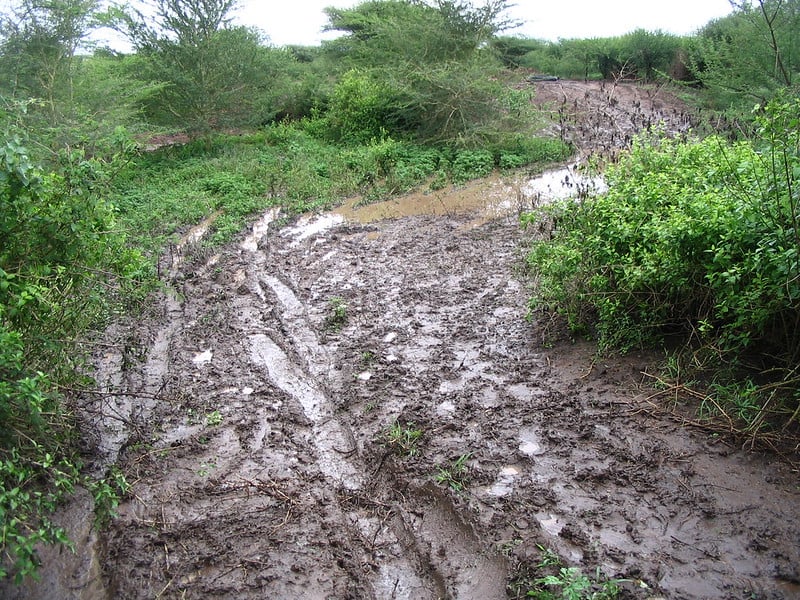
Beyond the famous wet sand technique, Egyptians used water as lubrication in multiple ways.
The resulting mud and water mixture made for effective lubrication, with many large construction sites still showing examples of these unique roadways. Workers created muddy slurries on prepared roadways, allowing heavy sledges to glide more easily over prepared surfaces.
Dual-Barge Systems

Some researchers suggest that a catamaran or double-hulled vessel was routinely used to move large stone cargoes, though Pharaonic images typically show single ships with cargo parallel to the transport vessel. These twin-hulled designs provided extra stability and buoyancy for the heaviest loads, even so evidence for their widespread use remains limited compared to single-hull barges.
Rolling on Wooden Logs
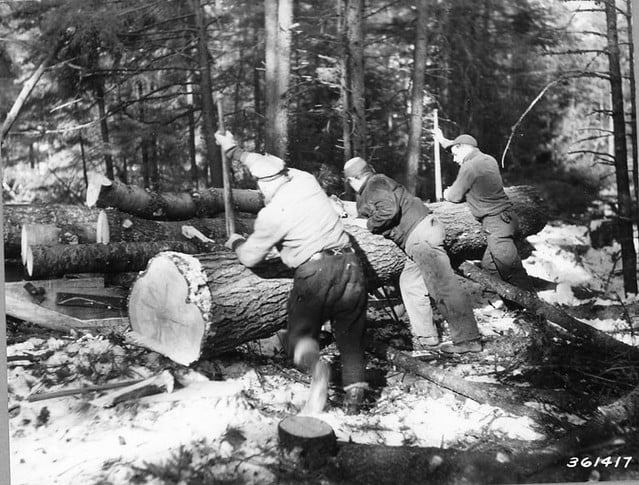
For shorter distances, particularly when moving stones from quarries to nearby loading areas, workers placed rounded wooden logs beneath blocks to create primitive roller systems. This method worked best on relatively flat terrain and required constant repositioning of logs as the stone moved forward. Teams would retrieve logs from behind the moving stone and quickly reposition them at the front – like an ancient conveyor belt system that never stopped moving.
Coordinated Team Systems
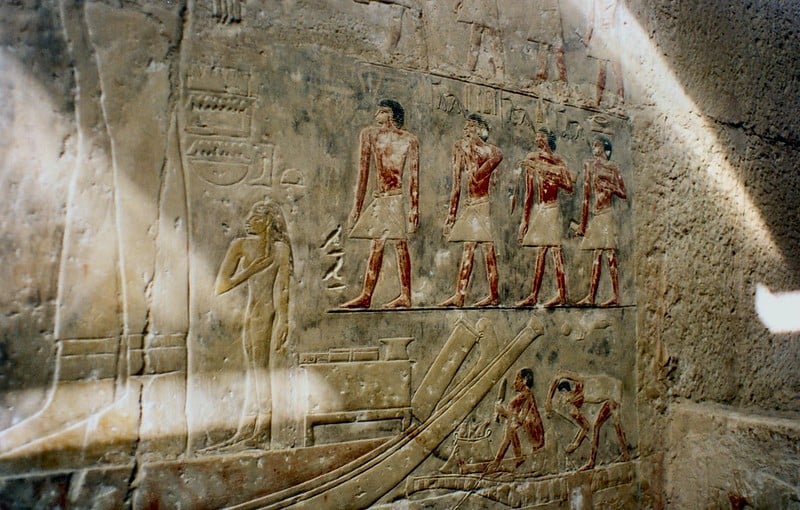
Workers were assigned in sets, with a 2014 study explaining the group system used to transport materials from one place to another. The Egyptians developed sophisticated organizational methods involving specialized work crews, with different teams responsible for quarrying, loading, transport, and placement. Foremen coordinated these groups using visual and audio signals, ensuring smooth logistics across the entire transportation chain.
Engineering Marvels That Still Inspire
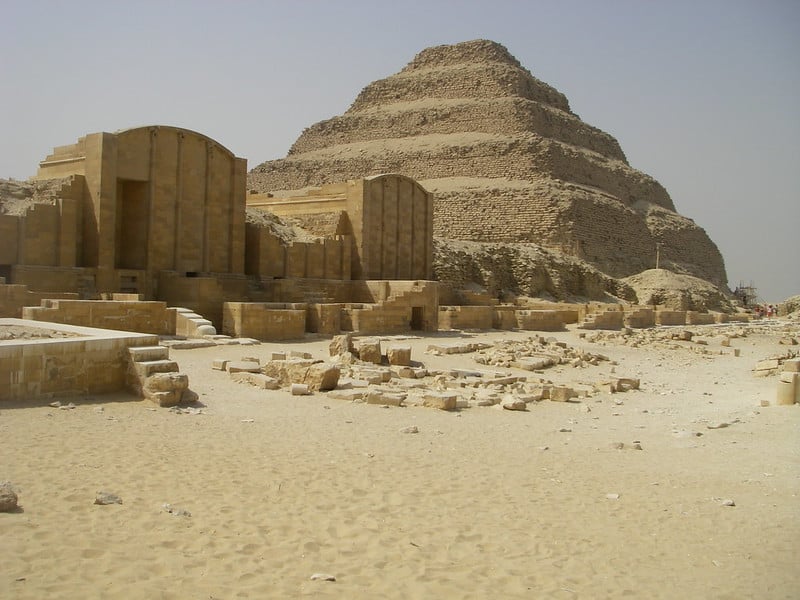
The stone transport methods of ancient Egypt represent human ingenuity at its finest, proving that limitations often spark the greatest innovations. These techniques moved over 2.3 million blocks to build the Great Pyramid alone, with some individual stones weighing more than 80 tons. Modern engineers studying these methods continue discovering new applications for ancient solutions, from improved construction techniques to more efficient cargo handling systems. So the Egyptians’ transportation mastery reminds us that spectacular achievements don’t always require the latest technology – sometimes they just need clever thinking and determined teamwork.
More from Go2Tutors!

- 16 Historical Figures Who Were Nothing Like You Think
- 12 Things Sold in the 80s That Are Now Illegal
- 15 VHS Tapes That Could Be Worth Thousands
- 17 Historical “What Ifs” That Would Have Changed Everything
- 18 TV Shows That Vanished Without a Finale
Like Go2Tutors’s content? Follow us on MSN.



