Nostalgic Early Internet Games We All Used to Play
Remember when the internet was slower, simpler, and somehow more magical? Back when loading a single webpage felt like an event, and games didn’t need massive downloads or monthly subscriptions. You just clicked, waited for that dial-up connection to cooperate, and suddenly found yourself lost in pixelated worlds that somehow felt more engaging than today’s photorealistic masterpieces.
Those early browser games weren’t trying to be anything other than pure, uncomplicated fun — and that’s exactly why they worked so well.
RuneScape
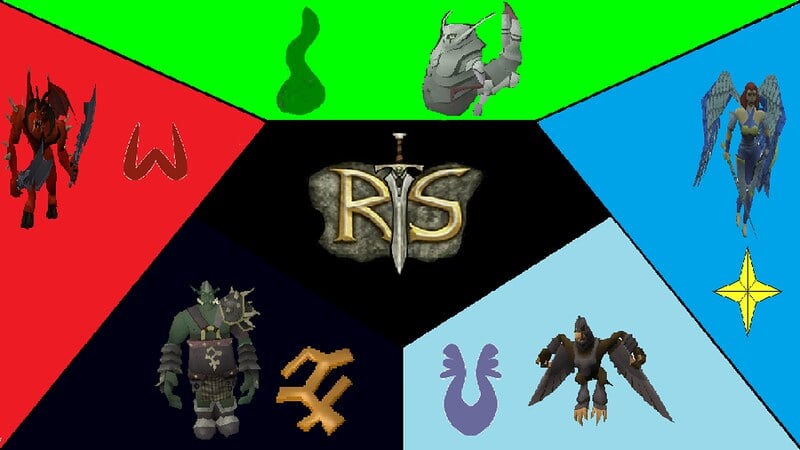
RuneScape was the game that taught an entire generation what “just five more minutes” really meant. You’d log in to check your character and three hours later find yourself mining coal in some distant cave, wondering where the afternoon went.
The graphics looked like they were assembled from digital building blocks, but that never mattered. What mattered was the slow, methodical progression — watching those skill numbers creep upward one point at a time.
Fishing for hours just to cook the fish to gain cooking experience to unlock better fish. The logic was circular and completely addictive
Club Penguin
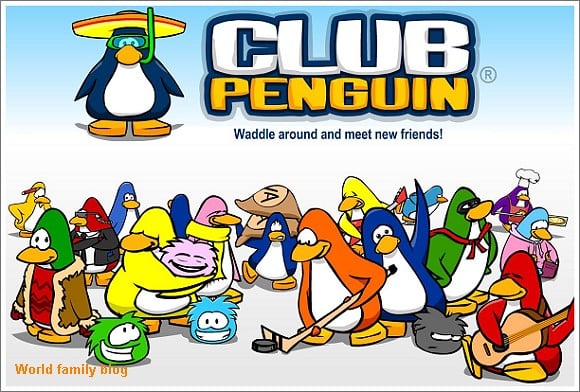
Club Penguin understood something that most games still don’t get: sometimes the best virtual worlds are the ones that don’t take themselves too seriously. Here was an entire digital society built around waddling penguins, pizza parties, and the occasional furniture catalog.
The genius lived in the details (and you noticed them, even if you didn’t realize it at the time) — how your penguin would slip and slide on ice, how throwing snowballs felt just chaotic enough to be fun, how getting banned meant sitting in a digital timeout that somehow felt worse than real punishment. And the igloo decorating? That was interior design for people who didn’t even know they cared about interior design.
Pure creativity disguised as child’s play.
Neopets
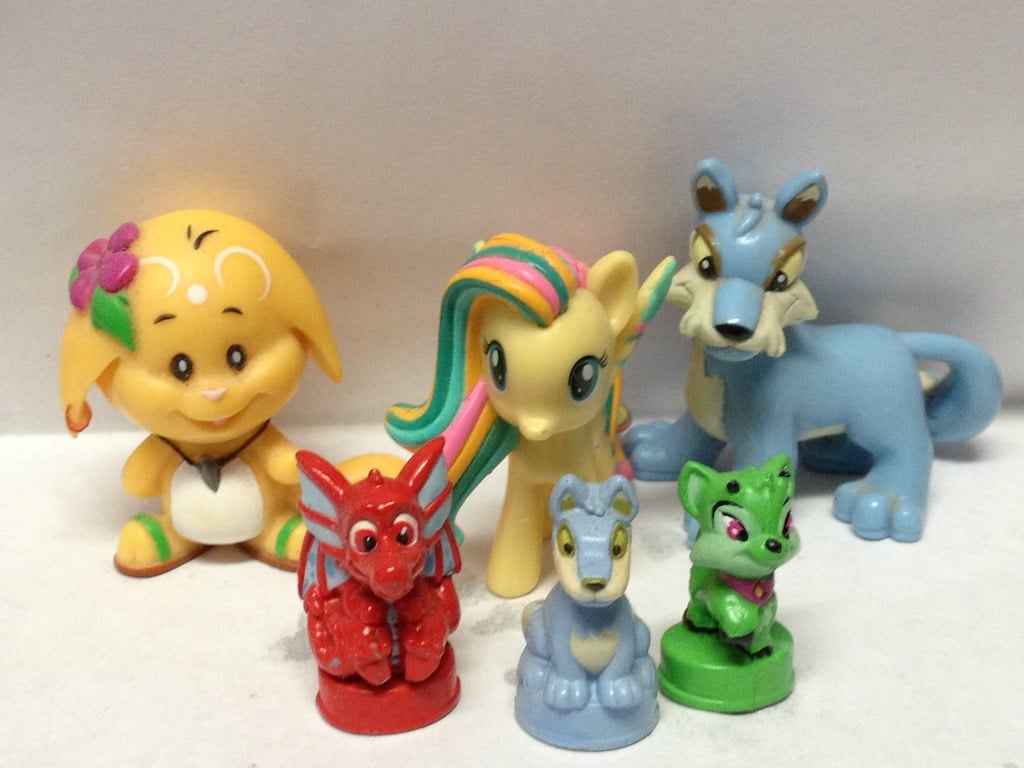
Neopets was essentially a crash course in digital responsibility disguised as a pet game. Your Neopet would get hungry, sad, or sick if neglected — which meant logging in wasn’t just entertainment, it was obligation.
The site sprawled in every direction like some fever dream of early web design. Games, shops, guilds, events, avatars to collect, Neocash to earn.
You could spend hours just navigating the maze of links and subpages. The Battledome let your pets fight.
The Money Tree gave away free items. Somewhere in there was actual gameplay, but mostly it was about checking in, feeding your pet, and falling down another rabbit hole of activities that somehow felt important.
Flash Portal Games
Newgrounds and similar sites were like digital arcades where anyone could be both player and game designer. The quality ranged wildly — from masterpieces that belonged in actual game stores to experiments that barely functioned — but that unpredictability was half the appeal.
You’d find fighting games with characters stolen from anime, puzzle games that made no logical sense, and platformers that were harder than anything modern gaming would dare attempt. The best ones spread through word of mouth and forum links.
No marketing campaigns or sponsored content — just pure discovery in its most organic form.
MapleStory
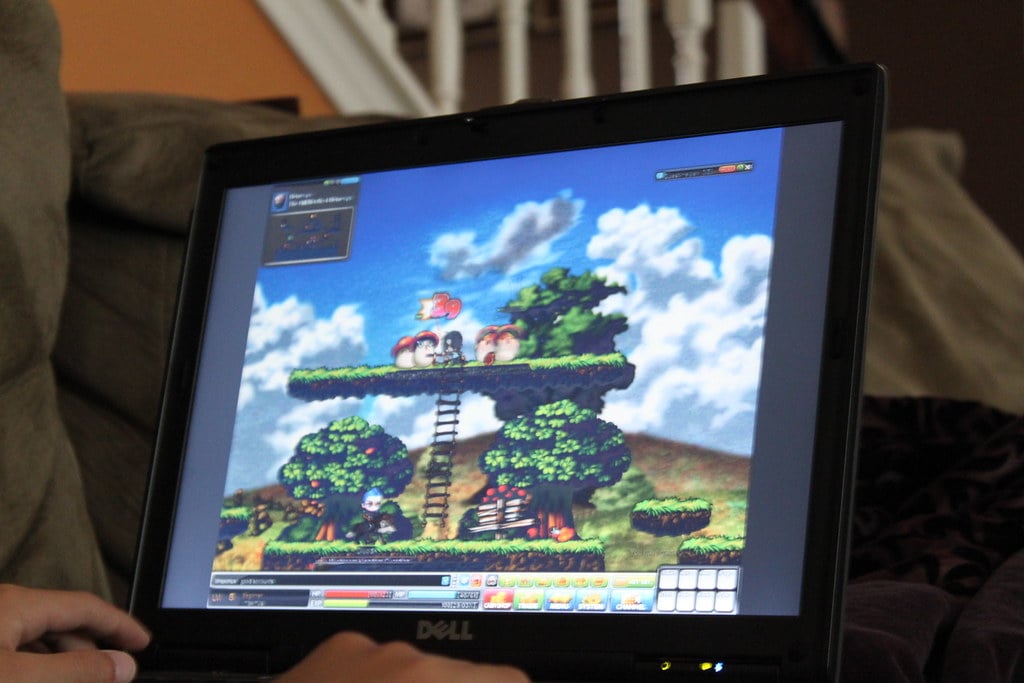
MapleStory looked like a Saturday morning cartoon that someone had turned into an MMO — bright colors, oversized weapons, and characters that moved like they were perpetually bouncing on invisible trampolines. The 2D side-scrolling world felt both limitless and intimate.
You could spend hours in a single area, grinding monsters that looked more cute than threatening, slowly working toward that next level milestone. The social aspect developed naturally through proximity (you’d end up chatting with whoever happened to be killing the same monsters in the same spot), and somehow those random conversations often turned into lasting gaming friendships.
Plus, the job advancement system made every character decision feel significant, even when you had no idea what you were actually choosing between.
Adventure Quest
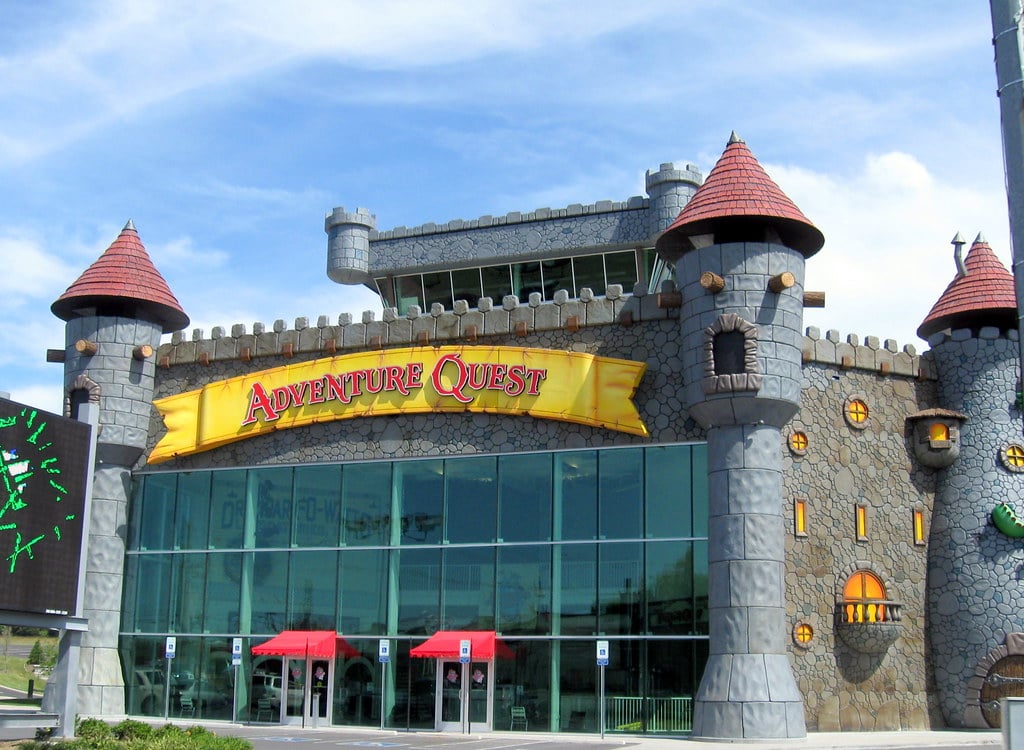
Adventure Quest was what happened when someone decided turn-based combat could work in a browser game, and then proved it spectacularly. Each battle played out like a tactical puzzle — weighing attack options, managing mana, trying to predict what that dragon was about to do next.
The artwork had this hand-drawn fantasy feel that made every monster encounter feel like flipping through the pages of some elaborate gaming manual. Story events would pop up seasonally, adding new armor sets and weapons that actually mattered.
No rushing through content here — battles took thought, progression took time, and both felt earned rather than handed over.
Stick War
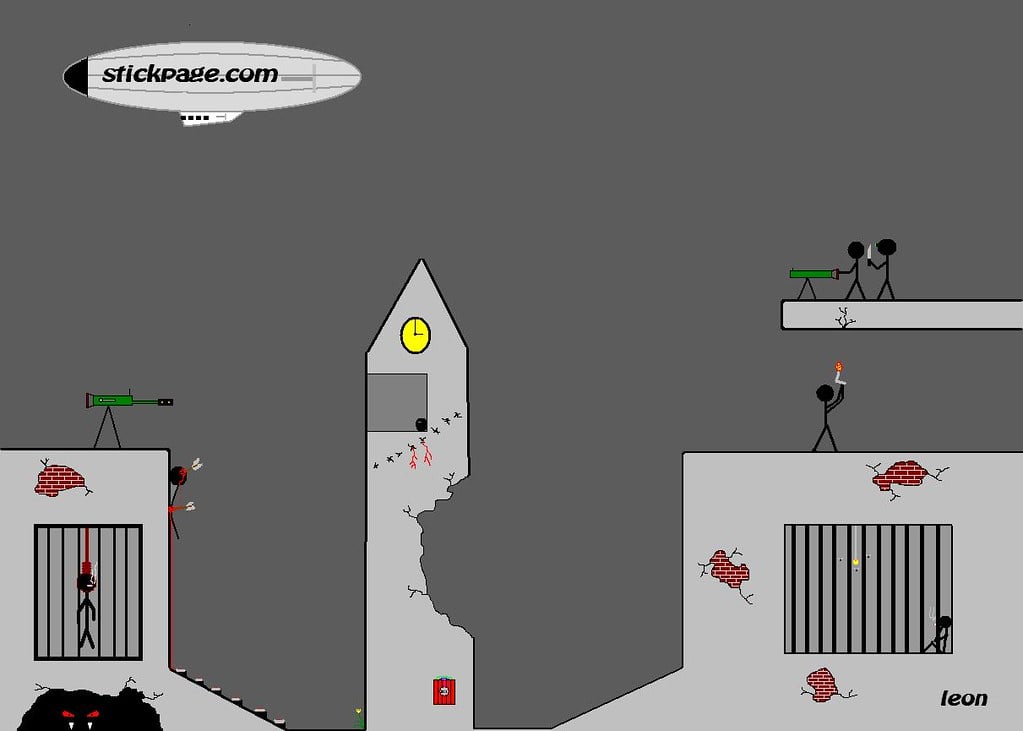
Real-time strategy games were supposedly too complex for casual browser gaming. Stick War ignored that assumption completely and delivered one of the most compelling strategy experiences the early web had to offer.
The premise was beautifully simple: stick figures with different abilities, resources to manage, armies to build. But the execution had layers — unit positioning mattered, timing attacks required actual strategy, and managing economy while fighting wars created genuine tension. Watching your stick army march across the screen toward enemy territory never got old, especially when you’d spent twenty minutes carefully building and positioning them for maximum impact.
Bloons Tower Defense
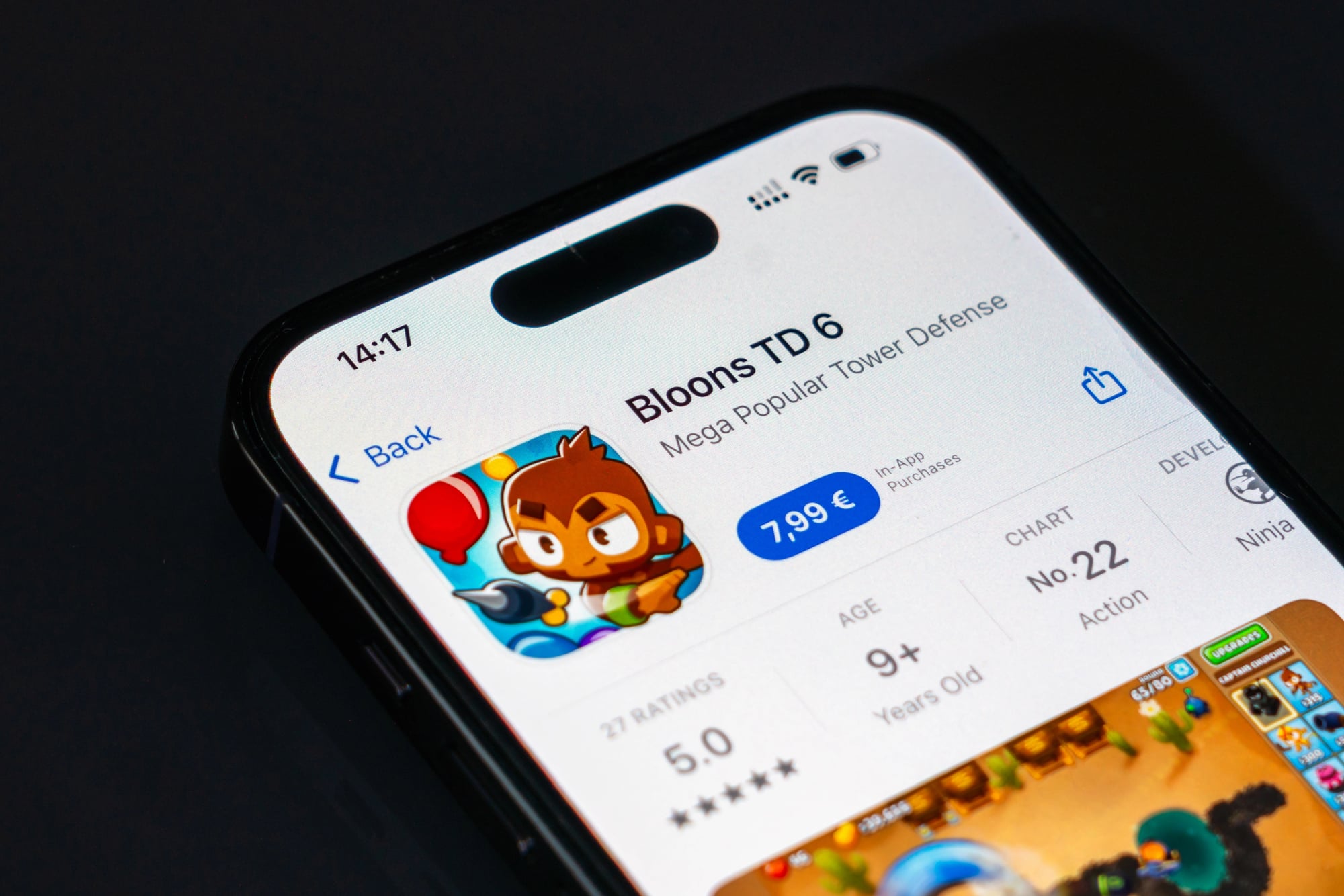
There’s something deeply satisfying about placing towers along a predetermined path and watching balloons pop in systematic patterns. Bloons Tower Defense turned this simple concept into an art form. Each tower type had distinct properties and upgrade paths.
Dart monkeys worked differently than tack shooters, which worked differently than bomb towers. Success meant understanding these differences and placing towers where their strengths mattered most.
The later rounds would send hundreds of balloons streaming past your defenses — waves of red, blue, green, yellow bloons that moved at different speeds and required different strategies to stop. When your defense held against a particularly challenging wave, it felt like conducting a perfectly timed orchestra of destruction.
Miniclip Games
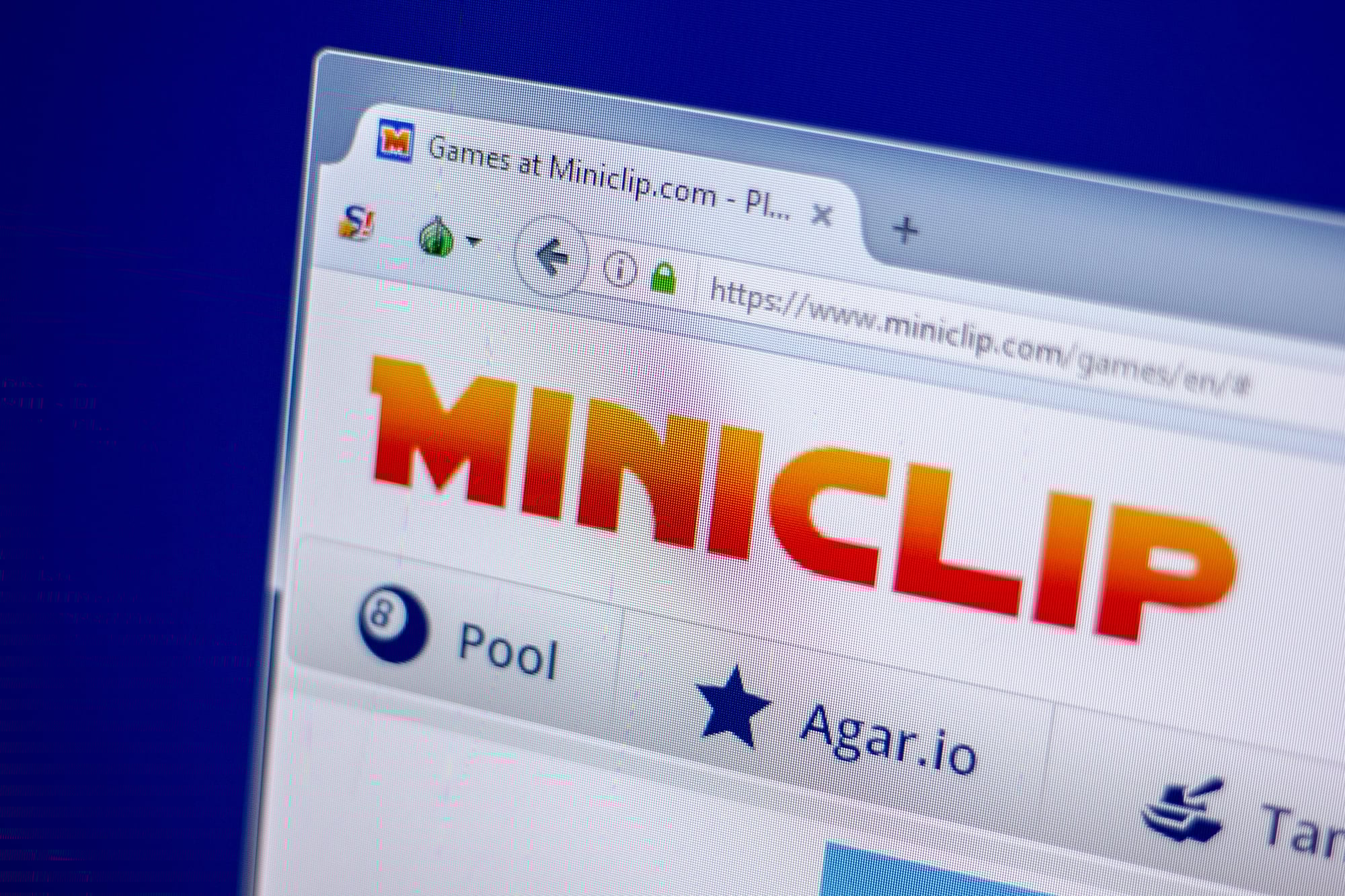
Miniclip wasn’t just a gaming site — it was an entire ecosystem of quick-hit entertainment that somehow always had exactly what you were looking for, even when you didn’t know what that was. Pool games that actually felt like shooting pool.
Racing games that focused on pure speed rather than realistic physics. Puzzle games that could be finished in ten minutes or puzzle you for hours.
The variety was staggering, but more importantly, every game felt polished in a way that many browser games didn’t. Quality control meant something there, and players noticed the difference.
RuneScape Classic

Before RuneScape became the game everyone remembers, there was RuneScape Classic — rougher around the edges, more experimental, and somehow more charming for it. The interface was clunkier, the graphics were even more primitive, and certain game mechanics worked in ways that made no logical sense.
But players who experienced Classic first often preferred it to later versions. There was something about that original roughness — the way combat felt unpredictable, how the world seemed more open to interpretation — that later polish couldn’t quite recapture.
Nostalgia plays a role, sure, but there’s also something to be said for games that feel handmade rather than professionally optimized.
Candystand Games
Candystand games came with advertisements built right into the gameplay, which should have been annoying but somehow wasn’t. Maybe because the games themselves were good enough to justify the promotional intrusion.
The sports games felt authentic — golf games with realistic physics, pool games that required actual skill, racing games that rewarded both speed and control. These weren’t throwaway promotional materials designed to push products.
They were legitimate games that happened to feature brand logos, and the difference showed in how much time players actually spent with them.
Poptropica

Poptropica created islands of adventure that felt both educational and genuinely fun — a combination that most edutainment attempts failed to achieve. Each island presented a self-contained adventure with its own theme, characters, and challenges.
The puzzle-solving felt organic rather than forced, and the storylines had enough personality to keep things interesting without becoming overwhelming. You’d jump between islands collecting medallions and costumes, slowly building a character that reflected your gaming journey across multiple adventures.
Shockwave Games

Shockwave games required a specific browser plugin, which meant they could do things that regular web games couldn’t — more complex graphics, better sound, more sophisticated gameplay mechanics. The trade-off was worth it.
Games like Blasterball and Atomica offered experiences that felt closer to downloadable software than typical browser entertainment. The graphics were smoother, the interactions more responsive, and the overall production values higher.
Installing that Shockwave plugin felt like unlocking a premium tier of web gaming that most people didn’t even know existed.
When Simple Was Everything

Those early internet games succeeded because they understood something modern gaming often forgets: engagement doesn’t require complexity. A well-designed simple game beats a poorly designed complex one every single time.
These games knew their limitations — slow connections, basic graphics, simple interfaces — and turned those constraints into features rather than fighting against them. You didn’t need tutorials to understand how to play.
You didn’t need high-end hardware to participate. You just needed curiosity and time, and the games took care of the rest.
That’s not nostalgia talking — that’s good design that happens to be from another era.
More from Go2Tutors!

- The Romanov Crown Jewels and Their Tragic Fate
- 13 Historical Mysteries That Science Still Can’t Solve
- Famous Hoaxes That Fooled the World for Years
- 15 Child Stars with Tragic Adult Lives
- 16 Famous Jewelry Pieces in History
Like Go2Tutors’s content? Follow us on MSN.