15 Ways Tamagotchis Taught Pet Care
Remember that little egg-shaped device that basically ruled your life in the late 90s? Tamagotchis weren’t just toys – they were boot camps for pet ownership.
These tiny digital creatures demanded attention, care, and commitment in ways that caught most kids completely off guard. What started as a simple electronic toy turned into a crash course in responsibility.
Kids who thought they wanted a real pet suddenly realized what that actually meant when their virtual buddy started beeping at 6 AM for breakfast. Here is a list of 15 ways Tamagotchis taught the real deal about pet care:
Feeding Schedules Matter

Your Tamagotchi got hungry on its own timeline, not yours. It would start beeping during math class, at dinner, or right when you were trying to sleep.
This taught kids that pets don’t care about your schedule – they have needs that happen when they happen, not when it’s convenient for you.
Cleaning Up Isn’t Optional

Nobody warned you about the poop. Your digital pet would leave little piles everywhere, and ignoring them made your Tamagotchi sick and unhappy.
Kids learned fast that cleaning up messes is just part of having a pet – there’s no skipping it or putting it off until later.
Like Go2Tutors’s content? Follow us on MSN.
Pets Need More Than Just Food

Feeding your Tamagotchi kept it alive, but that wasn’t enough to keep it happy. It needed games, attention, and interaction to thrive.
This showed kids that real pets need mental stimulation and playtime, not just basic survival stuff.
Neglect Has Real Consequences

Leave your Tamagotchi alone too long and it would get sick, sad, or worse – it could actually die. Kids experienced genuine heartbreak when their virtual pet passed away from neglect.
This harsh lesson taught that pet ownership comes with serious responsibility.
Time Management Gets Complicated

Suddenly your day revolved around checking on this little digital creature. Kids had to figure out how to balance school, friends, and family time with pet care.
Many learned to set alarms or ask friends to pet-sit during long classes.
Like Go2Tutors’s content? Follow us on MSN.
Sick Pets Need Immediate Attention

When your Tamagotchi got the squiggly lines (sick), you had to drop everything and give it medicine. Kids learned that pet health problems don’t wait for a convenient time – when an animal needs help, it needs help right now.
Every Pet Has Different Needs

Different Tamagotchi characters had different personalities and requirements. Some needed more food, others wanted more games.
This taught kids that pets aren’t all the same – each one is an individual with specific needs and preferences.
Routine Becomes Everything

Successful Tamagotchi owners developed daily routines – check in the morning, feed at lunch, play after school. Kids learned that pets thrive on predictable schedules and that consistency makes both pet and owner happier.
Like Go2Tutors’s content? Follow us on MSN.
You Can’t Take Breaks
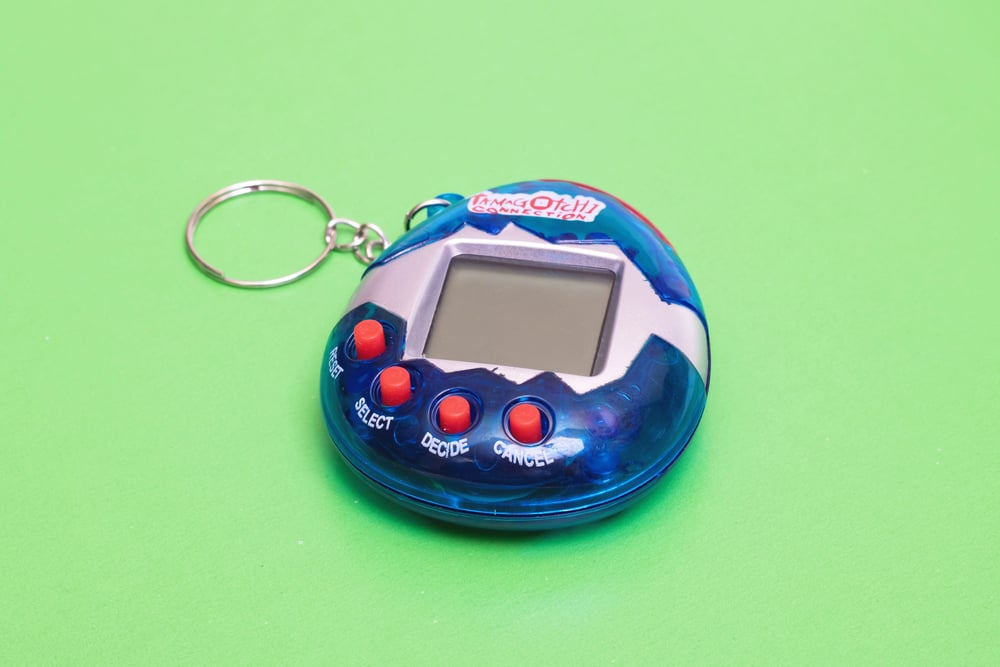
Pets don’t pause for vacations, sleepovers, or busy weeks. Your Tamagotchi kept living its life whether you were available or not.
Kids realized that pet ownership is a 24/7 commitment that doesn’t stop for anything.
Training Takes Patience

Teaching your Tamagotchi tricks or trying to influence its evolution required patience and repeated effort. Kids learned that training real pets involves lots of practice, consistency, and waiting for results that might not come immediately.
Vet Bills Are Real

When your Tamagotchi got sick, you had to use medicine, which cost points in the game. This introduced kids to the concept that pet healthcare costs money and that keeping animals healthy requires resources beyond just food and toys.
Like Go2Tutors’s content? Follow us on MSN.
Pet Personalities Develop Over Time

How you cared for your Tamagotchi affected what kind of adult character it became. Kids learned that the way you treat a pet shapes its personality and behavior – good care creates well-adjusted pets, while poor care creates problems.
Social Life Changes

Having a Tamagotchi meant constantly checking on it, even during social activities. Friends would compare their pets, trade care tips, and understand when someone had to step away to tend to their digital buddy.
Kids got a taste of how pet ownership affects your social life.
Death Hurts Even When It’s Fake

When a Tamagotchi died, kids felt real grief. The little tombstone screen hit hard, even though everyone knew it was just a toy.
This prepared kids for the emotional reality that pets don’t live forever and that losing them genuinely hurts.
Like Go2Tutors’s content? Follow us on MSN.
The Commitment Never Really Ends

Even after your Tamagotchi died or you got bored with it, many kids felt guilty about abandoning their virtual pet. Some kept caring for multiple generations or felt bad when they saw their neglected Tamagotchi sitting in a drawer.
This taught kids that starting pet care creates an emotional bond that’s hard to break.
The Real Training Ground
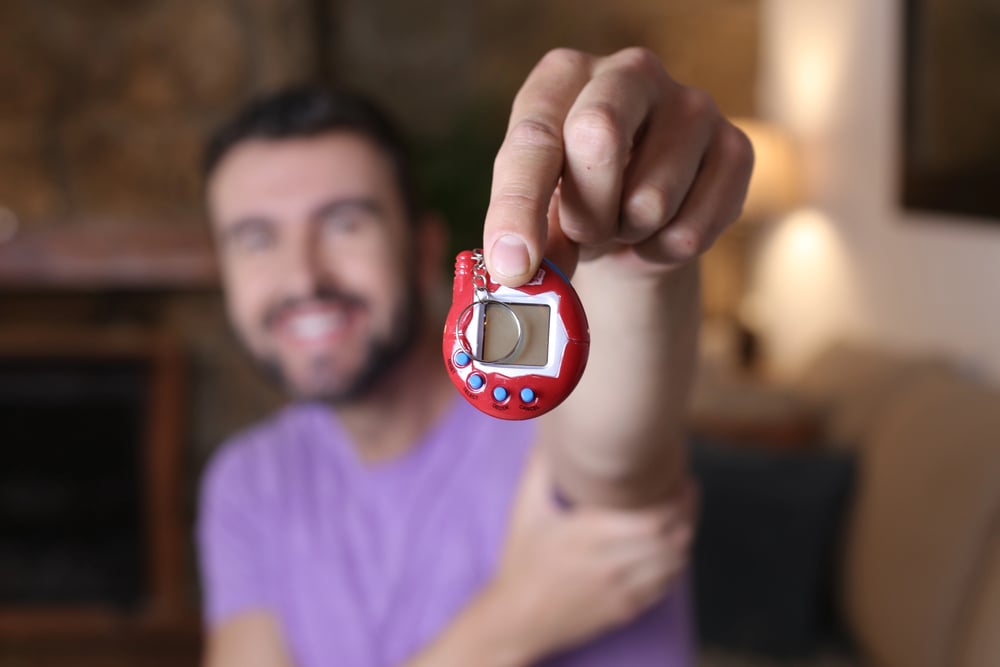
Looking back, Tamagotchis were basically pet ownership simulators that nobody realized were educational. They taught an entire generation about responsibility, routine, and the emotional reality of caring for another living thing.
Kids who successfully kept their digital pets alive learned skills that transferred directly to real pet care – and kids who struggled with their Tamagotchis often realized they weren’t ready for the real thing. Those little beeping devices gave millions of kids their first honest look at what it really means to be responsible for another creature’s wellbeing, and most of us had no idea we were getting such an important life lesson disguised as a toy.
More from Go2Tutors!

- 16 Historical Figures Who Were Nothing Like You Think
- 12 Things Sold in the 80s That Are Now Illegal
- 15 VHS Tapes That Could Be Worth Thousands
- 17 Historical “What Ifs” That Would Have Changed Everything
- 18 TV Shows That Vanished Without a Finale
Like Go2Tutors’s content? Follow us on MSN.