15 Ways Teen Entertainment Has Changed Since the 70s
Teen entertainment today barely resembles what it was in the 1970s. Back then, teenagers gathered around a single television set, waited for songs on the radio, and planned their entire week around what movie was showing at the local theater.
The transformation didn’t happen overnight, but the shift from shared experiences to personalized, on-demand everything has fundamentally altered how young people consume entertainment. The differences run deeper than just technology — they’ve changed the very nature of teenage social interaction and cultural connection.
The Shift From Appointment Television To Streaming

Television used to operate on everyone else’s schedule. Shows aired once, at a specific time, and missing them meant waiting for reruns that might come months later.
Teenagers had to be home by eight if they wanted to catch their favorite show, and the concept of binge-watching didn’t exist because there was simply no way to do it.
Streaming flipped this dynamic entirely. Now teens can watch entire seasons in one sitting, pause mid-episode for weeks, or skip around episodes in whatever order strikes them.
The shared cultural moment of everyone watching the same thing at the same time has largely disappeared.
Music Discovery Through Radio Versus Algorithms

Radio DJs were the tastemakers of the 70s. Teenagers discovered new music by listening to the radio for hours, waiting for that one song to come on again so they could record it on a cassette tape.
The element of chance was huge — you might stumble across your new favorite band completely by accident during a late-night drive.
Today’s algorithms predict what teens want to hear before they know it themselves (or so they claim, though anyone who’s dealt with Spotify’s overly confident suggestions might question this). But the serendipity is gone — so is the patience required to sit through songs you didn’t choose, which sometimes turned out to be exactly what you needed to hear.
And yet, most teens today have access to virtually every song ever recorded, which would have seemed like magic to their 1970s counterparts.
Record Stores To Digital Downloads

There’s something stubborn about having to leave the house to buy music. Record stores in the 70s weren’t just retail spaces — they were gathering spots where teenagers could flip through album covers, read liner notes, and get recommendations from the person behind the counter who seemed to know everything about music.
The physical act of buying an album meant something; you were committing to an entire artistic statement, not just picking off individual tracks.
Digital music purchases initially tried to replicate this experience with album downloads and digital liner notes, but it never quite captured the weight of holding a record in your hands.
The shift to streaming has made even digital ownership feel quaint. Music has become background to everything else rather than the main event.
Movie Theaters As Social Events

Going to the movies in the 70s meant planning your entire evening around a single film. Theaters showed one movie at a time, often for weeks or months, and seeing a film required coordinating schedules with friends days in advance.
The experience was communal by necessity — everyone in that theater was choosing to spend their Saturday night in exactly the same way.
Multiplexes changed the dynamic by offering choice, but streaming services obliterated the event entirely. Teens can now watch movies alone on their phones while doing three other things.
The ritual of getting dressed up, buying tickets, and sitting in the dark with strangers has become optional rather than essential.
Gaming Shifts From Arcades To Online Platforms
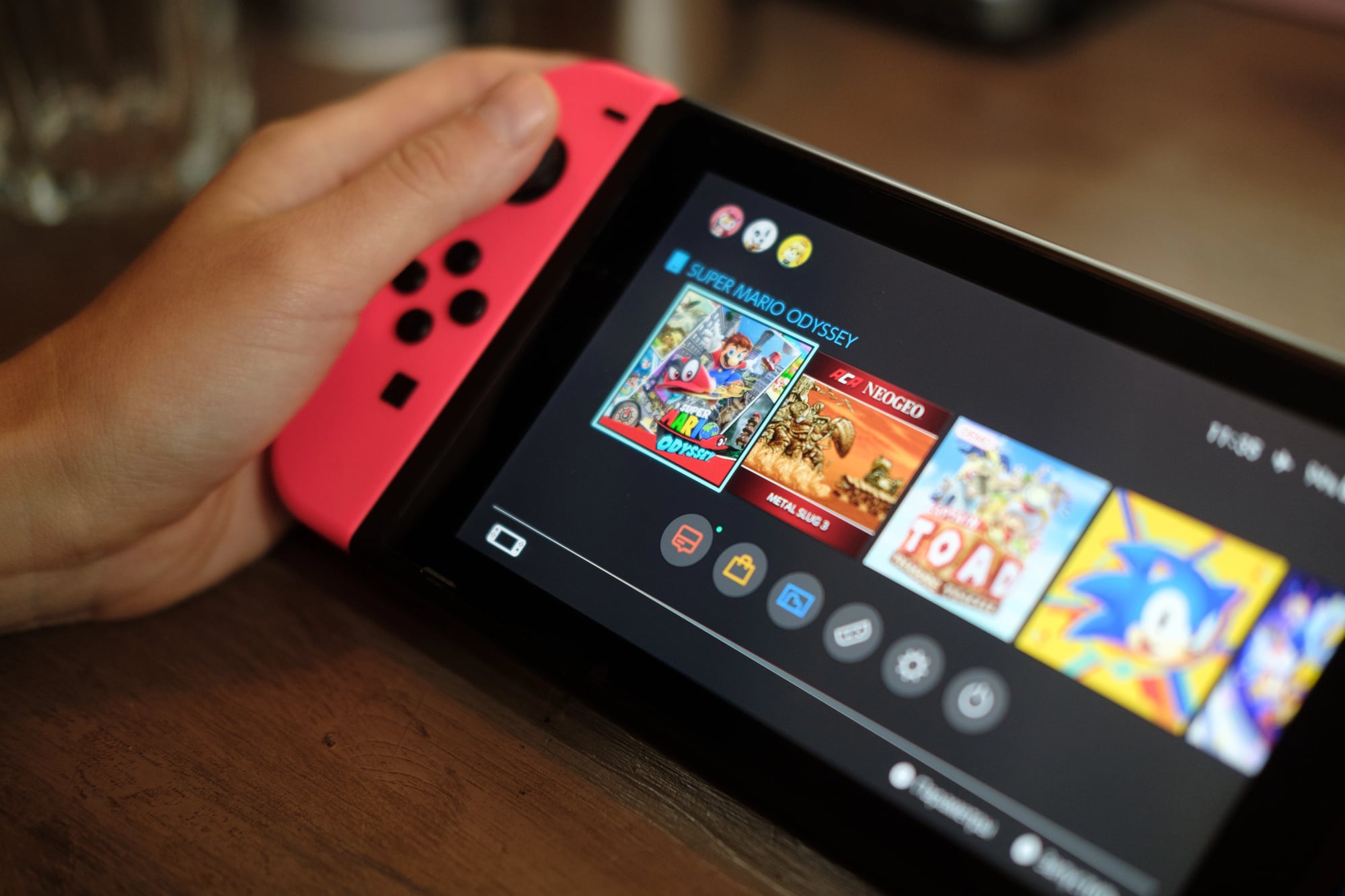
Arcades were loud, competitive social spaces where teenagers gathered to show off their skills in person. The games required quarters, which meant every life and every continue had a real cost attached.
You couldn’t pause Street Fighter to answer a text message, and there was genuine social pressure when a line of people was waiting to challenge the winner.
Online gaming preserves some of the competitive element but removes the physical presence entirely. Teens can now game with people across the world without leaving their bedrooms, which is simultaneously more connected and more isolated than the arcade experience ever was.
Phone Calls To Texting And Social Media

Teenagers in the 70s spent hours on the phone, often stretching the cord as far as it would go to get some privacy.
Phone conversations required full attention — you couldn’t scroll through other content while talking, and conference calls meant coordinating everyone to be available at the same time.
The phone was specifically for talking.
Texting and social media have made communication constant but less intensive. Teens today maintain ongoing conversations with dozens of people simultaneously, but the depth and focus of those marathon phone calls has been replaced by quick exchanges scattered throughout the day.
The intimacy of having someone’s undivided attention through a phone call has become rare rather than routine.
Print Magazines To Online Content

Teen magazines like Tiger Beat and Seventeen were monthly events. Teenagers would buy them, read every article, study every photo, and keep issues for months before throwing them away.
The content was carefully curated by editors who decided what was worth a teenager’s attention, and there was a sense of authority to what appeared in print.
Online content moves too fast for that kind of careful consumption. Teens today can access unlimited articles, videos, and opinions on any topic, but the curation has disappeared.
The overwhelming volume means most content gets skimmed rather than absorbed, and the authority of traditional media has been replaced by influencers and peer recommendations.
Mall Culture Versus Online Shopping

The mall was teenage headquarters in the 70s and well beyond. It wasn’t just about buying things — it was about being seen, running into friends, and having somewhere to go that wasn’t home or school.
Shopping was a social activity that could fill an entire afternoon, even if you left without purchasing anything.
Online shopping removed the social element entirely. Teens can now buy clothes without trying them on, without seeing how they look compared to other options, and without the input of friends who might have strong opinions about their choices.
The convenience is undeniable, but the shared experience of wandering through stores together has largely disappeared.
Television As Family Activity

In the 70s, most families owned one television, which meant viewing choices were negotiated communally. Teenagers had to convince their parents to watch what they wanted, or wait until they had control of the remote.
Television time was shared time, even when family members weren’t particularly interested in what was on.
Personal devices have made entertainment consumption completely individualized. Teens can watch whatever they want without negotiating with anyone, but they’ve also lost the shared references that came from families watching the same programs together.
Limited Channels To Infinite Content
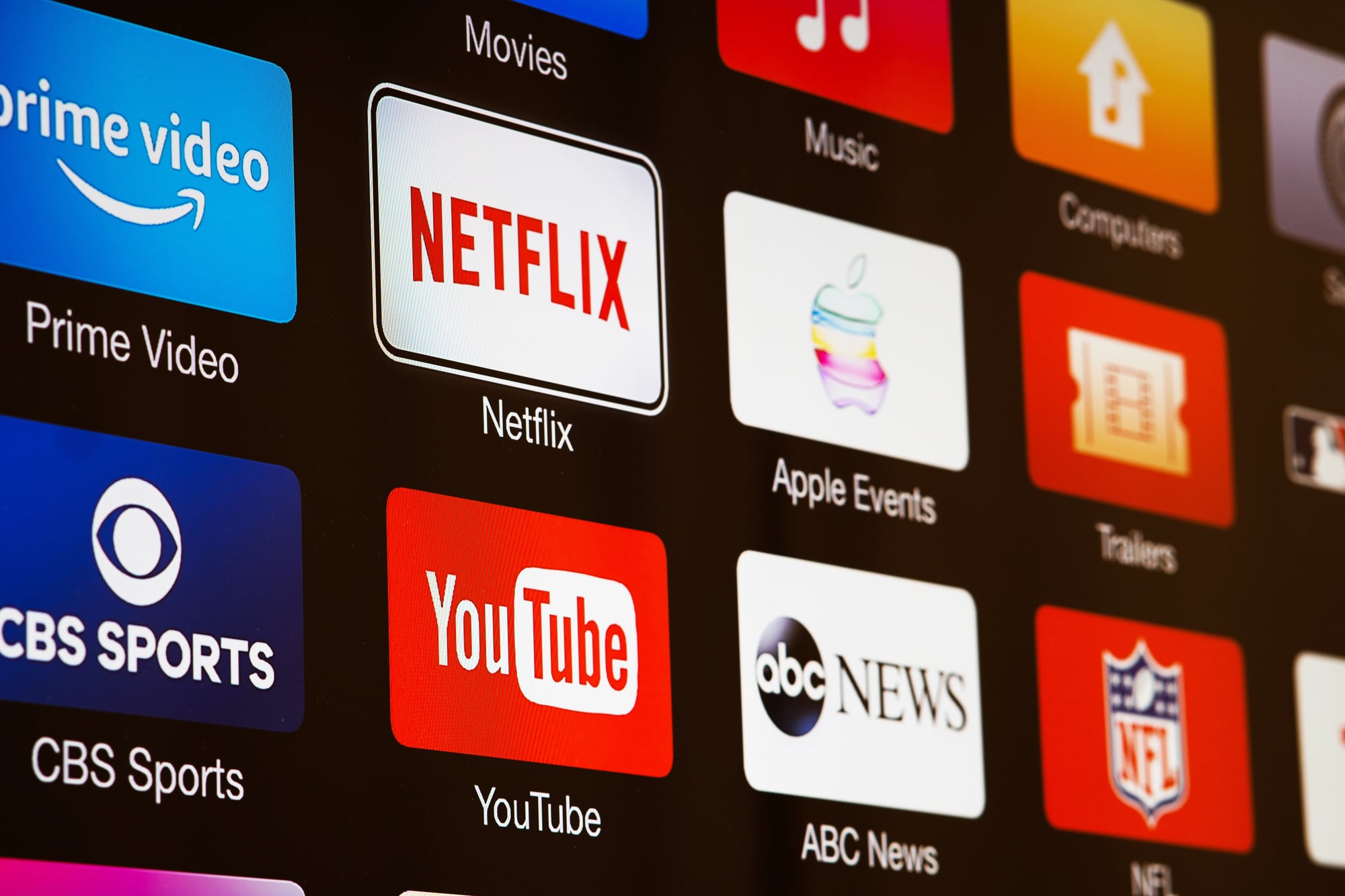
Turning on the television in the 70s meant choosing from maybe a dozen channels, and half of them might be showing reruns or local programming.
Teenagers worked within constraints — if nothing good was on, they found something else to do or settled for whatever seemed least boring.
The paradox of infinite choice has made decision-making both easier and harder. Teens today can find exactly what they want to watch, but they can also spend longer choosing what to watch than actually watching it.
The scarcity that forced creativity and compromise has been replaced by an abundance that can feel overwhelming.
Concert Experiences And Accessibility

Live music in the 70s required commitment and planning. Concerts were events that teenagers saved money for, coordinated transportation to, and talked about for months afterward.
The experience was rare enough to feel special, and seeing a favorite band perform live was genuinely exciting rather than expected.
While live music still exists, teens today can watch concert footage, live streams, and behind-the-scenes content whenever they want.
The scarcity that made concerts feel magical has diminished, even though access to musical experiences has dramatically increased.
Video Games From Simple To Complex

Early video games were straightforward — Pong had two paddles and an orb, and the objective was immediately obvious.
Games were designed to be picked up and played without tutorials, instruction manuals, or online guides.
The simplicity meant anyone could understand the rules within minutes.
Modern games can take dozens of hours just to learn the basic mechanics. Teens today often watch tutorial videos, read strategy guides, and study game mechanics before they even start playing.
The complexity offers deeper experiences, but it’s also created barriers to entry that didn’t exist when games were simple enough to figure out through trial and error.
News Consumption Patterns

Teenagers in the 70s encountered news through newspapers, television broadcasts, and radio updates — all of which were scheduled and curated by professional journalists.
The news cycle moved slowly enough for teenagers to ignore it completely if they wanted to, and many did.
Social media has made news consumption constant and unavoidable for today’s teens. Information moves fast, often without verification, and the line between news and opinion has blurred significantly.
Teens today are exposed to more information than their 70s counterparts, but they’re also responsible for evaluating the credibility of sources in ways that previous generations didn’t have to manage.
Photography From Film To Digital

Taking pictures in the 70s required film, which meant every shot had a cost attached. Teenagers were more selective about what they photographed because they couldn’t see the results immediately and because film processing was expensive.
Photos were physical objects that got stored in albums or shoeboxes, creating tangible records of experiences.
Digital photography removed the scarcity and expense, which means teens today can document everything but also that individual photos carry less weight.
The shift from physical albums to digital storage has made photos easier to take but harder to preserve in meaningful ways.
Social Interaction Changes

Teenage social life in the 70s required more planning and commitment. Making plans meant calling friends, agreeing on a time and place, and showing up without the ability to change plans easily or track each other’s locations in real-time.
Social interactions had clearer beginnings and endings.
Today’s teens maintain constant contact with their social circles, but the interactions are often fragmented across multiple platforms and conversations.
The always-on nature of social media has made it easier to stay connected but harder to be fully present in any single interaction.
The Evolution Continues

Entertainment changes reflect deeper shifts in how teenagers experience the world around them. The move from shared, scheduled experiences to personalized, on-demand content has given teens more control over their entertainment choices but has also fragmented the common cultural references that once connected entire generations.
Each change has brought benefits and losses, and teenagers today navigate entertainment options that would have been unimaginable in the 1970s while sometimes missing the simplicity and shared experiences that constraints can create.
More from Go2Tutors!

- The Romanov Crown Jewels and Their Tragic Fate
- 13 Historical Mysteries That Science Still Can’t Solve
- Famous Hoaxes That Fooled the World for Years
- 15 Child Stars with Tragic Adult Lives
- 16 Famous Jewelry Pieces in History
Like Go2Tutors’s content? Follow us on MSN.