15 Winter Sports That Got Audiences Hooked
There’s something about winter sports that pulls people in even when they’re watching from a warm couch. Maybe it’s the speed.
Maybe it’s the quiet insanity of watching someone hurtle down a mountain at 80 miles per hour on two thin planks. Whatever it is, winter sports have a way of turning casual viewers into obsessed fans — sometimes after just one watch.
Here are 15 of them that have done exactly that.
Alpine Skiing

Downhill skiing is pure physics made visible. Racers reach speeds that make your stomach drop just watching, and the margin between a gold medal and a crash can be a tenth of a second.
The drama is constant. One wrong edge and a race is over.
That tension keeps people glued to every gate.
Snowboarding Halfpipe
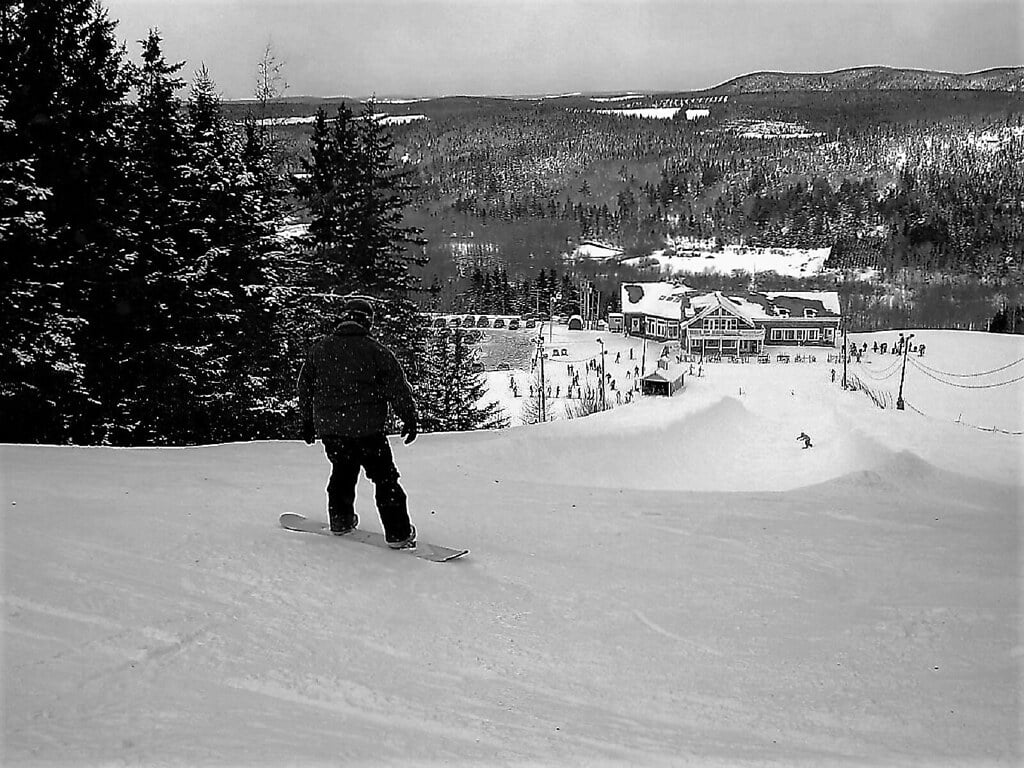
When snowboarding halfpipe debuted at the 1998 Winter Olympics, it looked unlike anything else in sports. Riders launching 20 feet above the lip of a pipe, spinning and flipping while somehow landing with control — it felt more like a video game than a competition.
Audiences who’d never touched a snowboard were suddenly invested. The sport kept growing.
Tricks got bigger. Riders started doing runs that looked physically impossible.
And the scoring, based on execution and creativity, gave fans something to debate long after the event ended.
Biathlon
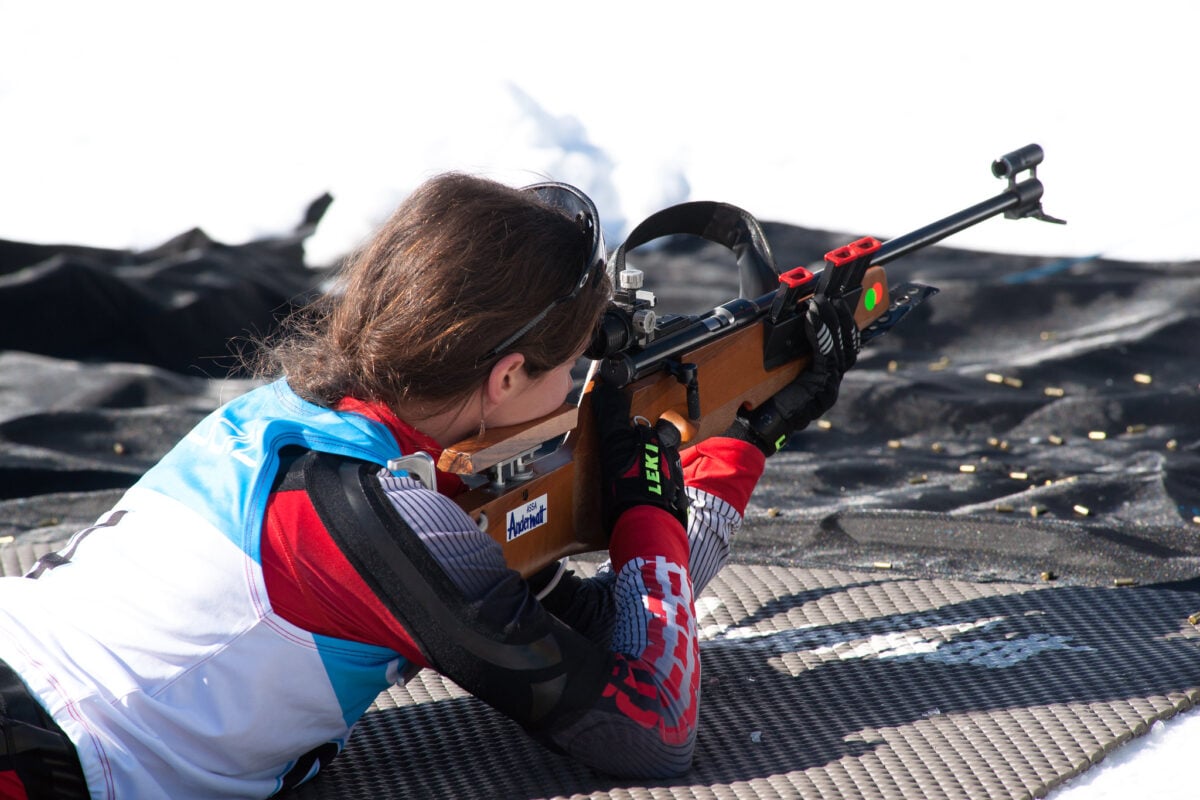
Few sports combine two things as different as cross-country skiing and rifle shooting. After pushing your body to its limit on skis, you have to slow your heart rate down enough to hit a target the size of a playing card.
Miss two shots and your race is effectively over. That contrast — the raw physical effort followed by a demand for total stillness — is what makes biathlon so compelling to watch.
It rewards athletes who can control themselves under pressure in a way most sports don’t.
Figure Skating
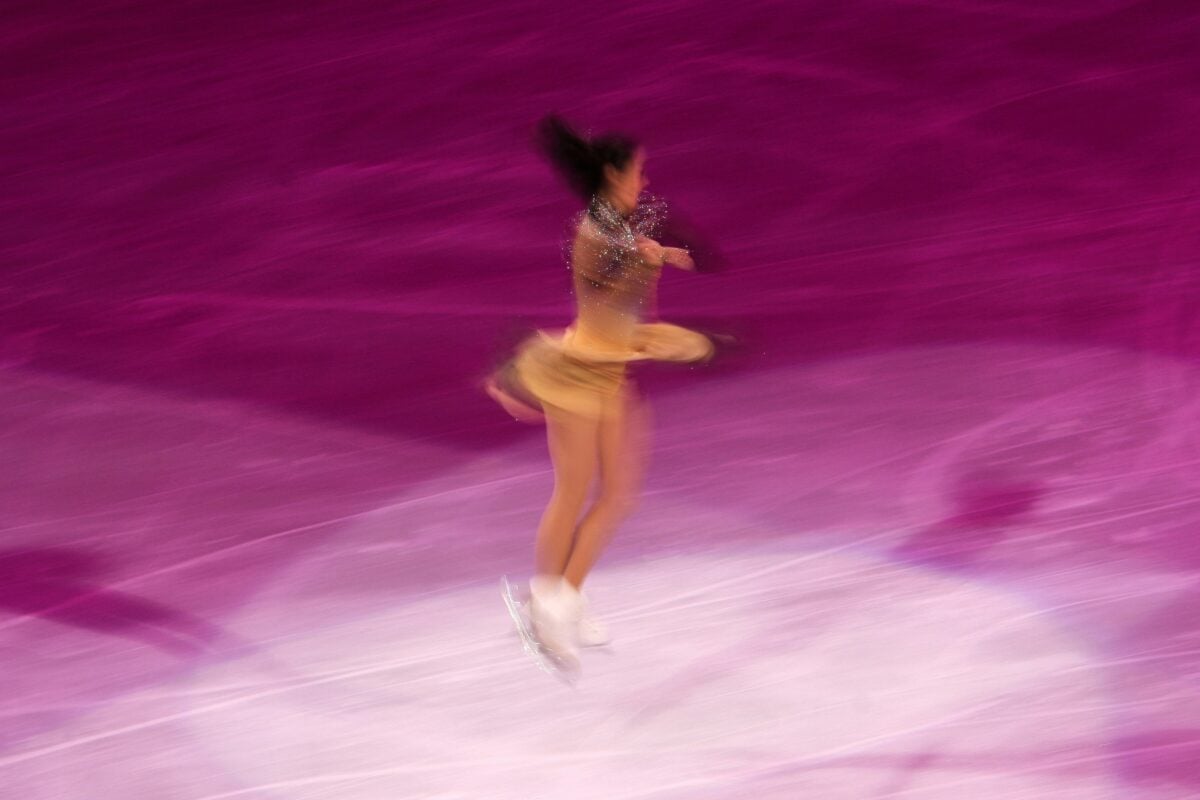
Figure skating has been pulling in massive TV audiences for decades. The combination of athleticism and artistry creates something that feels genuinely different from other competitions.
A well-executed long program tells a story. A quad landing sends a ripple through the crowd. A fall feels personal.
It also produces some of the most memorable moments in sports history — and some of the most controversial judging decisions, which keeps people talking.
Ski Jumping

Watching someone ski off a ramp and soar through the air for over 100 meters is still one of the more surreal things you can see in sports. Ski jumping doesn’t look like it should be possible.
Competitors look like they’re flying — because in a way, they are. The landing, the telemark position, the judges’ scores — it all comes together in about 10 seconds of airtime that somehow feels much longer.
Speed Skating (Long Track)

Long track speed skating is deceptively exciting. From a distance, it looks like people skating in circles.
But watch it closely and you see elite technique, tactical racing, and world records falling at major championships. The 10,000 meters is a masterclass in pacing.
The 500 meters is a sprint that’s over before you’ve had time to process what happened.
Short Track Speed Skating

Short track is the chaotic cousin of long track. Skaters race around a small oval, inches apart, with physical contact that would look at home in a contact sport.
Falls are common. Disqualifications happen in the final lap.
Lead changes occur in the last corner. No race feels decided until it’s actually over.
Ice Hockey
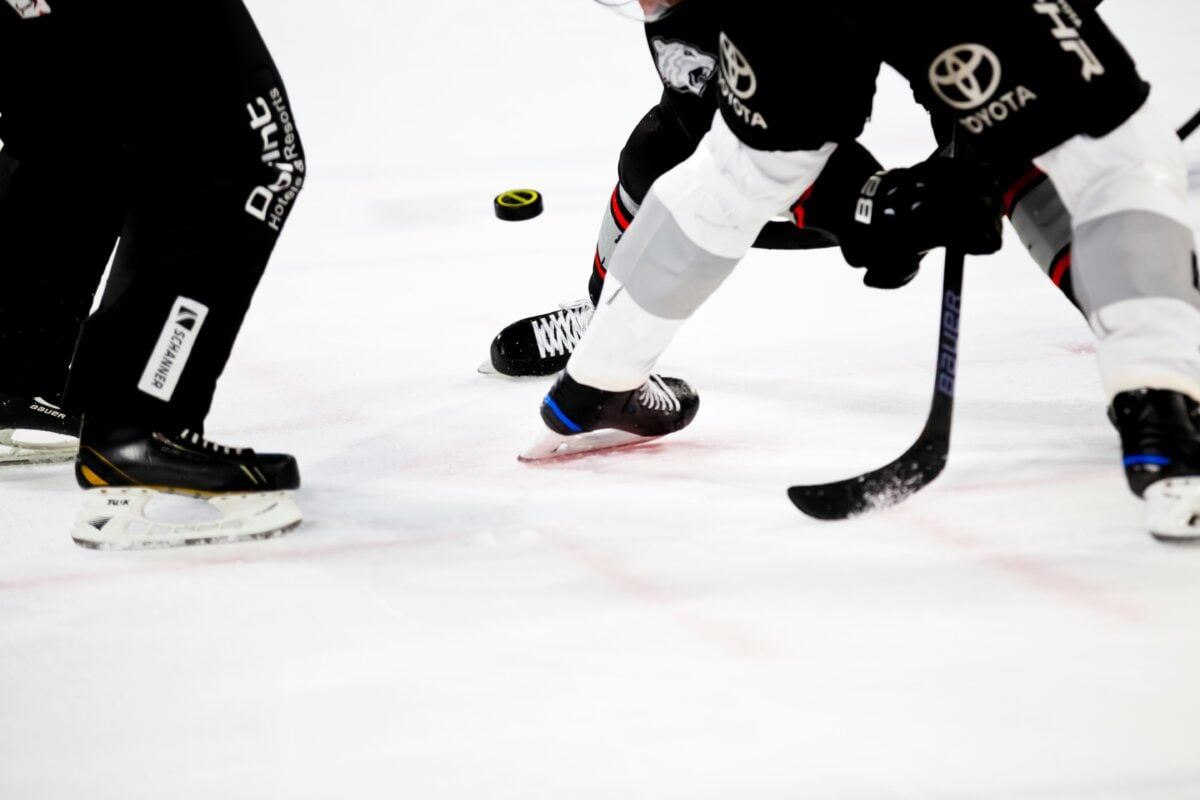
Ice hockey’s pace is unlike anything else in team sports. The puck moves faster than most people can track with their eyes.
Hitting, skating, passing, and goaltending all happen at once, and the action rarely stops. For new viewers, it takes a couple of games to follow. After that, it’s hard to watch anything else.
The playoffs, in particular, have a reputation for producing some of the most intense moments in sports.
Luge
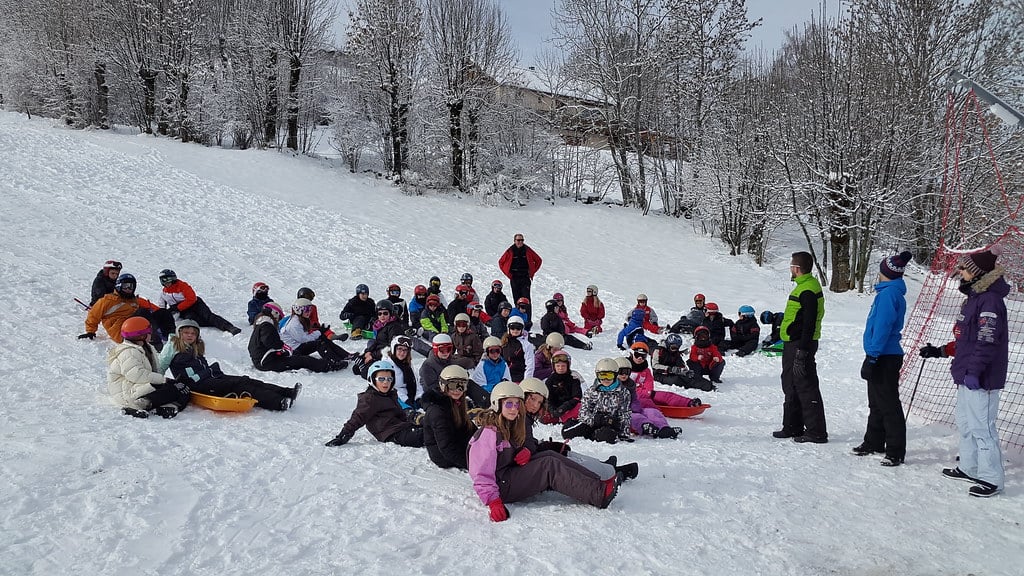
Luge is terrifying to watch. Riders lie flat on a tiny sled, head-first, hitting speeds over 90 miles per hour through an icy chute with walls that would end a run — or worse — if they touched them wrong.
The difference between competitors is measured in thousandths of a second. There’s almost nothing to it from the outside.
No equipment to adjust mid-run, no tricks, no visible steering. Just a person holding on and trusting their instincts through every turn.
Skeleton

If luge is terrifying, the skeleton is its face-down counterpart. Competitors go head-first, face toward the ice, gaining speed down the same kind of track.
The view from helmet cameras has become one of the more popular ways people experience the sport — there’s no comfortable way to watch that footage.
Freestyle Skiing (Moguls)
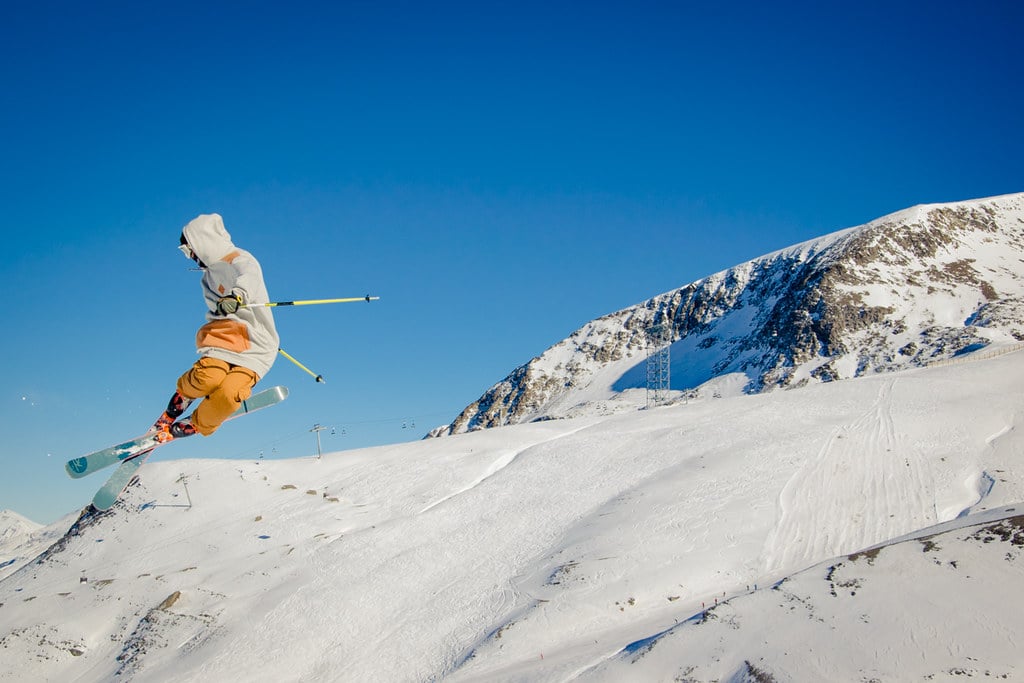
Mogul skiing requires skiers to navigate a field of closely packed snow bumps at high speed, executing jumps in the middle of the run while their legs absorb an almost violent rhythm of impacts. It’s technically demanding in a way that’s easy to appreciate even without knowing the rules.
You can hear when a run goes well. You can feel when it doesn’t.
Curling

Curling is the sport that converts the most skeptics. People tune in expecting to mock it and end up watching three ends before realizing they’re completely absorbed.
The strategy is deeper than it looks. Teams spend years developing the chemistry to read ice, call shots, and make split-second decisions under pressure.
The 2018 Winter Olympics introduced the sport to an entirely new audience, and the “Miracle on Ice” had nothing on the curling brackets for engagement that year.
Nordic Combined

Off the ramp first, then straight onto snow-covered trails – this is how Nordic combined rolls. A long jump means a head start when it comes time to skate through forest paths.
Those flying furthest gain seconds others must chase. Timing bends around flight distance; early leaders might vanish on uphill turns.
Stronger skiers emerge from behind, closing gaps built in midair. What looks secure at one moment crumbles minutes later.
Movement never settles, shifting shape until the last turn appears. Distance gained becomes fuel spent, while effort saved may come too late.
Ice Climbing (Competition)
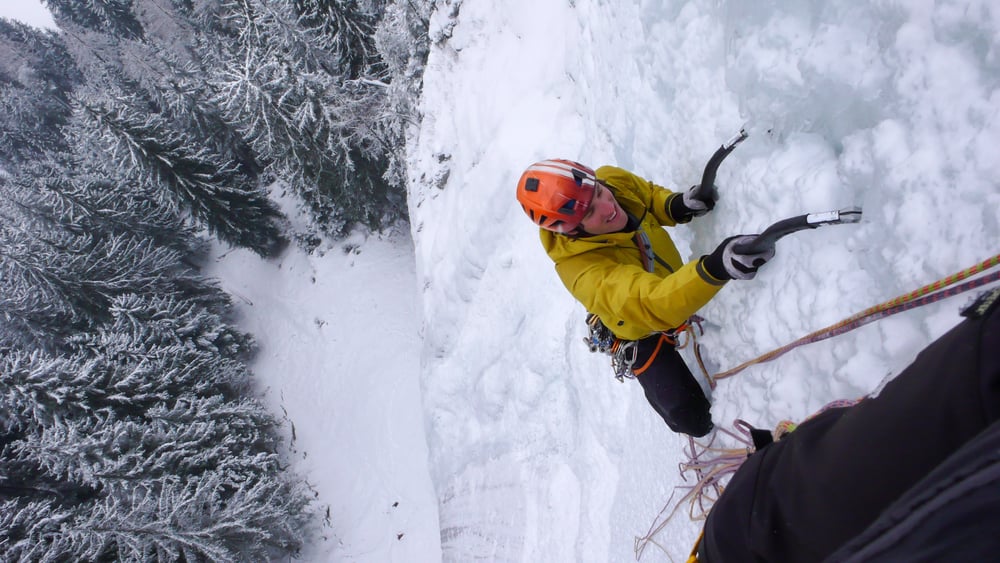
Ice climbing contests haven’t hit the spotlight yet, though those who stumble upon them usually stick around. Up go the climbers – artificial frozen walls conquered rapidly with ice axes and spiked boots, time ticking, others chasing close behind.
Vertical paths dominate the World Cup tracks, rising like frozen cliffs. Watch closely – the best ones flow upward with sharp grace, almost violent in their precision.
Bobsled

Ice forms a twisting path stretched out like a ribbon across the slope, yet racers move faster than vehicles on busy roads. What grabs people isn’t just speed but seeing athletes sprint alongside metal machines before diving inside.
That first burst – muscles straining, boots pounding frost-covered ground – shows exactly what two minutes demand. Few sights match a group charging forward, pushing weight through cold air, then vanishing around sharp bends.
The Cold Draws You Closer
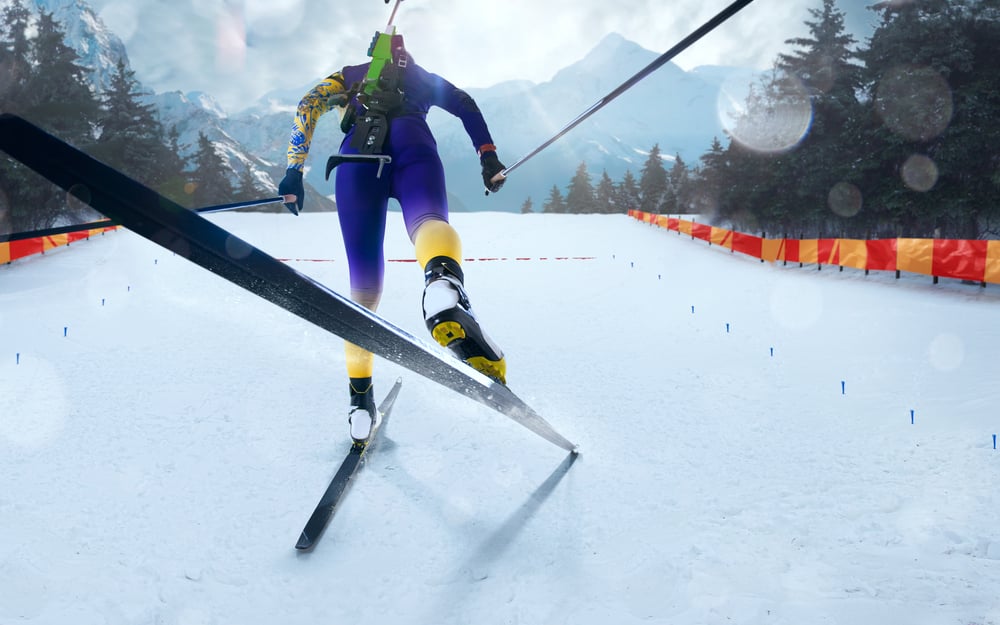
A single misstep can unravel months of effort when snow fills the air. Cold winds test more than just speed or strength out there.
Hours on ice shape moves precise enough to trust mid-flight. One blink off rhythm, though, and balance slips away fast. Spectators hold breaths without meaning to most times.
Winter after winter, some keep pushing without pause. Witnessing that effort, maybe through a screen, makes their sacrifice stick with you.
More from Go2Tutors!

- The Romanov Crown Jewels and Their Tragic Fate
- 13 Historical Mysteries That Science Still Can’t Solve
- Famous Hoaxes That Fooled the World for Years
- 15 Child Stars with Tragic Adult Lives
- 16 Famous Jewelry Pieces in History
Like Go2Tutors’s content? Follow us on MSN.



