16 2000s Things That Feel Ancient Now
The 2000s weren’t that long ago, right? You’re not alone, though, if you’re beginning to feel outdated when you bring up your old flip phone or DVD collection.
These days, technology advances so quickly that devices from just 20 years ago appear to be archeological artifacts. Here are 16 items from the 2000s that, despite being state-of-the-art at the time, feel incredibly out of date today.
Flip Phones
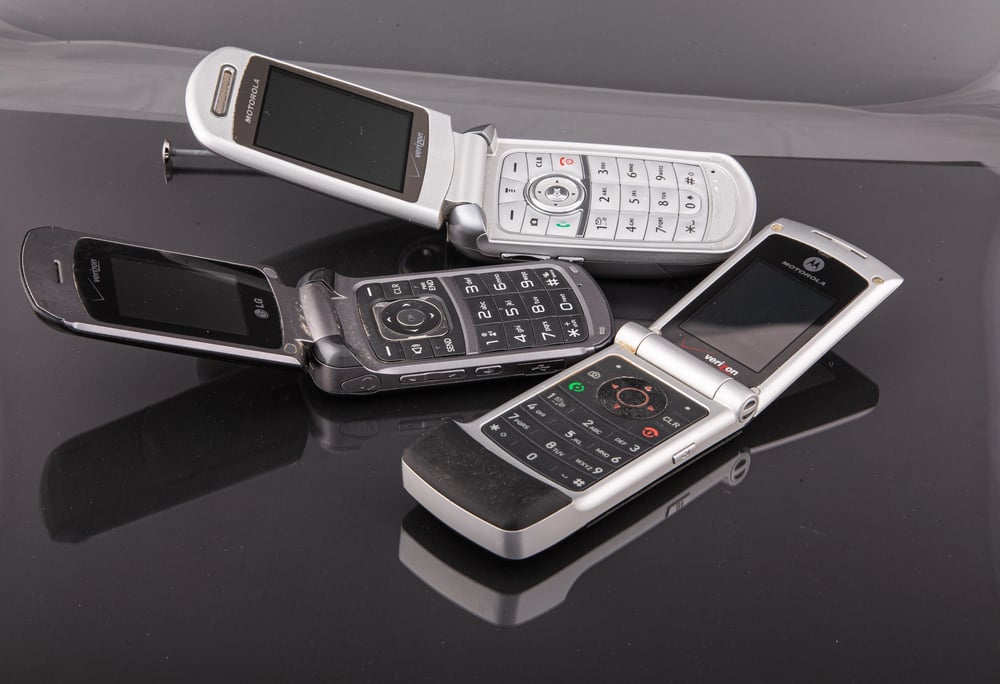
Remember when snapping your phone shut after a call felt incredibly satisfying? Flip phones were the ultimate status symbol in the early 2000s—with the Motorola Razr leading the pack as the sleekest device you could own.
These phones had physical keypads, tiny screens, and battery life that lasted for days, which seems almost mythical now.
Dial-Up Internet
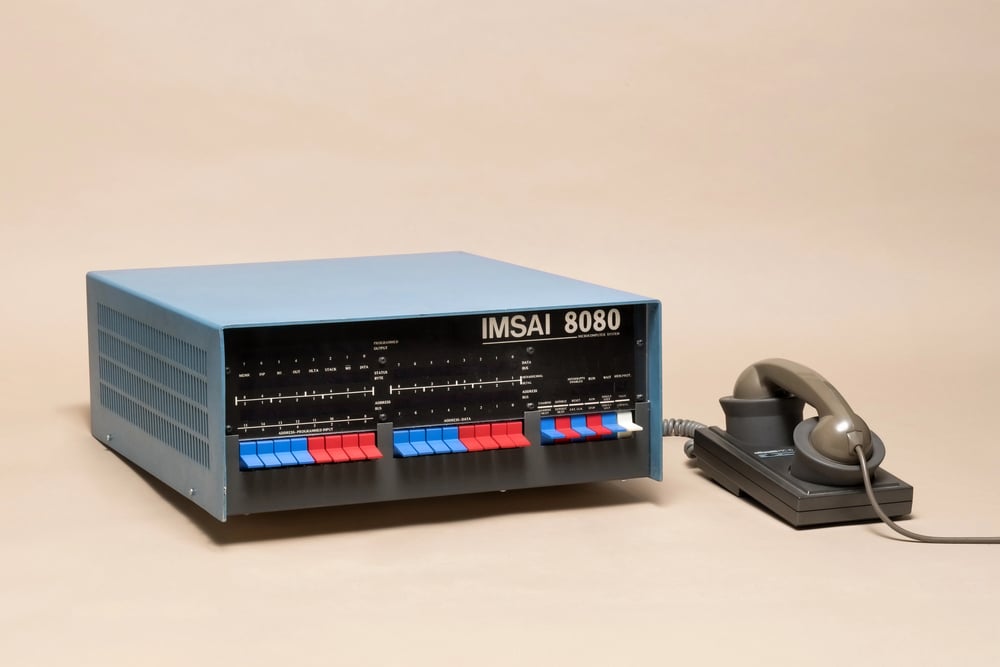
The screech of a dial-up modem connecting to the internet was the sound of patience being tested. Loading a single webpage took forever, while downloading a song was a 20-minute commitment that could be interrupted by someone picking up the phone.
Today’s instant internet makes those 56k speeds feel like watching paint dry in slow motion.
Like Go2Tutors’s content? Follow us on MSN.
Burning CDs
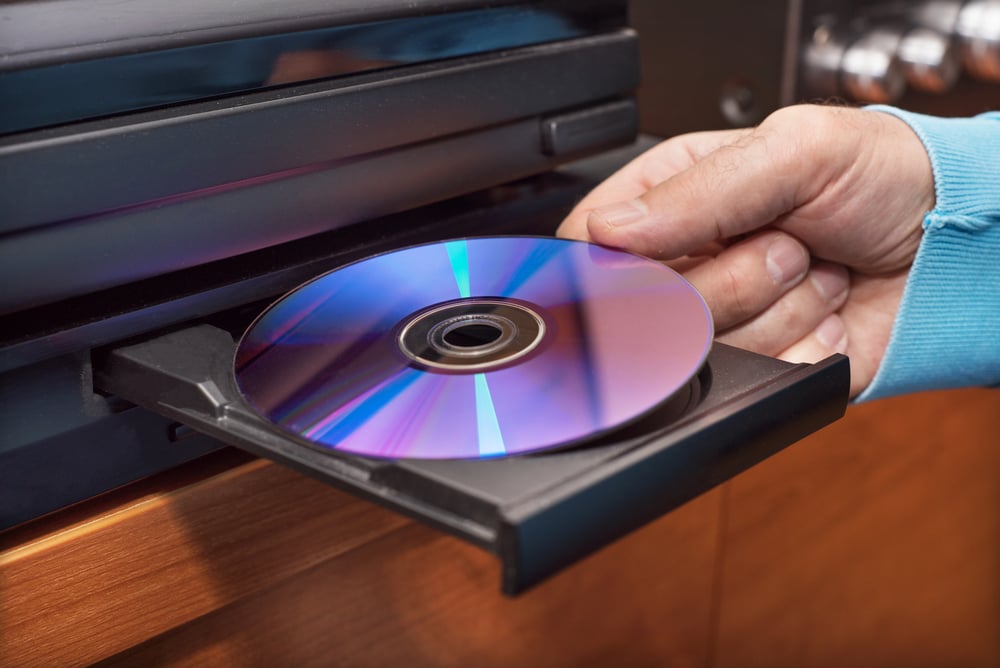
Creating the perfect mixtape meant carefully selecting songs—arranging them in the right order and hoping your CD burner wouldn’t fail halfway through. People would spend hours crafting these personalized music collections, complete with handwritten track lists and custom artwork.
The ritual of burning CDs has been completely replaced by instant playlists that take seconds to create.
MapQuest Directions
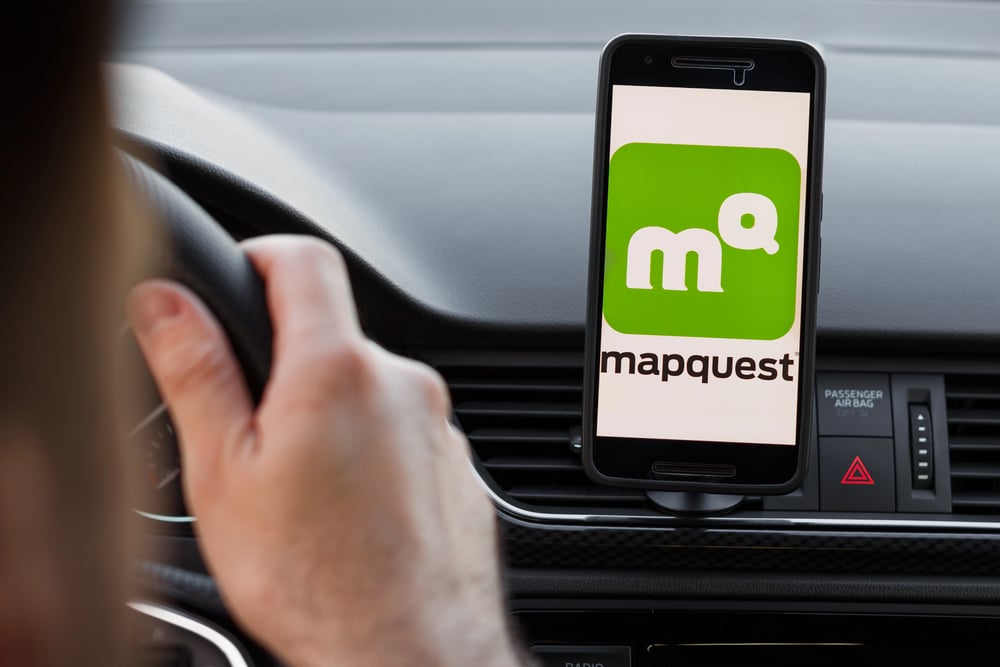
Planning a road trip meant printing out turn-by-turn directions from MapQuest before leaving the house. These paper directions were your lifeline, and getting lost meant stopping at gas stations to ask for help or calling directory assistance.
GPS navigation was available but expensive—making printed directions the go-to solution for most people.
Blockbuster Video
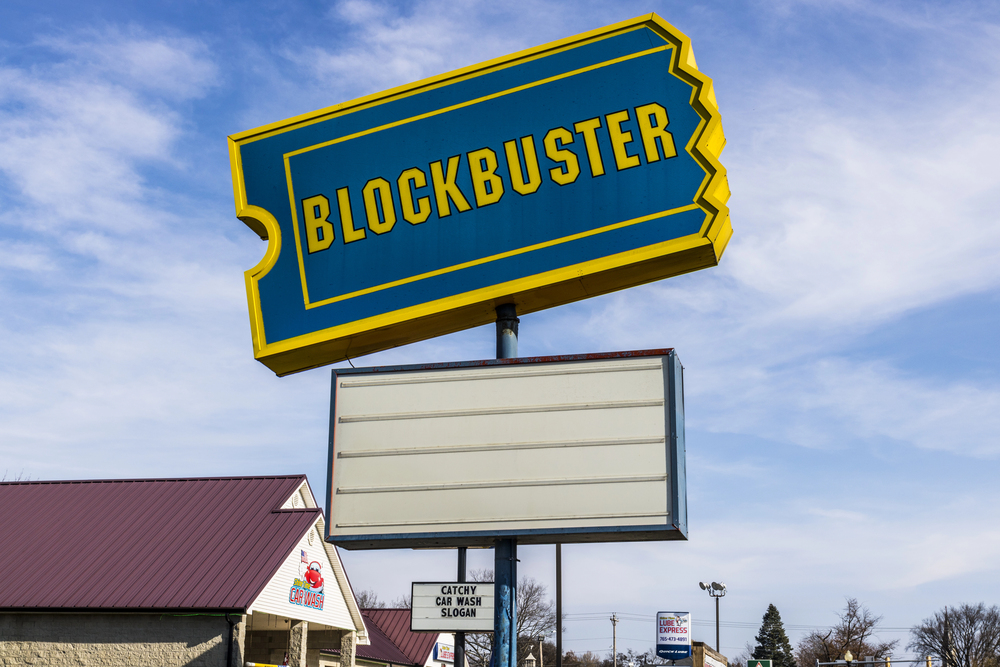
Friday nights often started with a trip to Blockbuster to browse the aisles for the perfect movie rental. The excitement of finding a new release still available, the disappointment of late fees, and the social aspect of wandering the store with friends created a whole culture around physical media.
Streaming services have made the idea of driving to rent a movie feel completely archaic.
Like Go2Tutors’s content? Follow us on MSN.
iPods
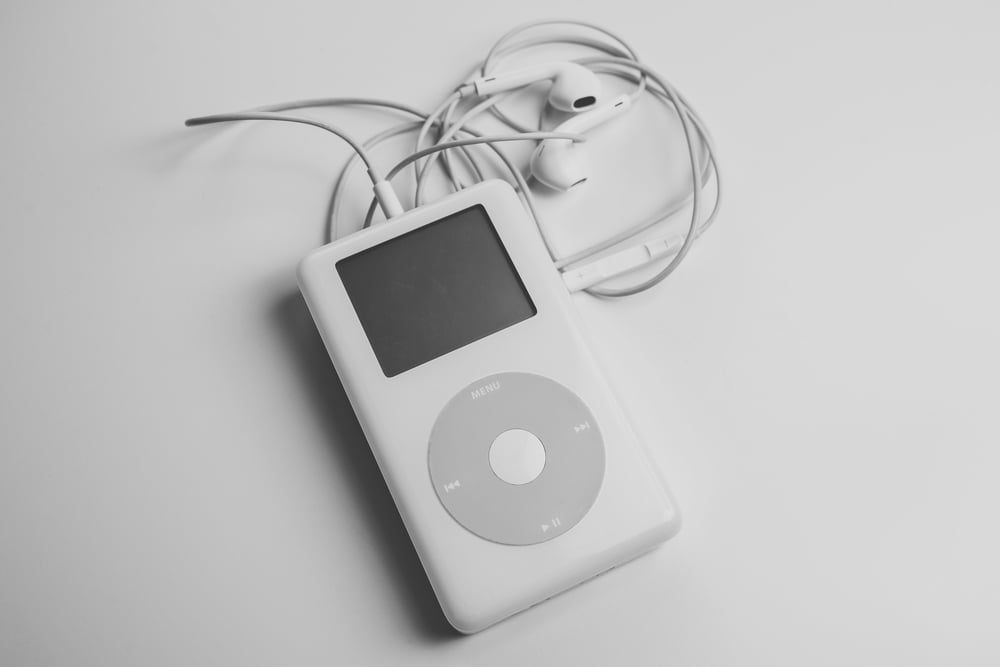
The original iPod was revolutionary. Having 1,000 songs in your pocket felt like magic in 2001—these devices had click wheels, required iTunes to sync music, and came with those iconic white earbuds that became a fashion statement.
While iPods evolved throughout the decade, the concept of a dedicated music player seems quaint when every phone can hold millions of songs.
Digital Cameras
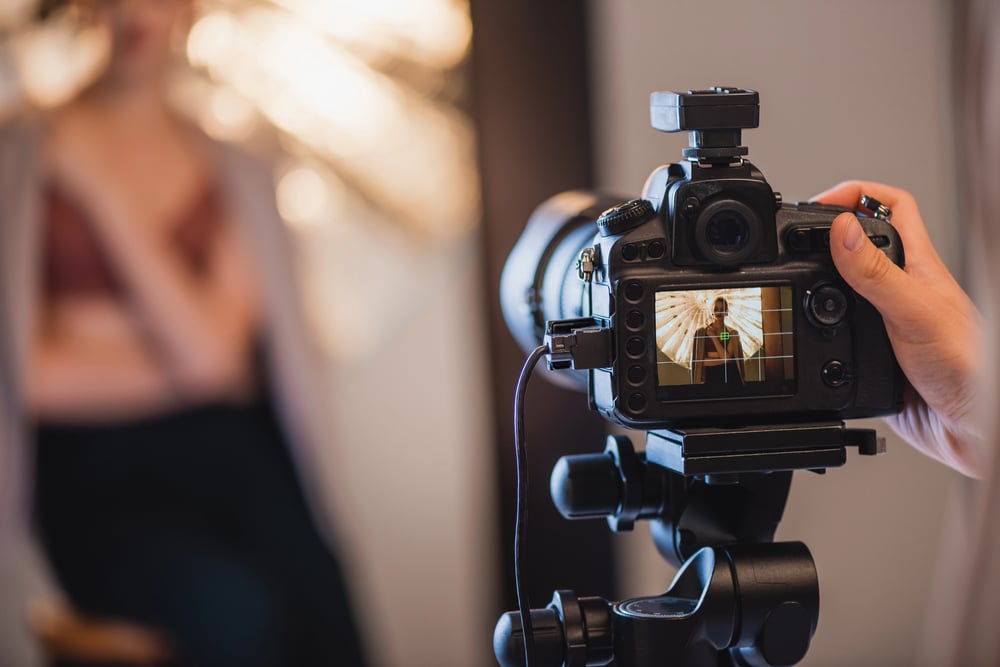
Taking photos meant carrying a separate device—managing memory cards and connecting cables to transfer pictures to your computer. Digital cameras were a huge improvement over film, though the process of getting photos online involved multiple steps and patience.
Phone cameras have made dedicated point-and-shoot cameras nearly extinct for casual photography.
AOL Instant Messenger
AIM was the social network before social networks existed. Screen names like ‘sk8ergurl2003’ ruled the digital playground—people would spend hours crafting the perfect away message, and your buddy list was a carefully curated collection of friends, crushes, and acquaintances.
The platform created its own language of abbreviations and emoticons that shaped how an entire generation communicated online.
Like Go2Tutors’s content? Follow us on MSN.
VHS Tapes
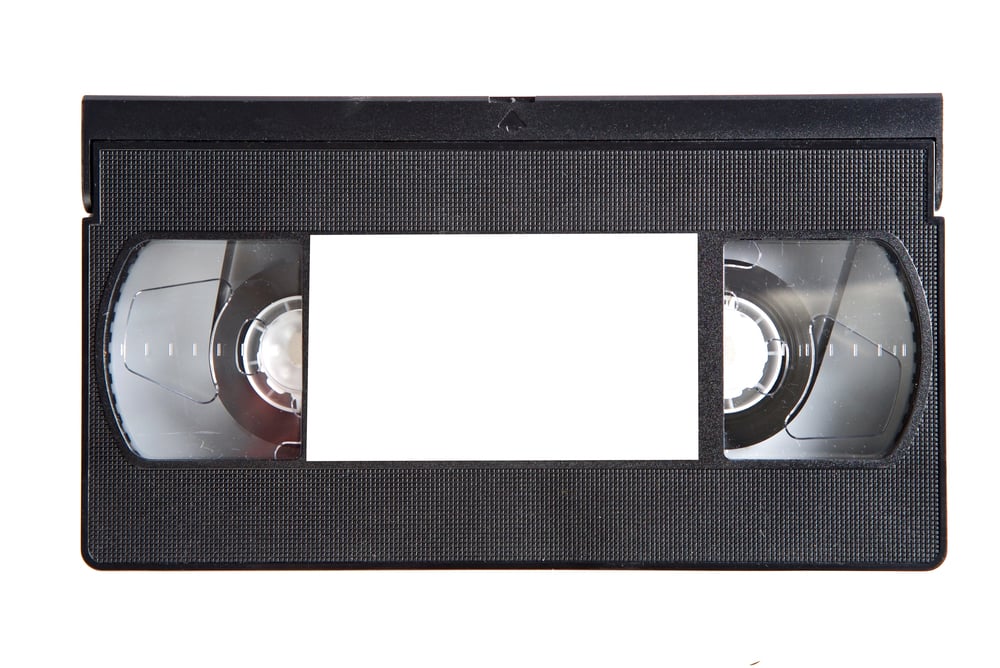
Even though DVDs were becoming popular—many people still had extensive VHS collections in the early 2000s. Rewinding tapes, dealing with tracking issues, and the gradual degradation of video quality were just accepted parts of the home movie experience.
The physical bulk of VHS tapes made storage a real challenge compared to today’s digital libraries.
MySpace
Before Facebook dominated social media—MySpace let people customize their profiles with HTML, music, and glittery graphics that would make modern web designers cringe. The platform was all about self-expression through terrible color schemes, auto-playing songs, and ranking your ‘Top 8’ friends.
MySpace’s decline happened so quickly that it now feels like a relic from the internet’s awkward teenage years.
Portable CD Players
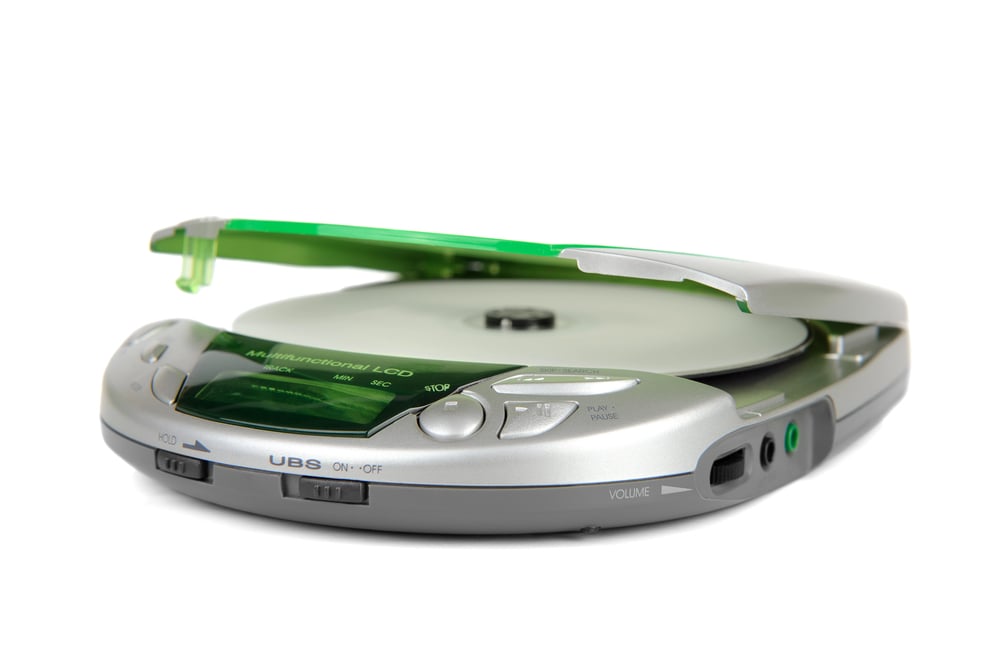
Carrying a Discman or Walkman meant bringing multiple CDs for variety. You’d also deal with skipping when you moved too much.
Anti-skip protection was a premium feature, yet the chunky headphones were a far cry from today’s wireless earbuds. The physical limitations of CD players made them feel cumbersome compared to modern streaming devices.
Like Go2Tutors’s content? Follow us on MSN.
Text Messages with T9
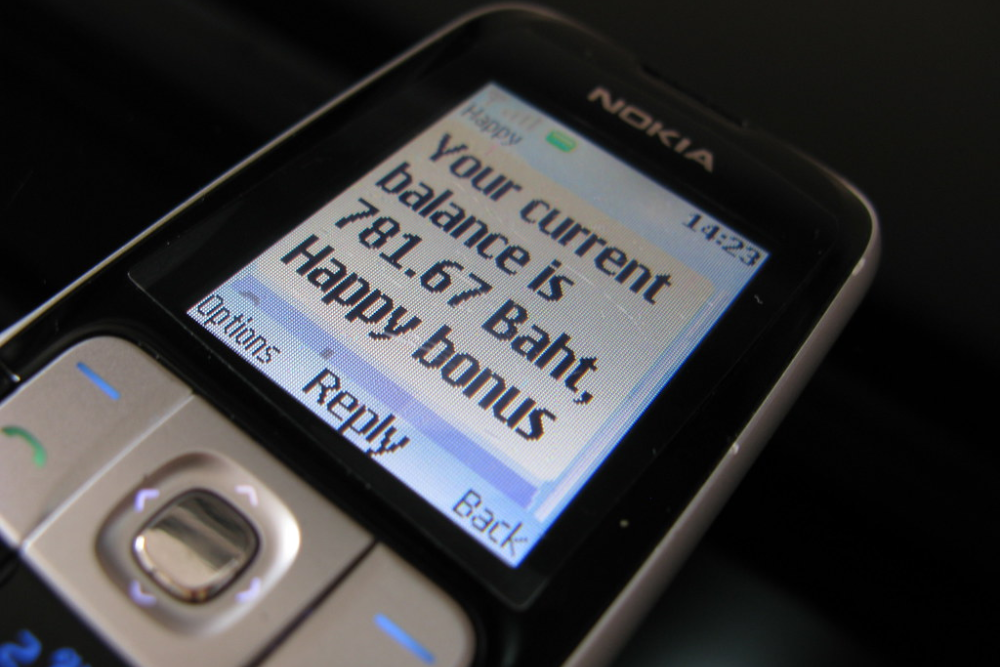
Typing on a phone keypad using T9 predictive text was an art form that required muscle memory. Each number corresponded to multiple letters, though creating a single text message could take several minutes of careful button pressing.
The 160-character limit made every message an exercise in brevity that today’s unlimited texting has completely eliminated.
Floppy Disks
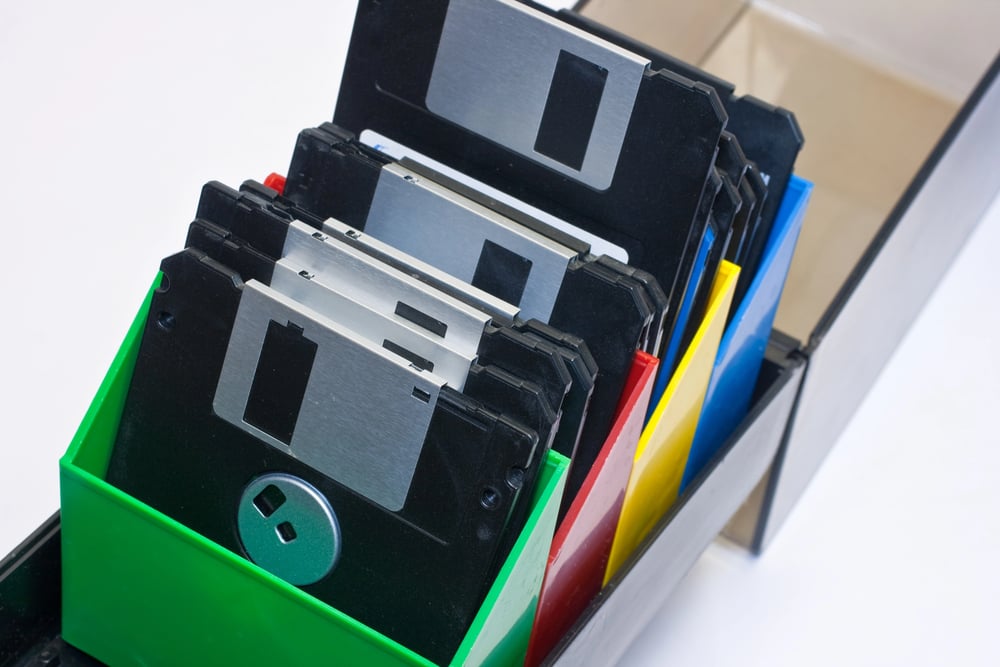
Though mostly obsolete by the 2000s, floppy disks were still used in schools and some offices for file storage. These 3.5-inch squares held a whopping 1.44 MB of data and were notoriously unreliable.
The idea of storing important files on such fragile media seems incredibly risky by today’s cloud storage standards.
Internet Explorer
Microsoft’s web browser was the default choice for most computer users, despite its reputation for being slow and problematic. Competing browsers existed, yet Internet Explorer’s dominance meant web developers had to design sites specifically for its quirks.
The browser wars of the 2000s seem quaint compared to today’s variety of fast, feature-rich options.
Like Go2Tutors’s content? Follow us on MSN.
Landline Phones
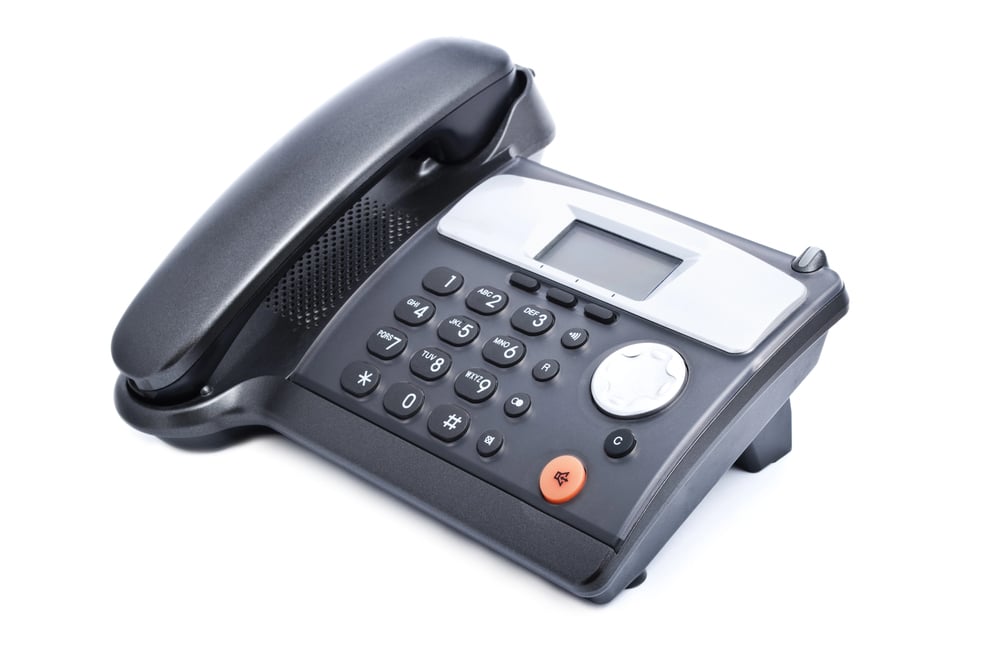
Having a phone attached to the wall or sitting on a table was still common in many homes during the early 2000s. Cordless phones were an upgrade, though you were still tethered to a base station and limited by battery life.
The concept of being unreachable when away from home feels almost impossible to imagine now.
Physical GPS Units
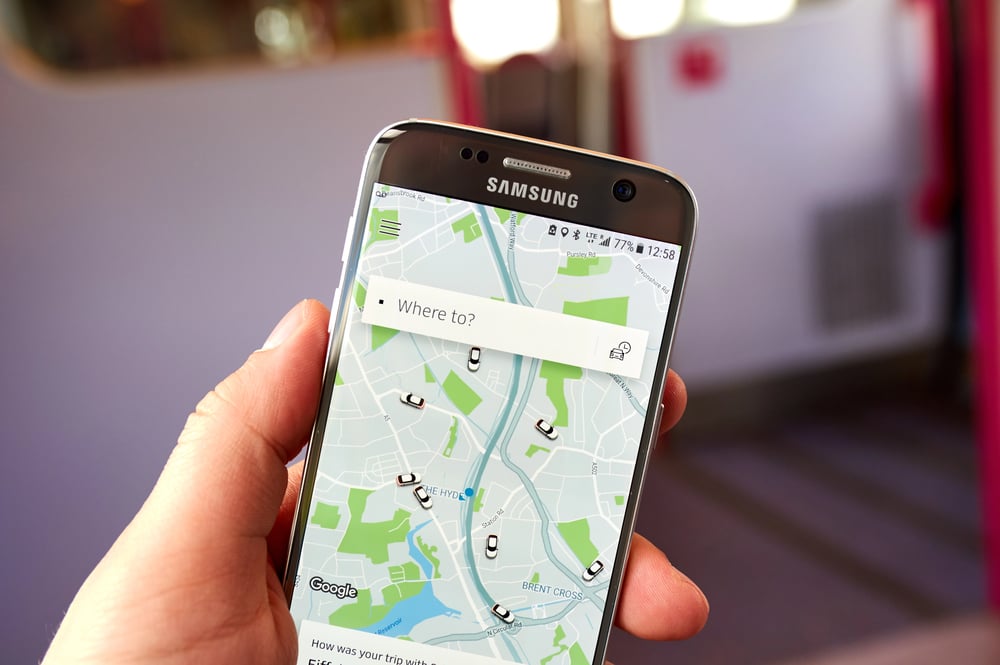
Some installed the expensive Garmin and TomTom navigation devices on their dashboards. These expensive devices required map updates, had limited functionality beyond directions, and cost several hundred dollars.
It seems useless to buy a separate GPS device because all phones come with good navigation built in.
The Digital Divide Lives On
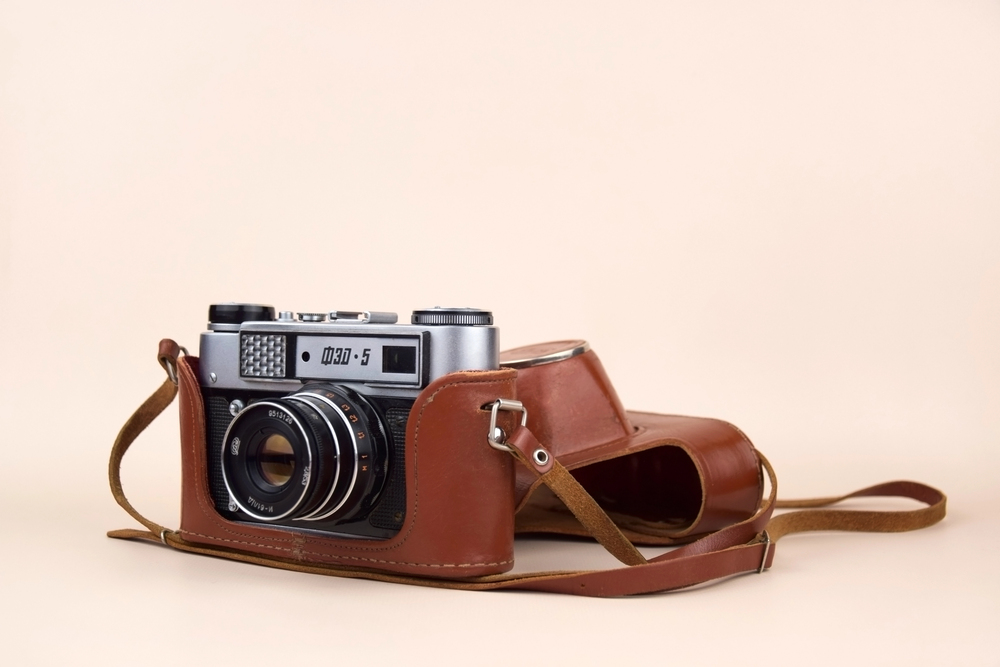
It’s not just their age that makes these technologies from the 2000s feel so antiquated. It’s the extent to which superior substitutes have supplanted them. In contrast to earlier technological revolutions that occurred gradually, the smartphone revolution wiped out entire device categories in a matter of years.
These devices serve as a reminder that the state-of-the-art technology of today will probably appear to be equally antiquated to generations to come, turning our modern gadgets into nostalgic artifacts.
Like Go2Tutors’s content? Follow us on MSN.
More from Go2Tutors!

- 16 Historical Figures Who Were Nothing Like You Think
- 12 Things Sold in the 80s That Are Now Illegal
- 15 VHS Tapes That Could Be Worth Thousands
- 17 Historical “What Ifs” That Would Have Changed Everything
- 18 TV Shows That Vanished Without a Finale
Like Go2Tutors’s content? Follow us on MSN.



