17 Things Every ’70s Kid Did Without Realizing It Was Wildly Unsafe
The 1970s were a magical time to be a child – a final era of boundless freedom before helicopter parenting and safety regulations transformed childhood forever. Kids roamed neighborhoods from sunrise to sunset with minimal supervision, creating their own adventures and learning life’s lessons through trial and error.
Here is a list of 17 things that were normal parts of childhood in the ’70s but would make today’s safety-conscious parents absolutely cringe.
Riding in Car Trunks

Long family road trips often meant creative seating arrangements. Kids happily piled into station wagon trunks or cargo areas without a second thought.
The lucky ones got a blanket for comfort while bouncing around with the luggage as the car zipped down the highway at 65 mph.
Standing Up in Moving Vehicles

Although they were technically accessible, seatbelts were rarely worn. During rides, kids would frequently stand on the front passenger seat and occasionally lean against the dashboard for support.
Parents would merely offer one arm as a “human seatbelt” during abrupt stops.
Riding Bikes Without Helmets

Unless you were a professional racer, bicycle helmets in the 1970s were practically unheard of. Sometimes riding with no hands, children raced down steep hills with the wind in their hair, sometimes negotiating crowded roads.
The idea of protective equipment had not yet reached the group’s awareness.
Playing With Lawn Darts

These weighted missiles with metal tips were marketed as a fun outdoor game for the whole family. Children regularly threw these dangerous projectiles into the air with little concern for where they might land.
One wayward throw could easily result in serious injury.
Using Chemistry Sets With Real Chemicals

Chemistry sets in the ’70s contained actual hazardous materials and compounds that could explode, burn skin, or create toxic fumes. Young scientists mixed these substances in their bedrooms with minimal ventilation and no protective equipment.
The instruction booklets even encouraged creating small controlled explosions.
Playgrounds With Concrete Surfaces
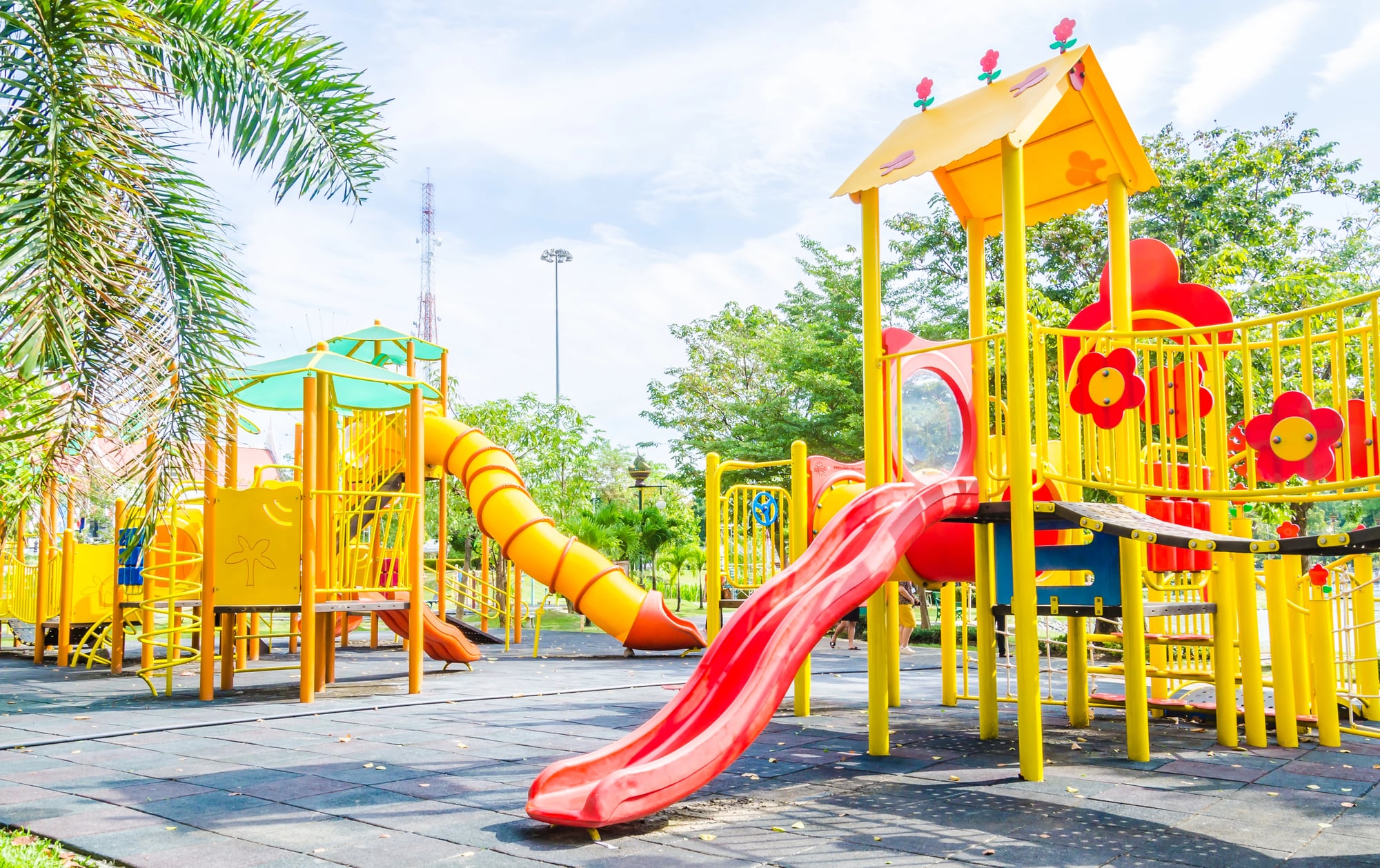
Playground equipment sat atop hard concrete or packed dirt rather than today’s cushioned surfaces. Metal slides baked in the summer sun until they were hot enough to burn skin, while towering jungle gyms had no safety features whatsoever.
Falls from these structures often resulted in broken bones rather than just bruises.
Handling Mercury
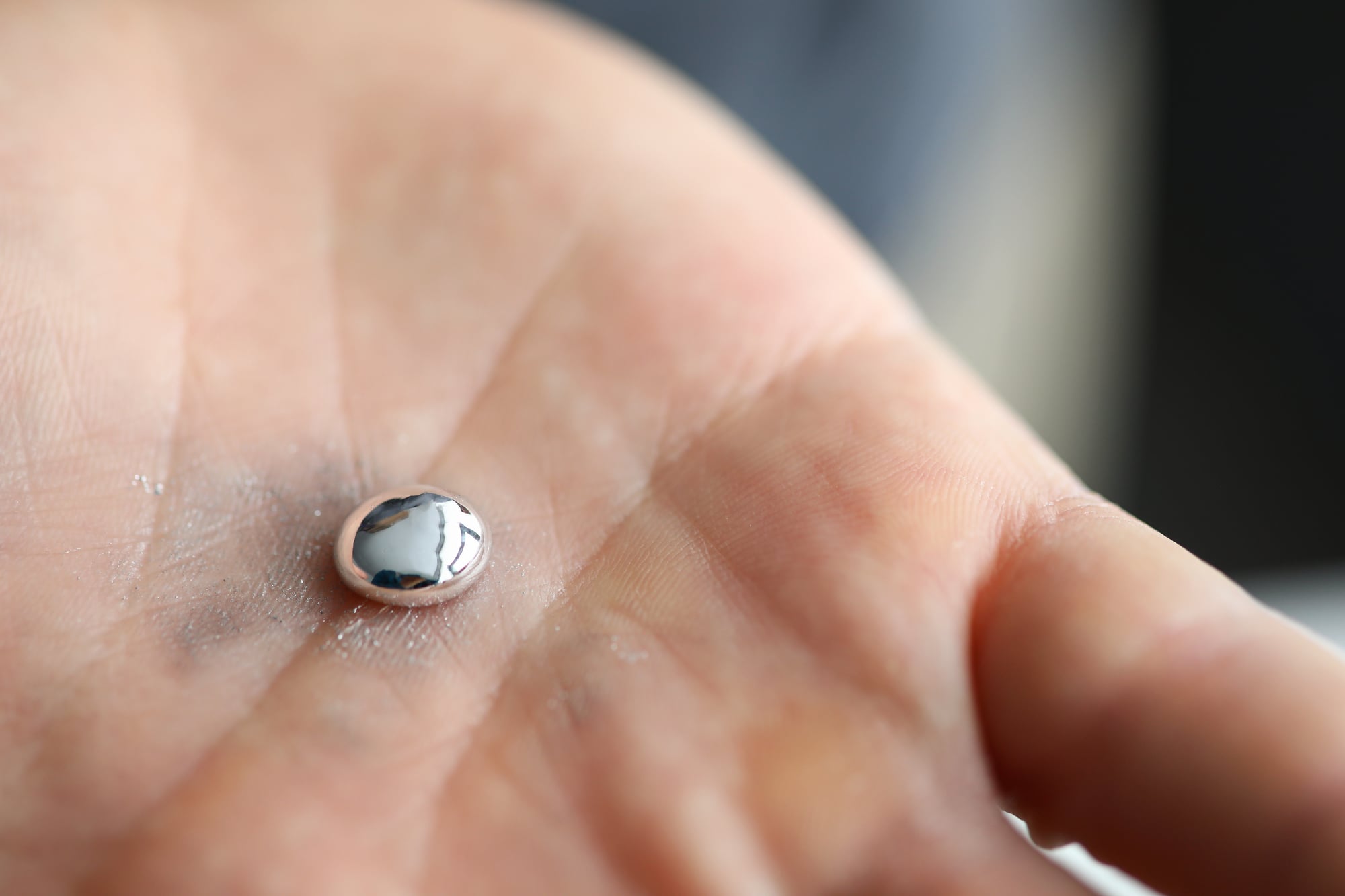
Science teachers regularly allowed students to play with actual mercury in class, marveling at how the silvery liquid metal would form perfect little balls when spilled. Kids touched it with their bare hands, completely unaware of its neurotoxic properties.
Some even brought it home as a curiosity.
Secondhand Smoke Everywhere
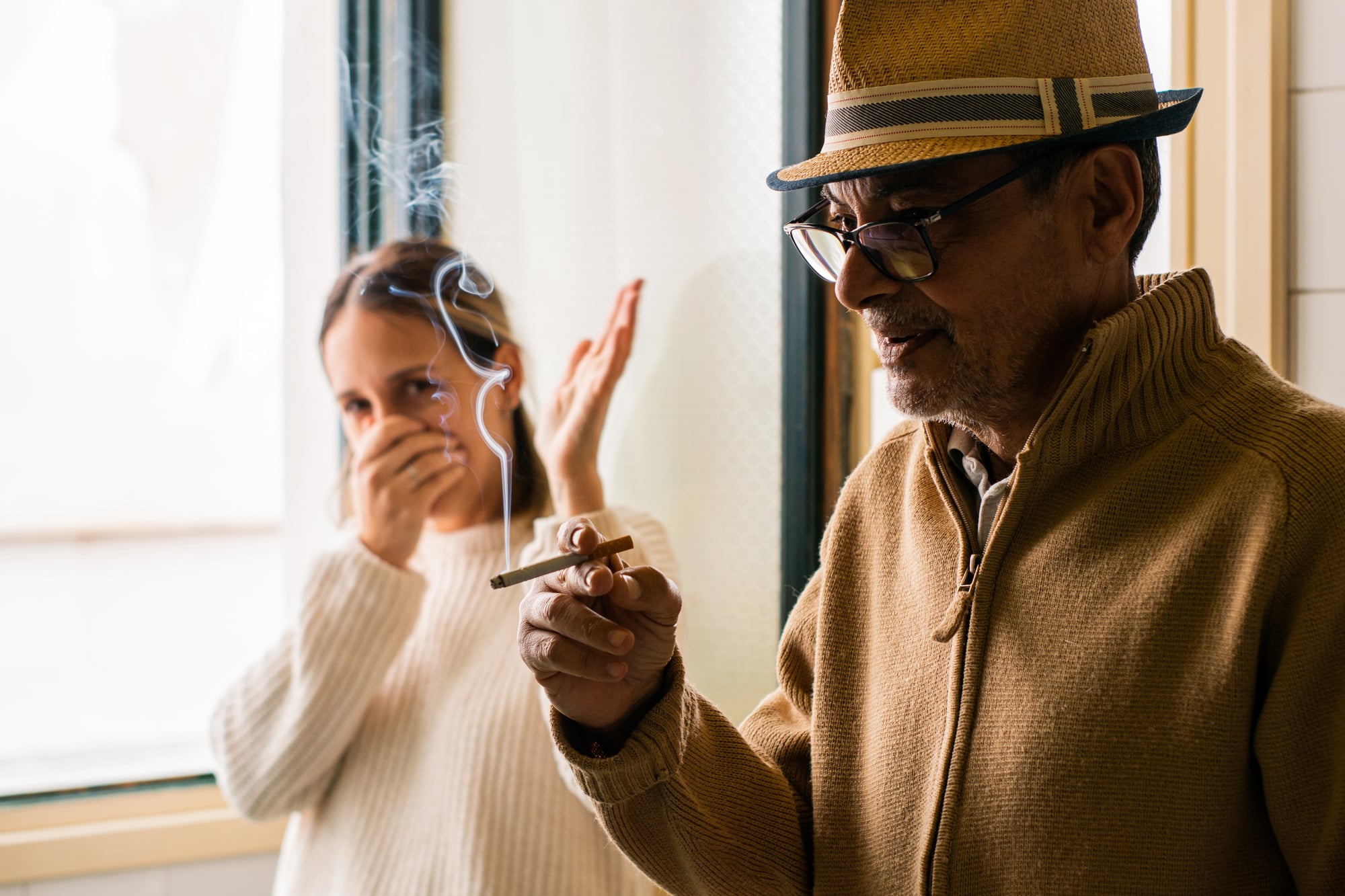
Children spent hours in cars, restaurants, and homes filled with dense clouds of cigarette smoke. Public spaces had ashtrays at every table, and smoking was permitted virtually everywhere.
Kids simply held their breath or got used to the burning sensation in their eyes and lungs.
Lead Paint Exposure
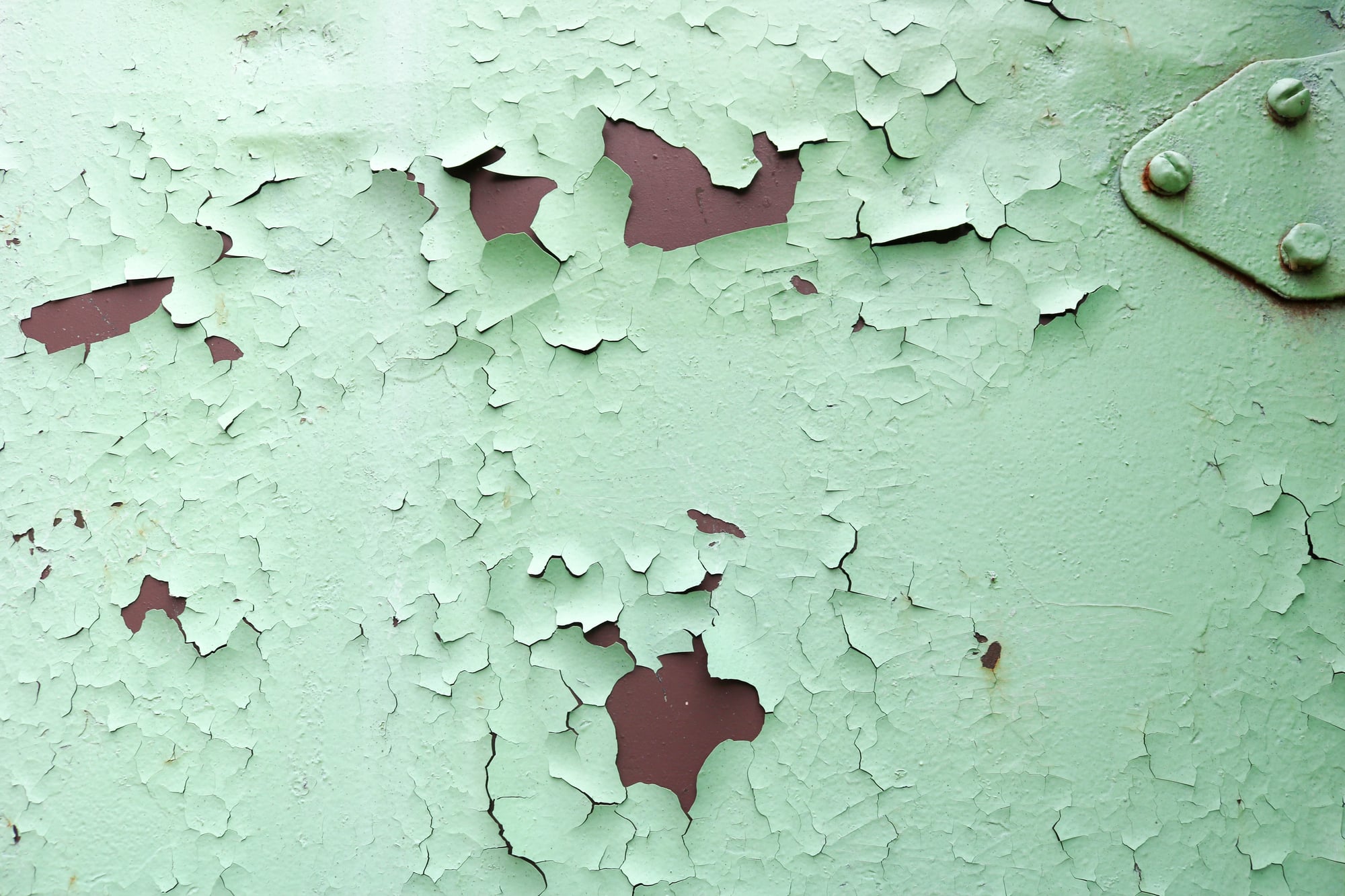
Homes built before 1978 commonly contained lead paint, which children encountered daily. Kids sometimes even chewed on painted windowsills or toys coated in lead-based paint.
The sweet taste actually encouraged continued exposure to this dangerous neurotoxin.
Water From Garden Hoses

Taking drinks from the garden hose was practically a summer ritual. Children gulped down water that had been sitting in vinyl hoses baking in the sun, leaching chemicals and harboring bacteria.
The metallic taste was just considered part of the experience.
Hitchhiking

Many teenagers and even younger children thought nothing of sticking out a thumb to catch a ride with complete strangers. Parents often encouraged this practice as a practical transportation solution.
The dangers associated with getting into unknown vehicles simply weren’t part of the conversation.
Unsupervised Swimming

Kids frequently swam in lakes, rivers, and pools with no lifeguards or supervision. Many learned to swim through the ‘sink or swim’ method, where they were simply tossed into water and expected to figure it out.
Swimming lessons were considered optional rather than essential.
Fire as Entertainment
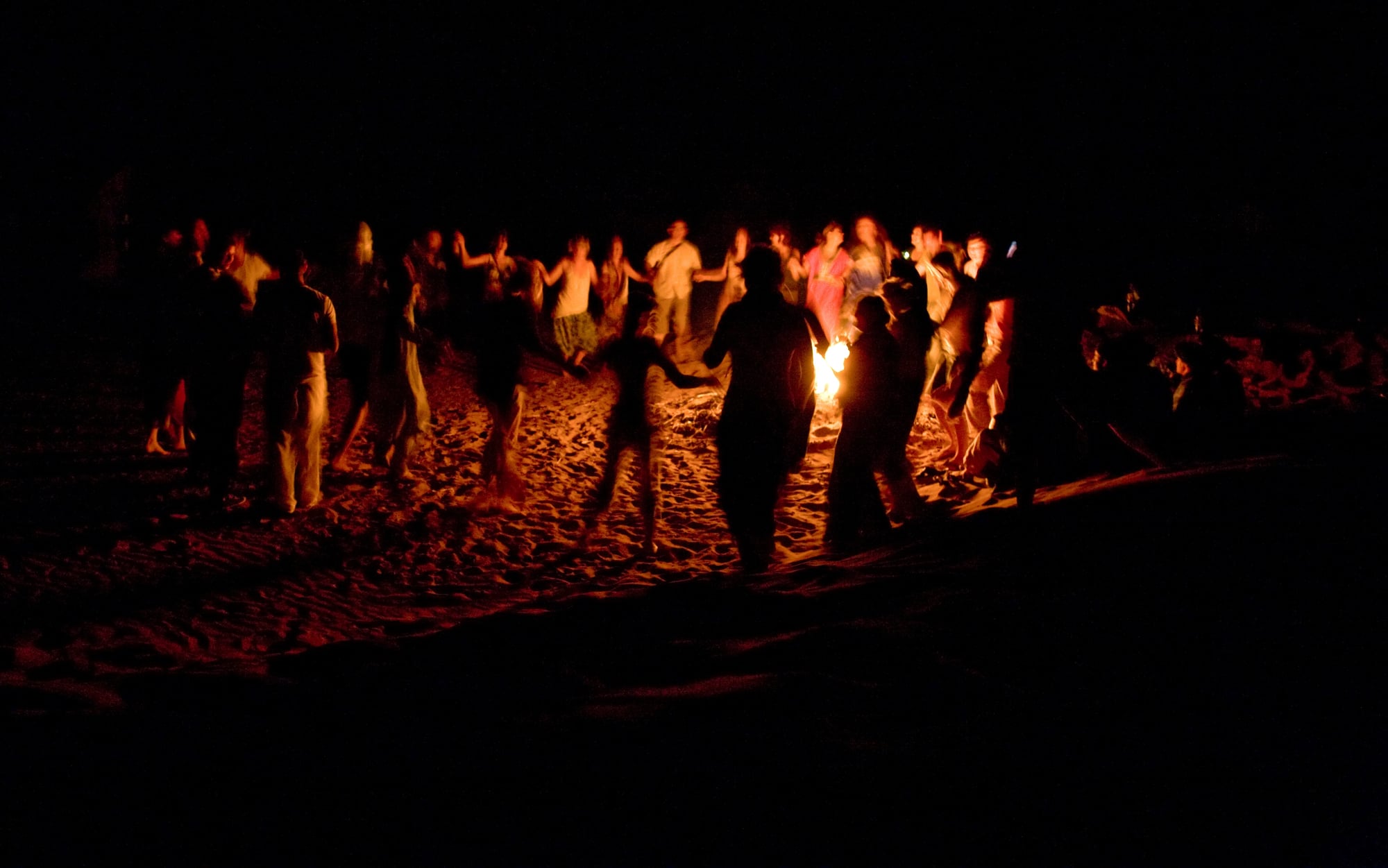
Children regularly played with matches, lighters, and fireworks with minimal adult oversight. Backyard chemistry experiments often involved lighting things on fire to see what would happen.
Burns were considered a normal part of childhood learning experiences.
Medication Without Child-Proof Caps

Pills and medicines sat in easily accessible cabinets in colorful containers that looked like candy. Child-proof caps weren’t standard, and medications were frequently stored within reach of curious youngsters.
Parents rarely considered the need to lock up potentially dangerous substances.
Metal Playground Merry-Go-Rounds

These spinning metal platforms moved at incredible speeds as children hung off the sides, often dragging body parts on the ground below. Kids would push them to maximum velocity, then attempt to jump on while they were already moving.
Concussions, broken bones, and crushed fingers were common casualties.
Tanning With Baby Oil

Teenagers and even younger children regularly slathered themselves with baby oil mixed with iodine to achieve the perfect tan. There was no sunscreen, no warnings about skin damage—just hours baking in the midday sun.
Many even used reflective panels to intensify the sun’s rays on their faces.
Chainsaw Operation
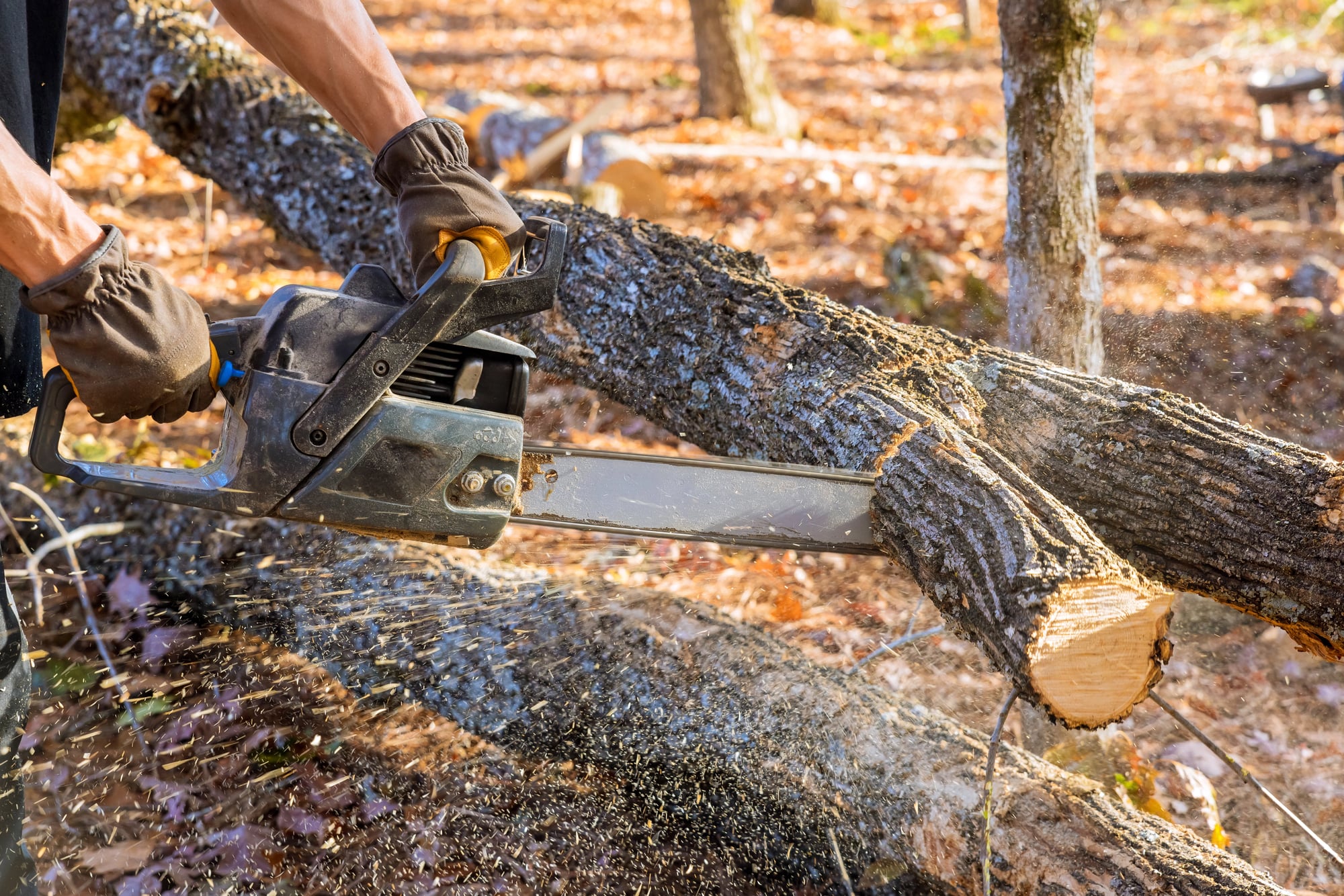
It wasn’t uncommon for pre-teens to operate power tools, including actual chainsaws, with minimal instruction or safety gear. Children helped with yard work and home projects using dangerous equipment that would terrify modern parents.
Many kids learned to use these tools through trial and error rather than proper training.
The Legacy of ’70s Childhood

The generation that survived these everyday hazards emerged with a unique blend of independence and resilience. Though many of these practices are now recognized as dangerous, they shaped an era of childhood that valued freedom and hands-on experience above absolute safety.
Those carefree, unsupervised days created lasting memories along with a few scars to prove they happened. While nobody suggests returning to an era without basic safety measures, perhaps there’s still something to be learned from the self-reliance and problem-solving skills developed during that less protected time.
More from Go2Tutors!

- The Romanov Crown Jewels and Their Tragic Fate
- 13 Historical Mysteries That Science Still Can’t Solve
- Famous Hoaxes That Fooled the World for Years
- 15 Child Stars with Tragic Adult Lives
- 16 Famous Jewelry Pieces in History
Like Go2Tutors’s content? Follow us on MSN.



