16 Ancient Games That Mirror Modern Sports
Long before stadiums filled with cheering crowds and million-dollar contracts, humans were already competing in ways that would look surprisingly familiar today. Ancient civilizations across the globe developed games and athletic contests that, stripped of their modern technology and fanfare, share remarkable DNA with the sports dominating our screens and stadiums.
The urge to run faster, throw farther, and outmaneuver opponents seems hardwired into human nature. What’s fascinating isn’t just that these ancient games existed, but how precisely they anticipated the sports we think of as thoroughly modern inventions.
The rules may have evolved and the equipment certainly has, but the fundamental challenges remain unchanged.
Episkyros

Ancient Greeks played this centuries before soccer cleats existed. Two teams faced off trying to get a leather sphere past the opposing side’s boundary line.
Players could use hands, feet, whatever worked. The Romans borrowed it, called it harpastum, and made it rougher.
Violence was expected. So was strategy.
Cuju

The Chinese were kicking decorated leather spheres through goals over 2,000 years ago, and the sophistication of their approach would surprise anyone who assumes soccer started in England (which happened much later, as it turns out). Cuju involved teams trying to maneuver a stuffed leather orb through a circular opening raised on bamboo posts — and the technical skill required was considerable, given that players couldn’t use their hands and the target was elevated rather than ground-level.
But here’s what makes cuju particularly fascinating: it wasn’t just a recreational activity. The Chinese military used it as training, recognizing that the footwork, spatial awareness, and team coordination required translated directly to battlefield effectiveness.
And yet the game also became courtly entertainment — refined enough for emperors to watch, complex enough in its rules and scoring that it developed regional variations across different dynasties. So you had the same basic activity serving as both military drill and aristocratic amusement, which tells you something about how fundamentally engaging the challenge of controlling a sphere with your feet actually is.
The equipment evolved too, from simple stuffed leather to more sophisticated designs with multiple layers and different stuffing materials depending on playing conditions — hair for softer play, feathers for different bounce characteristics. These weren’t people just kicking around whatever they could find.
Tlachtli
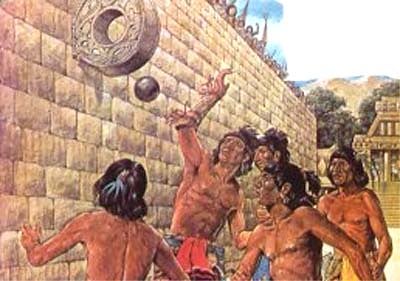
Picture basketball played in a stone court where scoring meant life or death — literally, in some ceremonial versions. The Mesoamerican rubber game used a solid rubber orb that players had to keep airborne using hips, forearms, and shoulders.
Getting it through the stone hoops mounted high on the court walls was so difficult that a successful shot could end the game instantly. The courts themselves were architectural marvels.
Sloped walls, precise angles, acoustic properties that amplified the sound of the rubber striking stone. This wasn’t casual recreation — it was a sacred theater with athletic skill at its center.
Kemari
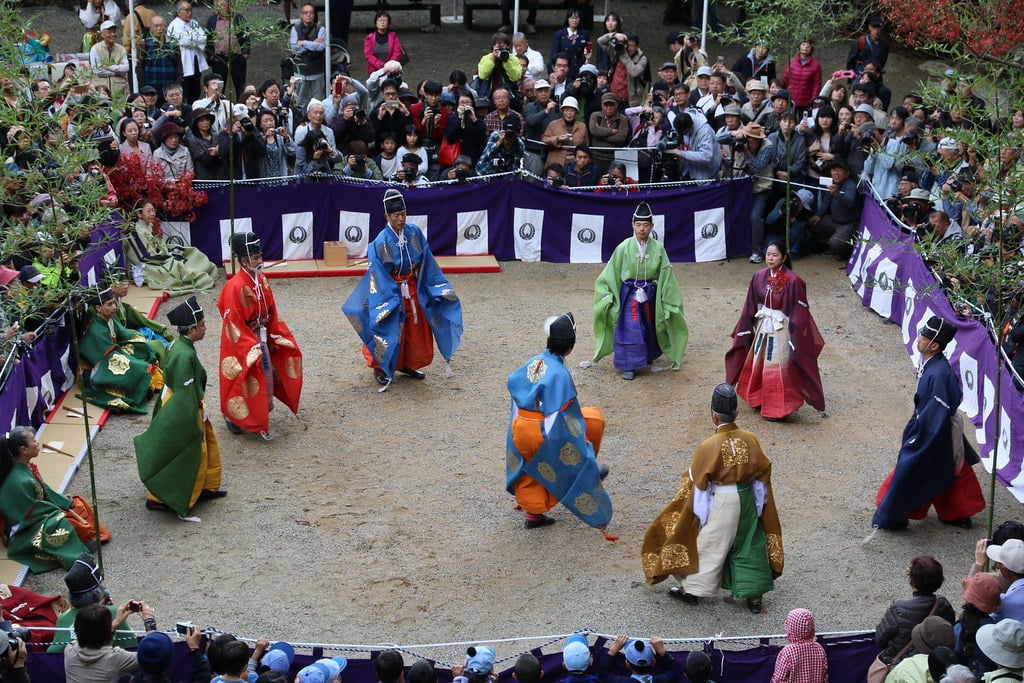
Japanese nobles in silk robes formed circles and kept a deerskin orb aloft using only their feet. No winners, no losers — just the meditative challenge of maintaining flight.
The goal was collective success rather than competitive dominance, which makes kemari almost unique among ancient athletic pursuits. Eight players. One objective.
The sphere must not touch the ground.
Pankration
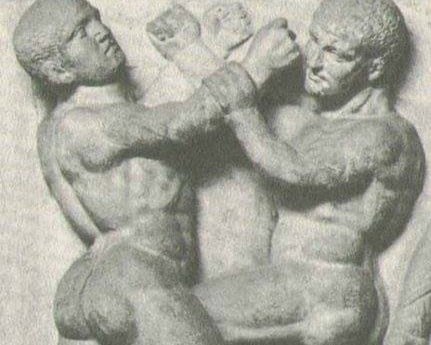
The Greeks created mixed martial arts 2,500 years before anyone called it that, combining wrestling and boxing into a contest where nearly everything was permitted (gouging eyes and biting were forbidden, but breaking bones was fair game). Pankration fighters needed the grappling skills to take opponents to the ground, the striking ability to finish them there, and the conditioning to outlast someone trying to do the same to them.
What’s remarkable is how closely ancient pankration matches modern MMA in its fundamental approach — the recognition that real fighting effectiveness requires competence in multiple ranges of combat, from standing strikes to ground control (and the Greeks figured this out through trial and error in an era when sports medicine meant rubbing olive oil on your bruises). The training methods were sophisticated too: fighters worked on flexibility, strength, and technique in ways that wouldn’t look out of place in a contemporary gym, though they did it all barefoot on sand rather than on mats.
And the psychological component was understood just as clearly then as now. Pankration required not just physical tools but mental toughness — the ability to stay calm while someone’s trying to choke you unconscious, to think tactically while absorbing punishment, to push through exhaustion when giving up would be easier.
So the Greeks were essentially developing the same warrior mindset that modern fighters cultivate, just without the benefit of sports psychology as a formal discipline.
Buzkashi
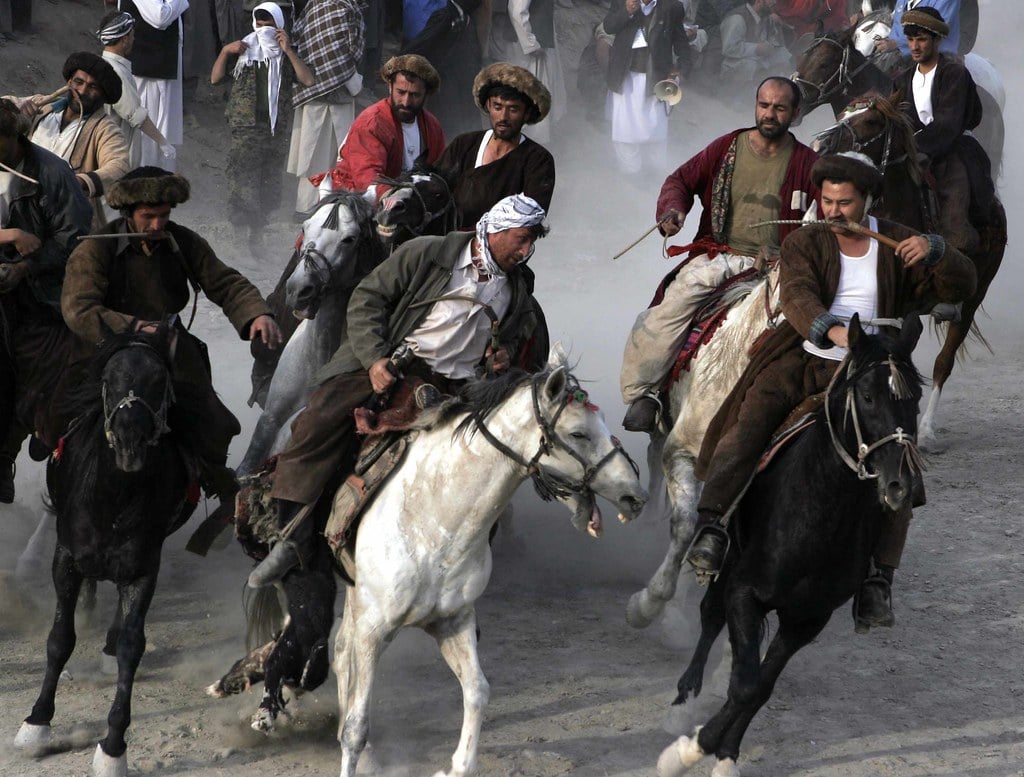
Central Asian horsemen grab a headless goat carcass and attempt to carry it to a scoring circle while dozens of other mounted riders try to wrestle it away. Buzkashi makes modern polo look like a gentle afternoon ride.
The horses are as important as the riders — specially trained to bite, kick, and shoulder other mounts while their human partners focus on securing the carcass. Games could last for days. Villages would be empty to watch.
The best players became folk heroes whose exploits were recounted for generations.
Chunkey
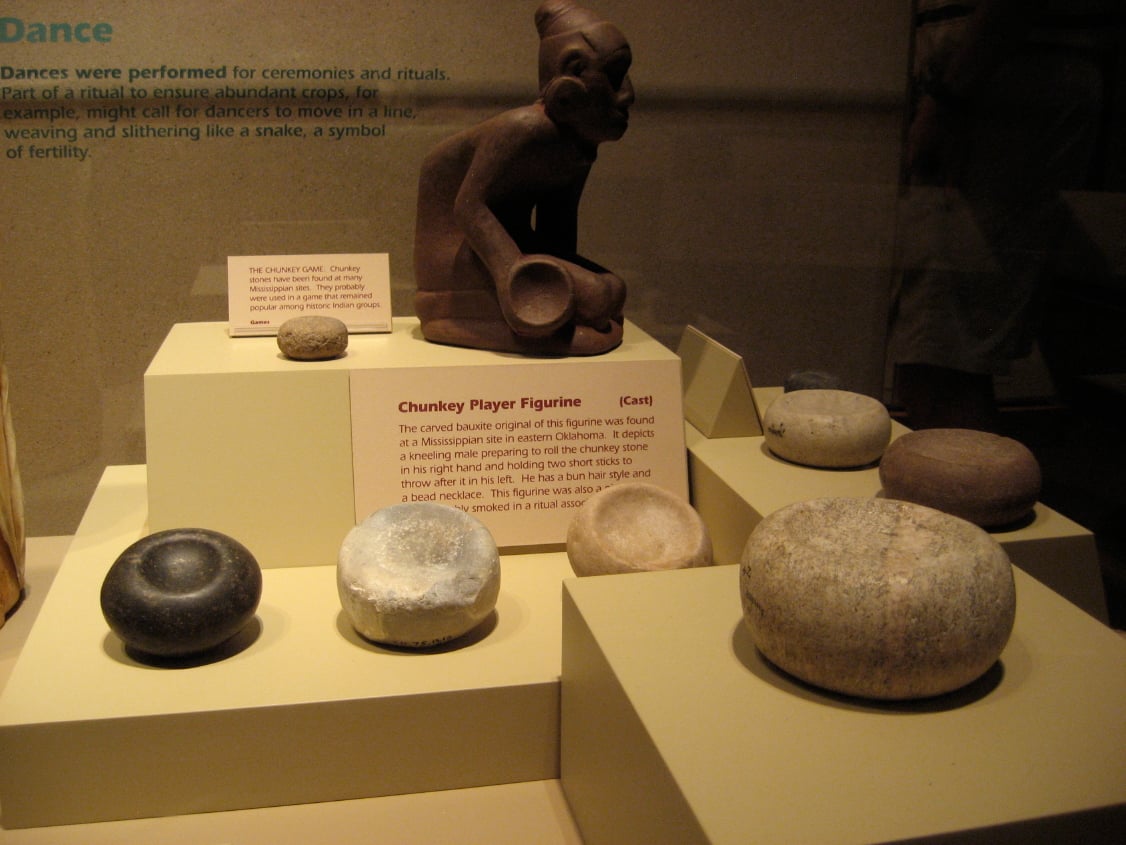
Native American tribes rolled stone discs across cleared fields while players hurled spears at where they predicted the disc would stop. Chunkey required understanding physics, reading terrain, and making split-second calculations about trajectory and timing.
Archaeological evidence shows chunkey grounds were maintained with the same care given to modern athletic facilities. The stones themselves were works of art — perfectly balanced, carefully shaped, passed down through generations of players.
This wasn’t a casual pastime but a serious athletic pursuit with its own equipment standards and playing techniques.
Knattleikr
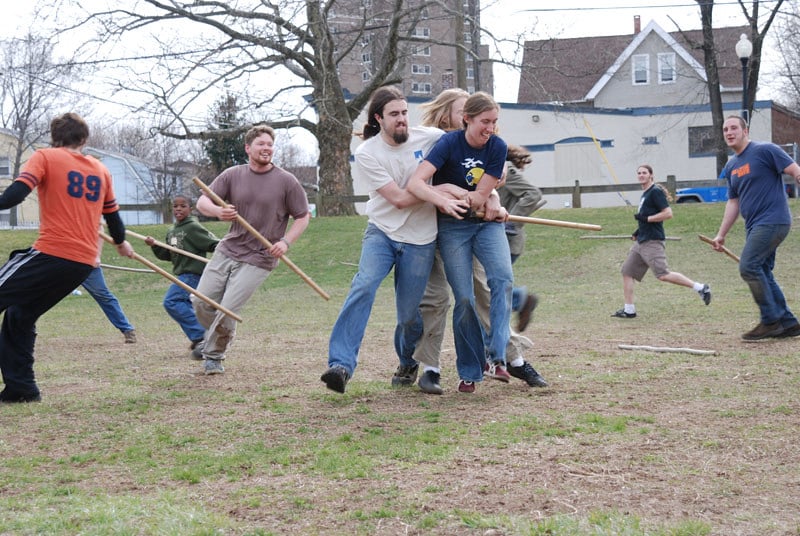
Icelandic sagas describe a winter game where teams wielding curved sticks battled over a hard object on frozen ground, and the descriptions read like hockey played without modern rules about checking and cross-checking (which is to say, considerably more violent than anything you’d see in today’s NHL). Players could apparently tackle, trip, and generally assault opponents in ways that would result in immediate ejection from contemporary ice hockey, but the fundamental challenge — controlling a sliding object with a stick while opponents try to take it away — remains identical.
What makes knattleikr particularly interesting is how it developed in isolation from other stick-and-orb games, suggesting that humans independently arrive at similar solutions when faced with winter conditions and the need for competitive entertainment (you can only tell stories around the fire for so many months before someone starts wondering what would happen if you tried to maneuver objects across the ice using wooden implements). The Icelandic version apparently involved considerable strategy too — teams would plan formations and coordinate attacks in ways that required genuine tactical thinking rather than just individual skill.
And the social function was crucial: knattleikr provided a way for young men to demonstrate courage and athletic ability during the long winter months when other forms of competition weren’t practical. The sagas treat skilled knattleikr players the same way they treat accomplished warriors, which tells you something about how seriously the culture took athletic excellence.
Pitz
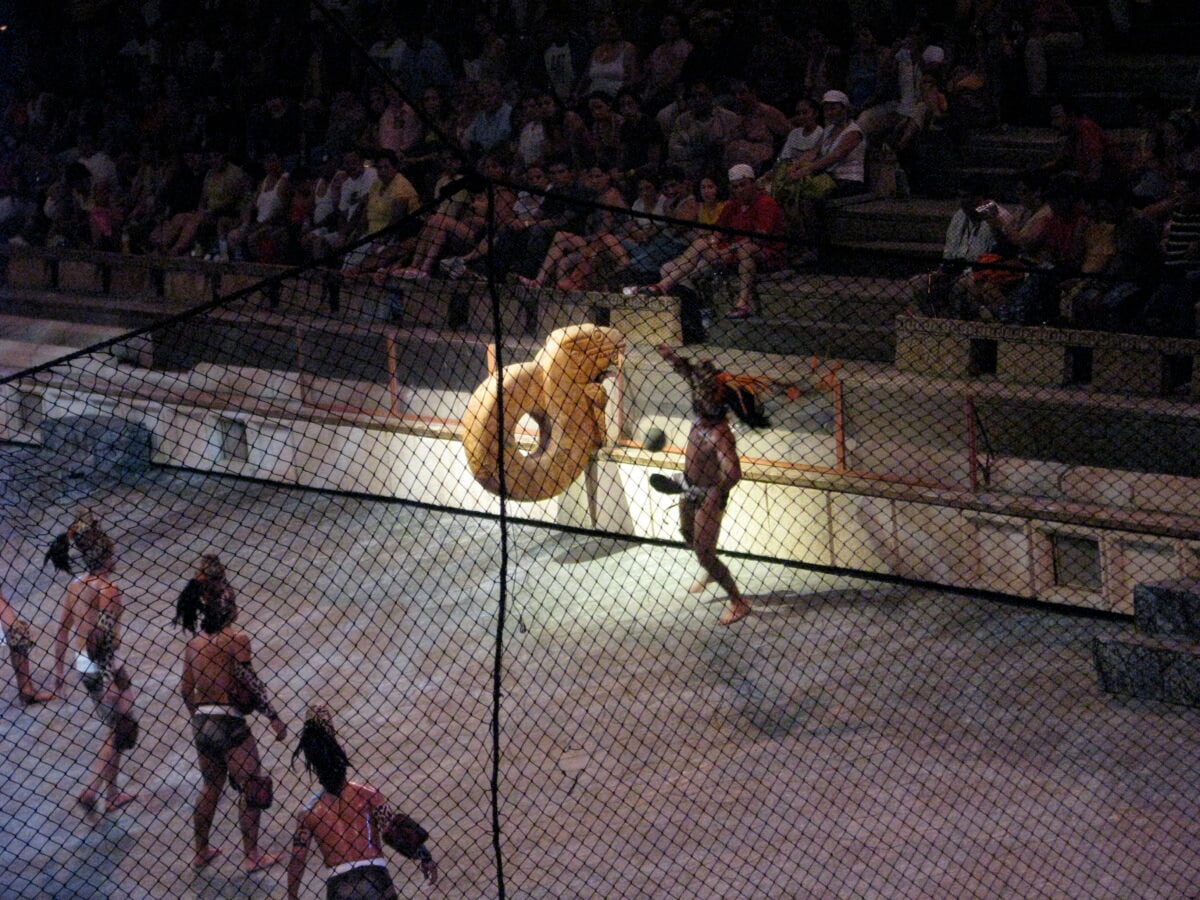
Mayan courts hosted a rubber game where players used hips and shoulders to keep a solid orb in motion, but the stakes extended far beyond athletic achievement. Winners gained prestige, valuable goods, and social advancement.
Losers faced consequences ranging from public humiliation to ritual sacrifice, depending on the ceremonial importance of the particular contest. The courts themselves were architectural statements — precisely angled walls, acoustic properties that carried the sound of rubber striking stone throughout the complex, viewing areas for spectators arranged according to social rank.
These weren’t just playing fields but sacred spaces where athletic skill intersected with religious belief.
Pahlevani
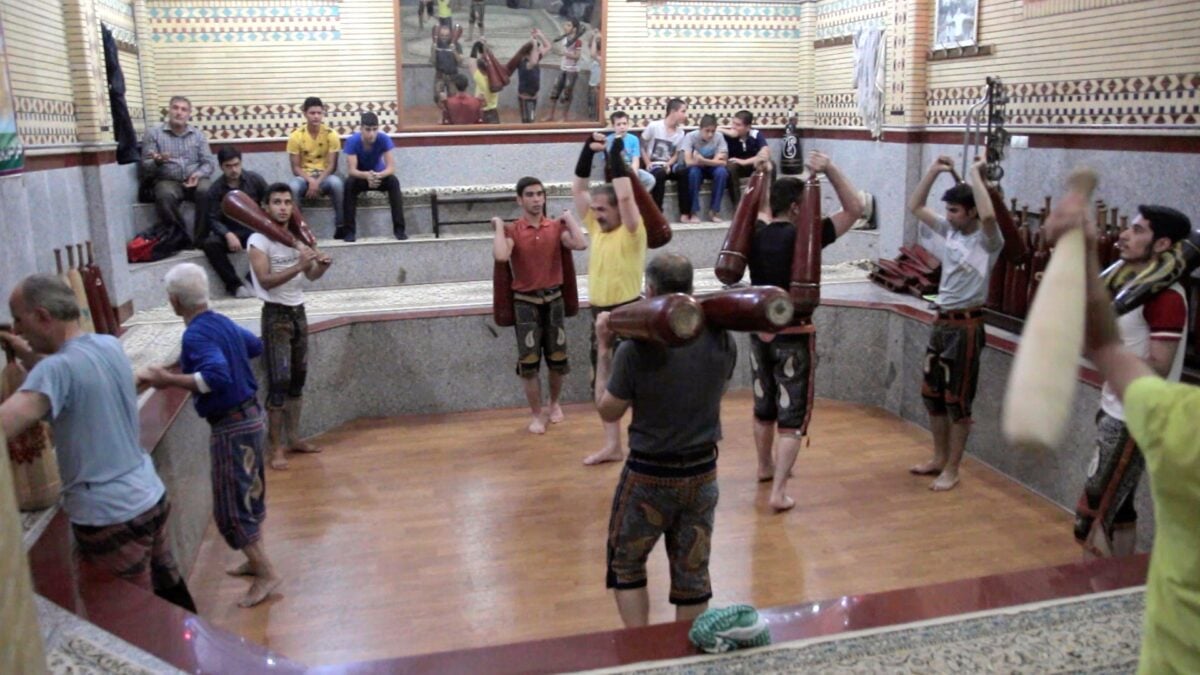
Persian wrestling combined with weight training using massive wooden clubs and metal shields created athletes who looked like they’d stepped out of epic poetry. Pahlevani practitioners trained in octagonal pits called zurkhaneh, performing ritualized exercises that built the strength and flexibility needed for wrestling competition.
The training was as much performance art as athletic preparation. Drummers provided rhythm.
Participants moved in unison, swinging weighted clubs in patterns that had been refined over centuries. The wrestling matches were almost secondary to the physical culture that surrounded them.
Mangala
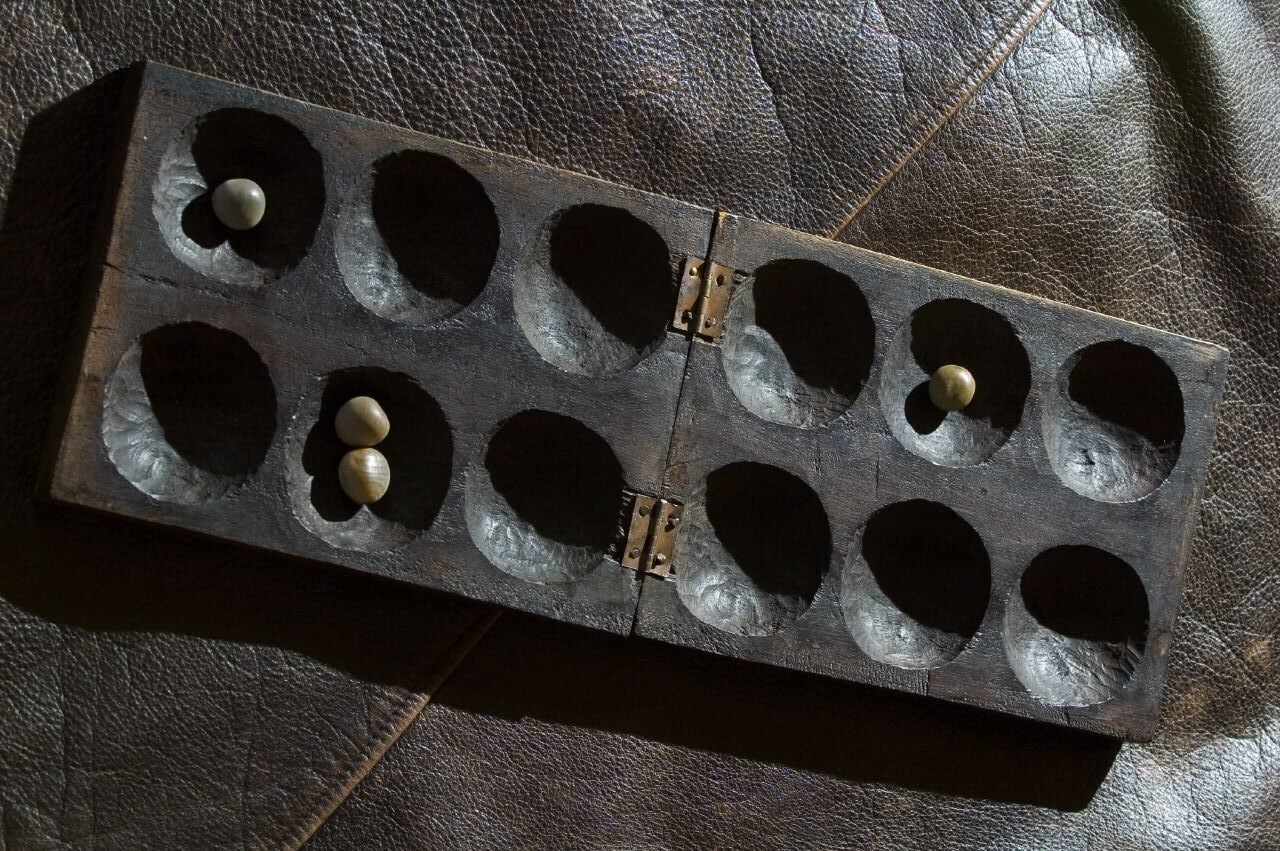
East African stone-and-pit games required players to think multiple moves ahead while managing limited resources, and the strategic depth rivals chess in its complexity (though the rules are completely different and the skill set required is more about calculating numerical relationships than recognizing patterns on a checkered board). Players would move stones between carved pits according to specific rules about capturing opponents’ pieces, and mastery required understanding not just immediate tactical opportunities but long-term positional advantages that might not pay off for dozens of moves.
But what’s fascinating about mangala is how it served as both entertainment and education — children learned basic mathematics through play, developing an intuitive understanding of addition, subtraction, and resource management that would serve them throughout their lives. And yet the game was sophisticated enough that adults could spend years mastering advanced strategies, creating a rare activity that remained engaging across all age groups and skill levels.
So you had the same rule set providing both elementary education and expert-level competition. The social aspect was just as important: mangala games brought together people who might not otherwise interact, creating opportunities for conversation, negotiation, and community building that went far beyond the game itself.
Which explains why variations of stone-and-pit games appeared independently across multiple African cultures — they served social functions that pure competition couldn’t fulfill.
Polo
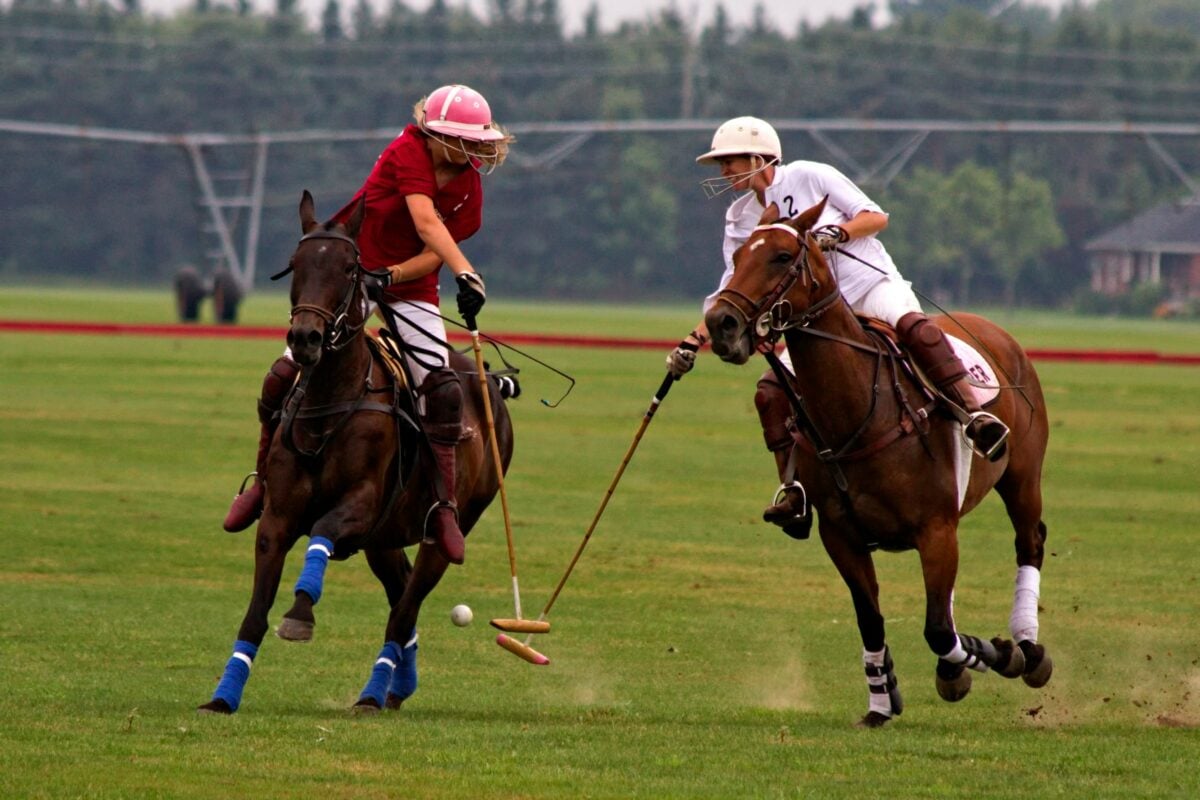
Persian cavalry officers needed training that would improve their horsemanship while maintaining the competitive edge essential for military effectiveness. So they developed a mounted game where teams used mallets to drive a small object toward goals, and the skills required — controlling a horse with your knees while wielding a weapon, spatial awareness at high speed, coordination with teammates — translated directly to battlefield success.
The horses were the real athletes. Polo ponies needed speed, agility, and the temperament to perform in crowded, chaotic conditions.
The best mounts were bred specifically for the game and trained as intensively as their human partners.
Calcio Storico
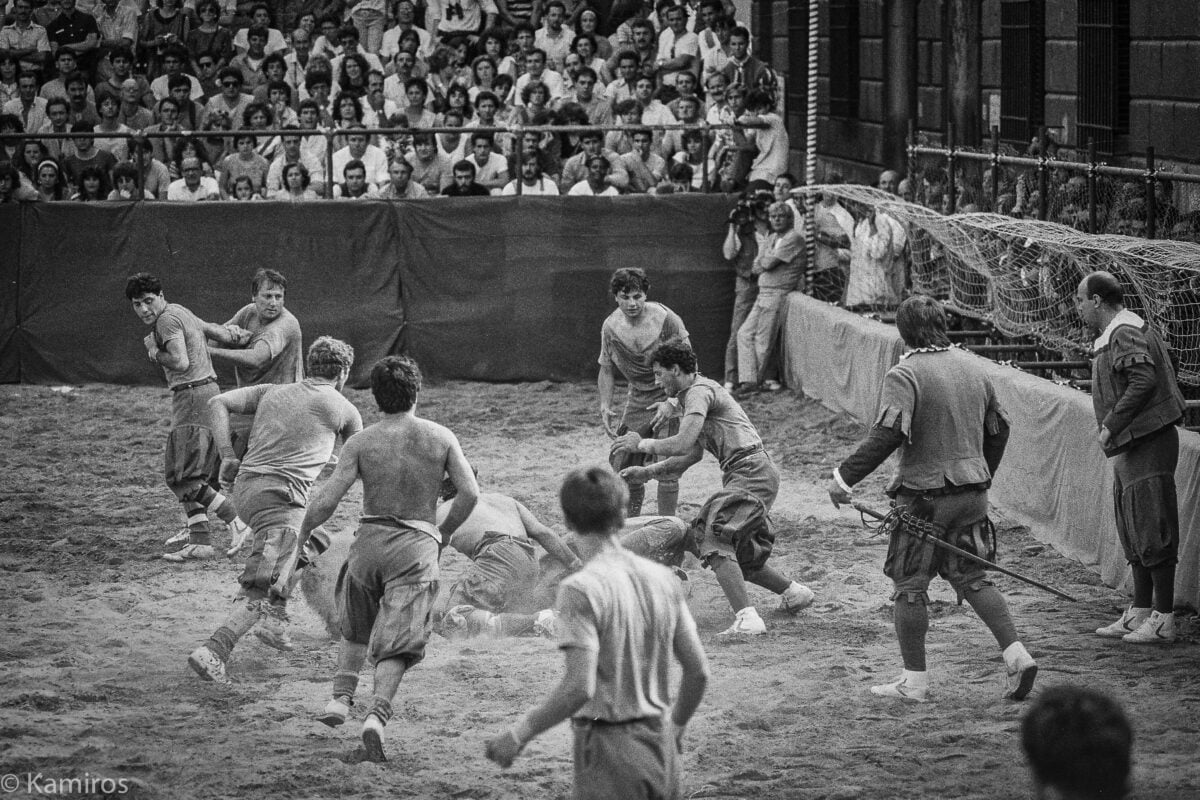
Sixteenth-century Florence created a game that combined soccer, rugby, and mixed martial arts into something that makes modern football look restrained (which is saying considerable, given how much concern exists today about concussions and player safety). Twenty-seven players per side would battle over a leather orb in a sand-covered piazza, and while the objective was to get the orb across the opposing goal line, the methods for achieving this included punching, wrestling, and generally assaulting anyone who stood in your way.
What’s remarkable is how organized the violence was — there were rules, referees, and specific techniques that players developed for both advancing the orb and incapacitating opponents, which meant that calcio storico required genuine athletic skill rather than just willingness to engage in mayhem (though willingness to engage in mayhem was certainly a prerequisite). The training was systematic too: teams would prepare for matches by practicing specific formations, coordinated attacks, and defensive strategies that anticipated what opponents might try.
And the social significance was enormous: calcio storico matches were major civic events that brought together different neighborhoods of Florence in ritualized competition that allowed for aggressive expression within controlled boundaries. The games provided a way for young men to prove themselves physically while serving the larger community function of reinforcing social bonds through shared spectacle.
Senet
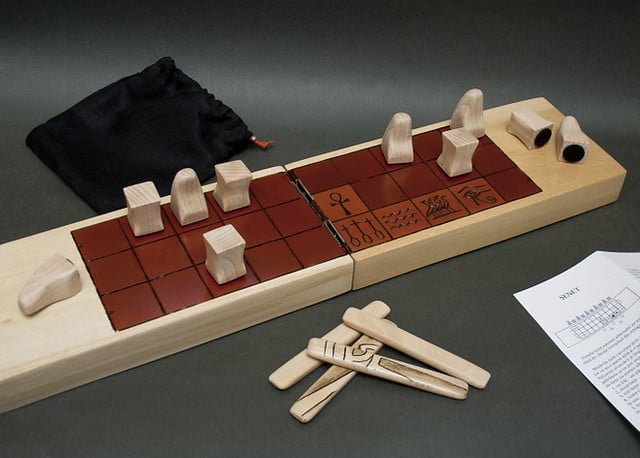
Egyptian tomb paintings show players moving pieces across marked boards according to rules that combined skill and chance, and archaeologists have found senet sets in burial sites ranging from common graves to royal tombs, suggesting the game appealed across all social levels. Players advanced pieces by casting sticks or knucklebones, but the movement patterns required strategic thinking about piece placement, blocking opponents, and managing risk versus reward in ways that anticipate modern board game design.
The religious significance was profound — senet wasn’t just entertainment but preparation for the afterlife, with the board representing the journey the soul would take after death. This meant that learning to play well had spiritual as well as recreational value, creating an activity where tactical skill served religious purposes.
Gladiatorial Combat
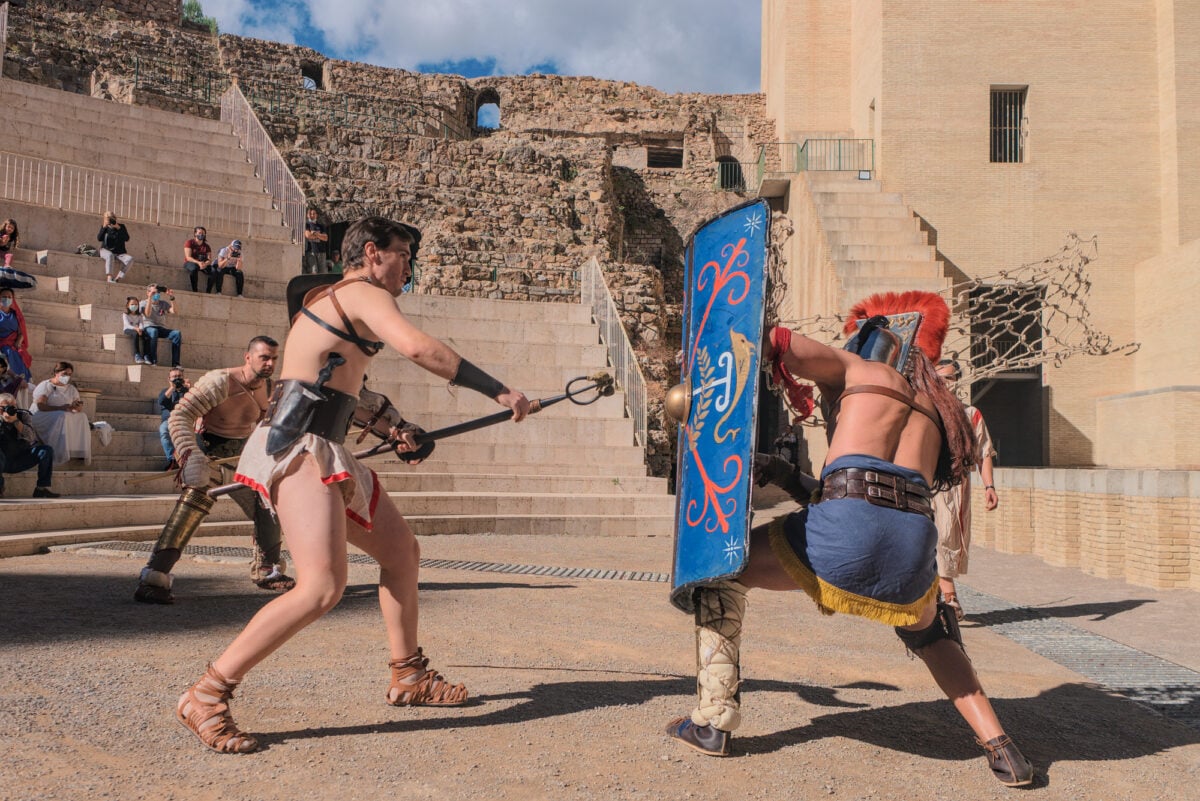
Roman arenas hosted professional athletes whose training, equipment, and competitive careers mirror modern prizefighting more closely than most people realize. Gladiators weren’t simply criminals thrown to wild animals but skilled fighters who specialized in specific combat styles, trained under professional instructors, and built followings among fans who tracked their records and wagered on their matches.
The training was sophisticated — gladiator schools employed doctors, nutritionists, and specialized trainers who understood how to build fighters capable of surviving in the arena. Different gladiator types required different physical attributes and fighting techniques, creating a system where athletic specialization was as important as raw courage.
Wrestling
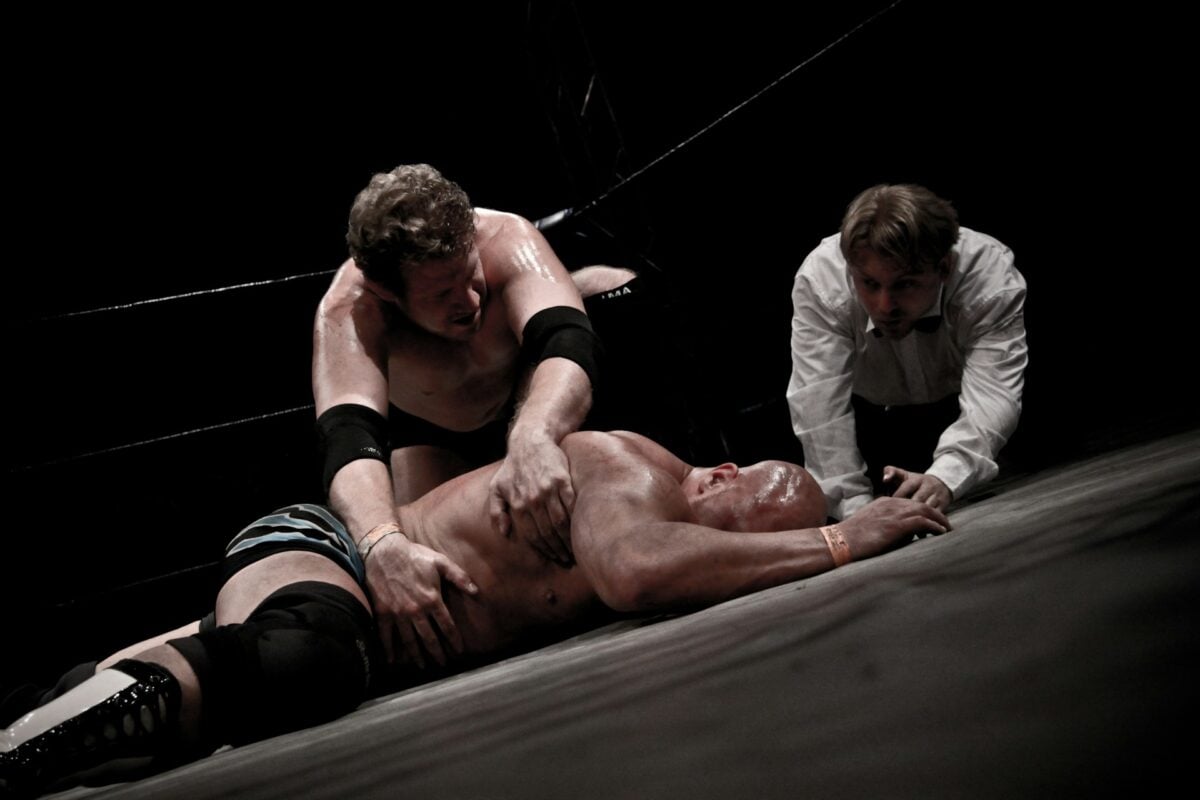
Every ancient civilization developed some form of grappling competition, and the fundamental techniques — throws, holds, ground control — remain essentially unchanged despite thousands of years of evolution. Sumerian art shows wrestlers using hip tosses that would be legal in today’s Olympic competition.
Egyptian tomb paintings depict grappling matches with referees and spectators arranged exactly as you’d expect at a modern tournament. The human body imposes the same constraints now as it did 4,000 years ago.
Leverage works the same way. Balance follows the same rules.
So wrestling techniques that were effective in ancient Mesopotamia remain effective today, creating an unbroken chain of athletic knowledge passed down through generations of competitors who refined but never fundamentally altered the basic approach to controlling an opponent through physical skill.
The Thread That Connects Them All

These ancient games survived because they tapped into something fundamental about human nature — the drive to test ourselves against others, to push physical and mental limits, to create meaning through competition. Modern sports haven’t replaced these ancient pursuits so much as refined them, adding technology and organization while preserving the essential challenges that made them compelling in the first place.
The real revelation isn’t that ancient people played games similar to ours, but that the games themselves reveal what hasn’t changed about being human. The need to run, jump, throw, and outwit opponents seems hardwired into our species.
Technology evolves, rules get refined, but the fundamental joy of athletic competition remains exactly what it was thousands of years ago.
More from Go2Tutors!

- The Romanov Crown Jewels and Their Tragic Fate
- 13 Historical Mysteries That Science Still Can’t Solve
- Famous Hoaxes That Fooled the World for Years
- 15 Child Stars with Tragic Adult Lives
- 16 Famous Jewelry Pieces in History
Like Go2Tutors’s content? Follow us on MSN.



