Bizarre Things Caught by Underwater Drones Lately
The ocean keeps its secrets close, but underwater drones have become surprisingly good at prying them loose. These remote-operated vehicles cruise through depths where human eyes have never looked, their cameras rolling continuously through alien landscapes of deep-sea trenches and forgotten shipwrecks.
Most of the time, they capture exactly what marine biologists expect to find — familiar fish species, predictable coral formations, the usual suspects of underwater life. And then there are the other times.
The footage that makes research teams pause the video, rewind, and stare at their screens in genuine bewilderment. The discoveries that don’t fit into any existing category, the sightings that challenge what anyone thought was possible thousands of feet below the surface.
Giant Underwater Crop Circles
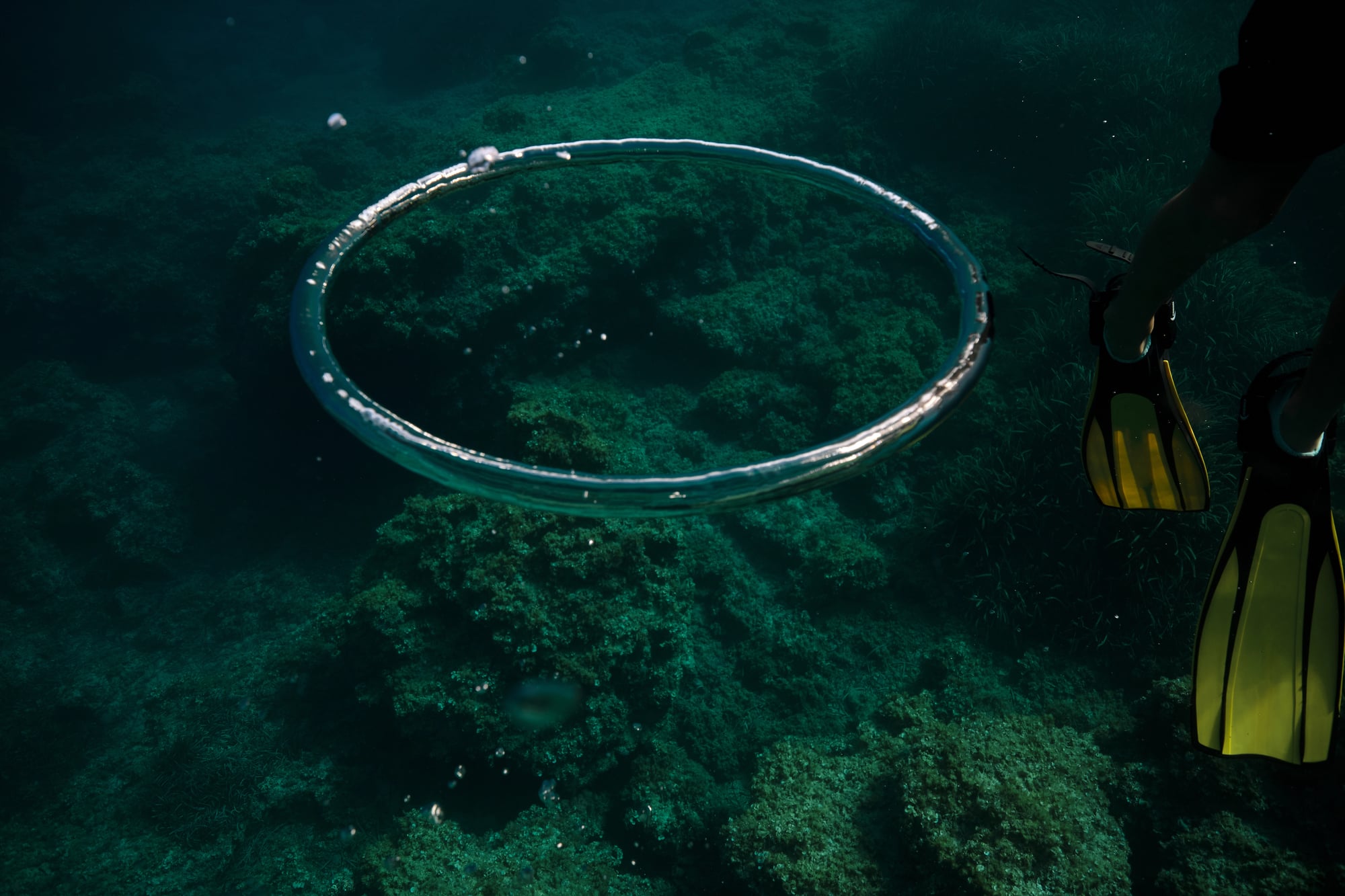
Perfect geometric patterns carved into the seafloor sound like something humans would create, but these formations appeared in areas no submarine has ever reached. The circles stretch up to seven feet across, with intricate ridges and valleys forming maze-like designs that would make any artist jealous.
Drones captured dozens of these masterpieces scattered across the ocean floor near Japan. The mystery lasted for years until researchers finally spotted the architect at work.
A tiny pufferfish, barely five inches long, was sculpting these elaborate patterns using nothing but its fins and an obsessive attention to detail.
Brine Lakes Under The Ocean
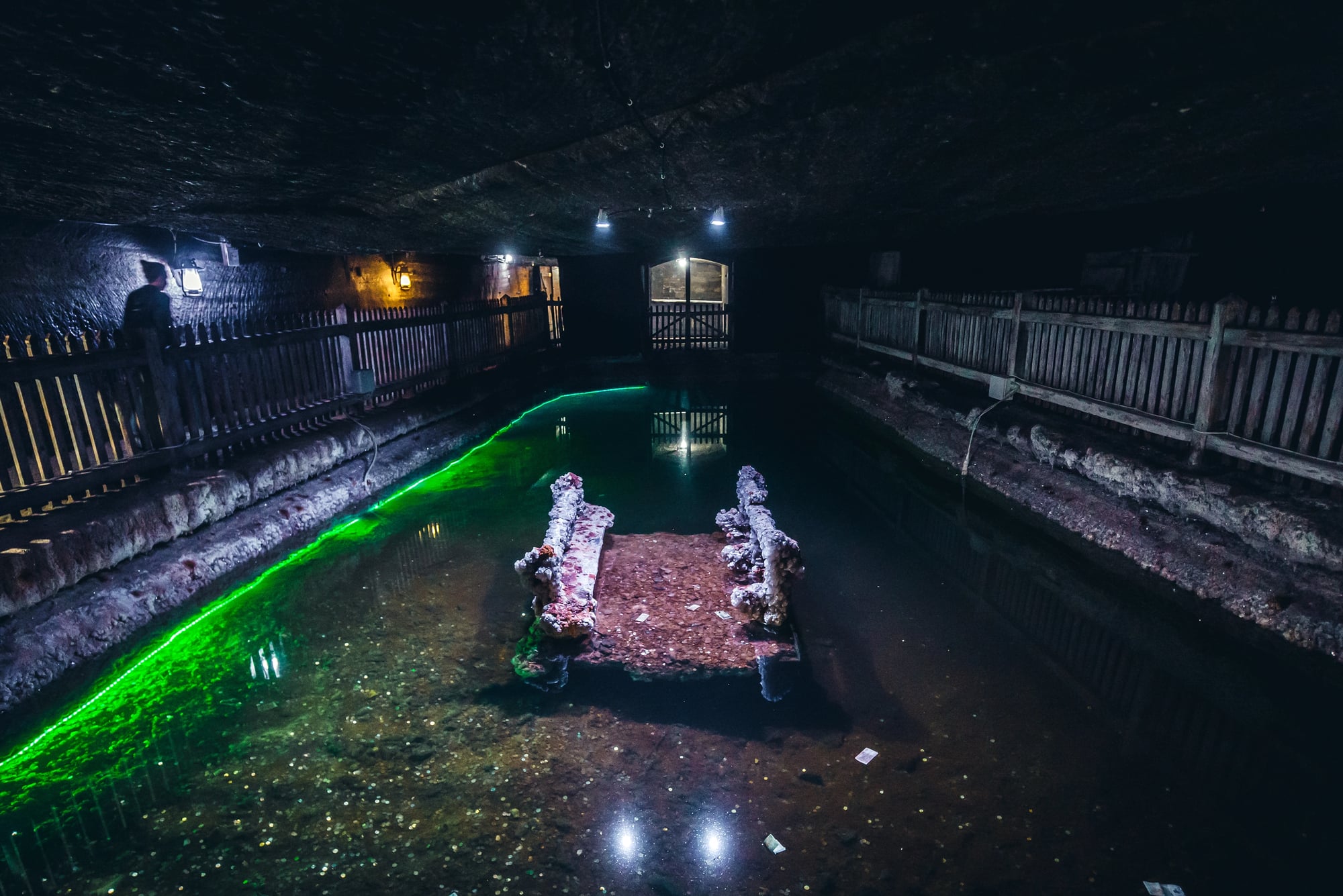
Walking along the shoreline of a lake is normal enough. Walking along the shoreline of a lake that sits at the bottom of the ocean crosses into territory that breaks most people’s understanding of how water works.
Yet underwater drones have documented these brine pools in multiple locations, complete with distinct shorelines where regular seawater meets water so dense with salt that it behaves like a separate liquid entirely. Fish swim up to the edge of these underwater lakes and stop, as if they’ve hit an invisible barrier.
Some creatures live exclusively along these bizarre shorelines, adapted to an environment that exists nowhere else on the planet.
Ancient Forests Still Standing

The Gulf of Mexico has yielded ancient cypress remains uncovered during geological surveys. While some specimens are thousands of years old and notably well-preserved by anaerobic conditions, claims of pristine 50,000-year-old cellular structure should be qualified with: ‘much older than previously documented, though the precise age and preservation state require ongoing scientific verification.
Underwater Rivers
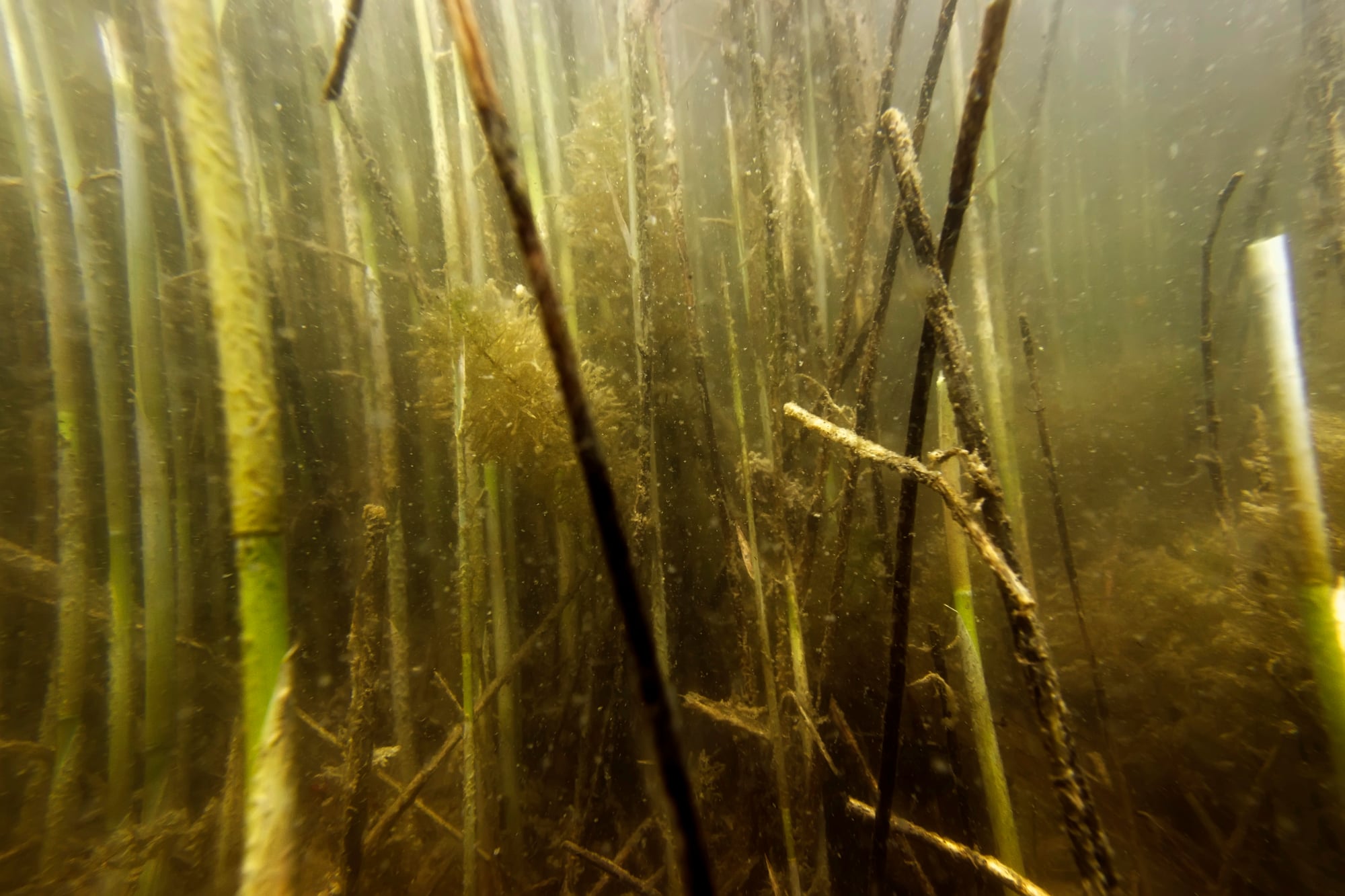
Rivers are supposed to flow on land, carrying fresh water toward the ocean in a arrangement that makes geographical sense. The cenotes of Mexico’s Yucatan Peninsula ignore this basic rule entirely, hosting underwater rivers that flow beneath the regular water with their own currents, their own banks, and their own completely separate ecosystem.
Drones navigating these underwater rivers capture footage that resembles flying through a landscape rather than swimming through water. The hydrogen sulfide layer creates a distinct visual barrier between the two water systems, forming an underwater riverbank that fish and other marine life treat as a genuine boundary.
Some species live exclusively in the upper layer, others only in the lower river, as if they inhabit entirely different worlds that happen to occupy the same physical space.
Ice Formations In Tropical Waters
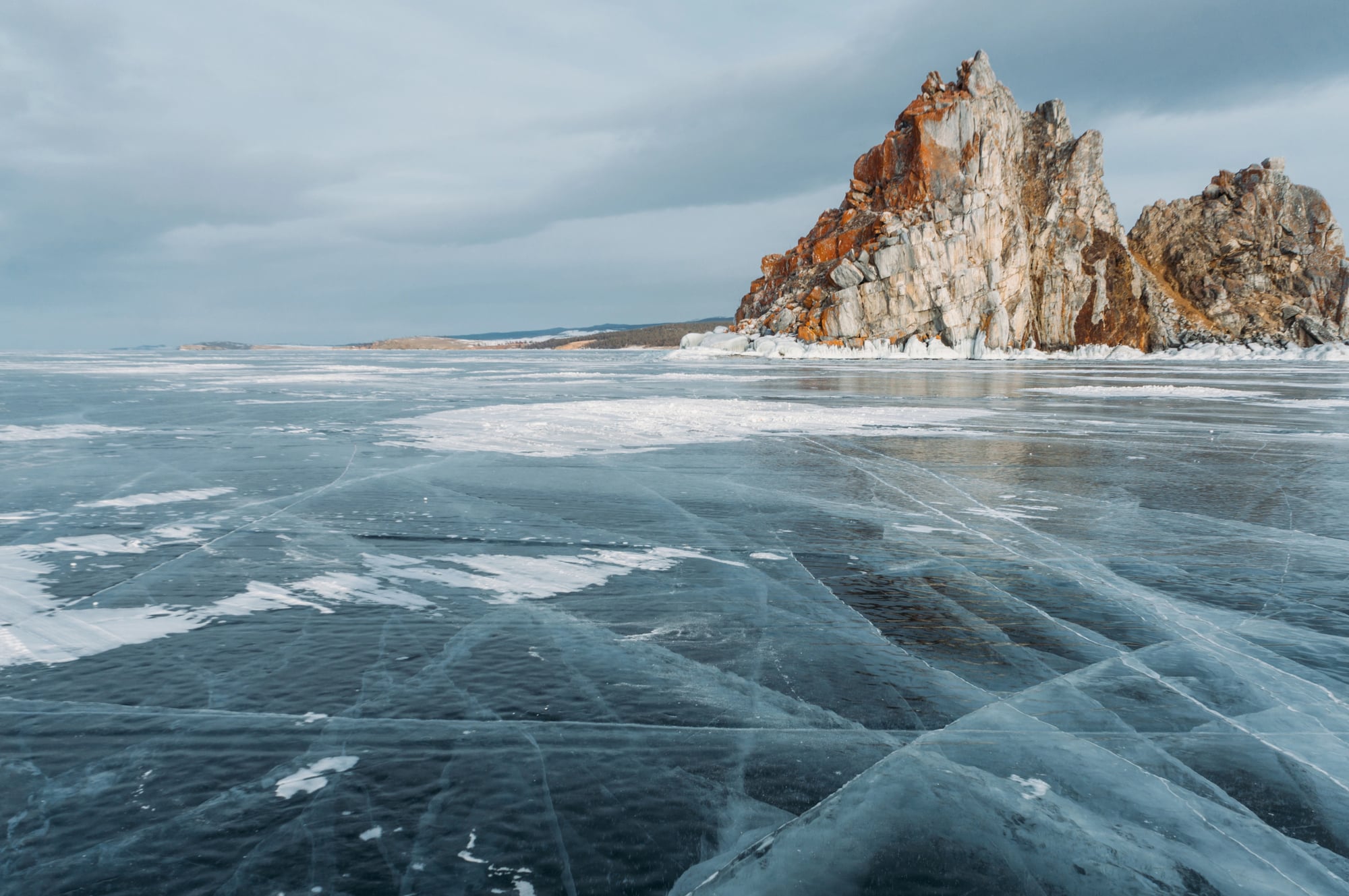
Ice has no business forming in the warm waters of the Gulf of Mexico, yet underwater drones have captured extensive footage of ice-like formations growing steadily across the seafloor in these tropical depths. The formations aren’t actually ice — they’re methane hydrates that crystallize under the specific pressure and temperature conditions found in deep water.
These structures grow into elaborate shapes that mimic frozen waterfalls, ice caves, and crystalline gardens. Marine life treats them exactly like coral reefs, with fish darting between the crystal formations and creatures making homes in the crevices.
Glass Sponge Reefs Larger Than Cities
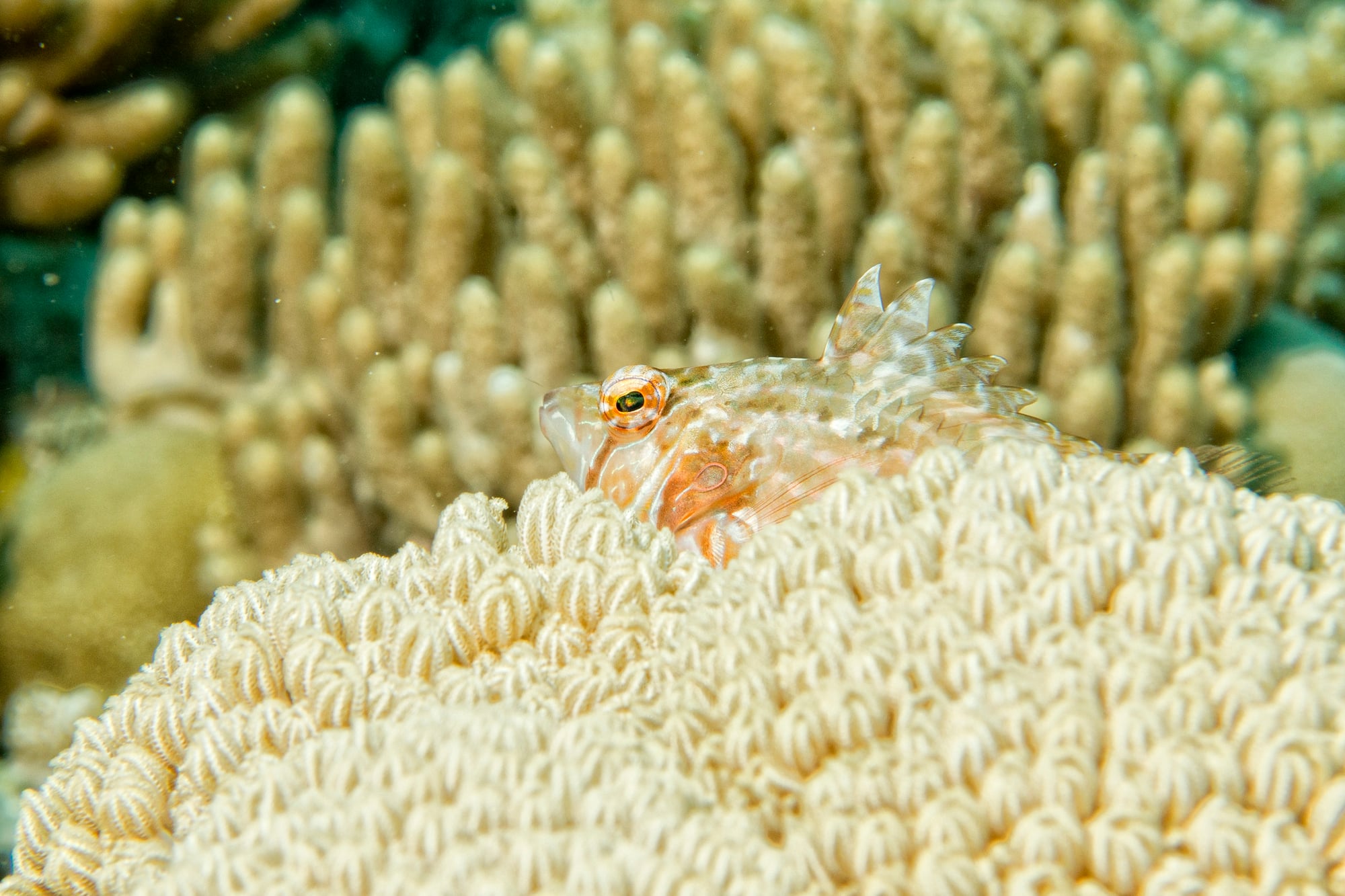
Most people picture reefs as colorful coral formations in shallow tropical waters. The glass sponge reefs off the coast of British Columbia exist in a different universe entirely — massive structures built from creatures that look more like alien architecture than anything biological, growing in cold, dark water where coral would never survive.
These reefs stretch for miles, some larger than Manhattan, constructed entirely from sponges that can live for thousands of years. The individual sponges grow into elaborate glass-like structures that filter water through intricate internal channels, creating reef systems that dwarf most coral formations while remaining completely invisible from the surface.
Drones revealed reef complexes that had been growing undisturbed for millennia, supporting ecosystems that exist nowhere else on the planet.
Perfectly Spherical Rocks
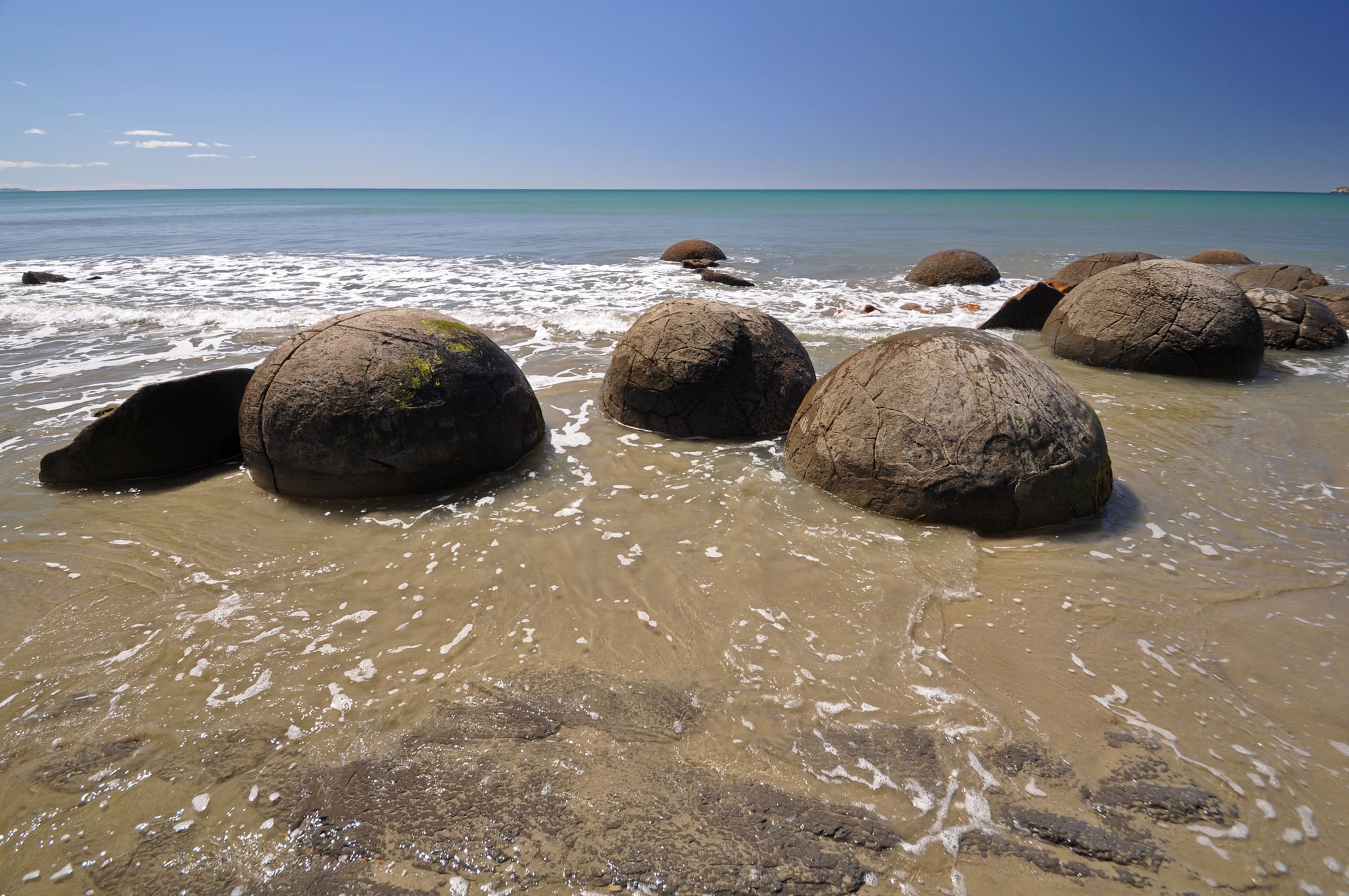
Rocks don’t typically form in perfect spheres, which makes the underwater boulder fields discovered off the coast of New Zealand particularly puzzling. These formations look like someone scattered enormous bowling orbs across the seafloor — perfectly round stones ranging from a few feet to several meters in diameter, sitting in organized clusters that defy geological explanation.
The spherical rocks form through a process called concretion, where minerals gradually accumulate around a central core over millions of years. But the mathematical precision of these formations and their organized distribution across specific areas of the seafloor creates patterns that seem too deliberate for natural processes.
Underwater Icicles That Kill Everything
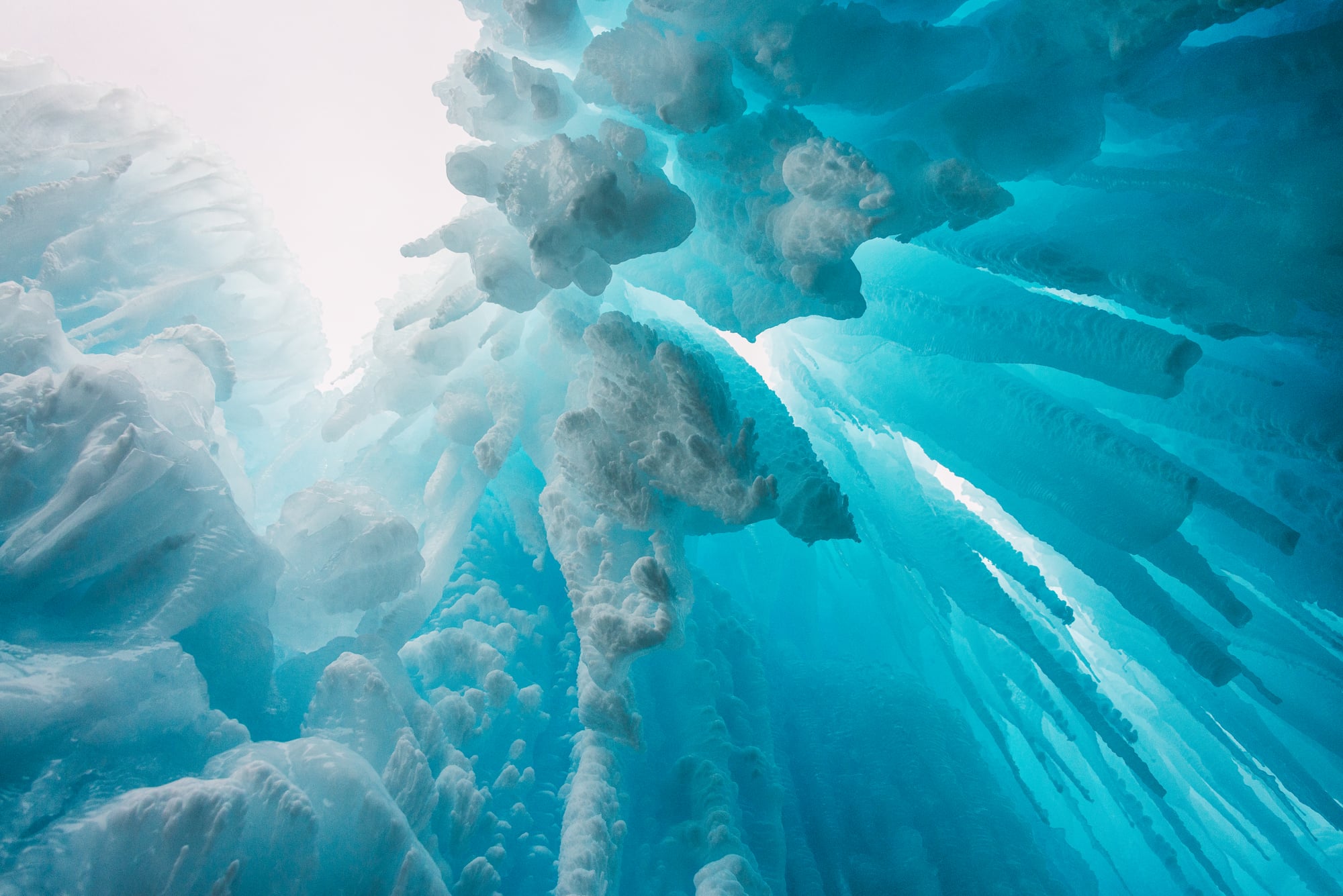
The Ross Sea produces formations called brinicles — underwater icicles that form when extremely cold, salt-dense water sinks toward the seafloor and freezes everything in its path. Drones have captured footage of these ice fingers descending slowly through the water column like frozen lightning bolts, creating trails of destruction that kill any marine life unfortunate enough to be caught in their path.
The brinicle creates its own ice tunnel as it descends, and anything that can’t move fast enough — sea urchins, starfish, other bottom-dwelling creatures — becomes encased in ice. The formations look like something from a science fiction movie, but they’re entirely natural phenomena that occur when polar conditions create the perfect storm of temperature and salinity.
Shipwrecks Turned Into Reefs
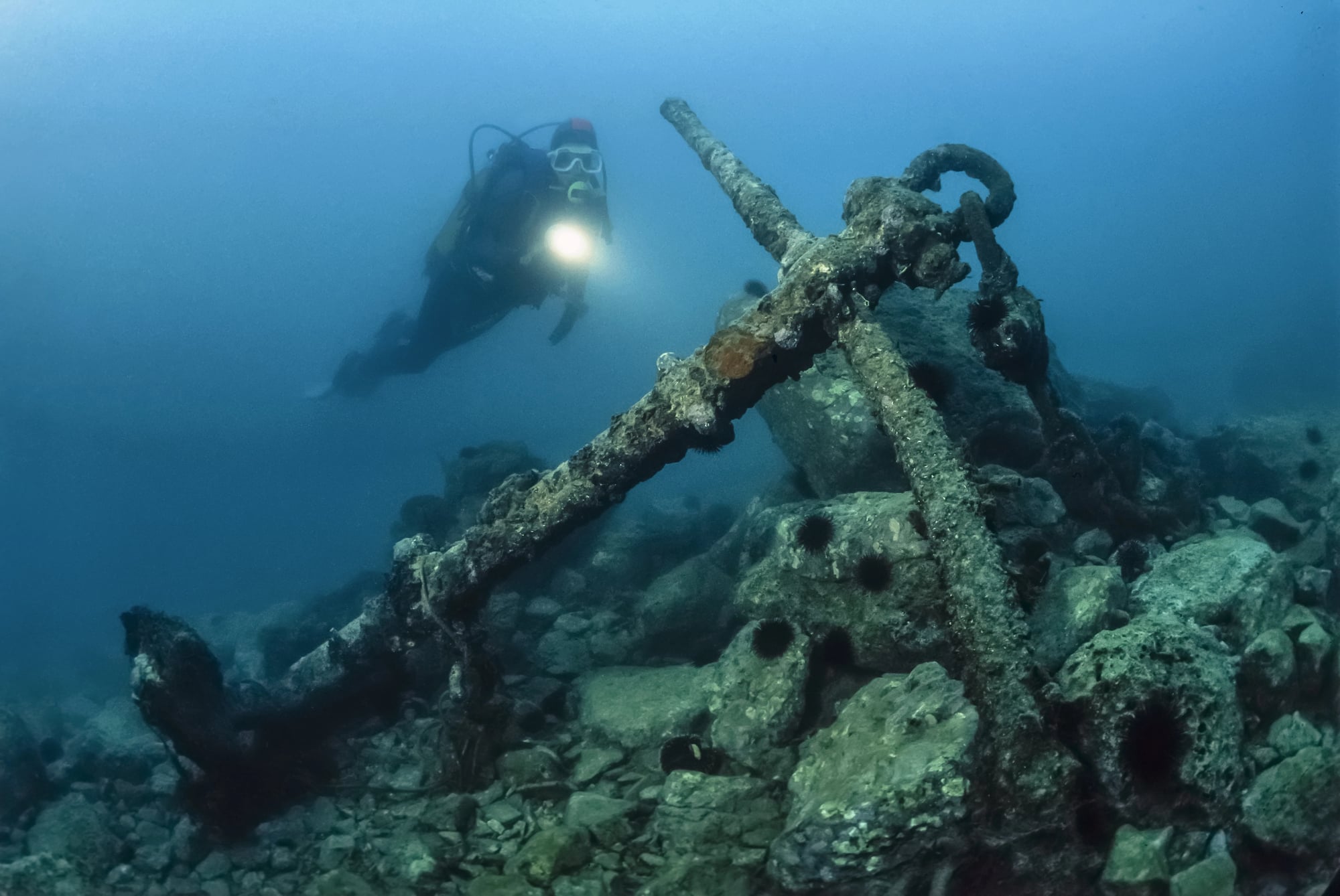
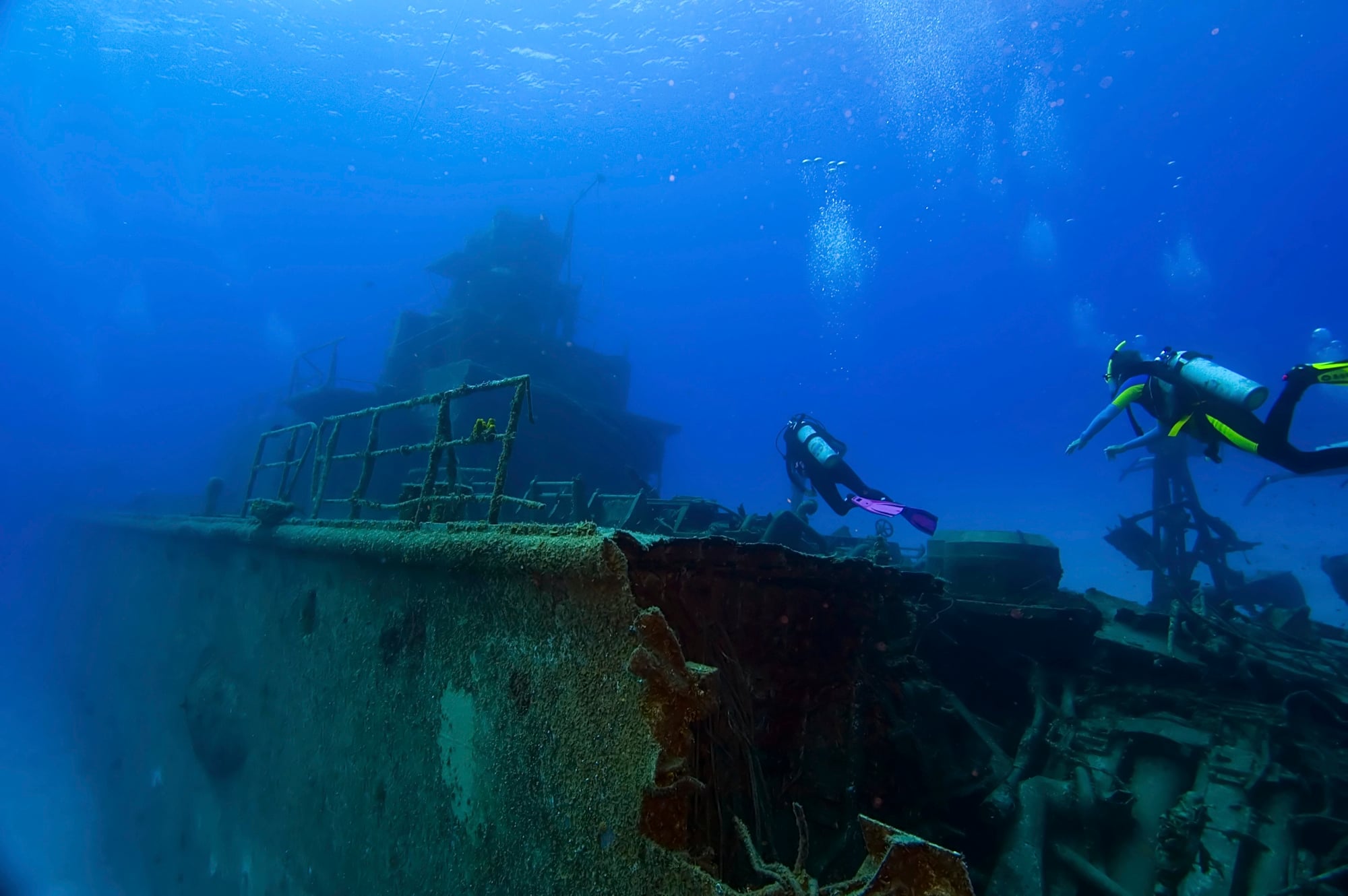
Finding old shipwrecks on the ocean floor qualifies as interesting but not particularly bizarre. Finding shipwrecks that have transformed into thriving reef ecosystems that support marine life better than many natural formations crosses into genuinely unexpected territory.
These artificial reefs develop their own unique characteristics, with the ship’s structure creating habitats that don’t exist in nature. The most striking discoveries involve ships where the original metal framework has become completely integrated with coral growth and marine life.
Drones capture footage of ships where you can still identify the original structure, but every surface has become home to creatures that have adapted specifically to the unique environment created by the wreck.
Underwater Tornadoes
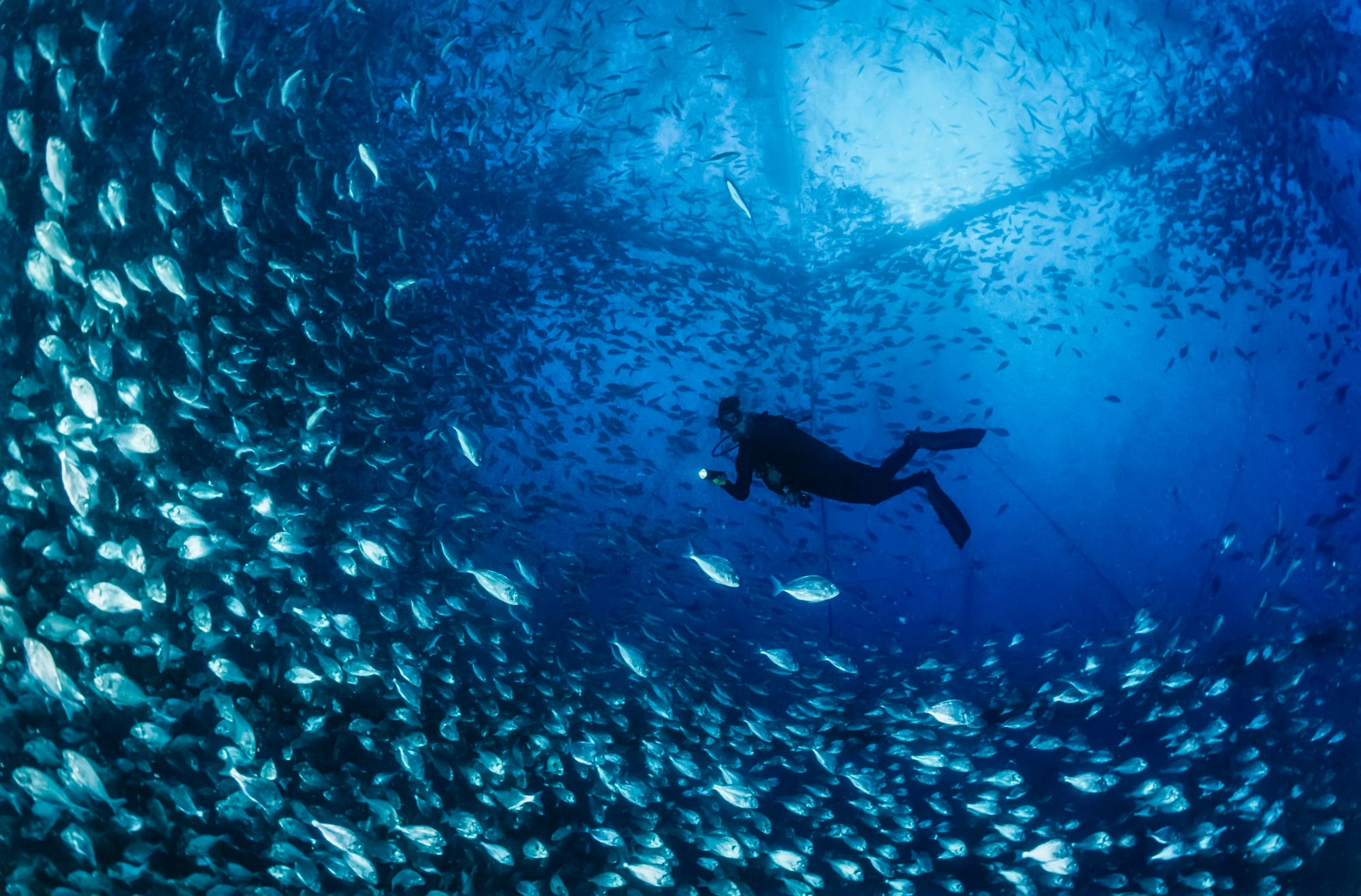
Tornadoes belong in the atmosphere, not at the bottom of the ocean, yet underwater drones have documented whirlpool formations that behave exactly like their atmospheric counterparts. These underwater vortices form when different water masses with varying temperatures and densities collide, creating spinning columns of water that can reach significant heights and move across the seafloor.
The underwater tornadoes pick up sediment, small marine life, and debris as they move, creating swirling columns visible to drone cameras. Some formations persist for extended periods, carving paths across the ocean floor and creating temporary underwater weather systems that affect local marine ecosystems.
Living Rocks That Move
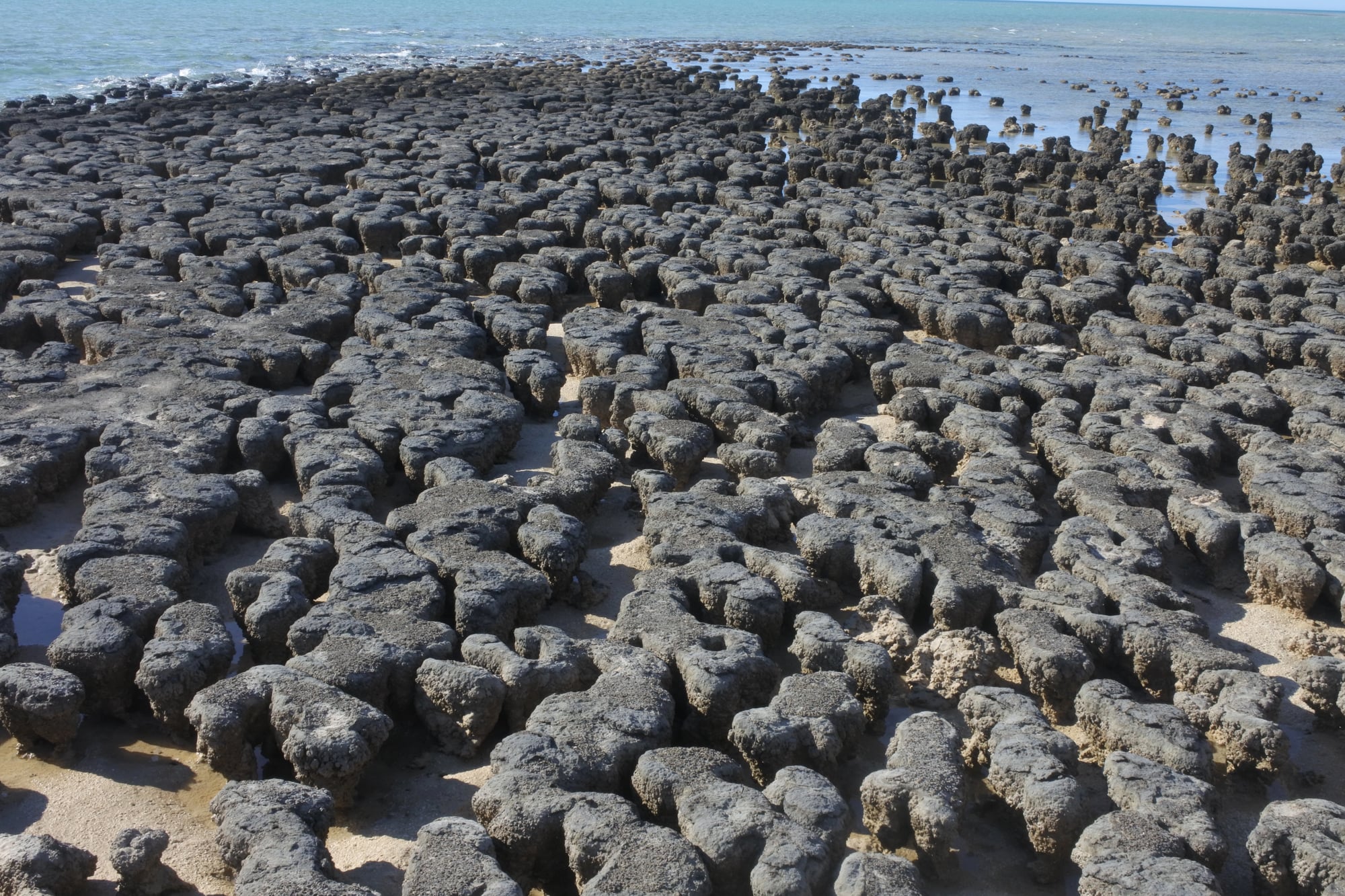
Rocks are supposed to stay where geological processes put them, not relocate themselves across the seafloor when nobody’s watching. Yet drone footage has captured extensive evidence of rocks that appear to move on their own, leaving trails across the sediment that suggest deliberate migration patterns rather than random displacement by currents.
The moving rocks turn out to be completely covered in marine life — sponges, corals, and other creatures that have colonized the stone surfaces so completely that the original rock becomes invisible. The combined ecosystem creates enough water movement through feeding and other biological processes to actually propel the entire formation across the seafloor, turning static geological features into slow-moving biological vehicles.
Massive Underwater Avalanches
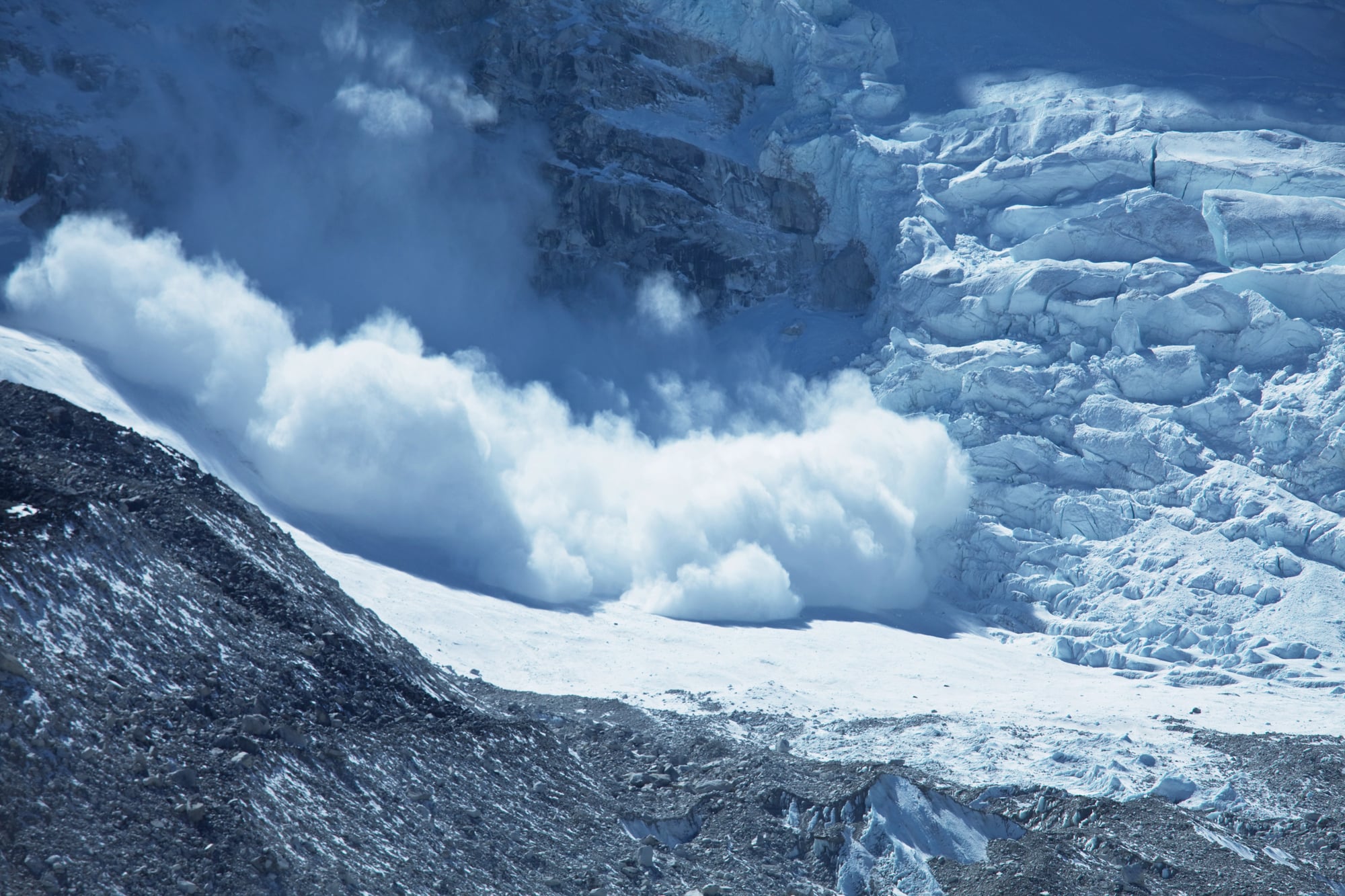
Avalanches typically involve snow cascading down mountainsides, not sediment thundering across the ocean floor in formations large enough to bury entire underwater mountain ranges. Submarine avalanches occur when underwater slopes become unstable and release enormous amounts of sediment that flows across the seafloor like liquid concrete.
Drones have captured the aftermath of these events — vast areas where the entire underwater landscape has been reshaped by sediment flows that moved billions of tons of material in a matter of hours. The formations create entirely new seafloor topography, burying existing ecosystems while creating new habitats that marine life gradually colonizes.
Ancient Underwater Highways
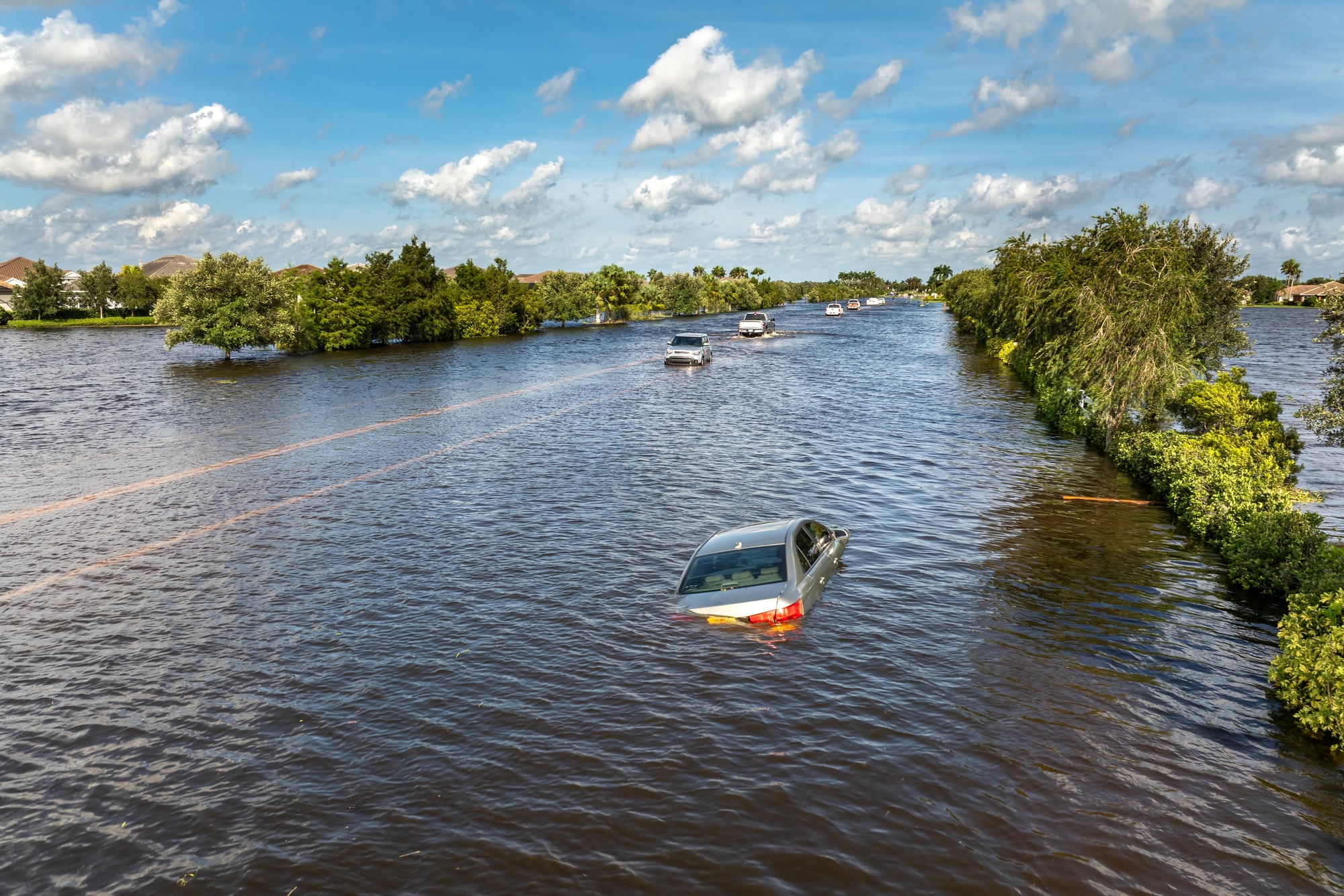
Straight lines don’t occur naturally on the seafloor, which makes the linear formations discovered by underwater drones particularly intriguing. These underwater pathways stretch for miles in perfectly straight lines, cutting across varied underwater terrain as if someone had planned and constructed them for transportation purposes.
The formations appear to be natural geological features created by specific types of underwater currents or sediment flows, but their geometric precision and apparent purposefulness create patterns that look distinctly artificial. Some pathways intersect with others, creating underwater networks that resemble transportation systems designed by an intelligence that understood underwater geography better than any human engineer.
The Deep Keeps Revealing Its Hand
Each strange discovery captured by underwater drones serves as a reminder that the ocean floor remains largely unexplored territory. These bizarre findings represent only what happens to cross the path of the limited number of drones currently documenting deep-sea environments.
The formations, creatures, and phenomena that exist beyond the reach of current technology likely make these discoveries seem ordinary by comparison. The pattern emerging from recent drone footage suggests that the deep ocean operates according to rules that don’t apply anywhere else on the planet.
Each expedition brings back evidence of processes, ecosystems, and formations that challenge existing understanding of what’s possible in underwater environments. The truly bizarre may turn out to be entirely normal once humans develop a better understanding of how the deep ocean actually works.
More from Go2Tutors!

- The Romanov Crown Jewels and Their Tragic Fate
- 13 Historical Mysteries That Science Still Can’t Solve
- Famous Hoaxes That Fooled the World for Years
- 15 Child Stars with Tragic Adult Lives
- 16 Famous Jewelry Pieces in History
Like Go2Tutors’s content? Follow us on MSN.