16 Animal Attacks That Made Global News
Animal attacks frequently make the news, particularly when they are unusual, unexpected, or fatal. These incidents have the potential to shock the public and cast doubt on our perceptions of our true proximity to nature. Animals will sometimes lash out out of pure instinct, and other times they will do so out of stress or desperation. For whatever reason, these sixteen cases triggered global discussions in addition to having an impact on individuals.
These 16 animal attacks shocked the world and made people reevaluate how they interact with nature.
Wolves of Hazaribagh
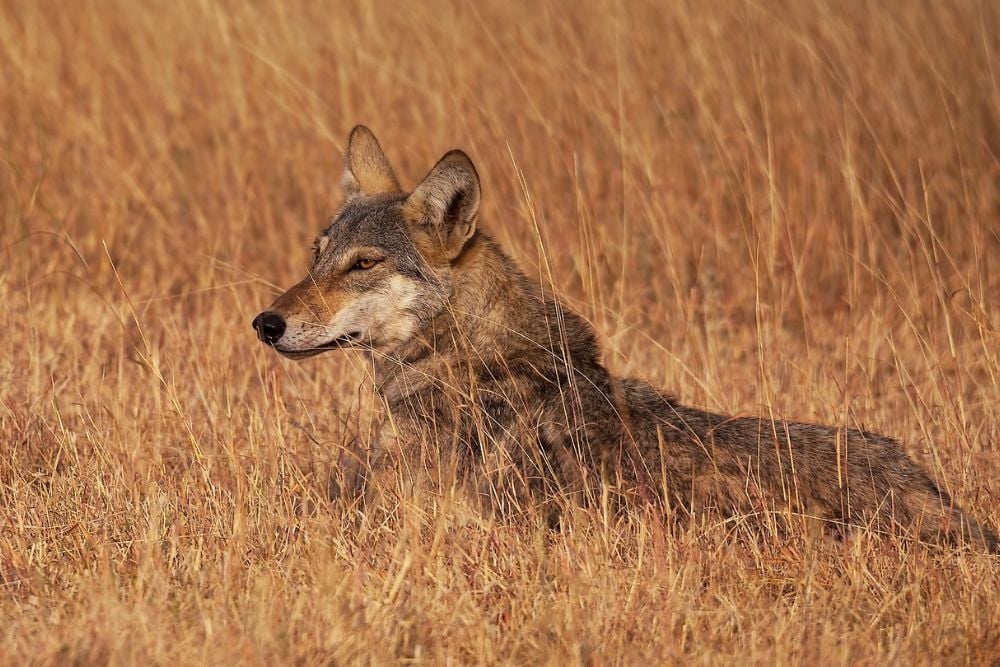
Between 1981 and 1995, wolves in Hazaribagh, India, began targeting children in rural villages. The animals would creep into fields or garbage dumps, grabbing young victims while their families worked nearby.
Many believe the wolves had adapted to hunt humans after being drawn in by food waste and human activity. Entire communities stayed indoors for months, and government officials eventually intervened to stop the attacks.
Champawat Tigress
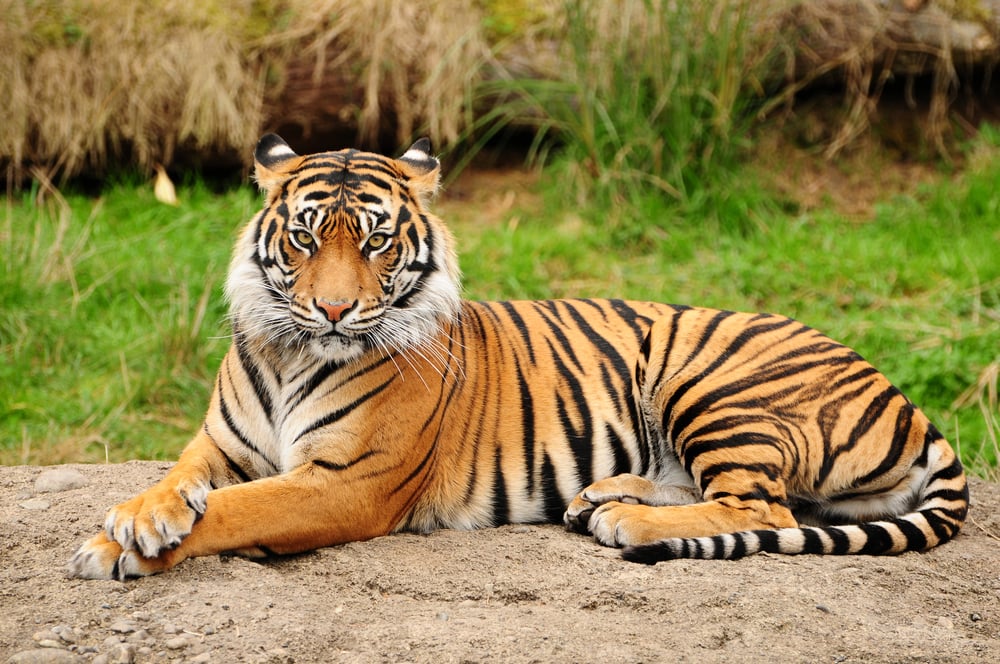
The Champawat tigress is believed to have killed over 430 people, making her one of the deadliest animals in recorded history. She started in Nepal and later moved into India, where she continued attacking villages.
A gunshot wound to her jaw made it difficult to hunt normal prey, forcing her to turn to easier targets. Jim Corbett, a British-Indian hunter, finally tracked and killed her in 1907, ending a reign of terror that lasted years.
Like Go2Tutors’s content? Follow us on MSN.
Tsavo Man-Eaters
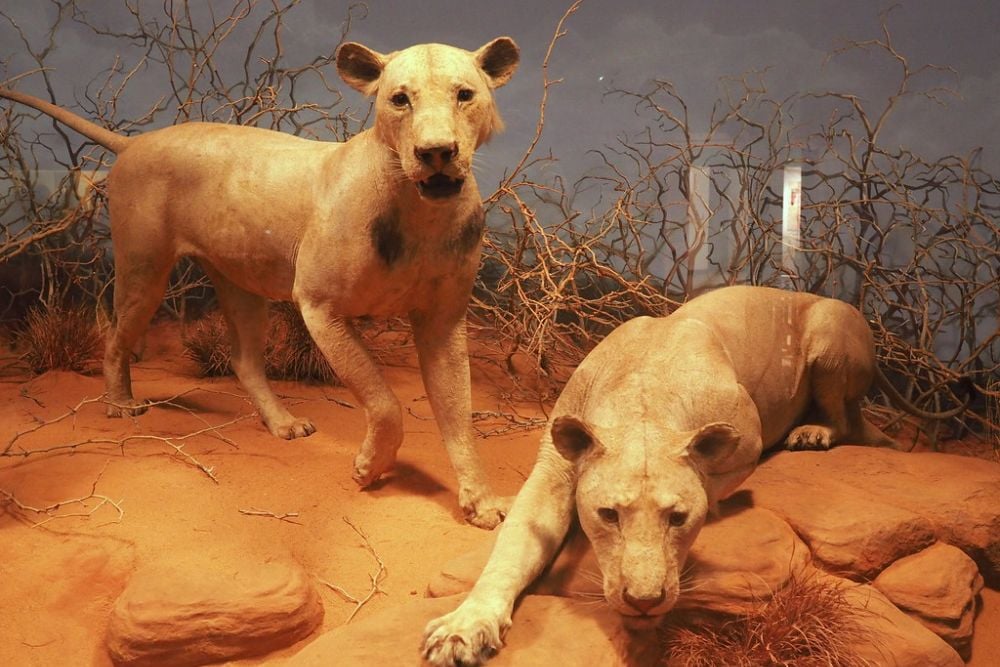
In 1898, two lions repeatedly attacked workers constructing a railway bridge in Kenya. Dozens of men were dragged from tents at night, creating widespread panic among the laborers.
Construction halted while efforts to stop the lions intensified. Hunter John Patterson eventually killed both animals and later wrote a book about the ordeal, which became the basis for a feature film and museum exhibits.
Sankebetsu Brown Bear Incident
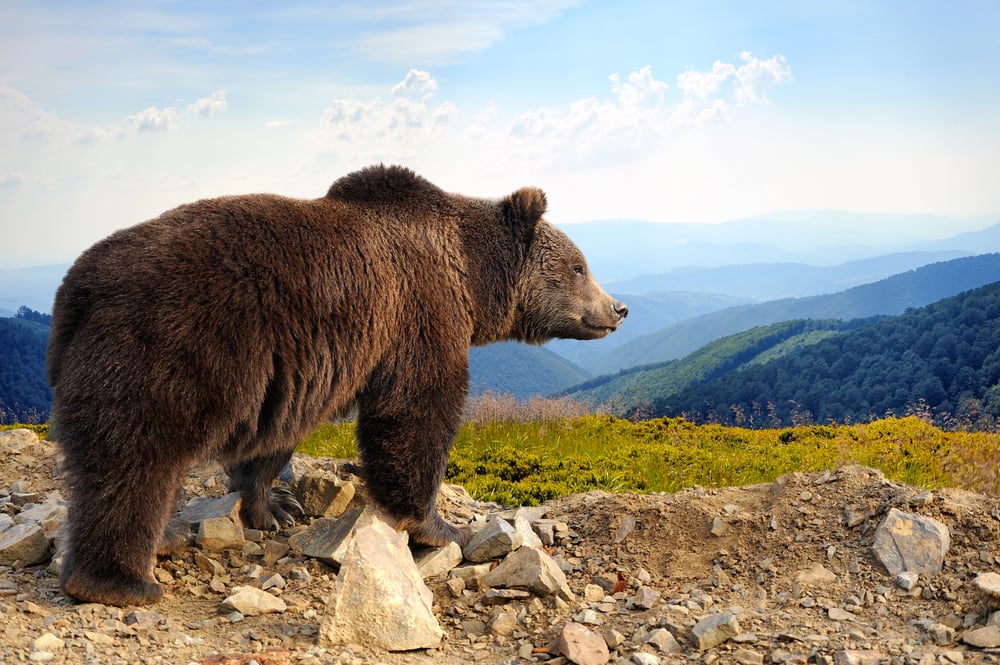
In December 1915, a large brown bear entered a village in Sankebetsu, Japan, and killed seven people in less than a week. It entered homes and attacked women and children while the men were out hunting.
Fear spread so quickly that some villagers abandoned their homes. Hunters were called in to track the animal, which was eventually killed after a tense and dangerous chase.
Leopard of Rudraprayag
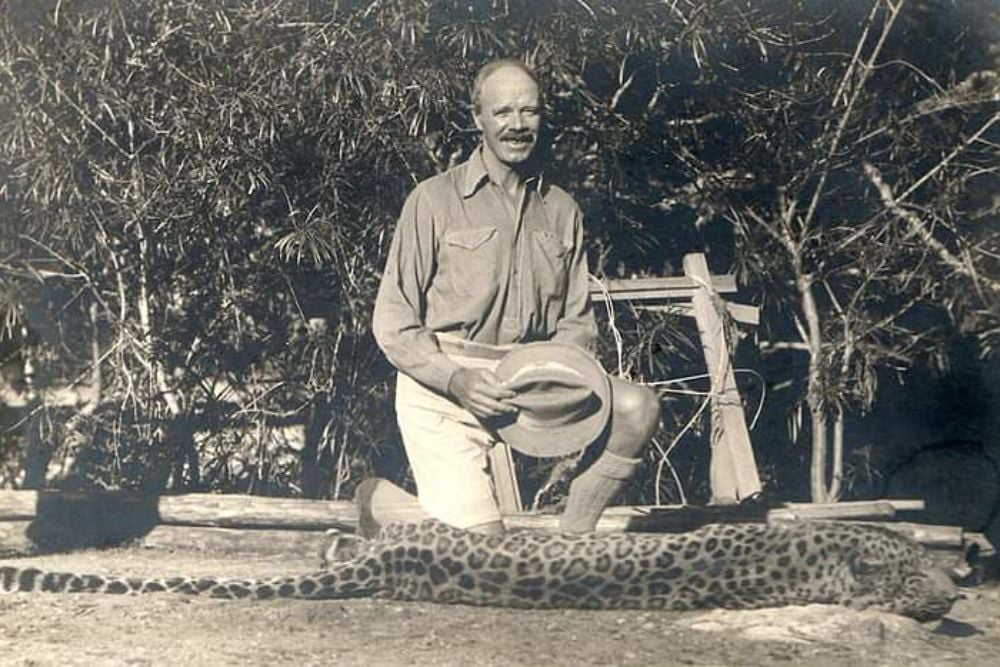
From 1917 to 1925, a leopard stalked villages in Rudraprayag, India, killing around 125 people. It often broke into homes at night, dragging sleeping victims into the darkness.
The attacks continued for years despite attempts to trap the animal. Jim Corbett, also known for killing the Champawat tigress, finally ended the leopard’s rampage after a long and difficult hunt.
Like Go2Tutors’s content? Follow us on MSN.
Tiger Attacks in the Sundarbans
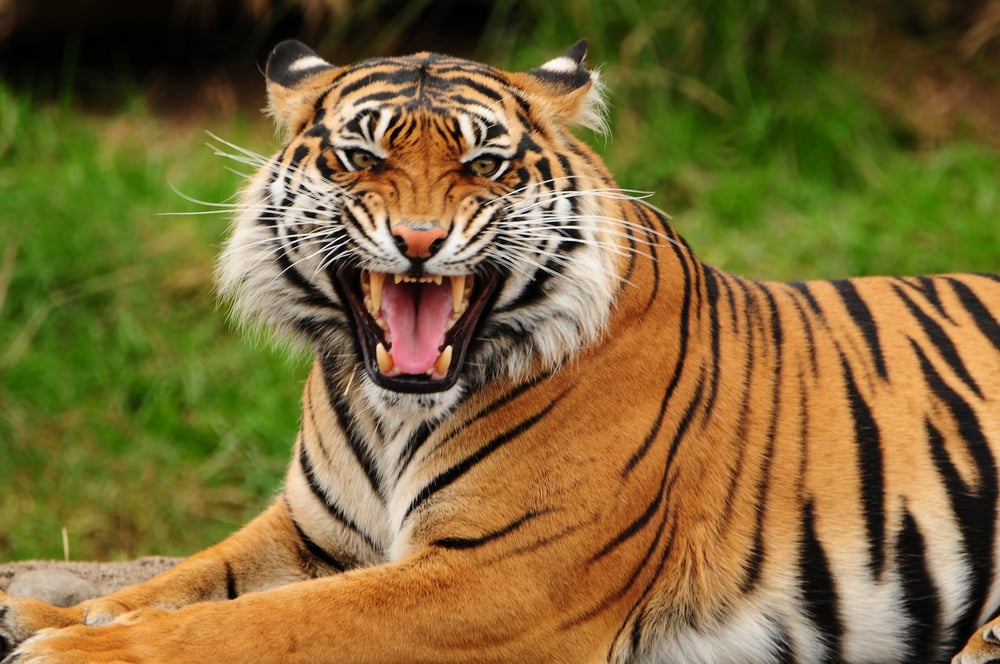
The Sundarbans, a massive mangrove forest between India and Bangladesh, has long been known for frequent tiger attacks. The animals sometimes enter villages, while others attack fishermen who venture near tiger territory.
Some researchers think high salt levels in the environment affect the tigers’ health and behavior. Local people have developed creative strategies, such as wearing masks on the back of their heads to confuse the predators.
Kali River Goonch Attacks
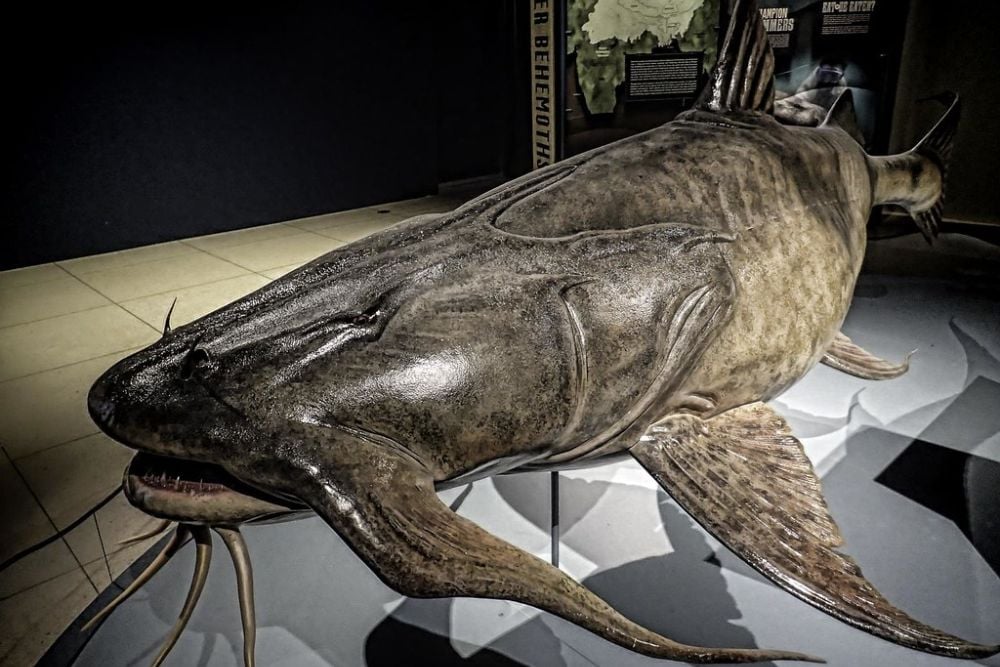
Along the Kali River between India and Nepal, reports surfaced of a giant catfish dragging people underwater. These attacks, recorded between 1998 and 2007, led to speculation that a massive goonch catfish had developed a taste for human flesh.
Some locals believed cremation practices along the river attracted the predator. While the theory has never been proven, it created a lasting sense of fear and mystery around the river.
Grizzly Man Incident
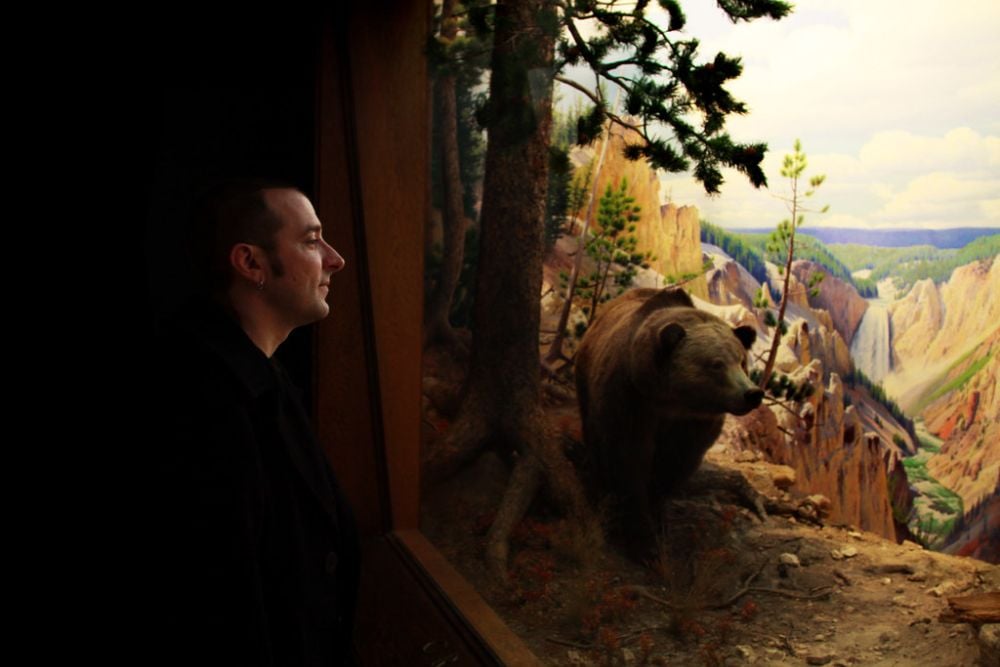
Timothy Treadwell spent over a decade living among grizzly bears in Alaska’s Katmai National Park. In 2003, his life came to a tragic end when he and his girlfriend were killed by a bear during one of his stays.
Audio from the attack was recorded but never released to the public. The incident led to widespread discussion about wildlife boundaries and the dangers of overconfidence around large predators.
Like Go2Tutors’s content? Follow us on MSN.
Roy Horn and the Tiger

During a 2002 performance in Las Vegas, Roy Horn of Siegfried & Roy was attacked by his white Bengal tiger, Montecore. The animal bit Horn’s neck and dragged him offstage, causing serious injuries and ending his stage career.
The tiger had been a part of the act for years without incident. The event reignited public concern over the safety of using wild animals in entertainment.
Steve Irwin and the Stingray

Steve Irwin, famous for his energetic wildlife shows, died in 2006 after being struck in the chest by a stingray barb while filming in Australia. Fatal stingray injuries are extremely rare, which made his death all the more shocking.
Irwin was known for promoting animal education and conservation through hands-on encounters. His legacy continues through the work of his family and the Australia Zoo.
Pit Bull Attack in San Antonio

In 2025, Simone Lyke was killed in her backyard by her own pit bull in San Antonio, Texas. The attack lasted over twenty minutes, and attempts to stop it were unsuccessful.
The story caught global attention due to the breed and the length of the assault. It sparked renewed debate over pet safety, breed restrictions, and public awareness around dog behavior.
Like Go2Tutors’s content? Follow us on MSN.
Stray Dog Pack in California

Also in 2025, a homeless woman was attacked by a pack of stray dogs in San Bernardino, California. Witnesses said the dogs behaved like a coordinated group, surrounding the woman before launching the fatal attack. Police arrived and fired shots to break it up, capturing over a dozen animals afterward.
The tragedy raised urgent concerns about rising stray populations and public safety in neglected urban areas.
Wolf Attack in the Netherlands
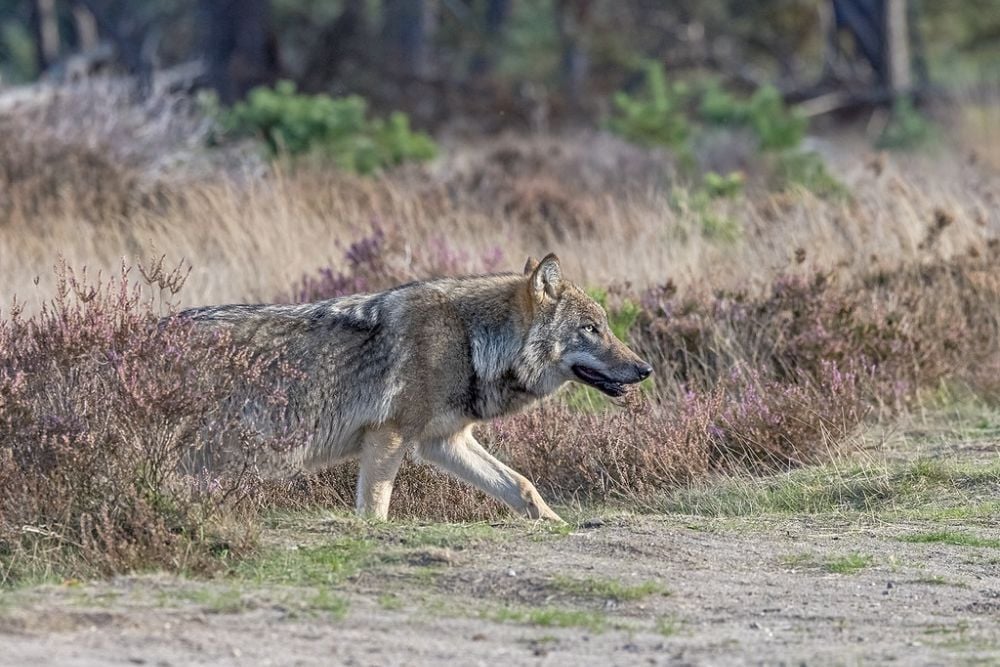
On July 30, 2025, a young boy was bitten by a wolf in a Dutch nature reserve and briefly dragged into nearby woods. The wolf was chased off by nearby adults, and the boy survived with injuries. Wolves had only recently returned to the Netherlands after more than a century of absence.
The attack led to intense debate across Europe about predator reintroduction and how to manage risk around populated areas.
Tiger Rampages in Maharashtra
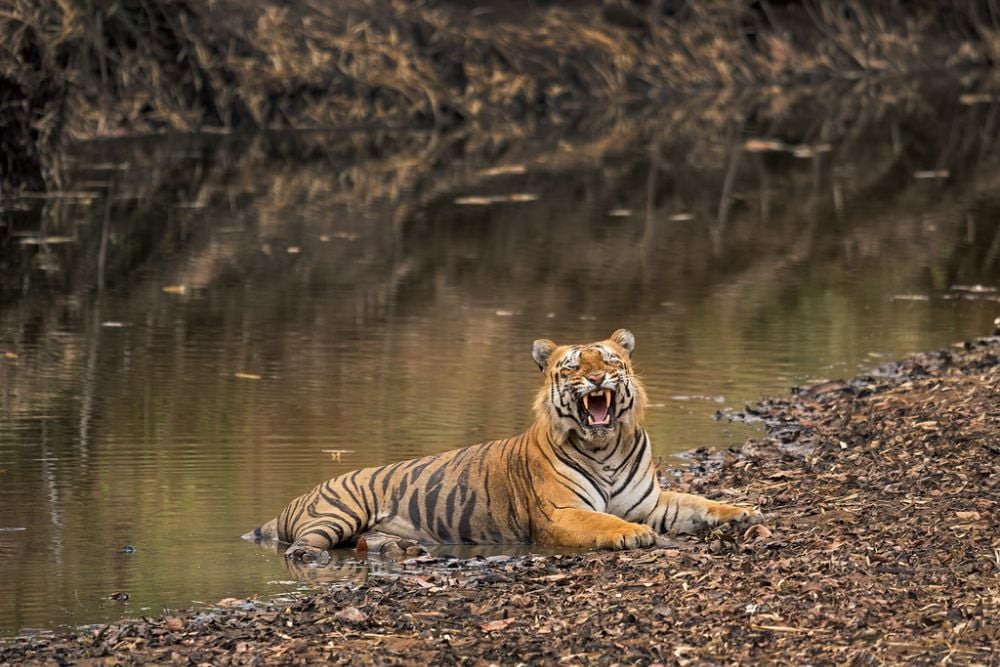
Tiger attacks have increased in Maharashtra, India, as a result of habitat fragmentation and dwindling prey availability. Before being apprehended, a male tiger is said to have killed thirteen people. According to experts, the animal’s aggression may have been triggered by its isolation from its territory.
As safety concerns and conservation efforts collided, local communities called for more robust protections.
Like Go2Tutors’s content? Follow us on MSN.
Elephant Conflicts in Thailand

Elephant fatalities have sharply increased in Thailand since 2018, particularly in rural and tourist areas. Many of these elephants were employed, frequently in difficult circumstances, for work or entertainment.
Some reacted violently to stress or provocation, injuring or killing others. National discussions concerning animal welfare regulations and the prospects of elephant tourism were spurred by the incidents.
Elephant Stampede at Sri Lanka Festival
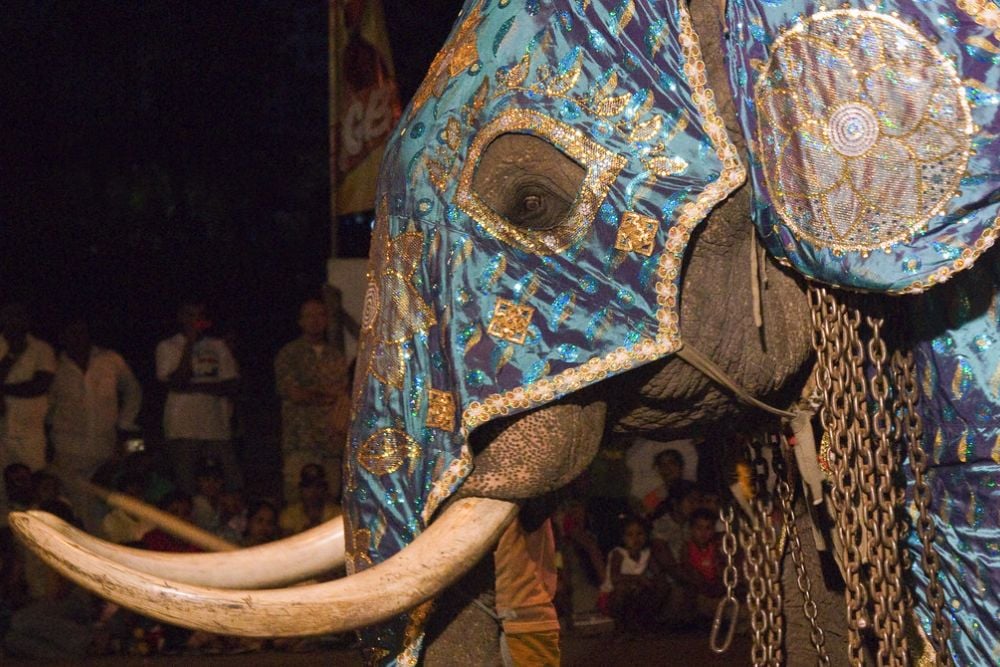
An elephant that was part of the procession during a religious festival in Sri Lanka became frightened and dashed through a crowded area. Before the animal was subdued, dozens of people suffered injuries.
Serious concerns were raised by the stampede regarding the use of elephants at public gatherings. demands that more stringent rules be adhered to, particularly with regard to the care and training of ceremonial animals.
From Shock to Safety Insights

When humans and animals interact without clear boundaries, as these sixteen cases demonstrate, things can go horribly wrong. Many of these attacks had human activity as their root cause, whether it was habitat loss, stress, or careless behavior.
Following each event, discussions about public safety, tourism, and wildlife management became more heated. People’s perceptions of animals as being worthy of respect and space, rather than just as threats, are still shaped by the lessons learned from these tragedies. Numerous calamities could be avoided in the future if this balance is understood.
Like Go2Tutors’s content? Follow us on MSN.
More from Go2Tutors!

- 16 Historical Figures Who Were Nothing Like You Think
- 12 Things Sold in the 80s That Are Now Illegal
- 15 VHS Tapes That Could Be Worth Thousands
- 17 Historical “What Ifs” That Would Have Changed Everything
- 18 TV Shows That Vanished Without a Finale
Like Go2Tutors’s content? Follow us on MSN.



