16 Animals That Can Live for Over 100 Years
Humans throw parties when someone hits 100, but plenty of animals cruise past that milestone like it’s nothing special. Nature’s packed with creatures that live so long they’d witness entire civilizations rise and fall. Some of these ancient animals crawl around ocean floors for centuries, others float through Arctic waters since before your great-great-grandparents were born.
What’s wild is how different animals crack the longevity code. Some barely move to conserve energy, others literally rewind their biological clocks when things get tough. Here is a list of 16 animals that can live for over 100 years, showing us that getting old doesn’t have to mean slowing down.
Greenland Shark
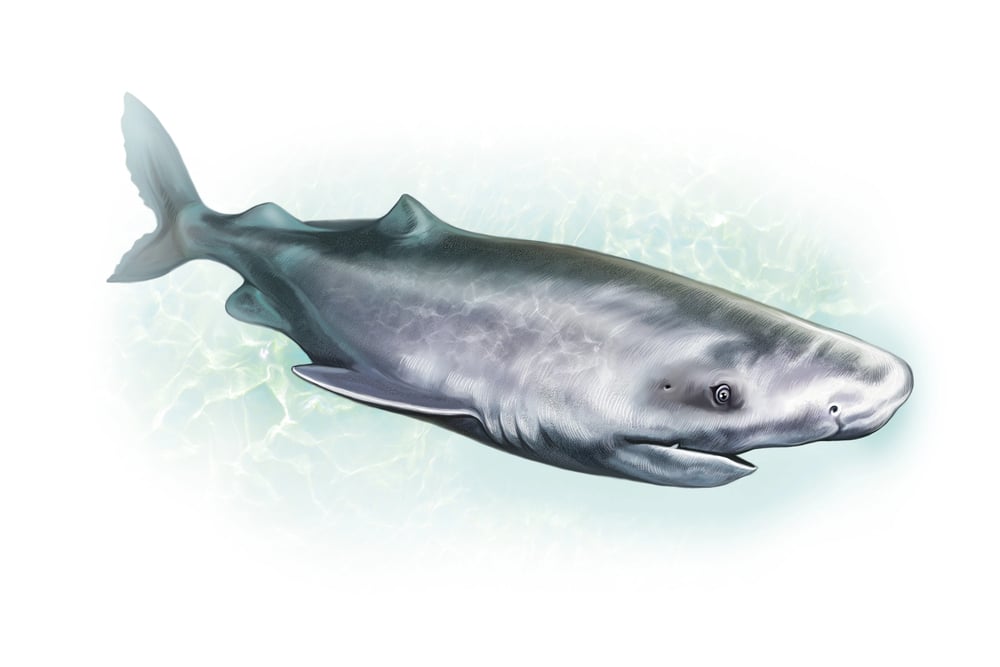
These Arctic monsters take the crown for oldest vertebrates on the planet. Scientists found some pushing 500 years old, which means they were swimming around when Shakespeare was writing plays.
They grow about as fast as your fingernails, adding maybe half an inch per year in those freezing waters.
Bowhead Whale
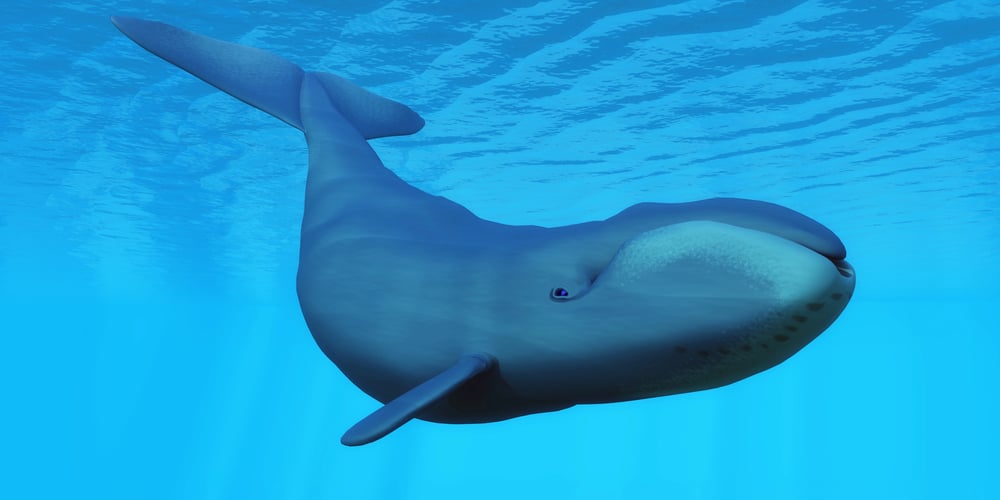
Bowhead whales laugh at the 200-year mark. Researchers have pulled century-old harpoon tips out of living whales, proving these giants survived attacks from the 1800s.
Living in icy Arctic waters seems to be their secret, along with some pretty impressive genes that fight off cancer.
Like Go2Tutors’s content? Follow us on MSN.
Galápagos Giant Tortoise
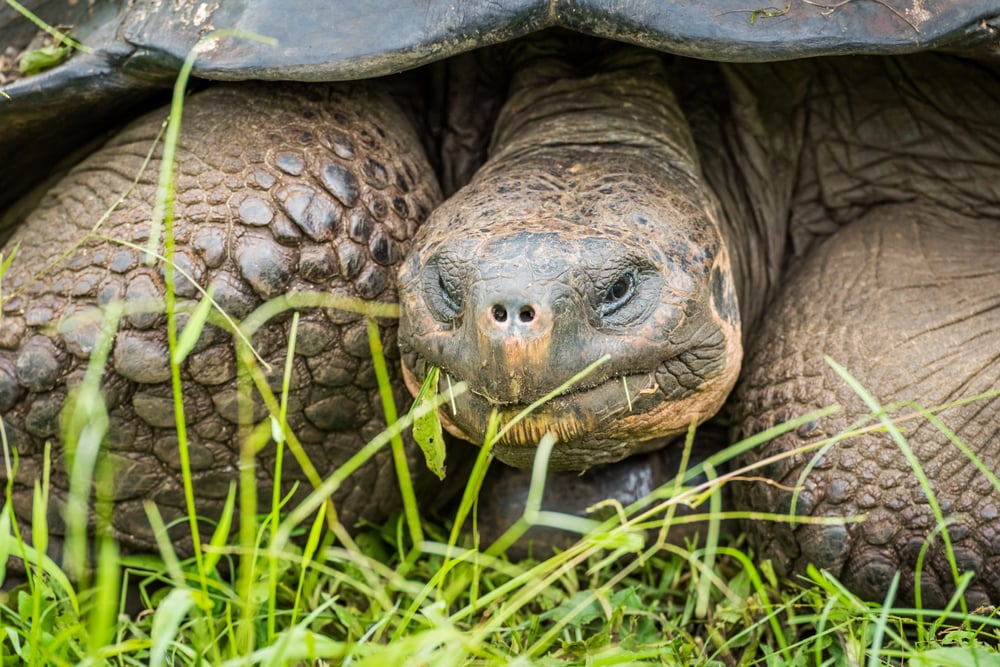
Galápagos giant tortoises consistently live over 100 years, with many individuals reaching 150 to 180 years old. These island giants have survived volcanic eruptions and centuries of human interference while slowly munching their way through life.
Their isolation on the Galápagos Islands, combined with their massive size and armored shells, gives them the perfect recipe for extreme longevity.
Immortal Jellyfish

Here’s where things get weird. Turritopsis dohrnii can basically hit the reset button when life gets rough.
Stressed out or getting old? No problem, just transform back into a baby and start over. It’s like having unlimited lives in a video game.
Ocean Quahog Clam
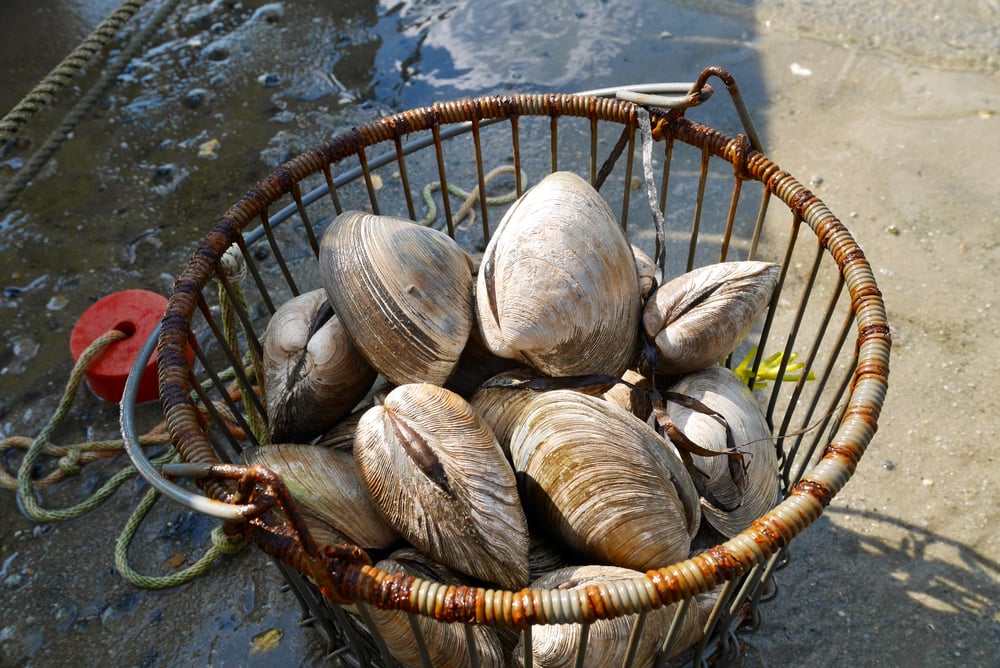
The record holder lived 507 years before scientists accidentally killed it while trying to figure out how old it was. Talk about bad timing.
These clams just sit on the ocean floor, filtering water and counting the decades like tree rings on their shells.
Like Go2Tutors’s content? Follow us on MSN.
Red Sea Urchin

A 200-year-old sea urchin is just as spunky as a young one. They don’t seem to age at all, staying fertile and healthy no matter how many birthdays pass.
Must be nice to never worry about getting creaky joints.
Tuatara

New Zealand’s tuataras are living dinosaurs that haven’t evolved much in 200 million years. They can hold their breath for an hour and go months without eating.
When your metabolism runs that slowly, hitting 150 years isn’t that impressive.
Rougheye Rockfish

These deep-sea dwellers take their sweet time with everything. They don’t even bother reproducing until they’re in their twenties or thirties.
Living in the stable, cold depths of the North Pacific apparently adds decades to your lifespan.
Like Go2Tutors’s content? Follow us on MSN.
Geoduck Clam

Geoducks can weigh over 10 pounds and live buried in Pacific Northwest mud for over 200 years. They’ve got the right idea about avoiding trouble by staying underground.
Sometimes the best defense is just hiding from the world.
Koi Fish

The famous Hanako supposedly lived 226 years in Japan before dying in 1977. Most koi don’t get nearly that old in regular ponds, but give them perfect conditions and no predators, and they’ll outlive your grandchildren.
Lobster

American lobsters might be immortal if nothing eats them first. They never stop growing and don’t show typical aging signs.
Their secret weapon is an enzyme called telomerase that keeps fixing cellular damage. Basically, they’re biological repair machines.
Like Go2Tutors’s content? Follow us on MSN.
Macaw
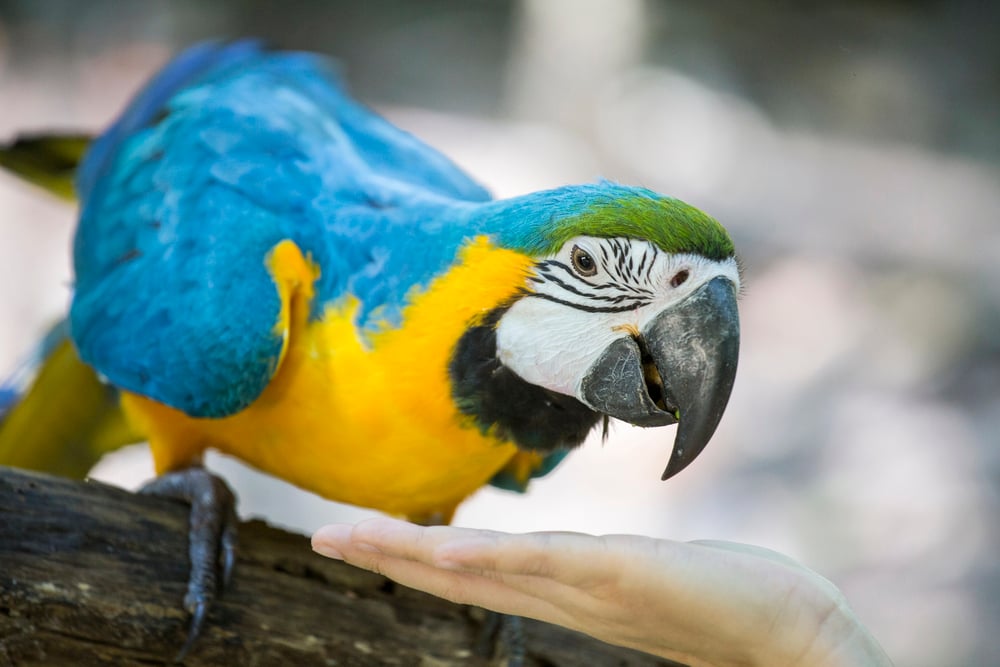
Blue-and-yellow macaws can live past 100 while staying social and having babies. These smart birds often live longer in captivity than in the wild, probably because nobody’s trying to eat them and they get regular vet checkups.
Elephant

Elephants regularly hit 70-80 years in the wild, which is pretty amazing for such massive land animals. Their size keeps most predators away, and they keep learning new things their entire lives.
Plus, they eat their vegetables.
Galápagos Giant Tortoise

These island giants have weathered volcanic eruptions and centuries of human interference while munching their way to 180 years old. When you’re that big and armored, plus live on isolated islands, aging becomes less of a concern.
Like Go2Tutors’s content? Follow us on MSN.
Aldabra Giant Tortoise

Another tortoise species that routinely crosses the century mark. Weighing up to 550 pounds, they move slowly to save energy throughout their marathon lifespans.
Their remote Seychelles homes keep them safe from most threats.
Freshwater Pearl Mussel
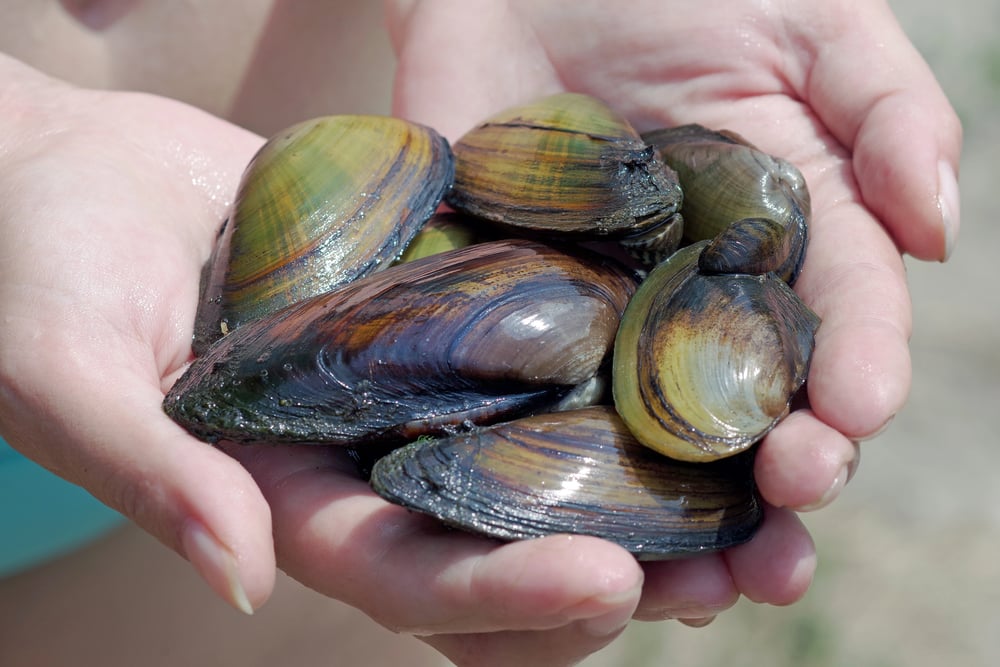
These European mussels can hit 280 years, but they’re critically endangered now. Pollution and habitat destruction are cutting short lifespans that naturally lasted centuries.
It’s ironic that the longest-lived freshwater animals are disappearing because of human activity.
Living Clocks That Keep Ticking

These ancient animals prove that time works differently across species. While humans obsess over anti-aging creams, these creatures figured out longevity millions of years ago.
Climate change and pollution now threaten animals whose lifespans have stayed consistent since medieval times. Protecting them means preserving living libraries of biological wisdom that took
More from Go2Tutors!

- 16 Historical Figures Who Were Nothing Like You Think
- 12 Things Sold in the 80s That Are Now Illegal
- 15 VHS Tapes That Could Be Worth Thousands
- 17 Historical “What Ifs” That Would Have Changed Everything
- 18 TV Shows That Vanished Without a Finale
Like Go2Tutors’s content? Follow us on MSN.